

Leave Your Message
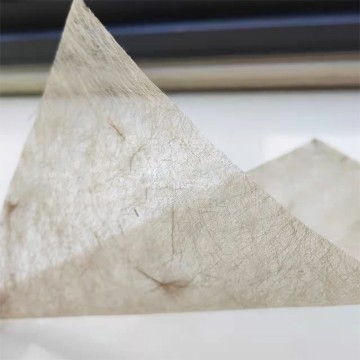
Basalt Fiber Surfacing Tissue Mat engineered to provide a smooth resin-rich surface layer for fiber reinforced plastic components in automotive applications.
Read More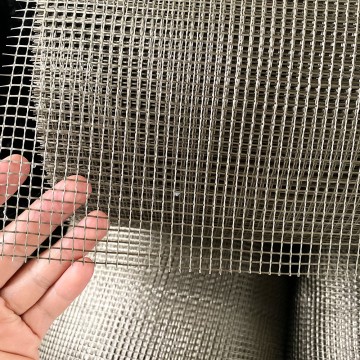
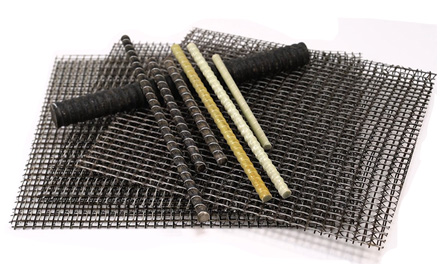
High-performance Basalt Fiber Mesh providing superior reinforcement for automotive body panels and composite structures with high alkali resistance.
Read More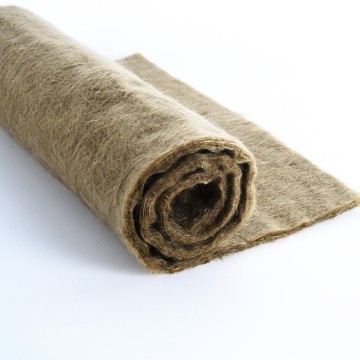
High-density insulation material manufactured by mechanically bonding continuous basalt fibers, ideal for automotive engine compartment thermal management.
Read More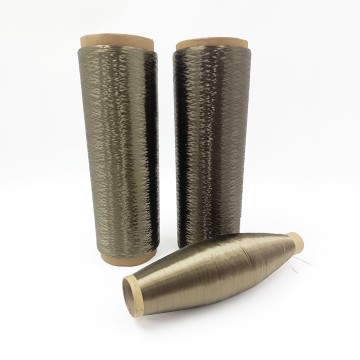
Engineered by twisting multiple continuous filaments to enhance mechanical strength and processing stability for automotive composite weaving applications.
Read MoreThe global automotive industry is undergoing a profound transformation driven by tightening emissions regulations, electrification targets, and consumer demand for fuel efficiency. At the heart of this revolution lies a critical engineering challenge: how to significantly reduce vehicle weight without compromising structural integrity, safety, or durability.
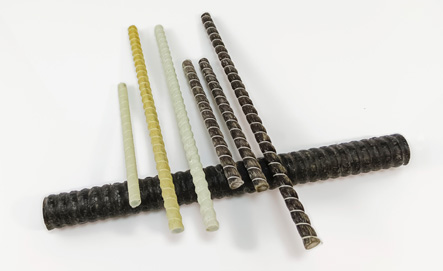
The 8mm basalt reinforcing bar (rebar) has emerged as a compelling answer. Derived from naturally occurring volcanic basalt rock melted at temperatures between 1,450°C and 1,500°C, this high-performance fiber composite rod offers a tensile strength exceeding 1,000 MPa — roughly 2.5 times that of conventional steel rebar — at just one-quarter of the weight.
Unlike traditional steel reinforcement, basalt fiber rebar does not corrode, does not conduct electricity, and is fully transparent to radio frequencies — properties that are increasingly critical in modern electric vehicles (EVs) equipped with advanced driver-assistance systems (ADAS) and wireless communication modules.
The global basalt fiber market was valued at approximately USD 320 million in 2023 and is projected to exceed USD 680 million by 2030, growing at a CAGR of over 11%. The automotive segment represents one of the fastest-growing application areas, driven by OEM lightweight mandates and EV platform development.
Leading automotive manufacturers in Europe, North America, and China have begun integrating basalt fiber composite components into production vehicles, including battery enclosures, structural underbody panels, door reinforcement inserts, and bumper beam substrates. The 8mm diameter specification has become a preferred standard for structural reinforcement rods in composite automotive subframes and crash-management systems.
With a density of only 2.6–2.8 g/cm³ compared to steel's 7.85 g/cm³, 8mm basalt rebar delivers exceptional structural performance while dramatically reducing component mass — a critical factor for EV range optimization and fuel economy improvements in ICE vehicles.
Basalt fiber rebar exhibits zero electrochemical corrosion, making it ideal for automotive underbody applications, wheel arch reinforcements, and battery tray structures exposed to road salt, moisture, and chemical agents throughout the vehicle's service life.
Unlike steel, basalt rebar is electrically non-conductive and fully transparent to electromagnetic waves, enabling seamless integration with ADAS radar systems, 5G antennas, and wireless charging infrastructure in modern electric and autonomous vehicles.
Rated for continuous service from -260°C to +700°C, basalt rebar composites withstand the thermal cycling stresses in engine compartments, exhaust heat shields, and battery thermal management systems without dimensional distortion or mechanical degradation.
Manufactured from 100% natural volcanic basalt rock with no additives or chemical binders, basalt fiber rebar has a significantly lower carbon footprint than carbon fiber and is fully recyclable — aligning with automotive OEM sustainability commitments and EU end-of-life vehicle directives.
The 8mm diameter specification offers optimal balance between flexibility for complex curved automotive geometries and rigidity for structural load-bearing applications. Basalt rebar can be cut, shaped, and integrated into resin infusion and pultrusion manufacturing processes with standard tooling.
Electric vehicle battery packs represent the single heaviest component in an EV platform, often accounting for 400–600 kg in full-size vehicles. Integrating 8mm basalt fiber rebar as structural reinforcement ribs within composite battery enclosures reduces enclosure mass by up to 40% compared to aluminum alloy designs, while providing superior impact resistance for bottom-impact protection — a critical safety requirement under NCAP and UN ECE R100 standards.
The non-conductive nature of basalt rebar also eliminates short-circuit risks from structural reinforcement elements penetrating cell modules during crash events, offering a passive safety advantage that metallic reinforcements cannot provide.
Next-generation multi-material vehicle architectures are increasingly incorporating basalt fiber rebar-reinforced polymer composite subframes in place of stamped steel assemblies. The 8mm rebar format is particularly suited for pultrusion and resin transfer molding (RTM) processes used to manufacture hollow structural sections, achieving weight savings of 50–65% while meeting NVH (noise, vibration, harshness) and crash performance requirements.
Automotive crash management systems demand materials that can absorb and distribute impact energy progressively. Basalt fiber rebar composites exhibit excellent energy absorption characteristics and can be engineered with controlled crush zones. The 8mm diameter provides the ideal cross-sectional stiffness for longitudinal crash rail reinforcements and transverse bumper beam inserts in both passenger cars and commercial vehicles.
In motorsport and high-performance vehicle segments, every gram of weight reduction translates directly into lap time improvements and dynamic performance gains. Basalt fiber rebar is being evaluated and deployed in roll cage reinforcement inserts, floor panel stiffening ribs, and aerodynamic component mounting brackets. Its vibration damping coefficient — approximately 1.5× higher than carbon fiber — also contributes to improved ride quality and reduced structural fatigue in high-load applications.
Engine bay firewalls, transmission tunnel heat shields, and underbody acoustic panels represent emerging application areas where 8mm basalt rebar-reinforced composite boards replace conventional steel-and-mineral-wool assemblies. The combination of basalt's inherent thermal resistance and the composite matrix's acoustic damping properties delivers multi-functional performance in a single lightweight component.
With global EV sales projected to reach 45 million units annually by 2030, the demand for lightweight structural materials is set to surge exponentially. Basalt fiber rebar is positioned to capture a significant share of the automotive composites market, particularly in battery system structures and body-in-white applications where corrosion resistance and electromagnetic neutrality provide decisive advantages over competing materials.
Advances in robotic filament winding, automated fiber placement (AFP), and continuous pultrusion technologies are making basalt rebar-reinforced composite manufacturing increasingly cost-competitive with traditional metal stamping. Industry analysts project that automated production of basalt composite automotive components will achieve cost parity with aluminum by 2027, unlocking mass-market adoption across mainstream vehicle segments.
Research institutions and Tier-1 automotive suppliers are actively developing hybrid material systems combining 8mm basalt rebar with carbon fiber, glass fiber, and thermoplastic matrices to achieve optimized performance-cost profiles. These multi-scale reinforcement architectures leverage basalt's cost advantage over carbon fiber while meeting the stiffness requirements of structural automotive components.
The European Union's Corporate Average Fuel Economy (CAFE) standards and China's dual-carbon policy framework are compelling OEMs to reduce vehicle mass at an unprecedented pace. Basalt fiber rebar, derived from abundant natural volcanic rock with a production energy footprint 30% lower than glass fiber and 90% lower than carbon fiber, is increasingly recognized as a strategically aligned material for sustainable automotive manufacturing.
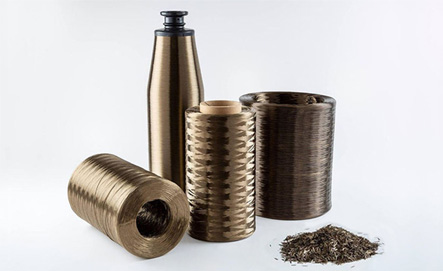
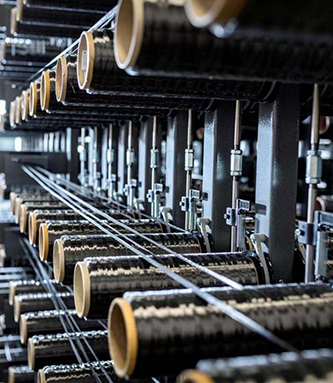
China Beihai is founded in 2015 and located in Jiujiang, Jiangxi Province. China Beihai is a high-tech enterprise focusing on the research, development, production and sales of high-performance basalt continuous fiber and its production equipment manufacturing, as well as a leading enterprise in the domestic basalt fiber industry.
With a decade of focused R&D in basalt fiber technology, we have established comprehensive capabilities spanning raw material processing, fiber drawing, composite manufacturing, and application engineering — enabling us to deliver integrated solutions for automotive lightweighting projects from material specification through to production-ready components.
View More
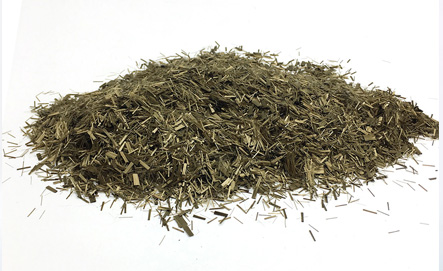
At China Beihai group, we specialize in the production of a wide range of products including basalt fiber mat (Basalt fiber chopped strand mat, Basalt fiber cloth), basalt fiber roving, basalt fiber yarn, basalt fiber chopped strands, and basalt fiber products (Basalt Fiber rebar, basalt fiber sleeves and tape). Our products are designed to meet the diverse needs of various industries, providing high-quality solutions for our customers — with special focus on automotive lightweight component applications.

At China Beihai group, we are dedicated to the production of a wide array of basalt-based products, ranging from basalt fiber mat, fabric, and roving to chopped strand and specialized construction materials. Our focus is on delivering high-quality, sustainable solutions for industries such as construction, geotechnical engineering, and manufacturing — including cutting-edge automotive lightweight applications. With a commitment to innovation and excellence, we strive to cater to the unique requirements of our clients by offering a comprehensive selection of basalt-derived products.

Choosing to work with China Beihai means working with a leading manufacturer of basalt products. Our commitment to quality, innovation and sustainability sets us apart, ensuring our customers receive best-in-class solutions for their diverse needs. Reliability and customer satisfaction, we offer a wide range of high-quality basalt materials and construction products, backed by our dedication to excellence and industry expertise. When you partner with China Beihai, you can trust that you are working with a reliable and forward-thinking partner — a trusted supplier for all your basalt product needs including 8mm reinforcing bar for automotive lightweight components.
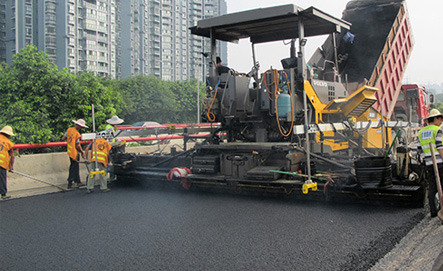
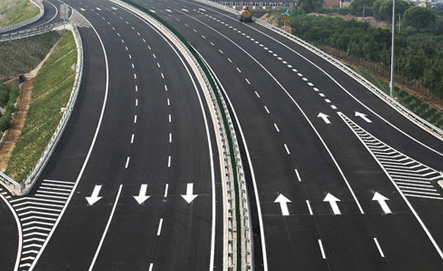
Basalt fiber is ideal for your engineering projects. Its high strength, corrosion resistance and lightweight properties allow it to easily solve a variety of challenges. In buildings, bridges, roads, automotive and other projects, basalt fibers demonstrate outstanding performance, extending structural life and reducing maintenance costs.

Facing the trend of lightweight automobile materials, basalt fiber composites realize wide application in the automobile field including EV battery structures and crash management systems.

Our basalt products have diverse applications in the field of house construction, providing durable and corrosion-resistant reinforcement solutions.

In the aerospace field, basalt fibers are ideal for manufacturing aircraft wings and engine components requiring high strength-to-weight ratios.

Basalt fibers enable spacecraft shell materials, thermal protection systems, and high-temperature-resistant components of aircraft engines.

Basalt-added concrete offers increased strength and durability, increased crack resistance, improved chemical resistance and improved workability.

Basalt's high strength, durability and protective properties make it ideal for protecting bridge abutment structures from vehicle collisions and corrosion.

The corrosion resistance of basalt fiber gives it a unique advantage in the petrochemical field for pipes, tanks, and structural components.

Basalt fiber as a high-performance composite material with lightweight, high strength, corrosion resistance, acid and alkali resistance for marine environments.
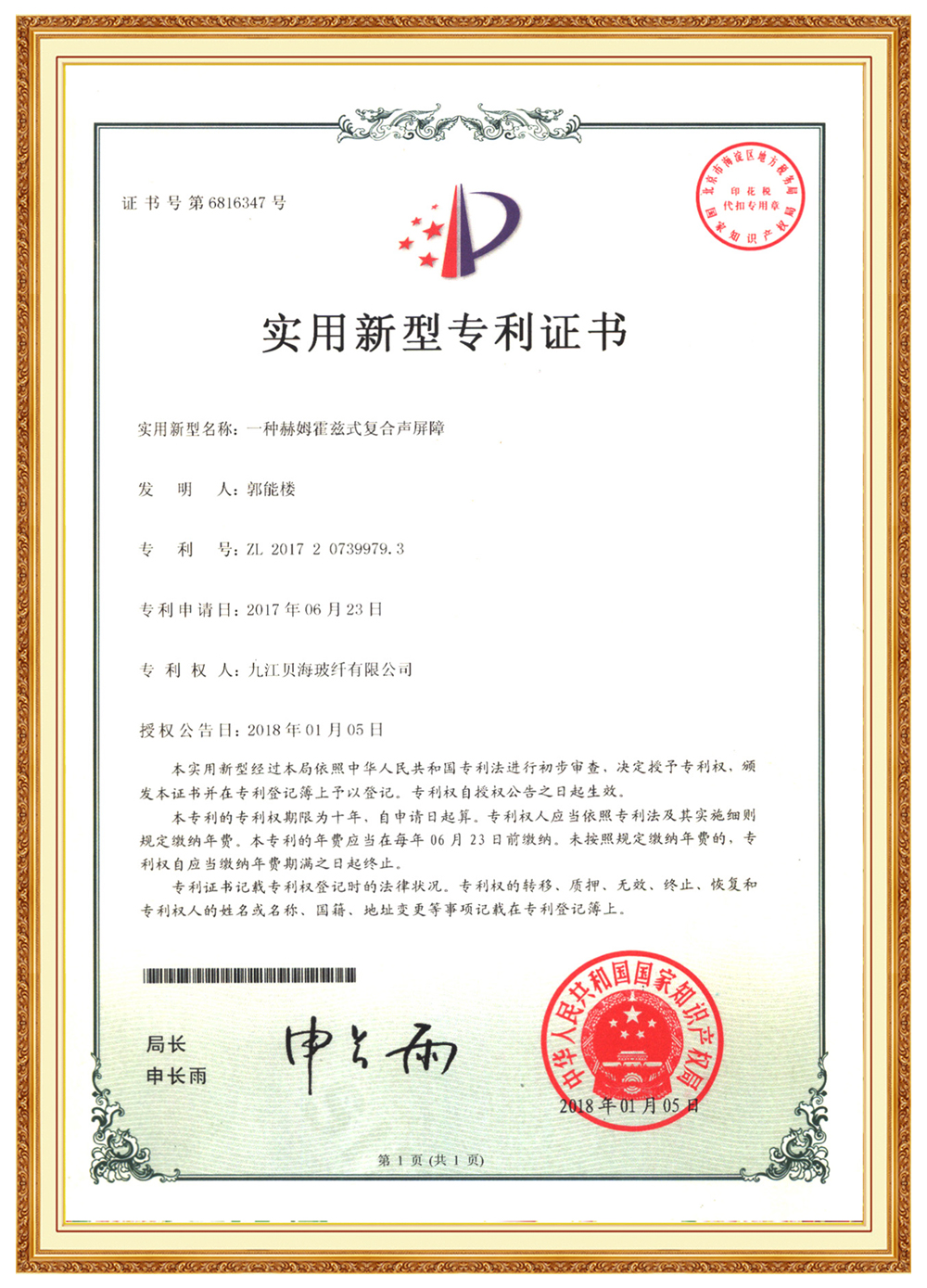
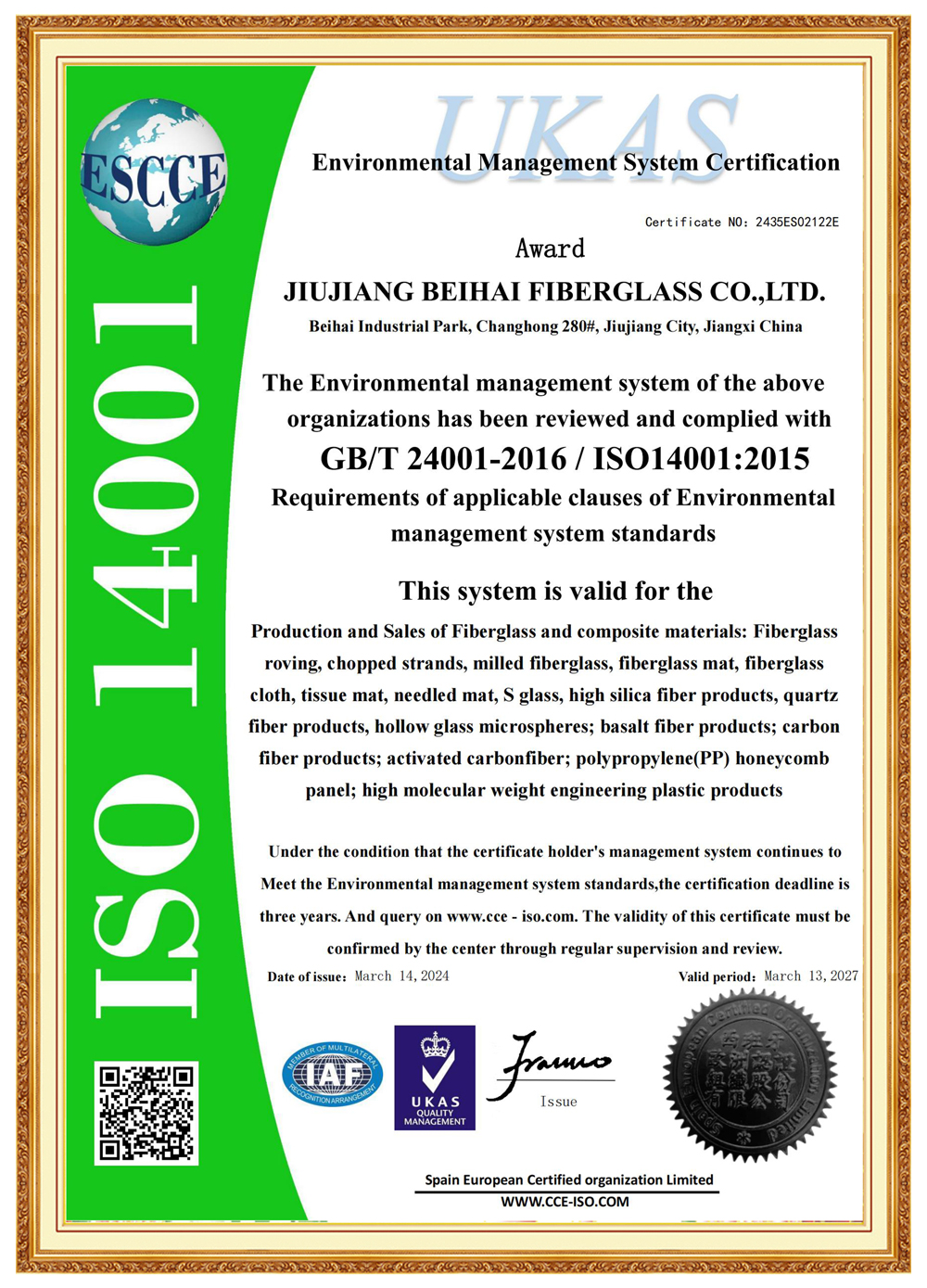

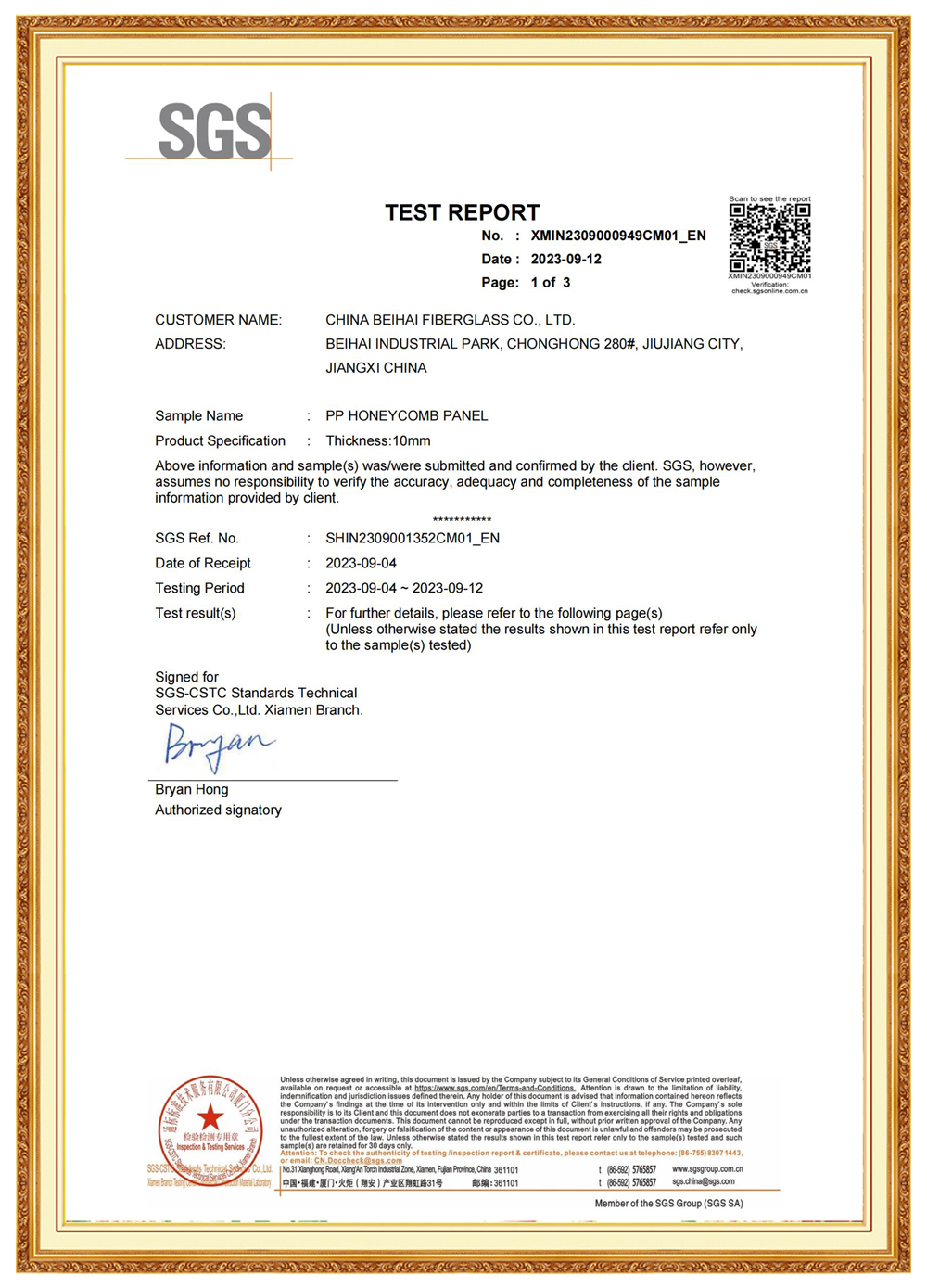
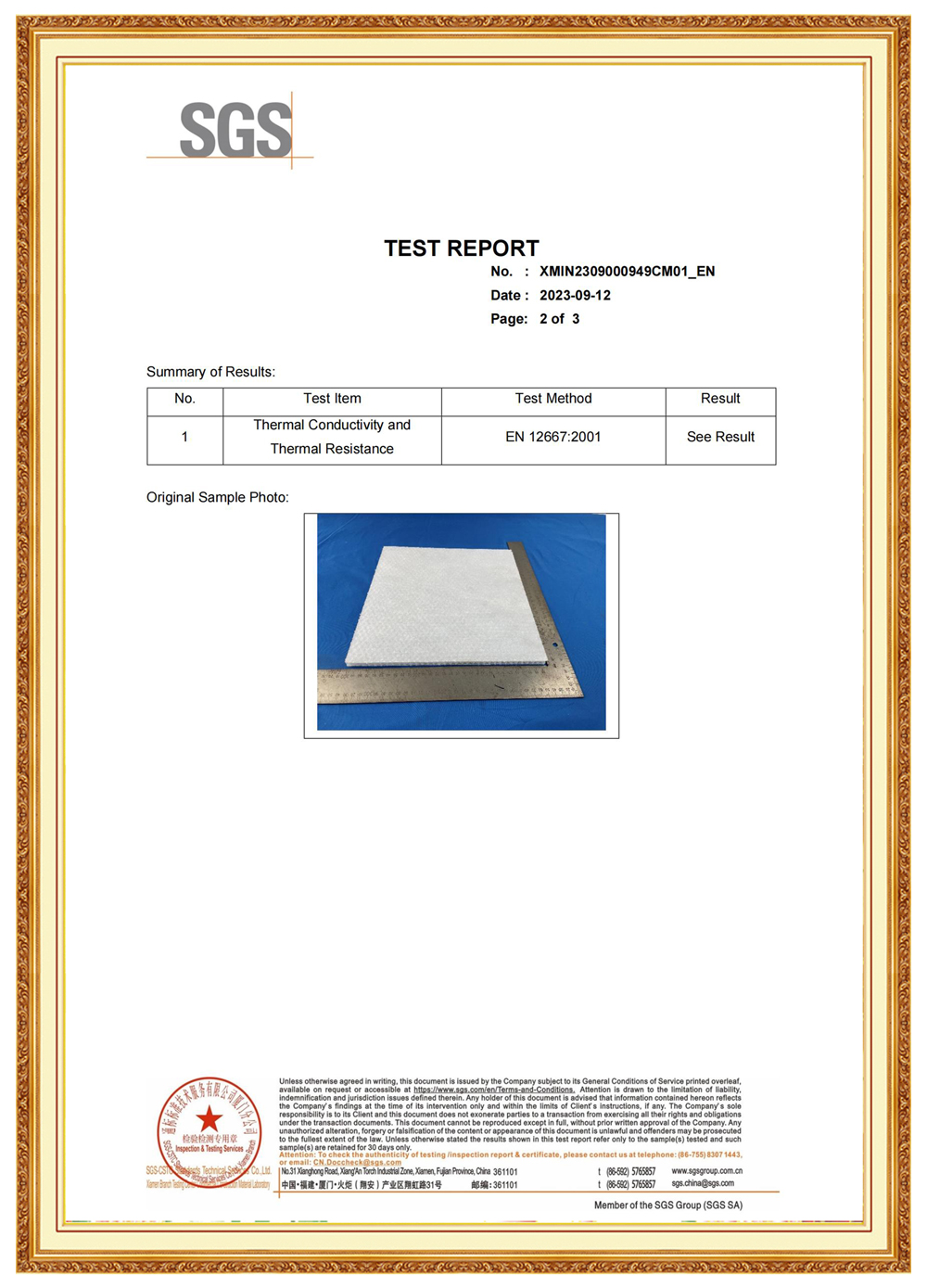
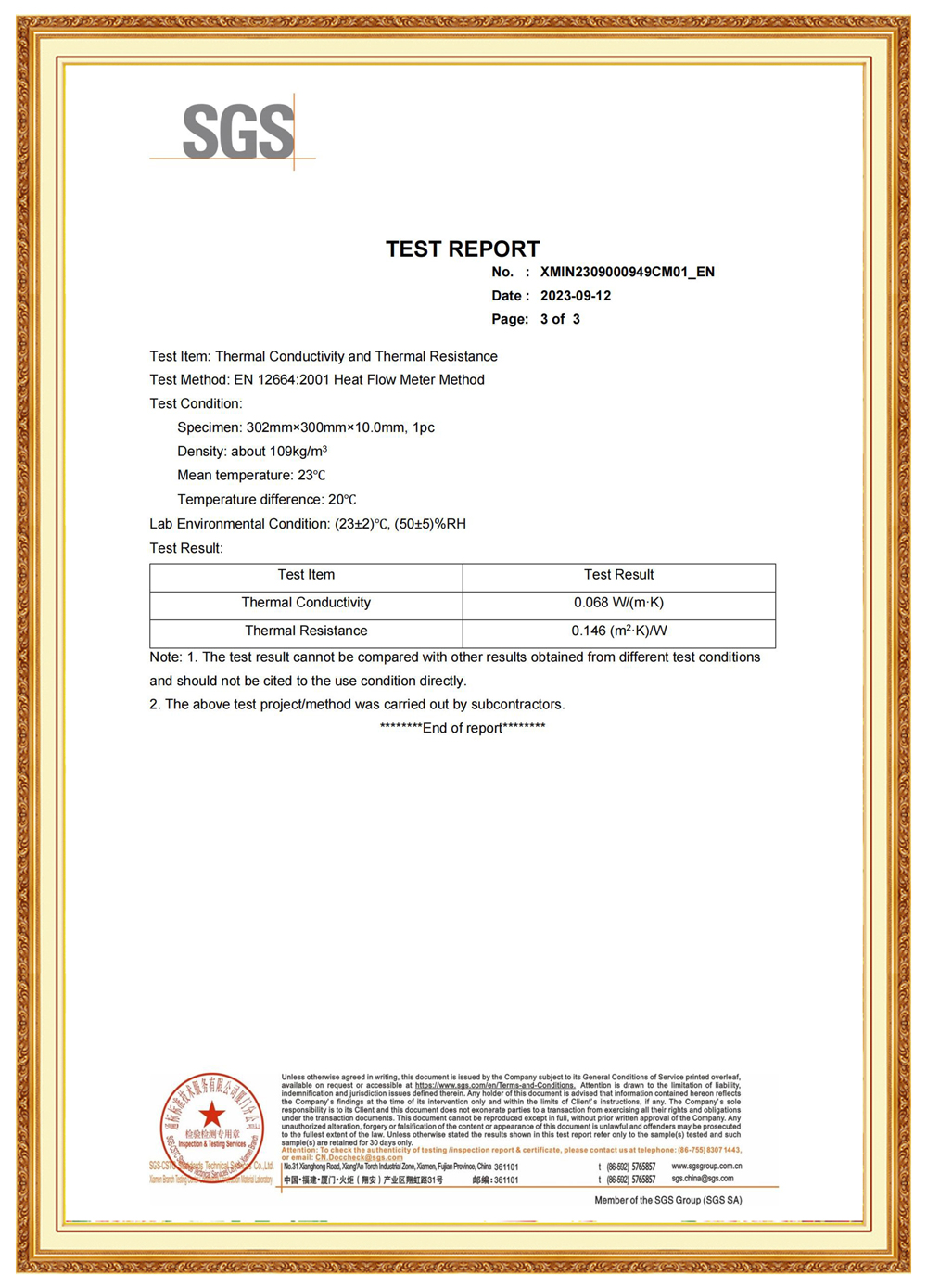
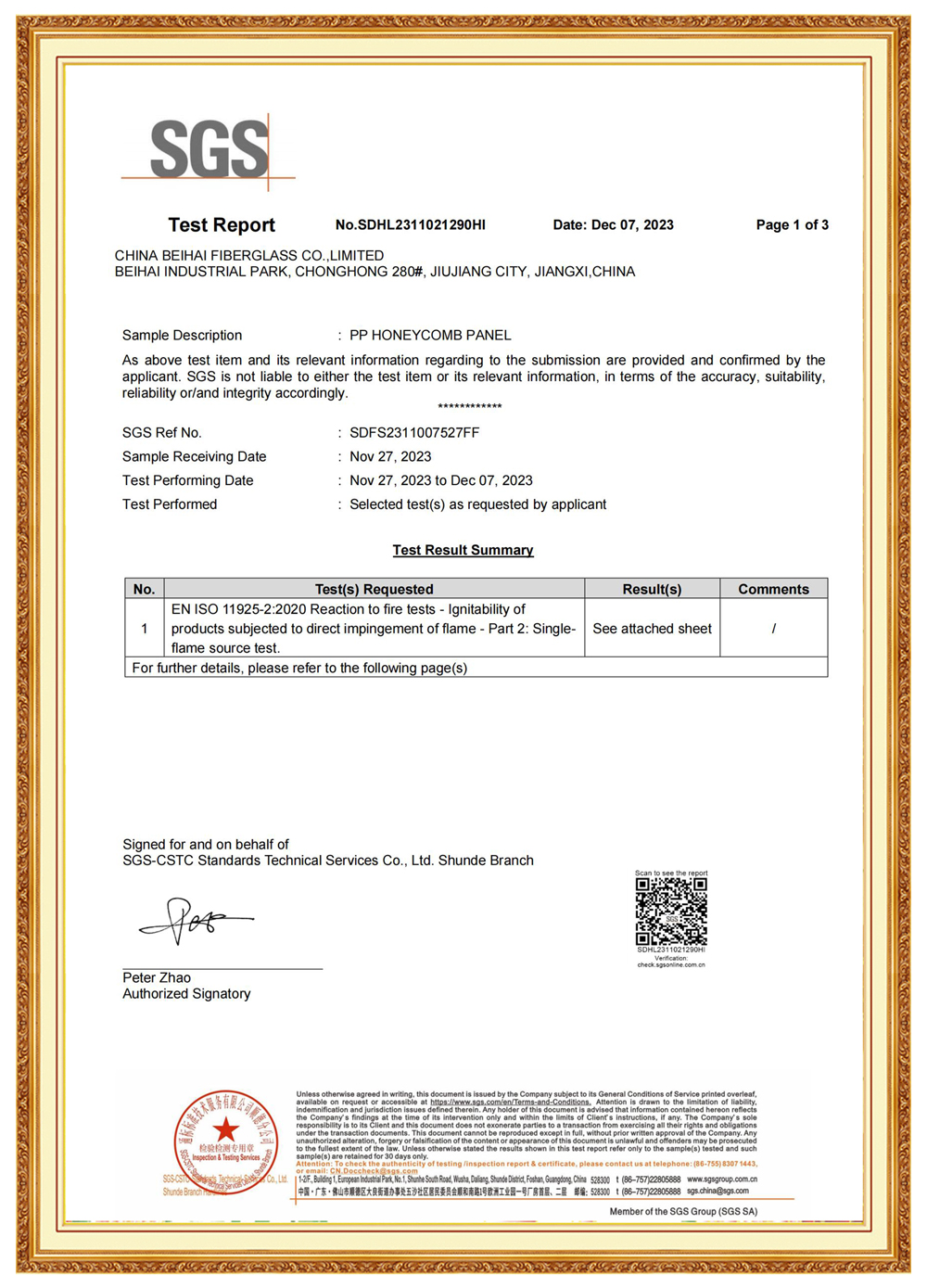

As drones slice through the sky to monitor wildfires, and intelligent robots execute repetitive tasks with precision on the factory floor, the efficient operation of this smart equipment is often underpinned by a "hardcore support" that is easily overlooked: a novel material derived from volcanic rock — basalt fiber. Though unassuming in appearance, its unique properties have made it the key to unlocking the performance limits of drones and robots, quietly driving a materials revolution within the realm of intelligent equipment.
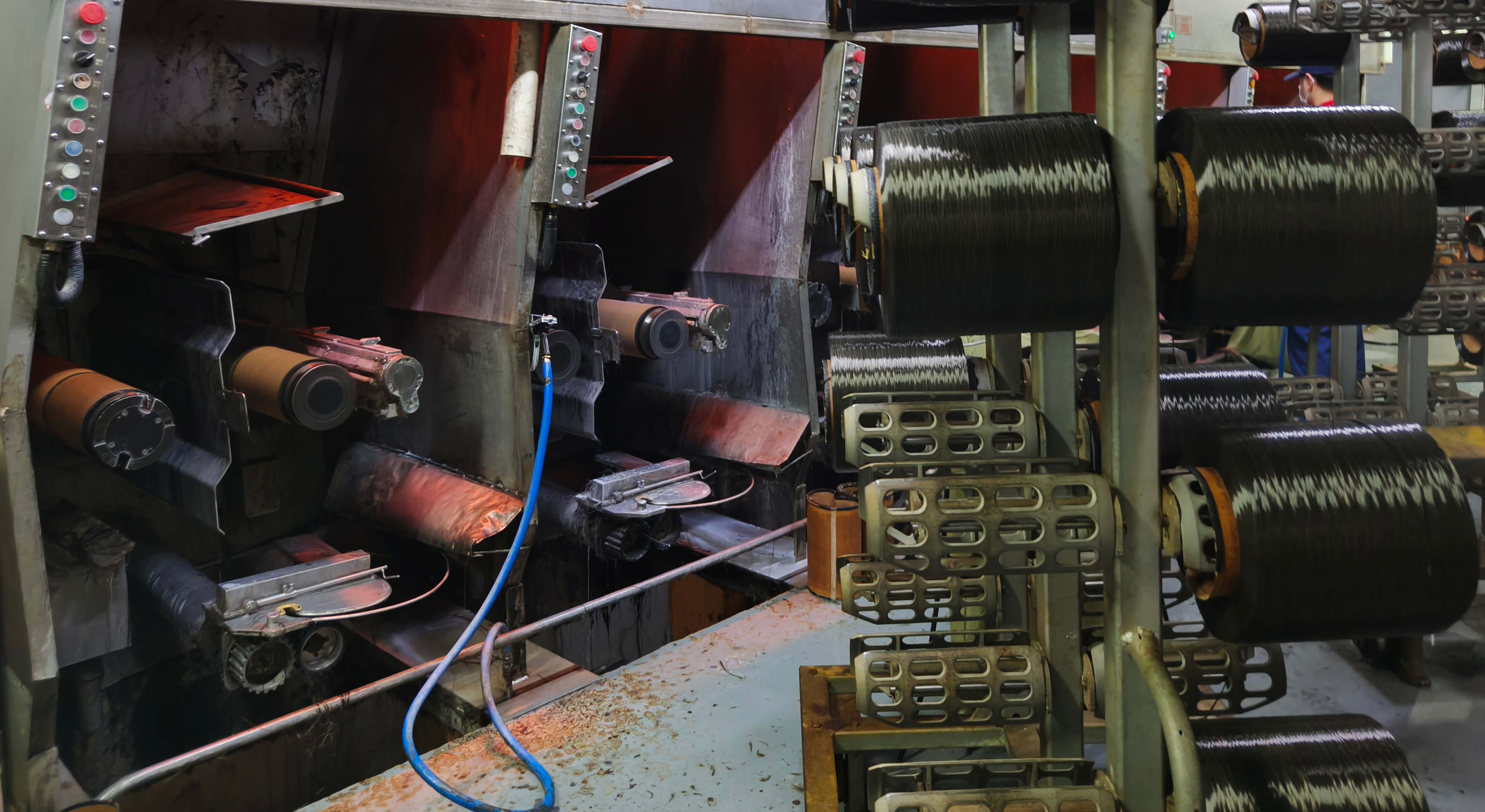
Basalt fiber is an inorganic fibrous material produced by drawing strands from natural basalt ore after it has been melted at high temperatures. It has garnered widespread attention for its exceptional physicochemical properties — particularly its performance in high-temperature environments.
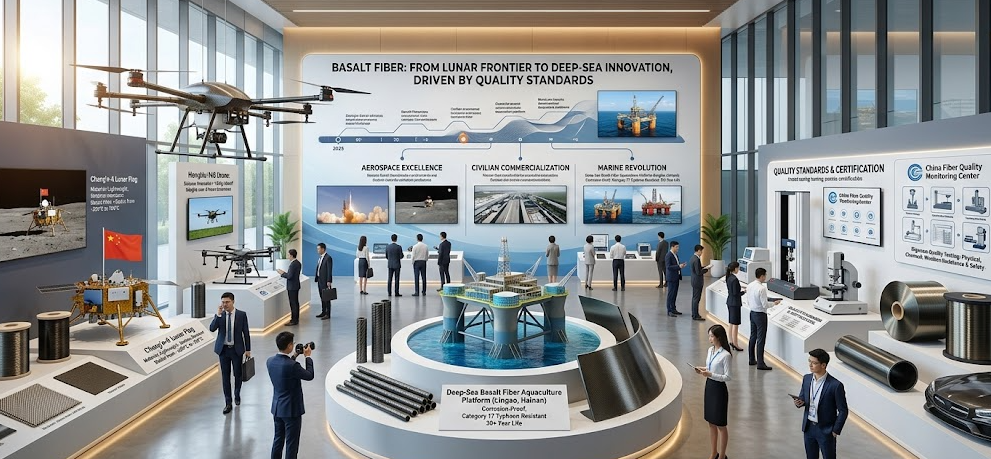
Recently, with the successful realization of major applications — such as the Chang'e-6 lunar exploration mission and the world's first deep-sea basalt fiber aquaculture platform — basalt fiber is rapidly accelerating its transformation from a laboratory research outcome into a strategic new material with tangible industrial productivity.
Partner with China Beihai — the leading manufacturer of 8mm basalt reinforcing bar and advanced basalt fiber composite solutions for automotive lightweight engineering. Get technical specifications, samples, and OEM pricing today.
Contact Us Now
Non-woven thin sheet engineered for smooth resin-rich surface layers in automotive fiber reinforced plastic components.
Read More
Superior reinforcement solution for automotive composite body panels and structural applications with high alkali resistance.
Read More
High-density insulation material for automotive engine compartment and battery thermal management systems.
Read More
Engineered continuous filament yarn for automotive composite weaving, braiding, and high-temperature sewing applications.
Read More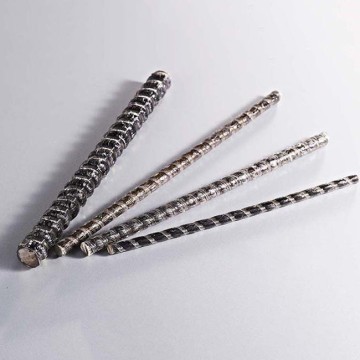
High-strength basalt fiber rebar for reinforcing composite structures across automotive, bridge, and infrastructure applications.
Read More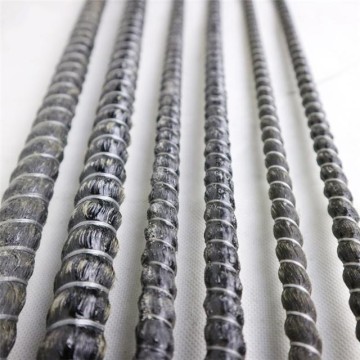
Epoxy resin composite basalt rebar offering superior corrosion immunity for automotive underbody and EV battery structural applications.
Read More
Standard 8mm diameter basalt rebar optimized for automotive composite subframe reinforcement and crash management system integration.
Read More
Specially engineered basalt composite rebar for electric vehicle battery pack structural reinforcement with full EMI transparency and corrosion immunity.
Read More