
Leave Your Message
High-performance basalt fiber materials engineered for the demanding marine and shipbuilding environment.
Basalt bars are naturally immune to saltwater, chloride ions, and marine biofouling — outperforming steel in seawater environments without any protective coating.
With tensile strength exceeding 4,800 MPa and density just 2.65 g/cm³, basalt bars reduce vessel deadweight significantly while maintaining structural integrity.
Basalt fiber maintains structural performance from −260°C to +700°C, providing critical fire-resistance properties for engine rooms and exhaust zones.
Produced from natural volcanic rock with no chemical additives, basalt bars are fully recyclable and align with IMO green shipping regulations and ESG goals.
The global shipbuilding industry is undergoing a profound materials revolution. Traditionally dominated by structural steel and, more recently, glass fiber reinforced polymers (GFRP), the sector is now witnessing a decisive shift toward basalt fiber reinforced bars (basalt bars) — a class of composite reinforcement materials derived from naturally occurring volcanic basalt rock. This transition is driven by the convergence of tightening environmental regulations, accelerating demand for lightweight vessels, and the uncompromising performance requirements of modern maritime engineering.
According to industry analysts, the global basalt fiber market was valued at approximately USD 290 million in 2023 and is projected to surpass USD 620 million by 2030, growing at a CAGR of over 11%. The marine and shipbuilding segment represents one of the fastest-growing application verticals within this market, propelled by the adoption of basalt bars in hull reinforcement, deck structures, bulkheads, and offshore platform components.
China, South Korea, and Japan — collectively responsible for over 90% of global commercial shipbuilding output — have all initiated national-level R&D programs exploring basalt fiber composites as a strategic alternative to traditional corrosion-prone steel reinforcement in marine structures. China Beihai Group, headquartered in Jiujiang, Jiangxi Province, stands at the forefront of this industrial transformation.
The case for basalt bars in shipbuilding is compelling from both a technical and commercial standpoint. Compared to conventional steel rebar, basalt bars offer a weight reduction of up to 75%, eliminating the need for corrosion protection systems such as epoxy coatings, cathodic protection, or sacrificial anodes — all of which represent significant lifecycle cost burdens in marine applications. Compared to carbon fiber, basalt bars deliver a far more cost-effective solution with comparable performance in many structural scenarios, making them ideal for large-scale commercial vessel construction.
Unlike glass fiber reinforced polymer (GFRP) bars, basalt fiber reinforced bars demonstrate superior alkali resistance, better thermal stability, and enhanced electromagnetic neutrality — a critical advantage in naval vessels, research ships, and vessels equipped with sensitive electronic navigation systems where ferromagnetic interference from steel is problematic.
From hull construction to offshore platforms, basalt bars are redefining structural engineering across every segment of the maritime industry.
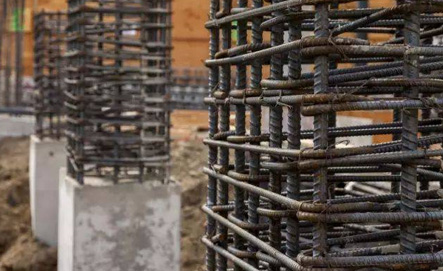
Basalt fiber bars replace steel rebar in reinforced concrete ballast tanks, keel structures, and bilge areas where chronic corrosion historically demands costly maintenance. Their chemical inertness in seawater environments delivers drydocking intervals extended by 30–50%.
Fixed and floating offshore platforms demand reinforcement materials that resist the combined attack of saltwater immersion, UV radiation, and mechanical fatigue. Basalt bars embedded in marine concrete outperform epoxy-coated steel by eliminating the risk of coating failure and subsequent rebar expansion cracking.
The luxury marine market demands materials that combine structural performance with minimal weight penalty. Basalt fiber woven fabrics and bars are increasingly specified for composite hull layups in superyachts and racing vessels, delivering stiffness and impact resistance with weight savings that improve speed and fuel efficiency.
Non-magnetic basalt bars are strategically critical for naval minesweepers, hydrographic survey ships, and scientific research vessels. Replacing steel eliminates electromagnetic signature, protecting sensitive sonar arrays, magnetometers, and underwater detection systems from ferromagnetic interference.
Basalt bar reinforced concrete is emerging as the preferred solution for tidal zone and splash zone infrastructure — jetties, quay walls, pile caps, and fender systems — where the combination of mechanical loading and aggressive marine chemistry demands the highest durability standards.
As the maritime industry accelerates toward IMO 2050 decarbonization targets, basalt bars play a dual role: reducing structural weight to lower fuel consumption, and eliminating corrosion-related emissions from steel maintenance processes. They are a key enabling material for hydrogen fuel cell vessels and electric ferries.
The next decade will see basalt fiber reinforcement transition from niche application to mainstream shipbuilding standard.
Major classification societies including Lloyd's Register, DNV GL, and Bureau Veritas are actively developing basalt fiber composite design rules. Formal approval frameworks will unlock mass adoption in commercial shipbuilding contracts by 2026–2028.
Integration of basalt fiber bars with robotic automated fiber placement (AFP) systems is enabling precise, repeatable structural layups in large vessel construction — reducing labor costs while improving quality consistency across hull sections.
Embedded basalt fiber sensor networks within ship structures are being developed for real-time structural health monitoring (SHM), detecting micro-cracking, delamination, and fatigue damage — enabling predictive maintenance and reducing catastrophic failure risk.
Hybrid structural systems combining basalt fiber bars with ultra-high performance concrete (UHPC) are demonstrating exceptional performance in blast-resistant naval vessel design and ice-class arctic shipping applications.
As production volumes scale — driven by manufacturers like China Beihai Group — the cost premium of basalt bars over steel is narrowing rapidly. Industry projections suggest cost parity in structural marine applications within 5–7 years.
Following the world's first deep-sea basalt fiber aquaculture platform, the technology is expanding into deep-water fish farming cages, tidal energy converters, and subsea pipeline reinforcement — all demanding extreme corrosion resistance.
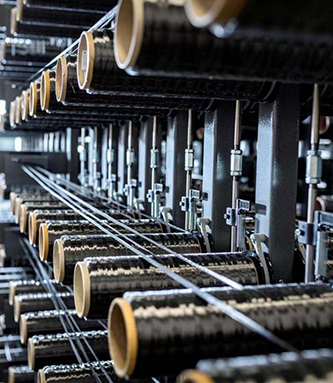
China Beihai is founded in 2015 and located in Jiujiang, Jiangxi Province. China Beihai is a high-tech enterprise focusing on the research, development, production and sales of high-performance basalt continuous fiber and its production equipment manufacturing, as well as a leading enterprise in the domestic basalt fiber industry.
Our commitment to innovation and sustainability drives us to deliver best-in-class basalt fiber solutions for shipbuilding, construction, aerospace, and industrial applications worldwide.
View More
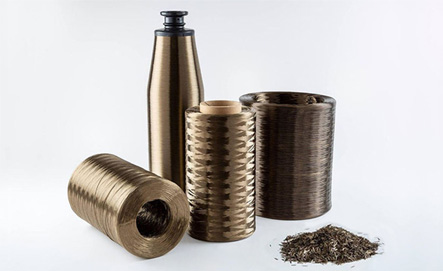
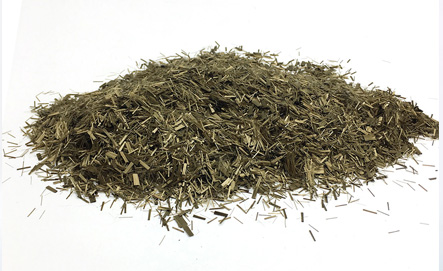
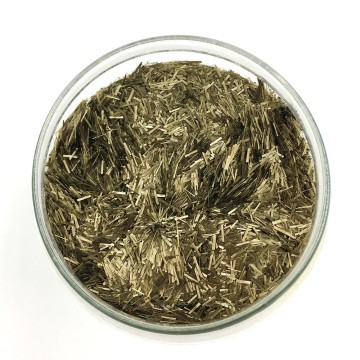
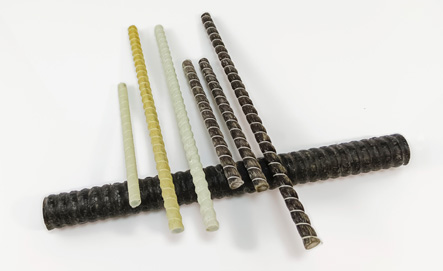
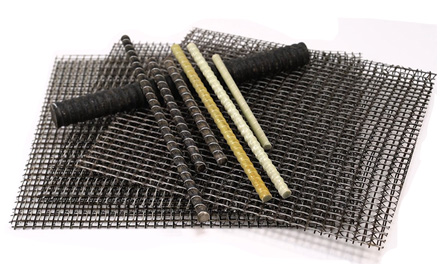
At China Beihai group, we specialize in the production of a wide range of products including basalt fiber mat (Basalt fiber chopped strand mat, Basalt fiber cloth), basalt fiber roving, basalt fiber yarn, basalt fiber chopped strands, and basalt fiber products (Basalt Fiber rebar, basalt fiber sleeves and tape). Our products are designed to meet the diverse needs of various industries, providing high-quality solutions for our customers.

At China Beihai group, we are dedicated to the production of a wide array of basalt-based products, ranging from basalt fiber mat, fabric, and roving to chopped strand and specialized construction materials. Our focus is on delivering high-quality, sustainable solutions for industries such as construction, geotechnical engineering, and manufacturing. With a commitment to innovation and excellence, we strive to cater to the unique requirements of our clients by offering a comprehensive selection of basalt-derived products.

Choosing to work with China Beihai means working with a leading manufacturer of basalt products. Our commitment to quality, innovation and sustainability sets us apart, ensuring our customers receive best-in-class solutions for their diverse needs. Reliability and customer satisfaction, we offer a wide range of high-quality basalt materials and construction products, backed by our dedication to excellence and industry expertise. When you partner with China Beihai, you can trust that you are working with a reliable and forward-thinking partner — a thought supplier for all your basalt product needs.
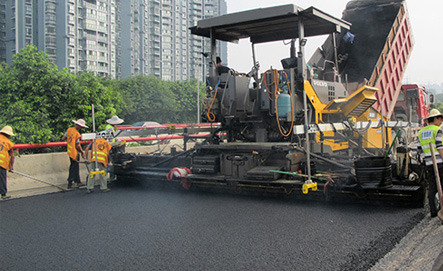
Basalt fiber is ideal for your engineering projects. Its high strength, corrosion resistance and lightweight properties allow it to easily solve a variety of challenges. In buildings, bridges, roads and other infrastructure projects, basalt fibers demonstrate outstanding performance, extending structural life and reducing maintenance costs. Choose basalt fiber, choose reliability and durability.
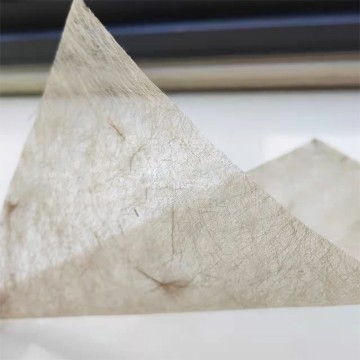
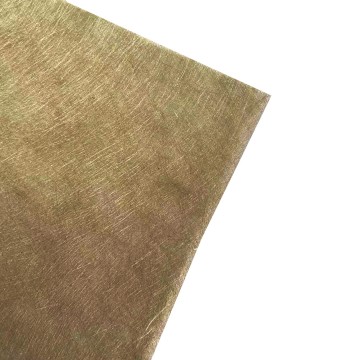
Basalt Fiber Surfacing Tissue Mat is a non woven thin sheet engineered to provide a smooth resin rich surface layer for fiber reinforced plastic...
read more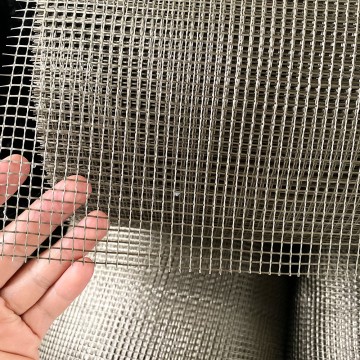
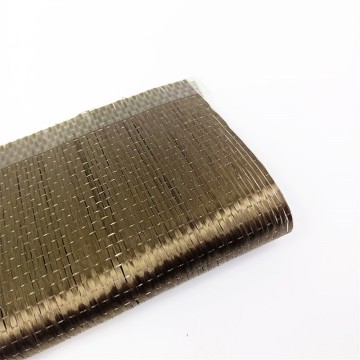
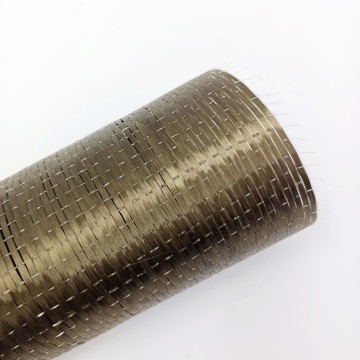
Our high performance Basalt Fiber Mesh provides a superior reinforcement solution for concrete and plaster applications where high alkali resistance...
read more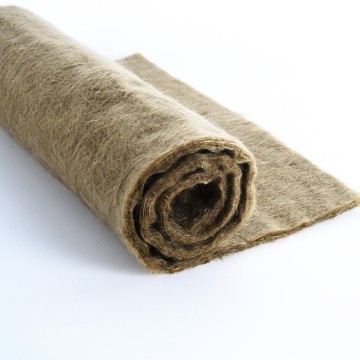
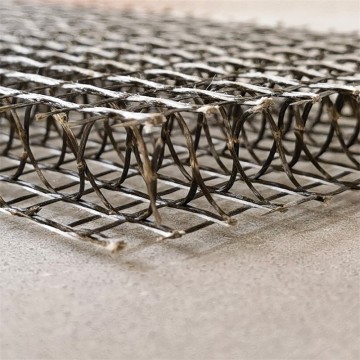
Our Basalt Fiber Needled Mat is a high density insulation material manufactured by mechanically bonding continuous basalt fibers without any chemicals...
read more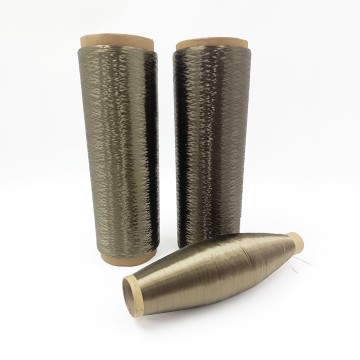
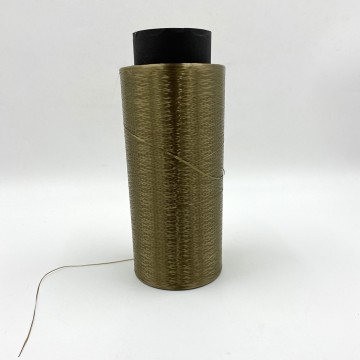
Our Basalt Fiber Twisted Yarn is engineered by twisting multiple continuous filaments to enhance mechanical strength and processing stability...
read moreFrom shipbuilding to aerospace, basalt fiber delivers high-performance solutions across the most demanding industries.

Our basalt products have diverse applications in the field of house construction.

In the aerospace field, basalt fibers are ideal for manufacturing aircraft wings and engine components.

Through fine process control and surface treatment technologies, basalt fibers are used in spacecraft shell materials, thermal protection systems, and high-temperature-resistant components.

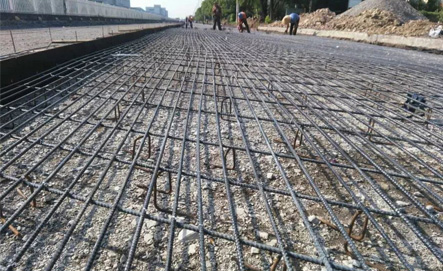
Basalt-added concrete offers increased strength and durability, increased crack resistance, improved chemical resistance and improved workability.

Facing the trend of lightweight automobile materials, basalt fiber composites are widely applied in the automobile field.

Basalt's high strength, durability and protective properties make it ideal for protecting bridge abutment structures from vehicle collisions, fire, corrosion and the natural environment.

The corrosion resistance of basalt fiber gives it a unique advantage in the petrochemical field.

Basalt fiber as a high-performance fiber, made of composite materials with lightweight, high strength, corrosion resistance, acid and alkali resistance — ideal for shipbuilding applications.
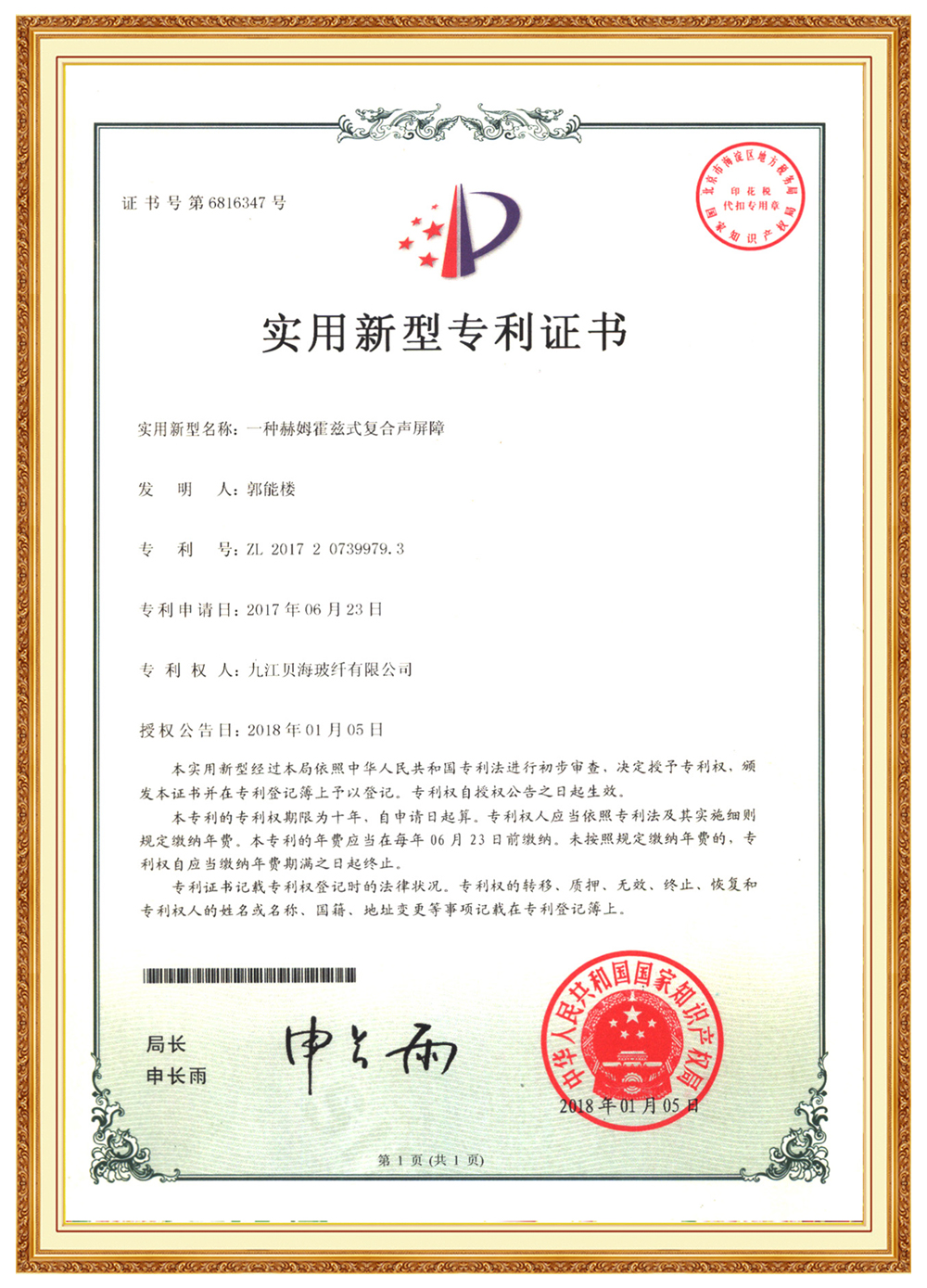
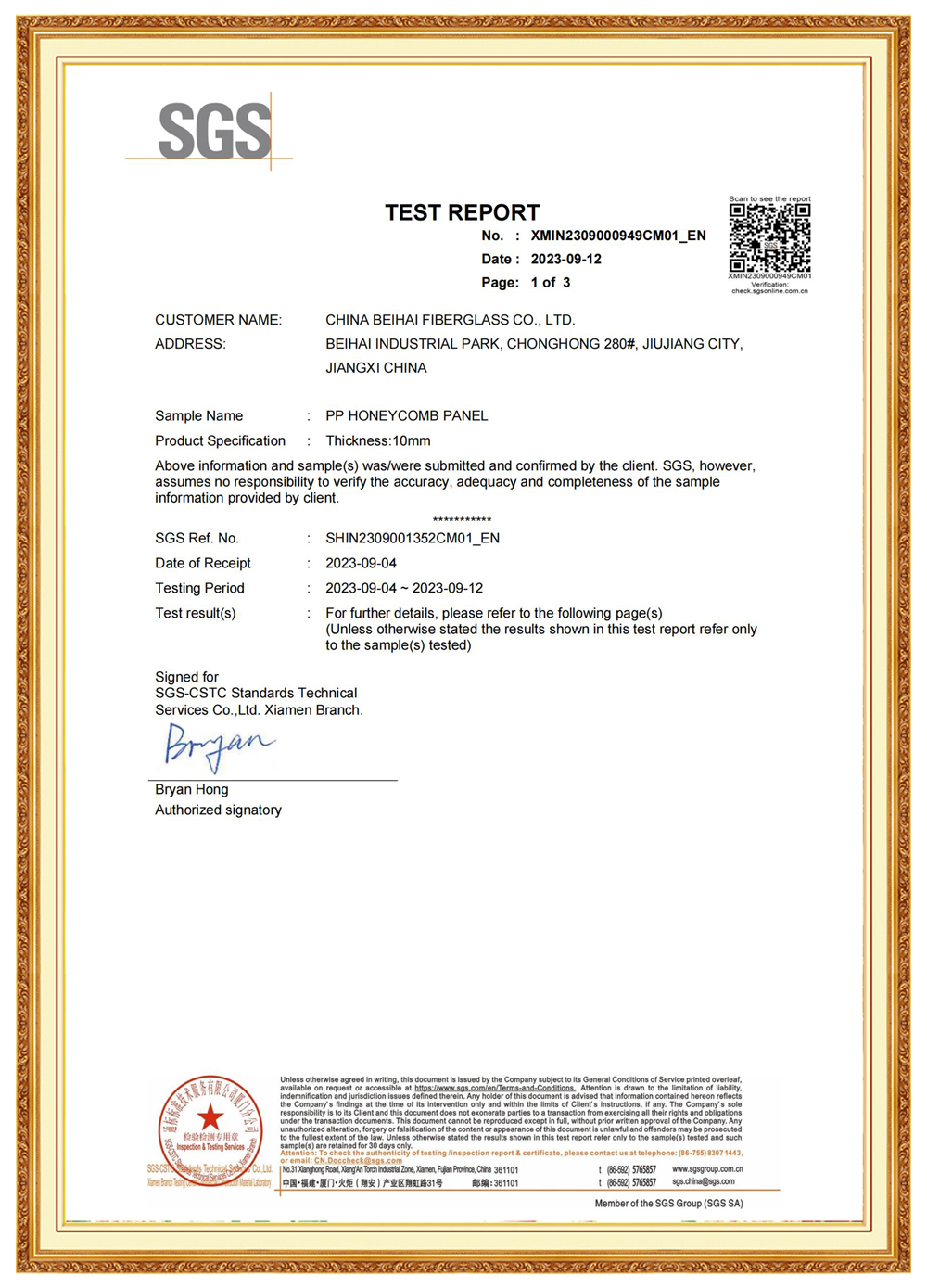
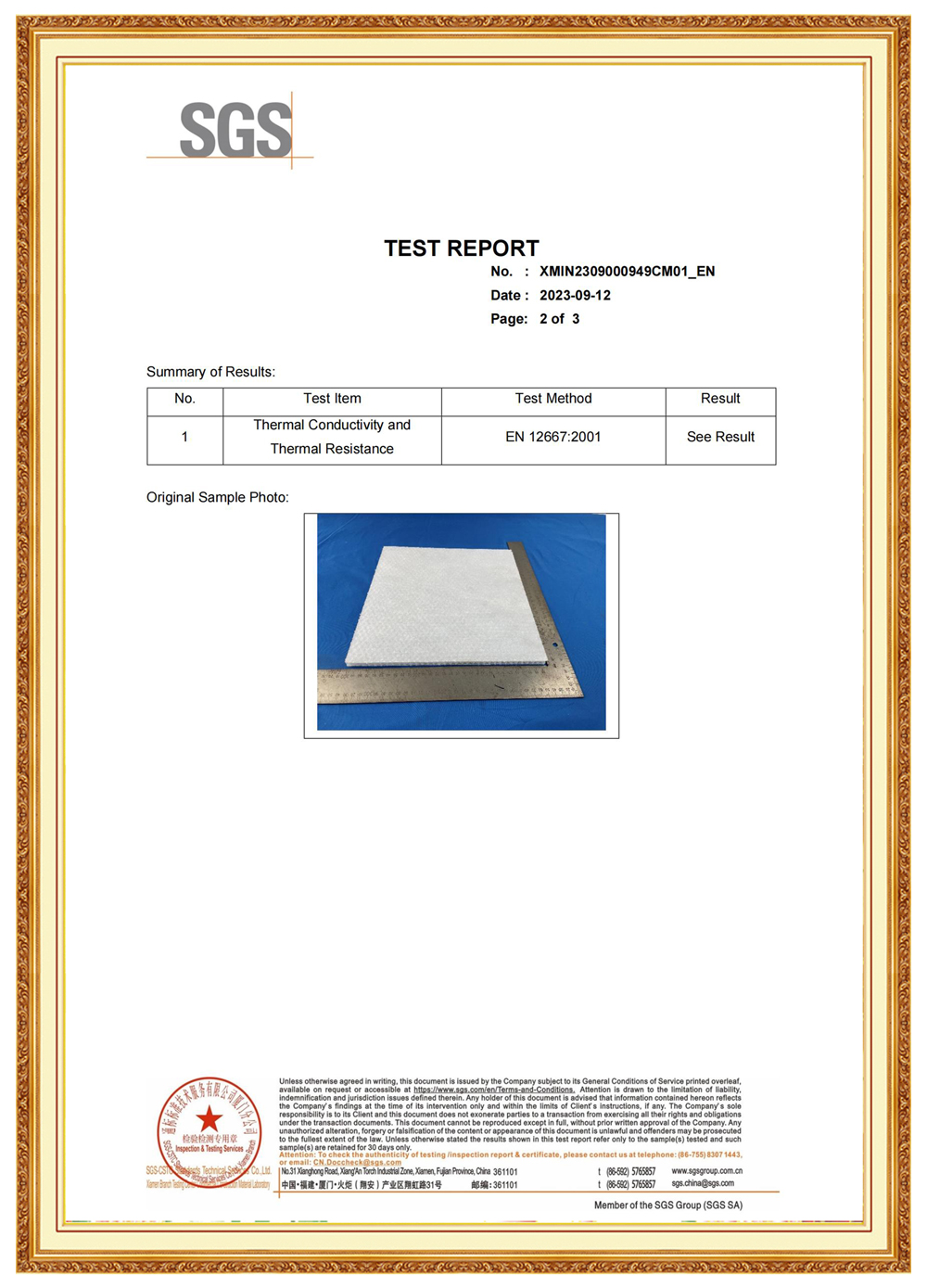
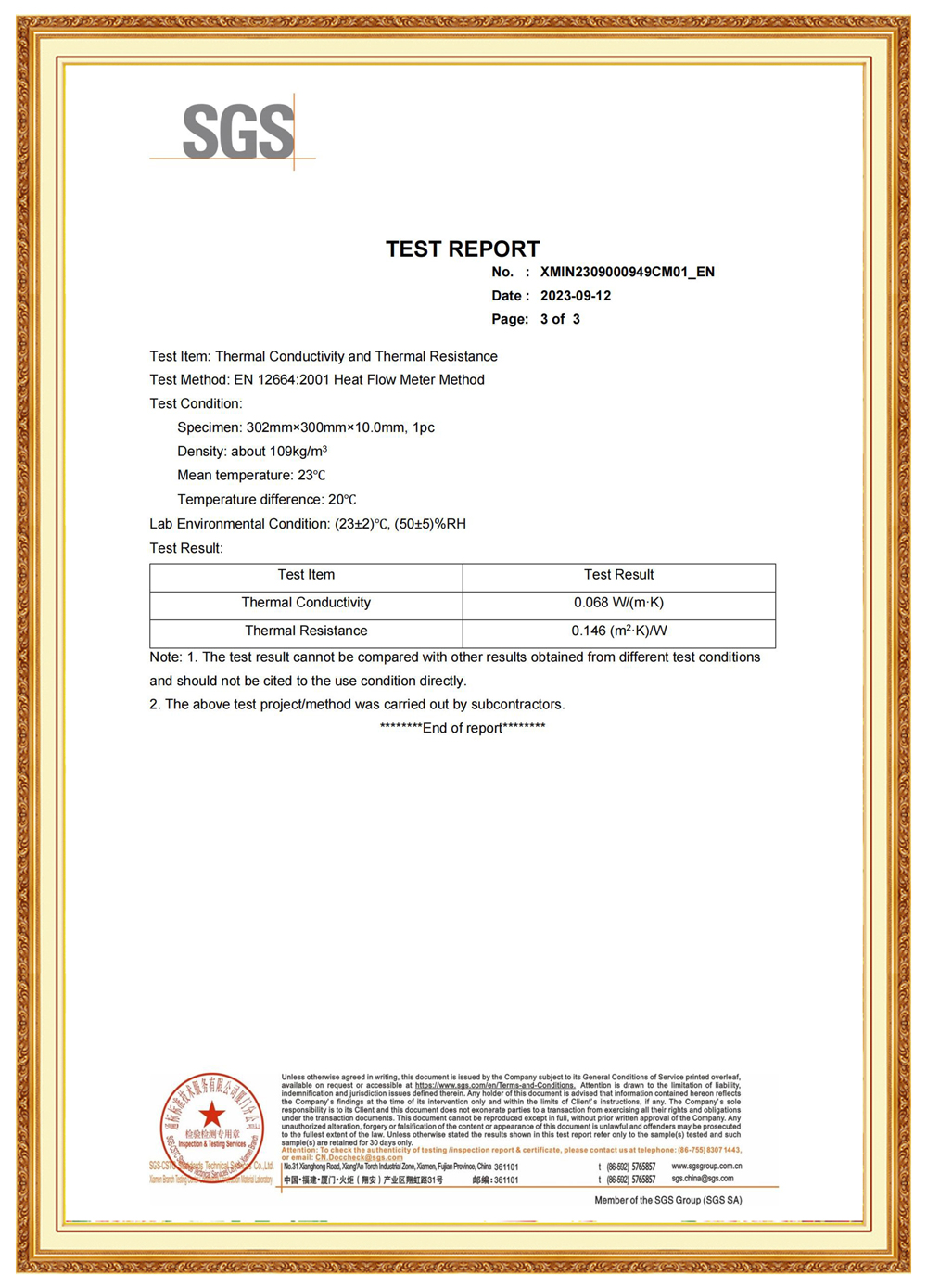
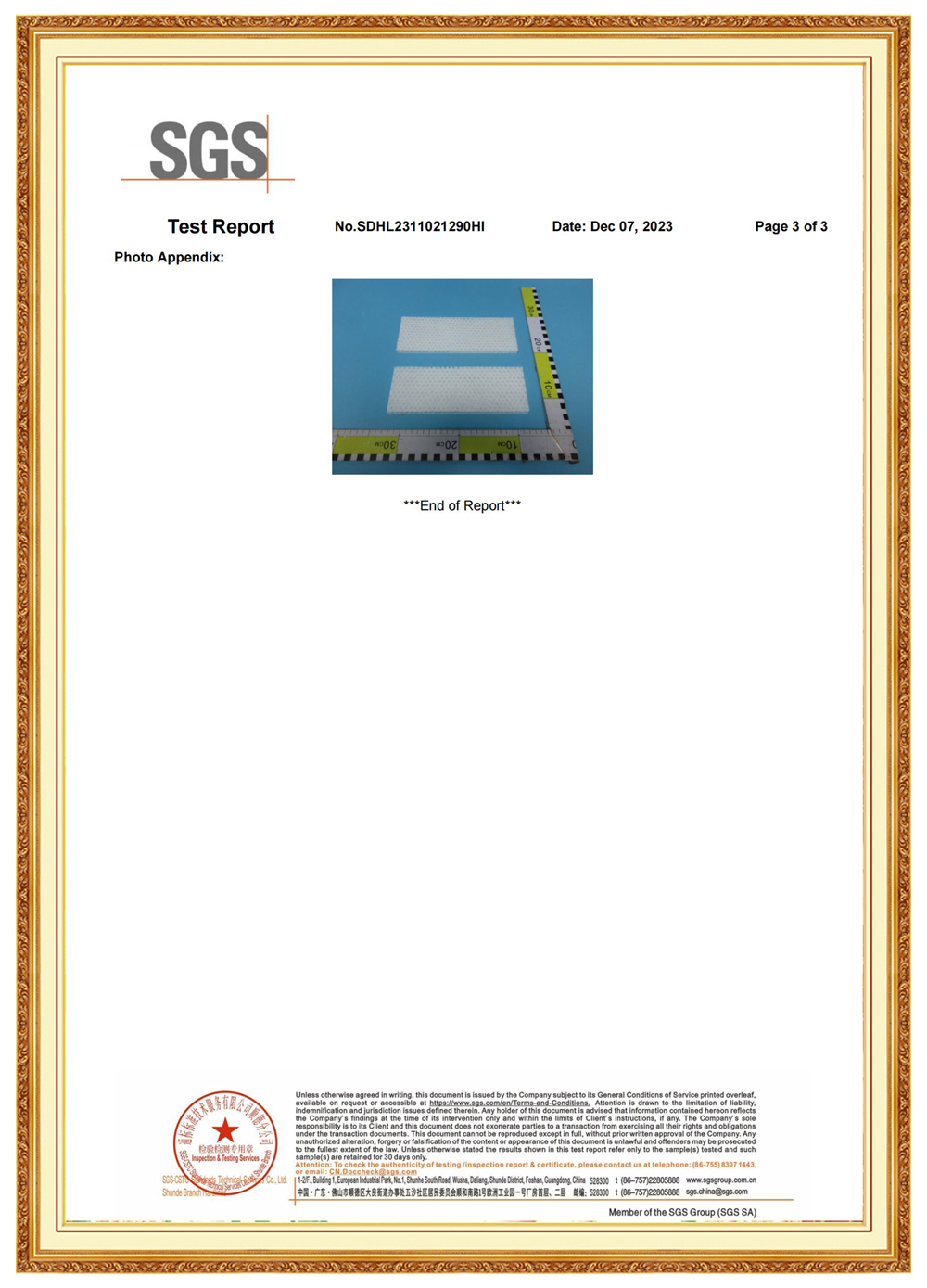
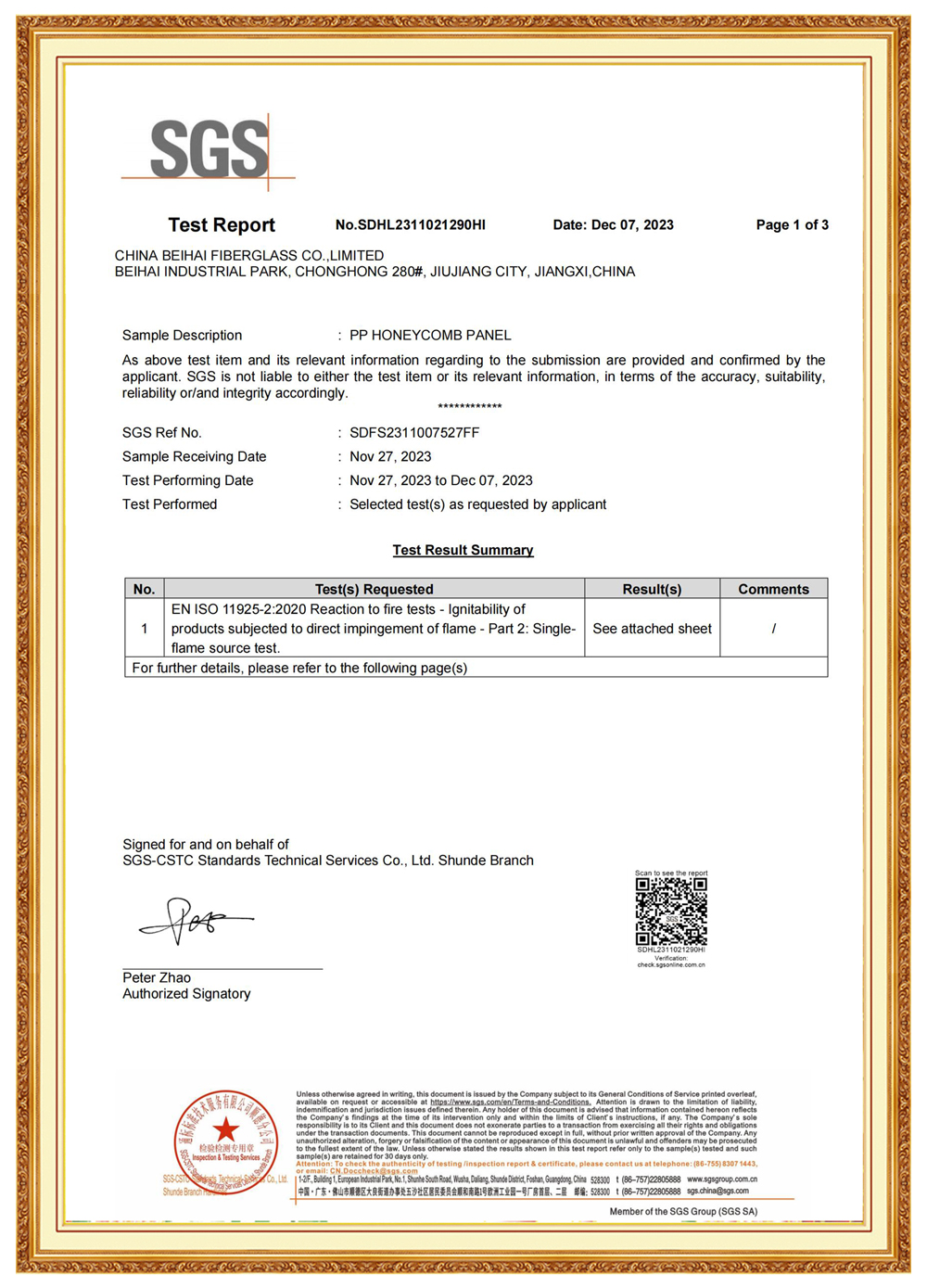
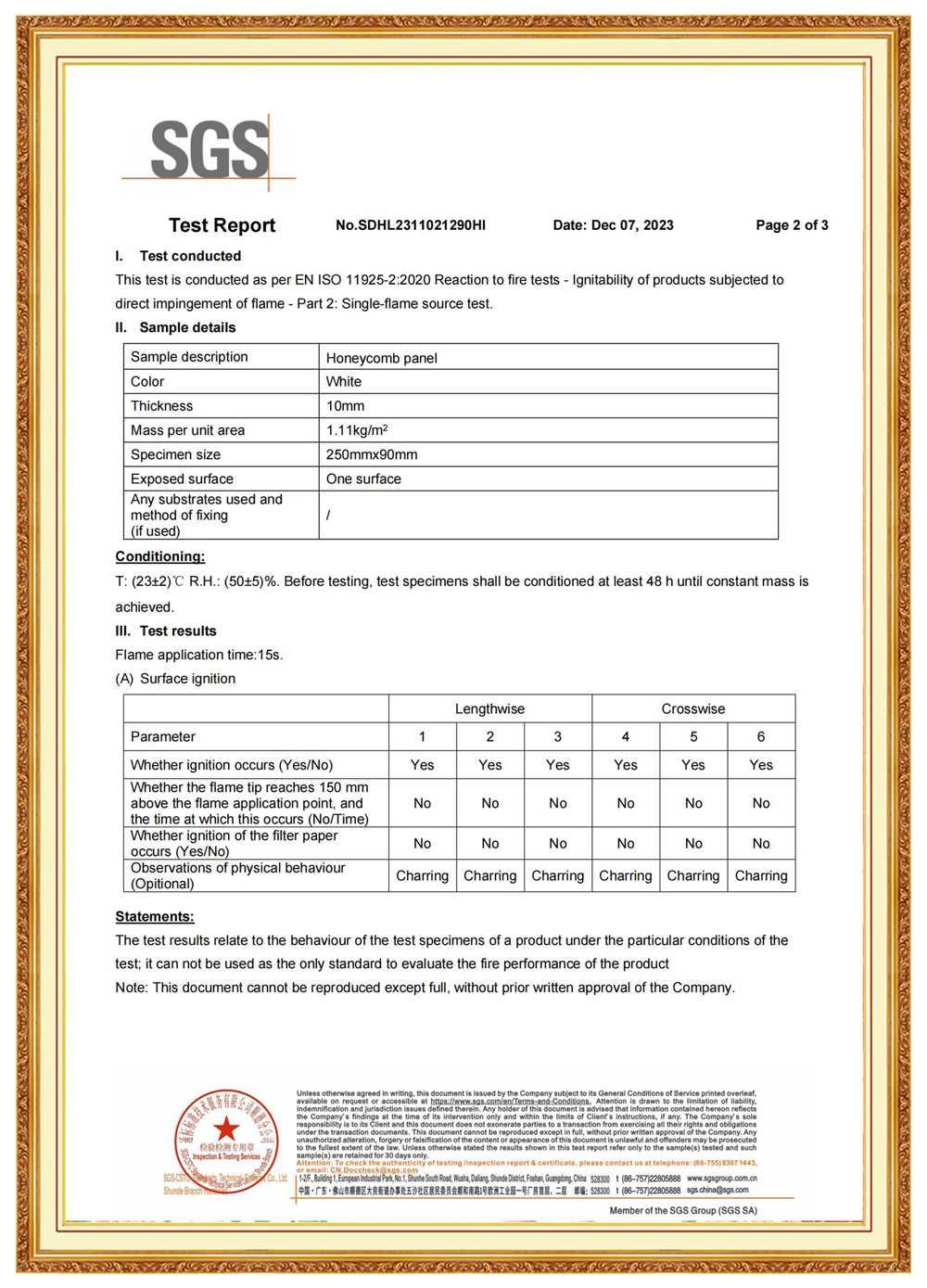
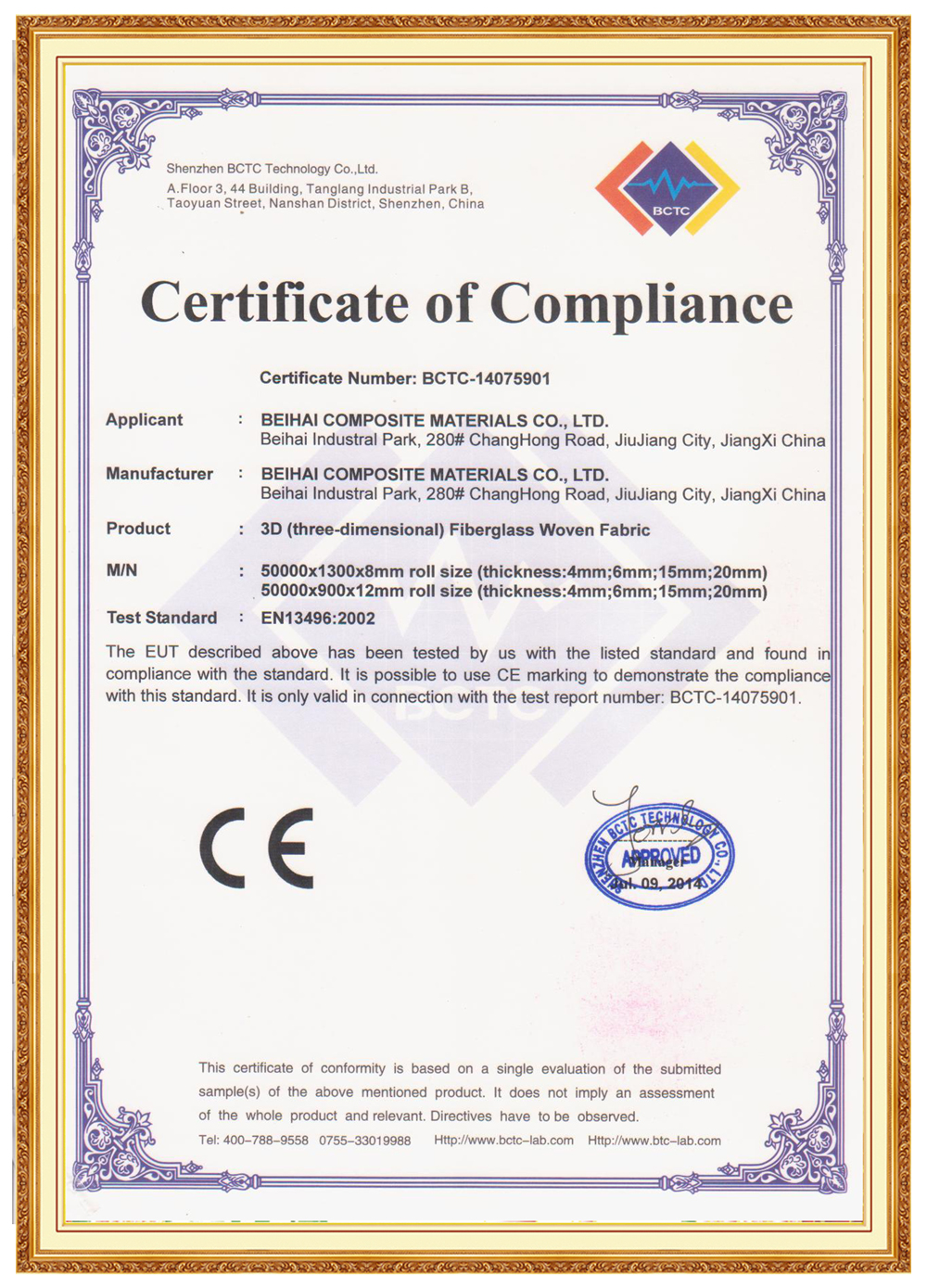
China Beihai's basalt fiber products are backed by internationally recognized quality certifications, ensuring compliance with the highest industry standards for shipbuilding and marine applications.



As drones slice through the sky to monitor wildfires, and intelligent robots execute repetitive tasks with precision on the factory floor, the efficient operation of this smart equipment is often underpinned by a "hardcore support" that is easily overlooked: a novel material derived from volcanic rock — basalt fiber. Though unassuming in appearance, its unique properties have made it the key to unlocking the performance limits of drones and robots, quietly driving a materials revolution within the realm of intelligent equipment.
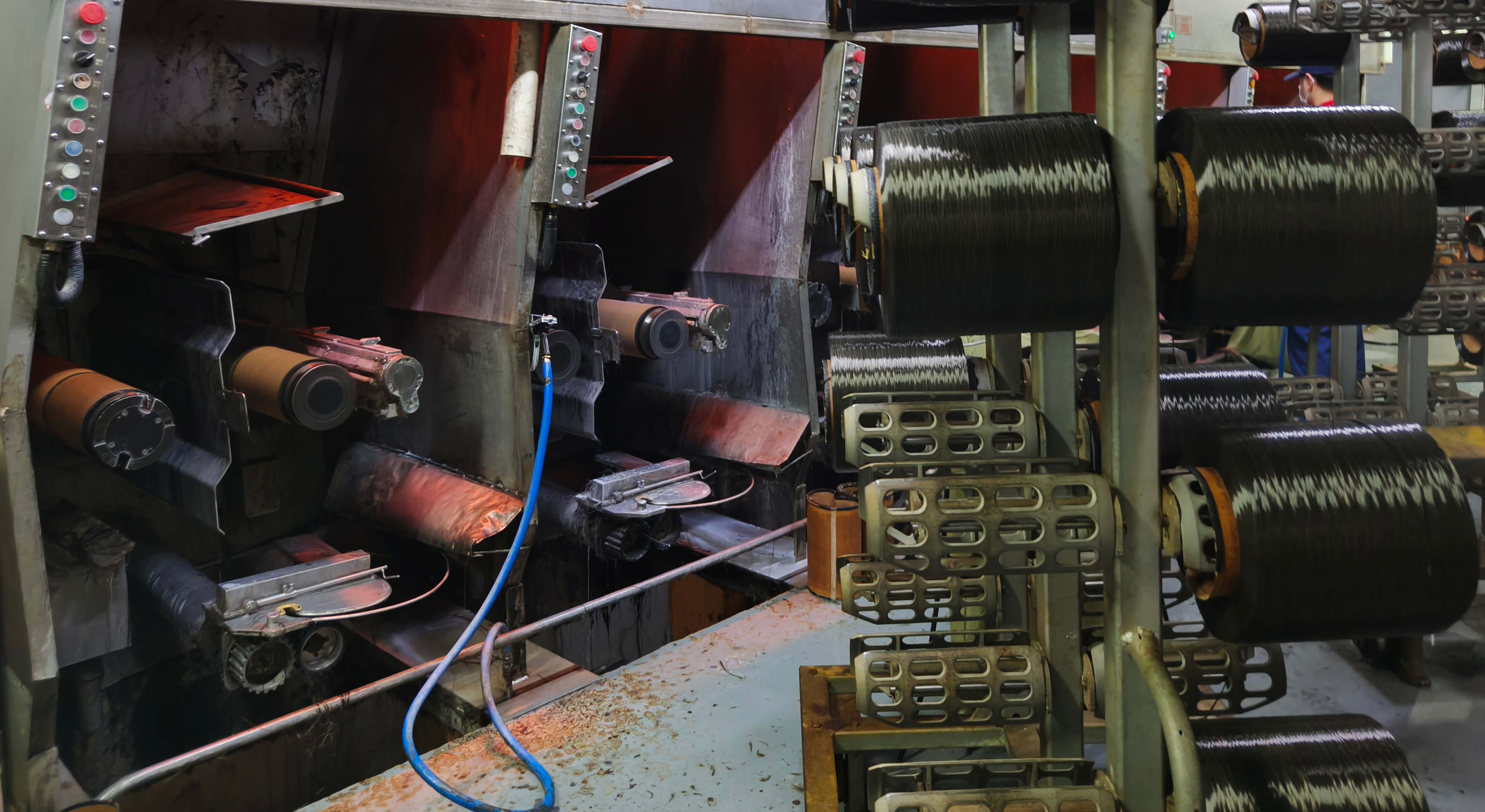
Basalt fiber is an inorganic fibrous material produced by drawing strands from natural basalt ore after it has been melted at high temperatures. It has garnered widespread attention for its exceptional physicochemical properties — particularly its performance in high-temperature environments.

Recently, with the successful realization of major applications — such as the Chang'e-6 lunar exploration mission and the world's first deep-sea basalt fiber aquaculture platform — basalt fiber is rapidly accelerating its transformation from a laboratory research outcome into a strategic new material with tangible industrial productivity.
Explore our comprehensive selection of basalt fiber materials, engineered for marine and shipbuilding excellence.