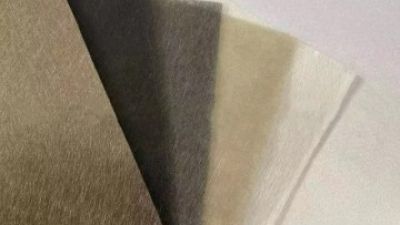
Lately, there's been quite a buzz around Basalt Biaxial Fabric. You know, it’s really catching on in a bunch of industries, thanks to its pretty unique properties. Dr. Emily Carter from Basalt Innovations put it well when she said, “Basalt Biaxial Fabric offers unbelievable strength and heat resistance, making it perfect for a lot of today’s applications.” Honestly, that sums up why so many folks are getting excited about this material.
So, what’s the deal with Basalt Biaxial Fabric? Well, it’s made from basalt fibers, which are actually eco-friendly and sustainable—pretty cool, right? This fabric is popping up all over the place, like in cars, airplanes, and construction projects. It beats traditional materials in a lot of ways, especially because it’s lightweight but super Durable. That combo really helps boost efficiency without sacrificing strength.
Of course, it’s not all sunshine and rainbows. There are some hurdles, like the manufacturing process being pretty complex and expensive. Companies are really thinking about how to streamline production while still keeping quality on point. Looking ahead to 2026, the growth of Basalt Biaxial Fabric will really hinge on how innovative and flexible companies can be in this rapidly changing market landscape.

What is Basalt Biaxial Fabric?
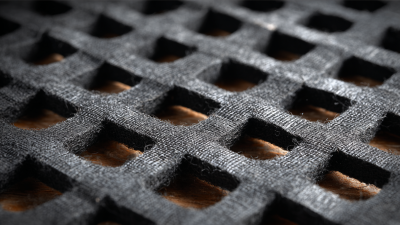
Basalt biaxial fabricis a composite material made from Basalt Fibers. These fibers are derived from volcanic rock, offeringhigh strength and lightweight properties. The manufacturing process includes weaving basalt fibers into a fabric. This provides flexibility and durability, which is essential for various applications.
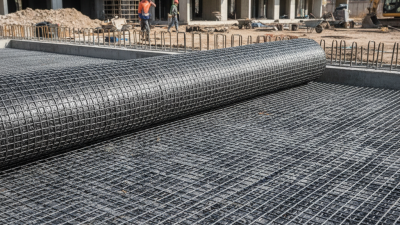
In construction, basalt biaxial fabric is gaining popularity. It reinforces concrete structures, enhancing their durability against environmental factors. Its ability to withstand high temperatures makes it ideal for fire-resistant applications. In the automotive industry, this fabric is utilized in manufacturing lightweight vehicle components. This reduces fuel consumption and increases efficiency.
Despite its advantages, there are challenges. The cost of basalt fibers can be higher than traditional materials. This may limit its widespread use. Additionally, the production process requires careful attention to detail to avoid quality issues. These factors necessitate ongoing research and innovation to fully exploit basalt biaxial fabric's potential.
The Composition and Properties of Basalt Biaxial Fabric
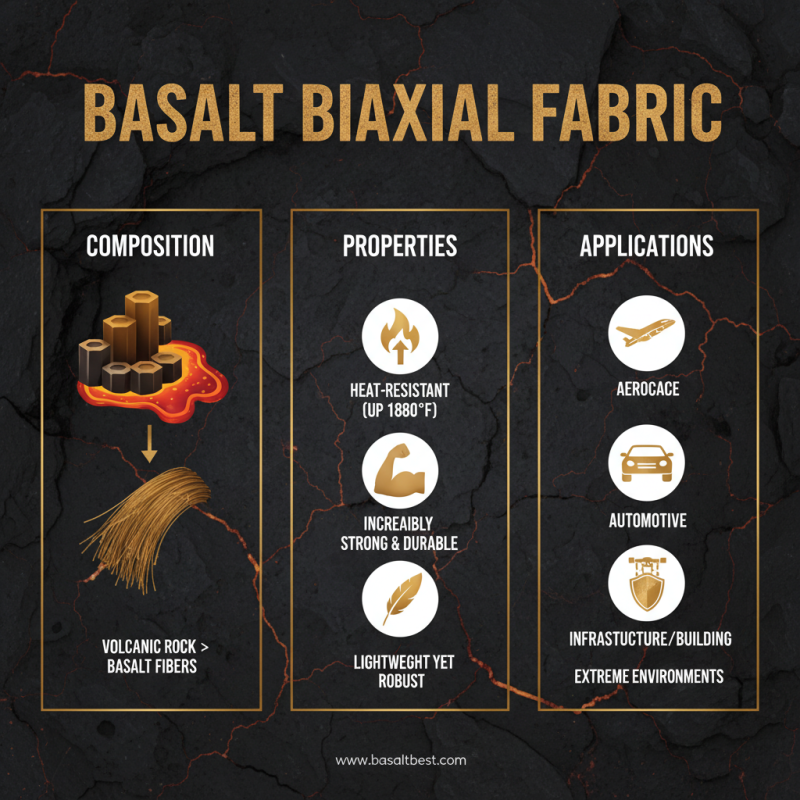
Basalt Biaxial Fabric is made from basalt fibers, a product of volcanic rock. This fabric has unique properties, making it highly durable and resistant to heat. It is lightweight yet incredibly strong. The fibers can withstand high temperatures, making them ideal for extreme environments. Basalt Fabric Biaxial finds uses in multiple industries, including aerospace and automotive.
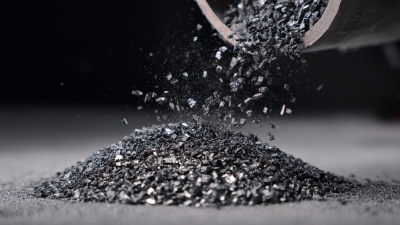
The composition of basalt is rich in silica and alumina. These contribute to its excellent tensile strength. The production process involves melting basalt rocks, then rapidly cooling them into fibers. This method ensures a consistent quality of the fabric. Despite its benefits, there are challenges. The production cost can be higher compared to traditional materials. Additionally, its standardization remains a work in progress.
The properties of Basalt Biaxial Fabric extend beyond strength. It is also non-toxic and environmentally friendly. However, its integration into various applications requires careful consideration. Engineers must evaluate performance in different conditions. Overall, while it shows promise, the technology surrounding basalt fabrics still needs improvement and refinement.
Manufacturing Processes of Basalt Biaxial Fabric
The manufacturing processes of Basalt Fiber Biaxial Fabric are unique and interesting. These processes utilize basalt fibers derived from volcanic rock. The primary method is the continuous filament process, where basalt rocks are melted at high temperatures, around 1,500°C. The molten basalt is then extruded into fine fibers. This creates a strong and durable material known for its lightweight properties.
In 2026, the demand for Basalt Fiber Biaxial Fabric is expected to rise, as indicated by industry reports. The construction and automotive sectors are leading this growth. Both industries appreciate the fabric's high tensile strength and resistance to chemical corrosion. Moreover, as regulations push for more sustainable materials, basalt fabric emerges as a greener alternative to traditional fibers.
Tips: Ensure proper ventilation during the melting process. Safety goggles and gloves are essential when handling molten materials. These measures can prevent accidents and make manufacturing safer.
The challenges in manufacturing Basalt Fiber Biaxial Fabric should not be overlooked. Achieving uniform fiber diameter is often tricky. Variations can affect the overall quality of the final product. Companies are investing in technology to control these variables. It’s essential for maintaining the fabric's integrity and strength.
Basalt Biaxial Fabric Applications in 2026
This chart displays the projected usage of basalt biaxial fabric across various sectors in 2026, showcasing its versatility and growing importance in industries such as construction, aerospace, automotive, marine, and sporting goods.
Key Advantages of Using Basalt Biaxial Fabric
Basalt bi-axial fabric offers remarkable advantages for various industries in 2026. This composite material is known for its excellent mechanical properties. It excels in tensile strength, making it suitable for demanding applications. Reports suggest that basalt fibers have a tensile strength of about 4000 MPa, which is higher than many conventional fibers.
The thermal resistance of basalt fabric is another key perk. This material can withstand temperatures up to 600°C and is non-combustible. These features make it an attractive choice for the automotive and aerospace sectors. A study highlighted its growing use in automotive parts, with a projected market growth of over 15% annually.
Sustainability remains a crucial aspect as well. Basalt is sourced from volcanic rocks, minimizing environmental impact. However, production methods need improvement. Current processes can be energy-intensive, which raises questions about sustainability. This calls for ongoing research to enhance efficiency. Balancing performance and environmental concerns will be vital in the coming years.
Top Industries Utilizing Basalt Biaxial Fabric in 2026
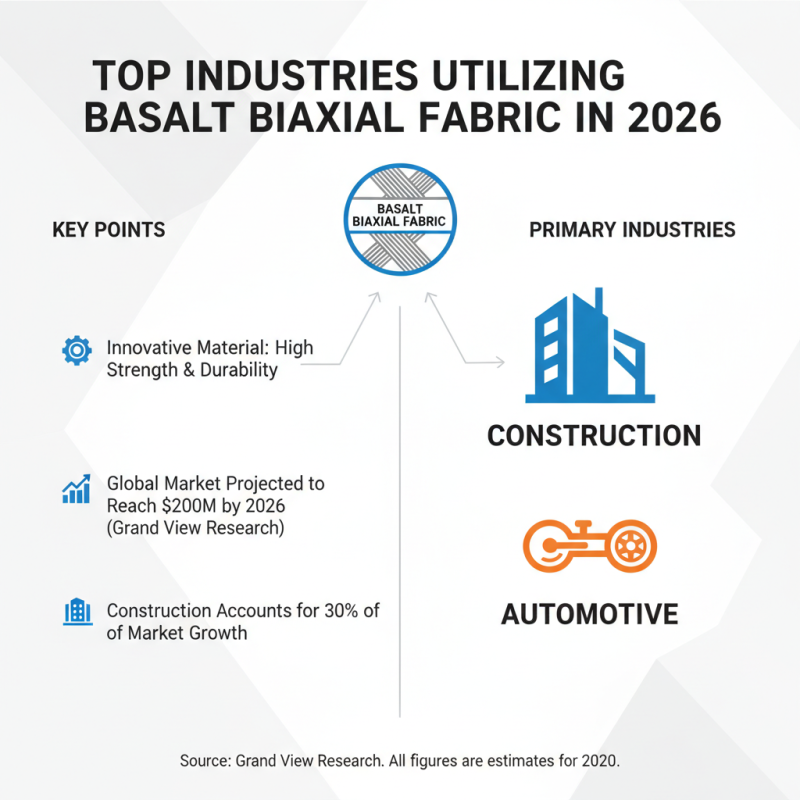
Basalt Biaxial Fabric shows significant promise across various industries in 2026. This innovative material, known for its high strength and durability, is gaining traction in construction and automotive sectors. According to a recent market analysis by Grand View Research, the global basalt fiber market is projected to reach $200 million by 2026. The construction industry alone accounts for approximately 30% of this growth.
In construction, basalt biaxial fabric is favored for reinforced concrete applications. Its resistance to corrosion enhances the longevity of structures, reducing maintenance costs. Many architects now view it as an eco-friendly alternative to traditional materials. While adoption is increasing, there are still challenges related to sourcing and processing. These obstacles can delay project timelines and increase costs.
The automotive sector is another key player. The lightweight nature of basalt fabric aids in manufacturing fuel-efficient vehicles. A report from Frost & Sullivan highlights that performance car manufacturers are integrating this material to reduce weight by up to 10%. However, there is hesitation around scalability. Companies may struggle to meet rising demand without compromising quality, slow production rates may lead to missed market opportunities.
Future Trends in Basalt Biaxial Fabric Applications
The future of Biaxial Basalt Fiber Fabric looks promising. In 2026, the construction and automotive industries will drive high demand. This fabric offers strength and durability, attracting engineers’ attention. Reports suggest that the market for basalt fiber composites will grow by 20% annually. Its lightweight nature and thermal resistance make it a preferred choice for innovative projects.
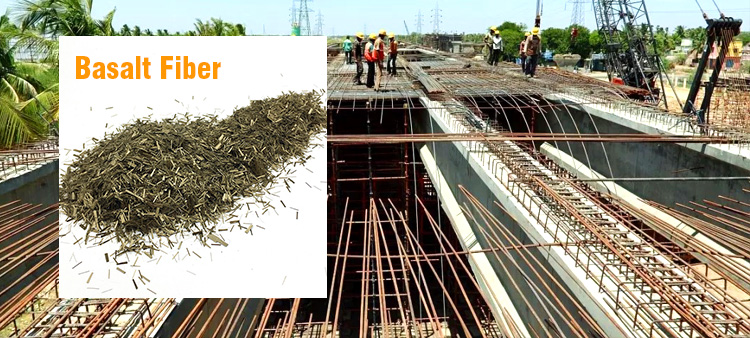
Applications in infrastructure are expanding. Biaxial Basalt Fiber Fabric is particularly beneficial for reinforcing concrete structures. It improves longevity and reduces maintenance costs. Bridges and buildings incorporating this fabric show enhanced resilience against environmental stressors. Meanwhile, the aerospace sector explores its potential for lightweight components, seeking to improve fuel efficiency.
However, challenges remain. The production cost of Biaxial Basalt Fiber Fabric can hinder widespread use. Many manufacturers are still looking for efficient processing methods. Sustainability is another concern. As the industry evolves, understanding the environmental impact of basalt fiber is crucial. This will ensure responsible growth and adoption.
Challenges and Innovations in Basalt Biaxial Fabric Development
The development of Basalt Biaxial Fabric faces significant challenges. High production costs hinder widespread adoption. Current estimates suggest that manufacturing costs could exceed $5.50 per kilogram, which is a barrier for many industries. Innovative methods to reduce these costs are crucial. Research is underway to explore new processing techniques that could lower these figures.
On the innovation front, advancements in technology show promise. New composite formulations may enhance the performance of Basalt Biaxial Cloth. Reports indicate an expected market growth of over 15% annually, driven by demand in construction and automotive sectors. Testing reveals that the fabric boasts superior thermal resistance and tensile strength. However, integrating these materials into existing production lines remains complex and costly.
There's an ongoing debate about long-term sustainability. Although Basalt Biaxial Fabric is considered eco-friendly, its full lifecycle impact is unclear. Future studies need to focus on the end-of-life of these materials. Understanding recyclability or biodegradability is essential for full adoption. Thus, while the future looks bright, there are many hurdles to climb.
Enhancing Durability and Performance: The Benefits of Basalt Fiber Surfacing Tissue Mat in Modern Applications
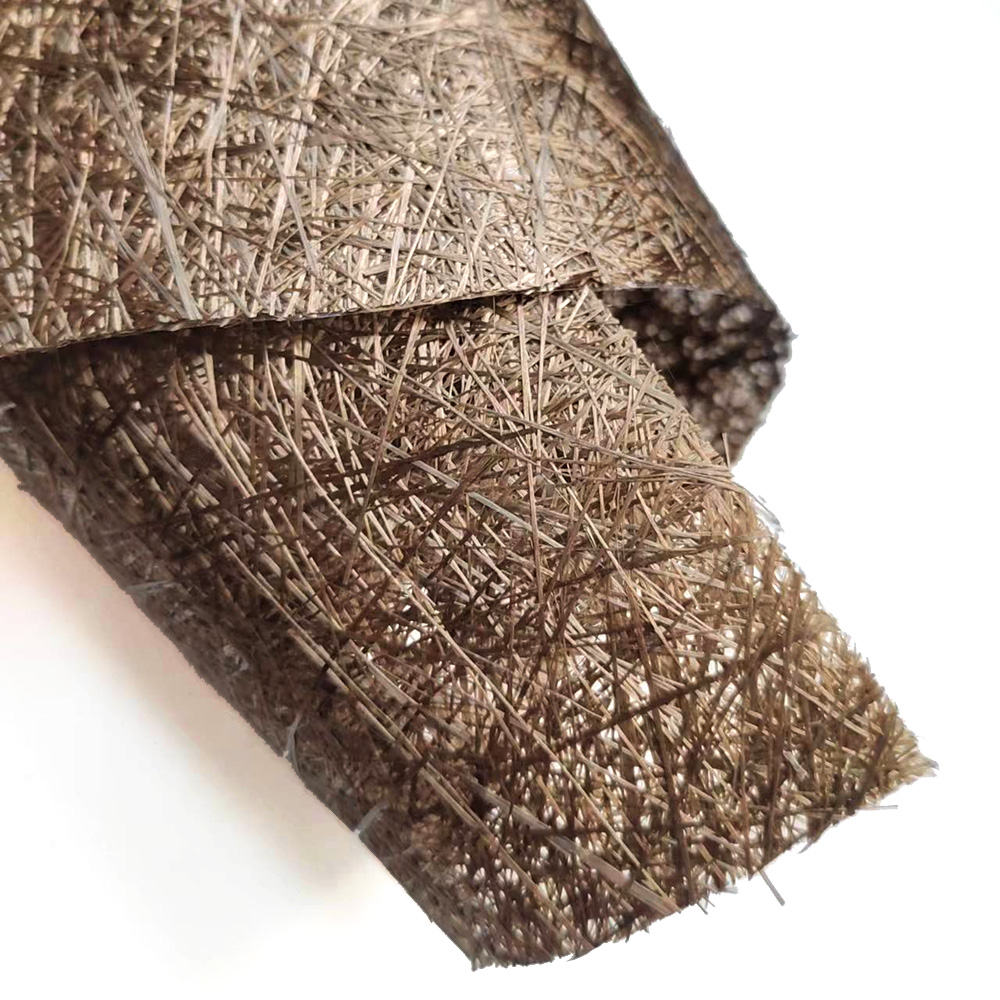
Basalt Fiber Surfacing Tissue Mat has emerged as a pivotal material in enhancing the durability and performance of various modern applications. Produced using basalt chopped fiber through a wet paper-making process, this innovative mat is engineered for use in processes such as filament winding and hand lay-up. These applications are particularly relevant in the manufacturing of Glass Reinforced Plastic (GRP) pipes and storage tanks, as well as improving the surface quality of Fiber Reinforced Plastics (FRP) in compression molding operations.
One of the standout features of Basalt Fiber Surfacing Tissue Mat is its excellent compatibility with resin, which significantly enhances the formability of composites in intricate designs. According to a recent market report by Grand View Research, the global composite materials market is projected to reach USD 157.3 billion by 2028, driven by increasing demand in construction, automotive, and aerospace industries. The integration of basalt fiber not only contributes to the structural integrity of composite materials but also enhances their aesthetic qualities, making them suitable for a wide range of applications.
The unique properties of basalt fiber, including high thermal stability and resistance to chemical degradation, position the Basalt Fiber Surfacing Tissue Mat as a preferred choice for pultrusion and filament winding processes. Statistical analysis indicates that composites incorporating basalt fibers exhibit improved mechanical properties, such as increased tensile strength and flexural rigidity, compared to traditional materials. This alignment with industry demands illustrates the increasing reliance on advanced materials like basalt fiber in the pursuit of superior performance and longevity in modern engineering solutions.
FAQS
: It is made from basalt fibers, which are derived from volcanic rock.
The fabric is lightweight, durable, resistant to heat, and has excellent tensile strength.
It is used in aerospace, automotive, and construction industries.
Basalt rocks are melted and rapidly cooled to create consistent fibers.
High production costs and standardization issues are significant challenges.
Yes, it is non-toxic and considered environmentally friendly. However, impacts must be assessed.
It enhances the longevity of concrete structures and reduces maintenance costs.
The market is expected to grow by 20% annually, driven by demand in construction and automotive.
It offers lightweight components that can improve fuel efficiency in various applications.
Efficient processing methods and better understanding of environmental impacts are required for advancement.
Conclusion
Basalt Biaxial Fabric is a versatile material known for its unique composition and properties, which are derived from basalt fibers. This fabric exhibits excellent mechanical strength, thermal stability, and resistance to chemical corrosion, making it an ideal choice for various industrial applications. The manufacturing processes involved in creating Basalt Biaxial Fabric include advanced weaving technologies that enhance its structural integrity.
In 2026, several key industries, such as construction, aerospace, and automotive, are increasingly adopting Basalt Biaxial Fabric due to its significant advantages over traditional materials. As demand grows, future trends will likely focus on enhanced applications, innovative production techniques, and addressing challenges related to scalability and material performance. Overall, Basalt Biaxial Fabric stands out as an emerging solution for lightweight, durable, and sustainable material needs in various sectors.