You know, Basalt Fiber is really starting to catch on across a bunch of different industries because of its pretty unique qualities. Lately, I’ve come across reports saying that the global demand for basalt fiber composites is skyrocketing. Actually, a study by MarketsandMarkets projects that the market size for basalt fiber could hit around $650 million by 2027 — pretty impressive, right? It just goes to show how increasingly important this material is becoming.
What makes basalt fiber so appealing? Well, for starters, it has remarkable tensile strength and isn’t easily affected by Chemical corrosion. Plus, it performs super well in high-temperature situations, which is a real plus. Companies like BASALTEX have even pointed out that using basalt fiber in construction projects can cut down on overall building costs while boosting durability. But, of course, it’s not all smooth sailing — the market still faces some hurdles, like the fact that manufacturing it is more expensive compared to traditional fibers. That’s definitely something that buyers around the world need to keep in mind.
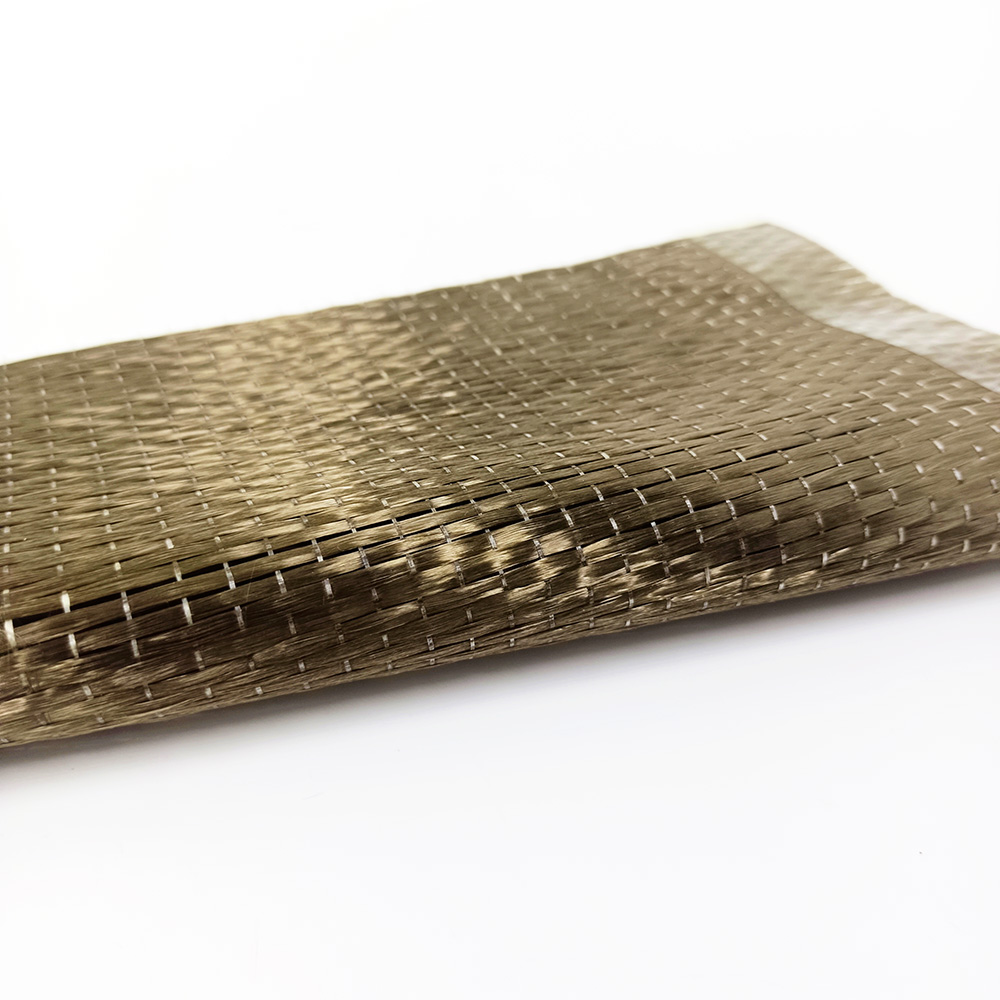
For investors, it’s a game of balancing opportunity with risk. You’ve got to weigh the growing demand for things like Basalt Fiber Mats and Basalt Fiber Fabrics used for building reinforcement against factors like production capacity and availability. As the market continues to develop, staying informed and flexible will be key for buyers and companies alike. Basically, it’s an exciting space, but one where you gotta keep an eye on the changing landscape and quality standards to really make the most out of it.

Introduction to Basalt Fiber: Properties and Characteristics
Basalt fiber is becoming prominent in various industries due to its unique properties. This natural fiber is derived from volcanic rock. It boasts excellent tensile strength, high thermal resistance, and corrosion resistance. Reports indicate that basalt fiber's tensile strength can reach up to 3000 MPa, outperforming many traditional materials like glass fiber. This strength makes it suitable for demanding applications in construction and automotive sectors.
When considering basalt fiber for projects, keep its weight in mind. It's lighter than steel but provides equally strong support. This characteristic can lower transportation and installation costs. Another intriguing aspect is its thermal stability—it can withstand temperatures up to 1000°C, making it ideal for environments exposed to extreme heat. This property also prevents the fiber from shrinking, maintaining structural integrity over time.
For potential buyers, understanding the fiber’s limitations is essential. Though it has numerous advantages, sourcing high-quality basalt fiber is crucial. Always request testing certifications to ensure compliance with industry standards. Remember, the performance of basalt fiber can vary based on the production method. Seek out suppliers who can provide detailed technical specifications and performance data.
Advantages of Basalt Fiber Compared to Traditional Materials
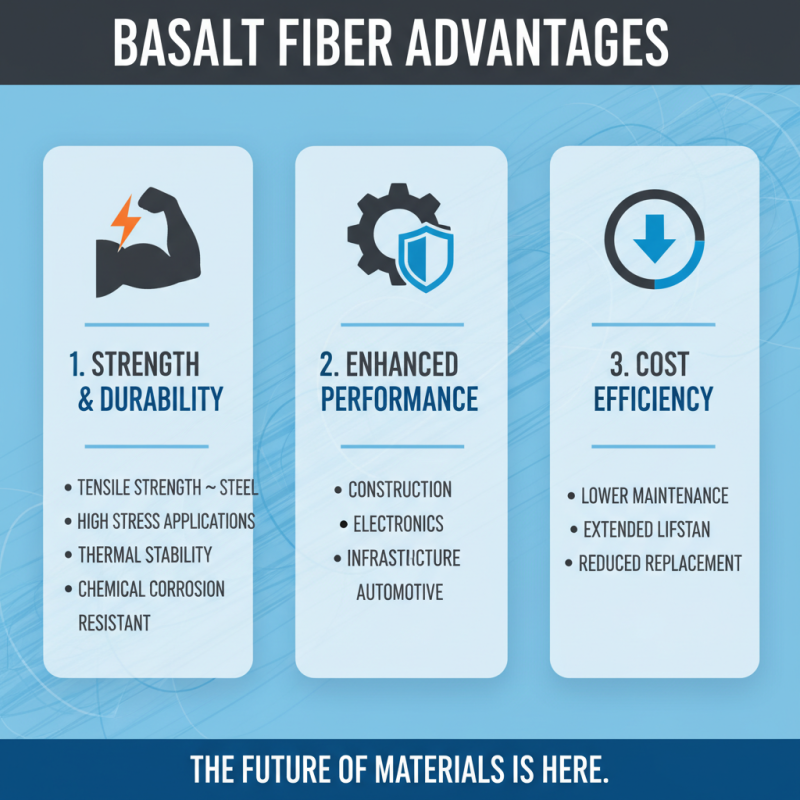
Basalt fiber is emerging as a strong alternative to traditional materials. This composite offers unique advantages in various applications, particularly in construction and electronics. Research indicates that basalt fiber has a tensile strength comparable to steel, which makes it a compelling choice for high-stress applications. Its thermal stability and resistance to chemical corrosion also enhance durability. These factors lead to lower maintenance costs over time, which many industries are keen to exploit.
In comparison, traditional materials like glass fiber and carbon fiber often have higher production costs and lower environmental sustainability. A recent industry report highlighted that basalt fiber costs are 20% less than carbon fiber, while performance remains comparable. Additionally, basalt fibers are non-toxic and recyclable, aligning with global sustainability goals. The demand for Short Fiber Basalt Fiber Yarn Roving For High Performance Electronics is growing. This is driven by increased interest in lightweight, high-strength components for advanced technology.
However, the transition to basalt fiber is not without challenges. Some manufacturers face difficulties in adapting their processes to accommodate this material. There remain questions about long-term performance under varying environmental conditions. Despite these concerns, the data suggests that basalt fiber is set to reshape material standards across multiple industries. Continued research will be essential to fully understand its long-term implications and application potential.
Applications of Basalt Fiber in Various Industries
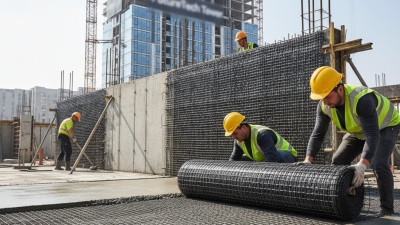
Basalt fiber is gaining traction in various industries due to its unique properties. Unlike traditional materials, it offers higher heat resistance and durability. This makes it suitable for high-temperature applications, like aerospace and automotive sectors. Engineers are increasingly using basalt fiber in composite materials to enhance their strength and longevity. Its ability to withstand corrosion is invaluable in construction and civil engineering.
In the energy sector, basalt fiber is making waves. Wind turbine blades benefit greatly from its lightweight yet robust characteristics. Similarly, the oil and gas industry incorporates basalt fiber into pipe coatings for enhanced protection. In the realm of textiles, innovative fashion designers are exploring basalt fiber for its sustainability potential. However, its production process may not be entirely eco-friendly, prompting discussions on improving sustainability in this niche.
Despite its growing popularity, there are challenges. Standards for basalt fiber applications are still developing. Buyers often find limited resources when assessing quality. There’s still a need to establish reliable testing protocols for these materials. This ambiguity can create hesitation among potential users. Ongoing research and case studies will help clear these uncertainties and broaden the material's acceptance across different fields.
Tips for Selecting Quality Basalt Fiber Products
When selecting quality basalt fiber products, buyers should prioritize specific factors. Understanding the origin and quality of the basalt is crucial. Reliable suppliers provide comprehensive information about their materials. This ensures customers know they are investing in durable products. Pay attention to the consistency of fiber length and diameter. Irregularities can affect the material's performance.
The manufacturing process greatly impacts the final product. Look for vendors who share insights into their production methods. Transparency often signals a commitment to quality. For projects, chopped Basalt Fiber For Concrete Fiber is popular for its enhanced strength. However, it is essential to verify batch consistency. Cheap alternatives might lack the necessary tensile strength you require.
Lastly, consider customer reviews and testimonials. They offer a glimpse into real-world performance. A perfect product does not exist, and all materials may have limitations. Understanding these nuances helps form realistic expectations. Make sure the knowledge gathered aligns with your project's specific needs. Choosing wisely will lead to successful outcomes.
Global Market Trends and Demand for Basalt Fiber
Basalt fiber is gaining traction in the global market. Its unique properties offer advantages over traditional materials, like fiberglass. Lightweight and strong, basalt fiber stands out in construction, automotive, and aerospace industries. This surge in interest stems from a growing emphasis on sustainability and durable materials.
Demand for basalt fiber is increasing due to its resistance to temperature and chemical damage. More buyers are seeking alternatives to fiberglass, drawn to basalt’s eco-friendly nature. However, sourcing quality basalt fiber can be challenging, with standards varying significantly. Knowing which properties to prioritize is essential for making informed purchasing decisions.
Trends indicate a shift towards innovation in basalt fiber applications. Yet, there’s room for improvement in awareness and education about basalt’s benefits. Buyers must reflect on their specific needs and the cost-benefit ratio of switching from fiberglass to basalt. In an evolving market, understanding these factors is crucial for anyone looking to invest in basalt fiber.
Sourcing Basalt Fiber: Suppliers and Distribution Channels
Sourcing basalt fiber can be a rewarding yet complex journey. As buyers explore suppliers, it’s essential to consider the quality of the basalt yarn. Ensure that the materials meet industry standards, which can sometimes be unclear. Many suppliers offer bulk purchasing options, but the level of consistency in their products can vary.
Investigating distribution channels is crucial for reliable sourcing. Consider both local suppliers and international sources, as each may have unique advantages. Local suppliers can offer faster delivery times, while international options often present a broader range of basalt fiber products. These differences can significantly impact project timelines and costs.
Establishing a solid network of suppliers is important for long-term success. Attend industry expos and trade shows to connect with reliable vendors. Conversations can reveal a lot about potential suppliers. However, it’s wise to request samples before making large commitments. Not all basalt fiber products are created equal; understanding this is essential for informed purchasing decisions.
Future Directions and Innovations in Basalt Fiber Technology
The future of basalt fiber technology is an exciting horizon for numerous industries. Researchers are exploring its potential in construction, automotive, and aerospace sectors. These applications are driven by basalt's unique properties: high strength, lightweight, and resistance to harsh environments. However, challenges remain in scaling production and reducing costs. This requires continuous innovation.
Emerging techniques include the development of hybrid composites that integrate basalt with other materials. This can enhance performance while maintaining durability. Additionally, efforts to optimize manufacturing processes are paramount. Research is also focusing on recycling basalt fibers, addressing sustainability concerns. Yet, the industry must carefully consider the environmental impact of raw material extraction.
Potential gaps in knowledge still exist. Many professionals lack awareness of basalt fiber's benefits. As awareness grows, so does the need for education on its applications. Collaboration among academia, industry, and government can bridge this gap. Open forums for sharing research and experiences will be essential. With collective effort, the full potential of basalt fiber can be unlocked.
Innovative Applications and Benefits of Corrosion Resistance Basalt Fiber Sleeves and Tape in Modern Industry
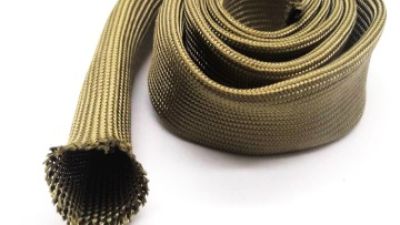
Basalt fiber technology has emerged as a groundbreaking solution in various industrial applications due to its remarkable properties and advantages. Basalt fiber sleeves and woven tapes, crafted from high-quality basalt fibers, exhibit excellent electrical insulation, significant high-temperature resistance, and superior chemical corrosion resistance. These features make them ideal for a wide range of applications, particularly as insulation sleeves and reinforcement materials for various piping systems. Reports from industry experts highlight the ability of basalt fibers to withstand temperatures exceeding 800°C, which is significantly higher than traditional insulation materials.
In modern industries, the demand for materials that can withstand harsh environments is growing rapidly. The use of basalt fiber sleeves has been proven to enhance the durability and longevity of composite pipelines, particularly in settings that require resistance to extreme chemicals and heat. The chemical stability and strength of these fibers allow them to serve as fundamental reinforcement materials, ensuring that pipelines can manage the internal pressures and corrosive elements they encounter in industrial operations. As global industries continue to seek innovative solutions for material enhancement, basalt fiber products are increasingly being recognized for their potential to improve safety and efficiency.
A recent market analysis indicates a growing trend towards the adoption of basalt fiber solutions in sectors like oil and gas, automotive, and construction. With an expected increase in the market size for these materials, industry stakeholders are looking at basalt fibers not only for their performance benefits but also for their environmentally friendly production process. The reduced environmental impact, combined with their impressive mechanical properties, positions basalt fiber sleeves and tapes as a formidable choice for future industrial applications, paving the way for sustainable development in material engineering.
FAQS
: Basalt fiber is derived from volcanic rock, providing unique properties.
Basalt fiber offers excellent tensile strength, thermal resistance, and corrosion resistance.
Its tensile strength can reach up to 3000 MPa, outperforming glass fiber in many cases.
Basalt fiber is lighter than steel yet offers strong support, reducing transportation costs.
Yes, it can endure temperatures up to 1000°C, maintaining integrity in extreme conditions.
Sourcing high-quality basalt fiber is crucial; testing certifications are necessary for compliance.
It enhances the strength of wind turbine blades and protects oil and gas pipelines.
Developing standards and reliable testing protocols creates uncertainty for buyers.
While basalt fiber has sustainability potential, production processes may raise environmental concerns.
Increased awareness can help buyers make informed decisions based on specific needs and benefits.
Conclusion
Basalt fiber is an innovative material known for its exceptional properties and qualities, making it a viable alternative to traditional materials such as glass and carbon fibers. Its unique characteristics, including high thermal resistance, excellent mechanical strength, and resistance to chemical corrosion, allow for diverse applications across various industries, including construction, automotive, and aerospace. As global demand grows, buyers are encouraged to consider key factors when selecting quality basalt fiber products, ensuring they meet the required standards and specifications.
In addition to its advantages and applications, the article highlights current global market trends and the increasing interest in sourcing basalt fiber through various suppliers and distribution channels. As the technology continues to evolve, future innovations in basalt fiber are anticipated, promising even more applications and benefits. Overall, basalt fiber represents a significant advancement in materials science, offering potential solutions for sustainable and high-performance products.