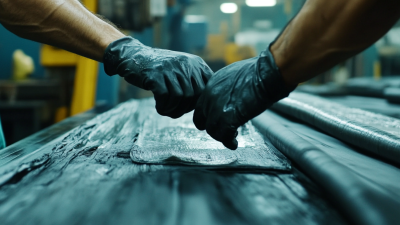
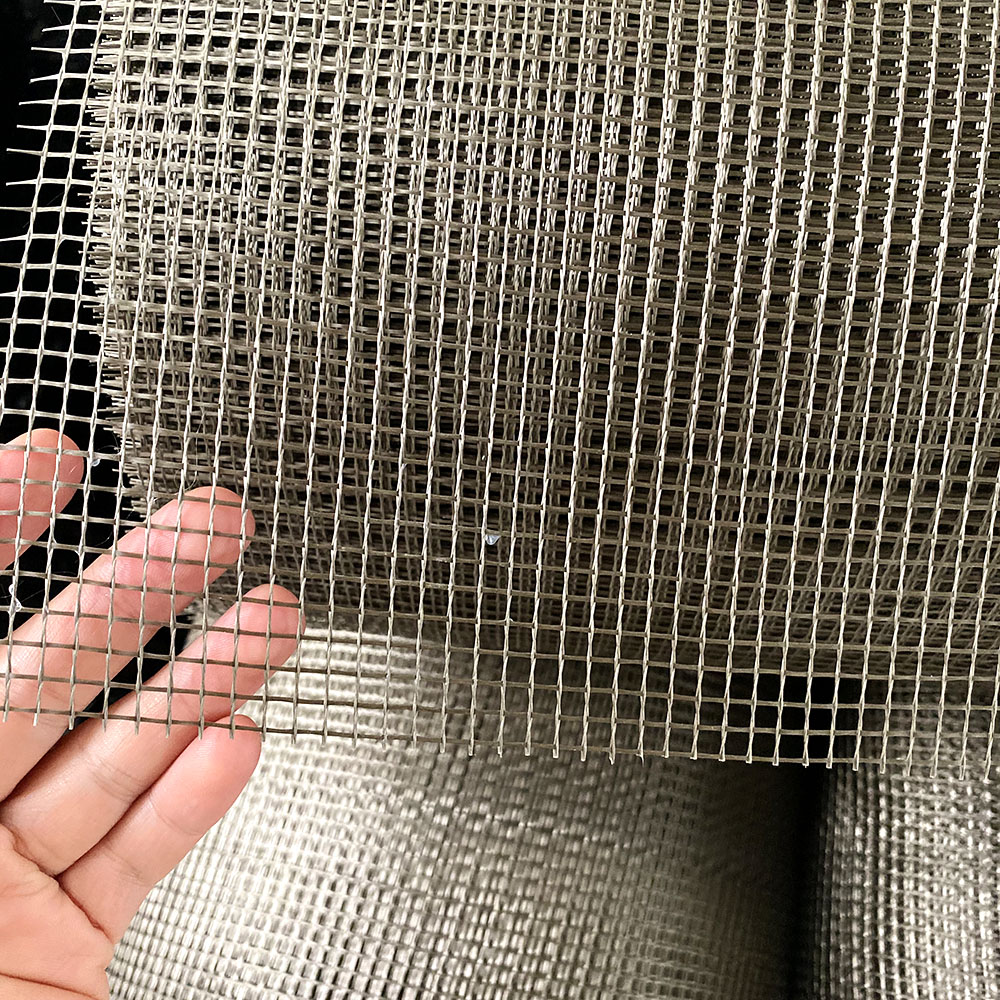
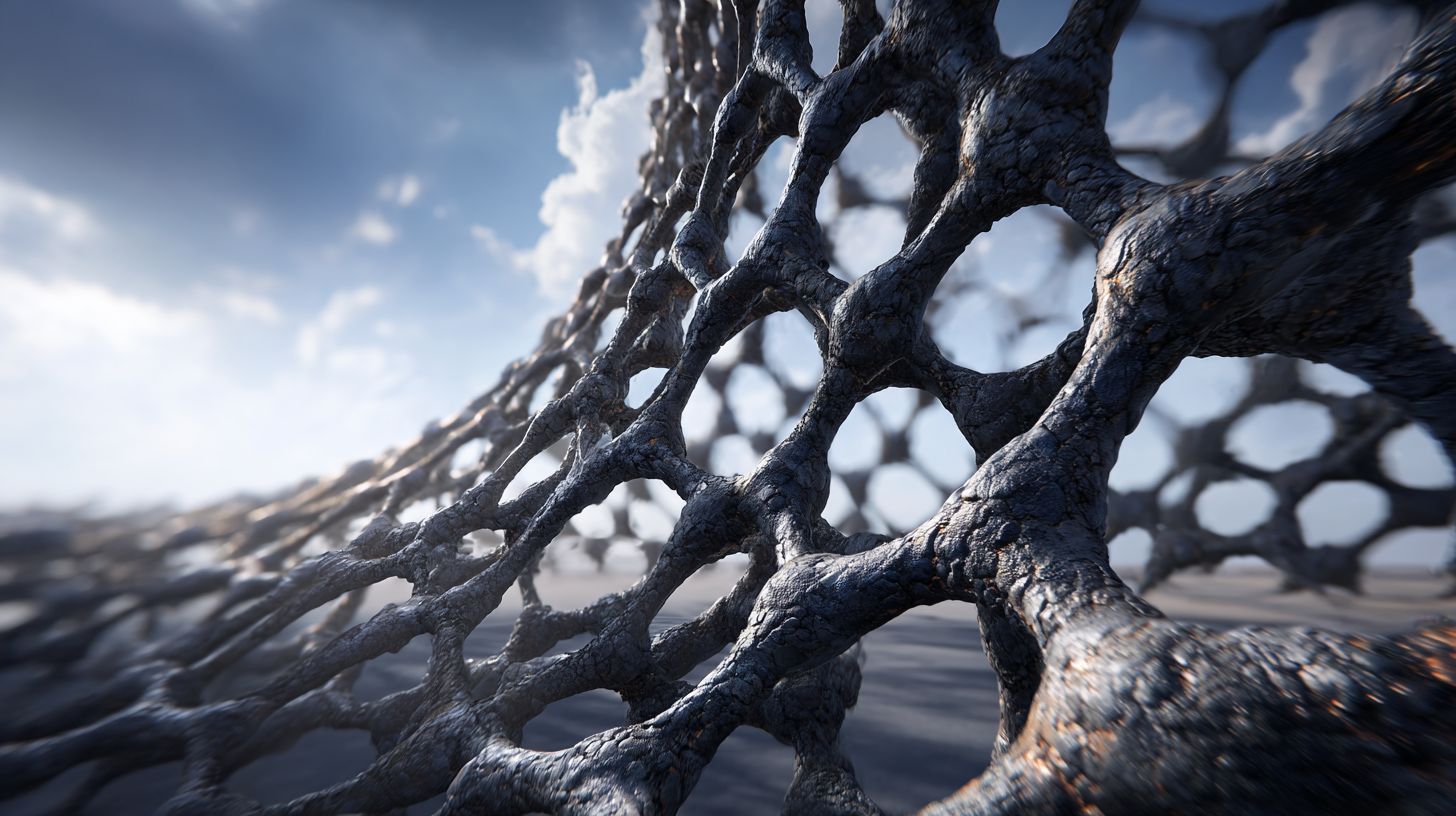
Lately, the Construction world has really started to evolve thanks to new materials and tech. One of the coolest innovations lately is the3D Basalt Mesh. It's a pretty high-tech reinforcement made from these continuous basalt fibers that are super strong and durable—exactly what modern building projects need. I came across a report from Research and Markets that says the global basalt fiber market is expected to grow pretty quickly, around 12.5% annually from 2020 to 2025. The main drivers? People are looking for greener, high-performance building materials now more than ever. Companies like China Beihai Fiberglass Co., Ltd., are leading the charge—they're heavily invested in developing and manufacturing basalt fibers and the gear needed to produce them.
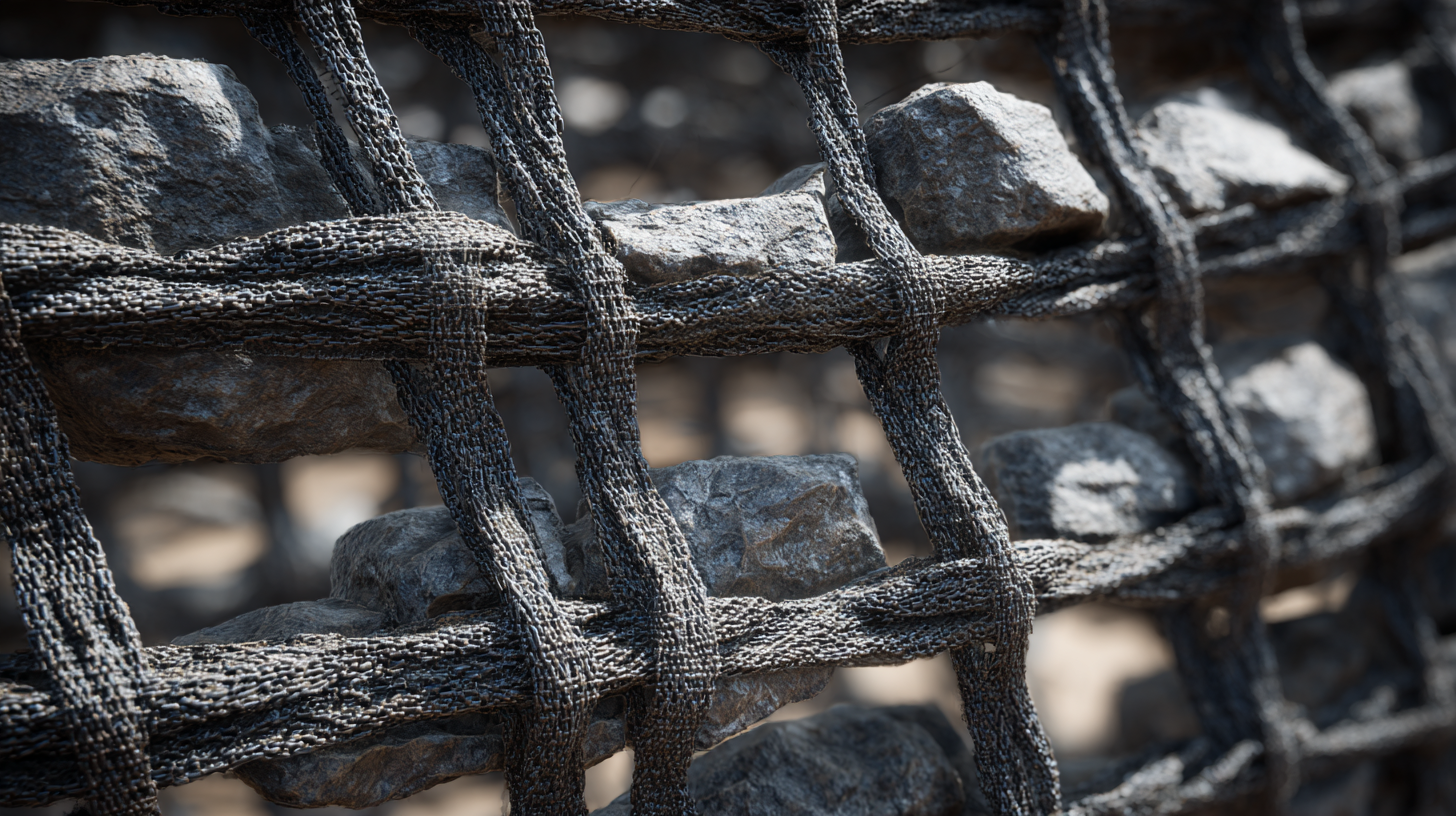
Using things like 3D Basalt Mesh can really give structures that extra edge—making them sturdier, more resistant to weather, and more sustainable overall. It’s exciting to see how all this is shaping the future of construction—and honestly, it feels like we're just getting started.
Benefits of 3D Basalt Mesh in Structural Reinforcement
Have you heard about 3D basalt mesh? It’s honestly been a game-changer in modern construction, especially when it comes to strengthening structures. People love it because it offers such a great balance—strong but lightweight—and it’s super durable too. This means buildings and other structures can stay stable and last longer. Plus, it’s really resistant to things like rust, corrosion, and even thermal stress, which is a big plus for tough environments. That’s why so many construction projects now prefer using it—they want a high-performance solution that’s reliable and long-lasting.
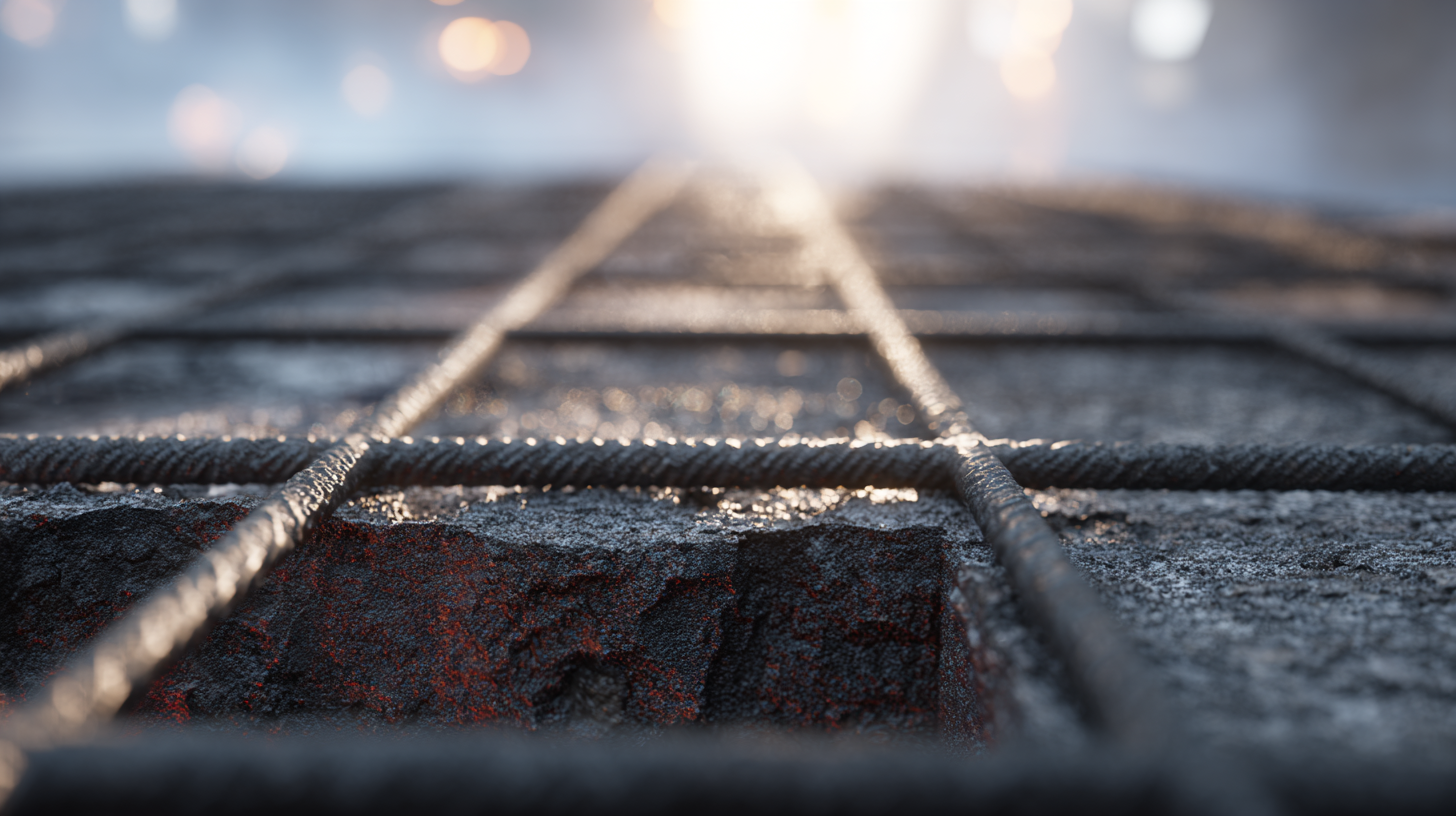
If you’re thinking about using 3D basalt mesh, a good tip is to make sure it fits well with other building materials and that you follow industry standards during installation. It’s also smart to do some testing beforehand to find out exactly how much reinforcement is needed—this way, you get the most bang for your buck. And if you really want to step up your game, teaming up with companies like China Beihai Fiberglass Co., Ltd., which specializes in high-quality basalt fibers, can seriously boost your project’s quality. Their innovative tech and research can help improve the overall strength and efficiency of your builds.
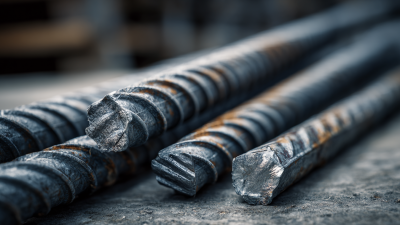
One thing I love about 3D basalt mesh is how lightweight it is—it makes handling and installing way easier, so projects get done faster. Plus, it’s a more eco-friendly choice compared to traditional steel reinforcements, since basalt fibers are more environmentally nice. Overall, using this technology not only makes structures more resilient but also helps meet modern sustainability goals. It’s definitely paving the way for a safer and smarter construction world.
Application of 3D Basalt Mesh in Earthquake-Resistant Design
You know, in today’s construction world, using 3D basalt mesh has really come into its own, especially when it comes to building stuff that can handle earthquakes better. Recent research shows that adding basalt fibers to cement mixes—especially those created with 3D printing—can seriously boost their flexibility and how much weight they can carry. Like, if you position those basalt fibers just right inside the concrete, it actually affects how strong it is and how well it absorbs energy. That makes it a total game-changer for designing buildings that are more resilient.
And, get this—studies have also found that basalt fiber reinforcement can really help protect buildings during seismic events. By integrating basalt fiber-reinforced cement mortar into existing masonry, engineers have managed to make walls—especially those that weren’t reinforced before—way more resistant to loads from the sides. Plus, using basalt fibers isn’t just about strength; it’s also pretty eco-friendly since they’re made from natural materials and leave a smaller environmental footprint. Overall, the move towards incorporating 3D basalt mesh in construction is gaining ground because people see how it can lead to safer, sturdier structures that are better at withstanding mother nature’s surprises.
Exploring the Benefits of 3D Basalt Mesh in Modern Construction Techniques - Application of 3D Basalt Mesh in Earthquake-Resistant Design
| Feature | Description | Benefits | Application Areas |
| Lightweight | 3D basalt mesh is significantly lighter than traditional steel reinforcement. | Reduces overall structure weight, improving seismic response. | High-rise buildings, bridges. |
| Corrosion Resistance | Basalt is non-corrosive, unlike steel which rusts over time. | Enhances lifespan of structures. | Infrastructure in coastal areas, wastewater treatment plants. |
| High Tensile Strength | 3D basalt mesh offers exceptional strength-to-weight ratio. | Provides superior structural integrity. | Earthquake-resistant structures, retaining walls. |
| Thermal Insulation | Basalt has good thermal insulation properties. | Improves energy efficiency of buildings. | Residential buildings, commercial complexes. |
| Eco-friendly | Made from natural volcanic rock, it is sustainable. | Reduces carbon footprint in construction. | Green building projects, eco-friendly infrastructure. |
Environmental Advantages of Using Basalt Mesh in Construction
As construction methods keep evolving these days, more folks are turning to 3D basalt mesh as a really eco-friendly and sustainable alternative to the usual building materials. You see, basalt is a volcanic rock rich in natural resources, and making it actually uses way less energy than steel or synthetic options. That means lower carbon emissions overall, which is pretty important when you're trying to build greener.
Plus, 3D basalt mesh isn’t just good for the planet—it’s really tough and resistant to rust and corrosion too. That kind of durability stretches the lifespan of buildings, cutting down on repairs and replacements—so, less waste and resources used over time. More and more architects and builders are realizing that adding basalt mesh to their projects isn’t just good for the environment, but also helps them hit those green building standards and support a circular economy.
A quick tip: When you’re picking materials for a project, think about the long-term impact on the environment. Going for stuff like basalt mesh not only helps the planet but also makes your structures more durable. And don’t forget to work with suppliers who care about eco-friendly practices—it's a smart move to keep your project aligned with sustainability goals. Trying out innovative materials like this can really make a difference in reducing the ecological footprint of construction overall.
Cost-Effectiveness of 3D Basalt Mesh Compared to Traditional Materials
Using 3D basalt mesh in modern construction actually offers some pretty solid cost benefits compared to traditional materials. One of the biggest perks is how durable and lightweight it is — this means less weight on the structure itself and more efficient use of resources overall. Plus, basalt mesh doesn’t easily rust or degrade from environmental factors, so you won’t be stuck fixing or replacing it all the time. Over the long run, that’s a huge money saver for any building project.
When you’re choosing materials for your next build, it’s worth looking beyond just the initial price tag. Think about what’ll save you money down the line on maintenance and repairs. Investing in quality stuff like 3D basalt mesh can actually give you a better bang for your buck.
On top of that, it’s a lot easier to install—meaning less time and money spent on labor. Traditional materials can be a pain to handle and often require complicated setups, but basalt mesh is straightforward and fits well into various construction methods. That speeds things up, gets your project done faster, and ultimately helps increase your profits.
A quick tip — teaming up with contractors who know their way around newer materials like 3D basalt mesh is a smart move. It’ll help make sure everything’s integrated smoothly, saving you both time and money in the end.
Durability and Longevity of 3D Basalt Mesh in Harsh Environments
When it comes to modern construction, 3D basalt mesh really stands out thanks to its durability and long-lasting performance. It’s pretty amazing stuff—unlike older materials, basalt fiber naturally resists corrosion, thermal stress, and chemical reactions that usually weaken structures over time. That means buildings reinforced with this mesh can handle pretty much anything—think high humidity, salty conditions, or super hot temperatures—without losing their strength. It’s like giving your structure a built-in shield against the elements.
Plus, because the mesh is lightweight, it’s a lot easier to handle and install, which can save a bunch on labor and cut down construction time. It also packs a punch when it comes to tensile strength—perfect for reinforcing concrete elements like beams, slabs, and walls. The clever design of the mesh distributes loads more evenly, which helps prevent cracks from forming and extends the lifespan of your buildings, especially in tough environments. Using 3D basalt mesh isn’t just about performance either—it’s also more sustainable in the long run, since it means less maintenance and fewer repairs down the line. All in all, it’s a game-changer for the construction world, blending toughness with efficiency and eco-friendliness.
FAQS
: 3D basalt mesh is produced with significantly less energy than traditional materials like steel, leading to lower carbon emissions. Its durability also extends the lifespan of structures, reducing waste and conserving resources over time.
3D basalt mesh offers cost advantages due to its durability and lightweight characteristics, which reduce overall structural load and maintenance needs over time, resulting in long-term savings.
Basalt mesh is inherently resistant to corrosion, thermal stress, and chemical interactions, allowing it to withstand extreme weather conditions and maintain structural integrity.
Its lightweight nature and simplified installation process reduce labor costs and construction time, allowing for quicker project completion and enhanced profitability.
The integration of basalt mesh can help builders and architects meet green building standards due to its sustainable properties and contribution to a circular economy.
The innovative design of the mesh enhances load distribution, preventing crack formation and minimizing maintenance needs, thereby extending the overall lifespan of reinforced structures.
Builders should evaluate the long-term environmental impact, durability, maintenance costs, and the overall value provided by materials like 3D basalt mesh.
Its sustainable production process and long-lasting properties minimize waste and repairs, significantly lowering the ecological footprint throughout the lifecycle of the materials used.
3D basalt mesh maintains exceptional tensile strength and helps in effective load distribution, making it ideal for reinforcing concrete elements such as beams, slabs, and walls.
Construction firms should collaborate with contractors experienced in innovative materials like 3D basalt mesh to ensure effective integration and optimized cost-effectiveness in their projects.
Conclusion
Hey, did you get a chance to read the article titled "Exploring the Benefits of 3D Basalt Mesh in Modern Construction Techniques"? It really points out some pretty amazing advantages of using 3D Basalt Mesh for strengthening buildings, especially when it comes to designing structures that can handle earthquakes. What’s cool is that this material isn’t just strong — it’s also super flexible, which helps keep buildings safer in seismic zones. Plus, there’s a notable environmental upside too: basalt is a sustainable choice, so using it can actually help cut down the ecological impact of construction projects.
And here’s the kicker — it’s also cost-effective compared to traditional building materials. That makes it a pretty attractive option for modern construction efforts. What's more, 3D Basalt Mesh doesn’t just perform well initially; it’s durable and built to last, even in tough environments. So, structures that incorporate it tend to stay solid over time — definitely a smart investment for builders.
On top of that, China Beihai Fiberglass Co., Ltd., which is a big player in the basalt fiber world, is really pushing forward on both research and practical applications of this high-performance material. All in all, it’s helping promote more sustainable, resilient building practices — pretty exciting stuff, right?