
Leave Your Message
Lately, we've been seeing a pretty big shift in the architecture world—that focus on using more sustainable and innovative materials. One material that's really gaining traction is Basalt Fiber. 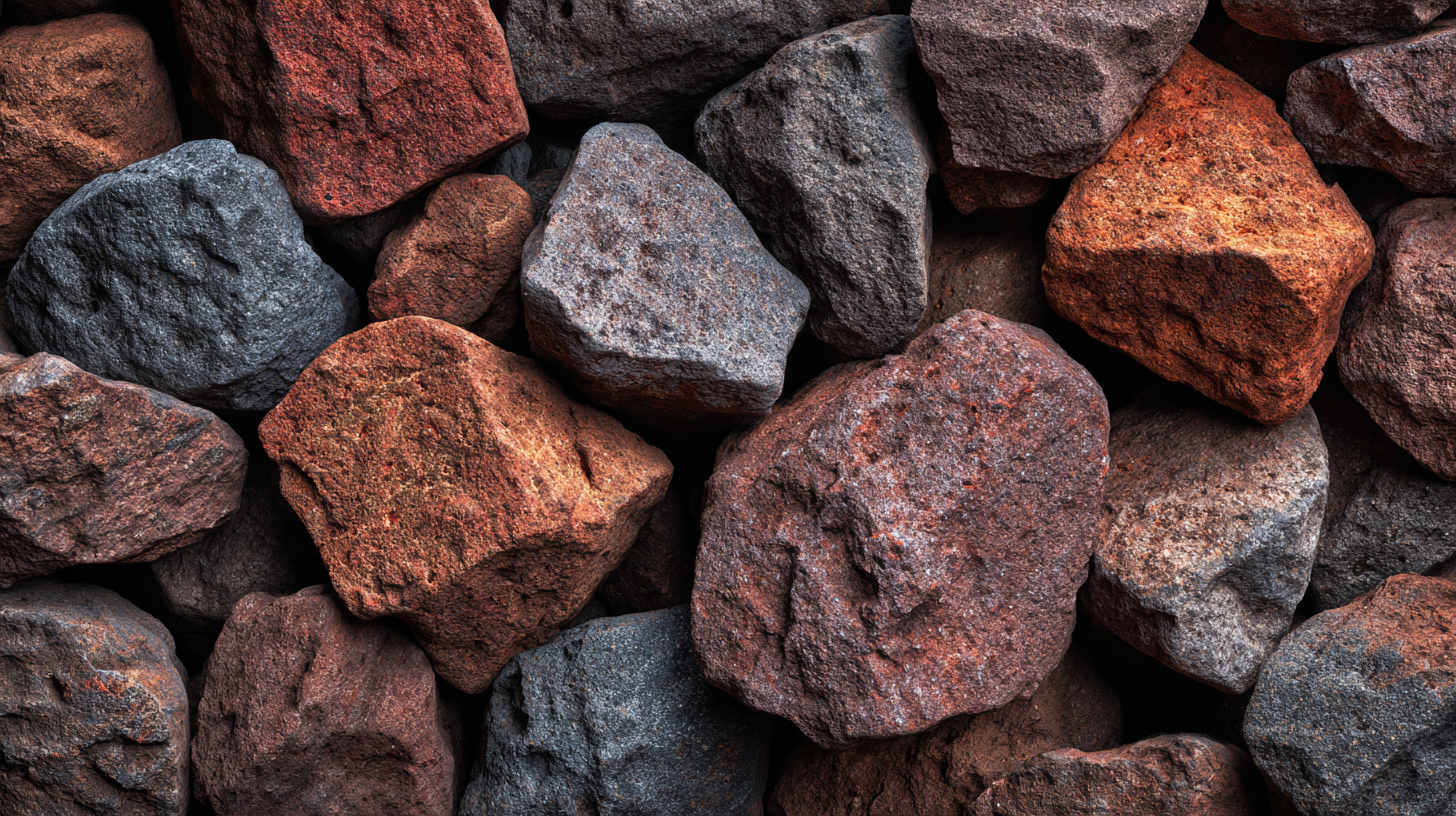 China Beihai Fiberglass Co., Ltd., in particular, has become a real leader in making high-performance basalt continuous fiber. Industry reports even say that the demand for basalt fiber is set to grow around 15% each year, thanks to its excellent mechanical strength and ability to withstand tough conditions.
When it comes to colors, the 'Basalt Brown Color' catches the eye—it's not just good-looking but also super versatile, making it perfect for a bunch of different architectural projects. This overview will give you some tips on how to choose the Basalt Brown Color for your next project, taking into account current trends and the cool advantages of basalt fiber materials.
Lately, basalt brown has been gaining popularity in architectural circles, especially when it comes to modern renovations that aim to respect and blend with historical charm. Inspired by the natural look of basalt rock, this warm, inviting color really helps bridge the gap between old structures and newer designs. You know, as architects grapple with the tricky task of balancing preservation and innovation—like in the recent updates at Fasil Giorghis—using shades like basalt brown can really turn into a visual conversation between the past and the present, adding depth to the overall story of the space.
If you're thinking about incorporating basalt brown into your project, here are a few tips that might help. First off, take a good look at how it pairs with the existing materials and the overall vibe of the place. Then, don’t forget to consider the lighting conditions; you want to make sure the color keeps its warmth and richness no matter the time of day. And lastly, think about the mood you’re going for—this color is great for conveying stability and a sense of groundedness, which makes it a solid pick for both public venues and cozy private spots.
By bringing basalt brown into your designs, you’re not just riding a trend—you’re also paying homage to historical significance and tradition. It’s all about finding that sweet spot between new ideas and respecting the past, creating buildings that are not only eye-catching but also meaningful and responsible. That’s the real magic, right?
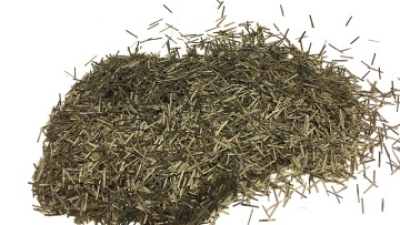
The integration of high-quality basalt chopped fiber into modern composite applications represents a significant advancement in material engineering. These fibers, treated with a special surface agent, are specifically designed to enhance bonding with asphalt concrete. According to industry studies, incorporating basalt chopped fiber into asphalt mixtures can lead to a remarkable improvement in key performance indicators. Reports indicate that the temperature stability of asphalt concrete can increase by up to 25%, while low-temperature crack resistance may show improvement rates of approximately 30%.
Moreover, the impact of basalt chopped fiber extends to water damage performance and fatigue resistance as well. Research published in the Journal of Composite Materials highlights that asphalt containing basalt fibers exhibits superior resistance to water-induced damage, with a reduction in moisture sensitivity by nearly 40%. This attribute is particularly critical for infrastructures exposed to harsh weather conditions and heavy traffic loads. Furthermore, the fatigue life of asphalt composites can be enhanced, yielding an increase in longevity of up to 50%, which is invaluable for reducing maintenance costs and improving overall road safety.
In summary, the role of basalt chopped fiber in modern composite applications demonstrates immense potential for enhancing the durability and strength of asphalt concrete, translating into safer, more reliable road surfaces. As engineering practices continue to evolve, the utilization of these advanced materials will likely become a standard in addressing the challenges faced in modern infrastructure development.
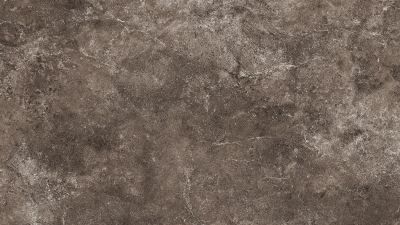
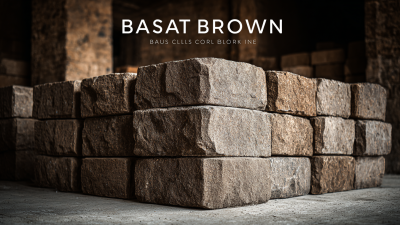
: Basalt brown is a color inspired by the natural aesthetics of basalt, characterized by a warm, inviting tone. It is popular in architecture for modern renovation projects, as it harmonizes contemporary structures with historical surroundings, creating a dialogue between old and new.
Basalt brown can evoke a sense of stability and grounding, making it an ideal choice for both public and private spaces. It helps create a warm and inviting atmosphere.
When selecting basalt brown, consider how it complements existing materials and structures, evaluate site lighting conditions to ensure the color maintains its richness, and think about the emotional effect you want to achieve.
Complementary colors include soft beige and muted gold, which enhance the richness of basalt brown. Deep blues and greens can provide striking contrast while adding depth and visual interest to the design.
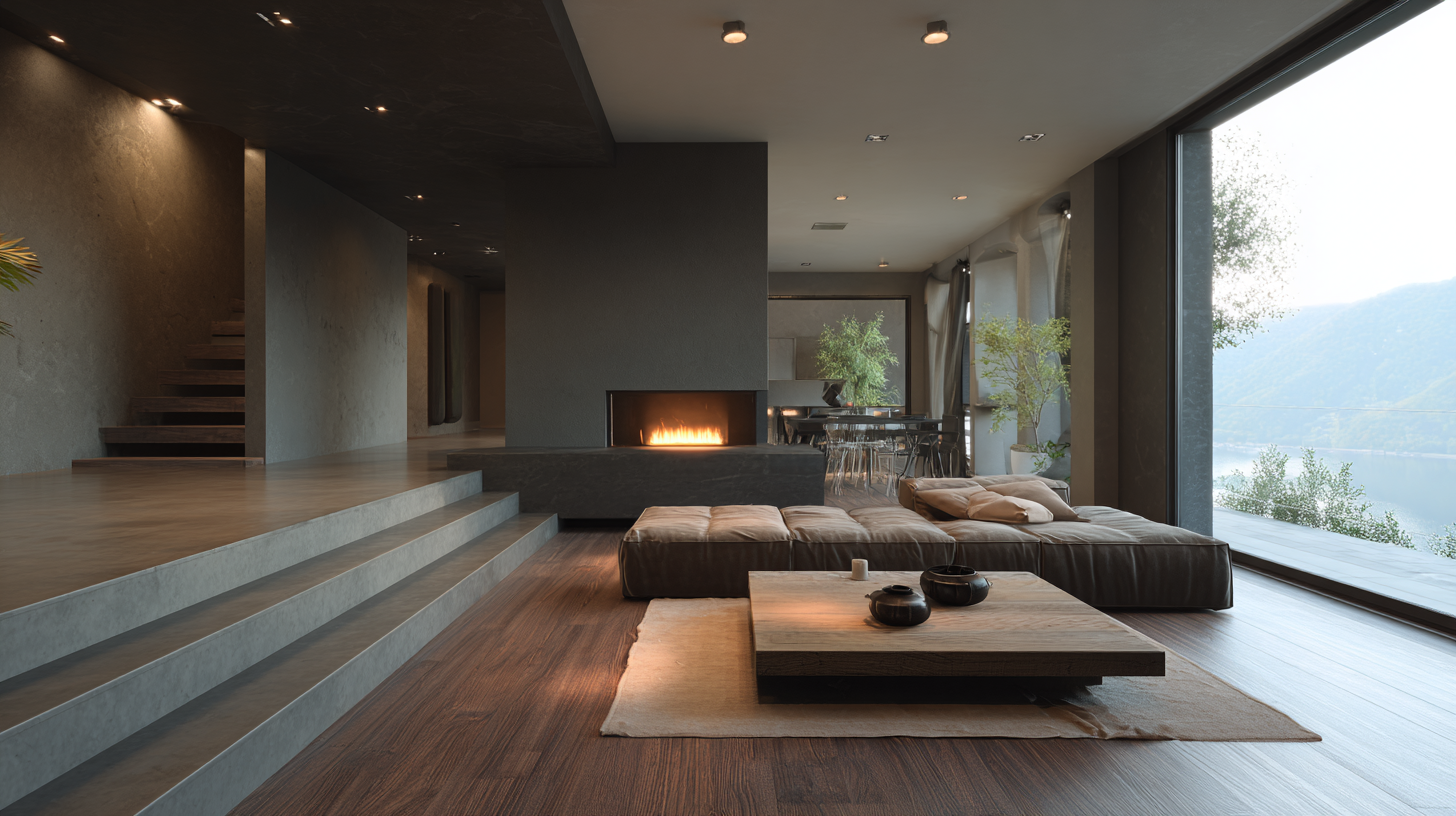
Basalt brown pairs well with warm woods (like walnut or oak), textured stone, and glass elements. These materials can elevate the overall design and emphasize either a warm or modern industrial look.
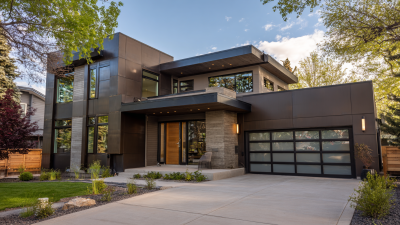
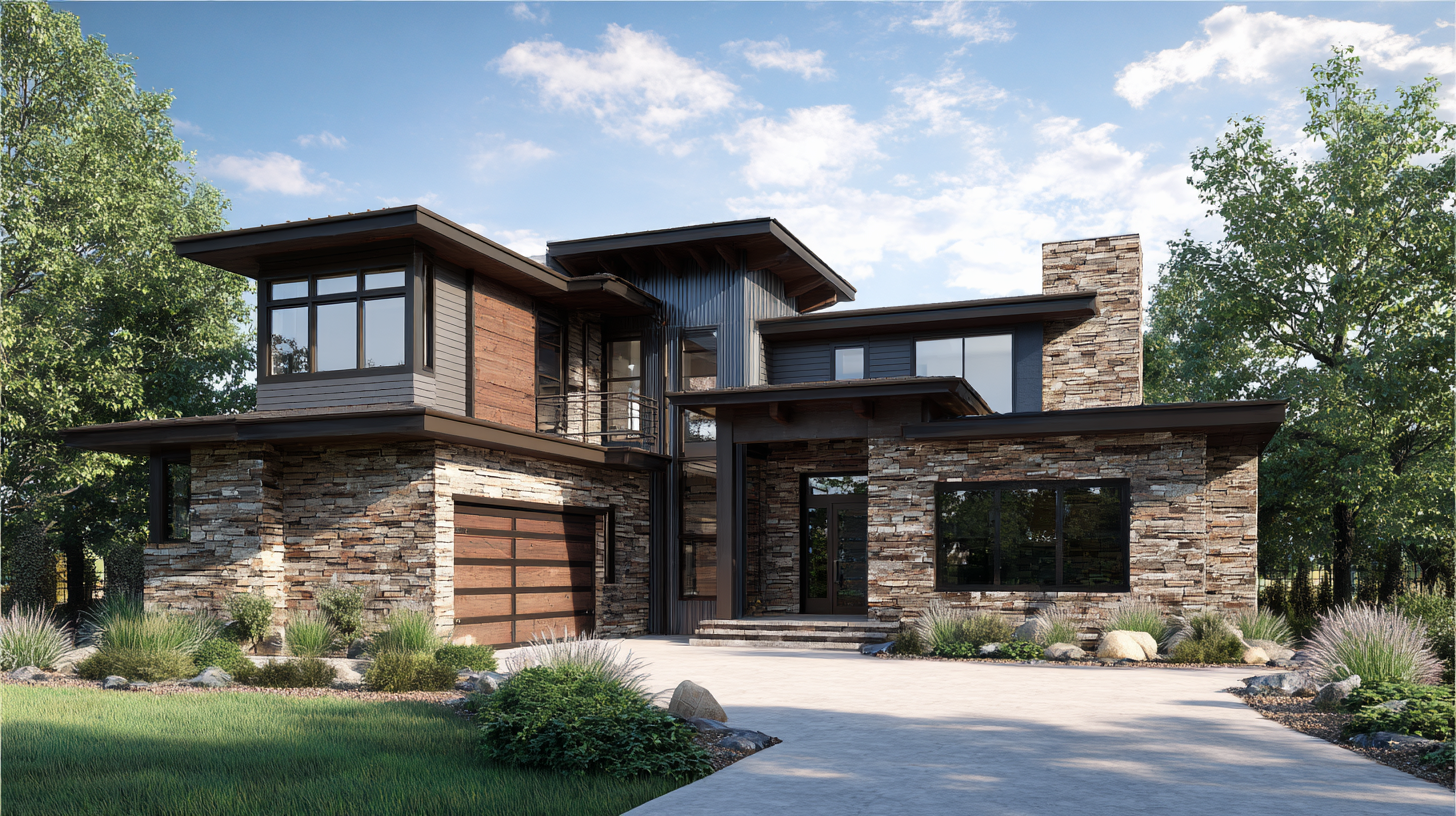
One example is a modern office building that used basalt brown for its facade and outdoor seating, creating a sophisticated and warm atmosphere. Another is a residential complex that integrated basalt brown in landscaping features, connecting the building to its natural surroundings.
The color of basalt brown interacts with natural light throughout the day, creating different moods and altering its appearance. Evaluating this interaction can help achieve the desired ambiance in your project.
It's essential to assess how basalt brown fits into the local environment to ensure it enhances the overall landscape rather than distracts from it, considering its adaptability to various materials and styles.
By integrating basalt brown, architects can balance innovation with tradition, paying homage to historical significance while adhering to current design trends, thus creating aesthetically pleasing and socially responsible structures.
The benefits include enhancing the visual narrative of a space, creating a warm atmosphere, and fostering a connection between new construction and historical context, while also appealing to contemporary aesthetic preferences.
Hey, have you read the article titled "How to Choose Basalt Brown Color for Your Next Architectural Project Based on Industry Trends"? It dives into why this particular shade of Basalt Brown is really capturing attention in the world of architecture. I found it pretty interesting how they talk about current trends making this color so popular right now, especially because of how versatile and elegant it looks in modern designs. The article also gives some good tips on what to think about when choosing Basalt Brown — like how well it mixes with different styles and materials, plus some points on sustainability that make it a smart, eco-friendly pick.
What’s also cool are the case studies they share, showing real-world examples of how architects and designers are using Basalt Brown successfully in their projects. And since China Beihai Fiberglass Co., Ltd. is always pushing the envelope in the basalt fiber industry, adding this color into their architectural work shows they’re serious about both style and sustainability. Overall, it’s a solid read if you're into combining aesthetics with eco-conscious choices in building designs.