
Leave Your Message
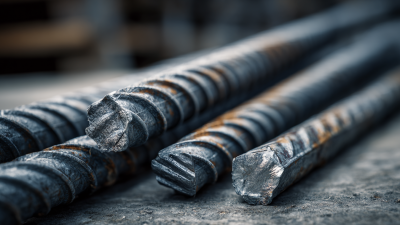
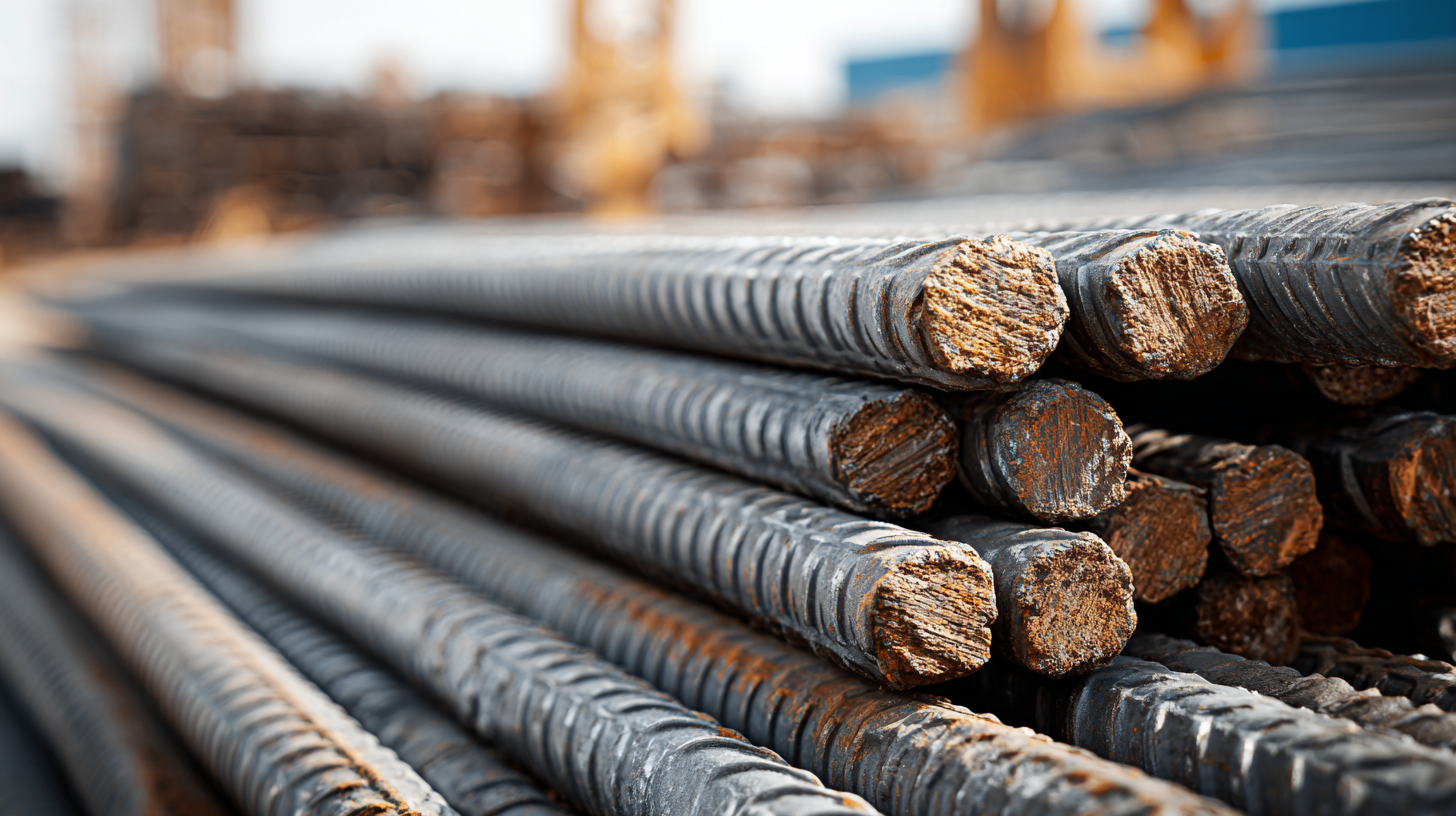
Hey, you know, as the Construction world keeps changing, there's a growing buzz aroundinnovative and Durable materials like Basalt Rebar. I read somewhere recently—something from Research and Markets—that the global market for composite rebar (including Basalt Rebar) is expected to hit around $5.8 billion by 2025. That’s mainly because more folks are looking for sustainable solutions for their building projects. What’s cool about Basalt Rebar is that it’s made from volcanic rock, and it offers some pretty big advantages over traditional steel. Think corrosion resistance, being lightweight, and having stronger tensile strength—making it a pretty attractive option for all sorts of building jobs.
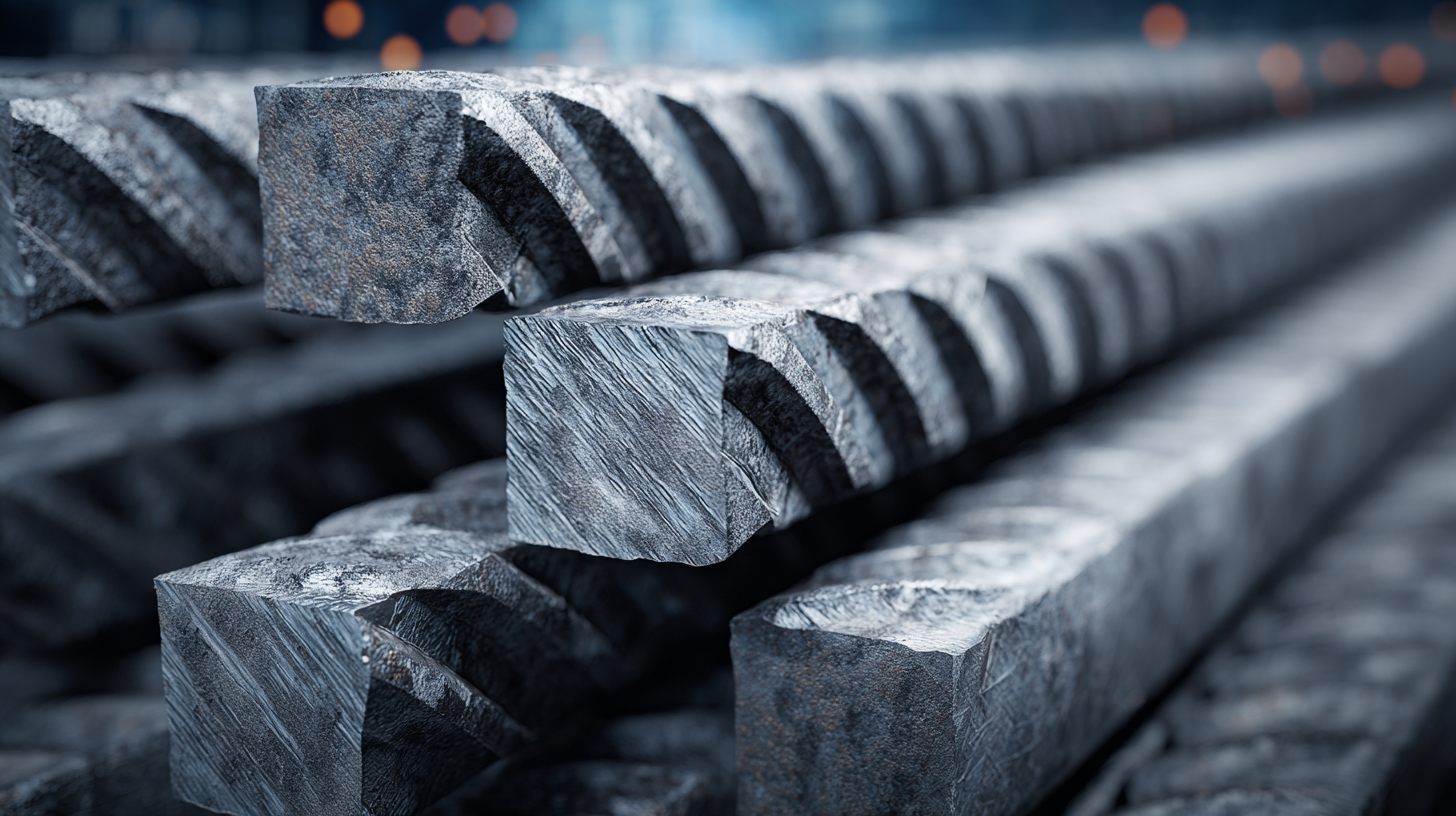
In today’s super competitive market, choosing the right kind of Basalt Rebar can really make or break your project's longevity and performance. Brands like Kamenny Vek and Basalt USA are pretty much leading the way, producing high-quality options that give engineers and builders what they need to keep up with modern demands. Plus, a study from the American Concrete Institute says that using Basalt Rebar can actually boost the lifespan of concrete structures by up to 50% compared to regular steel. So, if you’re thinking about which Basalt Rebar is best for your project, it’s really important to get a handle on what makes this material special and how it can be used. That way, you’ll set yourself up for a successful build, no doubt.
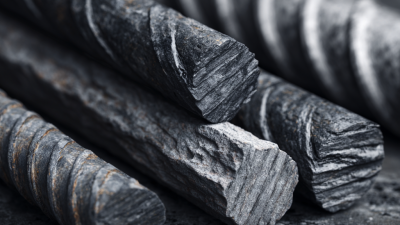
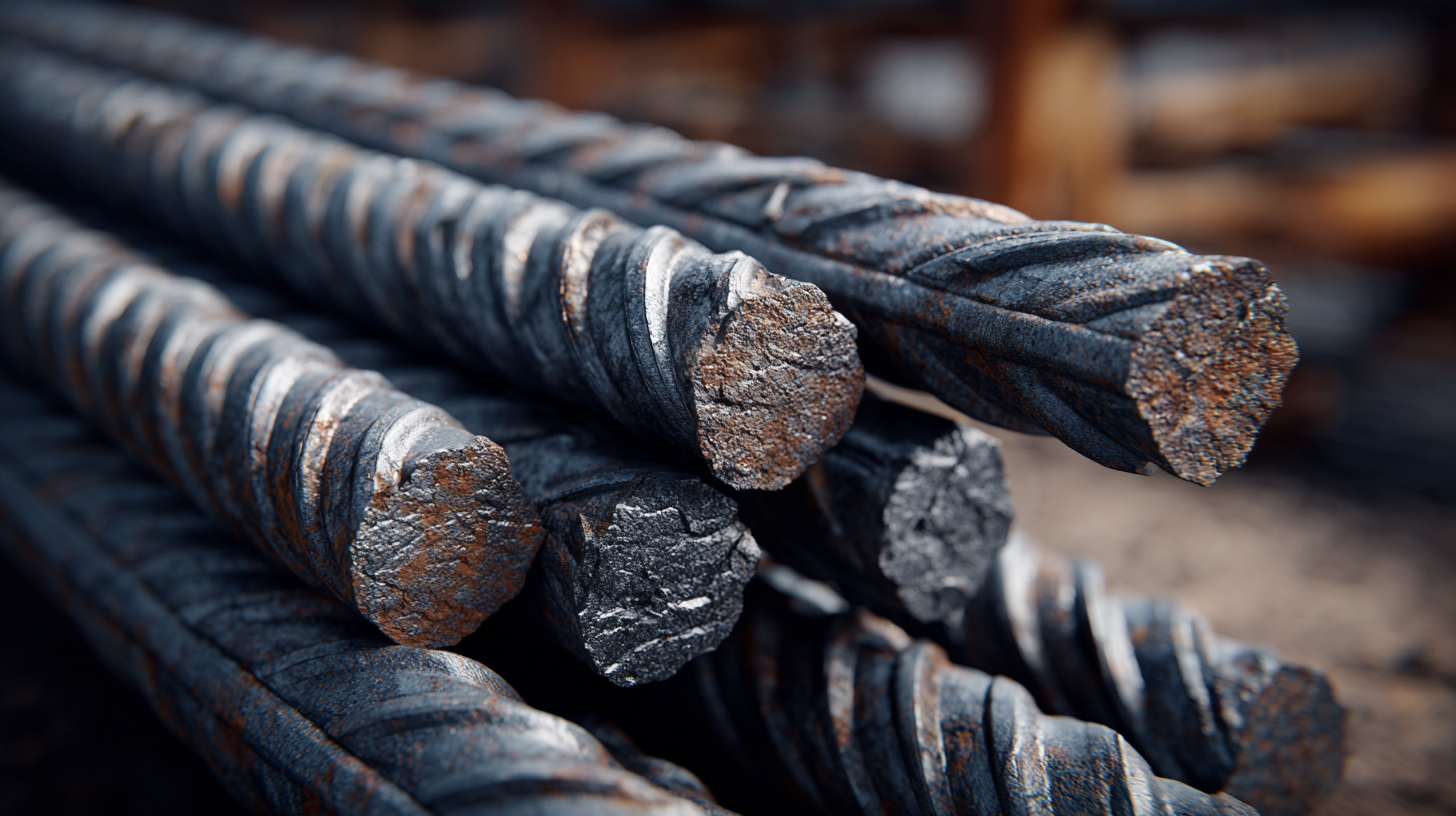
Basalt rebar has emerged as a formidable alternative to traditional steel reinforcement in construction, thanks to its unique properties and advantages. Composed of volcanic rock, it exhibits superior resistance to corrosion, which is critical in environments where steel would typically suffer from rust and degradation. A report by the Composites World highlights that basalt fiber reinforcement can have a lifespan up to three times longer than that of steel, particularly in harsh conditions. This enduring quality not only ensures the longevity of structures but also means lower maintenance costs over time.
Moreover, basalt rebar is notably lighter than steel, making it easier to handle and transport on site. According to a study published in the Journal of Composite Materials, basalt rebar's weight is approximately 60% less than that of equivalent steel bars. This reduction in weight can lead to significant reductions in overall construction costs, including savings on labor and transport. Additionally, its resistance to electromagnetic fields makes it an ideal choice for applications in sensitive environments, such as hospitals or research facilities, where interference with electronic equipment must be minimized. As builders seek innovative solutions for enhanced durability and efficiency, basalt rebar stands out as a material worth considering for future projects.
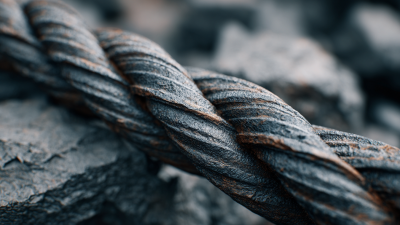
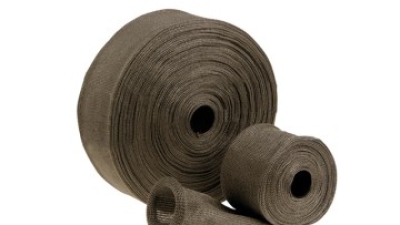
Insulation plays a crucial role in maximizing thermal efficiency across various industrial applications. The use of Basalt Fiber Wrapping Tape and Sleeving stands out as an effective solution for enhancing thermal protection, particularly in environments subject to extreme heat and fire risks. Basalt fiber, with its superior thermal resistance and lightweight characteristics, is becoming increasingly favored in sectors such as automotive, aerospace, and marine engineering. According to industry reports, the application of basalt fiber insulation can reduce energy losses by up to 30%, contributing significantly to overall operational efficiency.
In practical terms, Basalt Fiber Sleeving is highly conformable and provides exceptional thermal protection for engine and generator exhaust pipes. This product is particularly beneficial in industries like construction and mining where heavy machinery operates under high-temperature conditions. By protecting hydraulic hoses, oil pipes, fluid transfer pipes, and electrical cables, these basalt fiber solutions not only avert potential heat-related accidents but also prolong the lifespan of critical components, leading to decreased maintenance costs. Reports indicate that implementing basalt fiber insulation can improve equipment reliability by up to 25%, showcasing its importance in high-stakes industrial applications.
Furthermore, the versatility of basalt fiber makes it suitable for metallurgical and chemical industries, where equipment faces harsh thermal environments. The ability to withstand elevated temperatures without compromising structural integrity makes basalt fiber a preferred choice for shielding sensitive components from heat. As industries continue to prioritize thermal efficiency and safety, the adoption of solutions like Basalt Fiber Wrapping Tape and Sleeving is expected to grow, underscoring their integral role in modern industrial operations.
: Basalt rebar is a reinforcement material made from volcanic rock, known for its superior corrosion resistance, lower weight compared to steel, and durability, making it a strong alternative to traditional steel rebar in construction.
Basalt rebar can have a lifespan up to three times longer than steel, particularly in harsh environments, which helps ensure the longevity of structures and reduces maintenance costs.
Basalt rebar is lighter than steel (approximately 60% less), resistant to electromagnetic fields, and has lower carbon emissions during production, making it a more efficient and sustainable choice for construction projects.
Its lighter weight makes basalt rebar easier to handle and transport, leading to potential savings on labor and transport costs during construction.
Basalt rebar has a significantly lower carbon footprint compared to traditional steel rebar, with production emitting about 25% less CO2, which is crucial for promoting sustainable construction practices.
Basalt rebar's resistance to corrosion, chemicals, and high temperatures means that structures can last up to 100 years without significant degradation, reducing the need for maintenance and replacements, thereby lessening environmental impact.
The basalt fiber market is projected to grow significantly, with estimates suggesting an increase from USD 1.87 billion in 2024 to USD 3.54 billion by 2033, reflecting rising demand for durable and sustainable construction materials.
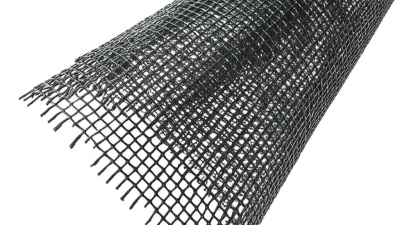
Yes, there are various forms of basalt reinforcement, including basalt roving and basalt fabric, and it is essential to choose the right type that aligns with specific project requirements.
Basalt rebar is ideal for use in sensitive environments such as hospitals or research facilities where resistance to electromagnetic fields is crucial to prevent interference with electronic equipment.
Key factors include the specific application of the rebar, the type of basalt reinforcement needed, and understanding market dynamics to ensure optimal performance and durability in construction projects.
In the 2025 guide on choosing the best Basalt Rebar for construction projects, various crucial aspects are highlighted to aid decision-making. Understanding the unique properties and advantages of Basalt Rebar is essential, as it offers superior strength, durability, and corrosion resistance when compared to traditional steel rebar. Key factors such as project requirements, environmental conditions, and load-bearing needs should be considered during selection.
Furthermore, a comparative analysis reveals that while the initial cost of Basalt Rebar may be higher, its long-term performance and reduced maintenance needs can lead to overall cost savings. The sustainability aspect emphasizes the environmental benefits of using Basalt Rebar in construction, aligning with modern eco-friendly practices. For those seeking high-quality products, sourcing from reliable suppliers like China Beihai Fiberglass Co., Ltd., a leader in the basalt fiber industry, ensures access to top-tier materials that meet rigorous construction standards.