By 2026, the world of building constructionis still shifting and changing. Getting your hands on quality materials is more crucial than ever if you want to stay ahead. Companies like ABC Materials and XYZ Constructions are trying out new ways to source top-notch supplies, which honestly gives them a bit of an edge in this pretty crowded market.
Of course, dealing with sourcing isn’t always smooth sailing — supply chain hiccups and costs going up can really throw a wrench into projects. Builders need to keep their finger on the pulse about these trends and be ready to adapt. One smart move is to work more closely with local suppliers — building those relationships can actually help reduce some of the risks tied to global sourcing. But, here’s the thing: not everyone seems super focused on sustainability when making these choices, which is kinda worrying.
Looking back at how they source materials might actually help companies do better. Are they really thinking about how their choices impact the environment? Are they supporting local communities? In the fast-paced world of building construction, being responsible and innovative isn’t just nice to have — it’s essential. Putting these values front and center can lead to projects that aren’t just successful but also better for everyone and more sustainable down the line.

Understanding the Evolution of Construction Material Sourcing in 2026
In 2026, the sourcing of Construction And Building Materials reflects significant changes driven by technology. The rise of digital platforms creates more efficient ways to connect buyers and suppliers. Innovations like blockchain ensure transparency in material sourcing. This makes verification of quality and ethical standards easier than ever. Yet, not every project will enjoy seamless procurement processes. Companies still face challenges related to logistics and integration of new technologies.
Sustainability has taken center stage in material selection. Eco-friendly options are now preferred, and many suppliers offer reclaimed or recycled materials. This shift promotes responsible sourcing, but it can lead to a shortage of conventional materials. Many construction firms might need to adapt to this evolving landscape, grappling with increased costs or limited availability. Collaboration among industry players could pave the way for smoother transitions and shared resources. However, the urgency of immediate project demands might push some towards traditional methods, revealing a gap in strategy and execution.
Lastly, the future remains uncertain. As regulations shift and global events unfold, sourcing strategies may continually evolve. The importance of agility is paramount. Companies must stay updated on market trends and emerging technologies to remain competitive. This ongoing adaptation will define how effectively they can source Construction And Building Materials in the future. Discrepancies between plans and actual execution may arise, urging continuous reflection and adjustment in sourcing strategies.
How to Source Building Construction Materials in 2026? - Understanding the Evolution of Construction Material Sourcing in 2026
| Material Type | Sourcing Method | Sustainability Rating | Cost per Unit | Lead Time (Days) |
| Concrete | Local Suppliers | B+ | $120 | 7 |
| Steel | Direct Import | A- | $800 | 14 |
| Wood | Sustainable Harvesting | A | $50 | 5 |
| Bricks | Local Manufacturers | B | $300 | 10 |
| Glass | Recycled Materials | A+ | $15 | 3 |
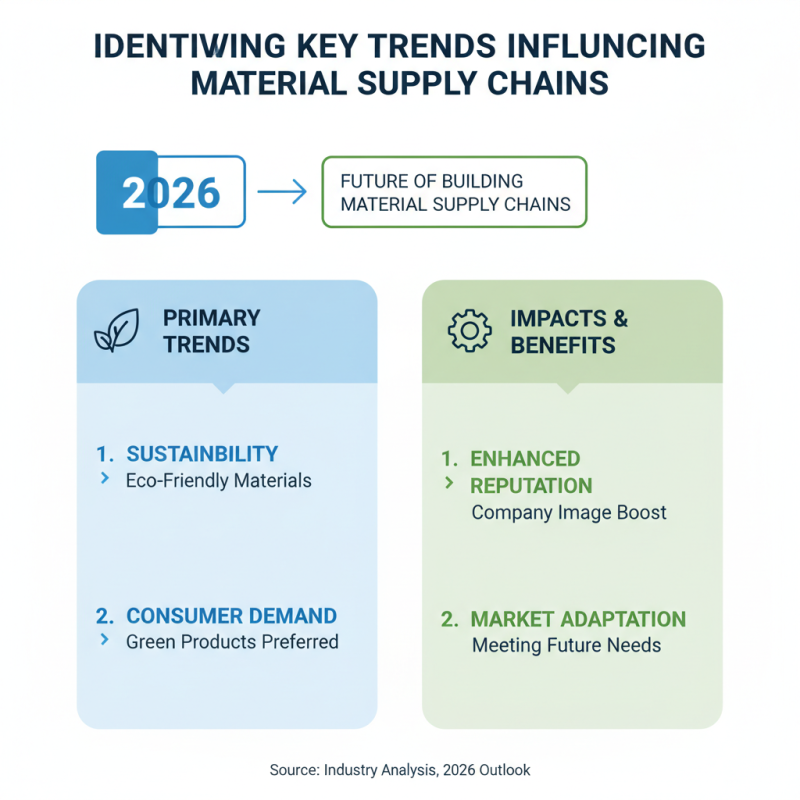
Identifying Key Trends Influencing Material Supply Chains
In 2026, sourcing building construction materials will increasingly hinge on adapting to key trends shaping supply chains. Sustainability emerges as a significant influence. Many suppliers emphasize eco-friendly materials. These choices not only meet consumer demands but also enhance company reputations.
Technology will reshape the way businesses source materials. Digital platforms streamline connections between manufacturers and contractors. Automated inventory management systems will predict material needs more accurately. Adopting these technologies could certainly reduce waste, but it also requires careful implementation.
Tip: Always align your sourcing strategy with sustainability goals. Consider local sourcing options. This minimizes transportation costs and supports the local economy. It’s essential to stay informed about emerging materials, especially for projects like Building Slab Construction. Engaging with industry experts can provide insights into innovative materials and methods. Make adjustments based on evolving market conditions.
Sustainable Sourcing: Prioritizing Eco-Friendly Construction Materials
Sustainable sourcing is crucial in 2026 for building construction. Eco-friendly materials reduce environmental impact. They also improve air quality in homes and workplaces. Slab Building Construction can greatly benefit from sustainable practices. Recycled materials, like reclaimed wood and recycled metal, enhance durability and functionality.
Choosing local suppliers supports the community. It reduces transportation emissions and promotes regional products. However, sourcing locally may limit material variety. A balance is needed. Some eco-friendly options can be more expensive upfront. Long-term savings are often overlooked.
Consider incorporating renewable resources, such as bamboo or hemp. These options are strong and Lightweight. They can be excellent for slab building construction. Sustainability requires creativity and adaptability. Not every material will fit every project. Decisions must be made carefully, ensuring they're environmentally sound and practical.
Leveraging Technology for Efficient Material Procurement in 2026
In 2026, leveraging technology for material procurement in construction is essential. The construction industry has always faced challenges like delays and rising costs. Integrating technology provides solutions that enhance efficiency and transparency. For instance, using drones for site surveys can reduce the time needed for initial assessments. This not only speeds up the process but also minimizes human error.
Digital platforms are reshaping the procurement landscape. Companies can now access databases that track material availability in real time. This reduces guesswork when ordering supplies. It fosters better communication among stakeholders too. However, reliance on technology can sometimes lead to oversight. For example, a system glitch may result in miscommunication about delivery dates.
Additionally, utilizing artificial intelligence can optimize inventory management. AI tools can predict usage patterns and suggest reorder levels. Yet, there's a risk of overdependence on algorithms. Humans must still verify and adjust these recommendations based on real-world observations. Embracing technology is about enhancing decision-making and maintaining a balance between innovation and human insight.
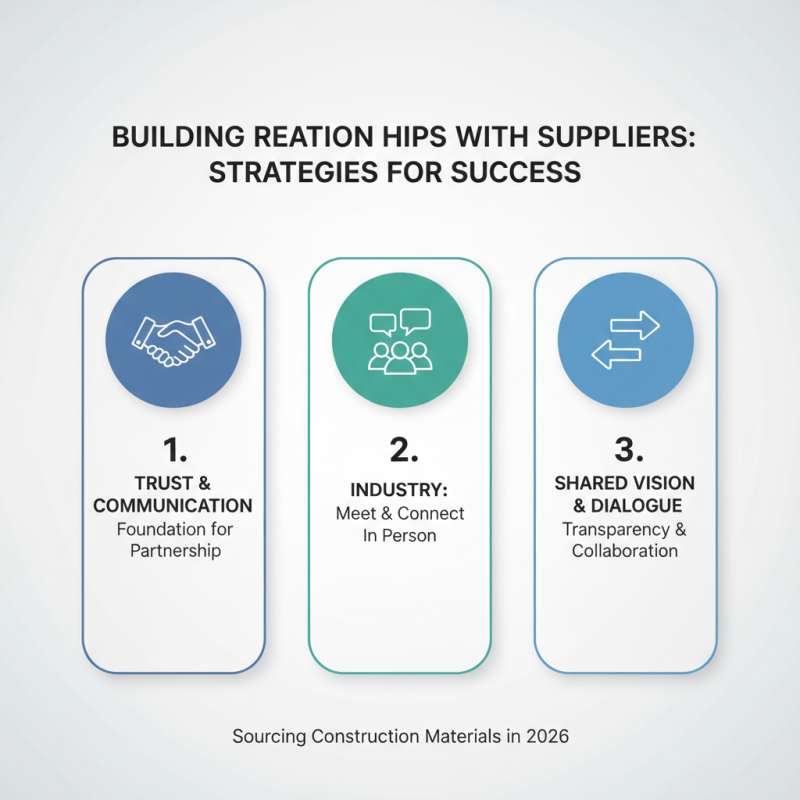
Building Relationships with Suppliers: Strategies for Success
Building strong relationships with suppliers is crucial for sourcing building construction materials in 2026. Trust and communication should be at the forefront of any partnership. Attend industry events to meet suppliers in person. Share your project's vision and listen to their input. This two-way dialogue fosters transparency and paves the way for successful collaborations.
Consider creating a supplier assessment rubric. This helps evaluate potential partners based on reliability, pricing, and quality. Building ties with multiple suppliers ensures flexibility. However, relying too much on one source can lead to challenges. Establish contingency plans for long lead times and price fluctuations. Regularly reviewing supplier performance is essential for continuous improvement.
It's important to remember that every partnership will have its ups and downs. Be open to feedback and willing to adapt your approach. Reflection on past experiences will enhance your sourcing strategy. Trust takes time to build and requires effort. This journey is filled with lessons that can ultimately lead to stronger partnerships and better outcomes.
Navigating Regulatory Compliance for Material Sourcing
Navigating regulatory compliance for sourcing building construction materials in 2026 is essential. Local regulations vary widely. It is vital to understand your area’s requirements. Ensuring that your materials meet these standards can save you time and financial resources. This includes acquiring the necessary permits and passing inspections. Every detail counts, even when sourcing something as simple as a Steel Rod For Building Construction.
Sourcing materials also involves considering sustainability standards. Many regions require compliance with eco-friendly practices. This can be challenging, especially for new builders. You might encounter attractive options that do not meet regulatory guidelines. Always verify certifications and test reports before making a purchase. Each step you overlook may lead to delays.
Building relationships with local officials can help simplify this process. A face-to-face conversation can clarify often confusing regulations. Being transparent about your sourcing methods builds trust. This trust can lead to smoother inspections. However, remember that not all regulations are straightforward. Expect occasional frustrations in the journey. Embrace these challenges as learning opportunities.
Evaluating Quality and Cost-Effectiveness in Material Selection
When sourcing building construction materials in 2026, evaluating quality and cost-effectiveness is crucial. Material selection impacts durability, safety, and overall project expenses. Understanding standards and certifications can guide your choices, ensuring that you select reliable products. It is essential to balance performance with budget constraints.
Tips: Start by researching local suppliers. Consider their reputation and product range. Visit their facilities if possible. Assess the materials for durability and compliance with regulations. Test samples when feasible. Evaluate their long-term performance. This can save costs in maintenance down the line.
Quality shouldn't be compromised for lower prices. Sometimes, cheaper materials lead to higher long-term expenses. Reflect on previous projects to learn from mistakes. Consider holistic costs, including installation and lifecycle. This will inform better decisions that align with budgetary goals. Each project will have unique challenges and opportunities, requiring careful thought and reflection.
Enhancing Road Infrastructure: Leveraging High Strength Basalt Fiber Geogrid Mesh for Reinforcement Based on 2023 Geosynthetics Market Insights
In the ever-evolving landscape of civil engineering and infrastructure development, the application of high-strength basalt fiber geogrid mesh presents a transformative opportunity for enhancing road construction and maintenance. This innovative material is particularly suitable for reinforcing asphalt-concrete surfaces used in airport runways, highways, and various pavements, as well as for pedestrian pathways and road inclines. The reliability and safety of road infrastructures can be significantly improved through the adoption of basalt fiber geogrid, which has established itself as a robust alternative to traditional metal reinforcements.
One of the standout benefits of basalt fiber geogrid mesh is its remarkable strength-to-weight ratio. While providing equivalent strength to that of metal reinforcement, the basalt mesh is 2.6 times lighter, which not only simplifies transportation but also facilitates easier handling during construction processes. This reduction in weight can lead to increased efficiency on site, ultimately boosting productivity and accelerating project timelines. As infrastructure demands grow, leveraging such advanced materials will be crucial for engineers seeking to deliver reliable, sustainable, and long-lasting road solutions.
FAQS
: Technology has created digital platforms that connect buyers and suppliers efficiently. Innovations like blockchain improve transparency and verification.
Sustainability is now crucial. Many suppliers provide eco-friendly and recycled materials. This trend can lead to a shortage of conventional options.
Companies struggle with logistics and technology integration. Some may revert to traditional methods due to immediate project demands.
Companies need to stay updated on market trends and new technologies. Continuous reflection and adjustment are key for effective sourcing.
Local regulations vary, and compliance is essential. Meeting standards helps avoid delays and saves time and financial resources.
Builders should verify certifications and acquire necessary permits. Building relationships with local officials can simplify understanding regulations.
Choosing local suppliers reduces transportation costs and fosters community support. It aligns sourcing strategies with sustainability goals.
Careful implementation is vital. While automated inventory systems can reduce waste, they require thoughtful integration to be effective.
Collaboration among industry players can lead to smoother transitions. Sharing resources may ease sourcing challenges in the competitive landscape.
Discrepancies between plans and execution can occur. Companies should be prepared for challenges and view them as opportunities for growth.
Conclusion
In 2026, sourcing building construction materials has evolved significantly due to various key trends shaping supply chains. Understanding these trends is crucial for professionals in the field. Sustainability is at the forefront, with a strong emphasis on eco-friendly materials that minimize environmental impact. Additionally, the integration of technology enhances the efficiency of material procurement processes, enabling builders to streamline operations and reduce costs.
Developing robust relationships with suppliers is essential for successful sourcing, ensuring reliability and quality. Navigating regulatory compliance remains a critical aspect, as construction professionals must adhere to evolving standards. Finally, evaluating the quality and cost-effectiveness of materials is paramount to achieving optimal results in building construction projects, aligning both budgetary requirements and performance expectations.