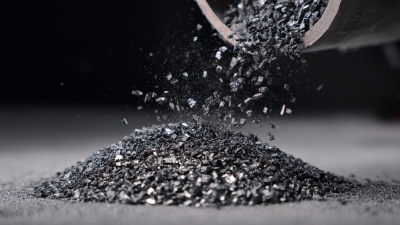
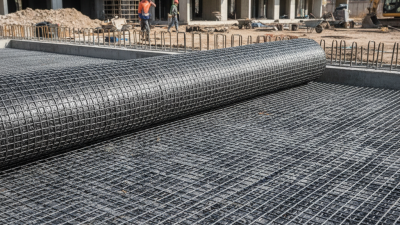
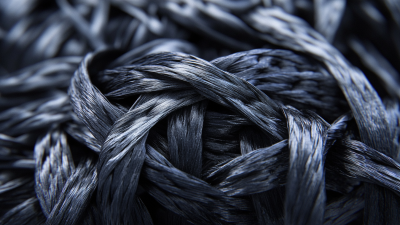
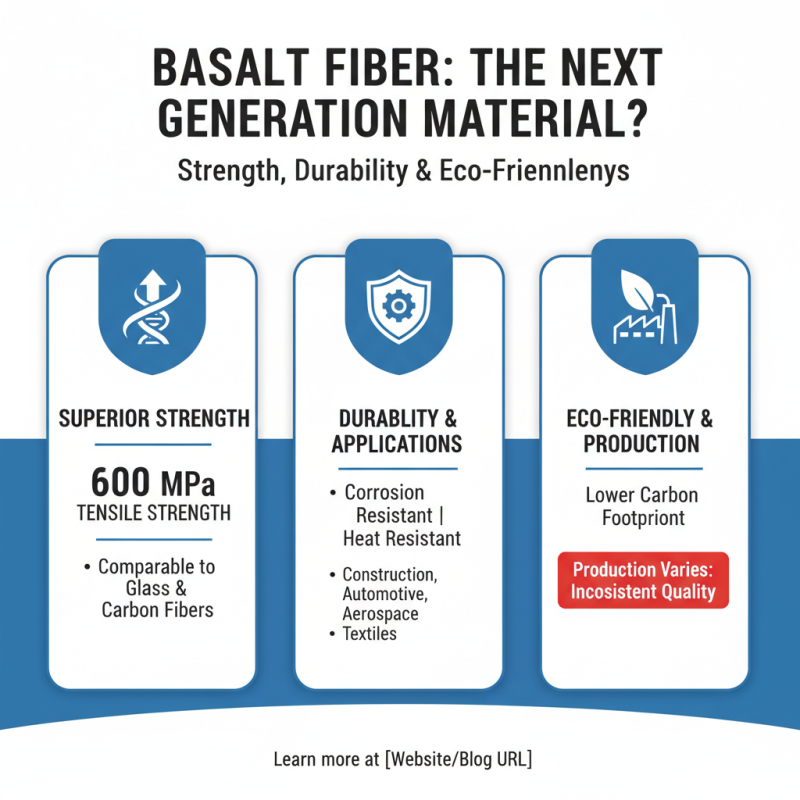
So, have you heard about Basalt Fiber Cloth? It's pretty exciting because it's really changing the game when it comes to construction and manufacturing materials. Basically, this isn’t your average fabric — it’s made from volcanic rock, which gives it some pretty cool properties like strength and durability. The best part? It’s lighter than traditional fibers, yet still super tough, making it a favorite for industries like Aerospace and automotive, which are always on the lookout for materials that save weight without sacrificing strength.
That said, it’s not all smooth sailing. Not all manufacturers are ready or have the right tools to work with this stuff just yet, so there are some hurdles to overcome. If you're thinking about using Basalt Fiber Cloth, it’s good to know that while it has lots of potential, quality control can sometimes be a bit inconsistent. Plus, it can be tricky to handle, especially if you're new to it. As the industry keeps evolving, I think folks will need to keep learning and sharing tips to get the most out of this innovative fabric.
All in all, it’s an exciting development, but like with anything new, there’s a bit of a learning curve. Still, I believe we’ll see more widespread adoption as companies figure out how to best utilize it and as standards get better over time.
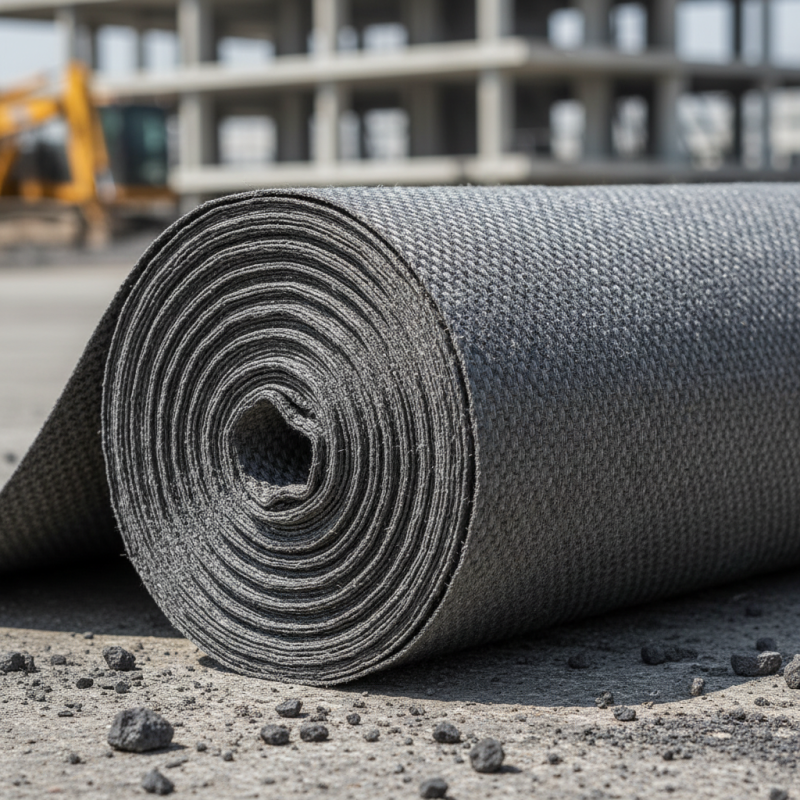
Overview of Basalt Fiber Cloth and Its Applications in Industry
Basalt Fiber Clothis gaining traction in various industries due to its impressive strength and durability. This material is made from volcanic rock and offers advantages over traditional fibers like glass and carbon. In the automotive sector, it is used to enhance vehicle components, providing Lightweight options without compromising on strength. Reports indicate thatBasalt Fiber Cloth can withstand temperatures up to 800°C, making it suitable for high-performance applications.
Recent studies show a yearly growth of 15% in the use of Basalt Fiber Cloth within construction and aerospace industries. Its resistance to chemical corrosion adds to its appeal. However, some manufacturers overlook the challenges in sourcing basalt, which can lead to supply chain inconsistencies. Despite these setbacks, the material shows promise for sustainable development in composite manufacturing.
Adoption of Basalt Fiber Cloth is not without hurdles. For instance, proper integration into existing production processes requires investment and training. Many companies struggle to optimize the benefits of this material. The performance metrics are impressive, but practical implementation can be complex. Ongoing research is needed to address these issues and maximize the potential of Basalt Fiber Cloth in various applications.
Key Properties of Basalt Fiber: Strength, Durability, and Thermal Resistance
Basalt fiber is gaining attention for its unique properties, particularly in strength and durability. Studies have shown that basalt fiber offers a tensile strength of approximately 600 MPa. This makes it comparable to traditional materials like glass and carbon fibers. However, its manufacturing process is often overlooked. While it is more eco-friendly, the variations in production can lead to inconsistent quality.
Durability is another standout feature of basalt fiber. It exhibits excellent resistance to moisture and chemicals. Test data shows that basalt fiber can withstand temperatures of up to 700 degrees Celsius. In applications where thermal resistance is crucial, this can be invaluable. Yet, some users report challenges in ensuring seamless integration into existing systems. The versatility of Basalt Fiber Cloth Roll allows for a wide range of applications but requires careful planning during implementation.
Thermal resistance often leads to improved lifespan in various environments. However, engineers need to consider the overall design and compatibility with other materials. Sometimes, this results in underperformance when not matched correctly. Therefore, the promise of basalt fiber should inspire both optimism and caution as the industry moves forward.
Comparison of Basalt Fiber Cloth to Traditional Fibers: A Performance Review
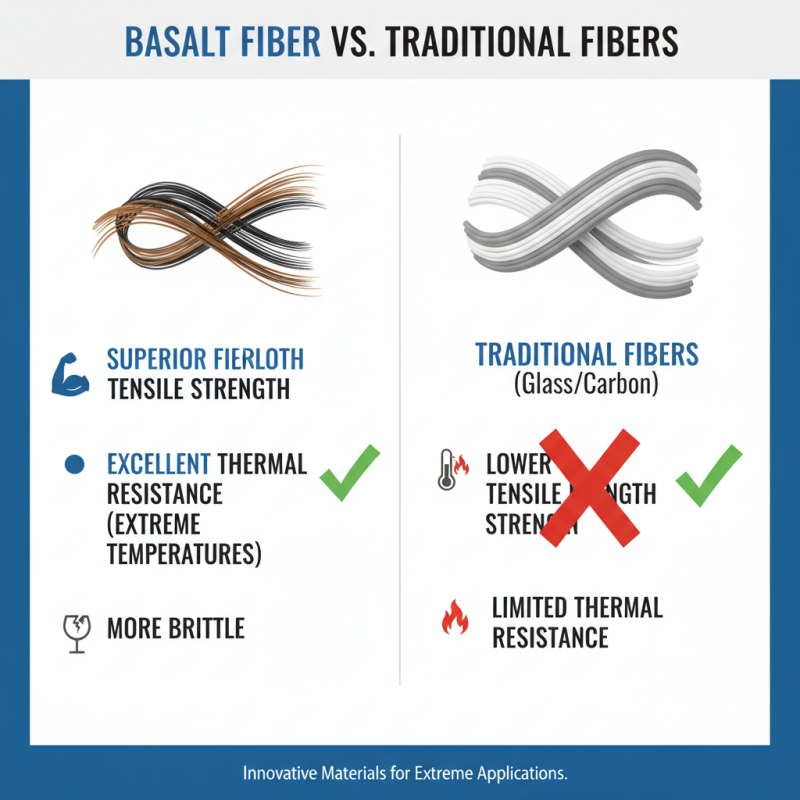
When comparing basalt fiber cloth to traditional fibers, several factors come into play. Basalt fiber cloth is known for its impressive tensile strength and thermal resistance. It performs exceptionally well under extreme temperatures. Traditional fibers, like glass or carbon, often fall short in these areas. However, basalt fibers can be more brittle. This brittleness can lead to challenges in certain applications.
The weight of Basalt Fiber Fabric Cloth is another key point. It is lightweight yet strong, making it useful in various industries. However, the manufacturing process can be more complex, leading to higher costs. Traditional fibers are typically easier and cheaper to produce. Yet, the long-term benefits of basalt fibers may outweigh the initial expenses. The durability of basalt cloth in harsh conditions can result in lower maintenance costs.
One must reflect on the environmental impact, too. Basalt fiber is more eco-friendly compared to some synthetic options. This property aligns well with the increasing demand for sustainable materials. However, the limited availability of basalt raw materials can hinder widespread use. Overall, while basalt fiber cloth offers exciting advantages, considerations regarding cost, brittleness, and material sourcing should not be overlooked.
Environmental Impact of Basalt Fiber Production and Usage
The production and utilization of basalt fiber have raised concerns about their environmental impact. Basalt fiber is derived from volcanic rock. Its extraction process is energy-intensive, which can lead to significant carbon emissions. According to a 2022 report by the International Journal of Sustainable Materials, producing basalt fiber can emit around 1.5 tons of CO2 per ton of fiber. This metric highlights the importance of evaluating the overall environmental footprint of basalt products.
Despite its strength and durability, basalt fiber production requires high temperatures for processing. This not only contributes to energy consumption but also impacts local ecosystems during mining. Water usage in certain regions can deplete vital resources. Industry reports indicate that efforts to recycle basalt fiber are still in early stages. More research is necessary to mitigate these challenges.
Tips: When choosing basalt fiber products, look for those with eco-friendly certifications. Check for companies that prioritize lower emissions during their production processes. Also, consider the life cycle of the product. Sustainable sourcing can make a difference. Implementing recycling methods for basalt fiber can further enhance its viability as a green material.
Best Practices for Handling and Storing Basalt Fiber Cloth
Handling and storing basalt fiber cloth is crucial for maintaining its strength and durability. This material can withstand high temperatures and resist chemical damage. Yet, improper storage can lead to degradation. The optimal storage environment should be cool and dry. Humidity is a serious enemy. According to a report by the Composites Industry Association, excessive moisture can reduce the cloth’s structural integrity significantly, sometimes by over 50%.
When handling basalt fiber cloth, care should be taken to prevent contamination. Oils and dust can weaken the fabric. Use gloves when handling. This minimizes the risk of dirt transfer. Cutting should be done with sharp tools to avoid fraying. Frayed edges can compromise the application later. A study from the Advanced Materials Research Journal highlighted that maintaining the integrity of the edges can increase performance by up to 20%.
Transportation is another critical factor. Always roll the cloth, never fold it. Folding can create creases that lead to weak points. Transport in ventilated containers helps to avoid moisture accumulation. It's essential to regularly inspect stored rolls for any signs of damage, like mold or deterioration. Ignoring these checks can lead to unexpected failures in structural applications. Regular vigilance can save valuable resources in the long run.
Standard Testing Methods for Evaluating Basalt Fiber Strength and Durability
When evaluating the strength and durability of basalt fiber cloth, standard testing methods play a crucial role. Tensile tests are commonly conducted to assess the maximum strength of the material. According to industry reports, basalt fiber boasts a tensile strength of around 600 MPa. This outperforms many traditional fibers, making it a strong candidate for various applications. Other methods include flexural and impact tests, ensuring that the cloth can withstand different forces in real-world conditions.
Testing should not only focus on initial strength but also on durability over time. Studies indicate that basalt fibers show minimal degradation when exposed to harsh environments. However, some reports suggest that prolonged UV exposure can lead to reduced strength. This highlights the need for comprehensive testing under various conditions.
**Tips:** When selecting basalt fiber cloth, consider the specific testing results for your intended application. Ensure that the product has undergone multiple types of tests. Additionally, keep an eye on environmental factors that may affect durability. For instance, utilizing Basalt Fiber Multi Axial Cloth can enhance structural integrity. It offers versatility in construction projects, but be mindful of potential weaknesses under extreme conditions.
Ultimately, the right testing methods combined with appropriate materials like basalt fiber can provide reliable performance. However, continuous evaluation is necessary to ensure long-lasting effectiveness in varying applications.
Basalt Fiber Cloth Tips for Strength and Durability
| Test Method | Characteristics Evaluated | Typical Values | Standards |
| Tensile Strength Test | Maximum load before failure | 3000 - 5000 MPa | ASTM D3822 |
| Flexural Strength Test | Resistance to bending | 600 - 800 MPa | ASTM D790 |
| Impact Resistance Test | Ability to absorb energy during impact | 15 - 25 kJ/m² | ASTM D256 |
| Thermal Stability Test | Performance under high temperatures | Up to 600°C | ISO 13934-1 |
| Chemical Resistance Test | Resistance to various chemicals | Pass/Fail | ASTM D543 |
Future Trends in Basalt Fiber Technology and Market Growth Projections
The future of basalt fiber technology looks promising. As industries seek stronger and lighter materials, basalt fiber stands out. Its unique properties include high resistance to heat and corrosion. This will expand its applications in construction and automotive sectors.
Market growth projections reveal a steady increase in demand. Many manufacturers are investing in research and development. Innovations like enhancing fiber durability are on the rise. However, achieving consistent quality remains a challenge. Not all varieties of basalt fiber perform equally well, and this inconsistency can influence market acceptance.
Sustainability trends also play a role in shaping the basalt fiber market. As eco-friendly materials gain traction, basalt fiber could benefit significantly. Its natural origin and recyclability appeal to many. Yet, balancing cost-effectiveness with sustainability is crucial. The industry must overcome these hurdles to fully realize its potential.
Conclusion
Basalt Fiber Cloth has emerged as a versatile material with numerous industrial applications due to its exceptional properties. The cloth offers remarkable strength, durability, and thermal resistance, making it an attractive alternative to traditional fibers. When comparing Basalt Fiber Cloth to conventional options, it consistently exhibits superior performance in various conditions. Additionally, its production and usage present a lower environmental impact, aligning with the growing demand for sustainable materials in the industry.
To ensure optimal performance, proper handling and storage practices are essential. Employing standard testing methods allows for accurate evaluation of the strength and durability of Basalt Fiber Cloth, further establishing its reliability in demanding applications. As the market for basalt fiber technology continues to evolve, projections indicate significant growth, driven by advancements in manufacturing processes and expanding application areas. Overall, Basalt Fiber Cloth stands out as a durable and environmentally friendly choice for future material needs.