
Leave Your Message
Engineered for extreme environments — delivering unmatched strength, thermal resistance and lightweight performance for aerospace engine casing liners and concrete slab thermal protection systems.
The intersection of advanced concrete slab engineering and aerospace thermal protection represents one of the most demanding frontiers in modern materials science. As next-generation aircraft engines push operating temperatures beyond 1,600°C and structural loads to unprecedented levels, the design of concrete slab systems for engine casing liners and thermal protection layers has evolved from a niche research area into a critical industrial discipline with substantial commercial momentum.
Key Insight: Basalt fiber-reinforced concrete slabs now achieve sustained thermal resistance up to 900°C — making them a compelling alternative to conventional ceramic and metallic thermal protection systems in aerospace ground support and structural shielding applications.
Traditional thermal protection systems (TPS) in aerospace relied heavily on ceramic tiles, ablative composites, and metallic heat shields. However, the integration of basalt fiber-reinforced concrete slab technology offers a paradigm shift: combining the structural mass efficiency of advanced concrete with the extraordinary thermal and chemical resistance of continuous basalt fiber reinforcement. This hybrid approach is now attracting significant investment from aerospace OEMs, defense contractors, and infrastructure specialists worldwide.
The global market for aerospace thermal protection materials was valued at approximately USD 6.8 billion in 2023 and is projected to exceed USD 11.2 billion by 2030, driven by expanding commercial space launch activity, hypersonic vehicle development programs, and the proliferation of next-generation turbofan and turboprop engine platforms. Within this market, fiber-reinforced concrete slab systems occupy a growing niche — particularly for ground-based engine test cell liners, launch pad blast deflectors, and structural thermal barriers in aerospace manufacturing facilities.
China's domestic aerospace sector has been a particularly active adopter of basalt fiber concrete technology. With the success of missions such as Chang'e-6 and the rapid scaling of commercial launch infrastructure, demand for high-performance thermal protection concrete slabs has accelerated. Manufacturers like China Beihai Group — a high-tech enterprise founded in 2015 in Jiujiang, Jiangxi Province — have positioned themselves at the forefront of this transition, supplying continuous basalt fiber and mesh products specifically engineered for high-temperature structural applications.
The performance advantages of basalt fiber-reinforced concrete (BFRC) slabs in aerospace thermal protection contexts stem from the unique mineralogical properties of basalt rock. Produced by melting natural basalt at 1,450–1,500°C and drawing continuous filaments, basalt fiber inherits an exceptional combination of properties that directly address the challenges of aerospace thermal environments:
Designing concrete slabs for aerospace engine casing liner applications demands a multi-physics approach that simultaneously addresses thermal gradients, mechanical loading, vibration fatigue, and chemical exposure. The following design principles have emerged as industry best practices for BFRC thermal protection slab systems:
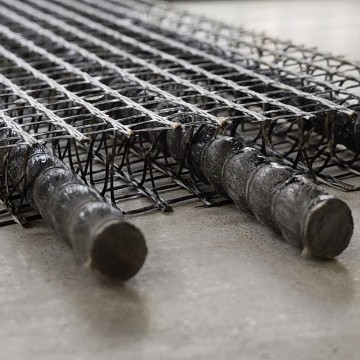
Effective engine casing liner slabs typically employ a multi-layer architecture. The hot face — directly exposed to engine exhaust or radiant heat — incorporates a high-density BFRC matrix with 3D basalt fiber mesh reinforcement at 0°/90° orientation, providing biaxial crack arrest capability. An intermediate insulating layer uses chopped basalt fiber at 2–4% volume fraction to create a tortuous thermal path. The cold face employs conventional BFRC with standard mesh reinforcement for structural load transfer to the support frame.
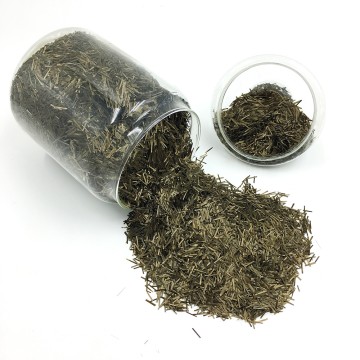
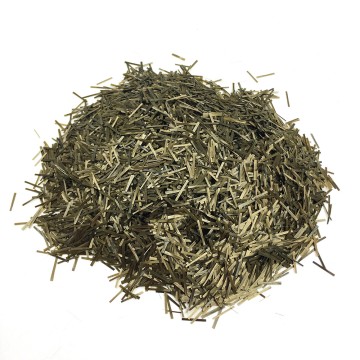
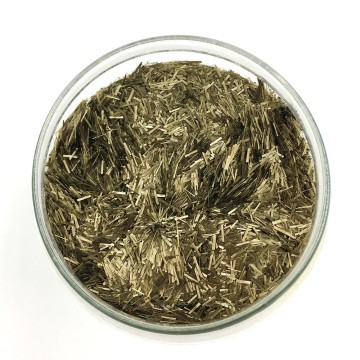
The selection between chopped basalt fiber strands and continuous 3D basalt fiber mesh is governed by the dominant failure mode anticipated. For thermal shock-dominated environments — such as engine ignition cycling — 3D mesh architectures provide superior delamination resistance and through-thickness tensile capacity. For diffuse thermal loading with moderate mechanical stress, chopped strand reinforcement at optimized aspect ratios (L/D = 150–300) delivers cost-effective crack distribution performance.
Aerospace engine test cell liner slabs must accommodate differential thermal expansion between the BFRC slab and its metallic or composite support structure. Expansion joint spacing of 600–900mm is typically specified for slabs operating in cyclic thermal environments from ambient to 600°C+. Basalt fiber rope or textile gasket materials — produced from the same basalt raw material as the reinforcement fiber — provide thermally compatible joint sealing that eliminates galvanic corrosion risks associated with metallic joint systems.
High-velocity exhaust gas impingement in engine test cell applications generates significant surface erosion on exposed concrete faces. BFRC slabs for these applications incorporate a basalt fiber surfacing tissue mat as the exposed face layer — providing a resin-rich, smooth surface that dramatically reduces erosion rates compared to conventional concrete while maintaining thermal compatibility with the underlying slab matrix.
Ground test cells for turbofan and turbojet engines represent the highest-intensity thermal environment encountered by concrete slab systems outside of launch infrastructure. Exhaust gas temperatures of 600–900°C at velocities exceeding 400 m/s create simultaneous thermal, erosive, and acoustic loading. BFRC slabs with 3D basalt fiber mesh reinforcement have demonstrated service lives 3–5× greater than conventional refractory concrete in these environments, with significantly reduced maintenance downtime between engine test cycles.
The flame deflector and water deluge systems of orbital launch pads experience extreme transient thermal loading during vehicle ignition and liftoff. Concrete slab panels in these systems must withstand thermal shock from ambient to 1,200°C+ in under 3 seconds, followed by rapid quenching from the water deluge system. Basalt fiber reinforcement's superior thermal shock resistance — compared to steel or glass fiber — has made BFRC slabs a preferred material for next-generation launch pad refurbishment projects.
Maintenance hangars and engine run-up facilities for commercial and military aircraft require thermal protection concrete slabs beneath engine test stands and in exhaust blast zones. BFRC slabs in these applications provide the dual benefit of thermal protection and electromagnetic transparency — critical for facilities that also serve as avionics test environments. The non-corrosive nature of basalt fiber reinforcement eliminates the long-term maintenance burden associated with steel rebar corrosion in high-humidity coastal maintenance facilities.
The assembly, inspection, and storage of spacecraft TPS tiles and panels requires specialized ground support equipment with controlled thermal environments. BFRC slab platforms for TPS handling provide vibration damping, thermal stability, and electromagnetic cleanliness that protect sensitive TPS components during ground processing — a growing application area as commercial space activity scales globally.
Basalt fiber concrete slab technology delivers transformative performance across a spectrum of aerospace and industrial thermal protection challenges.
Basalt fibers are ideal for manufacturing aircraft wings, engine components, and thermal barrier systems where lightweight strength is paramount.
Spacecraft shell materials, thermal protection systems, and high-temperature-resistant components of aircraft engines benefit from basalt fiber's extreme performance.
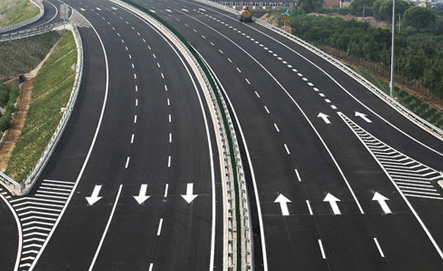
Basalt fiber concrete slabs deliver outstanding performance in buildings, bridges, roads and infrastructure projects, extending structural life and reducing maintenance costs.
High strength, durability and protective properties make BFRC ideal for protecting bridge abutment structures from vehicle collisions, fire, corrosion and environmental exposure.
Lightweight basalt fiber composites enable wide application in the automobile field, addressing the industry's demand for weight reduction and thermal management.
The corrosion resistance of basalt fiber gives it a unique advantage in petrochemical facilities requiring high-temperature and chemical-resistant structural liners.
Basalt fiber composites offer lightweight, high-strength, corrosion-resistant solutions for marine structural applications and thermal protection systems.
Basalt-added concrete offers increased strength, durability, crack resistance, improved chemical resistance and workability for demanding engineering projects.
The convergence of advanced manufacturing, digital engineering, and next-generation aerospace programs is driving rapid evolution in BFRC thermal protection slab technology.
Machine learning algorithms are being applied to optimize fiber architecture, mix design, and joint spacing for specific aerospace thermal loading profiles — reducing design iteration cycles from months to days and enabling performance levels previously unachievable through conventional engineering methods.
Basalt fiber's natural volcanic rock origin, zero chemical additives in production, and full recyclability position BFRC thermal protection slabs as a leading sustainable alternative to carbon fiber and glass fiber composites in aerospace applications subject to tightening environmental regulations.
The global hypersonic vehicle development race — encompassing both military and commercial applications — is creating unprecedented demand for ground test infrastructure thermal protection systems capable of sustained exposure to Mach 5+ exhaust conditions, driving rapid advancement in BFRC slab performance envelopes.
Integration of nano-silica and graphene oxide additives into basalt fiber concrete matrices is demonstrating 30–50% improvements in interfacial bond strength and thermal shock resistance — opening new performance frontiers for the next generation of aerospace engine casing liner slabs.
The shift toward prefabricated, modular BFRC thermal protection panel systems is reducing on-site construction time for aerospace test facilities by up to 60%, while improving quality consistency and enabling rapid reconfiguration of test cell geometries for evolving engine programs.
Embedded basalt fiber optic sensor networks within BFRC slabs are enabling real-time structural health monitoring of thermal protection systems — providing continuous data on temperature gradients, crack propagation, and residual load capacity throughout the operational life of aerospace facilities.
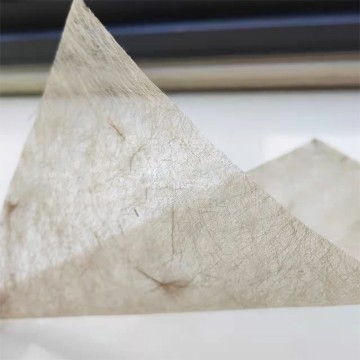
Basalt Fiber Surfacing Tissue Mat is a non-woven thin sheet engineered to provide a smooth resin-rich surface layer for fiber reinforced plastic and thermal protection applications.
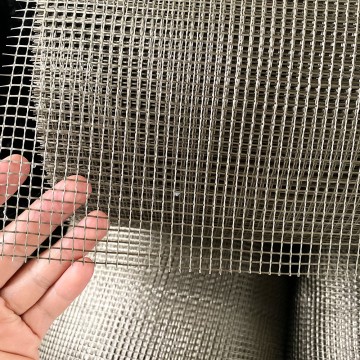
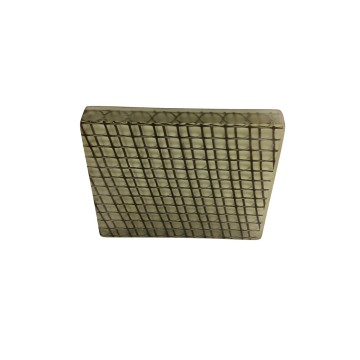
High performance Basalt Fiber Mesh provides superior reinforcement for concrete and plaster applications where high alkali resistance and thermal stability are required.
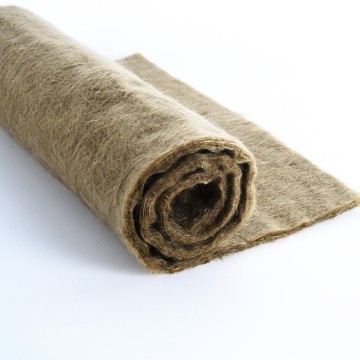
Our Basalt Fiber Needled Mat is a high-density insulation material manufactured by mechanically bonding continuous basalt fibers without any chemical binders.
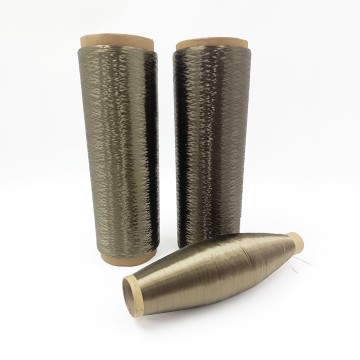
Our Basalt Fiber Twisted Yarn is engineered by twisting multiple continuous filaments to enhance mechanical strength and processing stability for industrial applications.
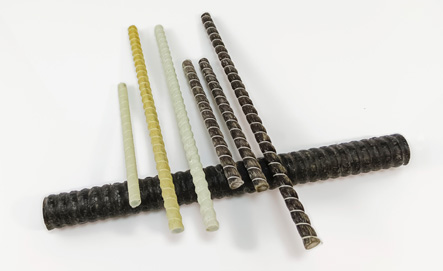
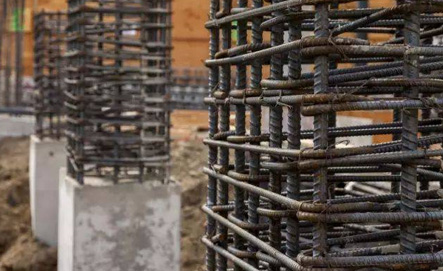
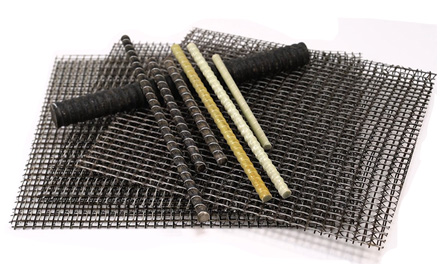
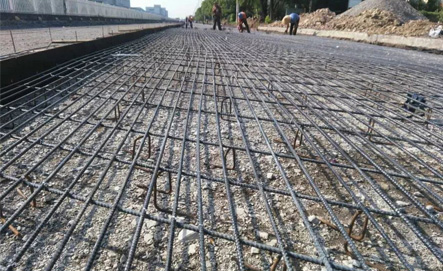
Basalt fiber is ideal for your engineering projects. Its high strength, corrosion resistance and lightweight properties allow it to easily solve a variety of challenges in buildings, bridges, roads and aerospace infrastructure projects.
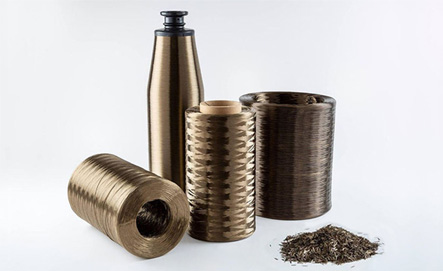
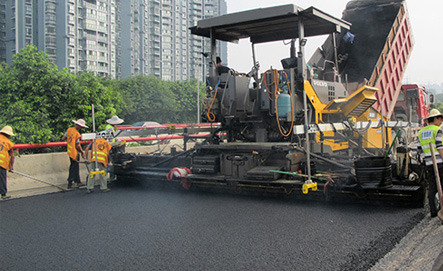
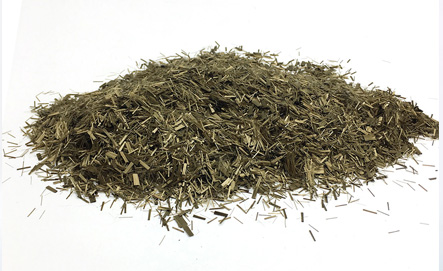
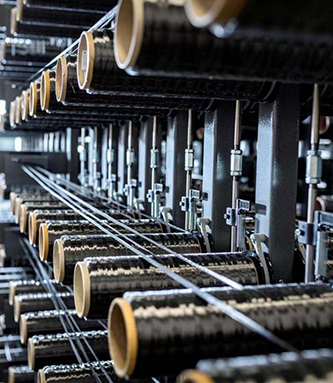
China Beihai is founded in 2015 and located in Jiujiang, Jiangxi Province. China Beihai is a high-tech enterprise focusing on the research, development, production and sales of high-performance basalt continuous fiber and its production equipment manufacturing, as well as a leading enterprise in the domestic basalt fiber industry.
View More
At China Beihai group, we specialize in the production of a wide range of products including basalt fiber mat (Basalt fiber chopped strand mat, Basalt fiber cloth), basalt fiber roving, basalt fiber yarn, basalt fiber chopped strands, and basalt fiber products (Basalt Fiber rebar, basalt fiber sleeves and tape). Our products are designed to meet the diverse needs of various industries, providing high-quality solutions for our customers.

At China Beihai group, we are dedicated to the production of a wide array of basalt-based products, ranging from basalt fiber mat, fabric, and roving to chopped strand and specialized construction materials. Our focus is on delivering high-quality, sustainable solutions for industries such as construction, geotechnical engineering, and manufacturing.

Choosing to work with China Beihai means working with a leading manufacturer of basalt products. Our commitment to quality, innovation and sustainability sets us apart, ensuring our customers receive best-in-class solutions for their diverse needs. When you partner with China Beihai, you can trust that you are working with a reliable and forward-thinking supplier for all your basalt product needs.

Our basalt products have diverse applications in the field of house construction.

In the aerospace field, basalt fibers are ideal for manufacturing aircraft wings and engine components.

Basalt fibers in spacecraft shell materials, thermal protection systems, and high-temperature-resistant engine components.

Basalt-added concrete offers increased strength, durability, crack resistance and improved chemical resistance.

Wide application of basalt fiber products in the automobile field, addressing lightweight material trends.

Ideal for protecting bridge abutment structures from vehicle collisions, fire, corrosion and natural environment.

The corrosion resistance of basalt fiber gives it a unique advantage in the petrochemical field.

Basalt fiber composites with lightweight, high strength, corrosion resistance for marine applications.
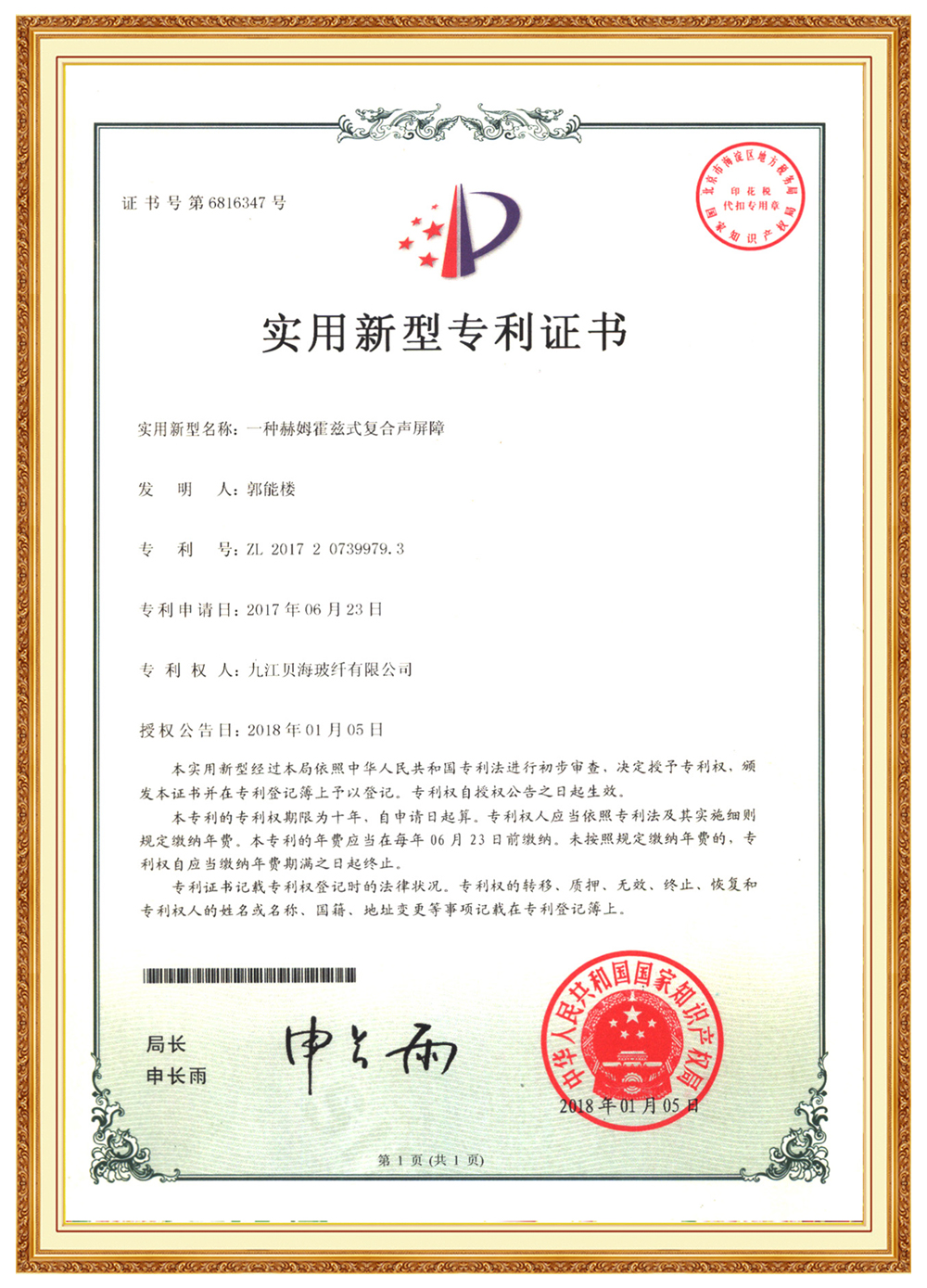
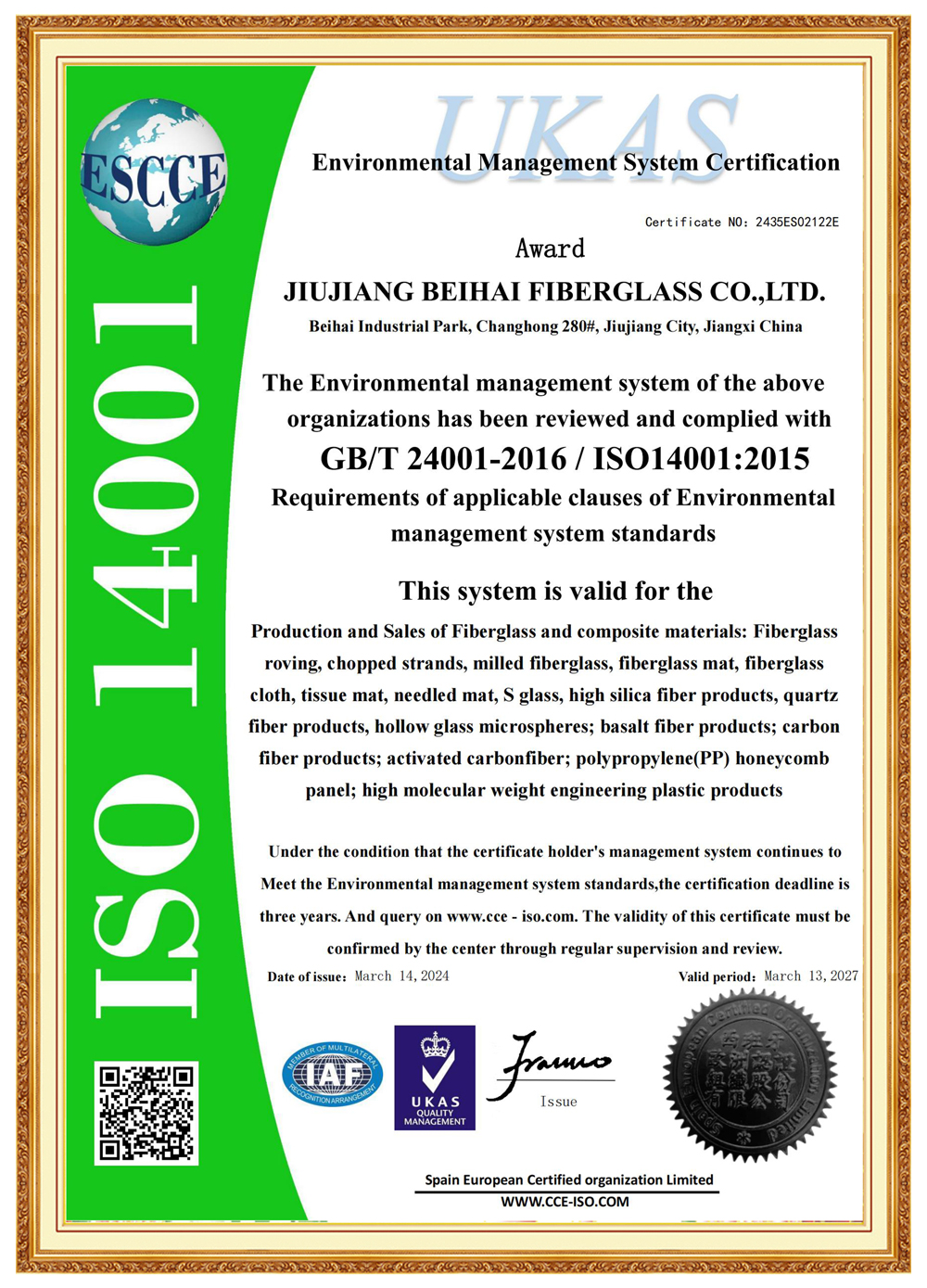
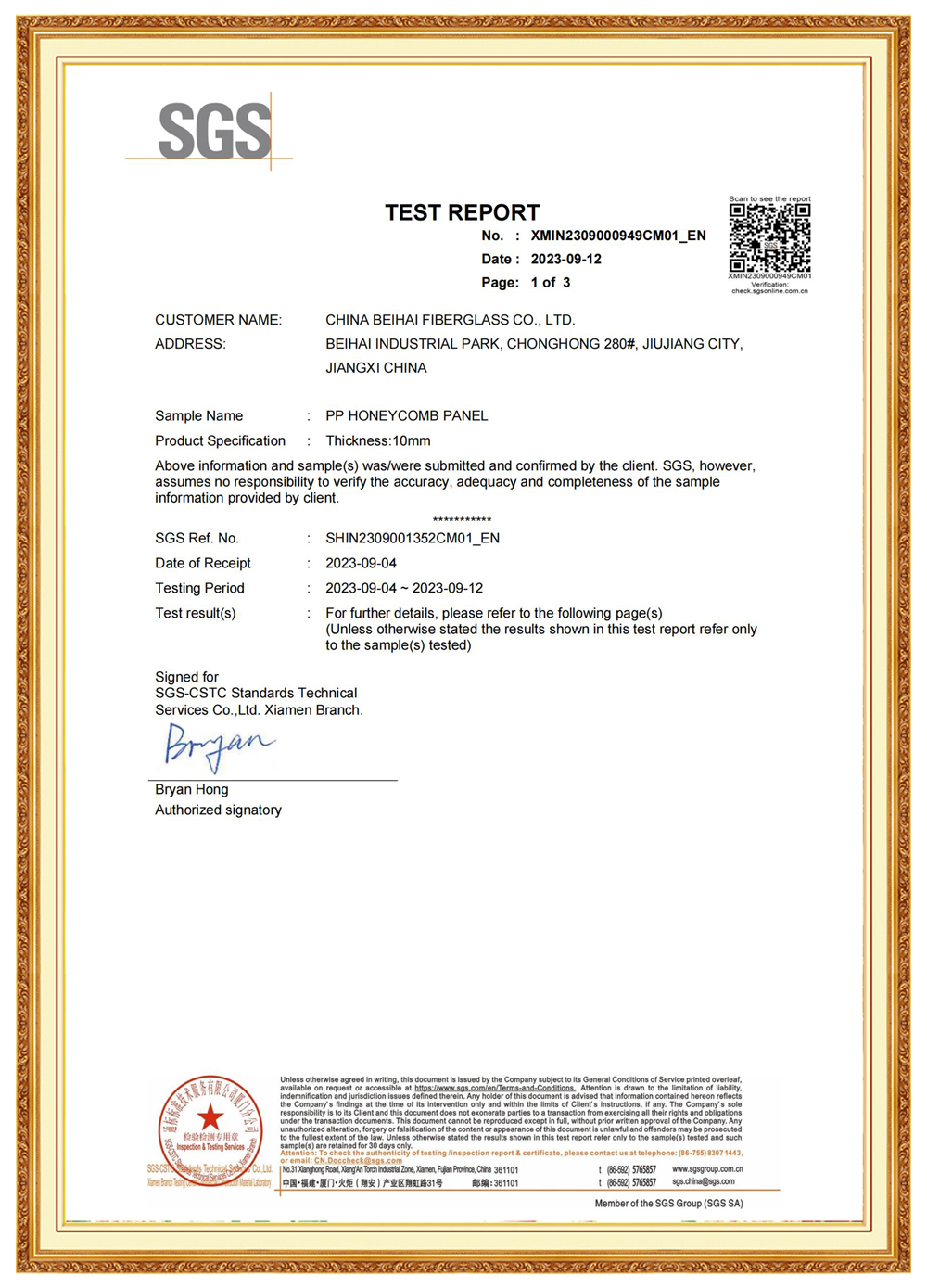
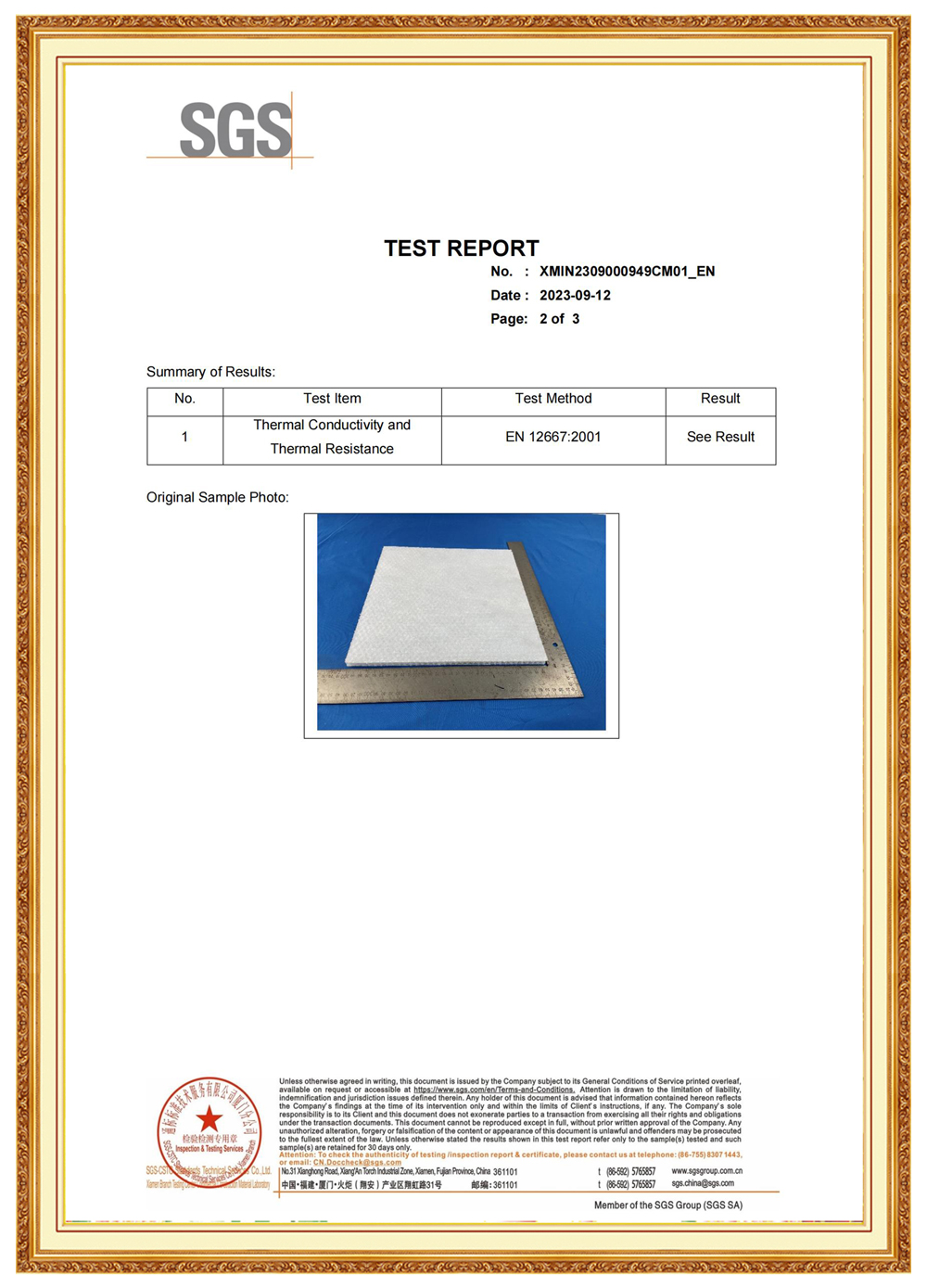
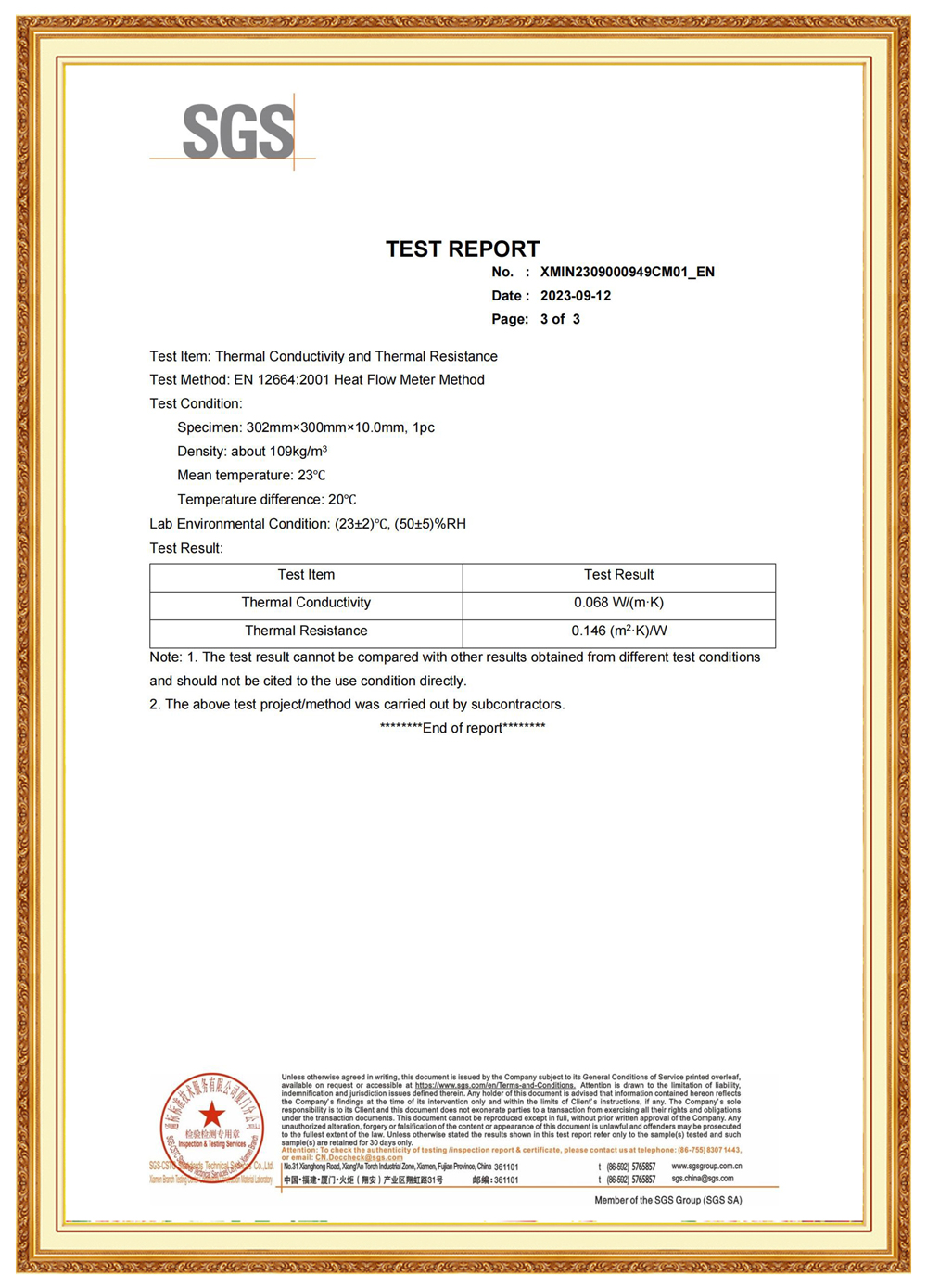
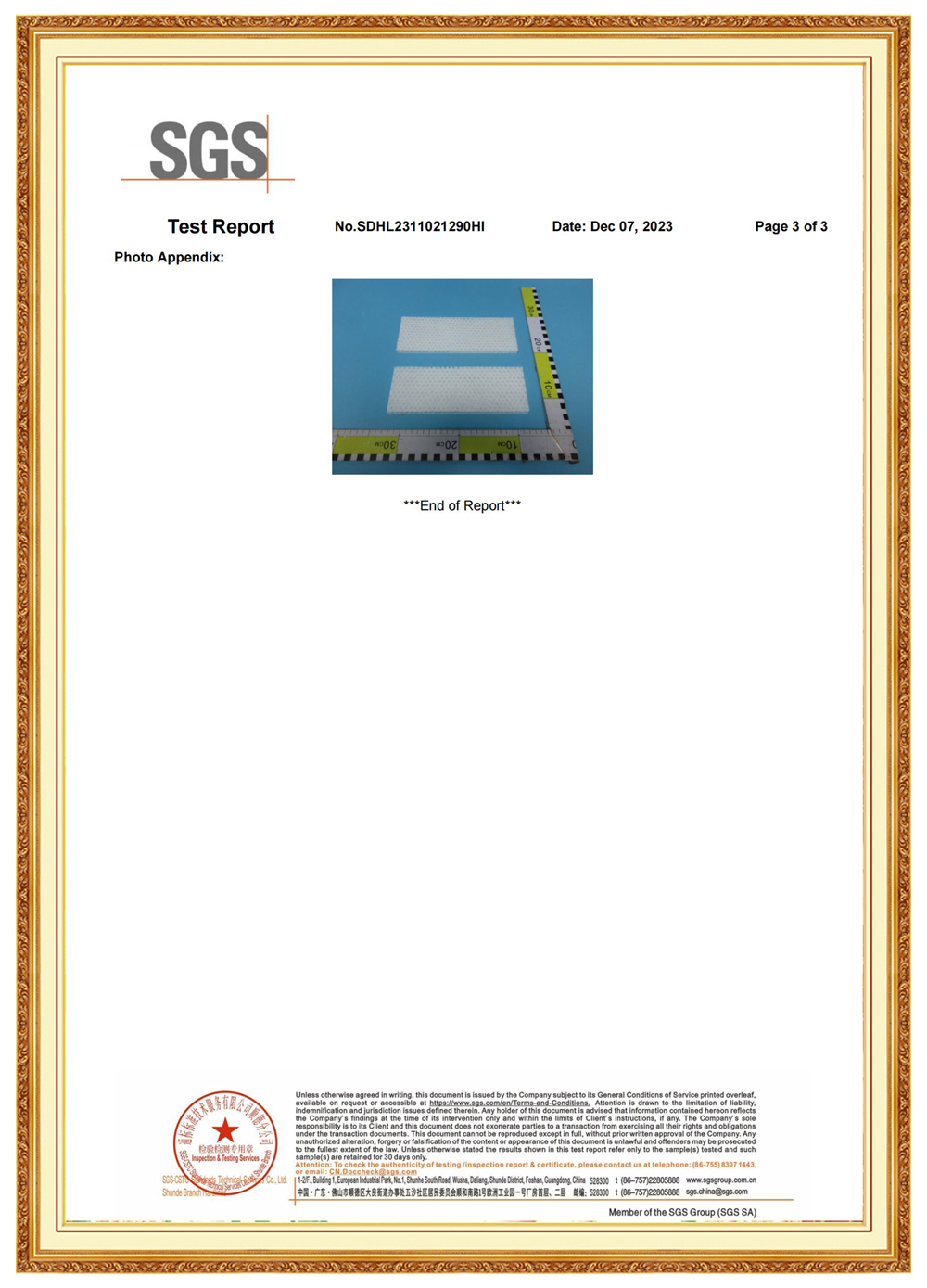
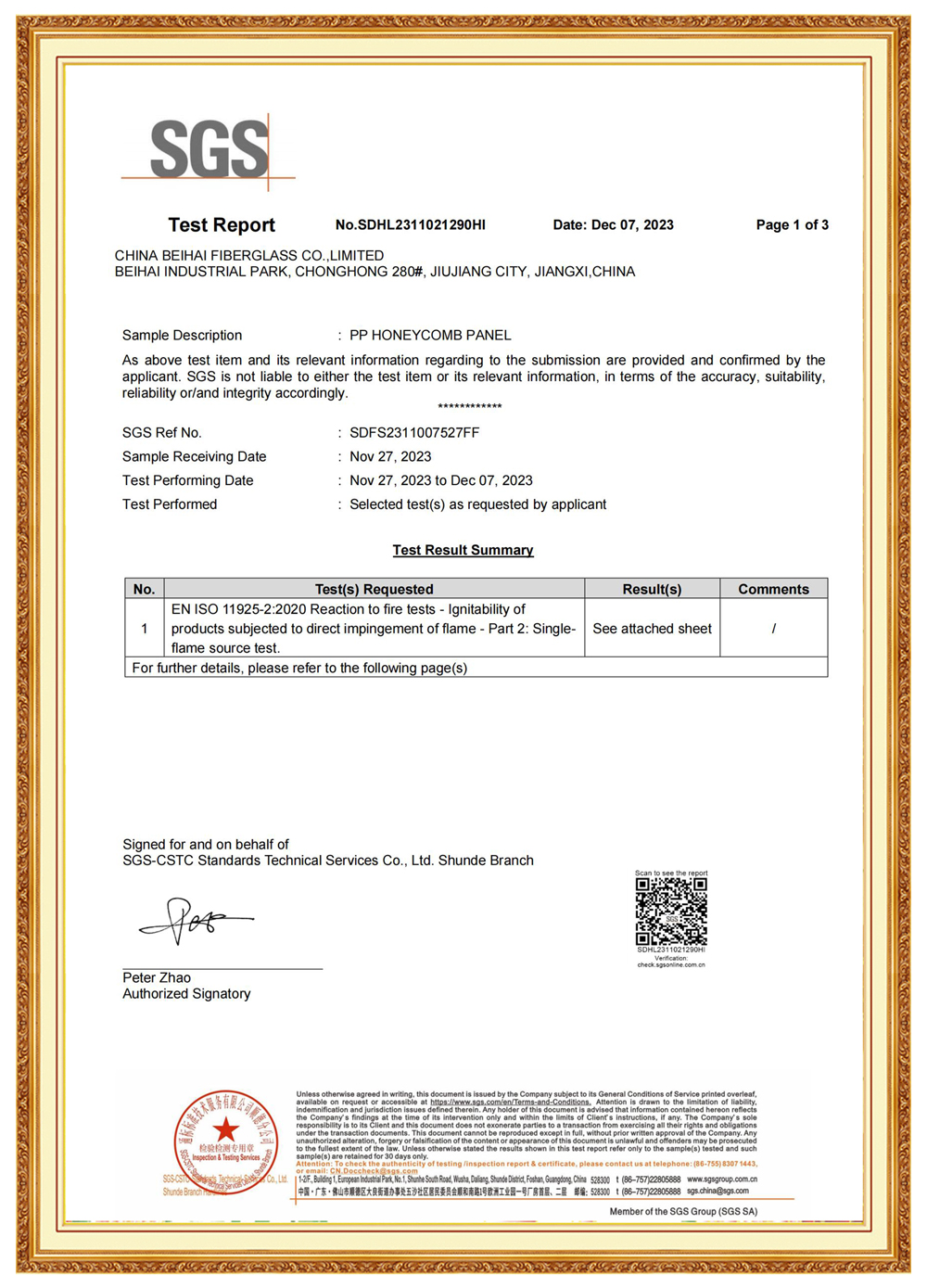
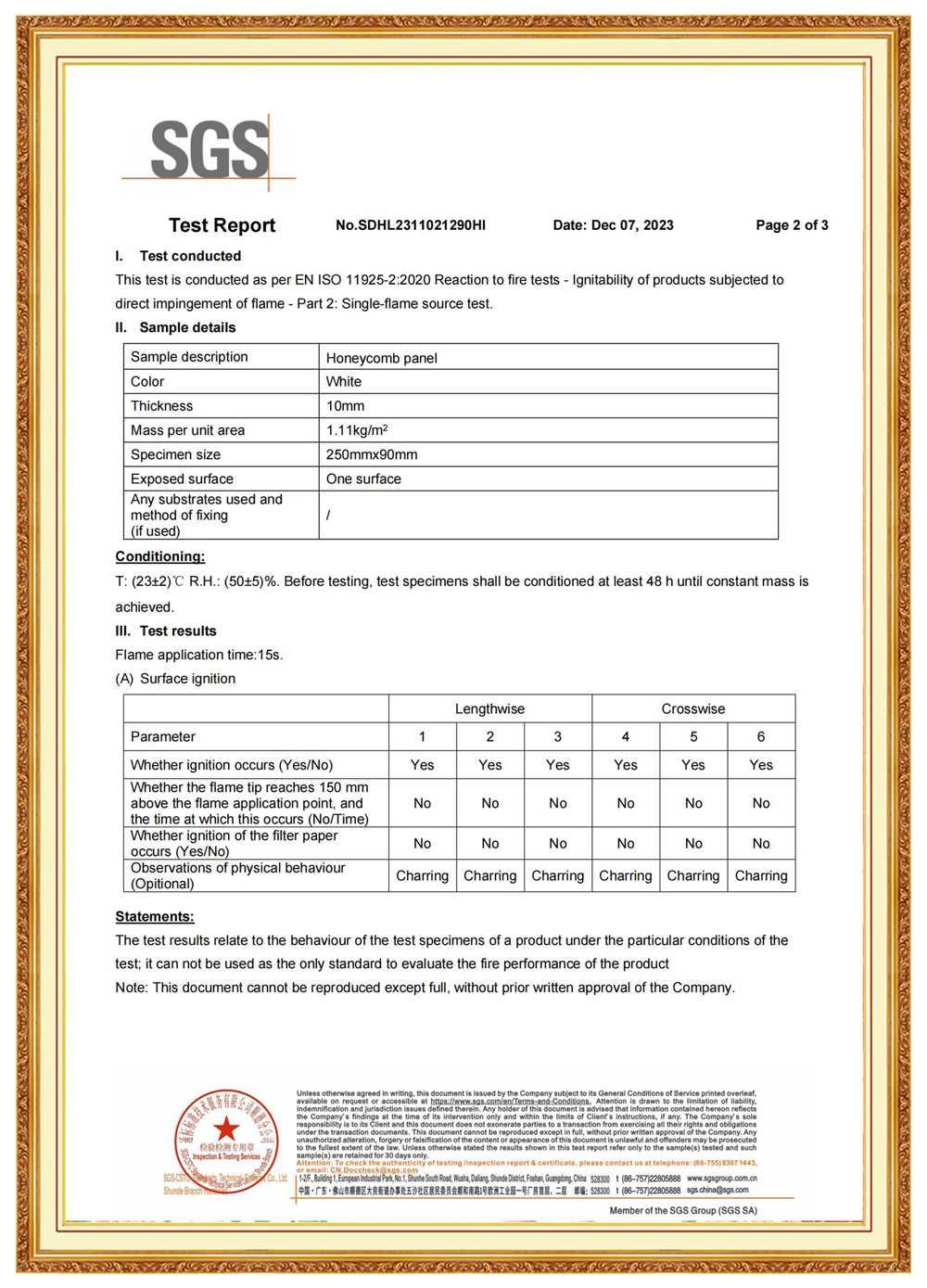
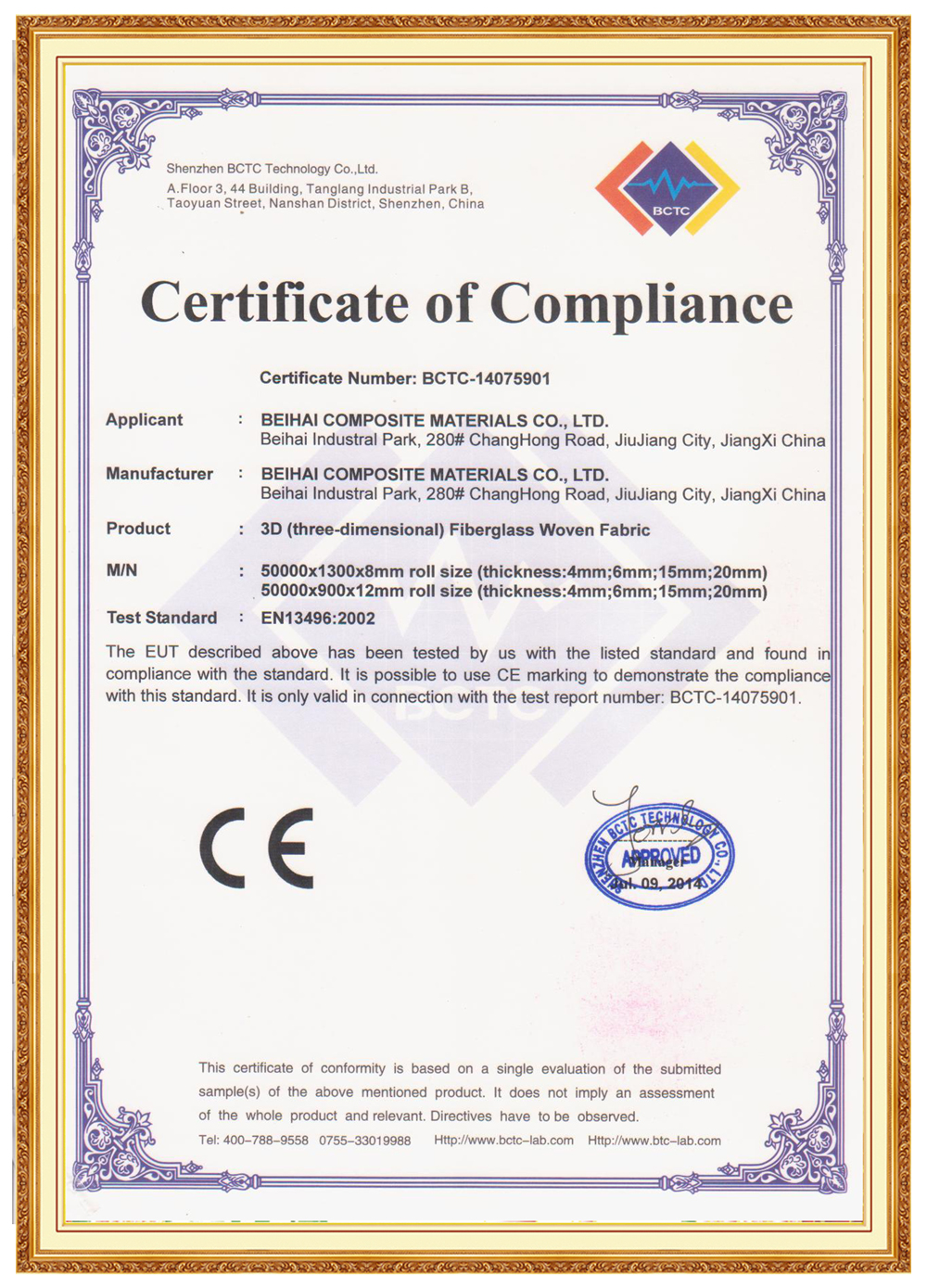
China Beihai's basalt fiber products are backed by comprehensive international quality certifications, ensuring compliance with aerospace, construction and industrial standards worldwide.


As drones slice through the sky to monitor wildfires, and intelligent robots execute repetitive tasks with precision on the factory floor, the efficient operation of this smart equipment is often underpinned by a novel material derived from volcanic rock — basalt fiber. Though unassuming in appearance, its unique properties have made it the key to unlocking the performance limits of drones and robots, quietly driving a materials revolution within the realm of intelligent equipment.
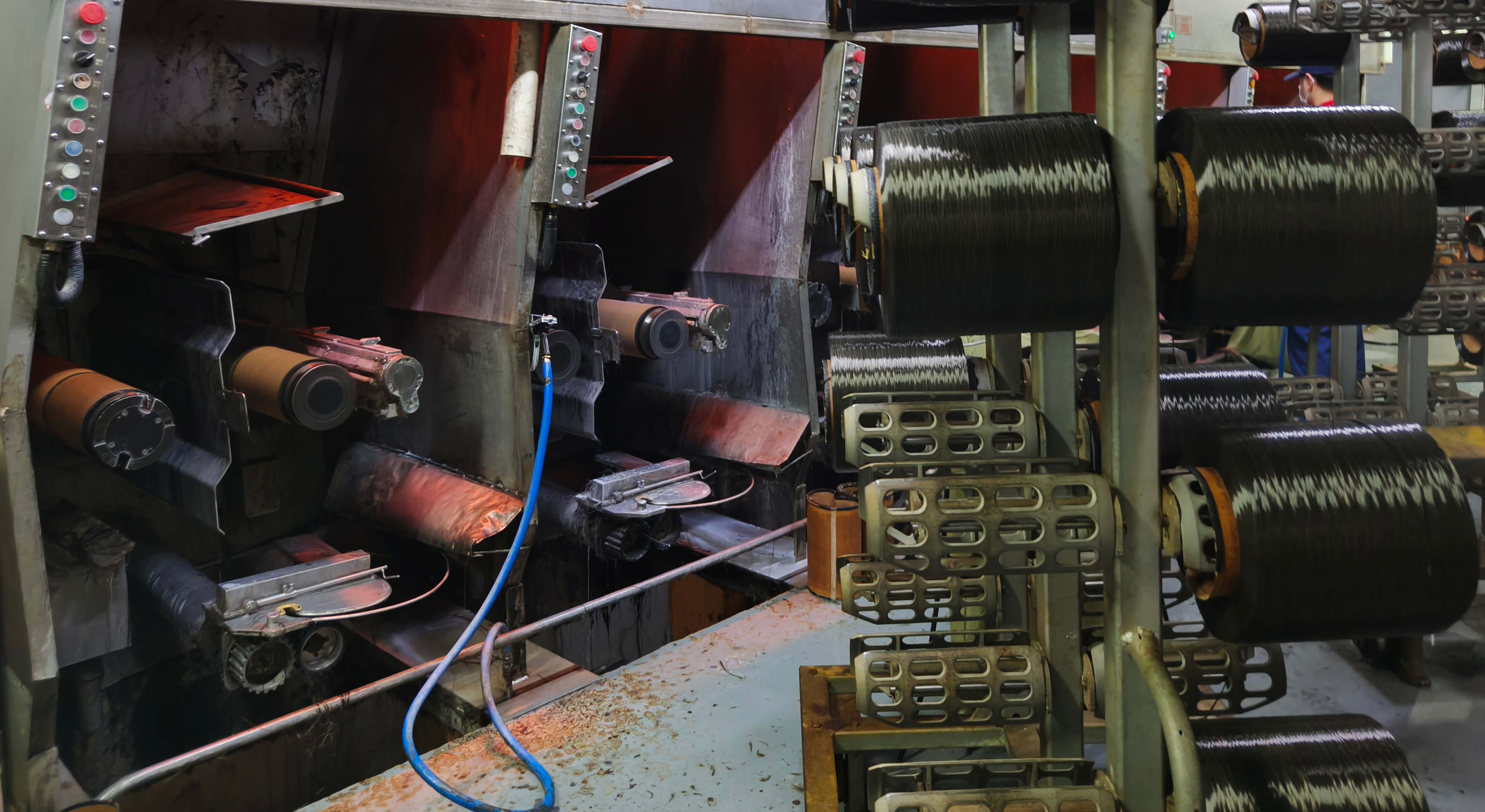
Basalt fiber is an inorganic fibrous material produced by drawing strands from natural basalt ore after it has been melted at high temperatures. It has garnered widespread attention for its exceptional physicochemical properties — particularly its performance in high-temperature environments.
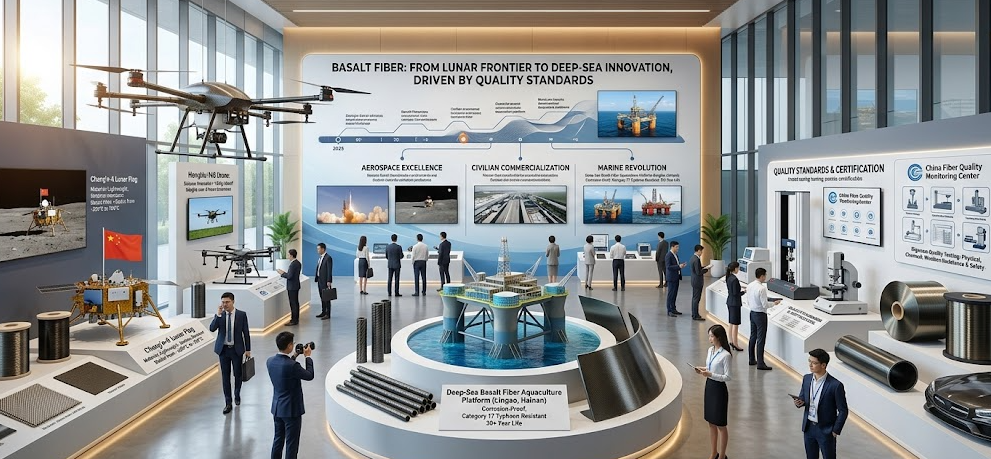
With the successful realization of major applications — such as the Chang'e-6 lunar exploration mission and the world's first deep-sea basalt fiber aquaculture platform — basalt fiber is rapidly accelerating its transformation from a laboratory research outcome into a strategic new material with tangible industrial productivity.
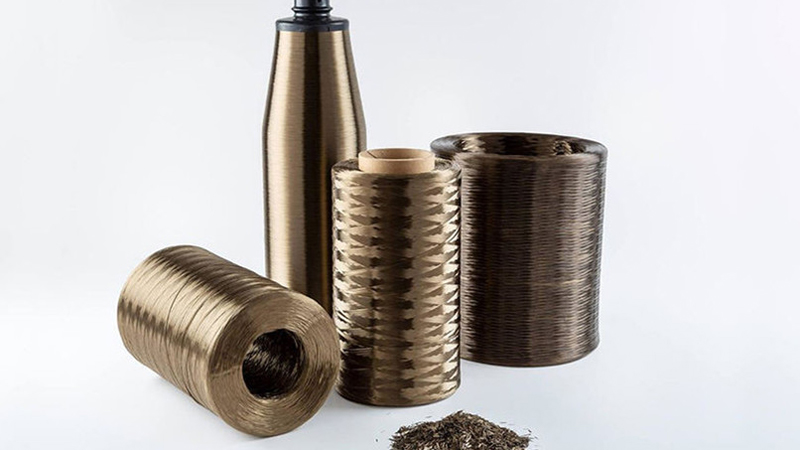
China Beihai continues to drive innovation in high-performance basalt fiber solutions, delivering sustainable, high-strength materials for aerospace, construction, automotive and industrial applications worldwide.
Explore our full portfolio of basalt fiber reinforcement solutions — engineered for concrete slab design, thermal protection layers, and aerospace structural applications.