
Leave Your Message
Explore our core range of basalt fiber construction bars and reinforcement products purpose-built for shipbuilding and marine structural applications.
The global shipbuilding industry is undergoing a fundamental materials revolution. Traditional steel reinforcement bars, long the backbone of marine structural engineering, are increasingly being replaced or supplemented by advanced composite construction bars — most notably basalt fiber rebar. These next-generation construction bars offer a compelling combination of high tensile strength, near-zero corrosion susceptibility, and significantly lower weight, making them ideal for the demanding marine environment.
Seawater, salt spray, and constant humidity create an extraordinarily aggressive corrosion environment. Steel bars embedded in concrete hulls, dock structures, and offshore platforms degrade over time, leading to costly maintenance, structural compromise, and safety risks. Basalt fiber construction bars eliminate this vulnerability entirely — they are inherently non-conductive, non-magnetic, and impervious to chloride-induced corrosion.
Basalt fiber construction bars deliver up to 3× the tensile strength of steel at just 1/4 the weight — a game-changer for shipbuilding structural efficiency.
From vessel hull reinforcement and submarine dock slabs to offshore platform decking and marine retaining walls, basalt construction bars are finding wider adoption across every segment of the shipbuilding and marine construction supply chain.
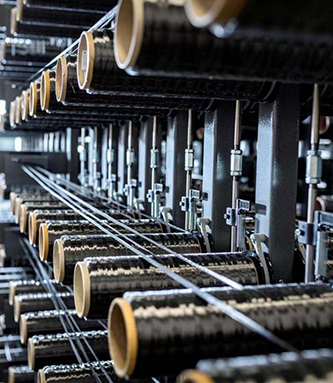
The adoption of advanced fiber-reinforced construction bars in shipbuilding is accelerating, driven by regulatory pressure, sustainability goals, and proven performance data from real-world deployments.
Global naval architects and shipyard engineers are specifying corrosion-resistant construction bars as standard for any structure with marine exposure. Basalt fiber rebar's chloride resistance is unmatched, eliminating the need for expensive epoxy coatings or cathodic protection systems that are standard with steel.
Modern shipbuilding demands weight reduction at every stage. Lightweight basalt construction bars reduce dead load in concrete superstructures, allowing naval designers to optimize vessel stability, fuel efficiency, and cargo capacity. This trend is particularly pronounced in high-speed ferries, offshore support vessels, and naval ships.
International Maritime Organization (IMO) regulations are driving shipyards toward lower-carbon construction methods. Basalt fiber construction bars are manufactured from natural volcanic rock with a significantly lower carbon footprint than steel production, aligning with green shipbuilding certifications and ESG reporting requirements.
The integration of basalt construction bars with fiber-reinforced polymer (FRP) composite panels is creating entirely new structural systems for ship hulls and superstructures. These hybrid systems offer exceptional stiffness-to-weight ratios while maintaining the structural redundancy required by classification societies such as Lloyd's Register and DNV.
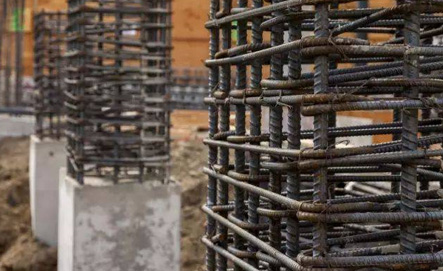
Beyond vessel construction, basalt construction bars are being widely adopted in port infrastructure — including quay walls, jetty slabs, lock chambers, and dry dock structures — where the combination of saltwater exposure and heavy structural loads makes corrosion-resistant reinforcement essential for long-term asset value.
The global basalt fiber rebar market is projected to grow at a CAGR exceeding 15% through 2030, with shipbuilding and marine construction representing one of the fastest-growing end-use segments. Major shipbuilding nations including China, South Korea, Japan, and European maritime nations are all increasing procurement of basalt construction bars.
Basalt fiber construction bars are deployed across a diverse range of shipbuilding and marine engineering applications, each leveraging specific material advantages.
In vessels with concrete ballast structures, keel blocks, and hull-integrated concrete elements, basalt construction bars replace steel to prevent the delamination and spalling caused by rebar corrosion. The result is a structurally sound hull that maintains integrity over decades of continuous saltwater immersion without costly drydock repairs.
Dry dock floor slabs and shipyard hardstanding areas are subject to extreme loads, chemical exposure from antifouling paints, and constant moisture cycling. Basalt construction bars embedded in these slabs provide superior crack resistance and eliminate the corrosion-induced concrete cancer that plagues steel-reinforced dock structures.
Quay walls and jetties are perpetually exposed to tidal action, wave impact, and chloride-laden seawater. Basalt fiber rebar provides the tensile reinforcement needed to resist these forces without the progressive deterioration associated with steel corrosion, extending design service life from the typical 30–40 years to 75+ years.
Offshore oil and gas platforms, wind turbine foundations, and marine renewable energy structures operate in perhaps the most aggressive corrosion environment on Earth. Basalt construction bars are increasingly specified for helideck structures, accommodation module foundations, and subsea concrete elements where maintenance access is severely limited and replacement costs are enormous.
Coastal defense structures reinforced with basalt construction bars demonstrate dramatically improved service life compared to conventional steel-reinforced concrete. The material's resistance to freeze-thaw cycling, sulfate attack, and chloride penetration makes it the preferred choice for seawalls, breakwaters, and coastal revetments protecting shipyard facilities.
For naval applications, the non-magnetic and non-conductive properties of basalt construction bars provide critical operational advantages. Unlike steel rebar, basalt bars do not interfere with magnetic anomaly detection systems, radar installations, or sensitive electronic navigation equipment — making them uniquely suitable for military shipbuilding applications where electromagnetic neutrality is a specification requirement.
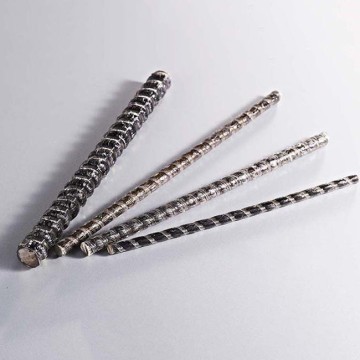
Basalt Fiber Rebar is a high-strength alternative to traditional steel bars, used in a wide range of applications for reinforcing concrete structures in various fields. Its excellent performance makes it ideal for shipbuilding infrastructure including bridges, harbors, marine platforms, and all other maritime construction projects.
Manufactured from continuous basalt filaments extracted from natural volcanic basalt rock, our construction bars are helically wound to provide superior mechanical bond with concrete matrices, ensuring structural integrity in the most demanding marine service conditions.
EXPLORE SHIPBUILDING SOLUTIONS →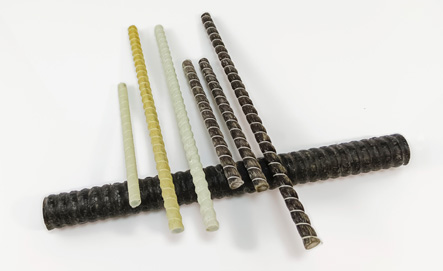
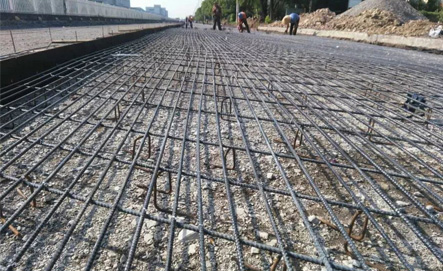
China Beihai is founded in 2015 and located in Jiujiang, Jiangxi Province. China Beihai is a high-tech enterprise focusing on the research, development, production and sales of high-performance basalt continuous fiber and its production equipment manufacturing, as well as a leading enterprise in the domestic basalt fiber industry.
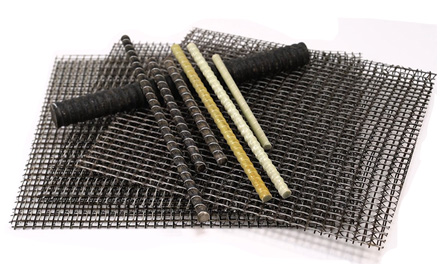
With a decade of expertise in basalt fiber technology, China Beihai supplies construction bars, fiber roving, chopped strands, geogrid mesh, and composite reinforcement systems to shipbuilding and marine engineering projects worldwide. Our products meet the most stringent international quality standards and are backed by comprehensive technical support.
View More About Us
At China Beihai group, we specialize in the production of a wide range of products including basalt fiber mat (Basalt fiber chopped strand mat, Basalt fiber cloth), basalt fiber roving, basalt fiber yarn, basalt fiber chopped strands, and basalt fiber products (Basalt Fiber rebar, basalt fiber sleeves and tape). Our products are designed to meet the diverse needs of various industries, providing high-quality solutions for our customers.

At China Beihai group, we are dedicated to the production of a wide array of basalt-based products, ranging from basalt fiber mat, fabric, and roving to chopped strand and specialized construction materials. Our focus is on delivering high-quality, sustainable solutions for industries such as construction, geotechnical engineering, shipbuilding, and manufacturing. With a commitment to innovation and excellence, we strive to cater to the unique requirements of our clients by offering a comprehensive selection of basalt-derived products.

Choosing to work with China Beihai means working with a leading manufacturer of basalt products. Our commitment to quality, innovation and sustainability sets us apart, ensuring our customers receive best-in-class solutions for their diverse needs. Reliability and customer satisfaction, we offer a wide range of high-quality basalt materials and construction products, backed by our dedication to excellence and industry expertise. When you partner with China Beihai, you can trust that you are working with a reliable and forward-thinking partner — a thought supplier for all your basalt product needs.
Basalt fiber is ideal for your engineering projects. Its high strength, corrosion resistance and lightweight properties allow it to easily solve a variety of challenges. In buildings, bridges, roads and other infrastructure projects, basalt fibers demonstrate outstanding performance, extending structural life and reducing maintenance costs. Choose basalt fiber, choose reliability and durability.
Basalt construction bars maintain mechanical integrity from -260°C to +700°C, making them suitable for shipbuilding applications near engine rooms, exhaust systems, and fire-rated structural zones where conventional FRP materials would degrade.
Resistant to seawater, acids, alkalis, and organic solvents, basalt construction bars are unaffected by the chemical cocktail found in marine environments including bilge water, fuel residues, antifouling compounds, and industrial cleaning agents used in shipyard maintenance.
Unlike steel, basalt construction bars are completely transparent to electromagnetic radiation. This property is invaluable in shipbuilding for structures housing radar systems, sonar arrays, GPS antennas, and other sensitive navigation and communication equipment.
Basalt fiber is produced from a single natural raw material — volcanic basalt rock — without chemical additives. The production process generates no hazardous byproducts, and the material is fully recyclable, aligning with the shipbuilding industry's growing commitment to circular economy principles and IMO environmental regulations.
From shipbuilding to aerospace, our basalt fiber construction bars and composite materials serve the world's most demanding industrial applications.

Our basalt products have diverse applications in the field of house construction, delivering superior reinforcement performance.

In the aerospace field, basalt fibers are ideal for manufacturing aircraft wings and engine components with exceptional strength-to-weight ratios.

Basalt fibers are used in spacecraft shell materials, thermal protection systems, and high-temperature-resistant components of aircraft engines.

Basalt-added concrete offers increased strength, durability, crack resistance, improved chemical resistance and improved workability for engineering projects.

Facing the trend of lightweight automobile materials, basalt fiber composites are widely applied in the automobile field for structural components.

Basalt's high strength, durability and protective properties make it ideal for protecting bridge abutment structures from corrosion and environmental forces.

The corrosion resistance of basalt fiber gives it a unique advantage in the petrochemical field for pipes, tanks, and structural supports.

Basalt construction bars provide unmatched corrosion resistance and structural performance for shipbuilding, offshore platforms, and port infrastructure.
Our most-specified basalt fiber products for marine and shipbuilding construction applications — trusted by engineers worldwide.
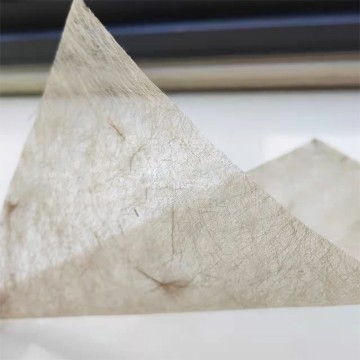
Basalt Fiber Surfacing Tissue Mat is a non-woven thin sheet engineered to provide a smooth resin-rich surface layer for fiber reinforced plastic...
Read More →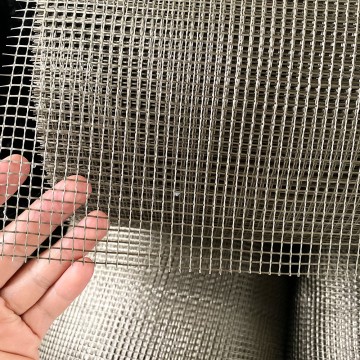
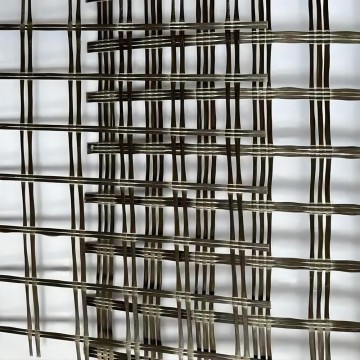
Our high-performance Basalt Fiber Mesh provides a superior reinforcement solution for concrete and plaster applications with high alkali resistance...
Read More →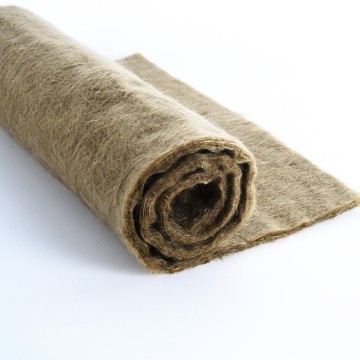
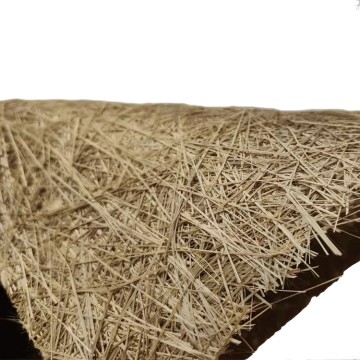
Our Basalt Fiber Needled Mat is a high-density insulation material manufactured by mechanically bonding continuous basalt fibers without any chemical binders...
Read More →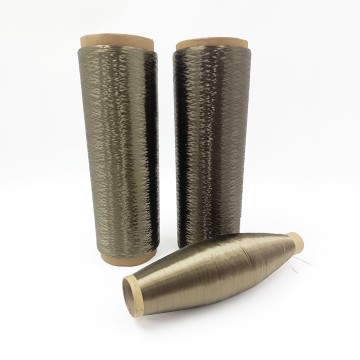
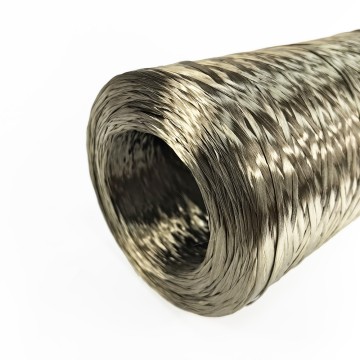
Our Basalt Fiber Twisted Yarn is engineered by twisting multiple continuous filaments to enhance mechanical strength and processing stability...
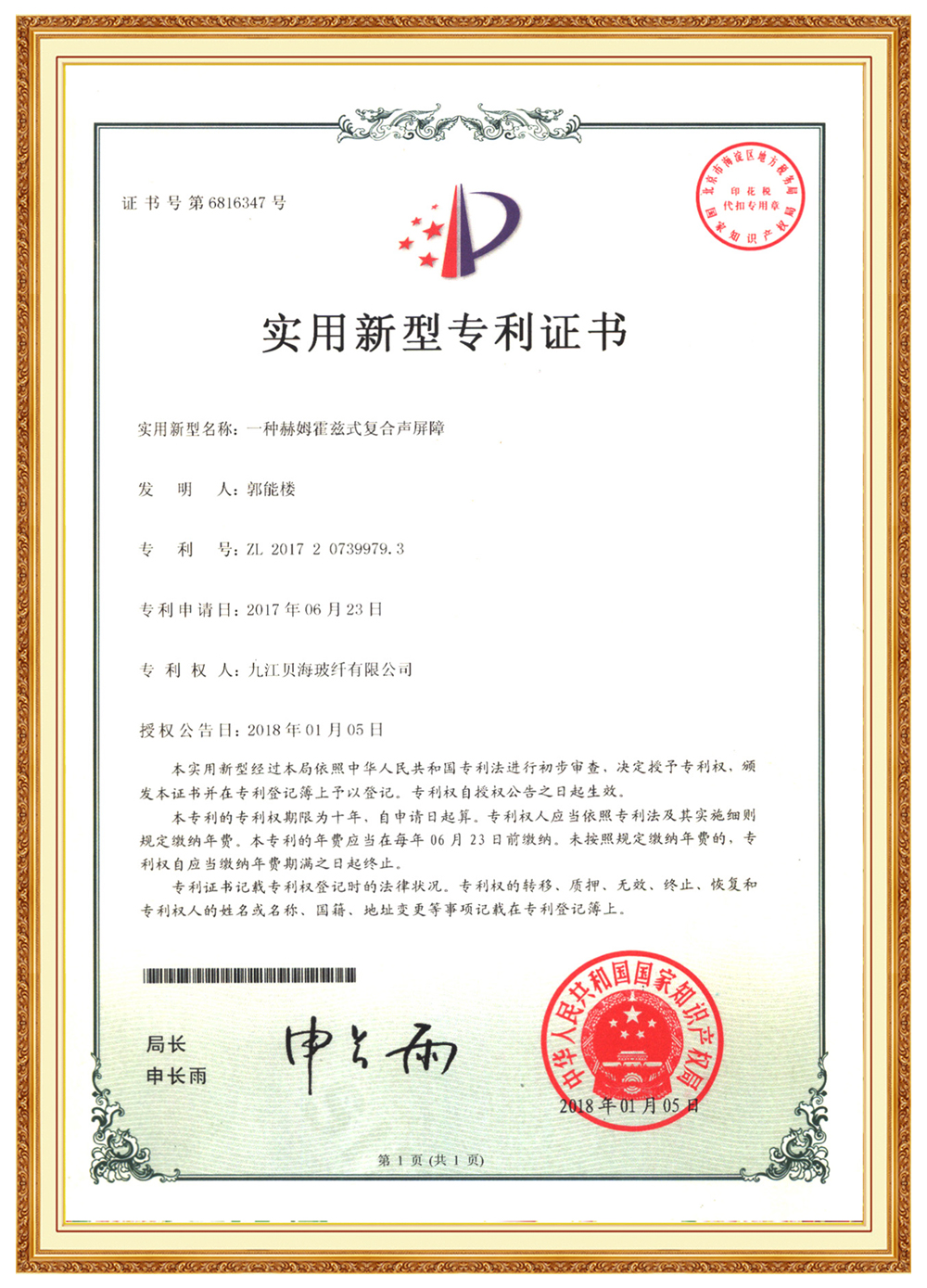
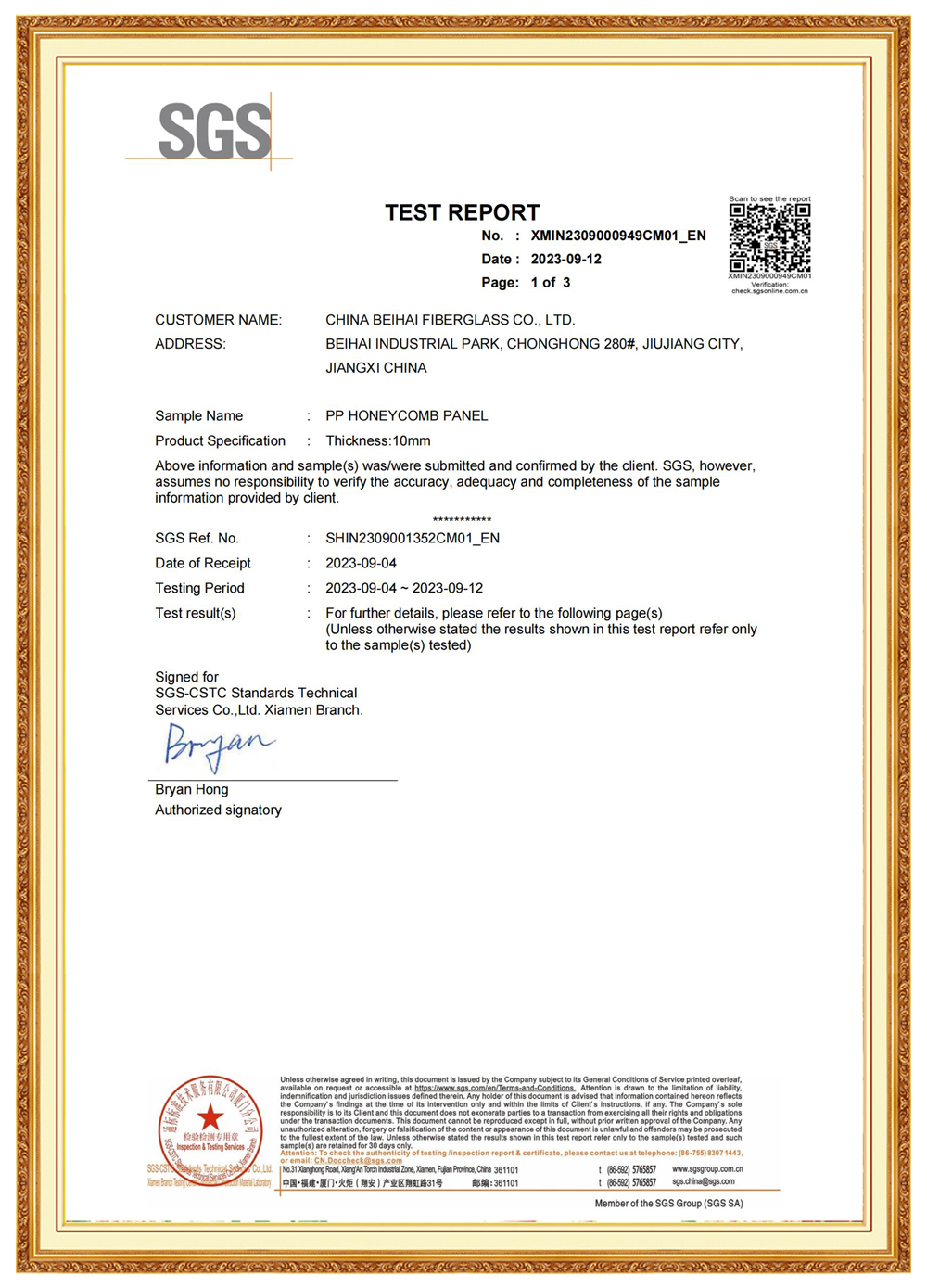
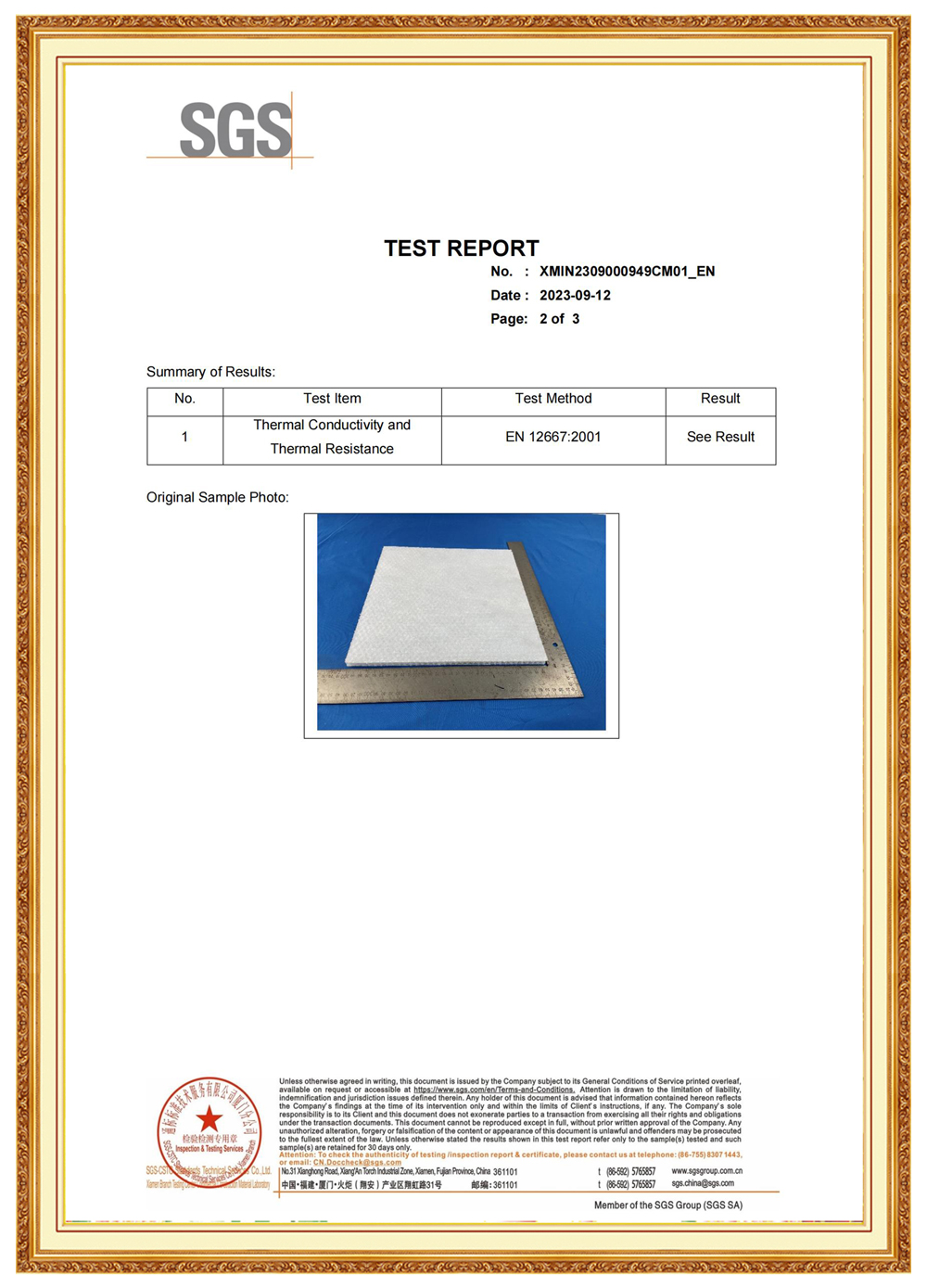
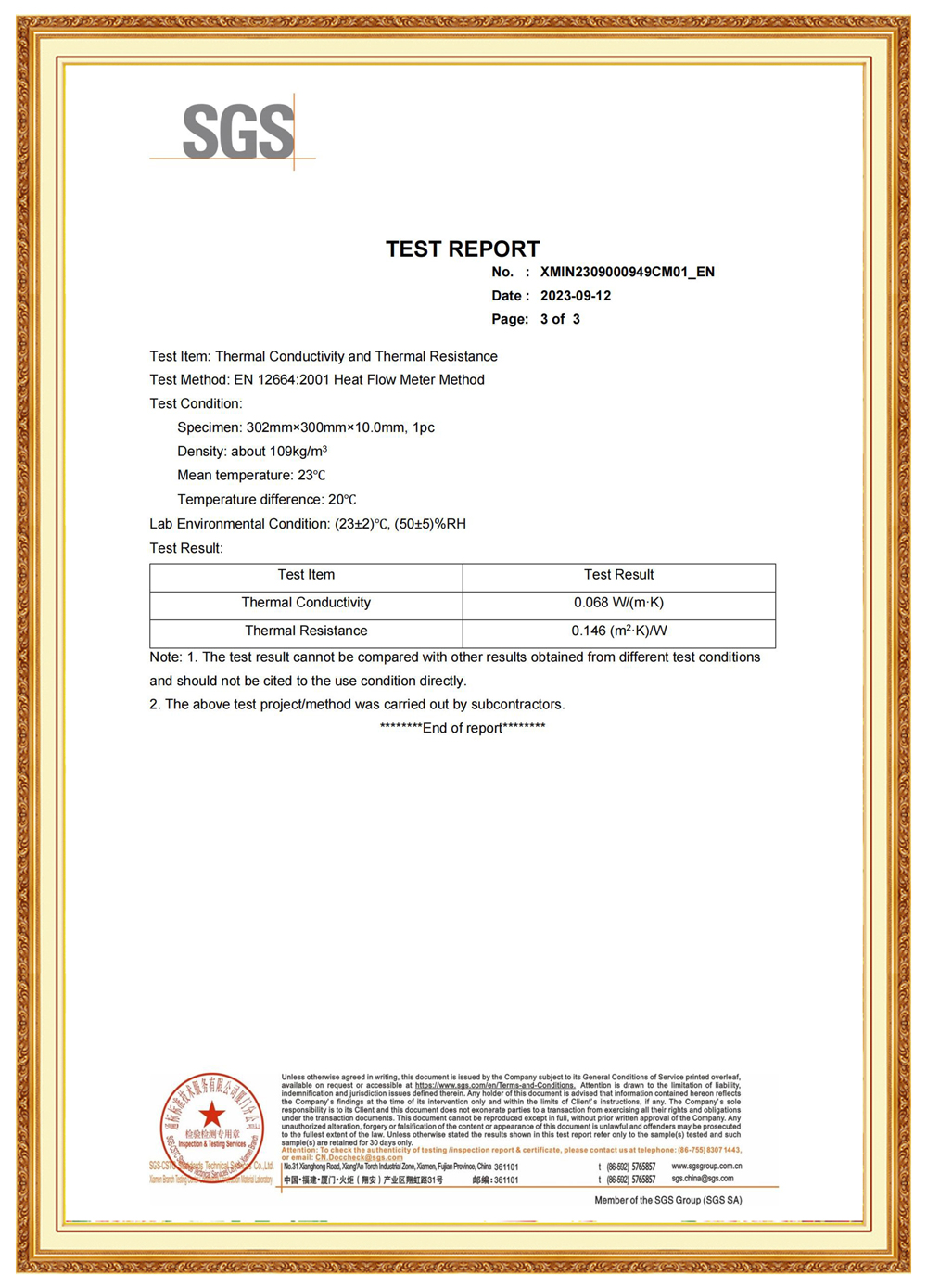
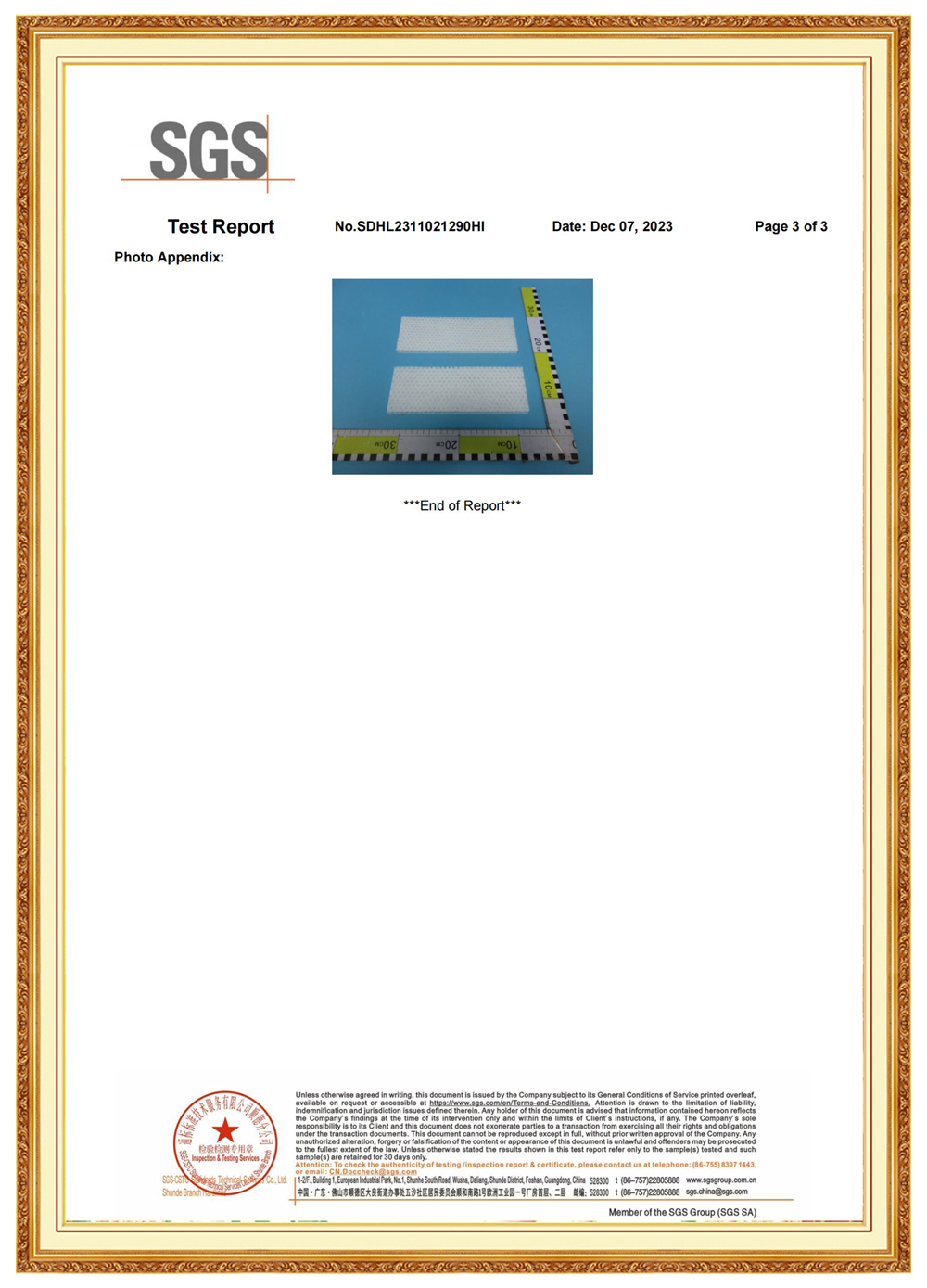
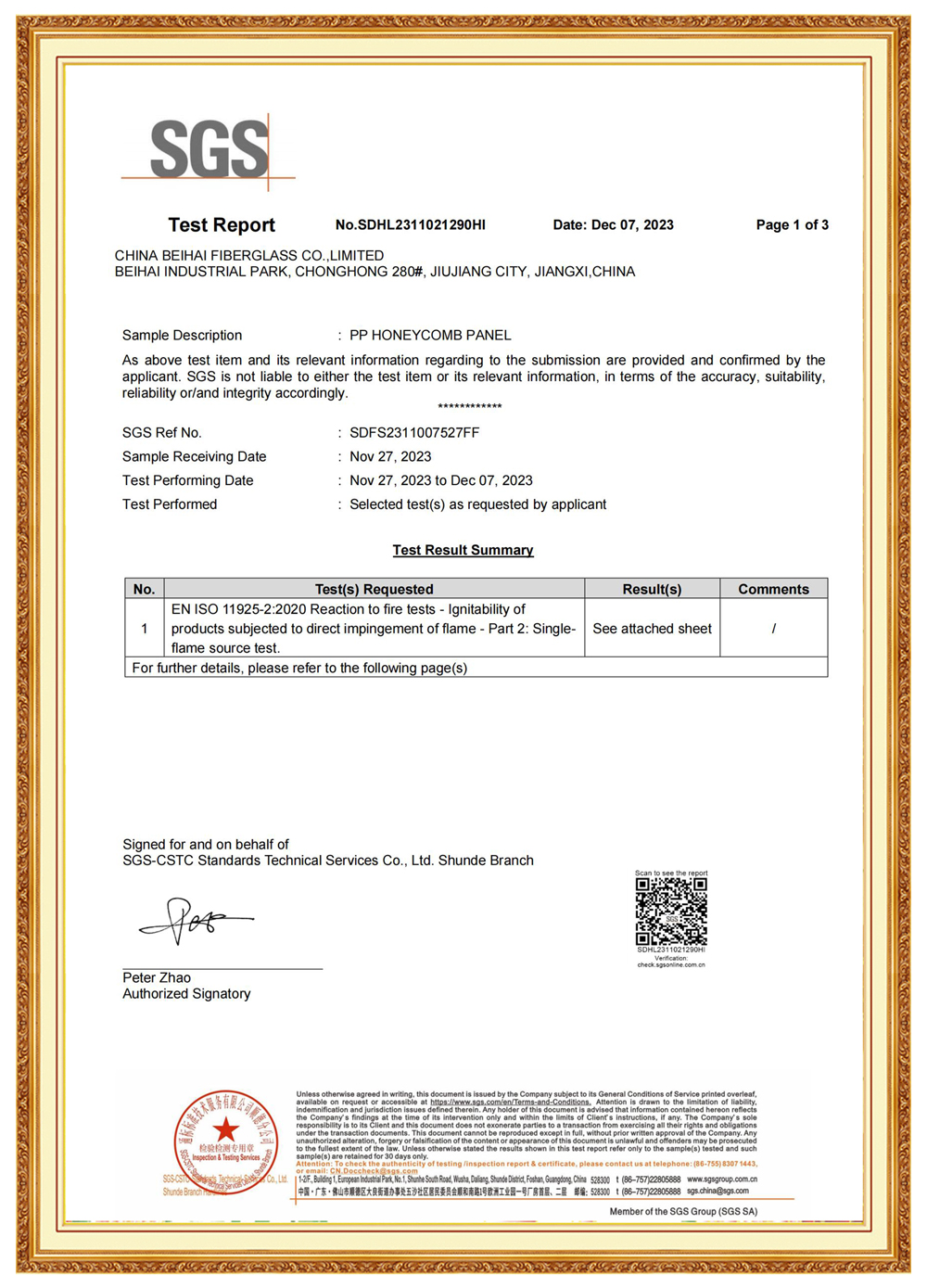
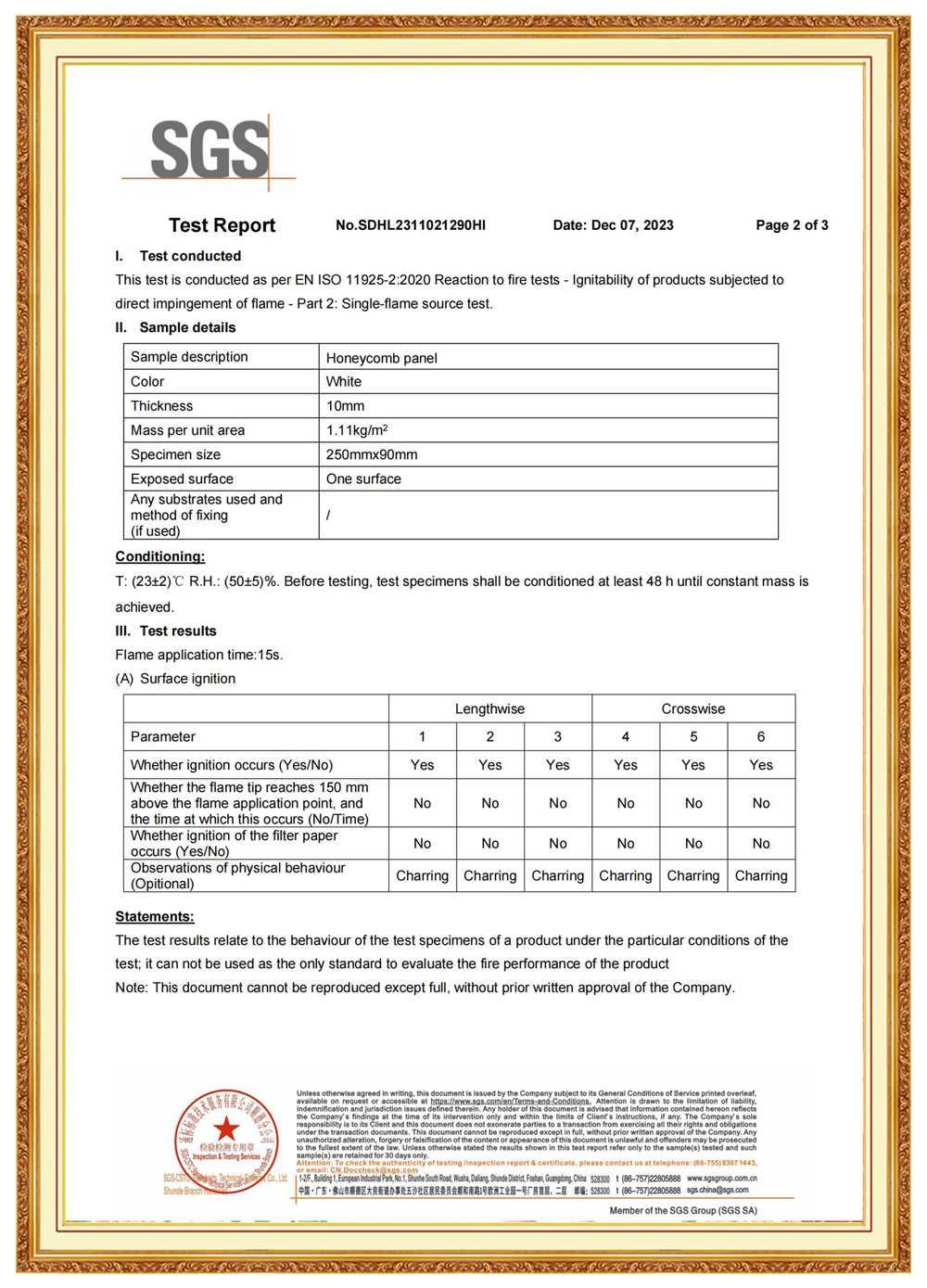
Read More →Our basalt construction bars and fiber products are backed by internationally recognized quality certifications, ensuring compliance with global shipbuilding and marine engineering standards.


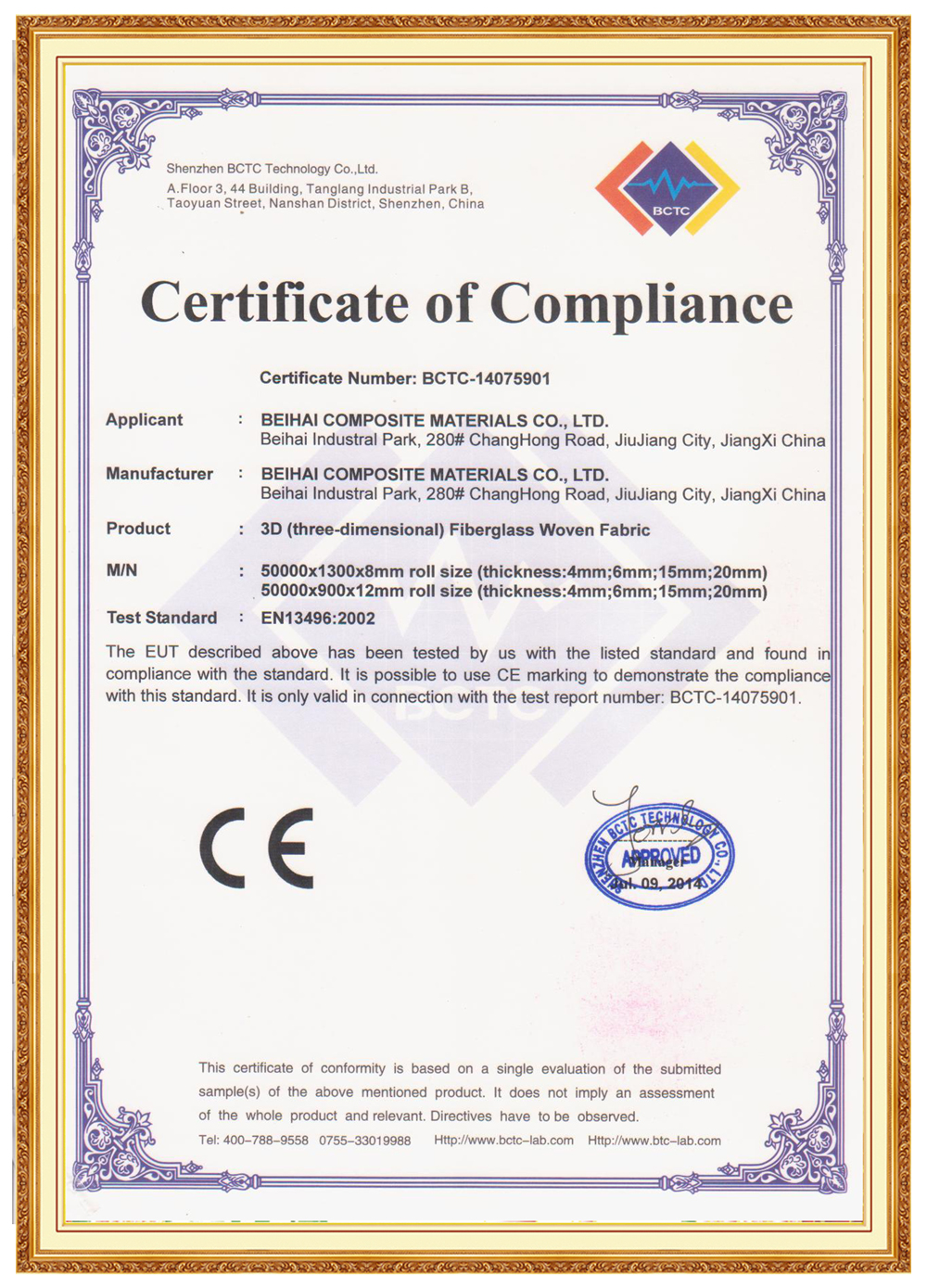
Stay informed on the latest developments in basalt fiber technology, construction bar innovations, and shipbuilding material science.

As drones slice through the sky to monitor wildfires, and intelligent robots execute repetitive tasks with precision on the factory floor, the efficient operation of this smart equipment is often underpinned by a "hardcore support" that is easily overlooked: a novel material derived from volcanic rock — basalt fiber. Though unassuming in appearance, its unique properties have made it the key to unlocking the performance limits of drones and robots, quietly driving a materials revolution within the realm of intelligent equipment.
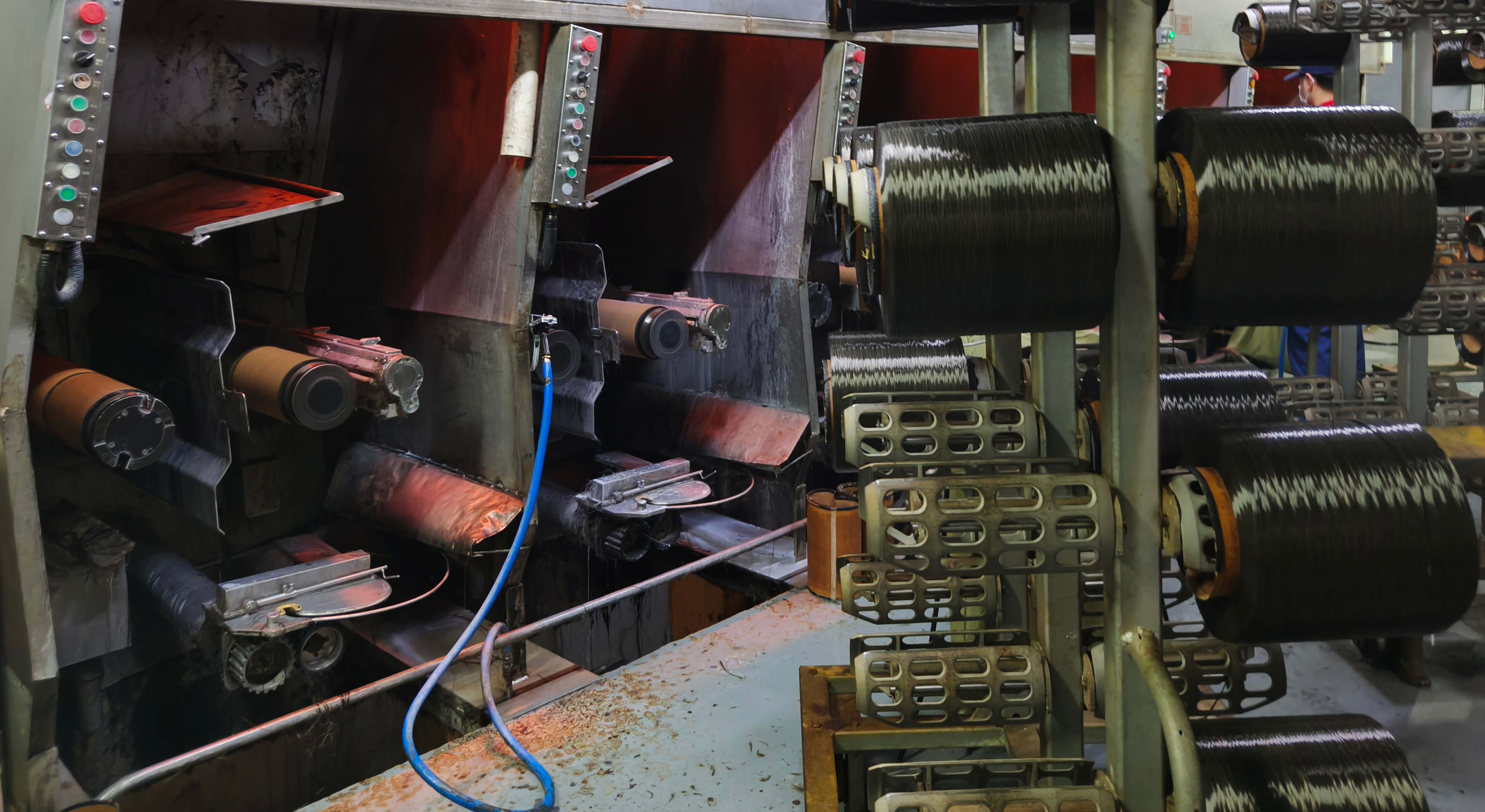
Basalt fiber is an inorganic fibrous material produced by drawing strands from natural basalt ore after it has been melted at high temperatures. It has garnered widespread attention for its exceptional physicochemical properties — particularly its performance in high-temperature environments.
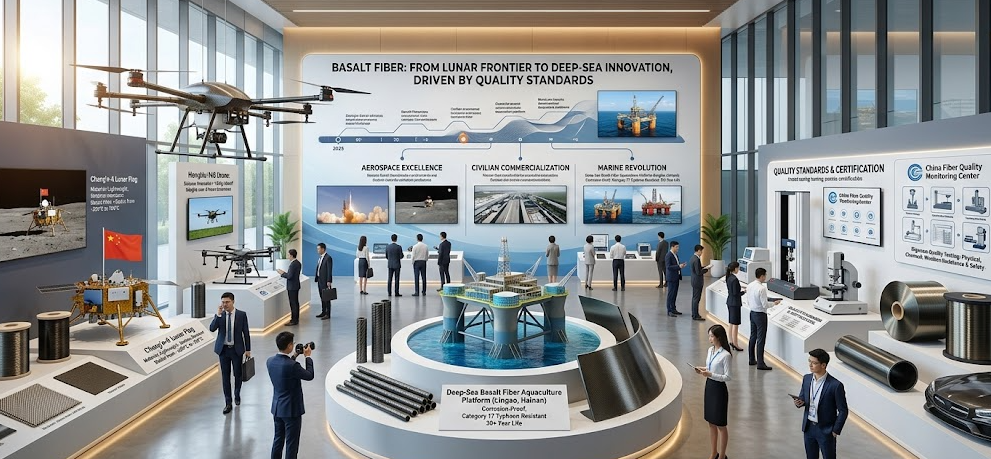
Recently, with the successful realization of major applications — such as the Chang'e-6 lunar exploration mission and the world's first deep-sea basalt fiber aquaculture platform — basalt fiber is rapidly accelerating its transformation from a laboratory research outcome into a strategic new material with tangible industrial productivity.
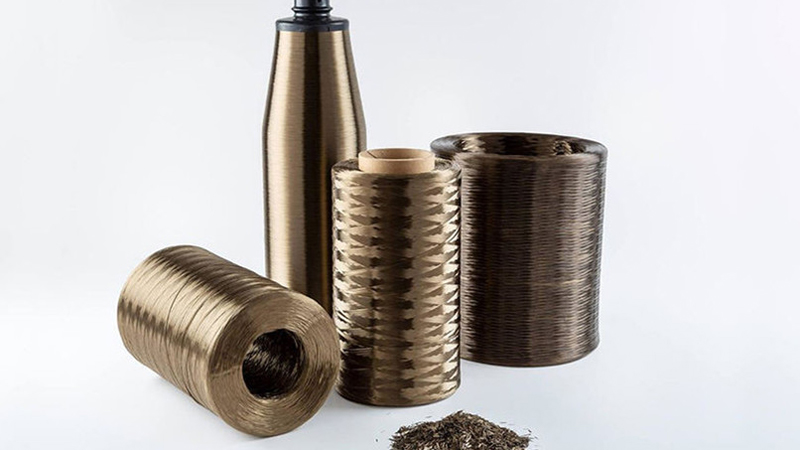
Basalt fiber is now achieving breakthroughs in aerospace-grade applications and widespread commercial deployment across marine engineering sectors.
Discover our comprehensive portfolio of basalt fiber solutions engineered for marine, shipbuilding, and industrial construction applications.