
Leave Your Message
Precision-engineered basalt fiber rebar solutions designed for cutting and shaping into explosion-proof UAV fuselage frames and propeller blade reinforcement structures.
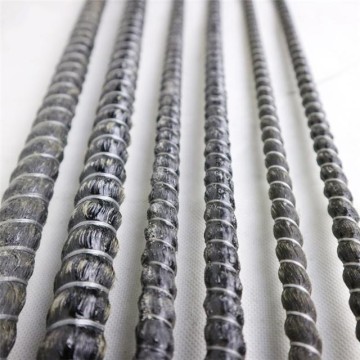
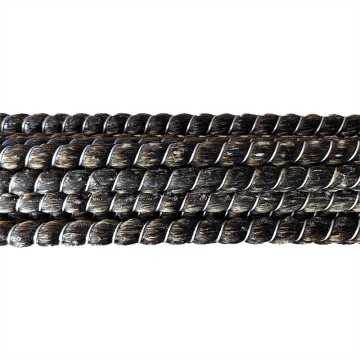
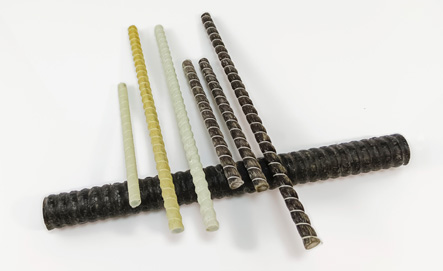
Anti-corrosion Basalt Fiber Rebar — Explosion-Proof UAV Fuselage Grade
Epoxy resin composite bar with superior corrosion resistance, ideal for cutting into UAV structural frames operating in harsh environments.
View Product →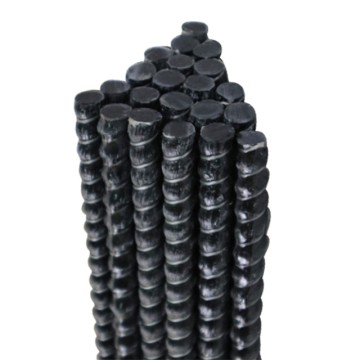
Non-Conductive Basalt Rebar — Drone Propeller Blade Reinforcement
Alkali-resistant insulated composite rebar — non-magnetic and electromagnetically transparent, perfect for propeller blade cutting applications.
View Product →The global explosion-proof UAV (Unmanned Aerial Vehicle) and commercial drone market is undergoing a structural transformation. As industries including oil & gas, mining, chemical processing, and military logistics increasingly deploy drones in hazardous and ATEX-classified environments, the demand for fuselages and propeller blades that are simultaneously lightweight, non-conductive, non-magnetic, and structurally robust has never been higher.
At the heart of this transformation is a material that has quietly revolutionized advanced manufacturing: basalt fiber rebar (BFRP — Basalt Fiber Reinforced Polymer). Unlike traditional carbon fiber or steel-based structural elements, basalt FRP rebar can be precision-cut to exact dimensions and integrated into composite drone airframes that meet the most stringent explosion-proof certifications — including ATEX, IECEx, and UL standards.
Key Insight: Basalt fiber rebar is manufactured by melting natural volcanic basalt rock at 1,450–1,500°C and drawing it into continuous filaments, then forming composite bars with epoxy or vinyl ester resin matrices. The result is a material with tensile strength exceeding 1,000 MPa, yet weighing approximately 75% less than steel — making it uniquely suited for explosion-proof UAV structural applications where every gram of weight reduction directly extends flight time and payload capacity.
The global explosion-proof drone market was valued at approximately USD 520 million in 2023 and is projected to exceed USD 1.8 billion by 2030, growing at a CAGR of over 19%. This growth is primarily driven by regulatory mandates requiring intrinsically safe inspection equipment in Zone 1 and Zone 2 hazardous areas across the petrochemical, mining, and offshore energy sectors.
Traditional explosion-proof enclosures for drones relied on metal housings — primarily aluminum alloys or stainless steel. However, these approaches introduce significant weight penalties (often 300–600g per frame component), electromagnetic interference with flight control systems, and corrosion vulnerabilities in marine or chemical environments. The industry pivot toward cutting basalt fiber rebar as the primary structural reinforcement material for explosion-proof UAV fuselages addresses all three of these critical limitations simultaneously.
Zero electrical conductivity and no magnetic permeability ensure complete electromagnetic transparency — critical for explosion-proof drones operating near sensitive instrumentation, sensors, and explosive atmospheres where spark generation must be eliminated.
With a density of just 1.9–2.1 g/cm³ versus steel at 7.85 g/cm³, cut basalt rebar sections reduce overall UAV structural weight by up to 70%, directly translating to extended flight endurance and higher payload capacity for inspection equipment.
Basalt fiber maintains structural integrity from -260°C to +700°C, making cut rebar sections suitable for drone fuselages deployed in both arctic survey operations and high-temperature industrial inspection environments near furnaces or flare stacks.
Unlike carbon fiber which generates hazardous conductive dust during cutting, basalt rebar can be cut with standard diamond-blade tools to exact tolerances of ±0.1mm, enabling high-volume production of standardized UAV frame components and propeller blade inserts.
Basalt FRP rebar is inherently resistant to acids, alkalis, salt spray, and hydrocarbon vapors — the exact chemical environments encountered in petrochemical plant inspections, offshore platform surveys, and chemical storage facility monitoring missions.
Derived from abundant natural volcanic rock without chemical additives, basalt rebar production generates 30% lower CO₂ emissions compared to carbon fiber manufacturing, aligning with the ESG requirements increasingly mandated by industrial drone procurement programs.
From fuselage skeleton reinforcement to propeller blade spar inserts, basalt rebar cutting enables a new generation of hazardous-environment drone architectures.
Cut basalt rebar sections (typically 4–12mm diameter) are bonded into composite sandwich fuselage structures, replacing aluminum longerons and cross-members. The non-conductive property eliminates static charge buildup — a primary ignition risk in ATEX Zone 1 environments such as oil refineries and LNG terminals.
Thin-diameter basalt rebar (4–6mm) is precision-cut and embedded as longitudinal spars within CFRP or GFRP propeller blades, adding tensile strength without adding magnetic signature or conductivity — essential for drones operating near explosive gas atmospheres where blade fracture events must not generate sparks.
Drones deployed for internal tank inspection, flare stack monitoring, and pipeline leak detection in Zone 1/Zone 2 classified areas require ATEX-certified airframes. Cut basalt rebar fuselage reinforcement enables these certifications by eliminating metallic structural elements that could generate ignition-capable sparks.
Coal mines and underground mineral extraction sites require drones with zero metallic content in primary structures to prevent methane ignition. Basalt rebar-reinforced fuselages provide the structural rigidity needed for confined-space navigation while meeting the stringent non-sparking material requirements of mining safety regulations.
Offshore oil platforms combine explosive atmosphere risk with extreme salt spray corrosion. Cut basalt rebar fuselage components offer simultaneous ATEX compliance and Class 1 marine corrosion resistance, eliminating the maintenance burden of aluminum frames that corrode rapidly in marine environments.
Defense-grade UAVs require low radar cross-section and minimal magnetic signature for stealth operations. Non-magnetic basalt rebar cut components replace steel reinforcements in tactical drone airframes, reducing magnetic anomaly detection (MAD) signatures while maintaining structural performance under ballistic impact loads.
The convergence of advanced manufacturing technologies with basalt fiber materials science is opening entirely new frontiers for explosion-proof drone design.
Drone manufacturers are integrating CNC diamond-wire cutting systems specifically calibrated for basalt FRP rebar, enabling automated production of fuselage reinforcement components with tolerances of ±0.05mm at throughputs exceeding 500 parts per hour — enabling mass production of certified explosion-proof UAV frames.
Next-generation propeller blade designs are incorporating cut basalt rebar spars within carbon fiber skins, leveraging basalt's non-conductivity for explosion-proof certification while using carbon's stiffness for aerodynamic efficiency. This hybrid approach is expected to dominate the industrial drone propeller market by 2027.
AI-driven topology optimization algorithms are now being applied to design basalt rebar cutting patterns that minimize material waste while maximizing structural performance per gram. Leading drone OEMs report 23% weight reduction in fuselage structures compared to conventional composite designs using this approach.
International standards bodies including ISO and ASTM are actively developing specifications for basalt FRP rebar cutting tolerances and mechanical property requirements specific to UAV structural applications, paving the way for modular, interchangeable basalt rebar components across drone platforms.
Research programs in the EU and Asia are developing thermoplastic matrix basalt fiber rebar that can be remelted and reprocessed at end-of-life, addressing the growing regulatory pressure on drone manufacturers to demonstrate circular economy compliance for composite structural components.
The emerging electric vertical take-off and landing (eVTOL) sector is evaluating cut basalt rebar for passenger-carrying air taxi airframes, where the combination of non-conductivity (battery fire safety), corrosion resistance, and structural efficiency makes it a compelling alternative to conventional aerospace-grade aluminum.
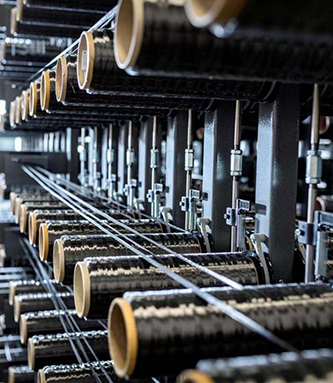
China Beihai is founded in 2015 and located in Jiujiang, Jiangxi Province. China Beihai is a high-tech enterprise focusing on the research, development, production and sales of high-performance basalt continuous fiber and its production equipment manufacturing, as well as a leading enterprise in the domestic basalt fiber industry.
As a pioneer in basalt fiber rebar technology, China Beihai has developed proprietary cutting and processing techniques that enable the precision fabrication of basalt FRP rebar components for explosion-proof UAV fuselages and propeller blade reinforcement — serving clients across aerospace, defense, petrochemical, and industrial drone manufacturing sectors globally.
View More About Us
At China Beihai group, we specialize in the production of a wide range of products including basalt fiber mat (Basalt fiber chopped strand mat, Basalt fiber cloth), basalt fiber roving, basalt fiber yarn, basalt fiber chopped strands, and basalt fiber products (Basalt Fiber rebar, basalt fiber sleeves and tape). Our products are designed to meet the diverse needs of various industries, providing high-quality solutions for our customers — including precision-cut basalt rebar for explosion-proof UAV and drone applications.

At China Beihai group, we are dedicated to the production of a wide array of basalt-based products, ranging from basalt fiber mat, fabric, and roving to chopped strand and specialized construction materials. Our focus is on delivering high-quality, sustainable solutions for industries such as construction, geotechnical engineering, aerospace, and manufacturing. With a commitment to innovation and excellence, we strive to cater to the unique requirements of our clients — including the emerging explosion-proof UAV and industrial drone manufacturing sector.

Choosing to work with China Beihai means working with a leading manufacturer of basalt products. Our commitment to quality, innovation and sustainability sets us apart, ensuring our customers receive best-in-class solutions for their diverse needs. Reliability and customer satisfaction, we offer a wide range of high-quality basalt materials and construction products, backed by our dedication to excellence and industry expertise. When you partner with China Beihai, you can trust that you are working with a reliable and forward-thinking partner — a thought supplier for all your basalt rebar cutting and drone-grade composite material needs.
Basalt fiber is ideal for your engineering projects. Its high strength, corrosion resistance and lightweight properties allow it to easily solve a variety of challenges. In buildings, bridges, roads, and advanced drone infrastructure projects, basalt fibers demonstrate outstanding performance, extending structural life and reducing maintenance costs.
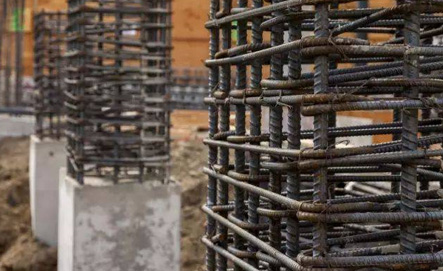
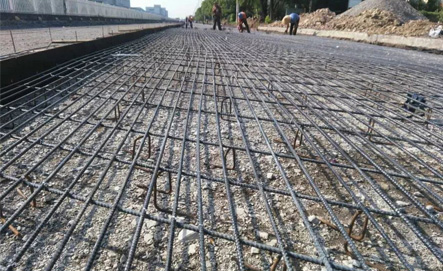
Basalt Fiber Rebar is a high-strength alternative to traditional steel bars and is used in a wide range of applications for reinforcing composite structures in various fields. Its excellent performance makes it ideal for a variety of applications — from bridges, highways, and buildings to the cutting-edge field of explosion-proof UAV fuselage frames and drone propeller blade reinforcement.
When cut to specification, basalt FRP rebar sections serve as structural spars, longerons, and cross-members within composite UAV airframes. The precision cutting process — using diamond-blade or water-jet cutting systems — produces clean, burr-free cross-sections that bond effectively with epoxy matrix resins used in drone composite manufacturing. The resulting structural members exhibit:
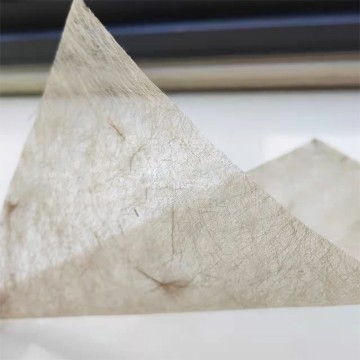
Basalt Fiber Tissue Mat — UAV Composite Surface Finishing
Basalt Fiber Surfacing Tissue Mat is a non-woven thin sheet engineered to provide a smooth resin-rich surface layer for fiber reinforced plastic UAV fuselage panels.
Read More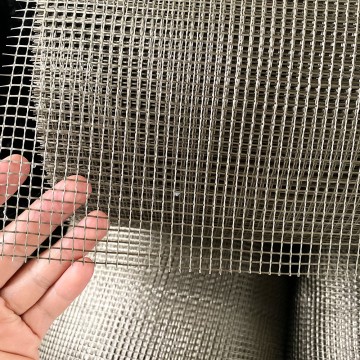
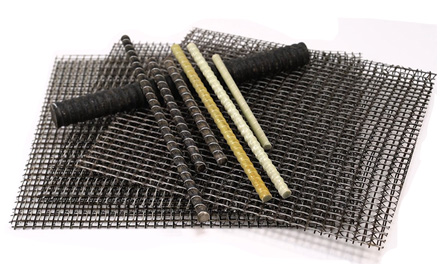
Alkali Resistant Basalt Fiber Mesh — Drone Structural Panel Reinforcement
High-performance Basalt Fiber Mesh provides superior reinforcement for composite drone panel applications where high alkali resistance and dimensional stability are critical.
Read More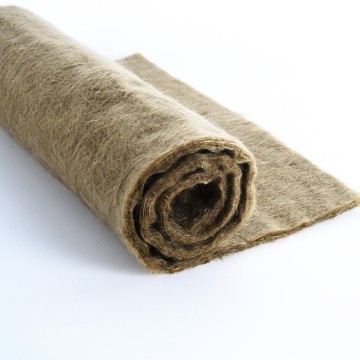
High Temperature Basalt Fiber Needled Mat — UAV Thermal Protection Systems
High-density insulation material manufactured by mechanically bonding continuous basalt fibers — ideal for UAV engine bay thermal protection without chemical additives.
Read More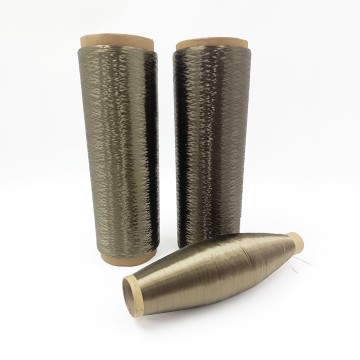
High Strength Basalt Fiber Twisted Yarn — Drone Component Weaving & Sewing
Engineered by twisting multiple continuous filaments to enhance mechanical strength and processing stability for high-temperature drone component sewing and structural weaving applications.
Read More
Our basalt products have diverse applications in the field of house construction.

In the aerospace field, basalt fibers are ideal for manufacturing aircraft wings and engine components.

Basalt fibers are used in spacecraft shell materials, thermal protection systems, and high-temperature-resistant engine components.

Basalt-added concrete offers increased strength and durability, crack resistance, and improved chemical resistance.

Wide application of basalt fiber products in the automobile field, driven by lightweight material trends.

Basalt's high strength and durability make it ideal for protecting bridge structures from corrosion and environmental impact.

The corrosion resistance of basalt fiber gives it a unique advantage in the petrochemical field.

Basalt fiber composites provide lightweight, corrosion-proof structural solutions for marine vessel construction.
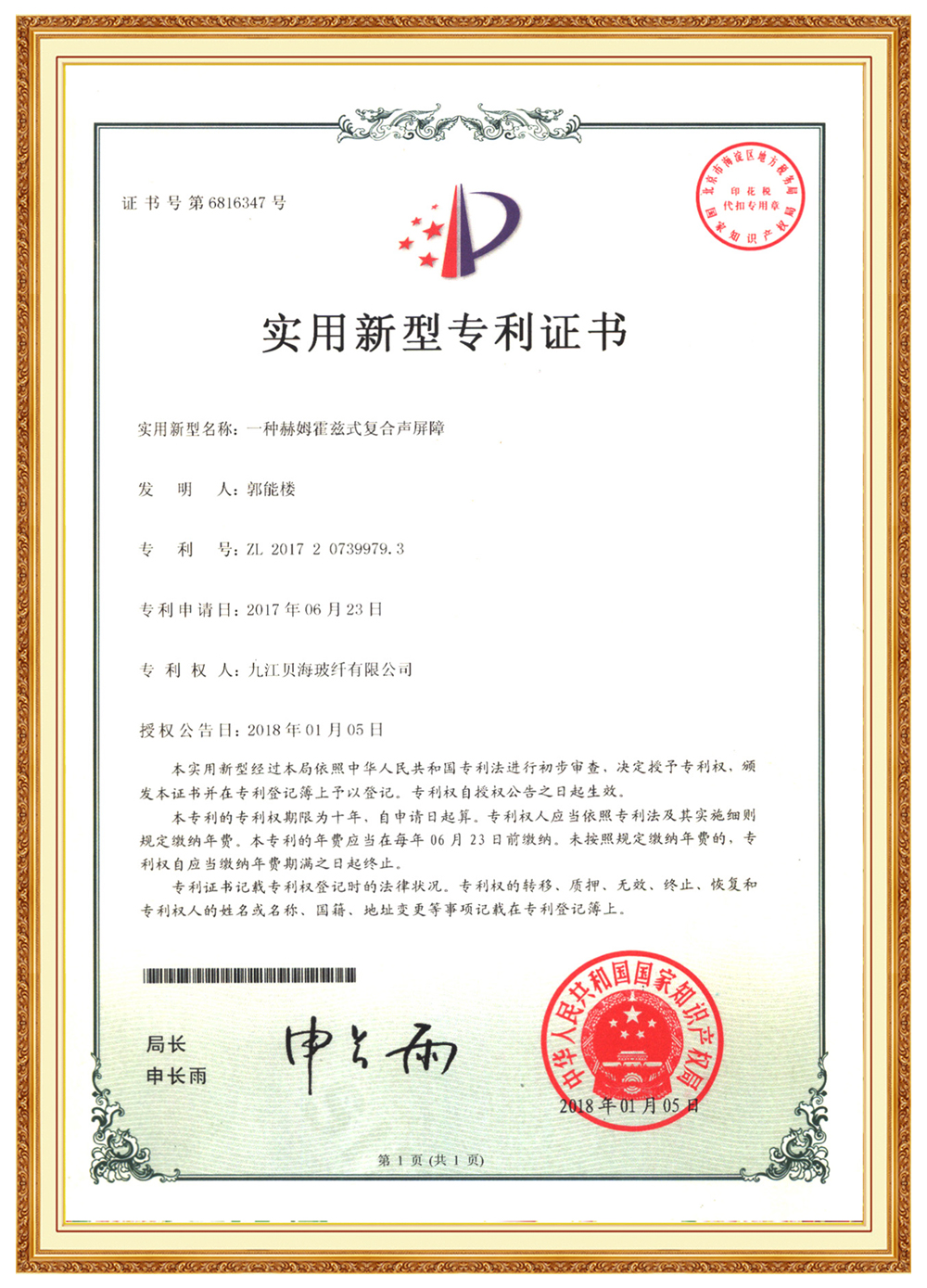
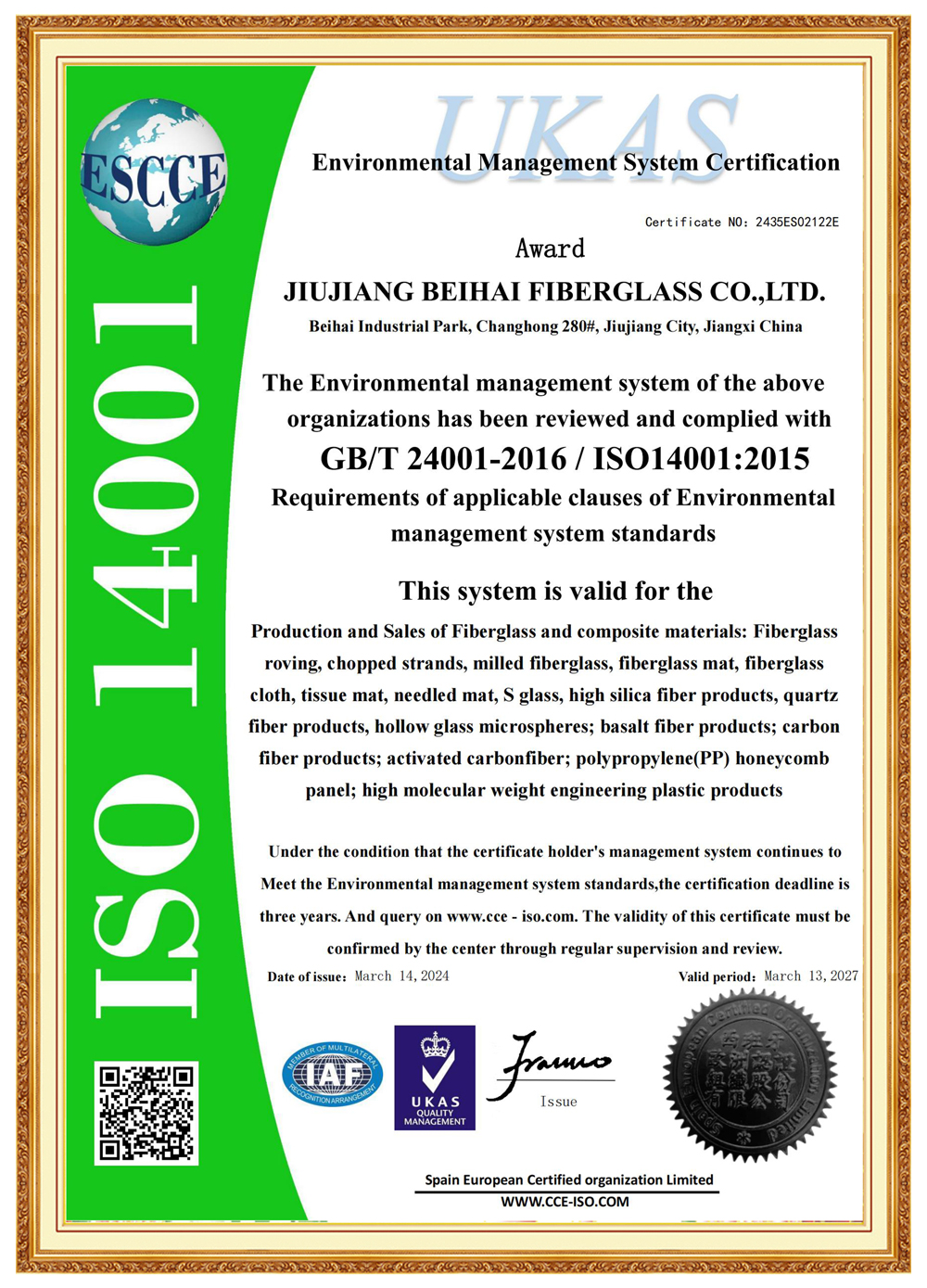
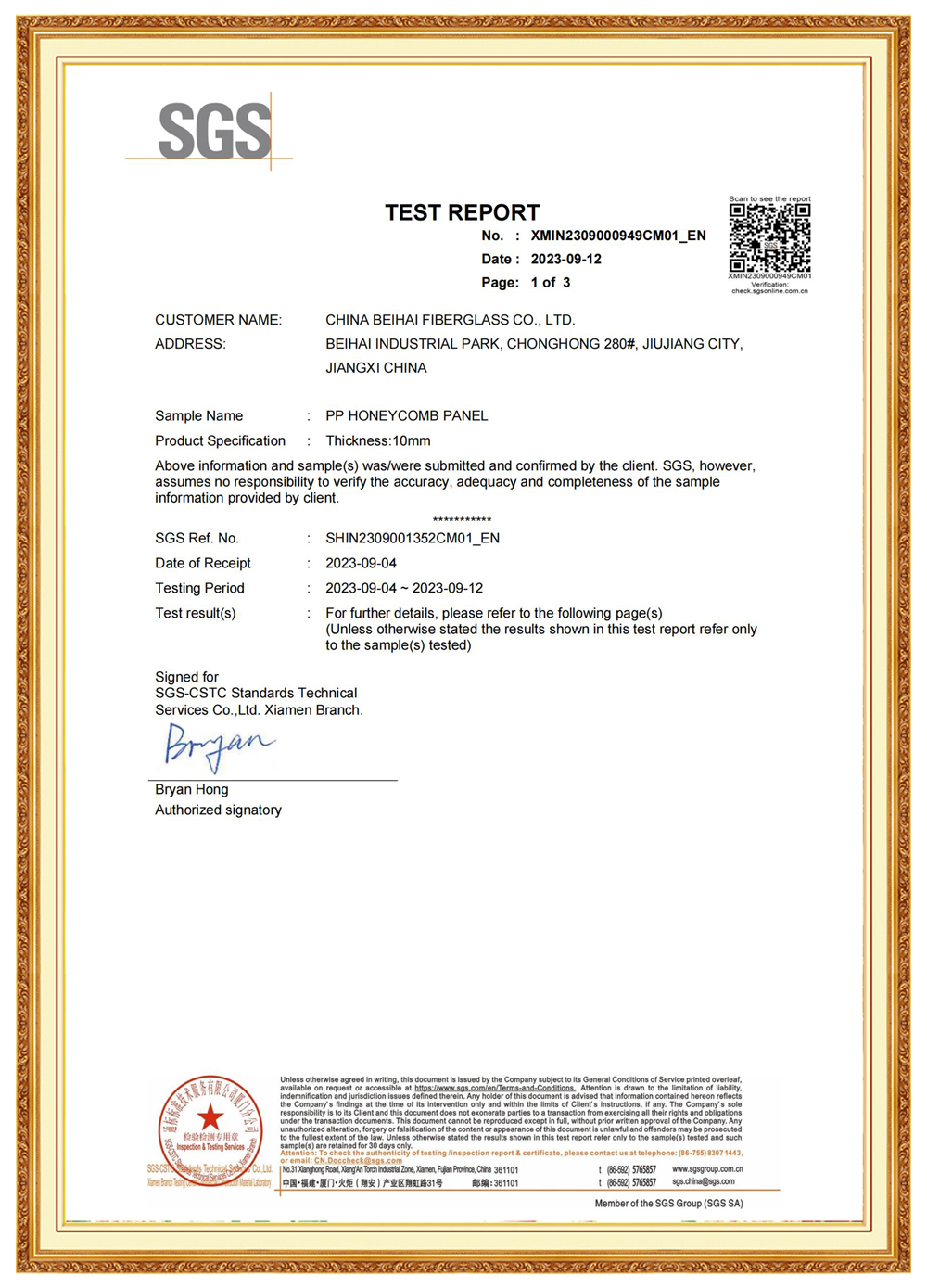
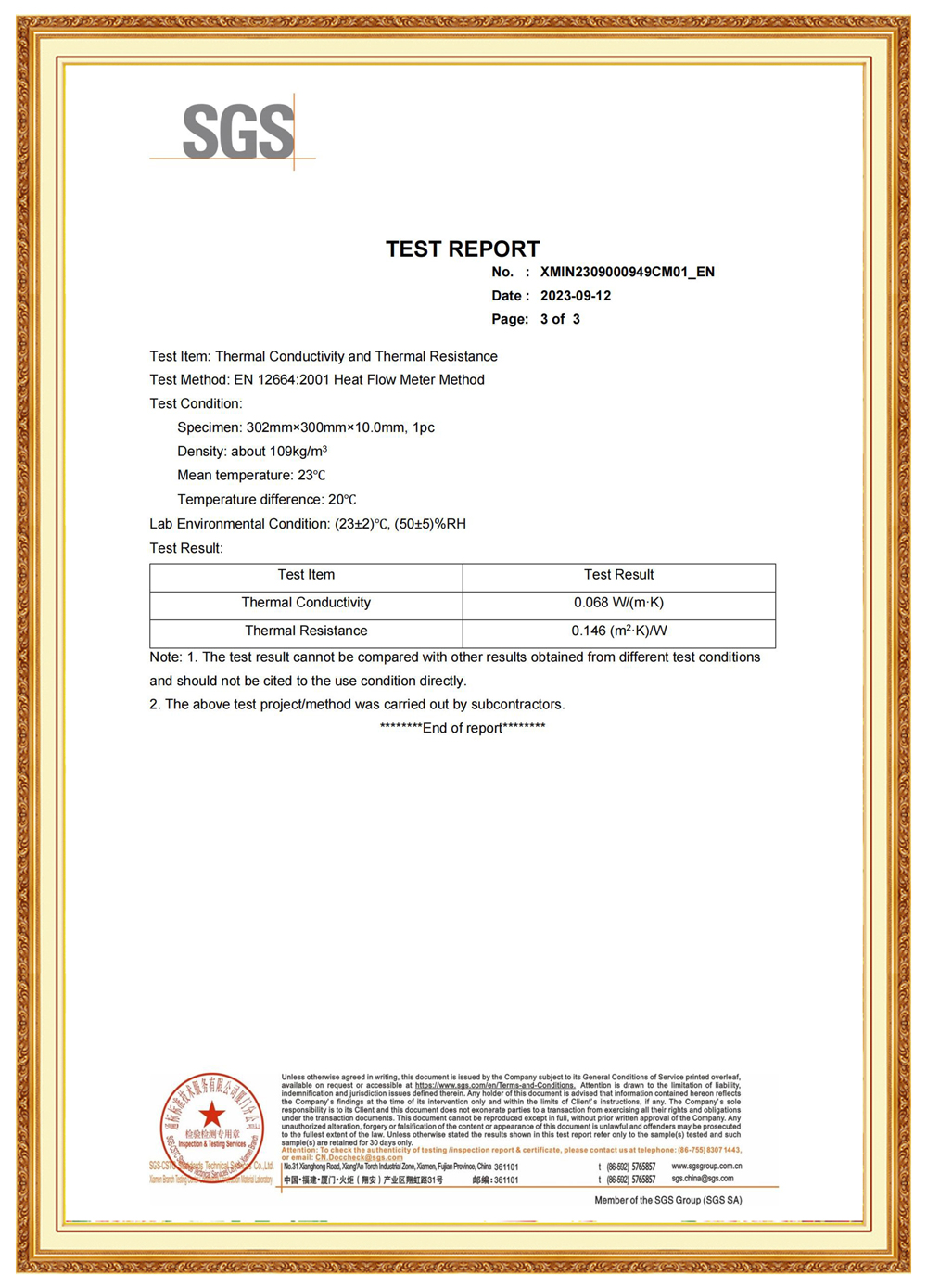
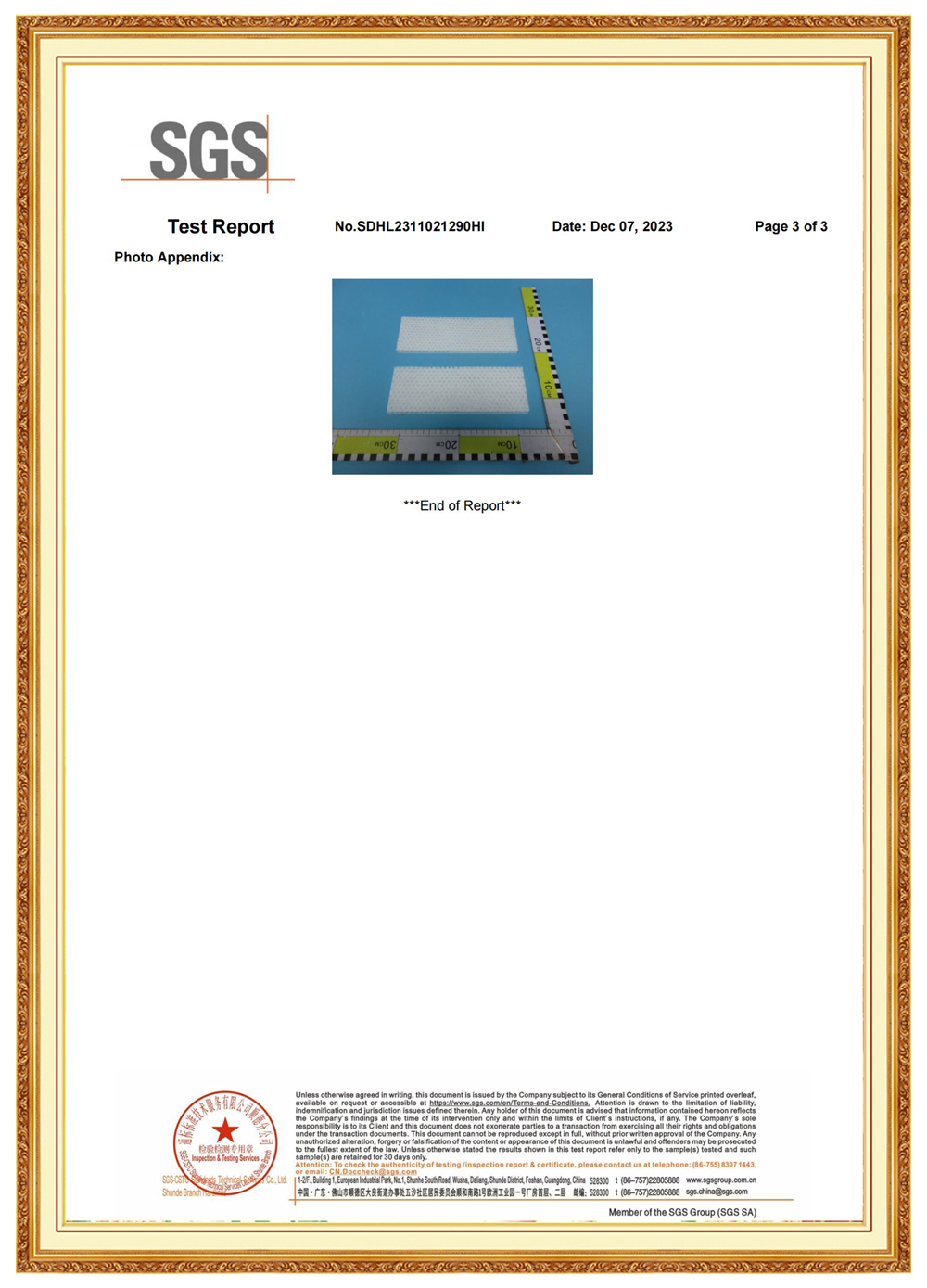
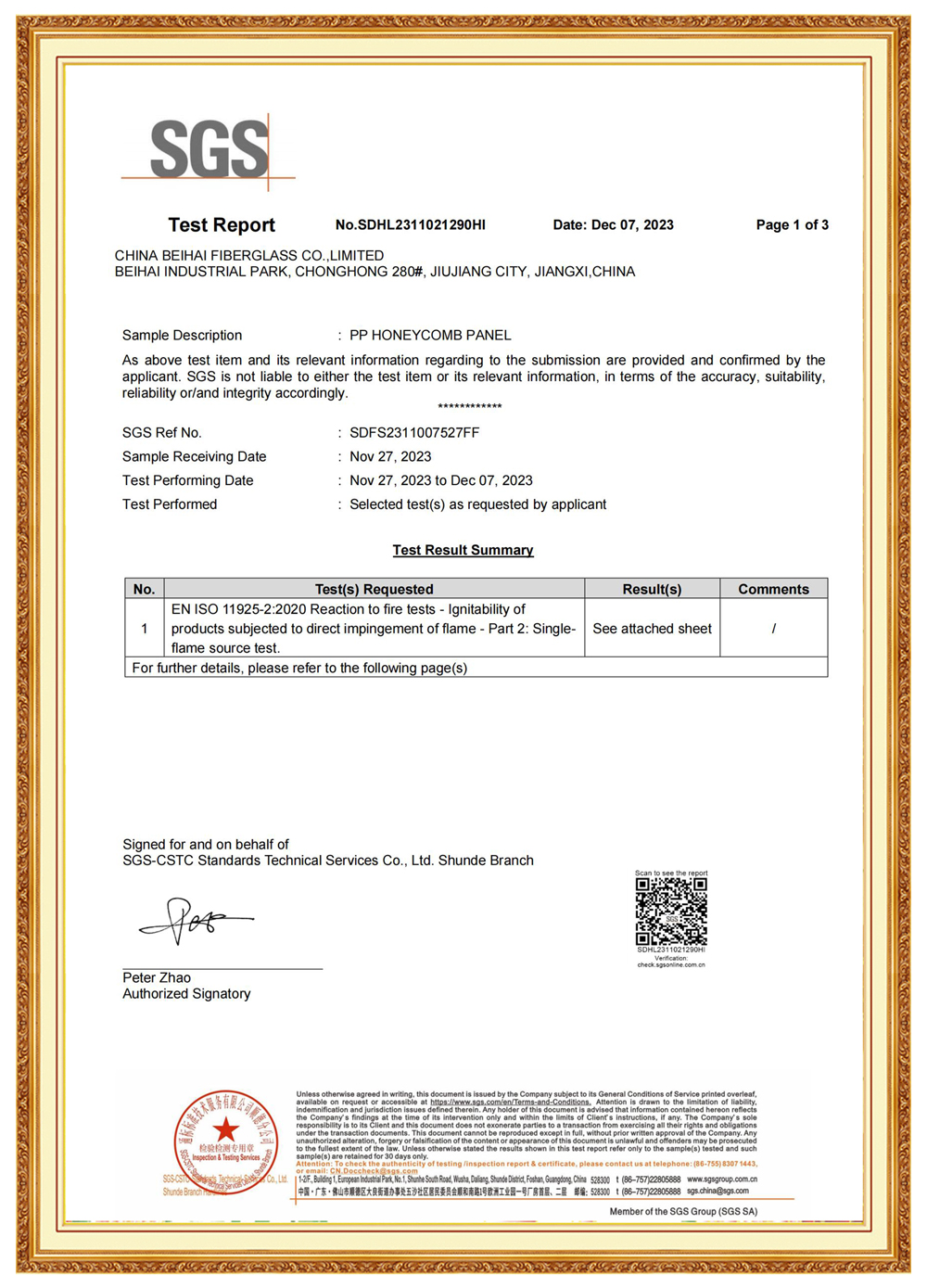
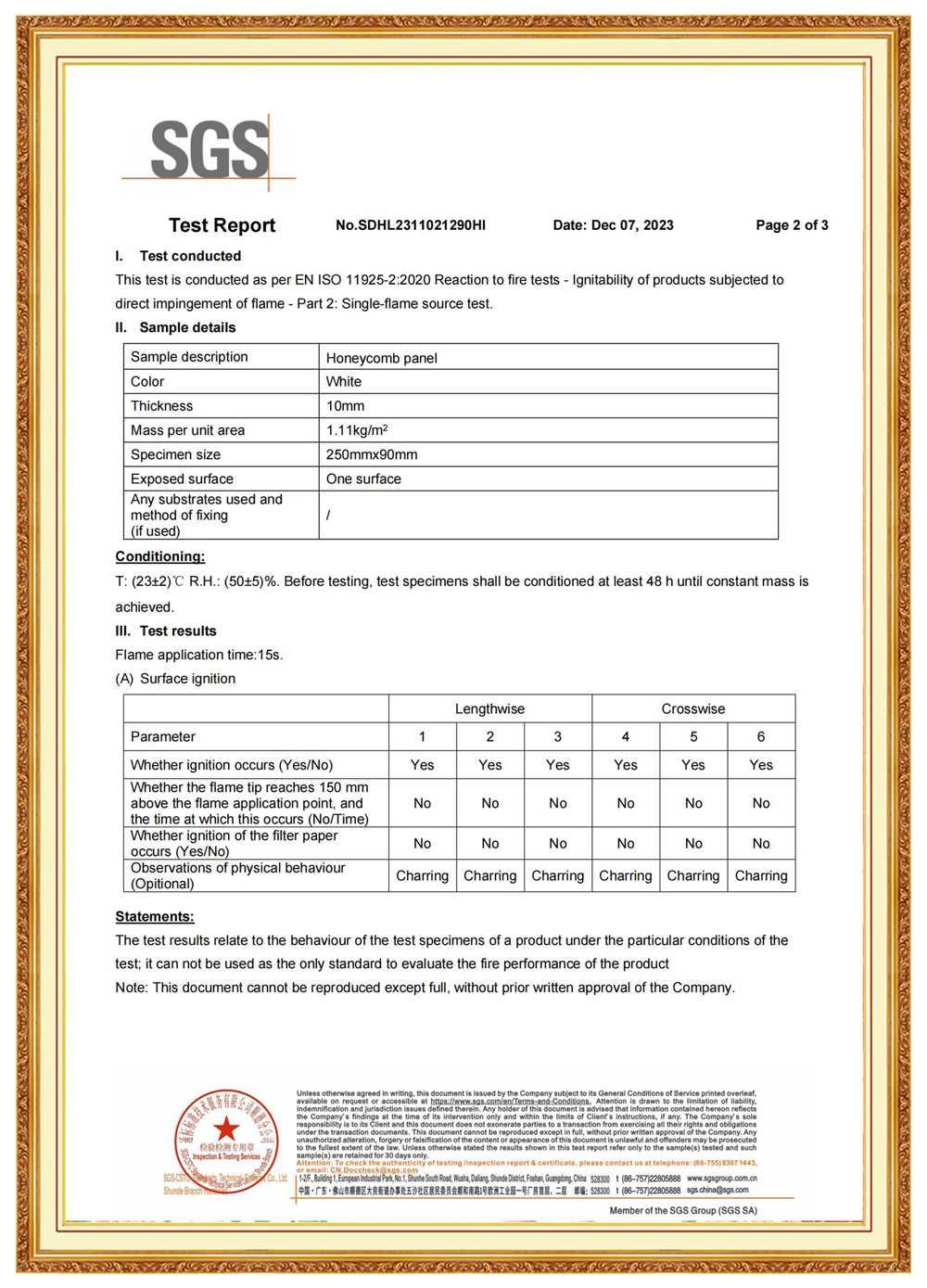
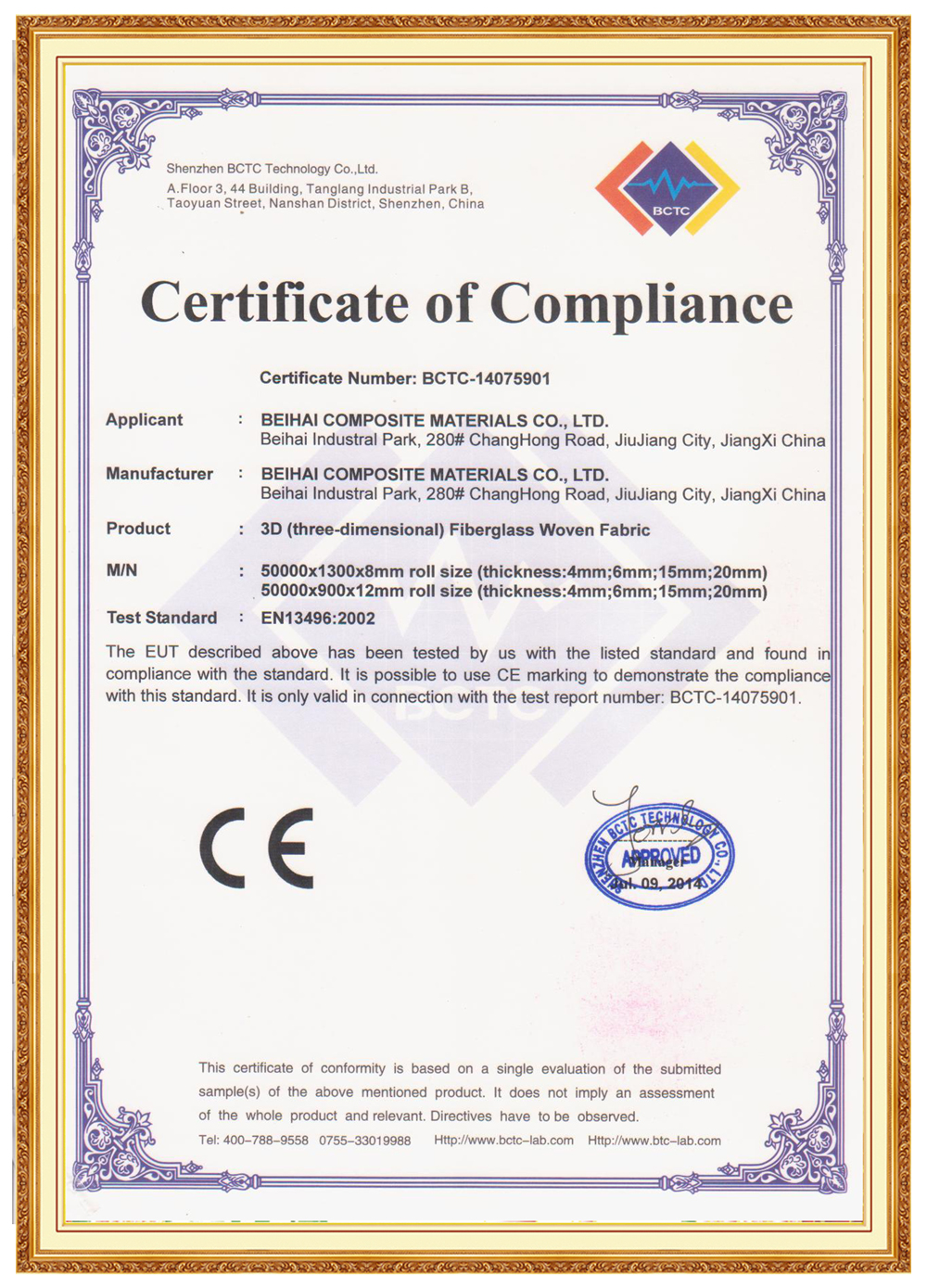
China Beihai's basalt fiber rebar products are backed by internationally recognized quality certifications, ensuring compliance with aerospace, construction, and industrial drone manufacturing standards.

As drones slice through the sky to monitor wildfires, and intelligent robots execute repetitive tasks with precision on the factory floor, the efficient operation of this smart equipment is often underpinned by a "hardcore support" that is easily overlooked: a novel material derived from volcanic rock — basalt fiber. Though unassuming in appearance, its unique properties have made it the key to unlocking the performance limits of drones and robots, quietly driving a materials revolution within the realm of intelligent equipment. Produced by melting natural basalt rock at temperatures ranging from 1,450°C to 1,500°C and drawing it into fibers, this novel inorganic material boasts a multitude of advantages — including lightweight strength, weather resistance, corrosion resistance, and eco-friendliness — that are currently fueling a materials revolution in the drone and robotics industries.
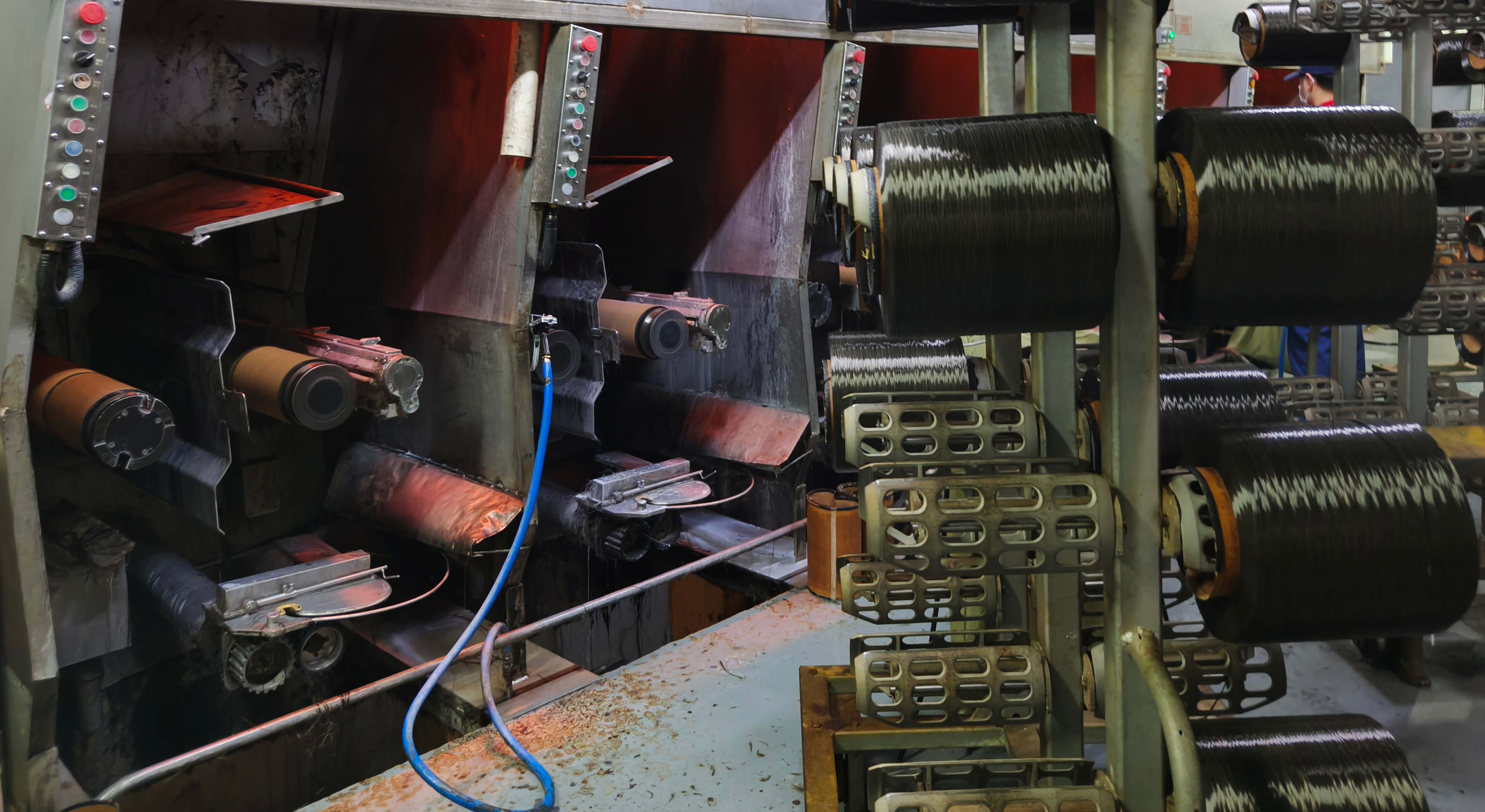
Basalt fiber is an inorganic fibrous material produced by drawing strands from natural basalt ore after it has been melted at high temperatures. It has garnered widespread attention for its exceptional physicochemical properties — particularly its performance in high-temperature environments.
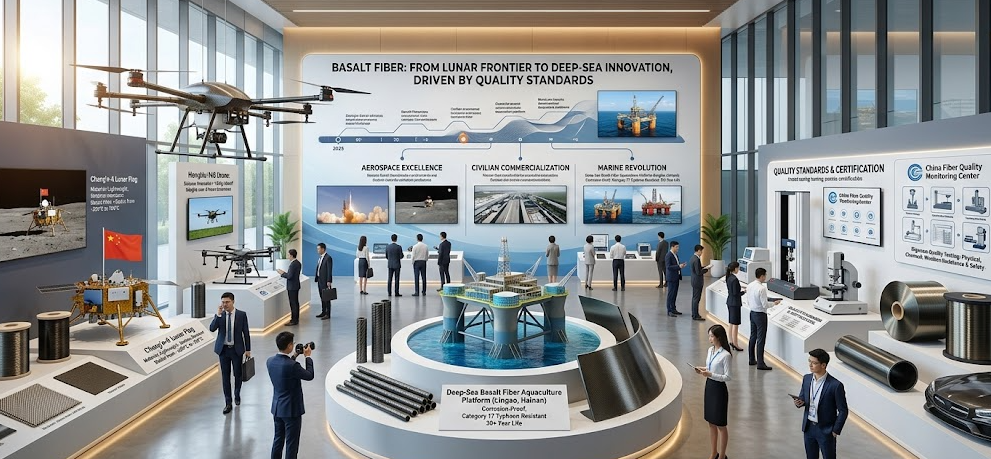
Recently, with the successful realization of major applications — such as the Chang'e-6 lunar exploration mission and the world's first deep-sea basalt fiber aquaculture platform — basalt fiber is rapidly accelerating its transformation from a laboratory research outcome into a strategic new material with tangible industrial productivity.
Explore our complete selection of basalt FRP rebar products — each available for precision cutting to specification for UAV fuselage frames, propeller blade reinforcement, and composite drone structural components.
Anti-corrosion Basalt Fiber Rebar With Epoxy Resin Composite Bar — Explosion-Proof UAV Grade
View Product →Non-Conductive Basalt Fiber Rebar — Alkali Resistant Insulated Composite for Drone Propeller Blades
View Product →
Basalt Rebar for UAV Fuselage Structural Reinforcement — Precision Cut to Specification
View Product →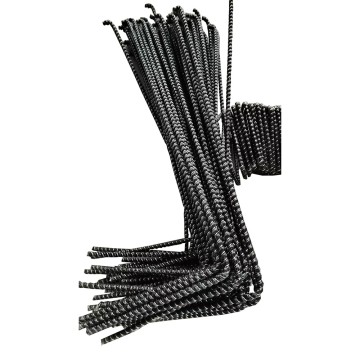
Non-Conductive & Non-Magnetic Basalt FRP Rebar — Electromagnetic Transparent for Explosion-Proof Drones
View Product →
High-Strength Corrosion-Resistant Basalt Rebar — Cut for Industrial UAV Airframe Applications
View Product →
High Strength Basalt Rebar — Explosion-Proof Underground Mining UAV Structural Components
View Product →