
Leave Your Message
Explore our top-rated BFRP rebar solutions purpose-built to withstand aggressive chemical environments, extreme temperatures, and long-term structural demands.
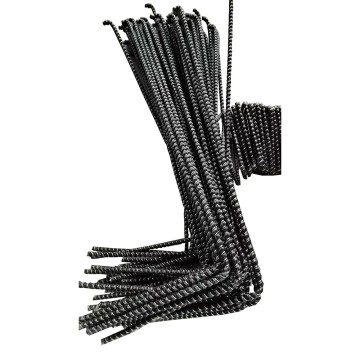
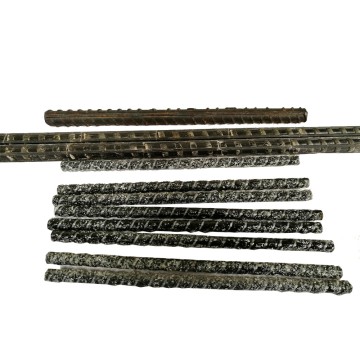

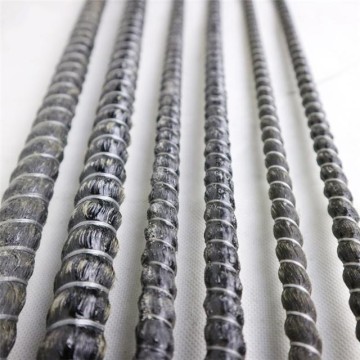
Chemical pipelines and storage tanks operate under some of the most demanding conditions in modern industry. The foundation rebar used to reinforce their concrete bases must resist not only structural loads but also relentless chemical attack, moisture ingress, and thermal cycling.
Traditional steel rebar corrodes rapidly when exposed to acids, alkalis, chlorides, and solvents commonly found in chemical plants. BFRP basalt rebar is inherently immune to these agents, eliminating rust-induced concrete spalling and structural degradation.
Basalt fiber retains its mechanical properties across a temperature range of -200°C to +700°C, making it ideal for foundations adjacent to high-temperature pipelines, steam lines, and heated storage tanks.
In facilities handling flammable chemicals or requiring electromagnetic transparency, BFRP rebar provides critical safety advantages by eliminating electrical conductivity and magnetic interference risks.
With tensile strength 2–3× that of conventional steel rebar at just 1/4 of the weight, basalt fiber rebar enables slimmer foundation profileswithout sacrificing load-bearing capacity, reducing material costs and construction complexity.
Basalt FRP rebar does not absorb moisture, preventing the freeze-thaw expansion cycles that crack concrete foundations in outdoor chemical storage areas and underground pipeline corridors.
With a proven service life exceeding 100 years in aggressive environments, BFRP rebar dramatically reduces maintenance shutdowns, replacement costs, and environmental impact compared to steel alternatives.
The global chemical processing industry is undergoing a structural transformation in its approach to infrastructure reinforcement, driven by stricter safety regulations, rising maintenance costs, and the proven limitations of traditional steel rebar.
The global FRP rebar market was valued at over USD 1.2 billion in 2023 and is projected to grow at a CAGR of 8.5% through 2030. The chemical and petrochemical sector accounts for a growing share of this demand, as plant operators seek longer-lasting, lower-maintenance foundation solutions for pipelines, storage tanks, containment basins, and process equipment pads.
In chemical environments, conventional steel rebar typically shows significant corrosion within 10–15 years, leading to costly concrete rehabilitation and unplanned shutdowns. Industry data shows that corrosion-related infrastructure failures cost the chemical sector billions annually. This has accelerated adoption of corrosion-proof alternatives such as basalt FRP rebar across new construction and rehabilitation projects worldwide.
Environmental and safety regulators in North America, Europe, and Asia-Pacific are increasingly mandating the use of non-corrosive reinforcement materials in chemical storage facilities, especially for secondary containment structures and foundations in contact with hazardous substances. BFRP rebar meets or exceeds ACI 440, ISO, and ASTM standards for FRP reinforcement in corrosive environments.
Leading manufacturers including China Beihai are investing heavily in next-generation BFRP rebar formulations with enhanced epoxy resin matrices, improved bond strength to concrete, and hybrid fiber architectures. Smart rebar embedded with fiber optic sensing technology is emerging as a frontier innovation for real-time structural health monitoring in critical chemical facilities.
Major Engineering, Procurement and Construction (EPC) contractors for chemical plants, LNG terminals, and refinery expansions are now specifying BFRP rebar as the standard reinforcement for foundation slabs, pipe racks, tank ring beams, and secondary containment walls — particularly in coastal and offshore locations where chloride exposure compounds corrosion risks.
While BFRP rebar carries a higher upfront material cost than steel, lifecycle cost analyses consistently demonstrate 40–60% total cost savings over a 30-year project horizon, accounting for eliminated corrosion protection coatings, reduced maintenance interventions, extended service life, and avoided production downtime — making it increasingly the preferred choice for new chemical infrastructure.
Basalt fiber rebar delivers measurable performance advantages across a wide spectrum of chemical industry foundation and structural reinforcement scenarios.
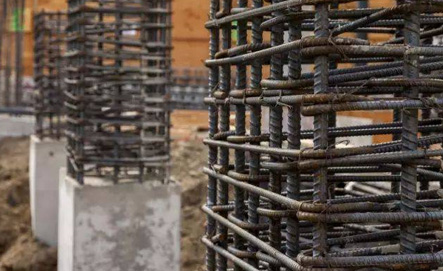
The annular ring beam foundation of large chemical storage tanks is perpetually exposed to product leaks, cleaning chemicals, and groundwater. BFRP rebar eliminates corrosion-driven concrete cracking that can compromise tank settlement resistance and structural integrity.
Buried pipeline corridors in chemical plants face combined attack from soil sulfates, groundwater chlorides, and leaked process chemicals. Basalt rebar's zero-corrosion profile ensures decades of maintenance-free performance in these inaccessible, high-consequence locations.
Secondary containment structures must remain impermeable and structurally sound even after years of intermittent chemical exposure. BFRP-reinforced concrete containment basins maintain crack-free performance far longer than steel-reinforced equivalents, meeting stringent environmental compliance requirements.
Marine environments subject foundations to chloride-saturated air and seawater infiltration — the most aggressive corrosion scenario for steel rebar. Basalt FRP rebar is completely immune to chloride-induced corrosion, making it the definitive choice for coastal chemical plants, port fuel terminals, and offshore platform foundations.
Equipment foundations beneath reactors, heat exchangers, and fired heaters experience thermal gradients that stress conventional reinforcement. High-temperature resistant basalt rebar maintains structural performance up to 700°C, preventing thermally induced foundation cracking and equipment misalignment.
Sulfuric acid, hydrochloric acid, caustic soda, and similar chemicals rapidly destroy conventional steel reinforcement if they penetrate the concrete cover. Anti-corrosion basalt fiber rebar with epoxy resin composite coating provides a definitive barrier against both acid and alkali attack, ensuring long-term structural safety in these high-risk zones.
In ATEX-classified zones and electrical substation foundations within chemical plants, non-conductive BFRP rebar eliminates the risk of stray current corrosion and electrical fault propagation through the reinforcement cage, enhancing both structural durability and operational safety.
Chemical plant wastewater treatment basins are perpetually exposed to a cocktail of corrosive effluents. Wear-resistant basalt fiber rebar provides outstanding durability in these structures, significantly extending service intervals and reducing the lifecycle environmental footprint of wastewater infrastructure.
Unlike steel, basalt FRP rebar does not rust, corrode, or degrade in the presence of acids, alkalis, chlorides, or solvents. This directly translates to elimination of corrosion-driven maintenance shutdowns — a critical advantage in continuous-process chemical plants where unplanned downtime costs can reach millions per day.
China Beihai's BFRP rebar is specifically engineered with optimized fiber-resin interfaces to maintain bond strength and structural performance when exposed to the full spectrum of chemicals encountered in petrochemical, pharmaceutical, fertilizer, and specialty chemical manufacturing facilities.
Available in diameters from 4mm to 32mm with custom lengths, surface profiles, and resin systems, China Beihai's basalt rebar can be precisely specified to meet the structural design requirements of any chemical pipeline or storage tank foundation project, from small secondary containment walls to massive tank farm foundations.
All China Beihai basalt rebar products are manufactured under rigorous quality management systems and hold multiple international certifications, ensuring compliance with the demanding procurement standards of major chemical companies, EPC contractors, and regulatory authorities worldwide.
The intersection of sustainability mandates, digital construction, and advanced materials science is reshaping how the chemical industry specifies foundation reinforcement for the next generation of facilities.
Next-generation BFRP rebar is being developed with embedded fiber optic sensors that enable continuous real-time monitoring of strain, temperature, and moisture ingress within chemical plant foundations. This digital integration allows predictive maintenance strategies that prevent catastrophic failures before they occur — a transformative capability for high-consequence chemical storage infrastructure.
As chemical companies commit to net-zero carbon targets, the significantly lower embodied carbon of basalt fiber rebar versus steel — combined with its extended service life that eliminates carbon-intensive rehabilitation cycles — is positioning BFRP as a cornerstone material in sustainable chemical plant construction strategies through 2030 and beyond.
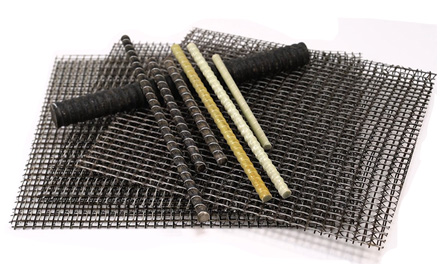
Structural engineers are increasingly designing hybrid reinforcement systems that combine basalt FRP rebar with basalt fiber mesh and chopped strand concrete additives to create multi-layer corrosion protection and crack resistance. These integrated systems are proving particularly effective in large-diameter storage tank foundations and chemical plant floor slabs with complex loading patterns.
Building Information Modeling (BIM) platforms are now incorporating BFRP rebar material libraries, enabling chemical plant designers to accurately model the long-term structural behavior of basalt-reinforced foundations under chemical exposure conditions. Digital twin technology is allowing operators to simulate decades of service life in virtual environments before construction begins.
International standards bodies including ACI, ISO, fib, and ASTM are actively updating their FRP reinforcement guidelines to specifically address basalt fiber rebar, providing the regulatory framework needed for broader specification in chemical plant construction codes globally. This standards development is a key enabler of accelerated market adoption.
The chemical industry's growing preference for modular and prefabricated construction is driving demand for pre-assembled BFRP rebar cages and mats that can be rapidly installed in factory-built foundation modules. China Beihai is developing prefabrication-ready rebar solutions that reduce on-site labor requirements and improve installation quality consistency.
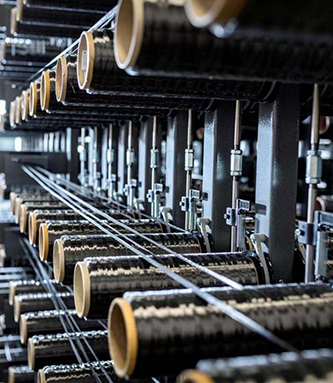
China Beihai is founded in 2015 and located in Jiujiang, Jiangxi Province. China Beihai is a high-tech enterprise focusing on the research, development, production and sales of high-performance basalt continuous fiber and its production equipment manufacturing, as well as a leading enterprise in the domestic basalt fiber industry.
Our commitment to innovation, quality, and sustainability positions us as the trusted partner for chemical industry engineers, EPC contractors, and infrastructure developers worldwide who require advanced BFRP reinforcement solutions for their most demanding projects.
View More About Us
At China Beihai group, we specialize in the production of a wide range of products including basalt fiber mat (Basalt fiber chopped strand mat, Basalt fiber cloth), basalt fiber roving, basalt fiber yarn, basalt fiber chopped strands, and basalt fiber products (Basalt Fiber rebar, basalt fiber sleeves and tape). Our products are designed to meet the diverse needs of various industries, providing high-quality solutions for our customers.

At China Beihai group, we are dedicated to the production of a wide array of basalt-based products, ranging from basalt fiber mat, fabric, and roving to chopped strand and specialized construction materials. Our focus is on delivering high-quality, sustainable solutions forindustries such as construction, geotechnical engineering, and manufacturing. With a commitment to innovation and excellence, we strive to cater to the unique requirements of our clients by offering a comprehensive selection of basalt-derived products.

Choosing to work with China Beihai means working with a leading manufacturer of basalt products. Our commitment to quality, innovation and sustainability sets us apart, ensuring our customers receive best-in-class solutions for their diverse needs. Reliability and customer satisfaction, we offer a wide range of high-quality basalt materials and construction products, backed by our dedication to excellence and industry expertise. When you partner with China Beihai, you can trust that you are working with a reliable and forward-thinking partner — a trusted supplier for all your basalt product needs.
Basalt fiber is ideal for your engineering projects. Its high strength, corrosion resistance and lightweight properties allow it to easily solve a variety of challenges. In buildings, bridges, roads and other infrastructure projects, basalt fibers demonstrate outstanding performance, extending structural life and reducing maintenance costs. Choose basalt fiber, choose reliability and durability.
Basalt Fiber Rebar for Reinforcement in Concrete Construction
Basalt fiber rebar is a high-strength alternative to traditional steel bars and is used in a wide range of applications for reinforcing concrete structures in various fields, and its excellent performance makes it ideal for a variety of construction applications such as bridges, highways, buildings and other infrastructure projects — including the critical foundations of chemical pipelines and storage tanks where corrosion resistance is paramount.
FIND OUT MORE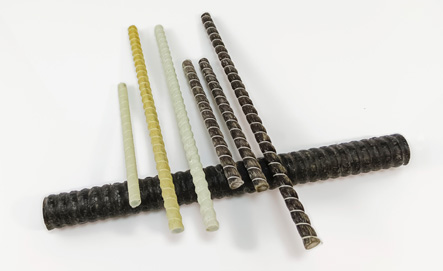
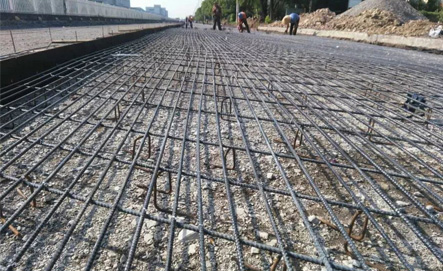
Complementary basalt fiber materials that work alongside our foundation rebar to deliver complete corrosion protection and structural reinforcement systems for chemical facilities.
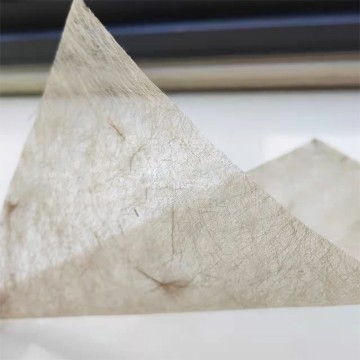
Basalt Fiber Surfacing Tissue Mat is a non woven thin sheet engineered to provide a smooth resin rich surface layer for fiber reinforced plastic structures in chemical environments...
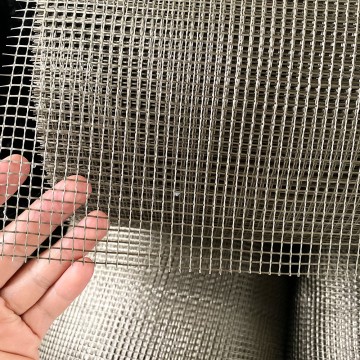
Our high performance Basalt Fiber Mesh provides a superior reinforcement solution for concrete and plaster applications where high alkali resistance is critical...
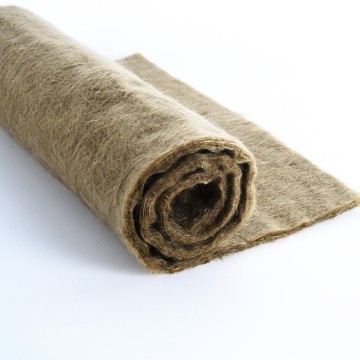
Our Basalt Fiber Needled Mat is a high density insulation material manufactured by mechanically bonding continuous basalt fibers without any chemical binders...
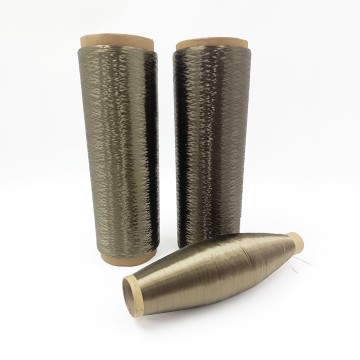
Our Basalt Fiber Twisted Yarn is engineered by twisting multiple continuous filaments to enhance mechanical strength and processing stability for chemical industry applications...
From chemical pipelines and storage tanks to aerospace and marine engineering, our basalt fiber products deliver unmatched performance across the world's most demanding industrial sectors.
 Building Construction
01
 Aviation
02
 Aerospace
03
 Concrete
04
 Automotive
05
 Bridge Pier Protection
06
 Petrochemicals
07
 Ship & Marine Engineering
08
Our basalt products have diverse applications in the field of house construction, providing durable and corrosion-resistant reinforcement for foundations, walls, and structural elements.
In the aerospace field, basalt fibers are ideal for manufacturing aircraft wings and engine components, offering an exceptional strength-to-weight ratio.
Through fine process control and surface treatment technologies, basalt fibers are used in spacecraft shell materials, thermal protection systems, and high-temperature-resistant engine components.
Basalt-added concrete offers increased strength and durability, increased crack resistance, improved chemical resistance and improved workability for demanding engineering projects.
Facing the trend of lightweight automobile materials, basalt fiber composites deliver wide application in the automobile field, meeting modern performance and sustainability demands.
Basalt's high strength, durability and protective properties make it ideal for protecting bridge abutment structures from vehicle collisions, fire, corrosion and the natural environment.
The corrosion resistance of basalt fiber gives it a unique advantage in the petrochemical field, particularly for chemical pipeline foundations and storage tank reinforcement.
Basalt fiber as a high-performance fiber, made of composite materials with lightweight, high strength, corrosion resistance, acid and alkali resistance for marine applications.
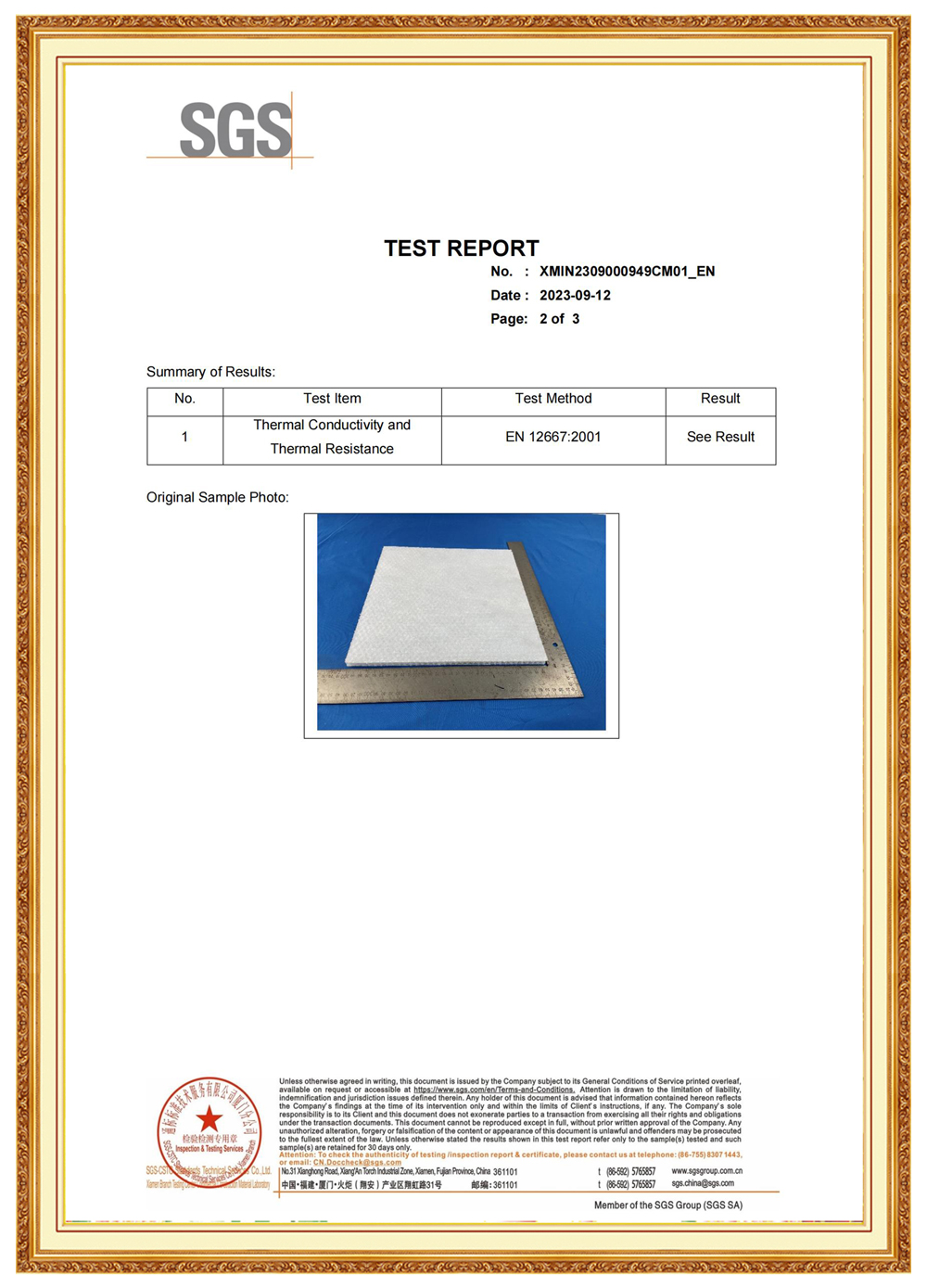
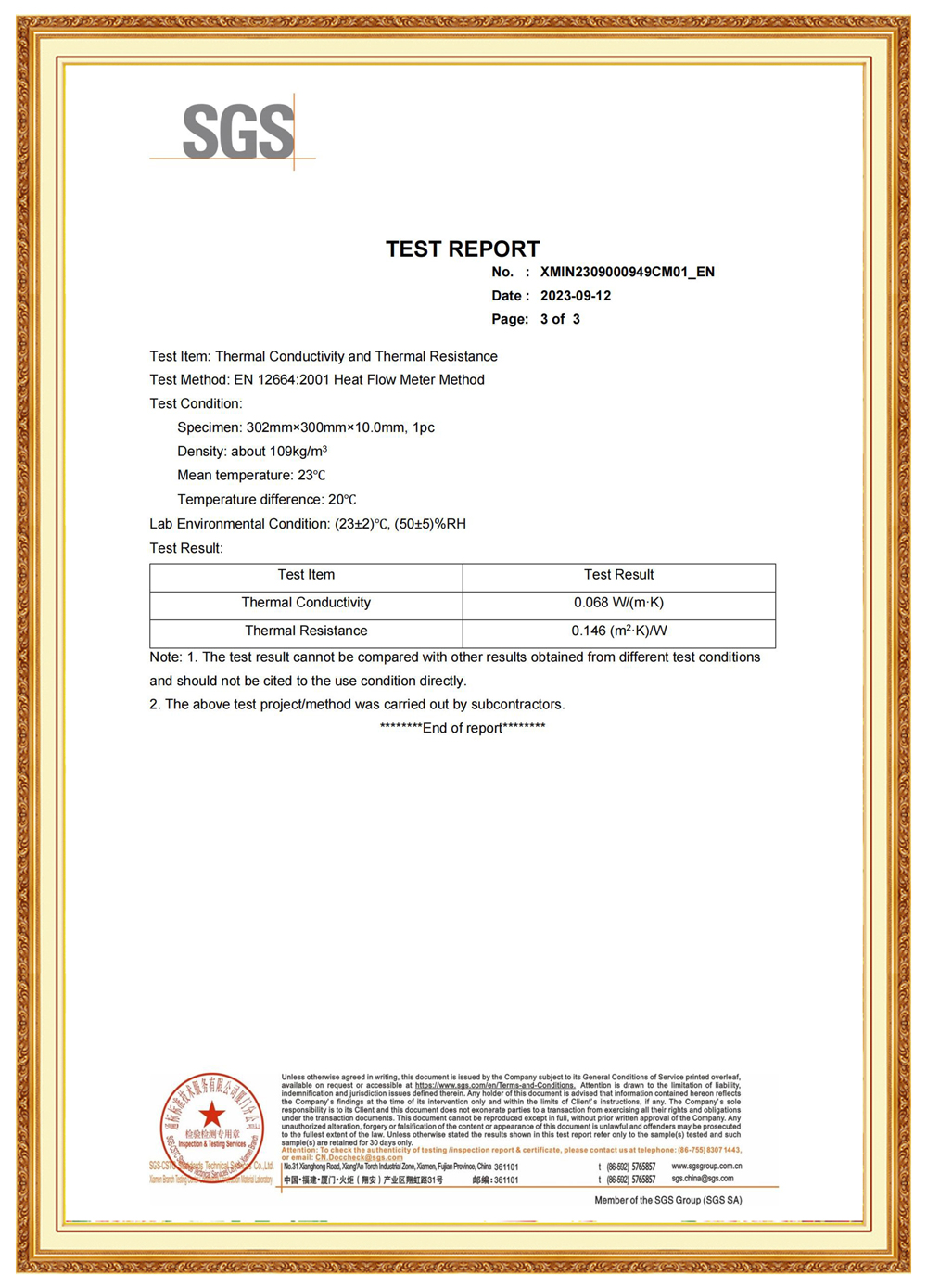
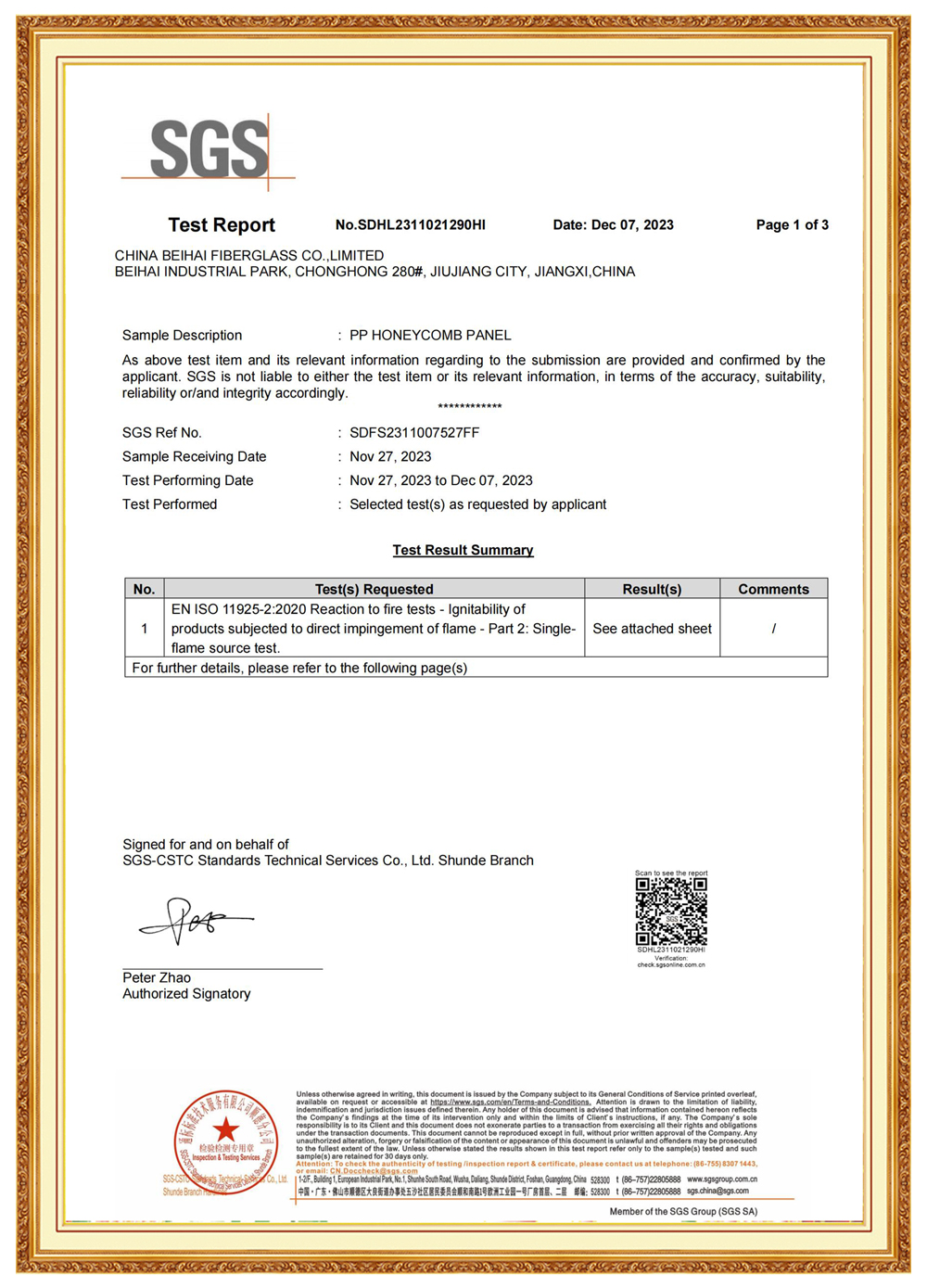
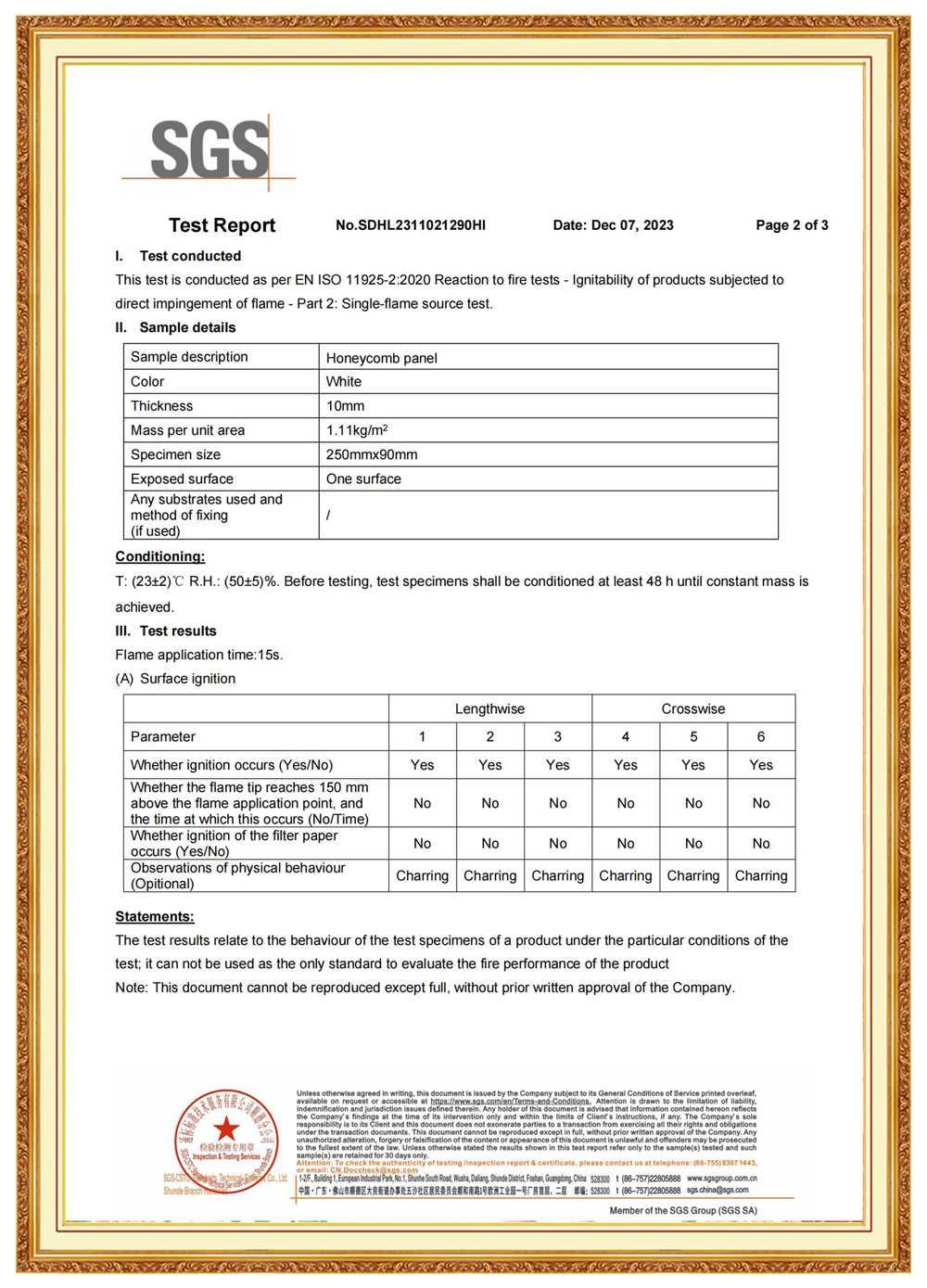
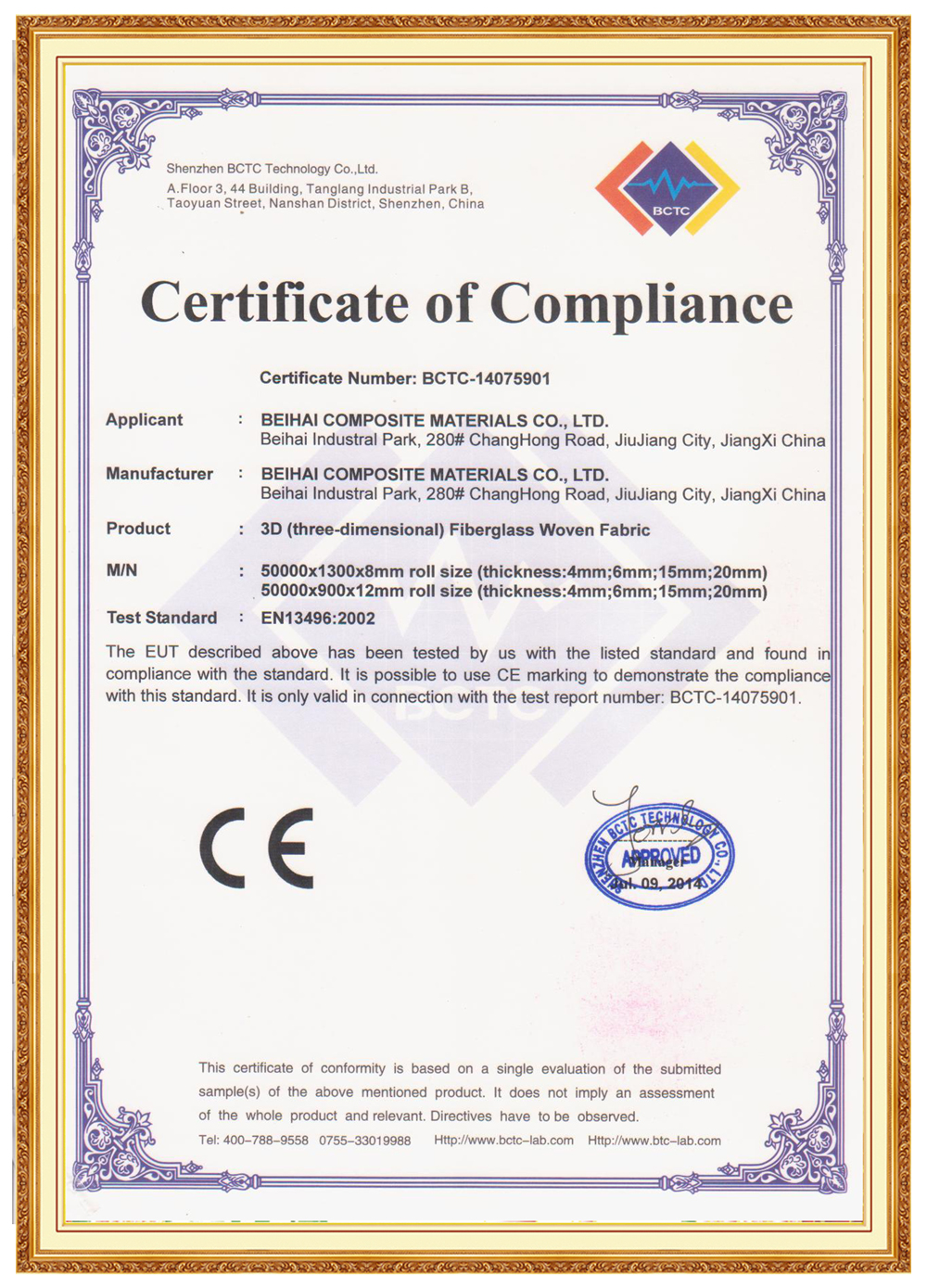
China Beihai's basalt fiber rebar products are backed by comprehensive international quality certifications, ensuring compliance with the most stringent standards for chemical industry infrastructure applications.
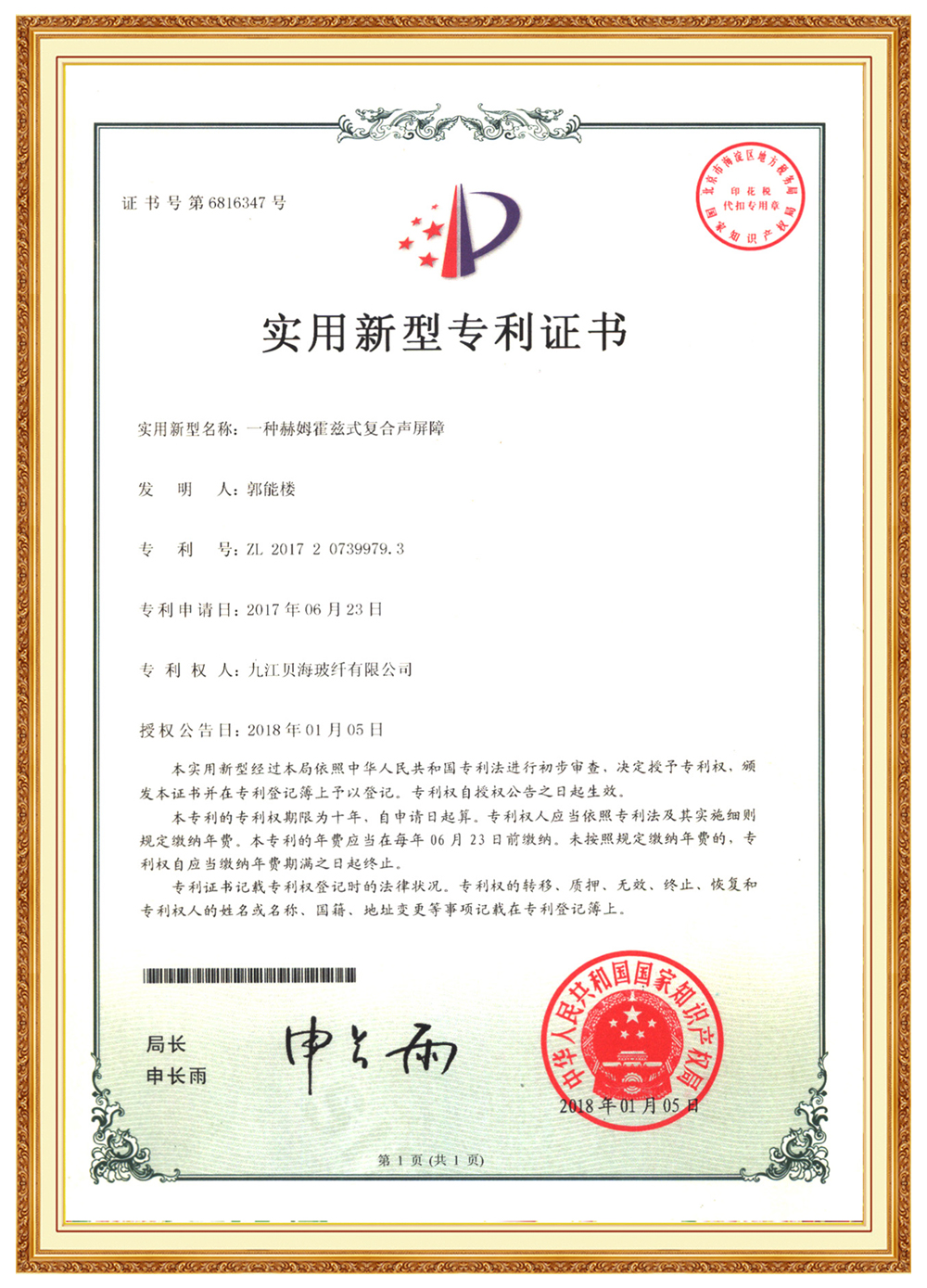
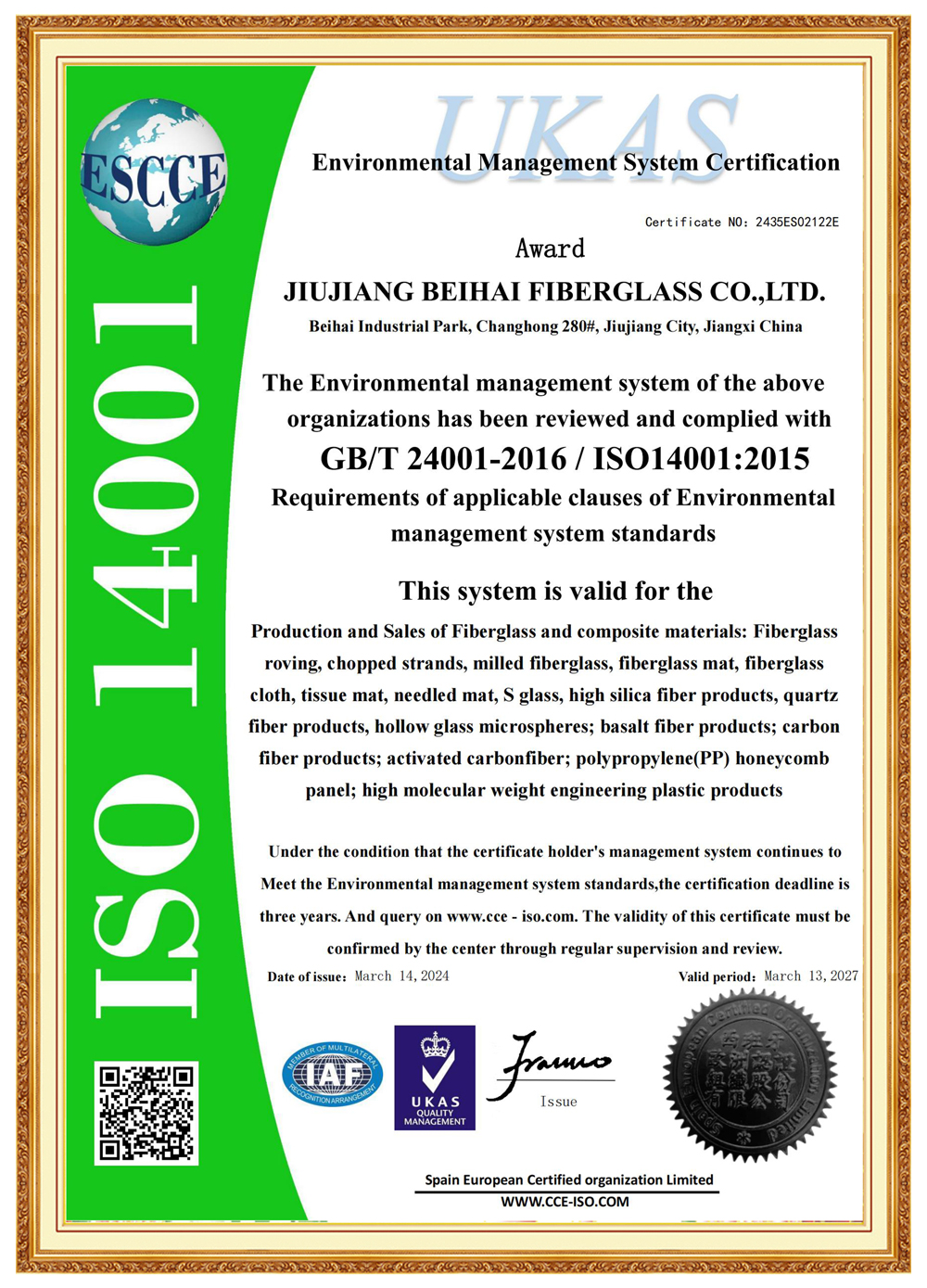

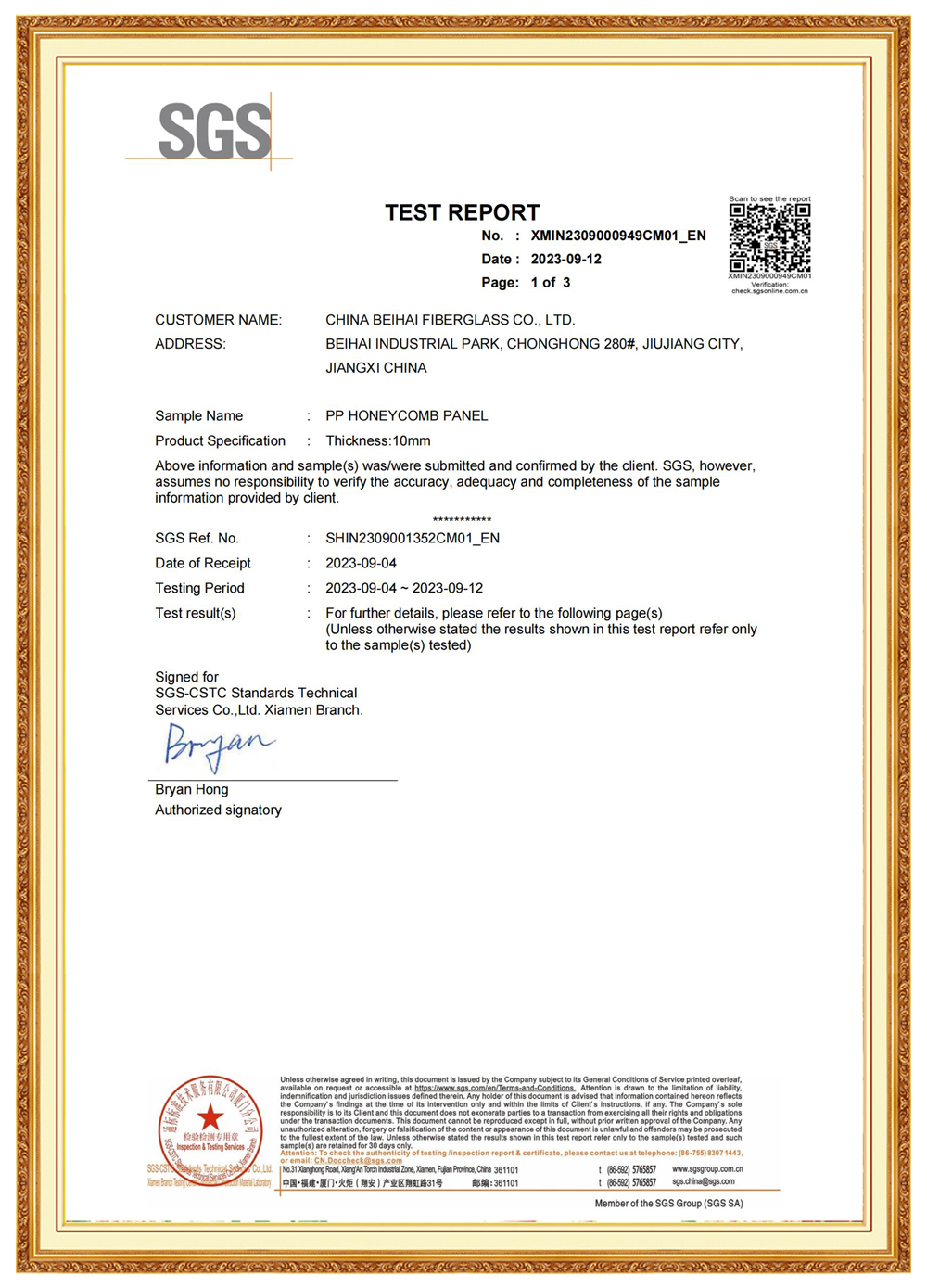

As drones slice through the sky to monitor wildfires, and intelligent robots execute repetitive tasks with precision on the factory floor, the efficient operation of this smart equipment is often underpinned by a "hardcore support" that is easily overlooked: a novel material derived from volcanic rock — basalt fiber. Though unassuming in appearance, its unique properties have made it the key to unlocking the performance limits of drones and robots, quietly driving a materials revolution within the realm of intelligent equipment.
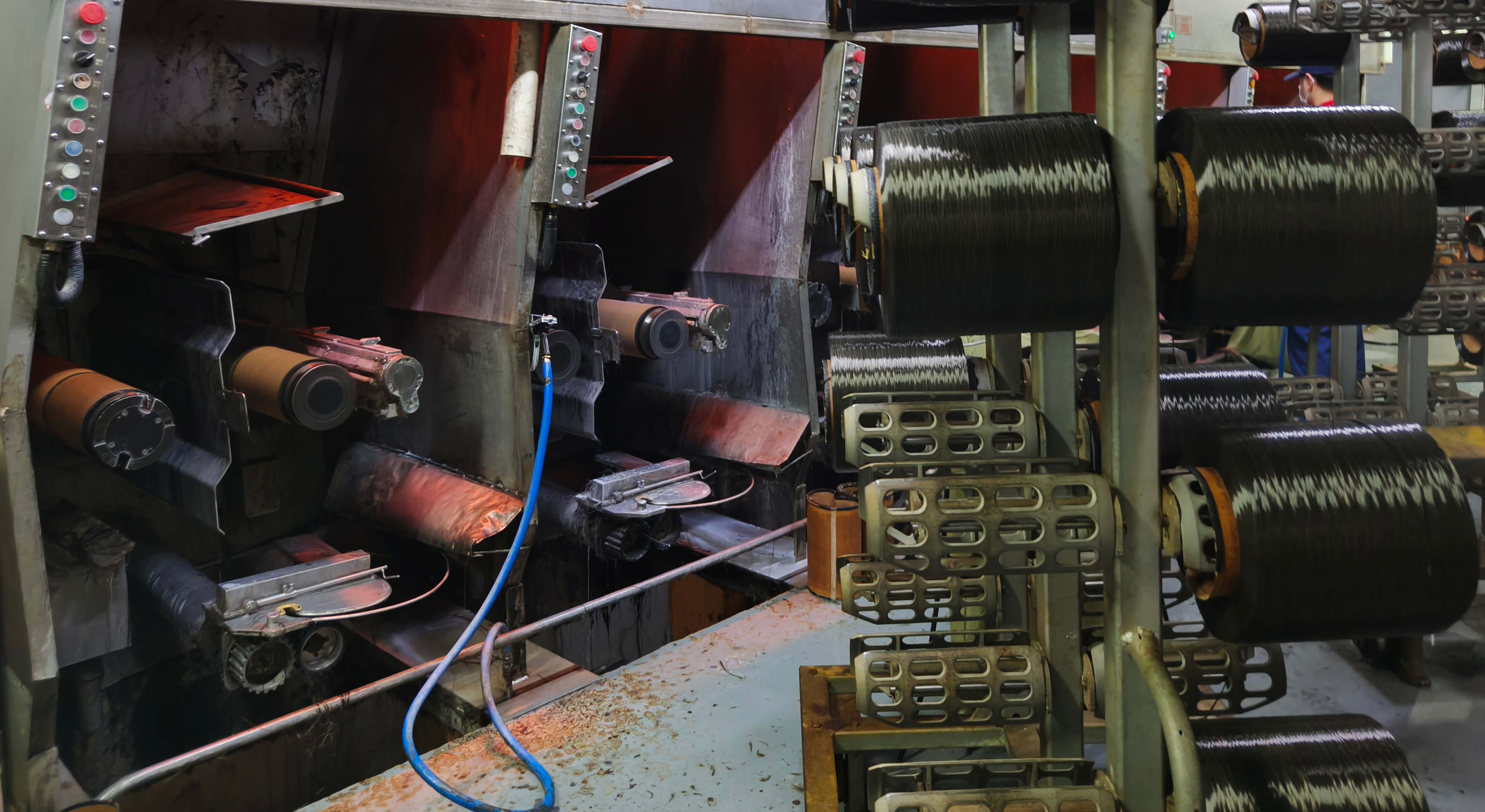
Basalt fiber is an inorganic fibrous material produced by drawing strands from natural basalt ore after it has been melted at high temperatures. It has garnered widespread attention for its exceptional physicochemical properties — particularly its performance in high-temperature environments.

Recently, with the successful realization of major applications — such as the Chang'e-6 lunar exploration mission and the world's first deep-sea basalt fiber aquaculture platform — basalt fiber israpidly accelerating its transformation from a laboratory research outcome into a strategic new material with tangible industrial productivity.
Browse our comprehensive range of high-performance basalt fiber rebar products engineered specifically for chemical industry foundation reinforcement applications.

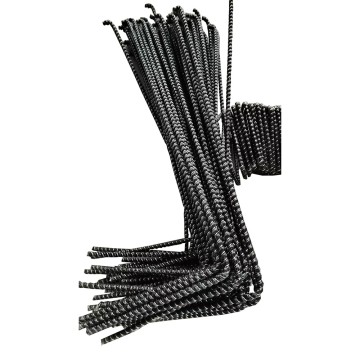

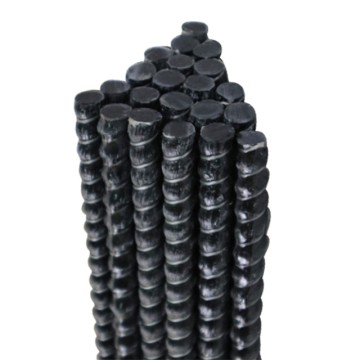
Partner with China Beihai — the leading manufacturer of high-performance basalt fiber rebar solutions engineered for the most demanding chemical industry environments. Request a technical consultation or product samples today.
Contact Us Now