

Leave Your Message
High-performance basalt fiber solutions engineered for concrete construction & infrastructure projects
The global FRP (Fiber Reinforced Polymer) concrete reinforcement market is undergoing a structural transformation. Driven by aging infrastructure, tightening sustainability regulations, and the demand for longer-lifecycle structures, basalt FRP has emerged as the material of choice for engineers worldwide.
The FRP concrete reinforcement sector has transitioned from a niche specialty product to a mainstream construction material over the past decade. Major civil engineering contractors across North America, Europe, the Middle East, and Asia-Pacific are now specifying basalt FRP rebar and chopped strands as standard components in bridge decks, marine structures, tunnels, and high-rise foundations. Government-backed infrastructure renewal programs — including the U.S. Infrastructure Investment Act, the EU Green Deal construction directives, and China's Belt & Road Initiative — have collectively injected hundreds of billions into projects where corrosion-resistant, lightweight FRP concrete systems deliver measurable lifecycle cost advantages over conventional steel-reinforced concrete.
From a manufacturing perspective, the basalt fiber industry is scaling rapidly. Continuous advances in melt-spinning technology, resin matrix compatibility, and surface treatment chemistry have dramatically improved the bond strength between basalt FRP and Portland cement matrices. Leading producers like China Beihai are investing in automated production lines capable of delivering consistent filament diameters below 13 microns, enabling tensile strengths exceeding 4,800 MPa. Simultaneously, the industry is moving toward hybrid FRP systems — combining basalt chopped strands with 3D mesh architectures — to address multi-directional stress demands in complex infrastructure geometries. Digital twin modeling and AI-assisted structural analysis tools are further accelerating the adoption of FRP concrete in mission-critical applications.
Basalt Fiber Reinforced Polymer concrete combines the compressive strength of concrete with the exceptional tensile, chemical, and thermal properties of basalt fiber — creating a composite system that redefines structural performance benchmarks.
Basalt FRP reinforcement delivers tensile strength of 1,000–4,800 MPa — up to 3× that of conventional steel — enabling thinner structural sections, reduced dead load, and more efficient material usage in large-span infrastructure.
Unlike steel, basalt FRP is completely immune to chloride-induced corrosion, sulfate attack, and alkali-silica reactions. This eliminates the primary cause of concrete spalling in coastal, marine, and de-iced road structures, dramatically extending service life.
At just 1/4 the weight of steel, basalt FRP rebar and mesh significantly reduce transportation costs, crane requirements, and on-site labor. This makes it particularly advantageous for remote infrastructure projects and seismic retrofitting applications.
Basalt fiber retains its mechanical properties across a temperature range of -260°C to +700°C, making FRP concrete systems viable for tunnel linings, industrial flooring, and structures exposed to extreme thermal cycling.
Non-conductive and non-magnetic basalt FRP rebar enables construction of MRI facilities, radar stations, electromagnetic compatibility (EMC) labs, and smart infrastructure with embedded sensor networks — without signal interference.
Produced from natural volcanic basalt rock with no chemical additives, basalt FRP has a significantly lower carbon footprint than steel or carbon fiber. It contributes to LEED certification and green building compliance across global sustainability frameworks.
From urban megaprojects to remote critical infrastructure, basalt FRP concrete solutions are deployed across an expanding spectrum of demanding engineering environments.
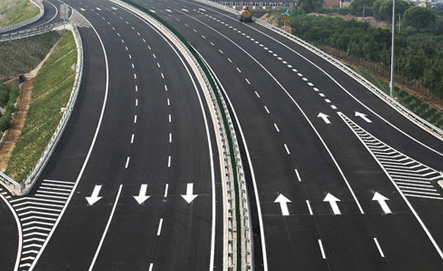
Basalt FRP rebar is the premier choice for bridge deck reinforcement in de-icing salt environments. Projects across Canada, Scandinavia, and coastal China have demonstrated 50+ year service life with zero corrosion maintenance costs. The combination of BFRP rebar grids and chopped strand-reinforced concrete overlays provides both structural integrity and crack-resistant wearing surfaces for high-traffic arterial roads and flyovers.
In metro tunnels, utility corridors, and underground parking structures, FRP concrete offers critical advantages: no electromagnetic interference with rail signaling systems, resistance to groundwater sulfate attack, and compatibility with TBM (Tunnel Boring Machine) cutting heads. Basalt fiber chopped strands added to shotcrete mixes improve post-crack toughness and reduce rebound waste by up to 15% compared to steel fiber alternatives.
Modern high-rise construction increasingly specifies basalt FRP mesh for facade panel reinforcement, exterior wall systems, and balcony slabs where thin-section concrete elements face combined thermal, mechanical, and weathering stresses. The 3D basalt fiber mesh architecture provides isotropic reinforcement in precast concrete panels, eliminating the need for traditional welded wire fabric and reducing overall panel weight by up to 20%.
Seawater jetties, harbor walls, offshore platform foundations, and tidal energy structures represent the most demanding corrosion environments on earth. Basalt FRP concrete has been validated in multiple international marine construction standards, delivering complete chloride impermeability and eliminating the catastrophic delamination failures that plague steel-reinforced marine concrete. China Beihai's basalt fiber products have contributed to the world's first deep-sea basalt fiber aquaculture platform.
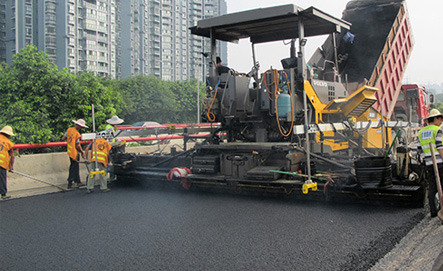
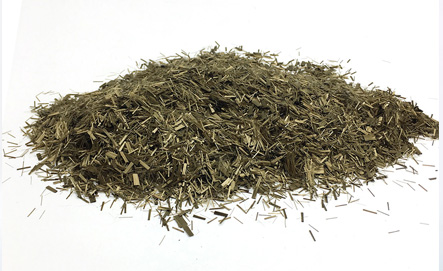
Basalt fiber chopped strands dispersed uniformly throughout concrete pavement mixes provide three-dimensional crack arrest, improving flexural strength by 25–40% and dramatically reducing reflective cracking in overlay applications. Airport runways and taxiways reinforced with basalt FRP systems have demonstrated extended maintenance intervals, critical for minimizing operational disruptions at major aviation hubs.
Reservoirs, wastewater treatment tanks, irrigation channels, and dam facing panels all benefit from basalt FRP's exceptional resistance to wet-dry cycling, chemical attack from treatment reagents, and biological fouling. The non-magnetic properties of BFRP rebar are also essential in water treatment facilities where electromagnetic interference could disrupt flow metering and process control instrumentation.
Wind turbine foundations, solar farm ground mounting structures, nuclear containment buildings, and electrical substation slabs all require reinforcement materials that combine structural performance with specific electromagnetic or thermal characteristics. Basalt FRP concrete satisfies these multi-parameter requirements simultaneously, making it the engineering material of choice for next-generation clean energy infrastructure globally.
MRI suites, cyclotron vaults, and electromagnetic shielding rooms require concrete structures with zero ferromagnetic content. Basalt FRP rebar — being completely non-magnetic and non-conductive — is the only reinforcement solution that satisfies both structural load requirements and the strict electromagnetic transparency specifications of advanced medical imaging and scientific research infrastructure.
The basalt FRP concrete sector is evolving rapidly, driven by innovation in materials science, digital construction, and global sustainability mandates.
Machine learning algorithms are being deployed to optimize basalt fiber dosage, aspect ratio, and orientation within concrete matrices, achieving targeted mechanical performance with minimum material consumption. Digital twin simulations validate FRP concrete performance before physical trials.
Additive manufacturing with basalt fiber-reinforced concrete mixes is enabling the fabrication of geometrically complex structural elements impossible with conventional formwork. Research programs in Europe and China are producing load-bearing 3D-printed BFRP concrete components for pedestrian bridges and architectural facades.
Basalt FRP rebar serves as an ideal host for embedded fiber optic sensors, enabling real-time structural health monitoring of bridges, tunnels, and high-rise buildings. The non-conductive nature of BFRP eliminates signal interference, making it the preferred platform for next-generation smart infrastructure systems.
Evolving international building codes — including ISO, ASTM, and EN standards — are increasingly incorporating basalt FRP specifications. Carbon accounting frameworks now formally recognize the lifecycle CO₂ savings of replacing steel reinforcement with basalt FRP, accelerating specification uptake in green-certified projects.
Next-generation FRP concrete systems combine basalt chopped strands, continuous rebar, and 3D woven mesh within a single structural element, delivering optimized performance at each stress zone. These hybrid architectures are being standardized for seismic-resistant construction in high-risk geological zones.
Global basalt fiber production capacity is projected to exceed 500,000 tonnes annually by 2028, driven by new manufacturing facilities in China, Russia, and Eastern Europe. Economies of scale are bringing BFRP costs to parity with premium stainless steel reinforcement, removing the last significant barrier to mainstream adoption.
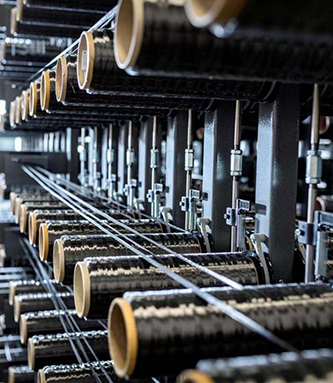
China Beihai is founded in 2015 and located in Jiujiang, Jiangxi Province. China Beihai is a high-tech enterprise focusing on the research, development, production and sales of high-performance basalt continuous fiber and its production equipment manufacturing, as well as a leading enterprise in the domestic basalt fiber industry.
Our commitment to innovation and sustainability has positioned us as a trusted global supplier of basalt FRP concrete reinforcement solutions, serving construction and infrastructure projects across more than 60 countries worldwide.
View More About Us
At China Beihai group, we specialize in the production of a wide range of products including basalt fiber mat (Basalt fiber chopped strand mat, Basalt fiber cloth), basalt fiber roving, basalt fiber yarn, basalt fiber chopped strands, and basalt fiber products (Basalt Fiber rebar, basalt fiber sleeves and tape). Our products are designed to meet the diverse needs of various industries, providing high-quality solutions for our customers.

At China Beihai group, we are dedicated to the production of a wide array of basalt-based products, ranging from basalt fiber mat, fabric, and roving to chopped strand and specialized construction materials. Our focus is on delivering high-quality, sustainable solutions for industries such as construction, geotechnical engineering, and manufacturing. With a commitment to innovation and excellence, we strive to cater to the unique requirements of our clients by offering a comprehensive selection of basalt-derived products.

Choosing to work with China Beihai means working with a leading manufacturer of basalt products. Our commitment to quality, innovation and sustainability sets us apart, ensuring our customers receive best-in-class solutions for their diverse needs. Reliability and customer satisfaction, we offer a wide range of high-quality basalt materials and construction products, backed by our dedication to excellence and industry expertise. When you partner with China Beihai, you can trust that you are working with a reliable and forward-thinking partner — a thought supplier for all your basalt product needs.
Basalt fiber is ideal for your engineering projects. Its high strength, corrosion resistance and lightweight properties allow it to easily solve a variety of challenges. In buildings, bridges, roads and other infrastructure projects, basalt fibers demonstrate outstanding performance, extending structural life and reducing maintenance costs. Choose basalt fiber, choose reliability and durability.
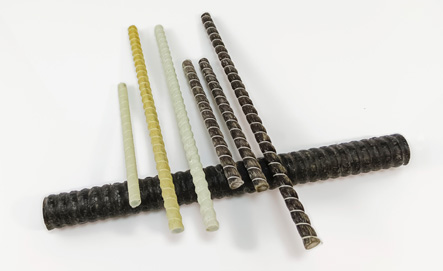
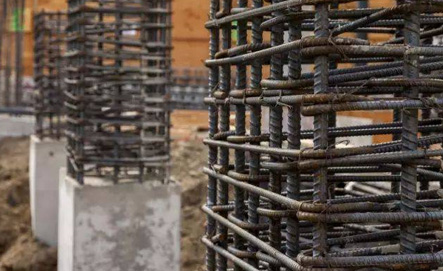
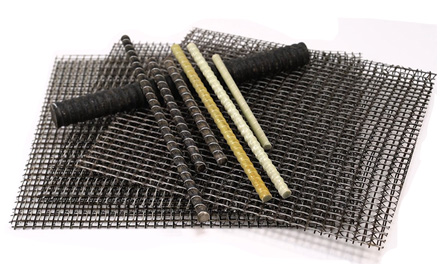
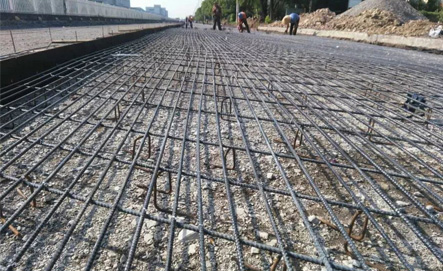
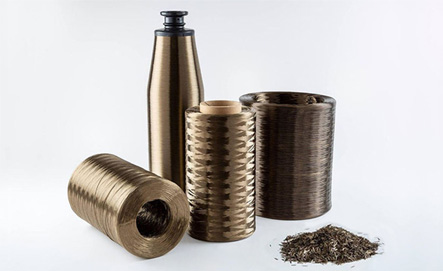
Continuous basalt fiber roving provides the foundational raw material for FRP pultrusion, filament winding, and weaving processes that produce structural reinforcement components for the construction and infrastructure sectors.
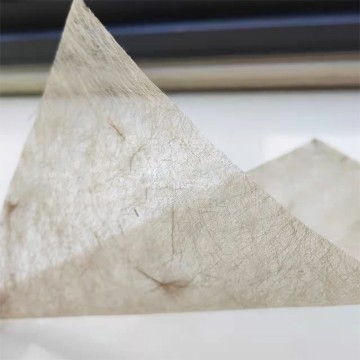
Basalt Fiber Surfacing Tissue Mat is a non-woven thin sheet engineered to provide a smooth resin-rich surface layer for fiber reinforced plastic applications in construction and infrastructure.
read more →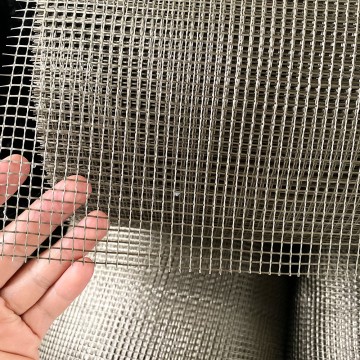
Our high-performance Basalt Fiber Mesh provides a superior reinforcement solution for concrete and plaster applications where high alkali resistance is critical for long-term structural integrity.
read more →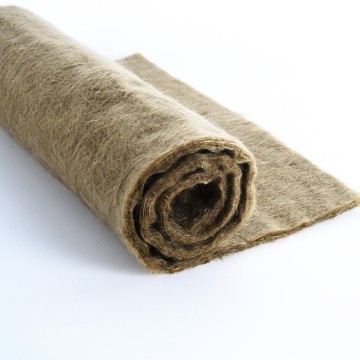
Our Basalt Fiber Needled Mat is a high-density insulation material manufactured by mechanically bonding continuous basalt fibers without any chemical binders, ideal for industrial and infrastructure thermal applications.
read more →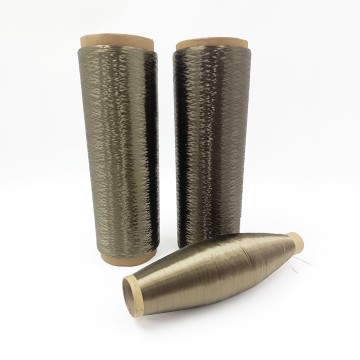
Our Basalt Fiber Twisted Yarn is engineered by twisting multiple continuous filaments to enhance mechanical strength and processing stability for demanding construction and industrial weaving applications.
read more →Basalt fiber is ideal for engineering projects across a wide spectrum of industrial and commercial sectors. Its high strength, corrosion resistance, and lightweight properties allow it to solve a variety of complex engineering challenges.

Our basalt FRP products have diverse applications in residential, commercial, and industrial building construction, enhancing structural longevity and reducing lifecycle maintenance costs.

In the aerospace field, basalt fibers are ideal for manufacturing aircraft wings, engine components, and structural panels where lightweight strength is paramount.

Through fine process control and surface treatment technologies, basalt fibers are used in spacecraft shell materials, thermal protection systems, and high-temperature-resistant engine components.

Basalt-added concrete offers increased strength and durability, enhanced crack resistance, improved chemical resistance, and superior workability for all major infrastructure project types.

Facing the trend of lightweight automobile materials, basalt fiber composites have realized wide application in the automotive field, delivering weight reduction without compromising structural performance.

Basalt's high strength, durability and protective properties make it ideal for protecting bridge abutment structures from vehicle collisions, fire, corrosion, and the natural environment.

The corrosion resistance of basalt fiber gives it a unique advantage in the petrochemical field, enabling long-service-life pipelines, storage tanks, and process equipment components.

Basalt fiber as a high-performance composite material — lightweight, high-strength, corrosion-resistant, and acid-alkali resistant — is ideal for ship hull panels and marine engineering structures.
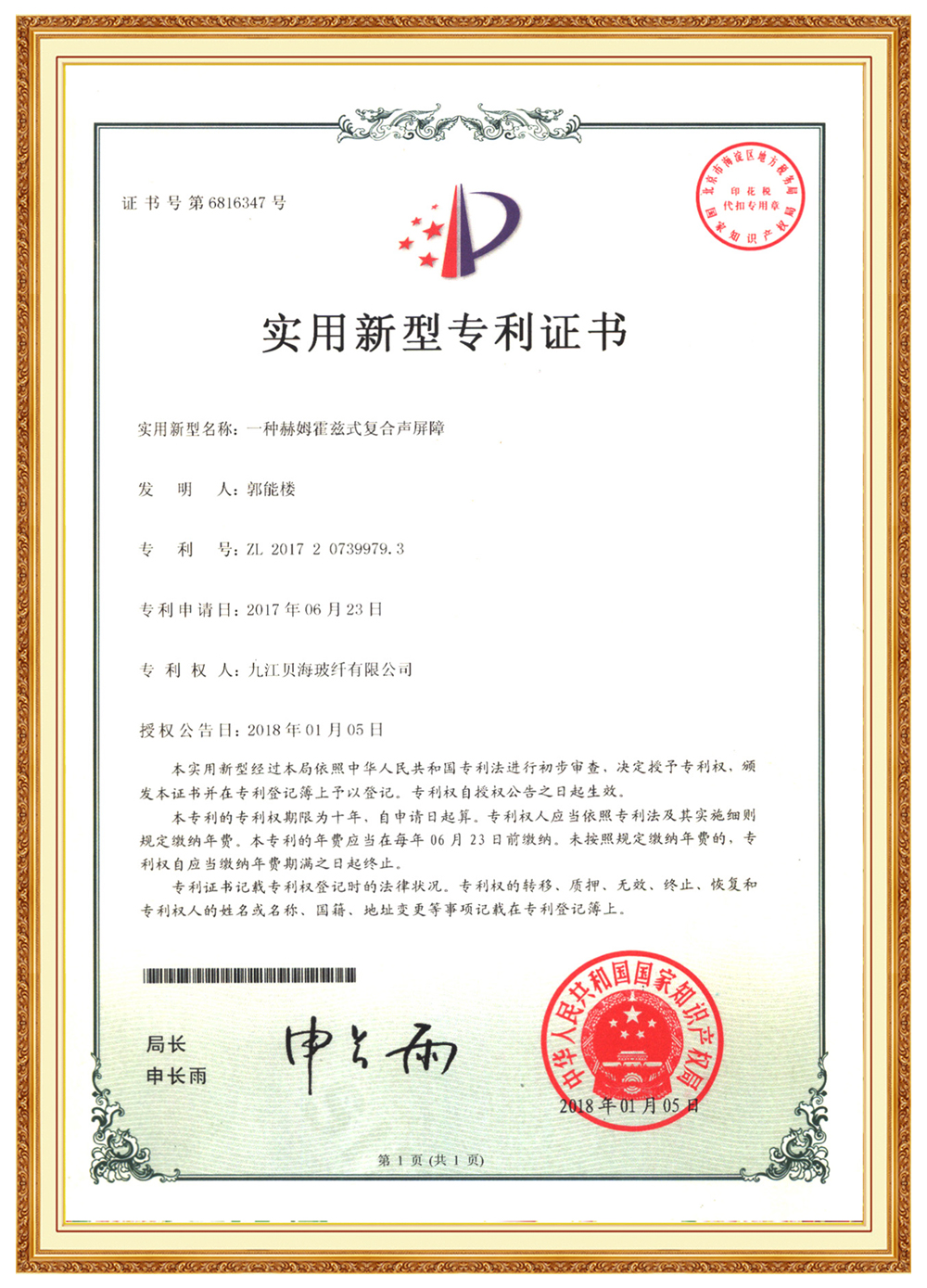
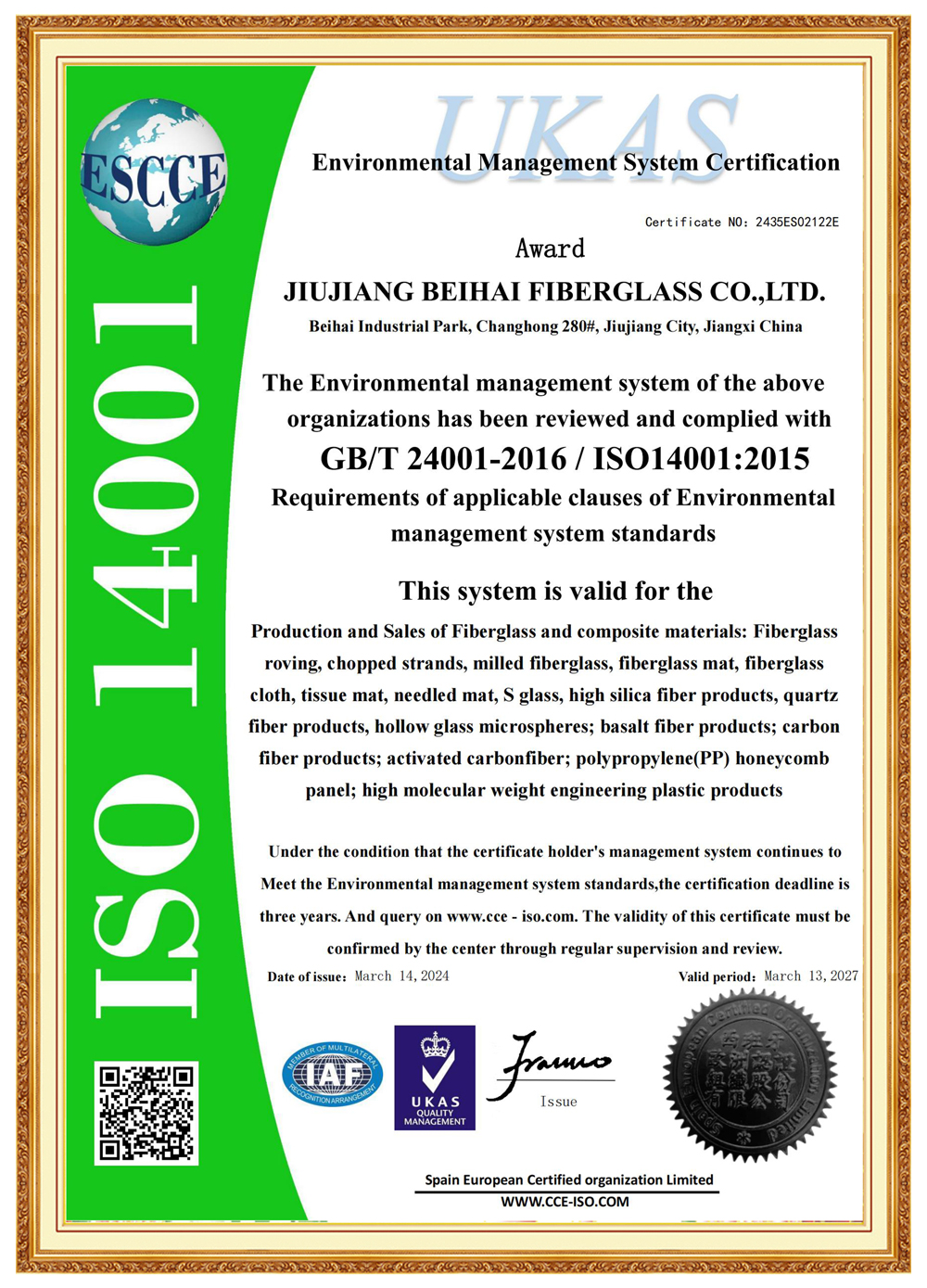
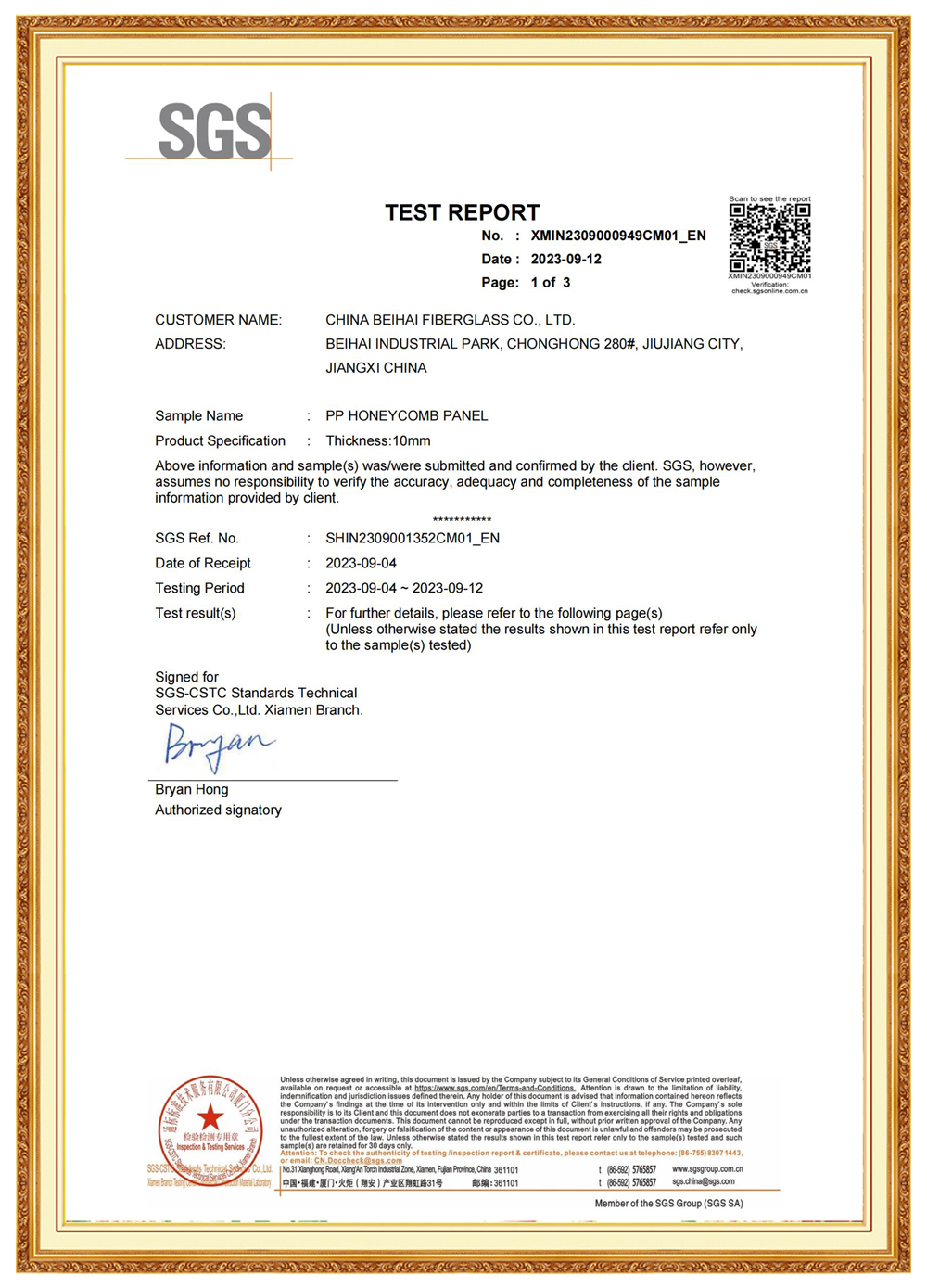
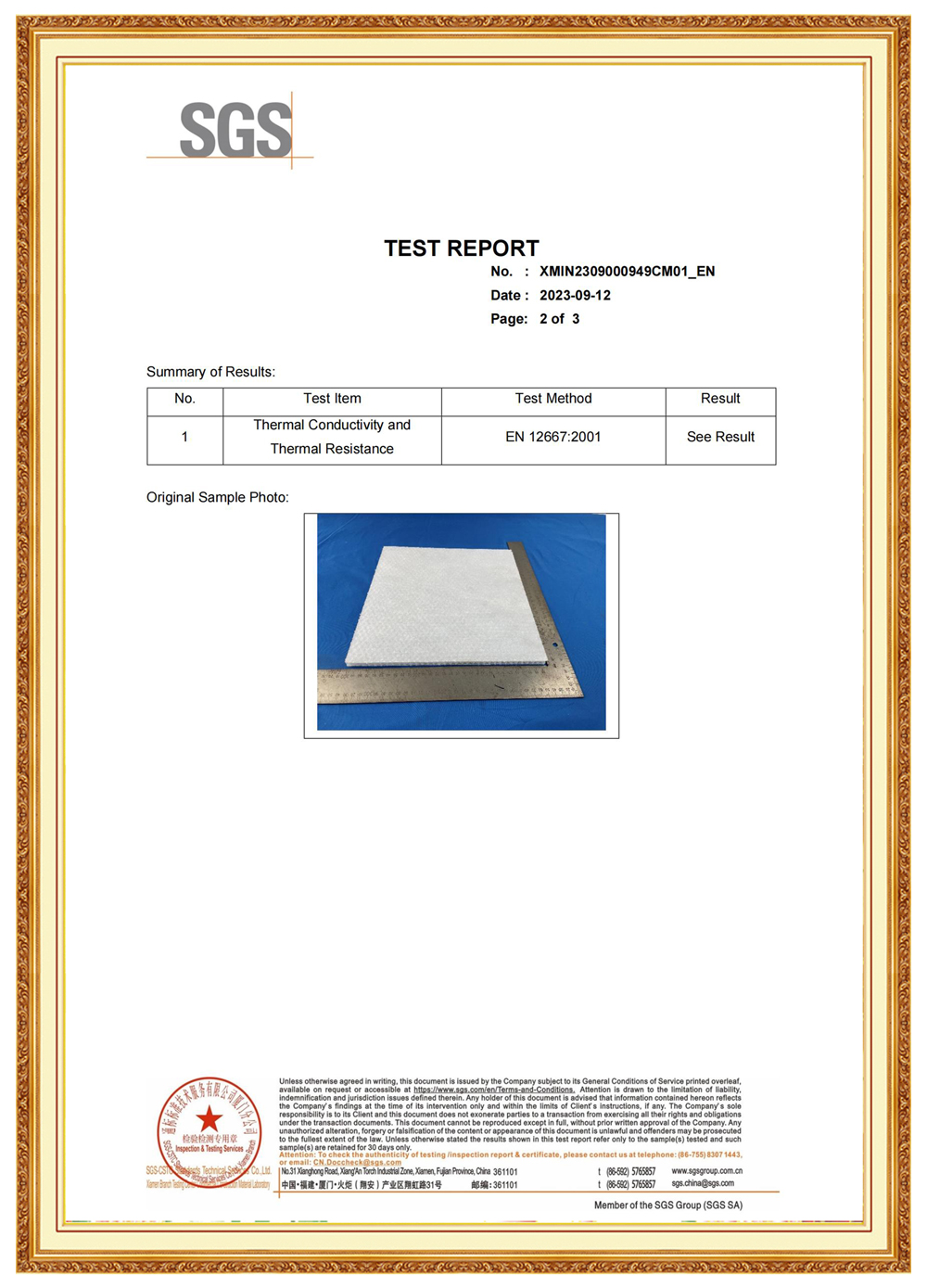
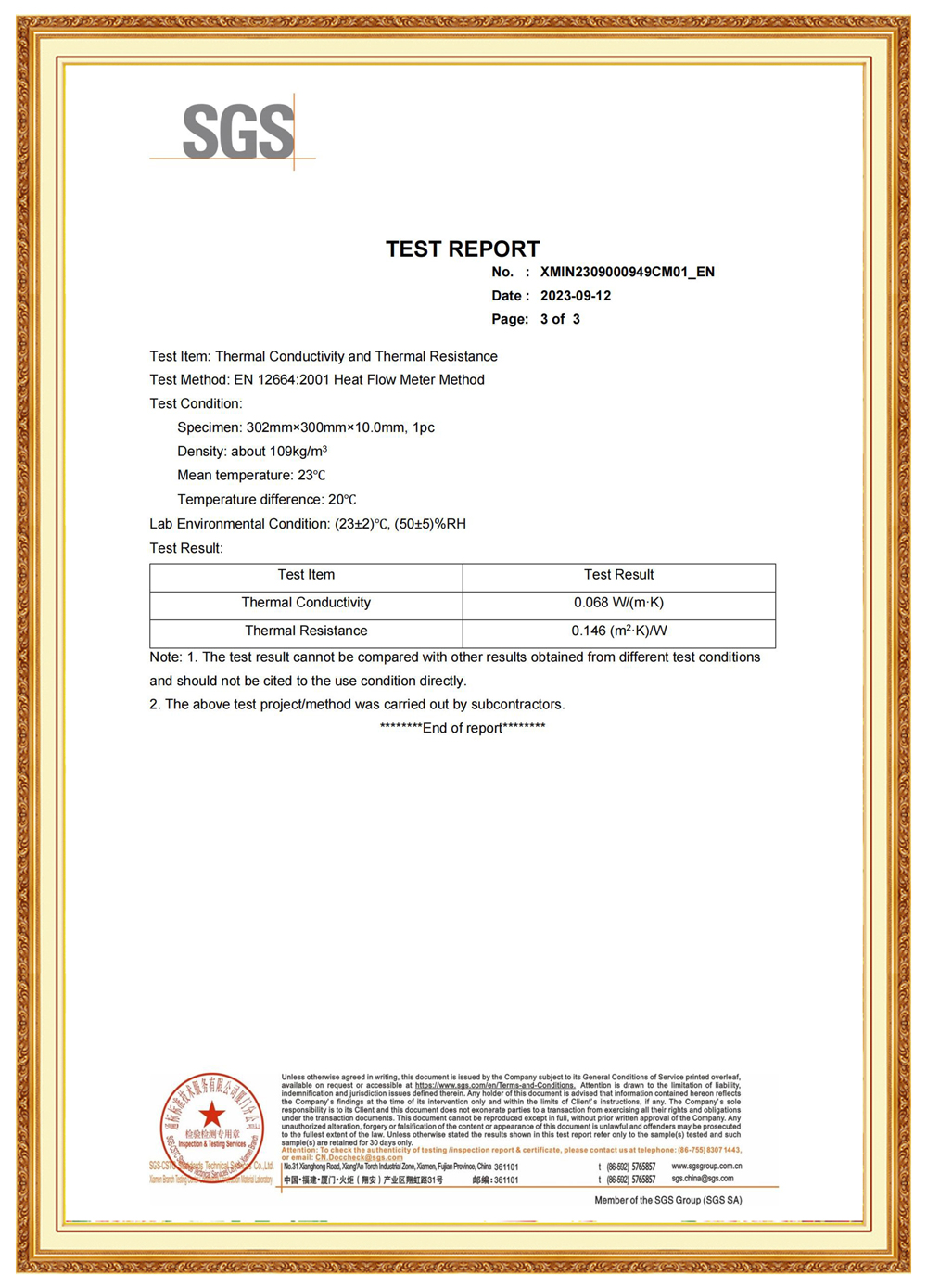
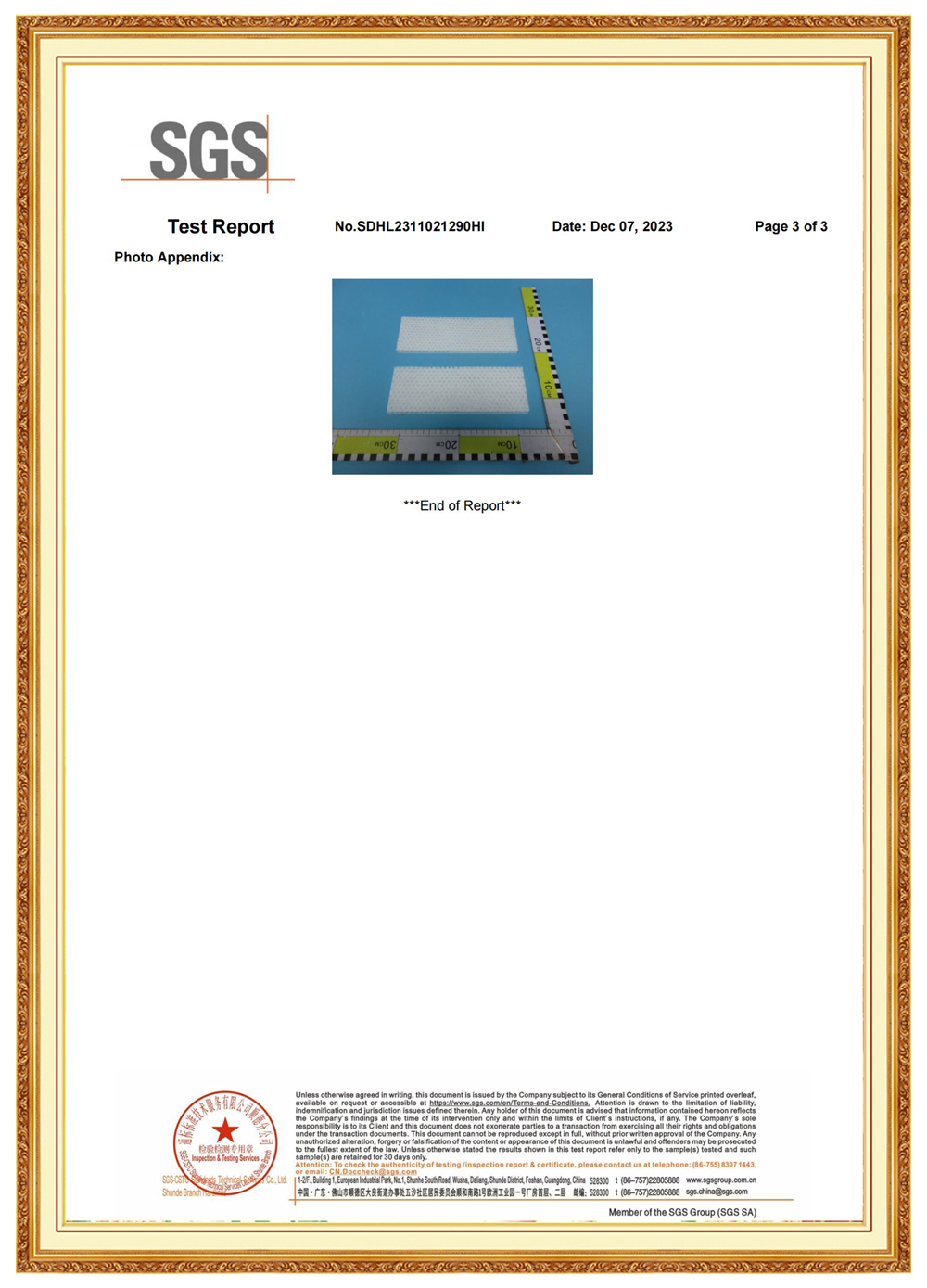
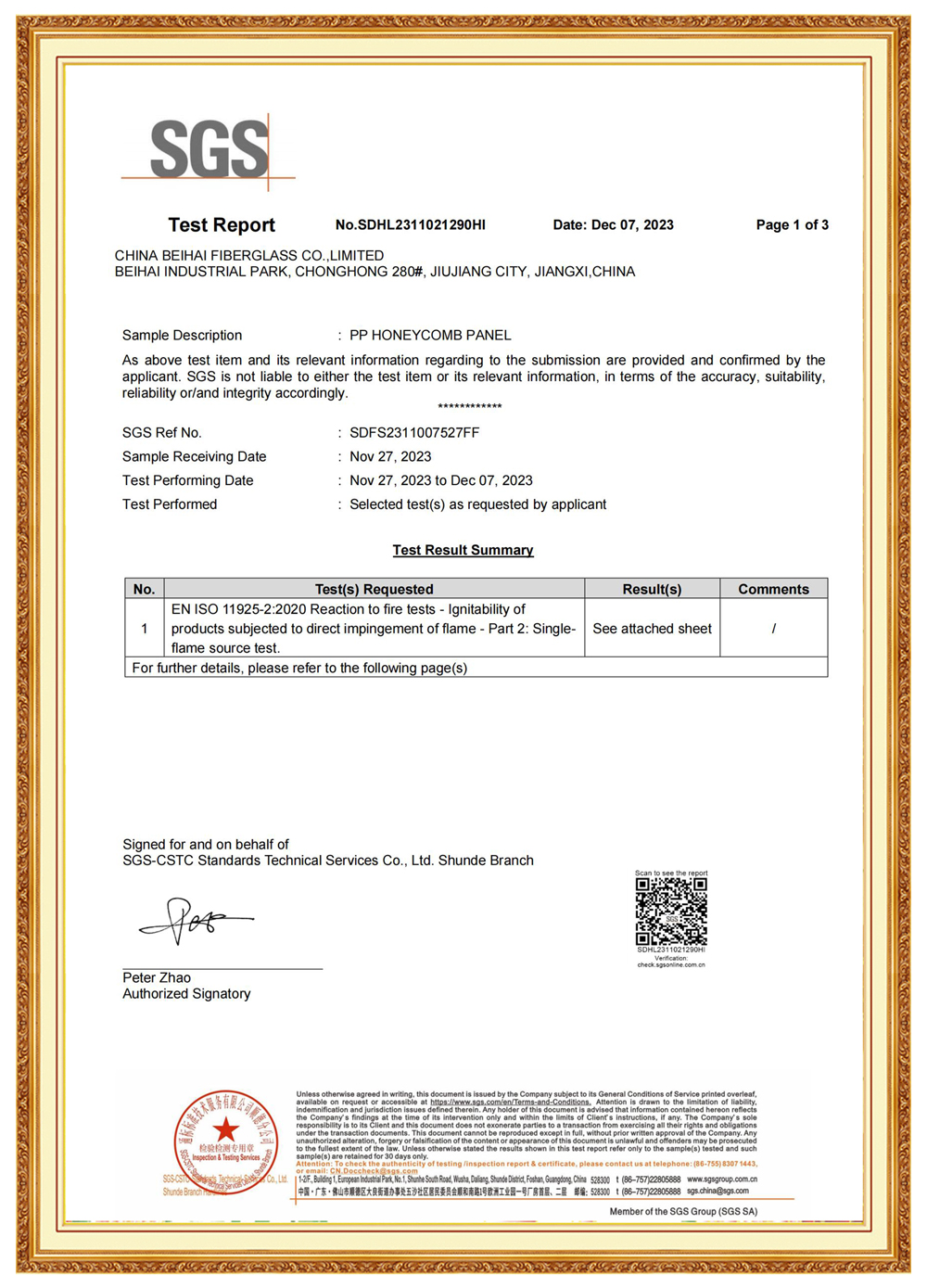
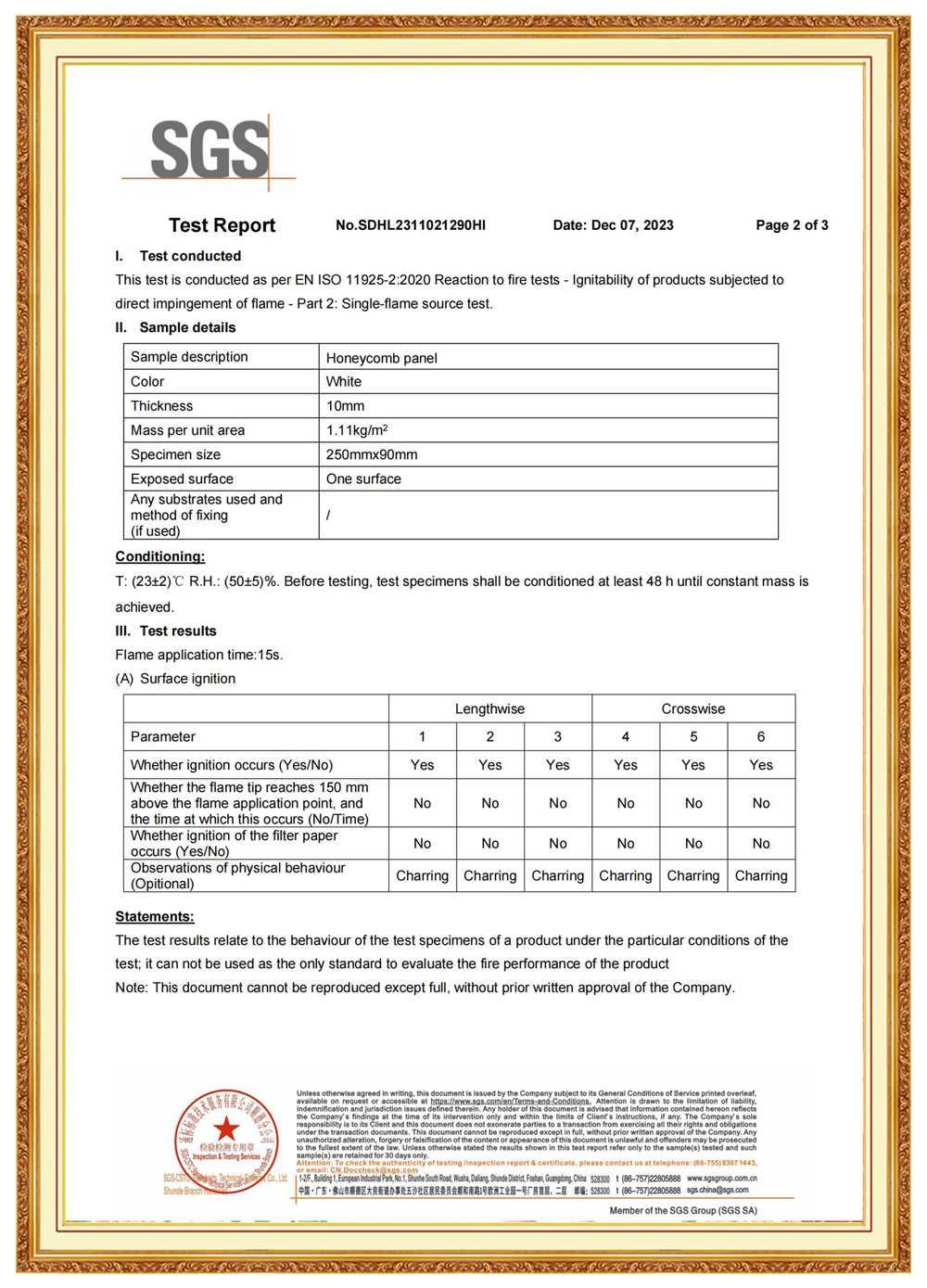
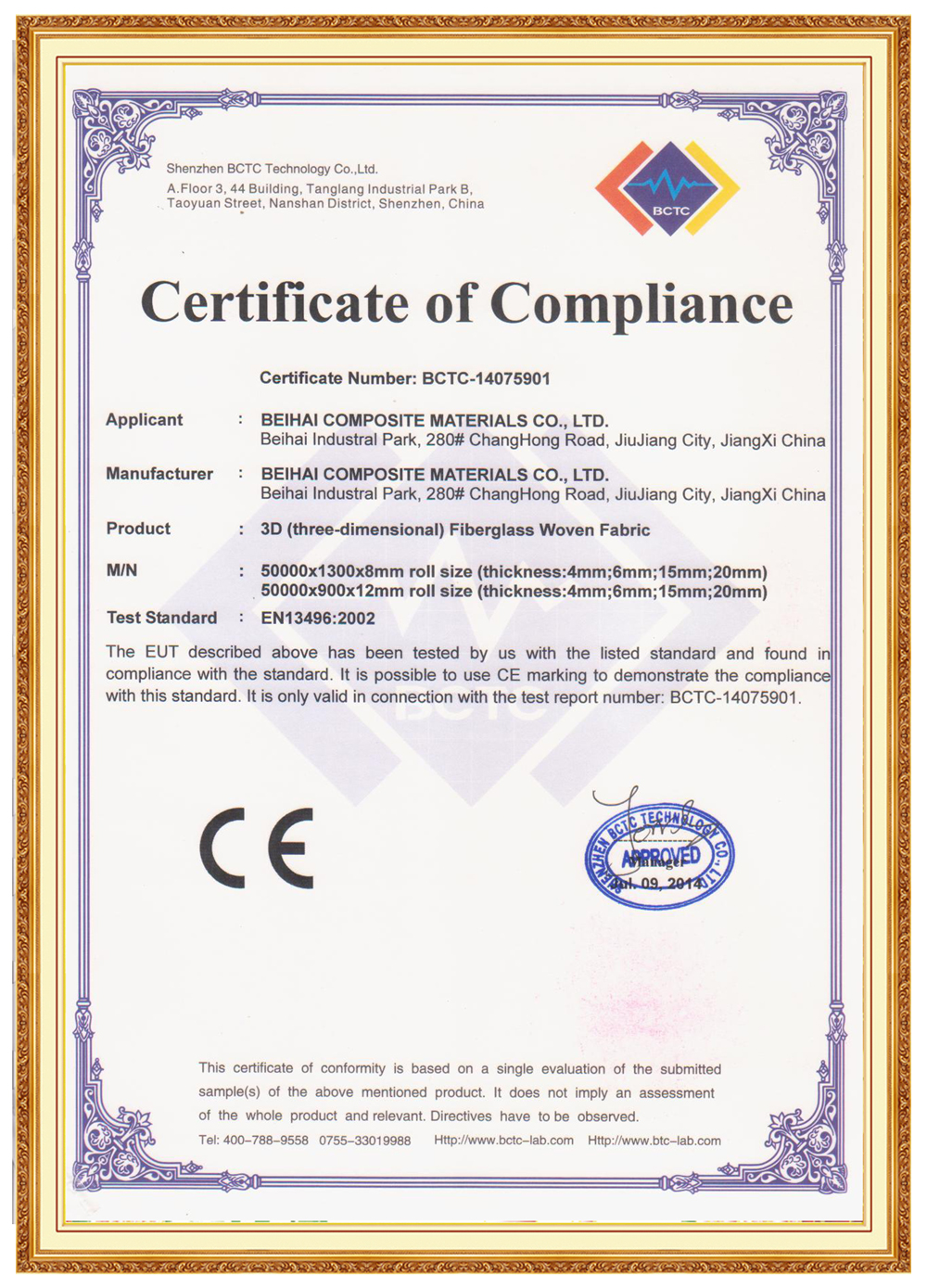
China Beihai's basalt FRP concrete products are backed by comprehensive international quality certifications, ensuring compliance with global construction and infrastructure standards.


As drones slice through the sky to monitor wildfires, and intelligent robots execute repetitive tasks with precision on the factory floor, the efficient operation of this smart equipment is often underpinned by a "hardcore support" that is easily overlooked: a novel material derived from volcanic rock — basalt fiber. Though unassuming in appearance, its unique properties have made it the key to unlocking the performance limits of drones and robots, quietly driving a materials revolution within the realm of intelligent equipment.
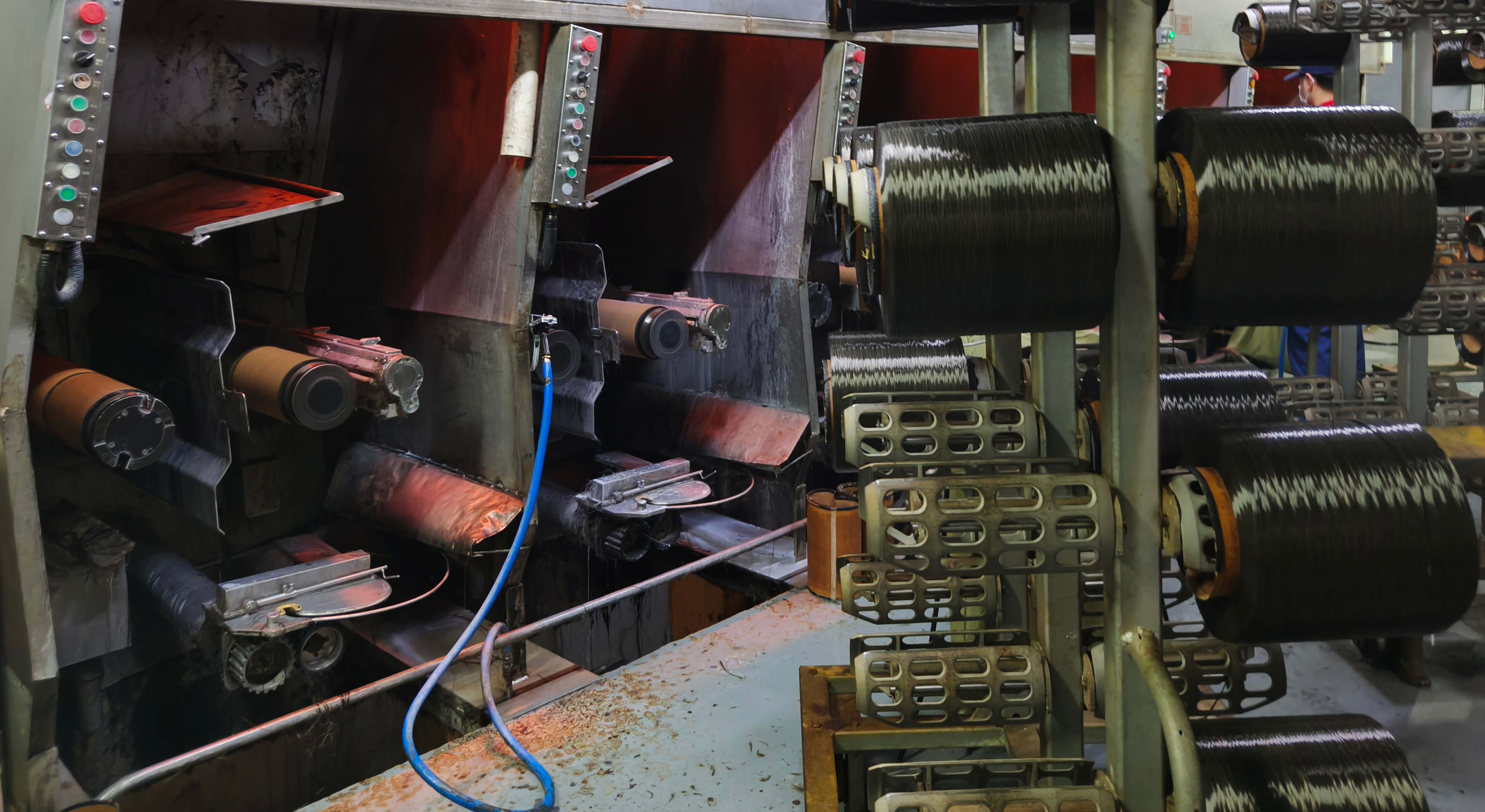
Basalt fiber is an inorganic fibrous material produced by drawing strands from natural basalt ore after it has been melted at high temperatures. It has garnered widespread attention for its exceptional physicochemical properties — particularly its performance in high-temperature environments.
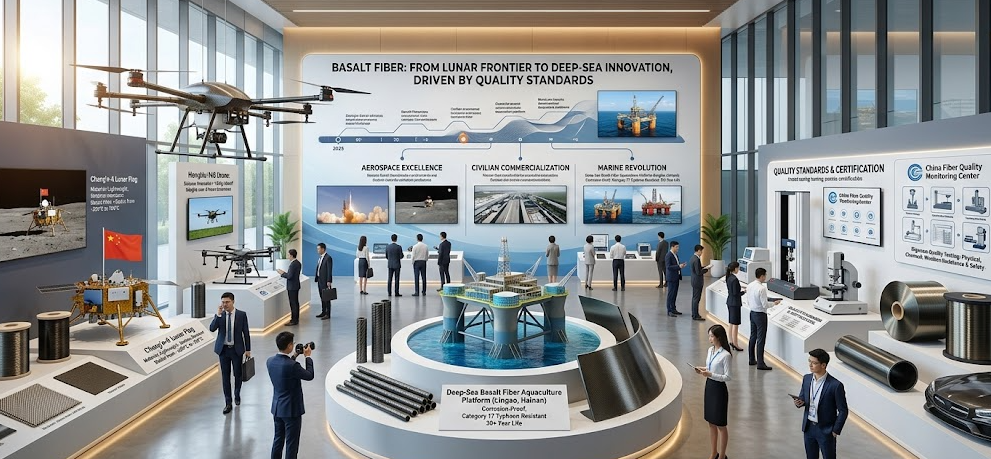
Recently, with the successful realization of major applications — such as the Chang'e-6 lunar exploration mission and the world's first deep-sea basalt fiber aquaculture platform — basalt fiber is rapidly accelerating its transformation from a laboratory research outcome into a strategic new material with tangible industrial productivity.
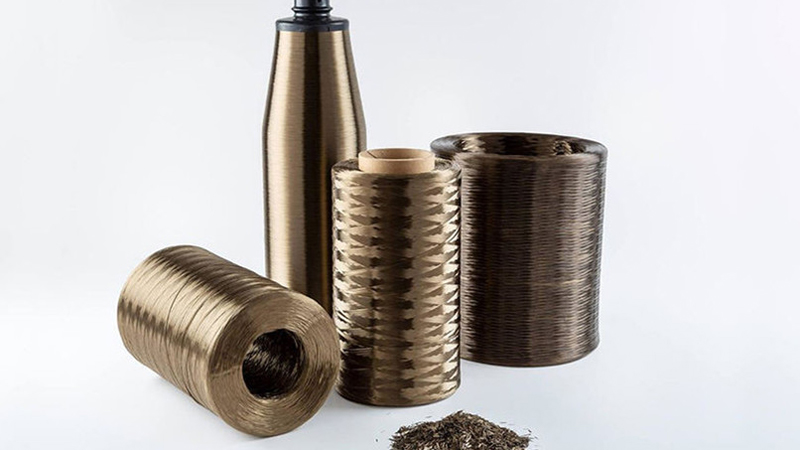
Basalt fiber continues to gain recognition as the sustainable, high-performance alternative to conventional construction reinforcement materials. Explore our latest research, project case studies, and product innovations.
Explore our full range of basalt fiber products engineered for construction, infrastructure reinforcement, and industrial applications worldwide.
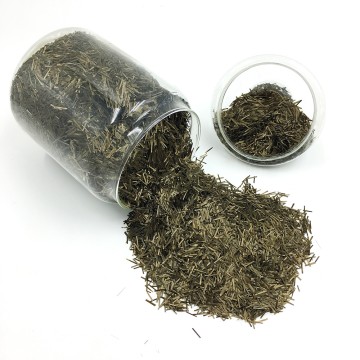 High-Tensile Basalt Fiber Chopped Strands for Concrete Reinforcement
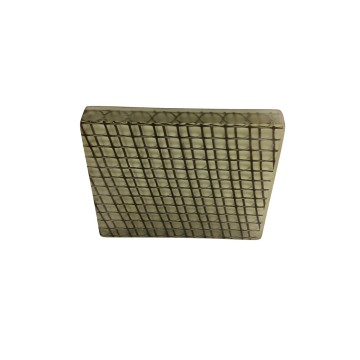 High Tensile Strength Reinforcement 3D Basalt Fiber Mesh for Concrete and Plastering
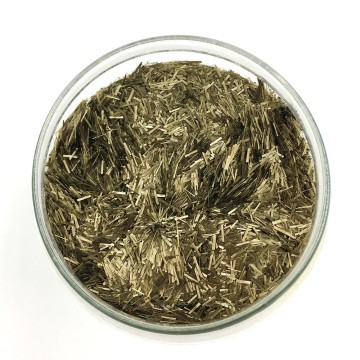 Factory Price Wholesale Concrete Basalt Fiber
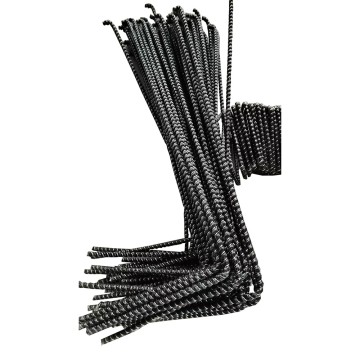 Non-Conductive & Non-Magnetic Basalt FRP Rebar | Electromagnetic Transparent Reinforcement
 Basalt Fiber Chopped Strands For Exterior Concrete Walls
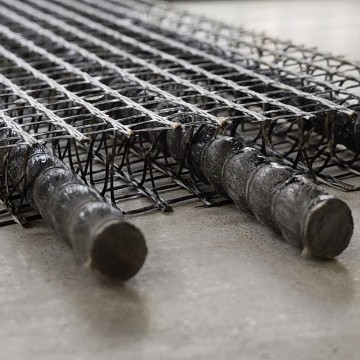 Heavy-Duty 3D Basalt Fiber Mesh for Concrete Reinforcement & Plaster Strengthening
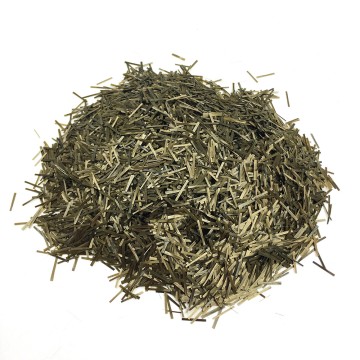 Wholesale High Tensile Strength Concrete Reinforcement Basalt Fiber Chopped Strands
Basalt FRP Rebar — Premium Infrastructure & Construction Reinforcement Solution
Wholesale High Tensile Strength Concrete Reinforcement Basalt Fiber Chopped Strands
Basalt FRP Rebar — Premium Infrastructure & Construction Reinforcement Solution