
Leave Your Message
Explore our high-performance basalt fiber reinforcement products engineered for marine and shipbuilding environments where corrosion resistance and structural integrity are paramount.
Understanding the material science and commercial significance behind fiber-reinforced polymer rebar in the global shipbuilding industry.
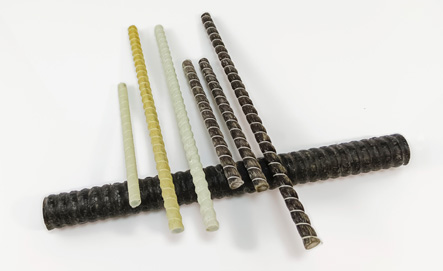
Fiber-Reinforced Polymer (FRP) reinforcement bars — commonly known as FRP rebar — represent a transformative leap in structural engineering materials. Unlike conventional steel reinforcement, FRP bars are manufactured by combining high-strength continuous fibers (such as basalt, glass, carbon, or aramid) with a polymer resin matrix, resulting in a composite material that is simultaneously lightweight, non-corrosive, electromagnetically neutral, and mechanically superior in tensile performance.
The marine environment is among the most aggressive for structural materials. Constant exposure to saltwater, humidity, chloride ions, and dynamic mechanical loads accelerates the corrosion of conventional steel rebar at an extraordinary rate — leading to structural degradation, costly maintenance, and shortened vessel or dock lifespans. FRP reinforcement bars eliminate this core vulnerability entirely.
In the context of shipbuilding and marine engineering, FRP rebar — particularly basalt fiber FRP (BFRP) rebar — has emerged as the material of choice for reinforcing concrete components aboard vessels, in dry docks, port infrastructure, offshore platforms, and shipyard facilities. Its non-magnetic properties are especially critical in naval vessels where electromagnetic compatibility (EMC) is a design requirement.
The global FRP rebar market has experienced consistent growth over the past decade, driven by increasing infrastructure investment in coastal and marine environments, stricter environmental regulations, and the rising lifecycle cost awareness among shipbuilders and port operators. According to industry analysts, the FRP rebar market is projected to surpass USD 1.2 billion by 2030, with marine and coastal construction representing one of the fastest-growing application segments.
Major shipbuilding nations — including China, South Korea, Japan, Germany, and the United States — have progressively integrated FRP reinforcement into their construction standards for marine facilities. Classification societies such as DNV GL, Bureau Veritas, and Lloyd's Register have begun developing and endorsing technical guidelines for the use of FRP composites in marine structural applications, signaling a formal transition from experimental adoption to mainstream industrial practice.
The total cost of corrosion in the global marine industry exceeds USD 50 billion annually. FRP reinforcement bars offer a proven pathway to dramatically reduce this burden, with service life extensions of 50–100% compared to steel-reinforced structures in saline environments.
Among all FRP rebar variants, basalt fiber reinforced polymer (BFRP) rebar stands out for its exceptional balance of performance, cost-effectiveness, and environmental sustainability. Derived from natural volcanic basalt rock melted at temperatures of 1,450°C–1,500°C and drawn into continuous filaments, basalt fiber offers tensile strength exceeding 1,000 MPa, excellent resistance to alkaline concrete environments, and outstanding durability under thermal cycling — all properties of critical importance in shipbuilding applications.
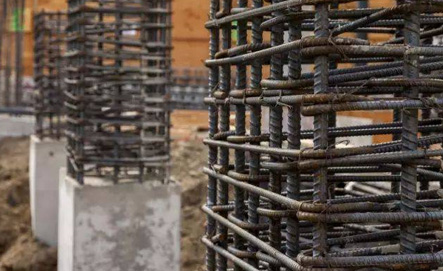
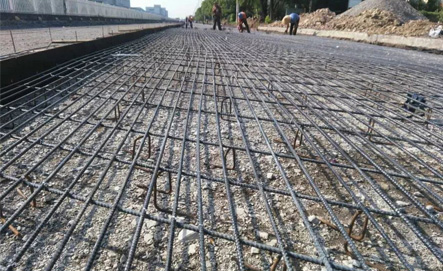
From vessel construction to port infrastructure, FRP reinforcement bars are redefining structural performance across the entire marine value chain.
BFRP rebar reinforces concrete deck slabs and hull sections on large cargo vessels, LNG carriers, and naval ships, providing structural integrity without the weight penalty or corrosion risk of steel.
Shipyard dry dock floors endure extreme point loads and constant saltwater immersion. FRP rebar-reinforced concrete floors resist chloride penetration and maintain structural integrity for decades without maintenance.
The non-magnetic, non-conductive nature of BFRP rebar makes it the only viable reinforcement material for radar rooms, compass platforms, and electromagnetic-sensitive navigation areas aboard naval vessels.
Subsea and splash-zone concrete elements on offshore oil & gas platforms and wind turbine foundations benefit enormously from FRP reinforcement, eliminating the primary failure mode of steel corrosion in these environments.
Quay walls, jetties, and port infrastructure face relentless tidal cycling and chloride attack. FRP rebar extends service life by 50–100% compared to conventional steel-reinforced equivalents.
Basalt fiber's thermal stability up to +700°C makes BFRP rebar suitable for reinforcing concrete structures in and around engine rooms, exhaust zones, and fire-rated bulkheads aboard vessels.
For submarine berths, underwater tunnel sections, and submerged concrete caissons, BFRP rebar provides permanent corrosion protection in the most demanding underwater marine environments.
As the maritime industry pursues IMO carbon reduction targets, FRP rebar contributes to vessel lightweighting, reduced maintenance emissions, and green shipyard certification programs.
The convergence of green maritime policy, advanced manufacturing, and digital engineering is accelerating the adoption of FRP reinforcement across the global shipbuilding industry.
IMO's decarbonization strategy and the EU's Green Deal are pushing shipbuilders to adopt lightweight, low-carbon materials. BFRP rebar reduces structural weight and eliminates corrosion-related maintenance cycles, directly supporting sustainability KPIs.
Automated filament winding, robotic placement, and AI-driven quality control are being integrated into BFRP rebar production lines, dramatically improving consistency, reducing costs, and enabling customized bar geometries for complex marine structures.
Next-generation hybrid systems combining basalt fiber with carbon fiber or glass fiber are being developed to optimize the cost-performance ratio for specific marine structural zones, from highly loaded keel structures to lightly loaded superstructure panels.
International bodies including ISO, ASTM, and major classification societies (DNV, LR, BV) are accelerating the development of FRP rebar standards for marine applications, enabling broader specification and procurement confidence across the industry.
The growth of modular offshore wind, aquaculture, and floating infrastructure platforms is creating large-scale demand for FRP-reinforced concrete modules that can be fabricated onshore and deployed in aggressive marine environments with minimal maintenance.
China, South Korea, and Japan — the world's top three shipbuilding nations — are significantly increasing R&D investment in domestic BFRP rebar production, with China Beihai Group at the forefront of high-performance basalt fiber manufacturing for marine applications.
Basalt fiber is ideal for your engineering projects. Its high strength, corrosion resistance and lightweight properties allow it to easily solve a variety of challenges. In buildings, bridges, roads, ships and other infrastructure projects, basalt fibers demonstrate outstanding performance, extending structural life and reducing maintenance costs. Choose basalt fiber, choose reliability and durability.
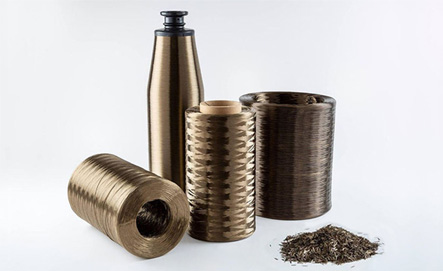
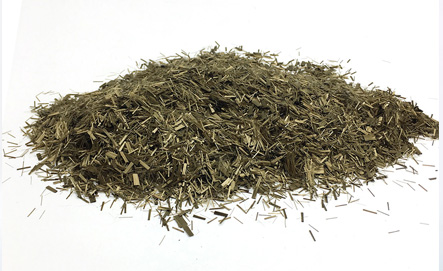

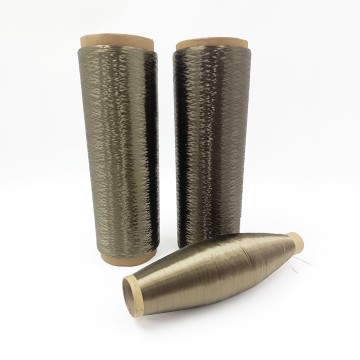
Basalt fiber roving serves as the foundational raw material for manufacturing FRP rebar and composite reinforcement systems used in shipbuilding. With superior tensile properties, excellent wet-out characteristics, and outstanding resistance to marine chemical environments, our basalt fiber roving is engineered to meet the demanding specifications of the global shipbuilding industry.
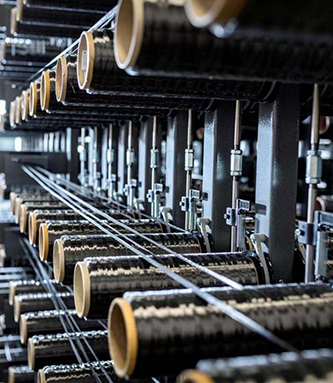
China Beihai is founded in 2015 and located in Jiujiang, Jiangxi Province. China Beihai is a high-tech enterprise focusing on the research, development, production and sales of high-performance basalt continuous fiber and its production equipment manufacturing, as well as a leading enterprise in the domestic basalt fiber industry.
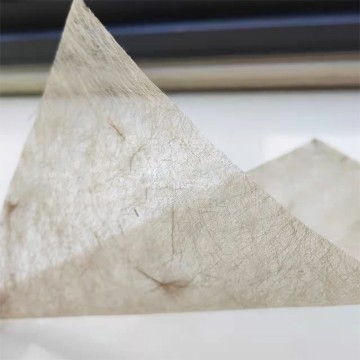
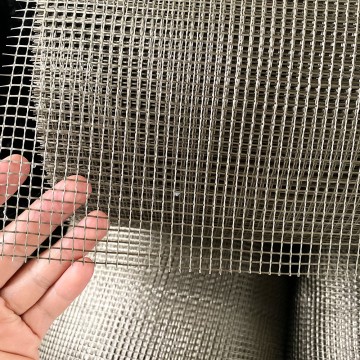
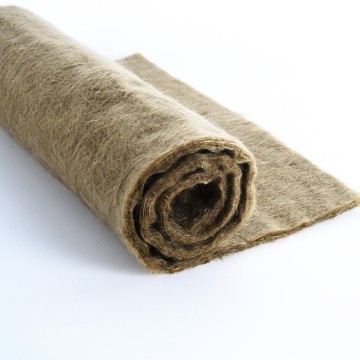
With a comprehensive product portfolio spanning basalt fiber mat, roving, yarn, chopped strands, rebar, sleeves and tape, China Beihai delivers high-quality basalt fiber solutions to the shipbuilding, construction, aerospace, automotive, and petrochemical industries worldwide.
View More
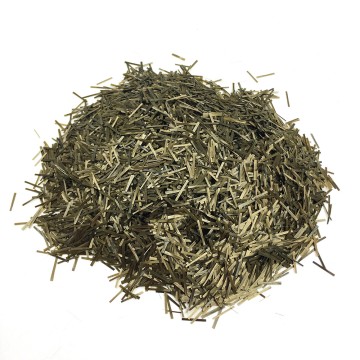
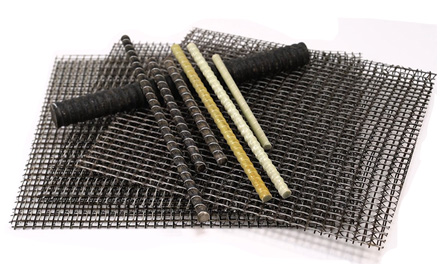
At China Beihai group, we specialize in the production of a wide range of products including basalt fiber mat (Basalt fiber chopped strand mat, Basalt fiber cloth), basalt fiber roving, basalt fiber yarn, basalt fiber chopped strands, and basalt fiber products (Basalt Fiber rebar, basalt fiber sleeves and tape). Our products are designed to meet the diverse needs of various industries, providing high-quality solutions for our customers.

At China Beihai group, we are dedicated to the production of a wide array of basalt-based products, ranging from basalt fiber mat, fabric, and roving to chopped strand and specialized construction materials. Our focus is on delivering high-quality, sustainable solutions for industries such as construction, geotechnical engineering, shipbuilding, and manufacturing. With a commitment to innovation and excellence, we strive to cater to the unique requirements of our clients.

Choosing to work with China Beihai means working with a leading manufacturer of basalt products. Our commitment to quality, innovation and sustainability sets us apart, ensuring our customers receive best-in-class solutions for their diverse needs. Reliability and customer satisfaction are our core values. When you partner with China Beihai, you can trust that you are working with a reliable and forward-thinking supplier for all your basalt product needs.
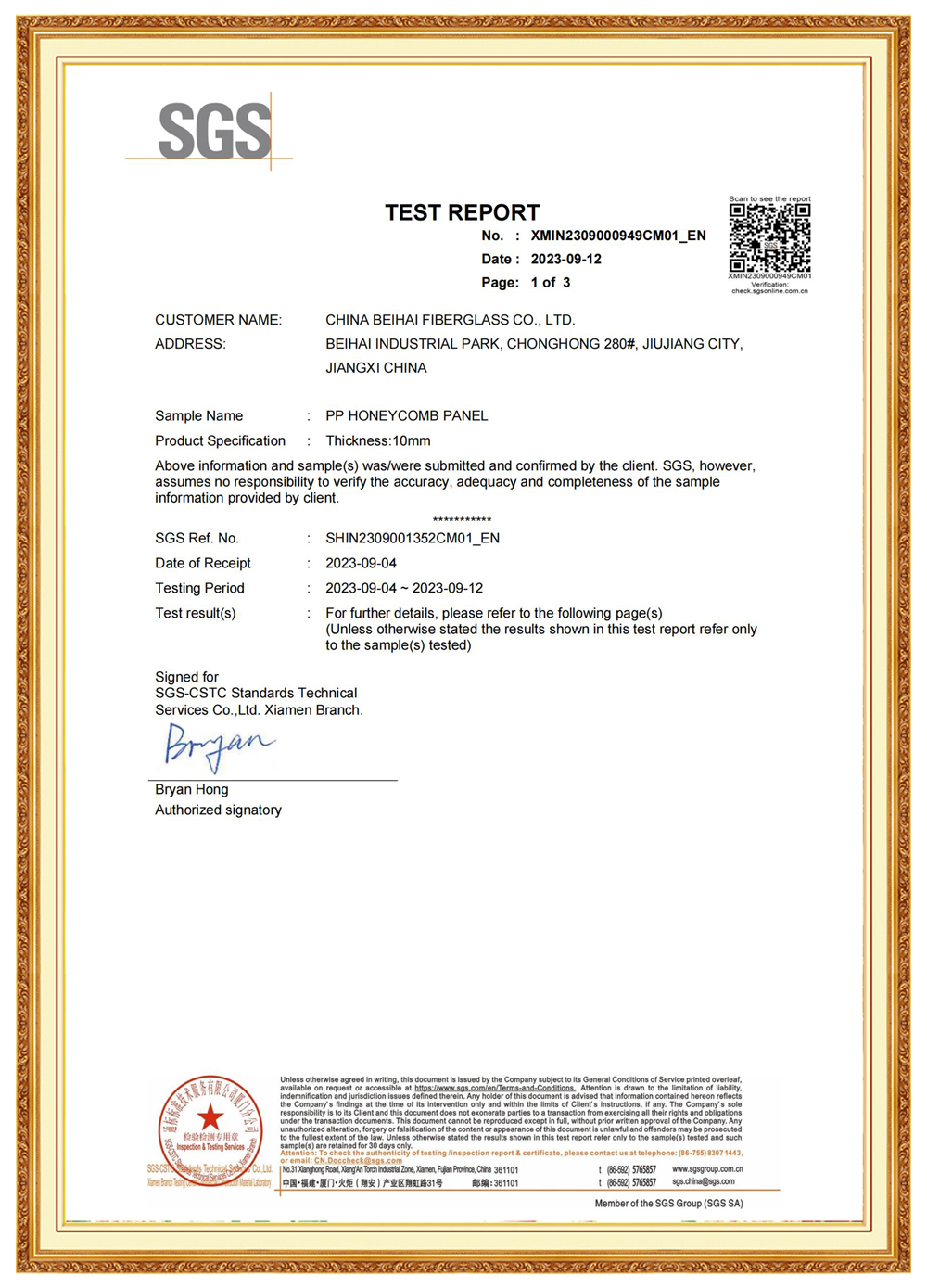
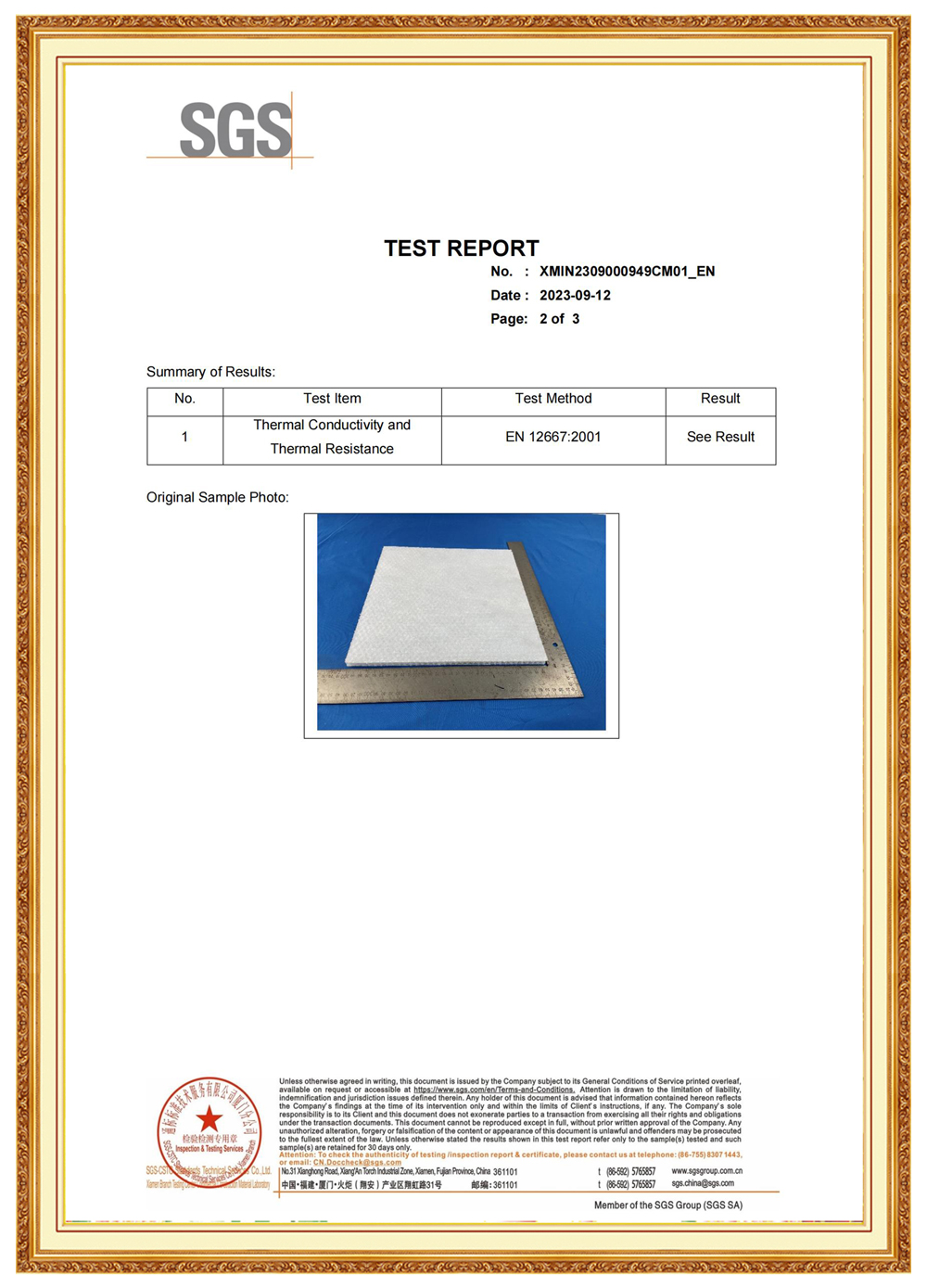
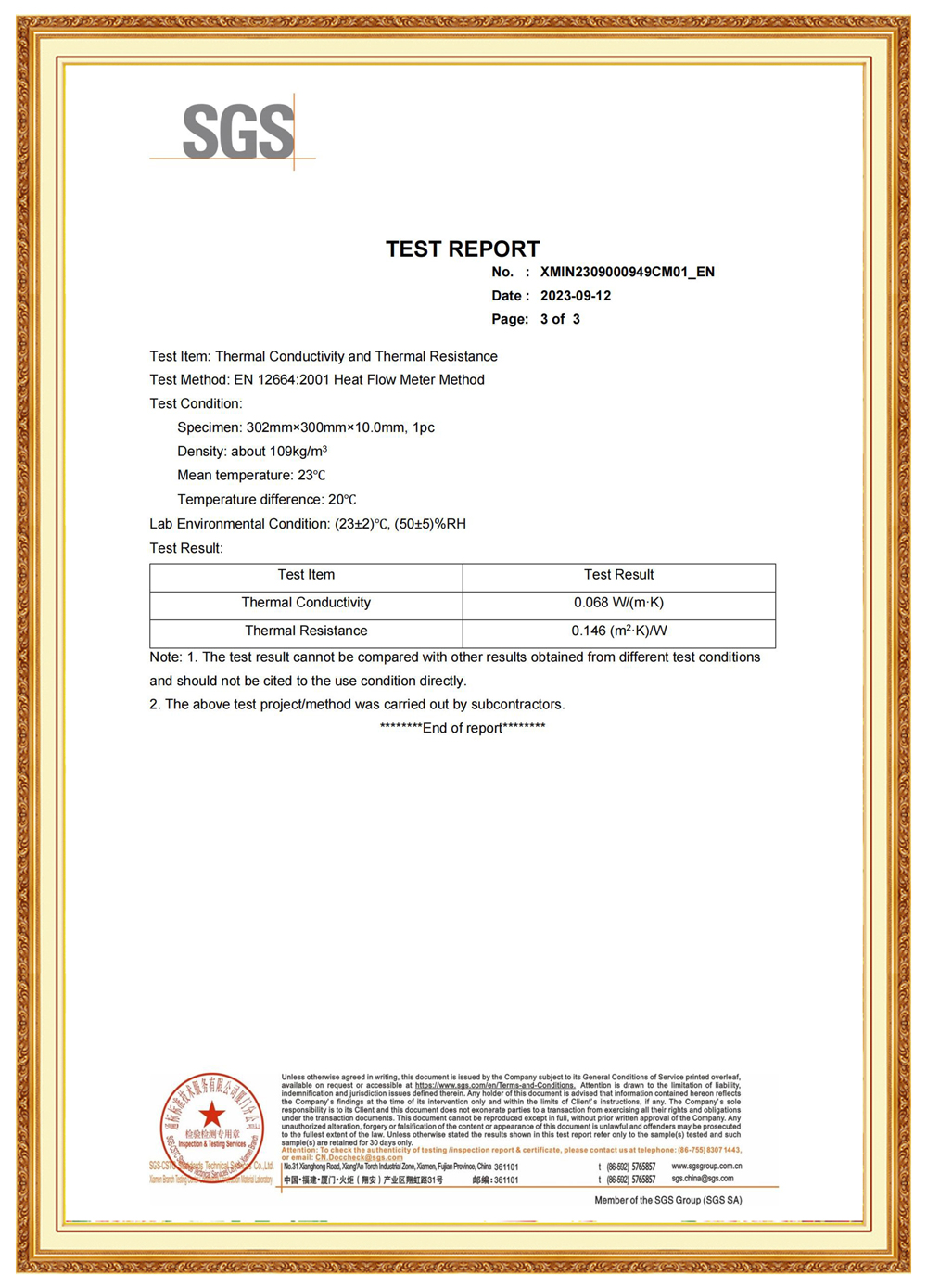
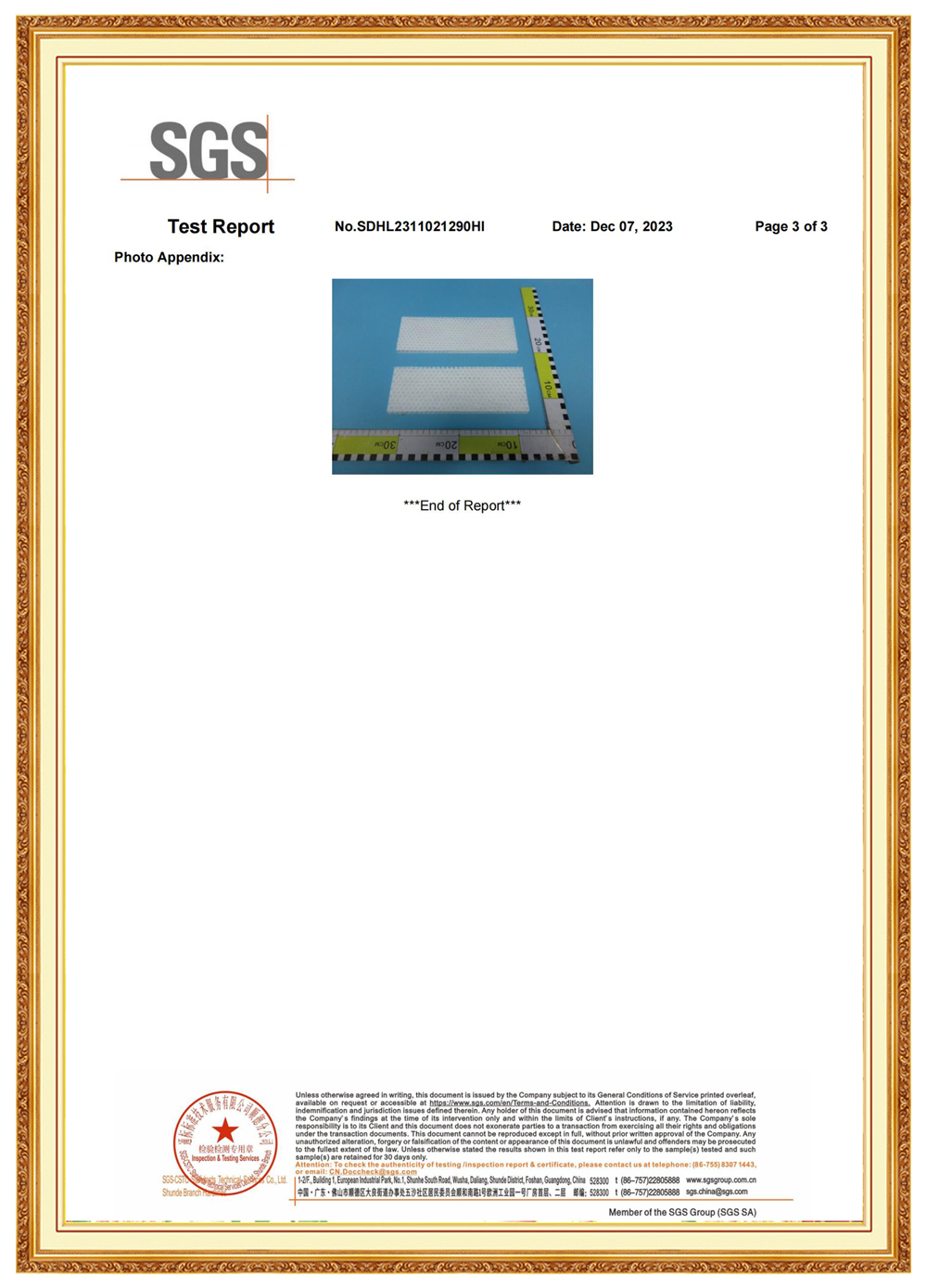
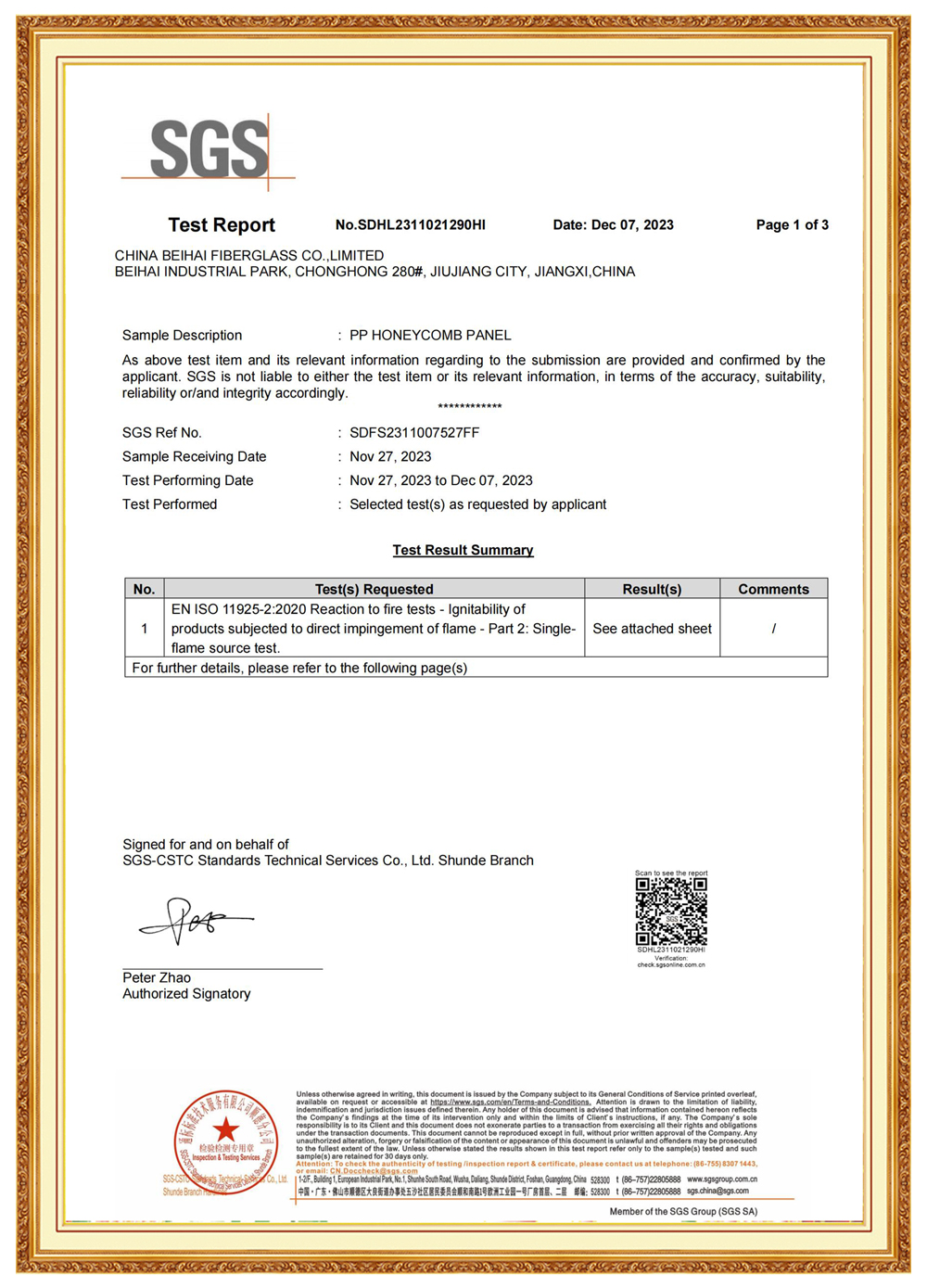
China Beihai's basalt fiber FRP reinforcement products are backed by internationally recognized quality certifications, ensuring compliance with global shipbuilding and marine engineering standards.



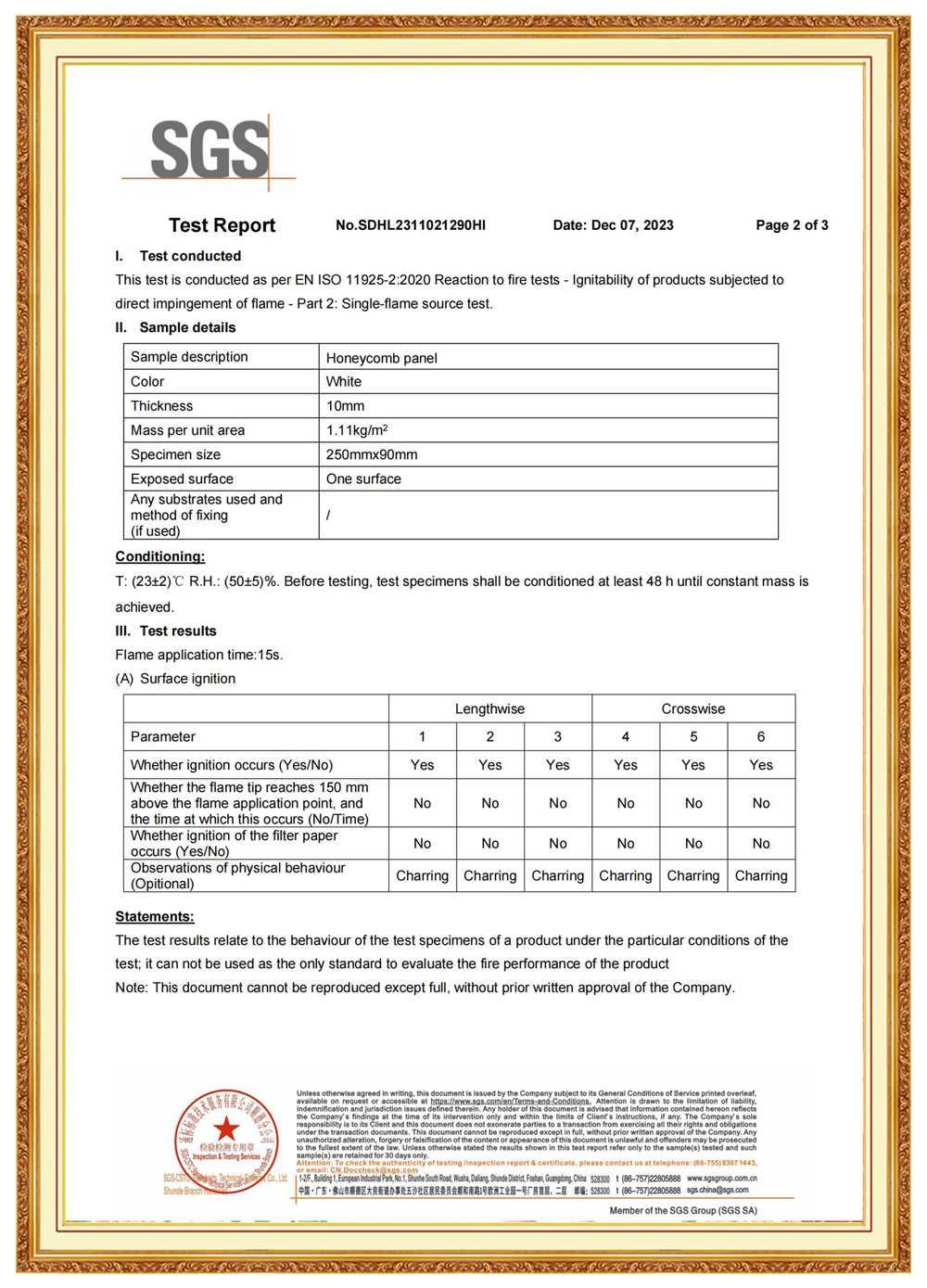
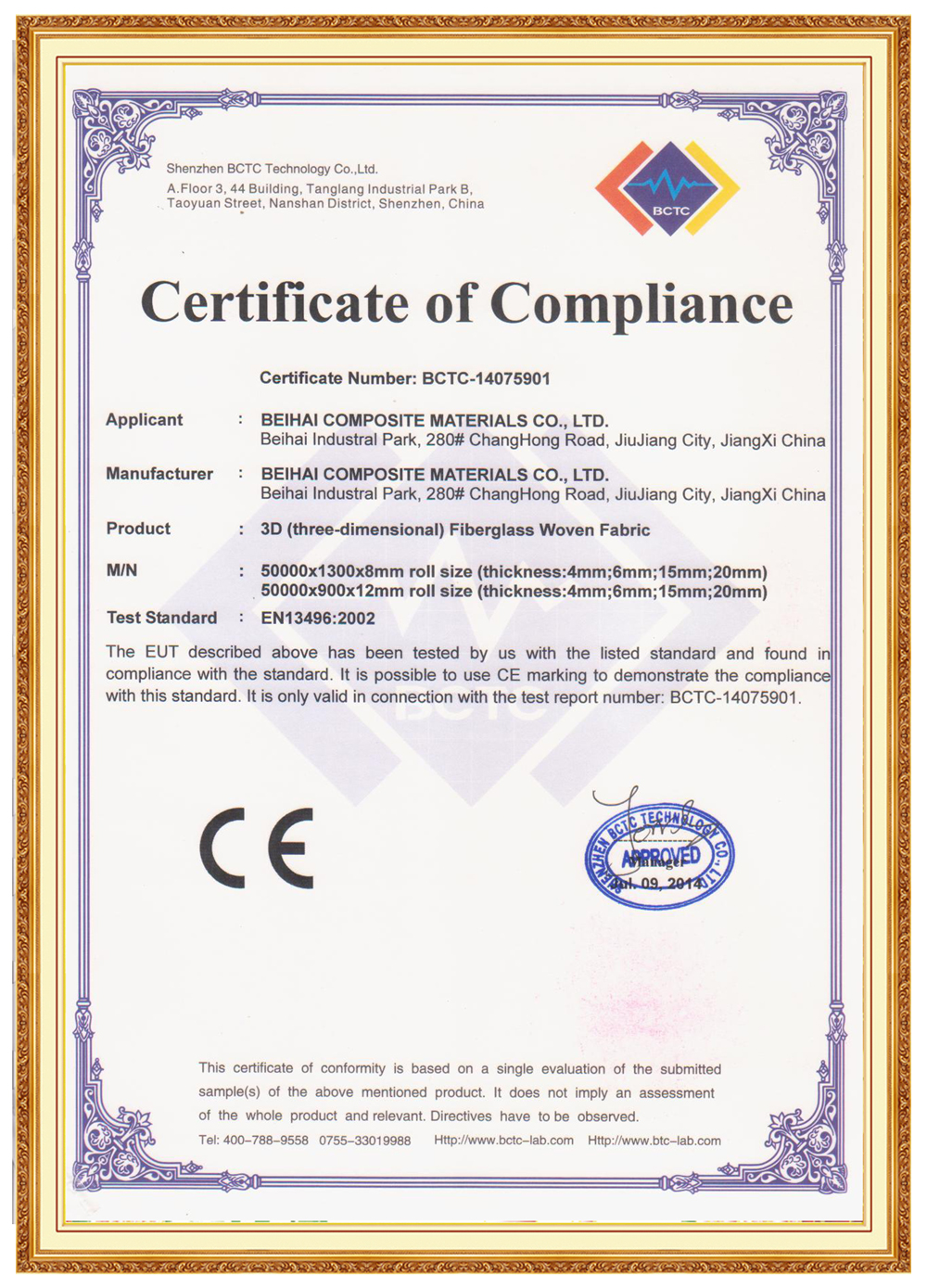

As drones slice through the sky to monitor wildfires, and intelligent robots execute repetitive tasks with precision on the factory floor, the efficient operation of this smart equipment is often underpinned by a "hardcore support" that is easily overlooked: a novel material derived from volcanic rock — basalt fiber. Though unassuming in appearance, its unique properties have made it the key to unlocking the performance limits of drones and robots, quietly driving a materials revolution within the realm of intelligent equipment.
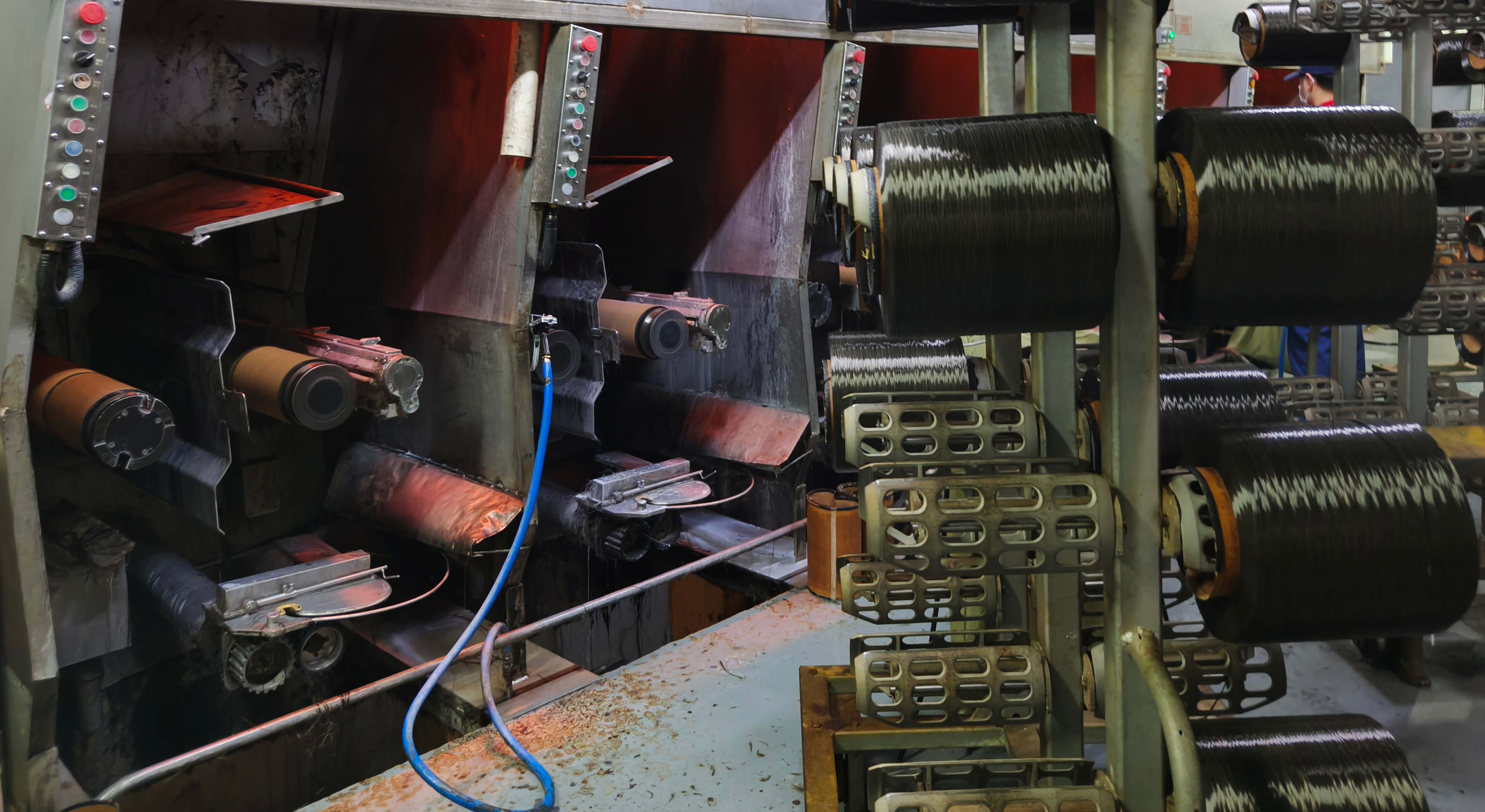
Basalt fiber is an inorganic fibrous material produced by drawing strands from natural basalt ore after it has been melted at high temperatures, demonstrating unique value in numerous applications that demand resilience against extreme temperatures.

With the successful realization of major applications — such as the Chang'e-6 lunar exploration mission and the world's first deep-sea basalt fiber aquaculture platform — basalt fiber is rapidly accelerating its transformation into a strategic new material.
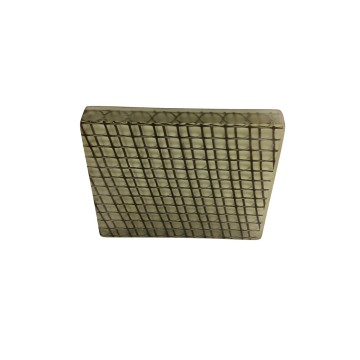
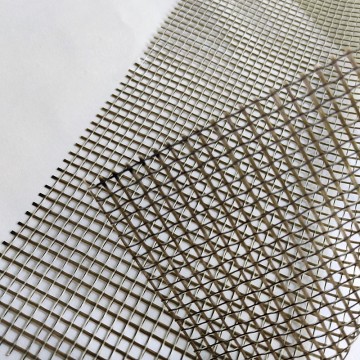
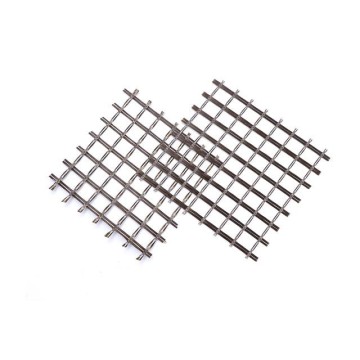
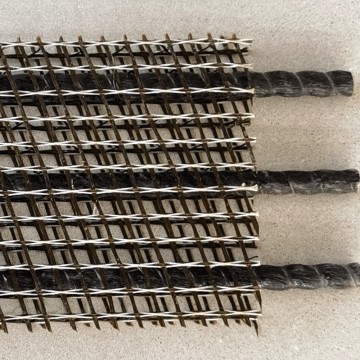
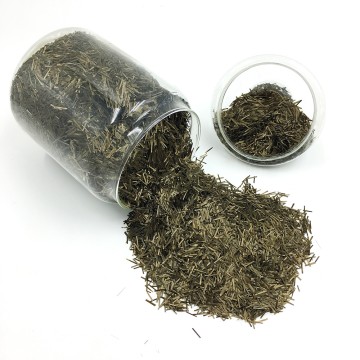
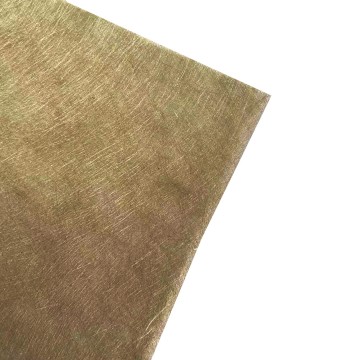
From chopped strands to 3D mesh systems, our comprehensive basalt fiber product range addresses every reinforcement requirement in modern shipbuilding and marine construction.