
Leave Your Message
Specially selected high-performance basalt fiber rebar products engineered to meet Brazil's demanding construction and infrastructure standards.

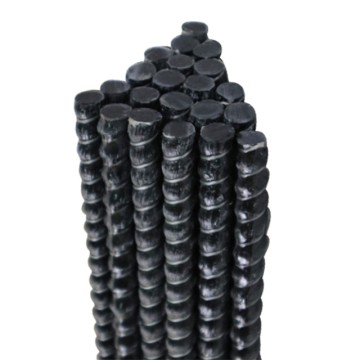

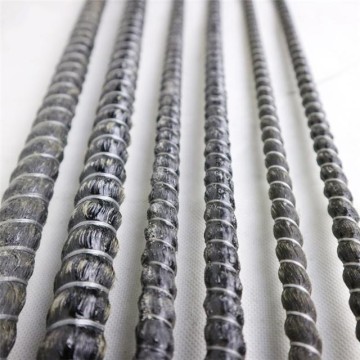
Brazil is one of Latin America's largest construction markets. With accelerating urbanization, infrastructure investment, and green building mandates, basalt fiber rebar dowels are rapidly gaining ground as the preferred alternative to conventional steel reinforcement.
Brazil's construction industry contributes over 6% of GDP and is one of the fastest-growing sectors in South America. Major urban expansion in São Paulo, Rio de Janeiro, Brasília, and Manaus has created enormous demand for durable, cost-effective reinforcement materials. Basalt fiber rebar dowels offer a compelling advantage over traditional steel in these high-humidity, high-temperature coastal and tropical environments.
Brazil's extensive coastline — over 7,400 km — exposes concrete structures to severe salt spray and chloride-induced corrosion. Traditional steel rebar deteriorates rapidly in these conditions, leading to costly repairs. Basalt fiber rebar dowels, with their inherent alkali resistance and zero corrosion properties, are emerging as the engineering solution of choice for ports, seawalls, coastal highways, and marine structures across Brazil's Atlantic coast.
The Brazilian government's PAC (Programa de Aceleração do Crescimento) infrastructure program has committed hundreds of billions of reais to roads, bridges, ports, and urban transit. These projects demand materials that reduce long-term maintenance costs. Basalt rebar dowels, with a service life exceeding 100 years under normal conditions, are increasingly specified by Brazilian civil engineers and project managers seeking lifecycle value.
Brazil is a global leader in hydroelectric power, with projects like Itaipu and Belo Monte representing massive civil engineering achievements. New energy infrastructure — including wind farms in the Northeast and solar parks in the Cerrado — requires non-magnetic, non-conductive reinforcement materials. Basalt fiber rebar dowels meet these specialized requirements for power stations, transformer foundations, and MRI-compatible medical facility construction.
Brazil's LEED and AQUA-HQE green building certifications are increasingly demanded by developers and government procurement. Basalt fiber rebar, produced from natural volcanic rock without chemical additives, carries a significantly lower carbon footprint than steel. This aligns with Brazil's commitments under the Paris Agreement and its national sustainability targets, making basalt rebar a preferred choice for eco-conscious construction projects.
China Beihai has established reliable supply chains and partnerships with Brazilian distributors and engineering firms. Our products comply with international standards including ASTM D7957 and ISO certifications, ensuring smooth customs clearance and technical acceptance by Brazilian regulatory bodies such as ABNT (Associação Brasileira de Normas Técnicas). We offer localized technical support and competitive pricing for bulk orders to the Brazilian market.
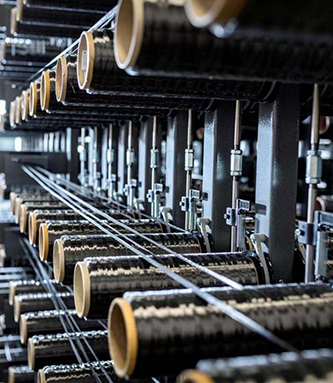
China Beihai was founded in 2015 and is located in Jiujiang, Jiangxi Province, China. We are a high-tech enterprise focusing on the research, development, production, and sales of high-performance basalt continuous fiber and its production equipment manufacturing — a leading enterprise in the domestic basalt fiber industry.
With a decade of innovation behind us, China Beihai has expanded its global footprint to serve demanding markets including Brazil, where our basalt fiber rebar dowels are transforming construction standards. Our products are trusted by engineers, contractors, and developers across infrastructure, energy, marine, and industrial sectors throughout Latin America.
View More About UsAt China Beihai Group, we combine world-class manufacturing with deep industry expertise to deliver basalt fiber solutions that outperform conventional materials in every metric that matters to Brazilian engineers and builders.

At China Beihai Group, we specialize in the production of a wide range of products including basalt fiber mat (basalt fiber chopped strand mat, basalt fiber cloth), basalt fiber roving, basalt fiber yarn, basalt fiber chopped strands, and basalt fiber products (basalt fiber rebar, basalt fiber sleeves and tape). Our products are designed to meet the diverse needs of various industries, providing high-quality solutions for our customers across Brazil and Latin America.

At China Beihai Group, we are dedicated to the production of a wide array of basalt-based products, ranging from basalt fiber mat, fabric, and roving to chopped strand and specialized construction materials. Our focus is on delivering high-quality, sustainable solutions for industries such as construction, geotechnical engineering, and manufacturing. With a commitment to innovation and excellence, we strive to cater to the unique requirements of our clients — including those in Brazil's fast-growing infrastructure sector — by offering a comprehensive selection of basalt-derived products.

Choosing to work with China Beihai means working with a leading manufacturer of basalt products. Our commitment to quality, innovation, and sustainability sets us apart, ensuring our customers receive best-in-class solutions for their diverse needs. Reliability and customer satisfaction are at our core — we offer a wide range of high-quality basalt materials and construction products, backed by our dedication to excellence and industry expertise. When you partner with China Beihai, you can trust that you are working with a reliable and forward-thinking supplier for all your basalt product needs in the Brazilian market.
Basalt fiber is ideal for your engineering projects in Brazil. Its high strength, corrosion resistance, and lightweight properties allow it to easily solve a variety of challenges unique to Brazil's tropical climate, coastal environments, and demanding infrastructure requirements.
In buildings, bridges, roads, and other infrastructure projects across Brazil, basalt fibers demonstrate outstanding performance, extending structural life and reducing maintenance costs. Choose basalt fiber — choose reliability and durability for the Brazilian market.
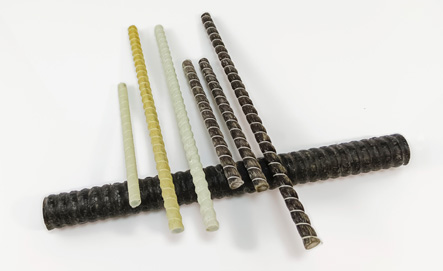
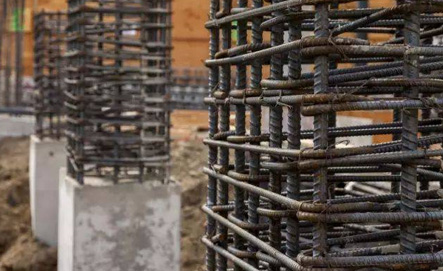
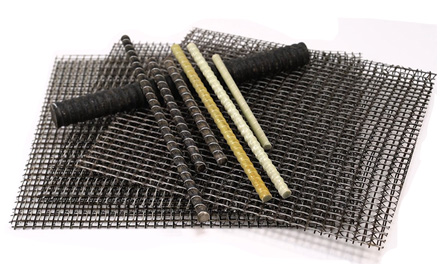
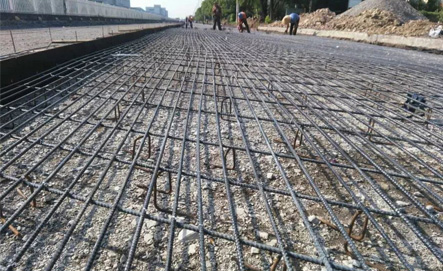
The Brazilian construction and industrial landscape is undergoing a significant transformation. Here are the key trends driving adoption of basalt fiber rebar dowels across the country.
Brazil loses billions of reais annually to infrastructure deterioration caused by steel rebar corrosion in coastal and industrial zones. Civil engineering associations such as IBRACON are actively promoting FRP (Fiber Reinforced Polymer) rebar — including basalt fiber variants — as the next-generation solution. Major contractors in Rio de Janeiro and Santos are already specifying BFRP rebar for new port and waterfront developments.
Brazilian universities including USP (Universidade de São Paulo), UNICAMP, and UFRJ are publishing growing bodies of research on basalt fiber composites in tropical concrete applications. This academic validation is accelerating specification acceptance among Brazilian structural engineers and building code committees, paving the way for formal inclusion of BFRP rebar in Brazilian construction standards (NBR norms).
Brazil's smart city initiatives in Curitiba, Campinas, and Porto Alegre are driving demand for long-life, low-maintenance infrastructure materials. Basalt rebar dowels, with their 100+ year service life and zero maintenance requirements, are ideal for smart city underground utilities, sensor-embedded pavements, and intelligent transportation infrastructure where electromagnetic neutrality is essential.
Brazil's major construction companies — including Odebrecht, MRV, and Cyrela — are adopting ESG frameworks that prioritize low-carbon materials. Basalt fiber rebar production emits approximately 0.04 kg CO₂ per kg compared to 1.8 kg CO₂ per kg for steel. This dramatic carbon advantage positions basalt rebar as a strategic material for green-certified projects and government-funded social housing programs across Brazil.
Brazil's pre-cast concrete industry is expanding rapidly, particularly in the industrial warehouse and logistics sector driven by e-commerce growth. Basalt fiber rebar dowels are ideal for pre-cast panel connections, floor slabs, and tilt-up construction due to their light weight, ease of cutting, and non-corrosive properties — reducing production time and improving panel quality in Brazil's hot, humid manufacturing environments.
Brazil's pre-salt oil discoveries have made it a global energy powerhouse, with Petrobras operating extensive offshore and onshore infrastructure. Refineries, petrochemical processing plants, and offshore platform support structures require reinforcement materials with exceptional chemical resistance. Basalt fiber rebar dowels withstand exposure to hydrocarbons, acids, and alkalis that rapidly degrade conventional steel, making them ideal for Brazil's Campos Basin and Santos Basin industrial facilities.
From the Amazon basin to the Atlantic coast, basalt fiber rebar dowels are delivering proven performance across Brazil's most demanding construction and industrial environments.

High-rise residential and commercial buildings in São Paulo and Rio de Janeiro benefit from basalt rebar's lightweight handling and corrosion immunity in humid urban environments.

Brazil's federal highway program (DNIT) and state road agencies are adopting BFRP rebar for new bridge decks and road slabs, especially in coastal and flood-prone regions of the Northeast.

Basalt-added concrete offers increased strength, crack resistance, and chemical durability — critical for Brazil's industrial floors, water treatment plants, and agricultural storage facilities.

Petrobras refineries and offshore support bases along Brazil's coast rely on corrosion-resistant basalt rebar for containment structures, pipe supports, and chemical-resistant flooring systems.

Brazil's Embraer aerospace complex and DCTA defense technology center use basalt fiber composites for non-magnetic, lightweight structural applications in aircraft and defense systems.

Airport expansion projects at GRU (Guarulhos), GIG (Galeão), and BSB (Brasília) use basalt rebar in runway foundations, taxiway slabs, and terminal structures requiring long service life.

Brazil's major automotive plants in ABC Paulista, Betim, and Camaçari use basalt fiber composites for lightweight vehicle components, aligning with global EV and fuel-efficiency mandates.

Brazil's major ports — Santos, Paranaguá, Itajaí — require reinforcement materials that withstand permanent saltwater exposure. Basalt rebar dowels deliver zero corrosion in marine splash zones and submerged applications.
Our most-specified basalt fiber products for Brazil's construction, industrial, and infrastructure sectors — engineered for performance in tropical and coastal environments.
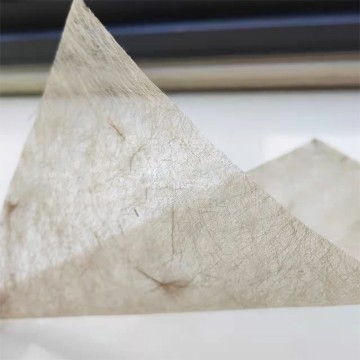
Basalt Fiber Surfacing Tissue Mat is a non-woven thin sheet engineered to provide a smooth resin-rich surface layer for fiber reinforced plastic applications in Brazil's humid industrial environments.
read more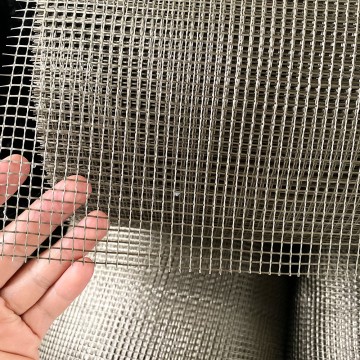
Our high-performance Basalt Fiber Mesh provides superior reinforcement for concrete and plaster in Brazil's alkaline coastal and industrial construction environments.
read more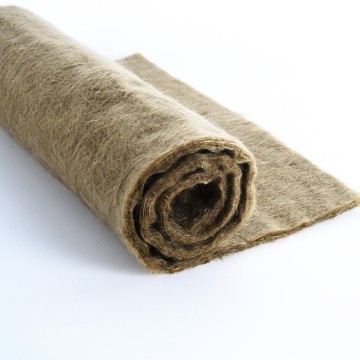
Our Basalt Fiber Needled Mat is a high-density insulation material ideal for Brazil's steel mills, cement plants, and petrochemical facilities requiring extreme thermal resistance.
read more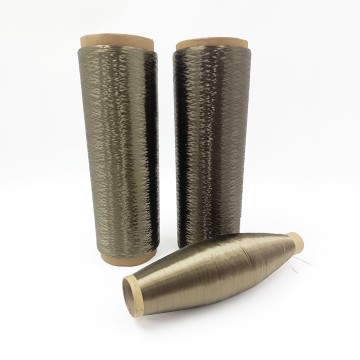
Our Basalt Fiber Twisted Yarn is engineered for Brazil's textile, automotive, and aerospace composite manufacturing sectors requiring consistent mechanical strength and thermal stability.
read moreChina Beihai has been supplying high-performance basalt fiber rebar dowels to the Brazilian market since 2015. Our products meet international standards, are backed by full technical documentation for ABNT compliance, and are supported by a dedicated Latin America sales and engineering team. Contact us today to discuss your project requirements, request samples, or obtain a competitive quotation for bulk supply to Brazil.
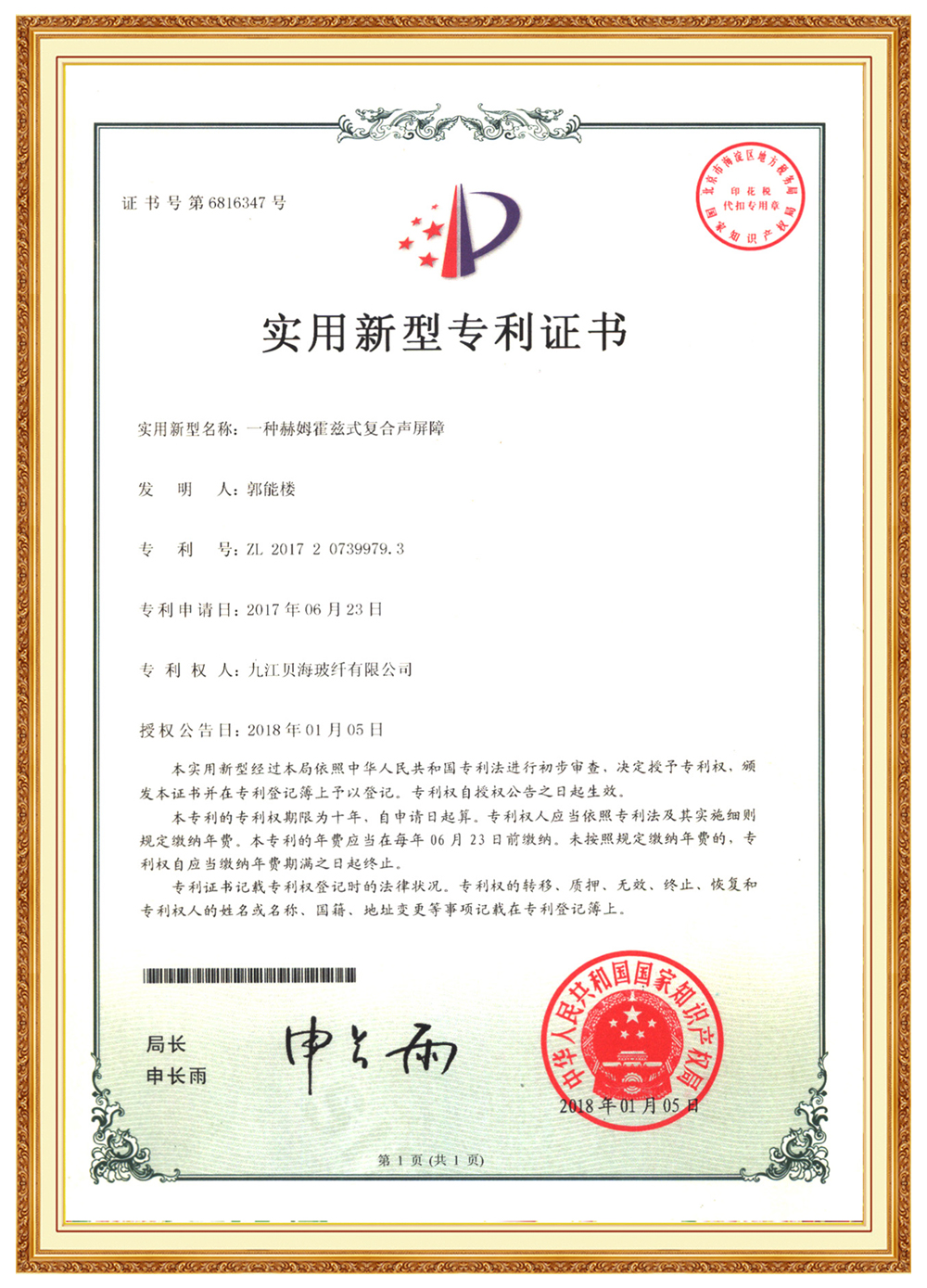
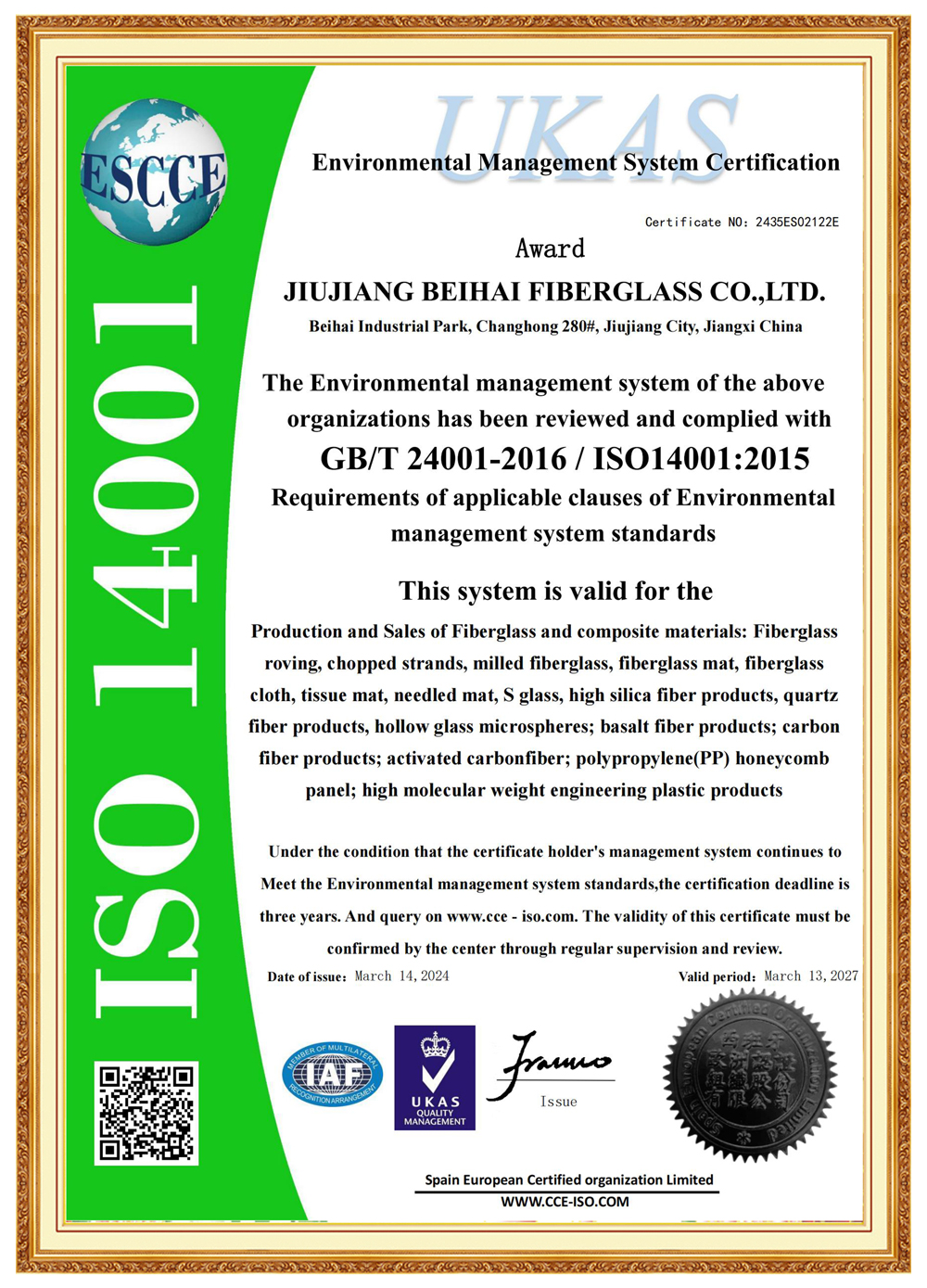
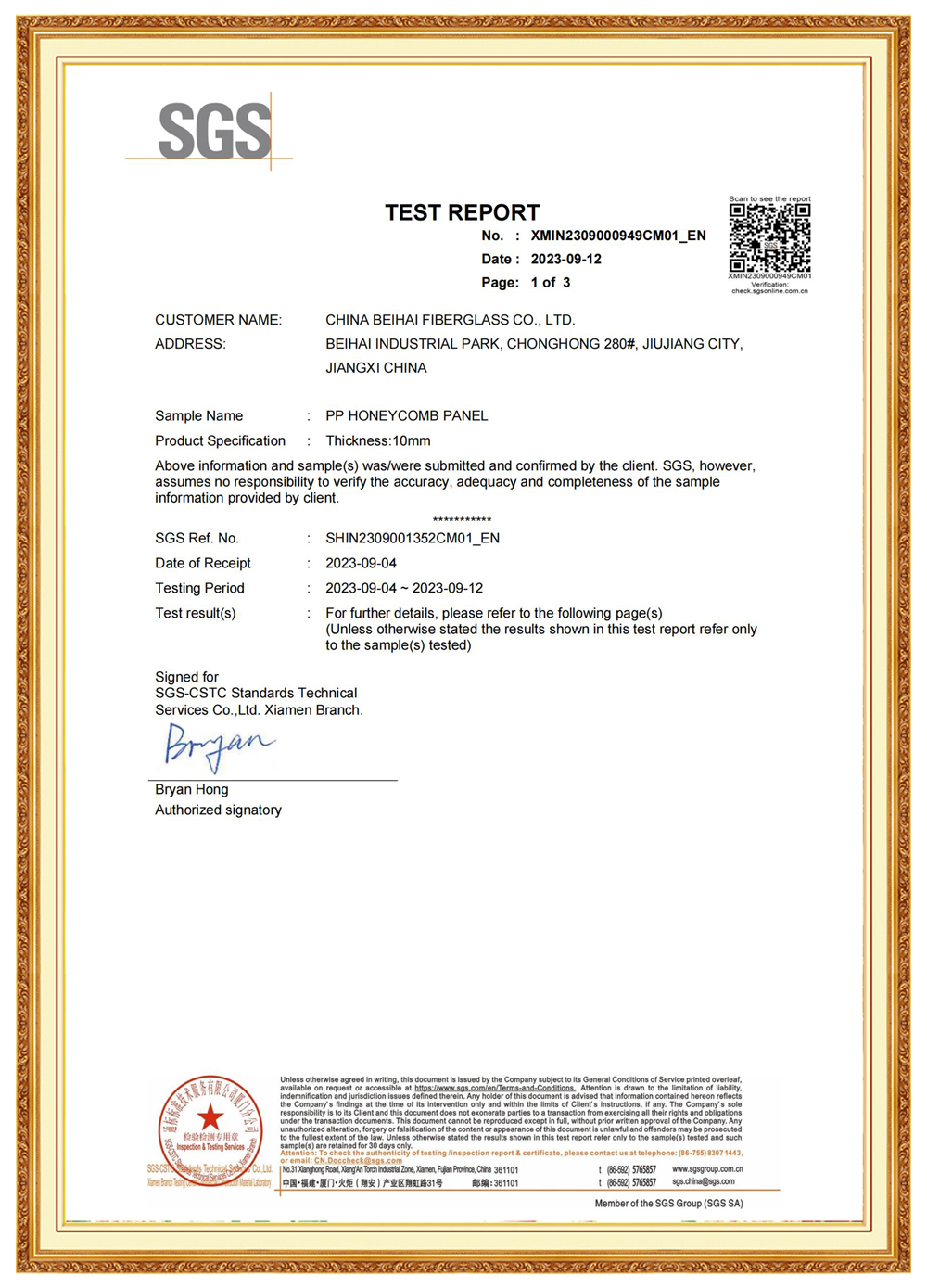
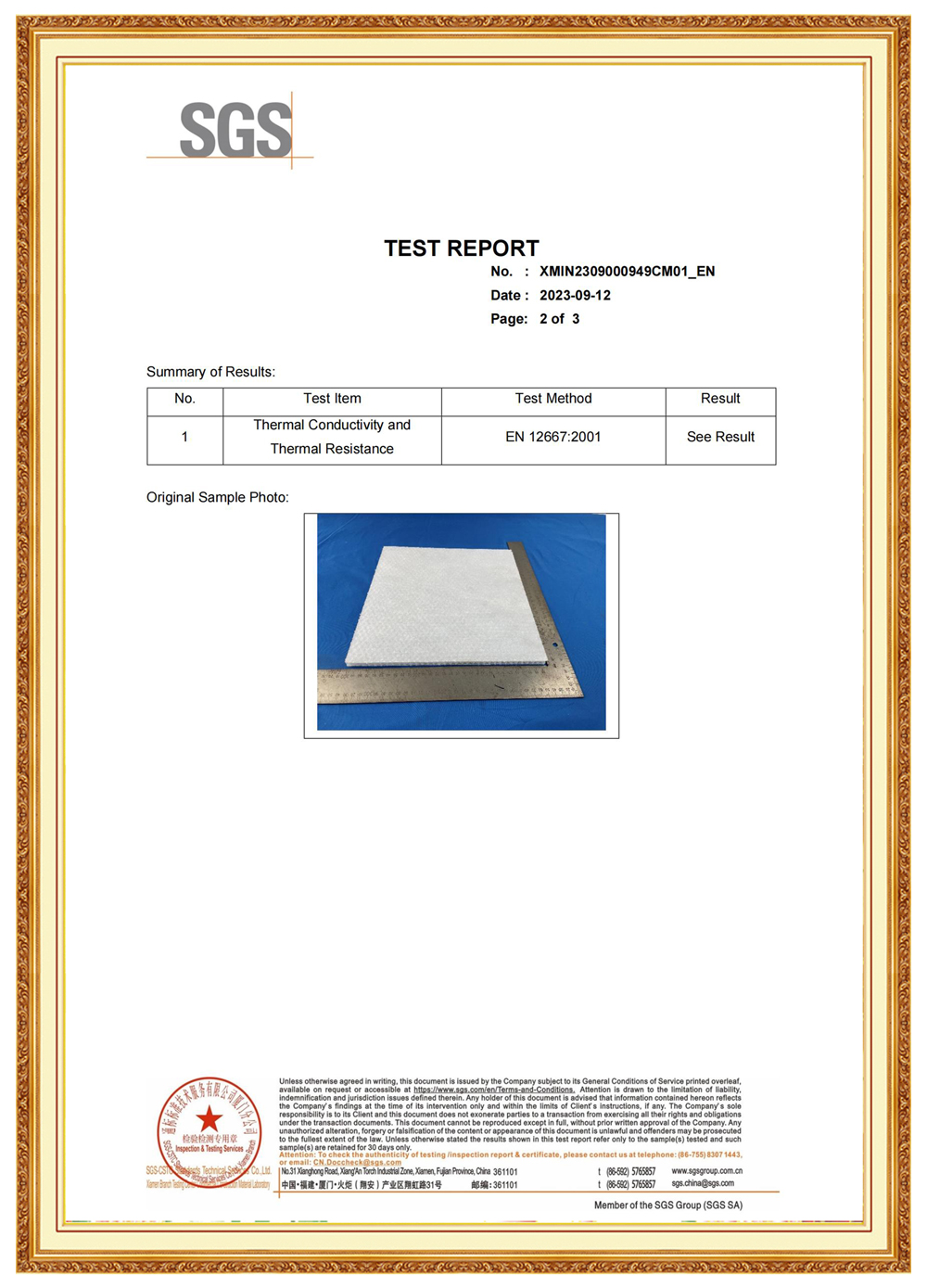
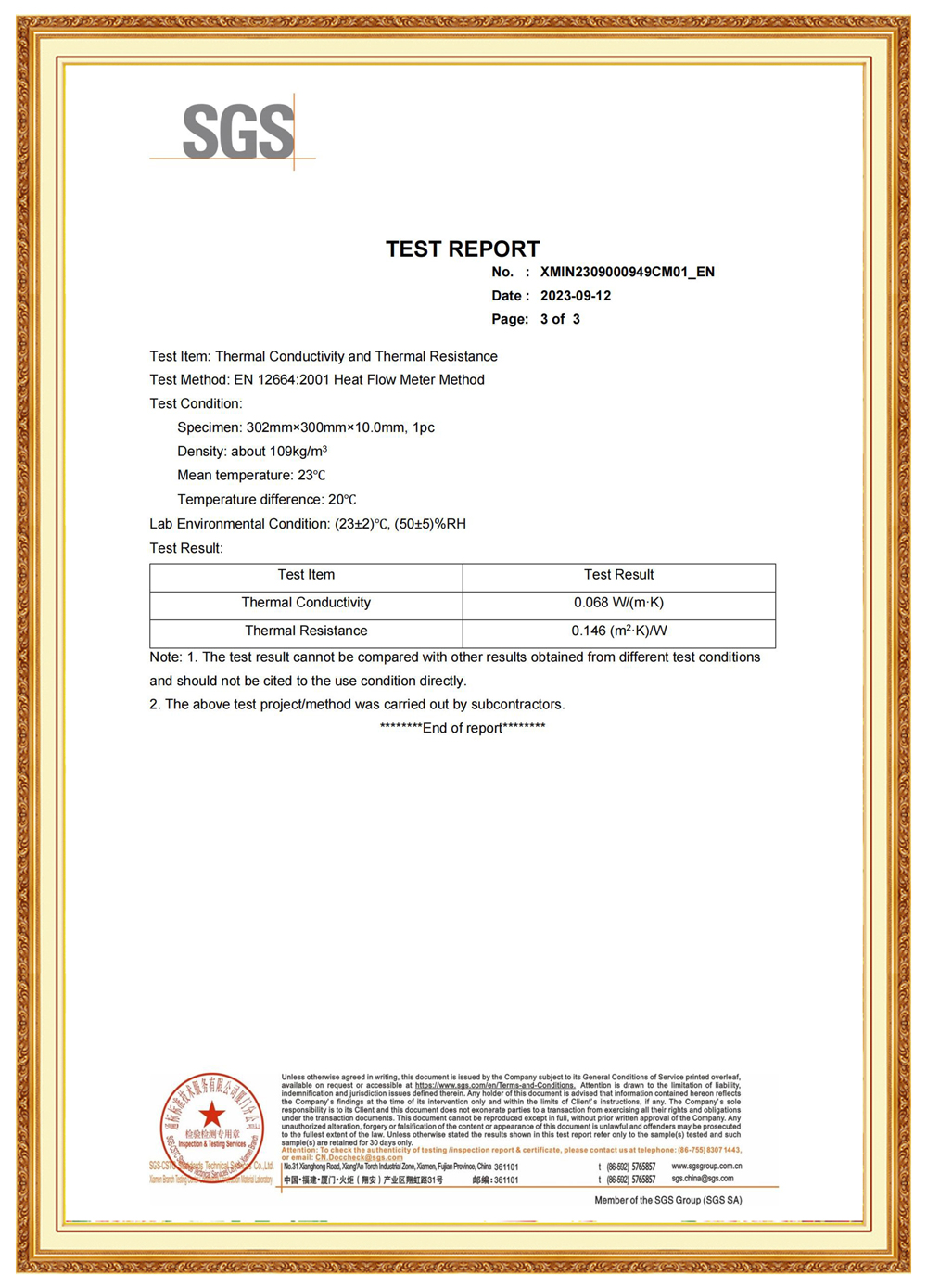
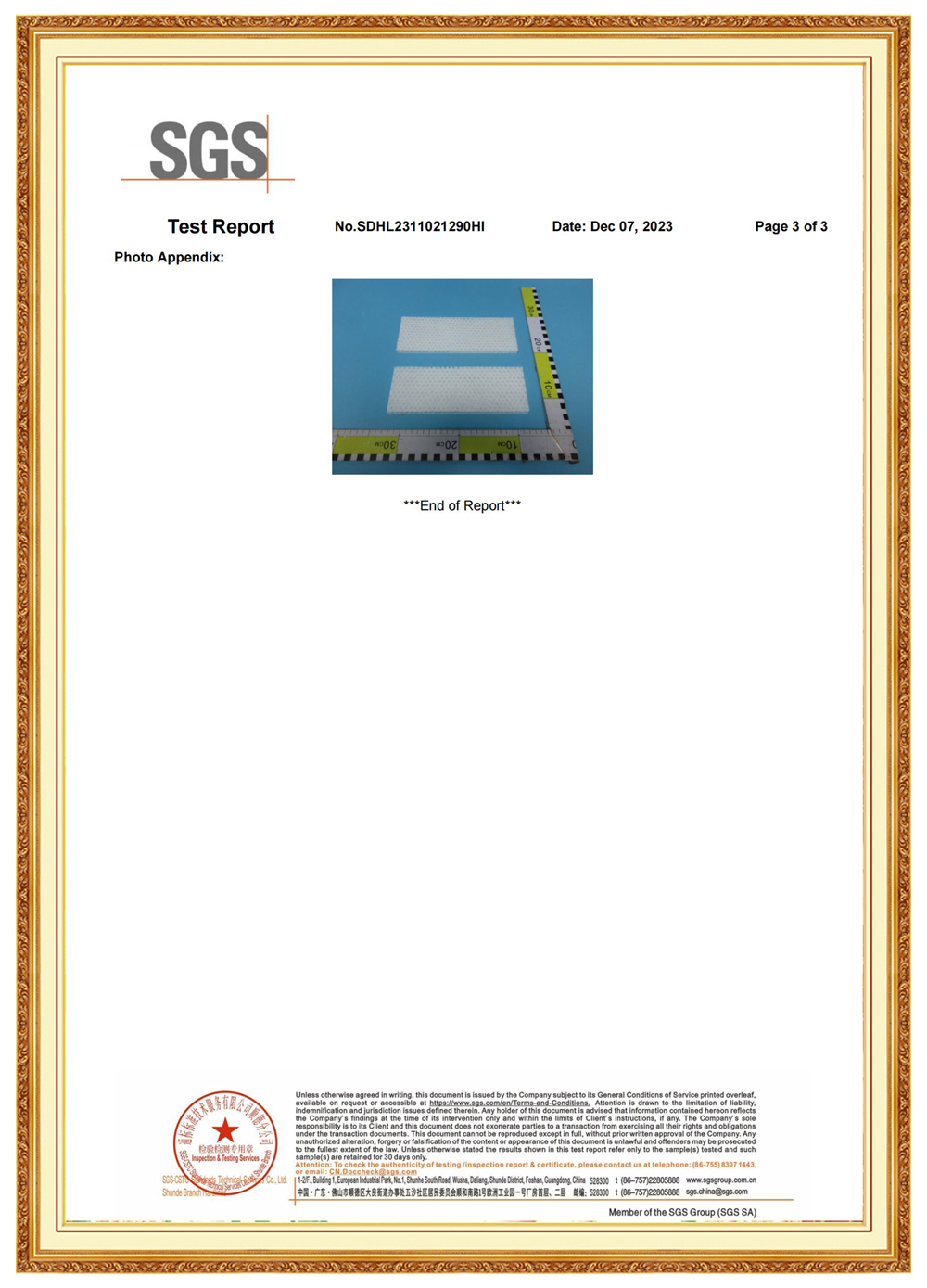
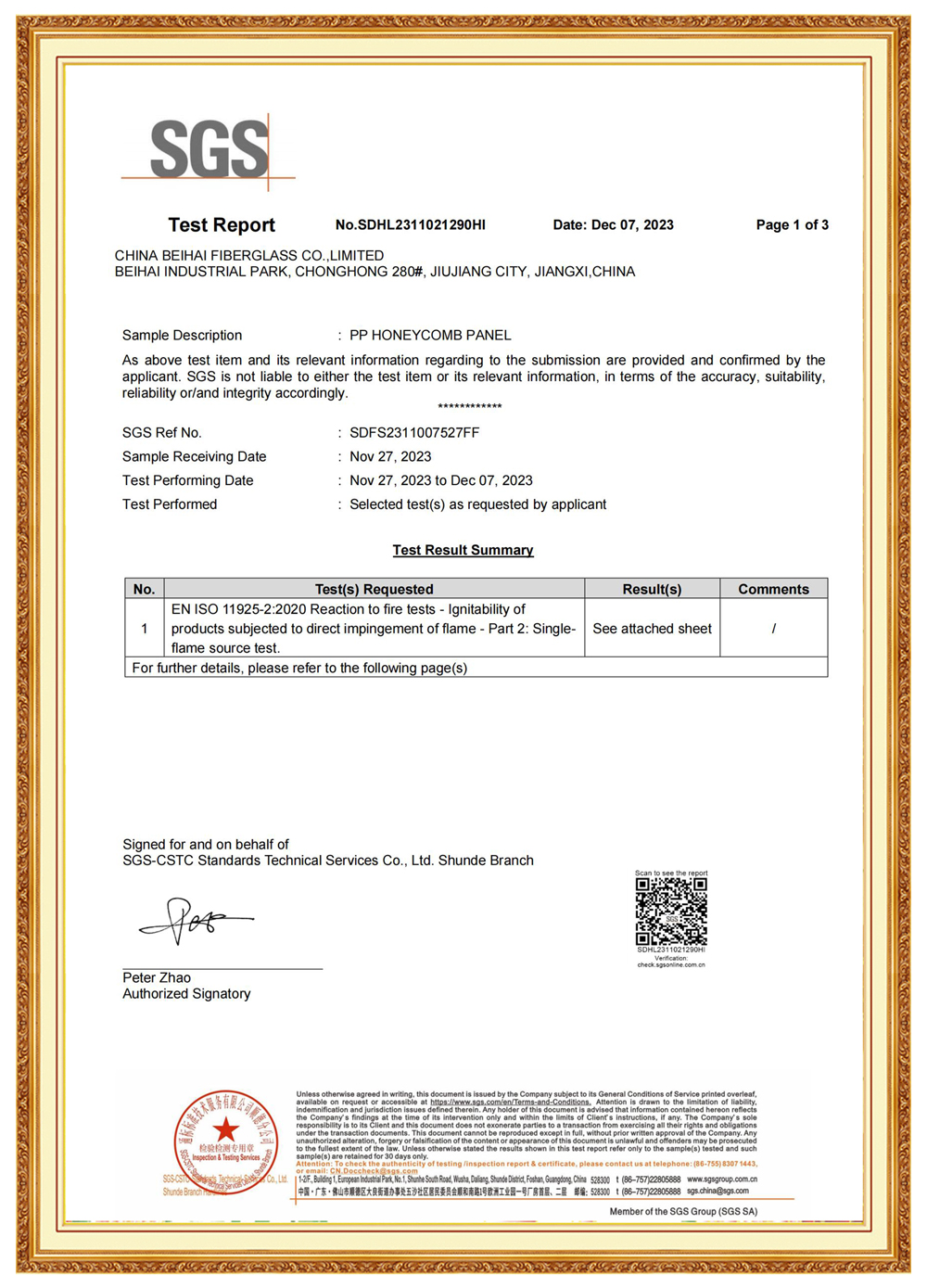
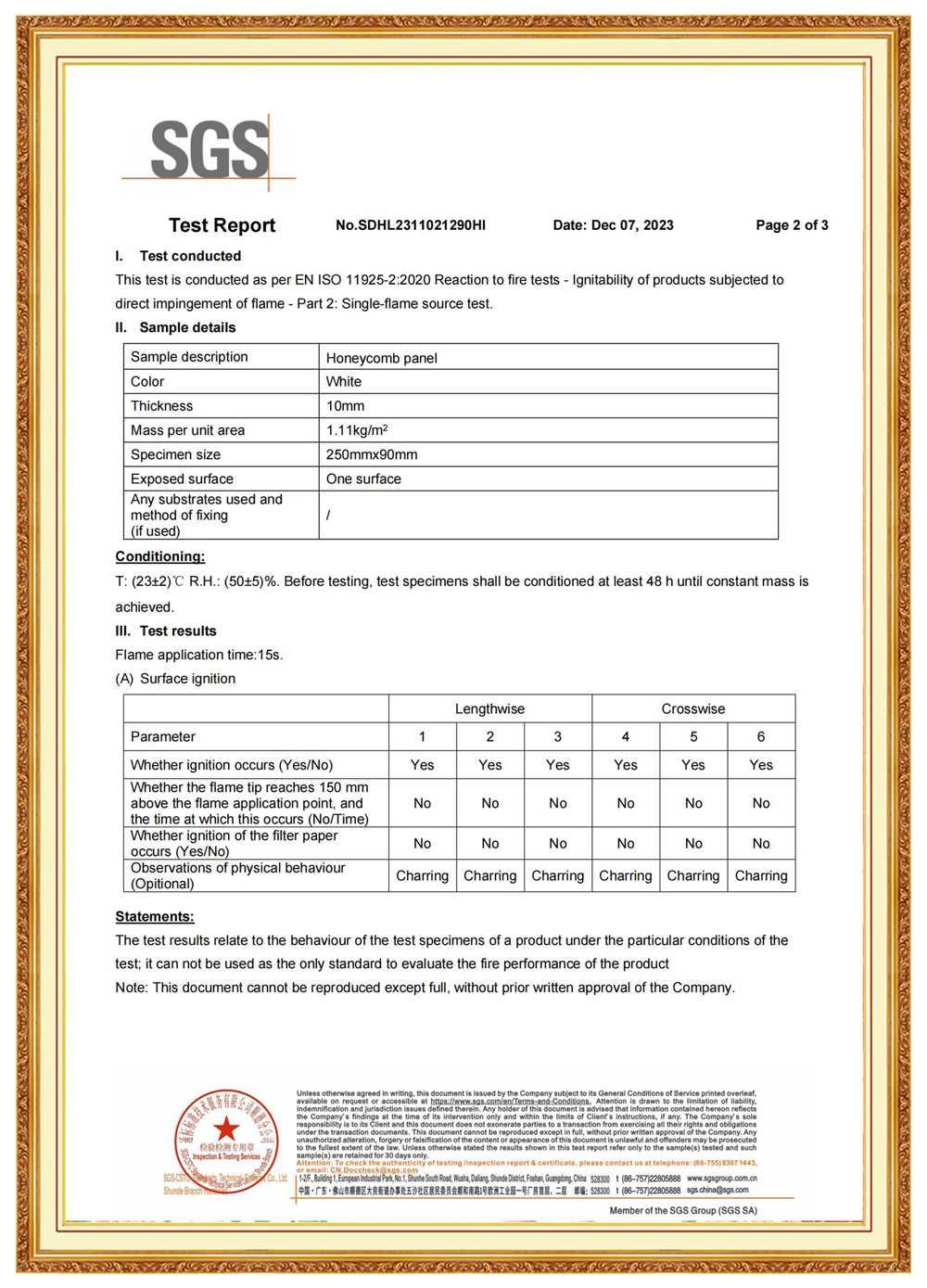
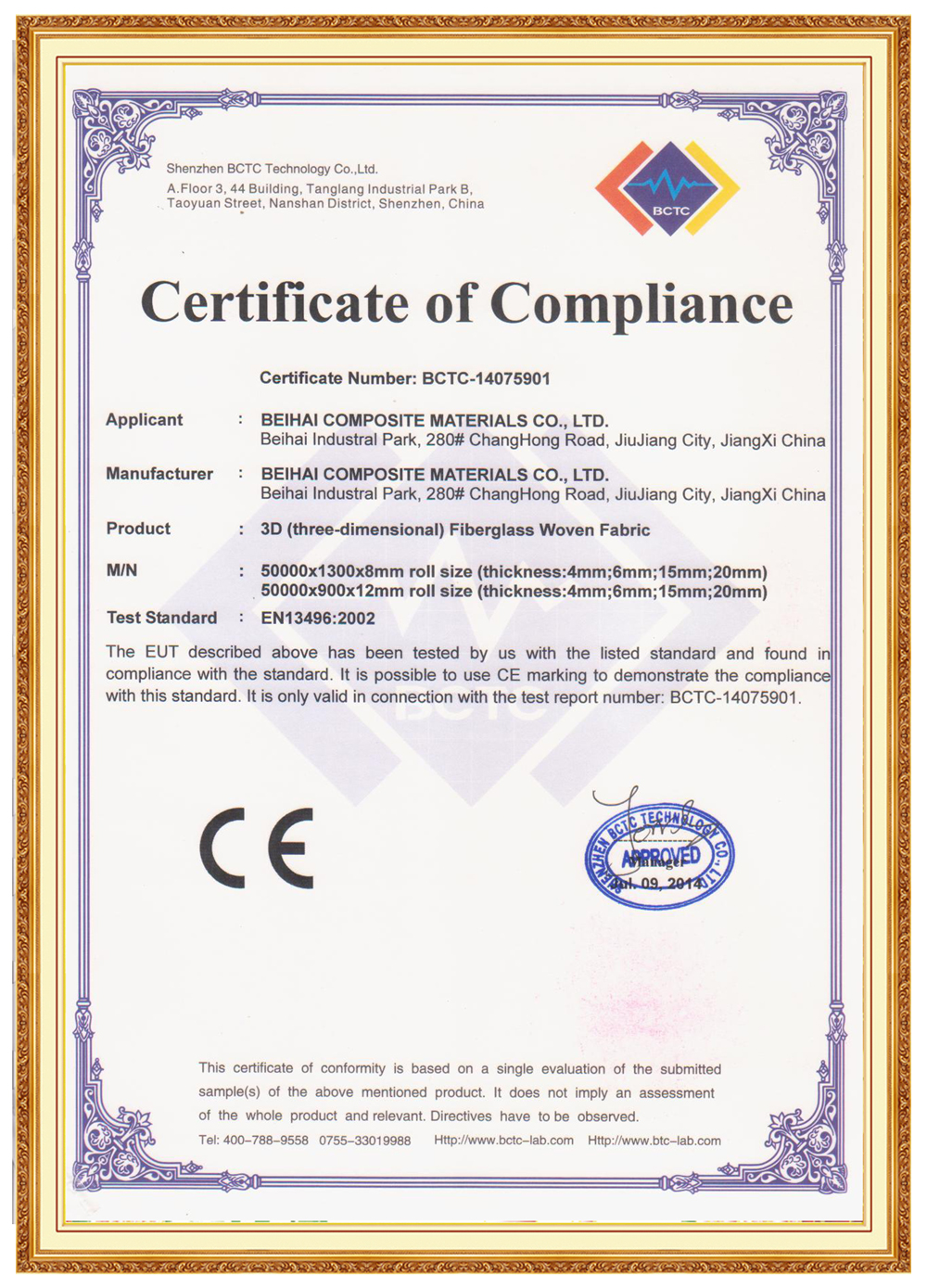
Our basalt fiber rebar dowels and composite products are backed by internationally recognized quality certifications, ensuring compliance with Brazilian and global engineering standards.


As drones slice through the sky to monitor wildfires, and intelligent robots execute repetitive tasks with precision on the factory floor, the efficient operation of this smart equipment is often underpinned by a "hardcore support" that is easily overlooked: a novel material derived from volcanic rock — basalt fiber. Though unassuming in appearance, its unique properties have made it the key to unlocking the performance limits of drones and robots, quietly driving a materials revolution within the realm of intelligent equipment.
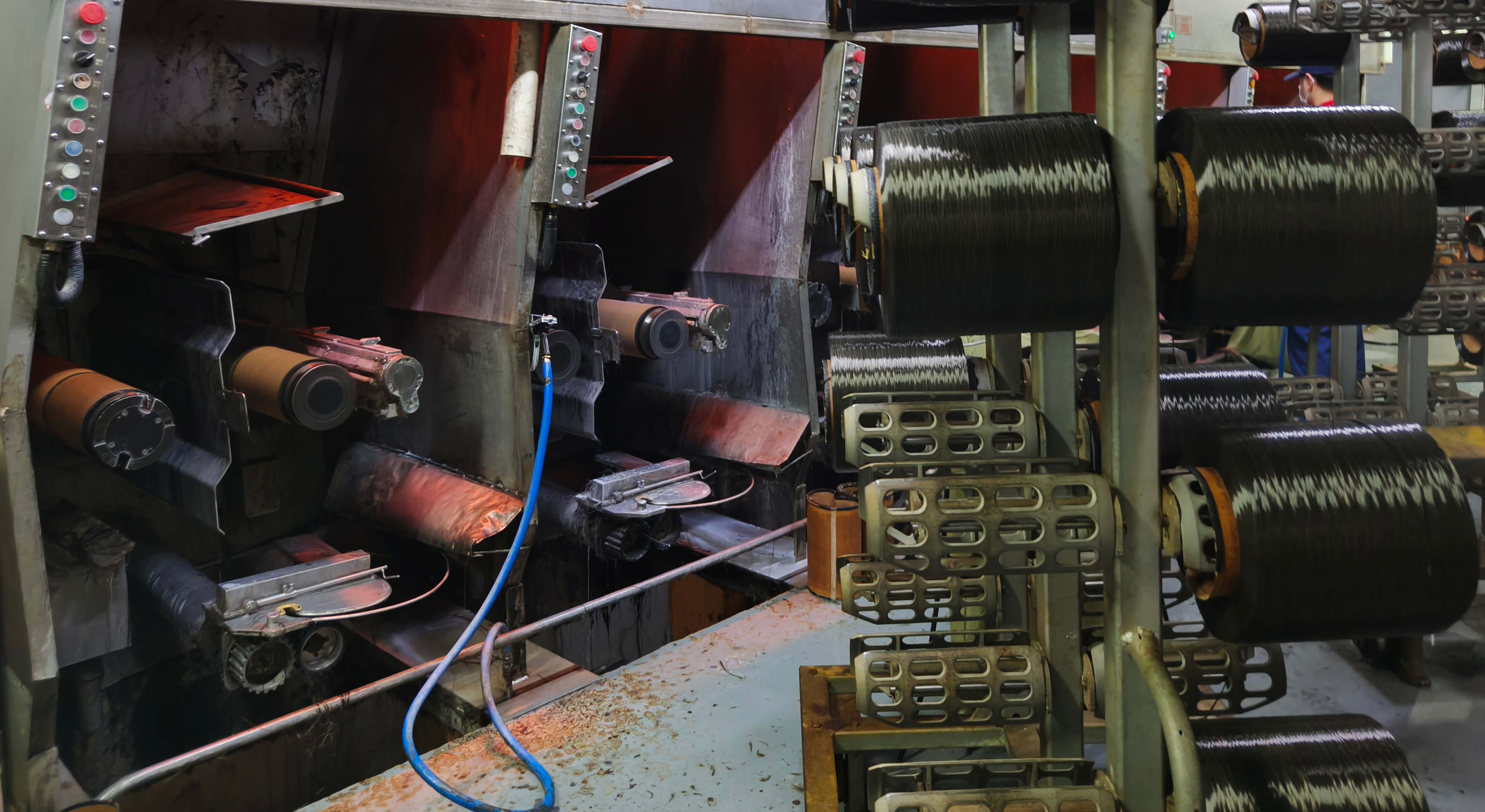
Basalt fiber is an inorganic fibrous material produced by drawing strands from natural basalt ore after it has been melted at high temperatures. It has garnered widespread attention for its exceptional physicochemical properties — particularly its performance in high-temperature environments.
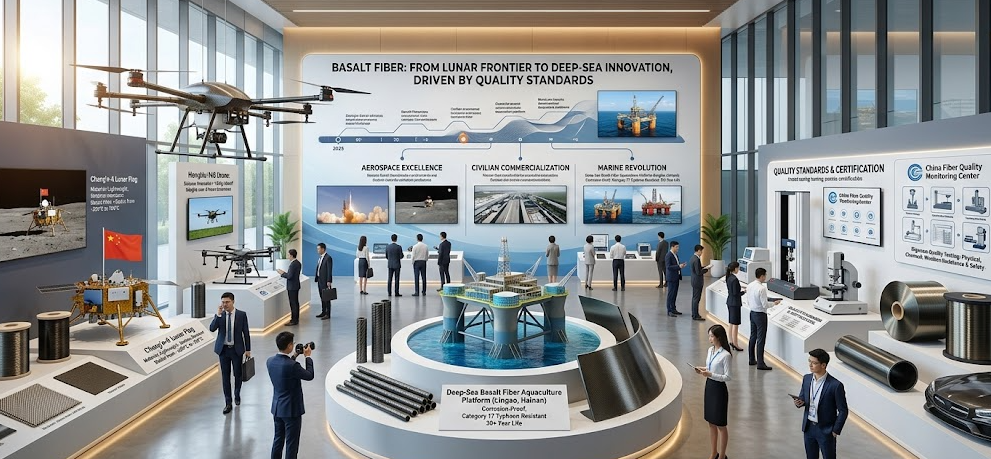
Recently, with the successful realization of major applications — such as the Chang'e-6 lunar exploration mission and the world's first deep-sea basalt fiber aquaculture platform — basalt fiber is rapidly accelerating its transformation from a laboratory research outcome into a strategic new material with tangible industrial productivity.
Explore our complete range of basalt fiber rebar dowel products — each engineered for specific performance demands across Brazil's diverse construction, industrial, and infrastructure sectors.