
Leave Your Message
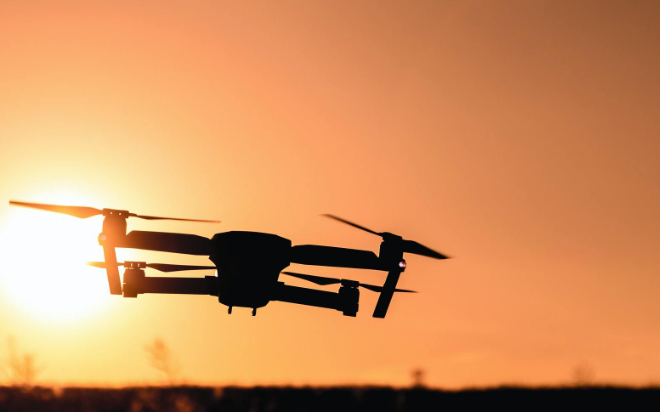
The global UAV (Unmanned Aerial Vehicle) and drone industry is undergoing a structural revolution. As drones transition from hobbyist devices into mission-critical tools deployed in oil & gas inspection, mining surveillance, military reconnaissance, and hazardous materials handling, the demand for explosion-proof, corrosion-resistant, and electromagnetically neutral structural materials has surged to unprecedented levels. At the center of this transformation sits basalt fiber rebar engineering — a technology derived from volcanic rock that is quietly redefining how drone fuselages and propeller blades are designed, manufactured, and certified for use in ATEX and IECEx explosive atmospheres.
According to industry analysts, the global market for explosion-proof drones is projected to grow at a CAGR of over 14% through 2030, driven by regulatory mandates in petrochemical, mining, and defense sectors. Basalt fiber rebar composites are emerging as the preferred structural reinforcement material, replacing both steel and traditional CFRP in fuselage frame and propeller blade applications.
Traditional UAV fuselages rely on carbon fiber reinforced polymer (CFRP) or aluminum alloy frames. While lightweight, these materials present critical risks in Zone 0, Zone 1, and Zone 2 explosive atmospheres as defined by ATEX directives:
Basalt fiber rebar composites address every one of these failure modes simultaneously — delivering a material that is non-conductive, non-sparking, corrosion-immune, thermally stable up to 650°C, and significantly lighter than steel.
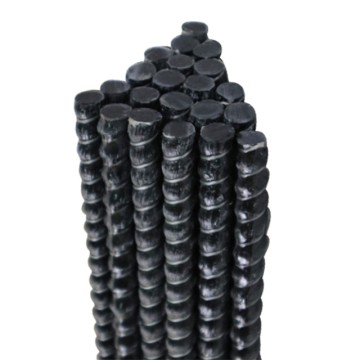
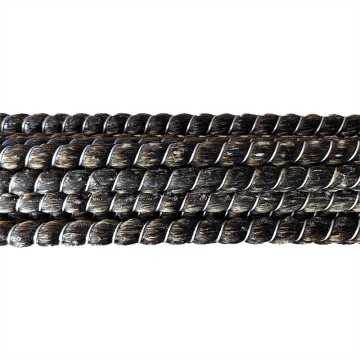
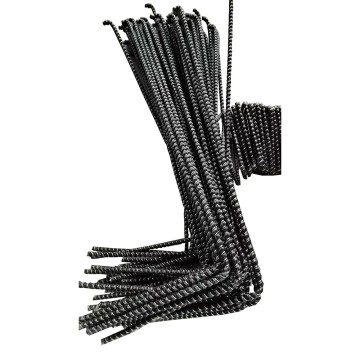
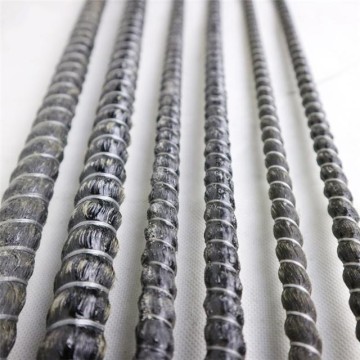
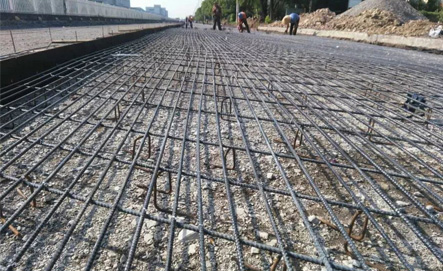
Basalt Fiber Reinforced Polymer (BFRP) rebar, produced by drawing continuous fibers from molten natural basalt rock at 1,450°C–1,500°C and embedding them in a polymer matrix, offers a unique combination of properties that make it ideal for explosion-proof UAV structural engineering:
Basalt fiber rebar exhibits a volume resistivity exceeding 10¹² Ω·cm, making it completely non-conductive. This eliminates the risk of electrical arc ignition in explosive atmospheres — a fundamental requirement for ATEX Zone 1 certification of UAV fuselages operating near gas processing facilities.
With a melting point of 1,450°C and continuous service temperature up to 700°C, basalt rebar-reinforced fuselage structures maintain full structural integrity in high-temperature industrial environments, including hot gas venting zones and refinery inspection scenarios where conventional CFRP would delaminate.
Basalt fiber rebar demonstrates exceptional resistance to acids, alkalis, salts, and hydrocarbon vapors — the precise chemical environments encountered during drone inspection of chemical storage tanks, offshore platforms, and underground pipeline networks. Unlike steel, it requires zero protective coating maintenance.
BFRP rebar achieves tensile strength of 1,000–1,500 MPa with a density of just 1.8–2.1 g/cm³ — approximately 4× lighter than steel at equivalent strength. For UAV fuselage frame engineering, this translates directly into extended flight endurance, increased payload capacity, and reduced motor stress.
While fuselage applications have dominated early adoption, propeller blade reinforcement with basalt fiber rebar represents the most technically demanding — and commercially significant — frontier in explosion-proof UAV material engineering. Propeller blades in industrial drones operate under extreme combined loading: centrifugal forces exceeding 50G, aerodynamic bending moments, vibration fatigue cycles in the millions, and sudden impact loading from debris ingestion.
Basalt fiber rebar embedded within composite propeller blade structures provides:
The deployment of basalt rebar-engineered explosion-proof drones is accelerating across multiple high-value industrial sectors:
Drones equipped with basalt fiber rebar fuselages are now certified for Zone 1 operations inside oil refinery units, chemical reactor buildings, and LNG storage facilities. The non-conductive, non-sparking structure allows close-proximity inspection of pressurized vessels, heat exchangers, and flare stacks without triggering ignition-prevention safety shutdowns.
Coal mines, potash mines, and underground gas storage facilities represent some of the most demanding environments for explosion-proof UAV deployment. Basalt rebar-framed drones can operate in methane-classified atmospheres (Group I, Category M2) where any conductive or spark-generating material is strictly prohibited. The high compressive strength of basalt rebar also provides superior impact resistance against rock debris strikes during underground flights.
The combination of explosion-proof certification and salt-spray corrosion immunity makes basalt rebar UAVs the ideal solution for offshore oil platform inspection. Traditional aluminum or steel-framed drones corrode within months in marine environments; basalt fiber rebar structures maintain full mechanical performance for 25+ years with zero corrosion-related maintenance.
Military-grade explosion-proof UAVs for EOD (Explosive Ordnance Disposal) support, ammunition depot inspection, and battlefield reconnaissance increasingly specify basalt fiber rebar structural components for their combination of radar transparency (low RCS contribution), non-magnetic properties (critical near magnetic influence mines), and blast-fragment resistance superior to both aluminum and CFRP.
Inspection of high-voltage transmission lines, substation equipment, and transformer yards requires UAVs with fully non-conductive structural frames. Basalt rebar-reinforced fuselages provide the electrical isolation necessary to safely approach energized conductors at distances as close as 1 meter without risk of induced current or arc discharge through the airframe.
Several converging trends are accelerating the adoption of basalt rebar engineering in explosion-proof UAV manufacturing:
Founded in 2015 and headquartered in Jiujiang, Jiangxi Province, China Beihai Group has established itself as a global leader in high-performance basalt continuous fiber technology. With dedicated R&D investment in aerospace-grade BFRP rebar formulations, China Beihai supplies basalt fiber rebar engineered specifically for the structural demands of explosion-proof UAV fuselages and propeller blade reinforcement systems.
China Beihai's basalt rebar product range spans 4mm to 30mm diameter, with customized epoxy, vinyl ester, and phenolic resin matrix systems optimized for different explosion-proof UAV application requirements — from lightweight multi-rotor inspection drones to heavy-lift fixed-wing platforms designed for long-endurance industrial missions.
Volume resistivity >10¹² Ω·cm ensures zero ignition risk in ATEX Zone 0/1/2 explosive atmospheres. Mandatory for petrochemical and mining UAV certification.
Zero magnetic permeability eliminates interference with UAV compass, magnetometer, and proximity sensor systems — critical for precision autonomous navigation in industrial environments.
Tensile strength-to-weight ratio exceeding steel by 3.5× enables structural weight reduction of 60–70% in fuselage frame engineering without sacrificing load-bearing capacity.
Continuous service to 700°C with short-term exposure capability to 1,450°C. Maintains structural integrity in proximity to flare stacks, furnaces, and high-temperature process equipment.
Resistant to pH 1–13 chemical environments, hydrocarbon vapors, and salt spray. Ideal for offshore, chemical plant, and wastewater treatment facility inspection missions.
Produced from natural volcanic basalt rock with no chemical precursors. 40% lower CO₂ footprint than carbon fiber. Aligns with ESG procurement mandates in defense and energy sectors.
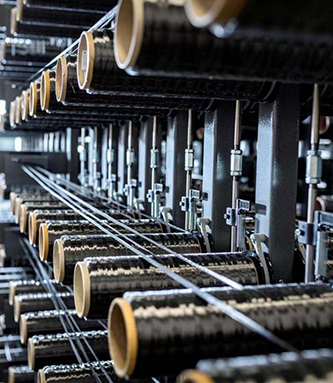
China Beihai is founded in 2015 and located in Jiujiang, Jiangxi Province. China Beihai is a high-tech enterprise focusing on the research, development, production and sales of high-performance basalt continuous fiber and its production equipment manufacturing, as well as a leading enterprise in the domestic basalt fiber industry.
Our basalt fiber rebar products are engineered to meet the most stringent requirements of explosion-proof UAV fuselage and propeller blade applications, combining advanced material science with precision manufacturing for next-generation aerial platforms.
View More About Us
At China Beihai group, we specialize in the production of a wide range of products including basalt fiber mat, basalt fiber roving, basalt fiber yarn, basalt fiber chopped strands, basalt fiber rebar, basalt fiber sleeves and tape. Our products are designed to meet the diverse needs of various industries.

At China Beihai group, we are dedicated to the production of a wide array of basalt-based products, ranging from basalt fiber mat, fabric, and roving to chopped strand and specialized construction materials. Our focus is on delivering high-quality, sustainable solutions for industries such as construction, geotechnical engineering, aerospace, and UAV manufacturing.

Choosing to work with China Beihai means working with a leading manufacturer of basalt products. Our commitment to quality, innovation and sustainability sets us apart, ensuring our customers receive best-in-class solutions for their diverse needs. When you partner with China Beihai, you can trust that you are working with a reliable and forward-thinking partner for all your basalt product needs.
Basalt fiber is ideal for your engineering projects. Its high strength, corrosion resistance and lightweight properties allow it to easily solve a variety of challenges. In UAV fuselages, propeller blades, and explosion-proof structural components, basalt fibers demonstrate outstanding performance, extending operational life and reducing maintenance costs.
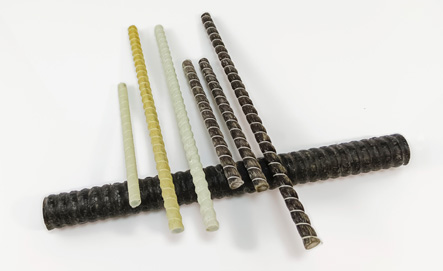
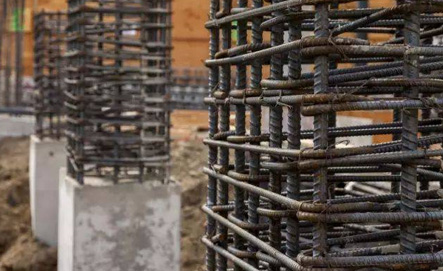
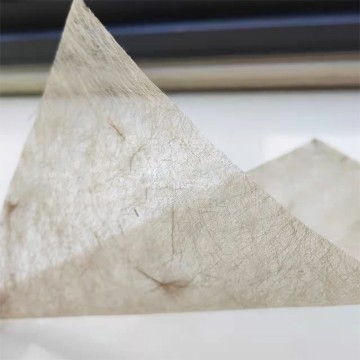
Basalt Fiber Surfacing Tissue Mat is a non-woven thin sheet engineered to provide a smooth resin-rich surface layer for fiber reinforced plastic UAV fuselage components...
Read More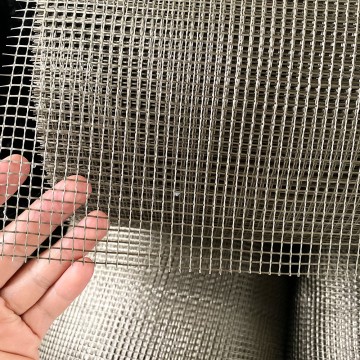
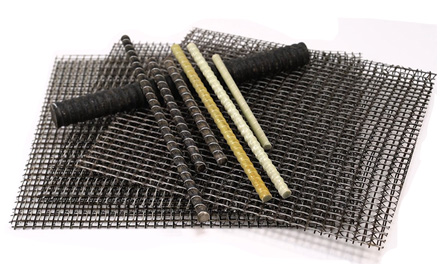
Our high performance Basalt Fiber Mesh provides a superior reinforcement solution for composite UAV fuselage panels where high alkali resistance and structural integrity are required...
Read More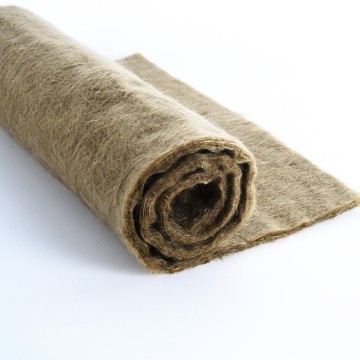
Our Basalt Fiber Needled Mat is a high-density insulation material manufactured by mechanically bonding continuous basalt fibers, ideal for thermal protection in explosion-proof UAV designs...
Read More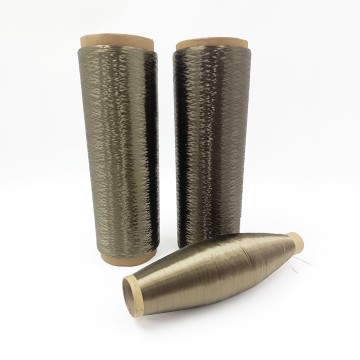
Our Basalt Fiber Twisted Yarn is engineered by twisting multiple continuous filaments to enhance mechanical strength and processing stability for high-RPM propeller blade composite manufacturing...
Read More
Our basalt products have diverse applications in the field of house construction and infrastructure reinforcement.

In the aerospace and UAV field, basalt fibers are ideal for manufacturing explosion-proof fuselages, wings, and propeller blades.

Through fine process control and surface treatment technologies, basalt fibers are used in spacecraft shell materials, thermal protection systems, and high-temperature-resistant engine components.

Basalt-added concrete offers increased strength and durability, increased crack resistance, improved chemical resistance and improved workability.

Facing the trend of lightweight automobile materials, basalt fiber composites have realized wide application in the automobile field.

Basalt's high strength, durability and protective properties make it ideal for protecting bridge structures from vehicle collisions, fire, and corrosion.

The corrosion resistance of basalt fiber gives it a unique advantage in the petrochemical field, including explosion-proof drone inspection platforms.

Basalt fiber as a high-performance composite material with lightweight, high strength, corrosion resistance, acid and alkali resistance for marine environments.

 China Beihai · Latest
As drones slice through the sky to monitor wildfires, and intelligent robots execute repetitive tasks with precision on the factory floor, the efficient operation of this smart equipment is often underpinned by a "hardcore support" that is easily overlooked: a novel material derived from volcanic rock — basalt fiber. Though unassuming in appearance, its unique properties have made it the key to unlocking the performance limits of drones and robots, quietly driving a materials revolution within the realm of intelligent equipment.
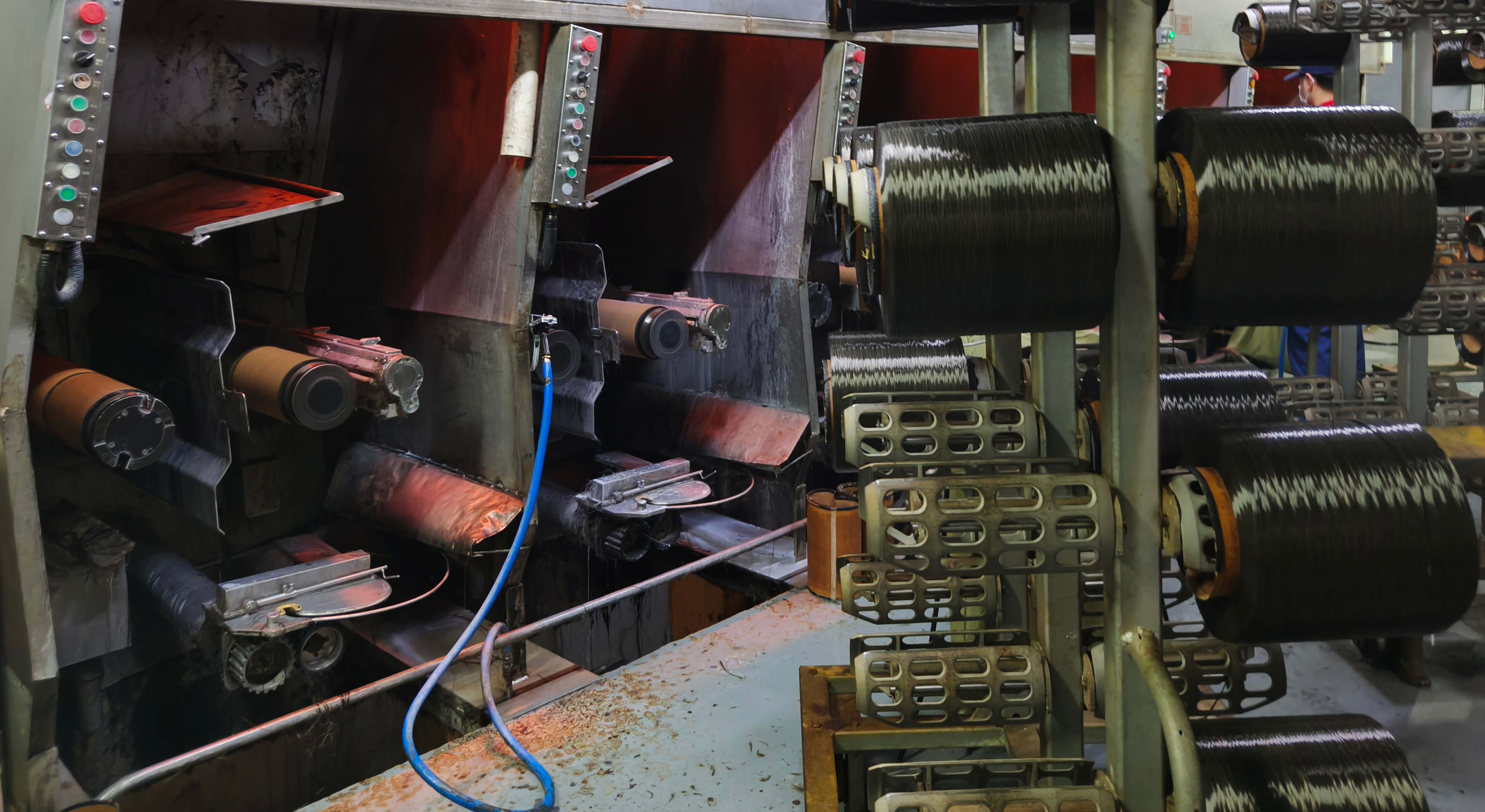
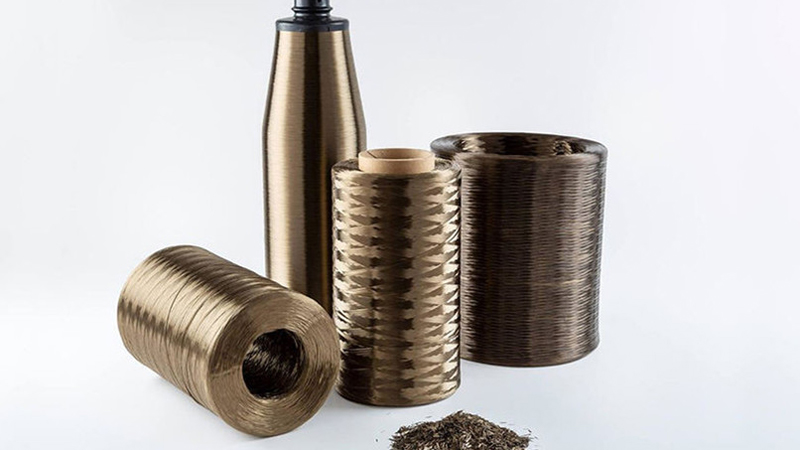
Basalt fiber is an inorganic fibrous material produced by drawing strands from natural basalt ore after it has been melted at high temperatures. It has garnered widespread attention for its exceptional physicochemical properties — particularly its performance in high-temperature environments...
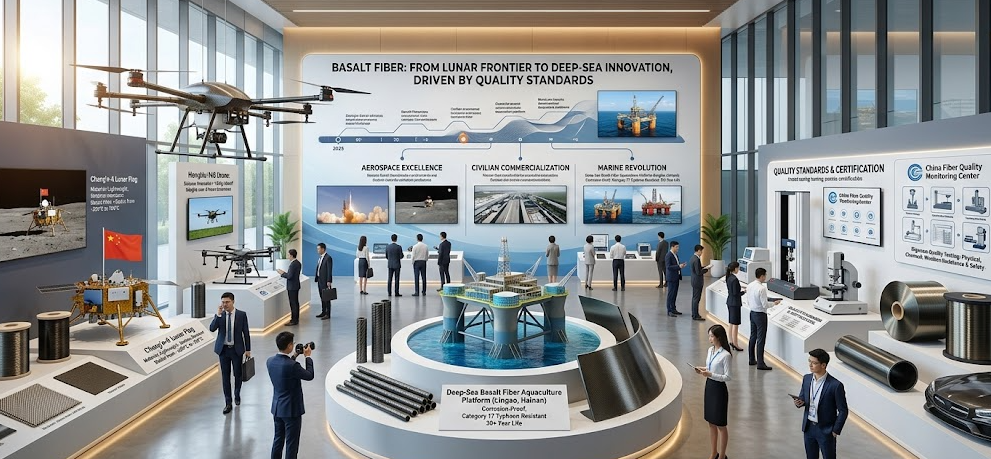
Recently, with the successful realization of major applications — such as the Chang'e-6 lunar exploration mission and the world's first deep-sea basalt fiber aquaculture platform — basalt fiber is rapidly accelerating its transformation from a laboratory research outcome into a strategic new material with tangible industrial productivity...