
Leave Your Message
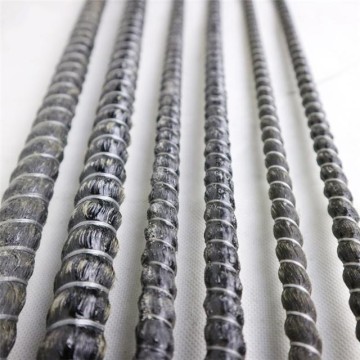
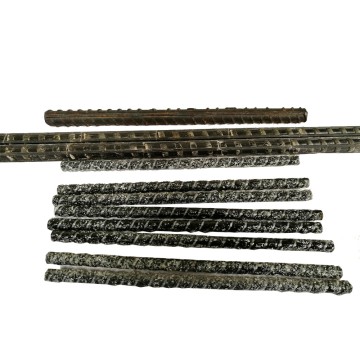
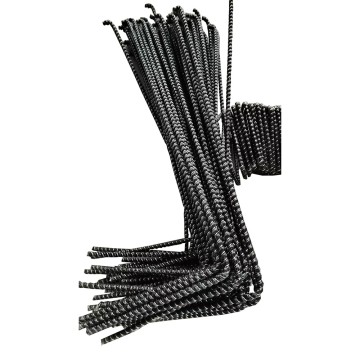
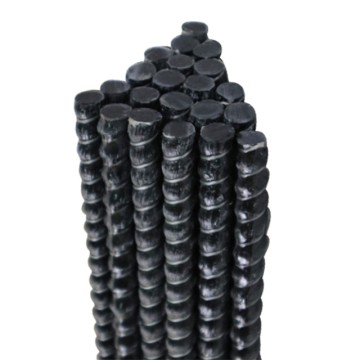
Our core basalt fiber rebar product line is engineered specifically for environments requiring superior fire resistance, high-temperature durability, and structural integrity under extreme thermal stress.
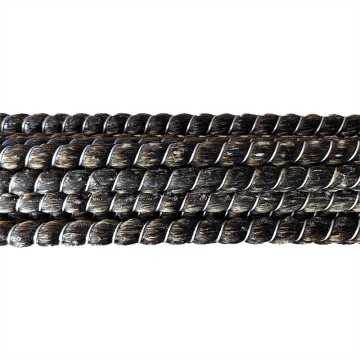
Basalt fiber rebar (BFRP) is produced by melting natural volcanic basalt rock at temperatures between 1,450°C and 1,500°C and drawing it into continuous filaments. This origin story is itself a testament to the material's extraordinary thermal credentials — a fiber bornfrom fire is naturally equipped to resist it. Unlike conventional steel rebar, which begins to lose structural integrity above 400°C, basalt fiber rebar maintains mechanical performance at temperatures exceeding 700°C, making it the engineering material of choice for fire-resistant clothing reinforcement frameworks and high-temperature thermal barrier structures.
In the context of fire-resistant clothing and personal protective equipment (PPE), rebar engineering principles are being adapted at the micro-structural level. Basalt fiber yarns and woven composites derived from the same raw material as BFRP rods are now integrated into protective garment architectures, providing skeletal reinforcement that prevents structural collapse under radiant heat and open flame exposure.
For industrial thermal barrier systems — including furnace linings, kiln walls, high-temperature pipe insulation, and firewall panels — basalt rebar serves as the primary tensile reinforcement within refractory concrete matrices, replacing steel and glass fiber alternatives that degrade far more rapidly under sustained elevated temperatures.
The global basalt fiber market has crossed the USD 300 million threshold and is projected to grow at a CAGR exceeding 12% through 2030, driven substantially by demand from fire safety, aerospace thermal protection, and industrial insulation sectors. China, as the world's largest basalt fiber producer, accounts for over 60% of global output, with China Beihai Group at the forefront of this expansion.
Major industrial end-users — including petrochemical plant operators, metallurgical facilities, tunnel construction contractors, and defense PPE manufacturers — are actively replacing legacy steel and fiberglass reinforcement with basalt-based solutions to meet increasingly stringent international fire safety standards such as EN ISO 11612, NFPA 2112, and ISO 15025.
Basalt fiber rebar retains over 85% of its tensile strength at 600°C — a benchmark no conventional steel or E-glass alternative can match. This makes it the definitive structural reinforcement solution for fire-rated construction, high-temperature protective clothing frameworks, and refractory thermal barrier systems operating in continuous high-heat industrial environments.
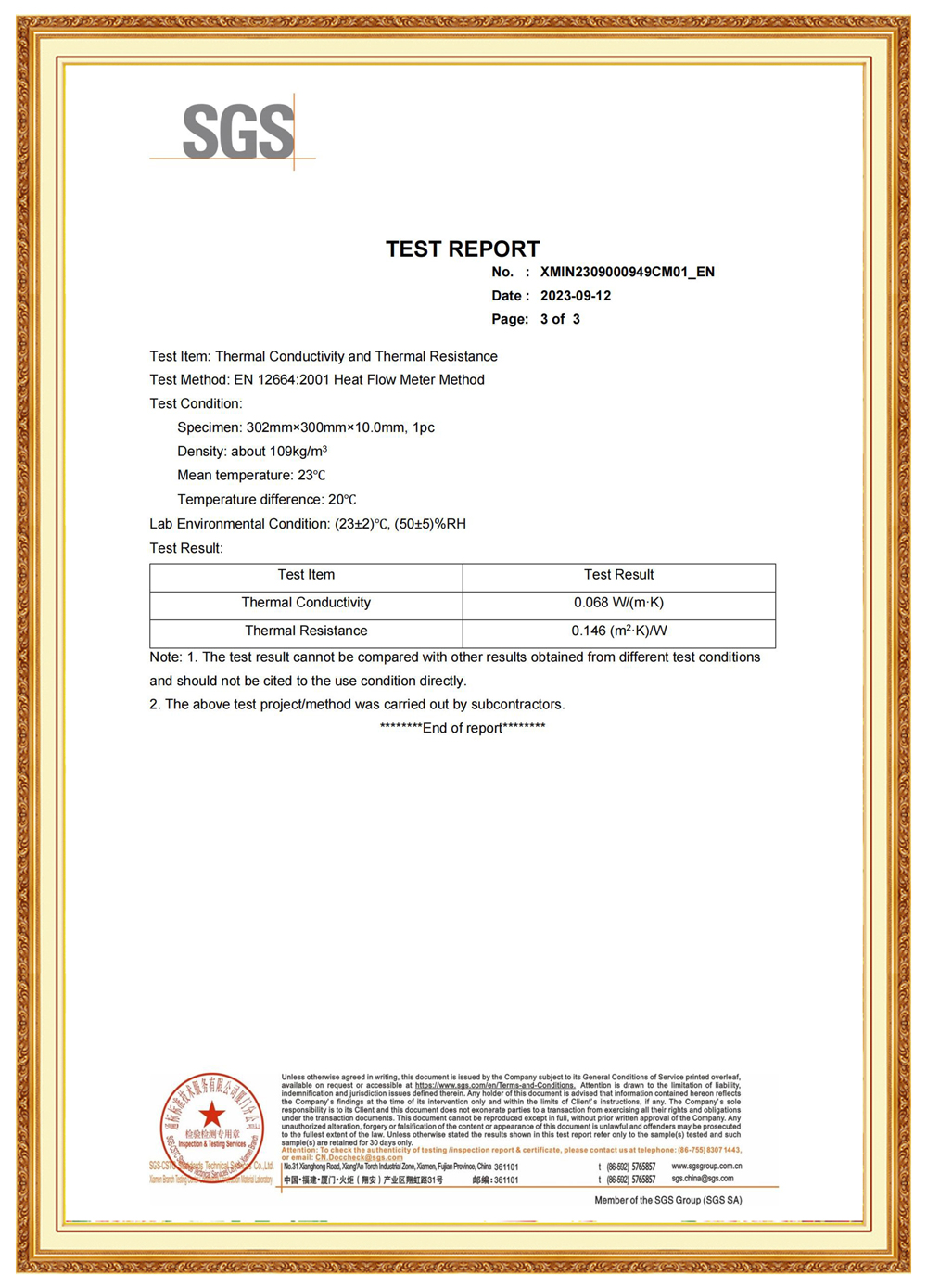
Manufactured from 100% natural basalt rock with zero synthetic additives, BFRP rebar achieves a tensile strength of 1,000–1,500 MPa, an elastic modulus of 50–80 GPa, and a thermal conductivity of just 0.031–0.038 W/(m·K) — making it simultaneously a structural reinforcement and a passive thermal insulation element in composite barrier systems.
Basalt fiber rebar integrates a unique combination of physical and chemical properties that make it the optimal reinforcement solution for fire-resistant and high-temperature thermal barrier engineering.
Maintains structural integrity from -269°C to +700°C, outperforming steel (degrades above 400°C) and E-glass fiber (softens above 550°C). Ideal for continuous-duty thermal barrier reinforcement in industrial furnaces, kilns, and fire-rated wall assemblies.
As a fully inorganic mineral fiber, basalt rebar produces zero toxic fumes, zero smoke, and zero flame propagation when exposed to fire. This property is critical for fire-resistant PPE frameworks and structural firewall applications where smoke toxicity is a life-safety concern.
Completely non-conductive and non-magnetic, basalt rebar enables safe use in electrically sensitive fire-protection environments including MRI facilities, power substations, and high-voltage switchgear rooms where steel rebar would create dangerous interference.
Immune to chloride attack, acid exposure, and alkali degradation — conditions common in industrial thermal barrier environments involving chemical processing, coastal infrastructure, and underground high-temperature pipelines. Delivers service life exceeding 100 years.
At approximately 1/4 the weight of equivalent steel rebar, basalt BFRP dramatically reduces dead load in fire-rated floor systems, thermal barrier wall panels, and protective clothing structural inserts — enabling more flexible and ergonomic design solutions.
With thermal conductivity of 0.031–0.038 W/(m·K), basalt fiber composites function as both structural reinforcement and passive thermal insulation simultaneously — reducing the number of material layers required in high-temperature barrier assemblies and simplifying system design.
From personal protective equipment to mega-scale industrial thermal infrastructure, basalt fiber rebar engineering is reshaping how industries approach fire protection and heat management at the structural level.
Basalt fiber yarns derived from the same raw material as BFRP rods are woven into the structural layers of firefighter turnout gear, foundry worker aprons, and industrial aluminized suits. The fiber's natural flame-inertness and radiant heat reflectivity provide Level A fire protection without the weight penalty of traditional aramid-composite constructions.
In steel mills, glass manufacturing plants, and ceramic kilns operating above 1,000°C, basalt rebar-reinforced refractory concrete panels replace conventional steel-mesh reinforcement that oxidizes and spalls under thermal cycling. BFRP maintains bond strength with refractory castables at sustained high temperatures, extending lining service intervals by 40–60%.
Road and rail tunnel operators worldwide are specifying basalt fiber rebar for secondary lining concrete in fire scenarios exceeding the RWS curve (1,350°C peak). Unlike steel, BFRP does not conduct heat into the concrete matrix, preventing explosive spalling and maintaining structural integrity during and after fire events — a critical life-safety requirement in enclosed tunnel environments.
In refineries and LNG terminals, basalt rebar reinforces the passive fire protection (PFP) concrete encasements around structural steel columns and process vessels. Its chemical inertness to hydrocarbons, acids, and alkalis — combined with high-temperature stability — makes it the preferred reinforcement for jetfire and pool-fire rated encasements per API 2218 and EN 13501 standards.
The aerospace sector utilizes basalt fiber composites in thermal protection systems (TPS) for spacecraft re-entry vehicles and aircraft engine nacelles. Basalt's natural origin, combined with its ability to withstand aerodynamic heating environments, positions it as a sustainable alternative to synthetic high-temperature composites in next-generation aerospace thermal management applications.
Fire-rated concrete structures — including parking garages, high-rise cores, and bridge decks in wildfire-prone regions — increasingly specify BFRP rebar to meet 2-hour and 4-hour fire resistance ratings without the costly concrete cover depths required for steel. Basalt's low thermal conductivity reduces heat transfer to the concrete-rebar interface, preserving structural load capacity throughout fire events.
Regulatory frameworks including Eurocode 2 fire design provisions, NFPA 130 for transit tunnels, and updated ISO fire resistance standards are increasingly requiring reinforcement materials that maintain structural performance at higher temperatures for longer durations — directly favoring basalt BFRP over conventional steel in critical applications.
With embodied carbon regulations tightening globally, basalt fiber rebar — produced from 100% natural volcanic rock with no synthetic chemical inputs — offers a dramatically lower carbon footprint than steel rebar production. Life-cycle assessments confirm BFRP reduces structural carbon by up to 75% compared to equivalent steel reinforcement systems.
Advanced engineering firms are developing hybrid thermal barrier systems combining basalt rebar structural grids with aerogel insulation blankets, intumescent coatings, and phase-change material (PCM) layers. These multi-functional assemblies achieve fire resistance ratings of 4+ hours at significantly reduced thickness and weight compared to traditional refractory systems.
Military and first-responder procurement agencies are evaluating basalt fiber composite armor and thermal protection systems as lightweight alternatives to current ceramic and aramid solutions. The combination of ballistic resistance, flame inertness, and electromagnetic transparency makes basalt composites uniquely suited to next-generation combat and emergency response protective systems.
Leading basalt fiber manufacturers including China Beihai are deploying AI-powered process monitoring systems to achieve sub-micron fiber diameter consistency and real-time resin impregnation quality control during BFRP rebar production — ensuring consistent thermal and mechanical performance across every meter of product delivered to fire-safety critical applications.
The establishment of ASTM D7957, ACI 440.1R, and forthcoming ISO basalt fiber rebar standards is accelerating global specification adoption. China Beihai's products are certified to meet these emerging international benchmarks, enabling direct substitution of steel rebar in fire-resistant structural designs without engineering re-certification delays.
Basalt fiber is ideal for your engineering projects. Its high strength, corrosion resistance and lightweight properties allow it to easily solve a variety of challenges. In buildings, bridges, roads and other infrastructure projects, basalt fibers demonstrate outstanding performance, extending structural life and reducing maintenance costs.
Basalt Fiber Rebar for Reinforcement in Concrete Construction. Basalt fiber rebar is a high-strength alternative to traditional steel bars and is used in a wide range of applications for reinforcing concrete structures in various fields. Its excellent performance makes it ideal for a variety of construction applications such as bridges, highways, buildings and other infrastructure projects.
In fire-resistant and high-temperature thermal barrier contexts, basalt fiber rebar provides the critical structural backbone that prevents catastrophic failure when conventional reinforcement materials would have long since yielded to thermal degradation.
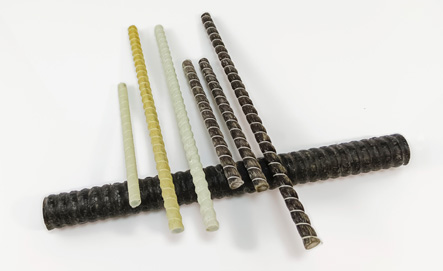
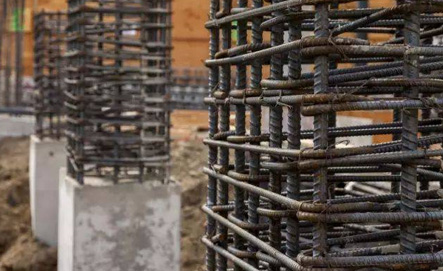
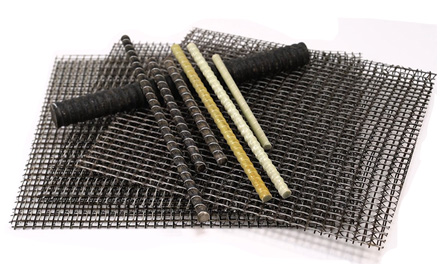
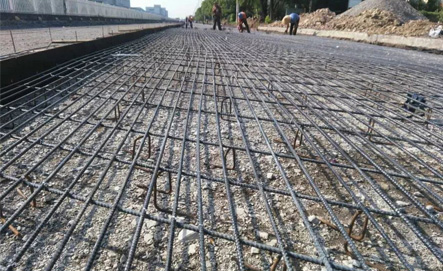
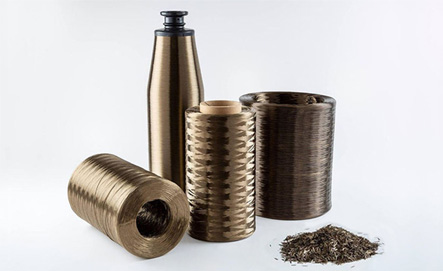
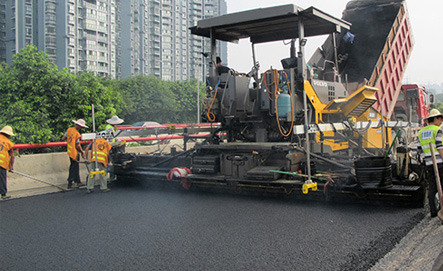
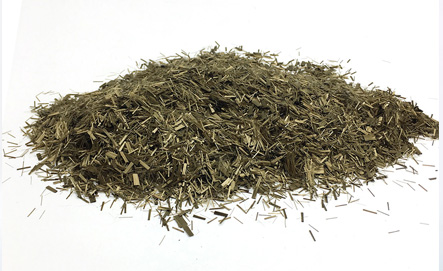
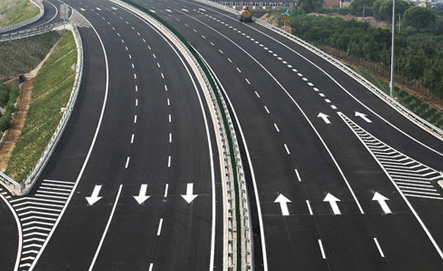
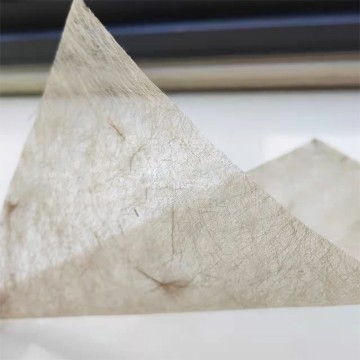
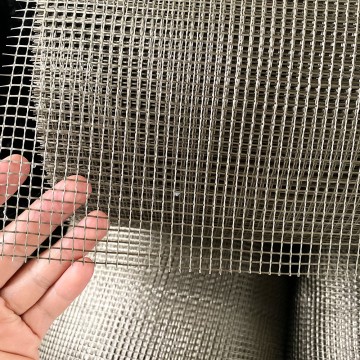
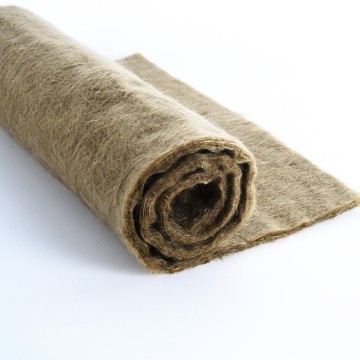
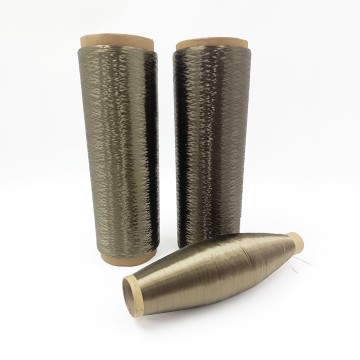

Our basalt products have diverse applications in fire-rated building construction, providing structural reinforcement that maintains integrity under fire exposure conditions far beyond the capability of conventional steel rebar.

In the aerospace field, basalt fibers are ideal for manufacturing aircraft wings, engine thermal protection components, and fire-barrier composite panels that must withstand extreme aerodynamic heating.

Through fine process control and surface treatment technologies, basalt fibers are used in spacecraft shell materials, thermal protection systems, and high-temperature-resistant components of aircraft engines.

Basalt-reinforced concrete offers increased strength and durability, enhanced crack resistance, improved chemical resistance, and superior fire performance compared to conventional steel-reinforced concrete systems.

Basalt's high strength, durability, and fire-protective properties make it ideal for protecting bridge abutment structures from vehicle collisions, fire, corrosion, and the natural environment.

The corrosion resistance and high-temperature stability of basalt fiber gives it a unique advantage in the petrochemical field for passive fire protection encasements, thermal barrier cladding, and chemical-resistant structural reinforcement.
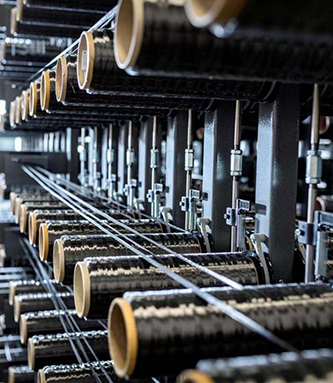
China Beihai is founded in 2015 and located in Jiujiang, Jiangxi Province. China Beihai is a high-tech enterprise focusing on the research, development, production and sales of high-performance basalt continuous fiber and its production equipment manufacturing, as well as a leading enterprise in the domestic basalt fiber industry.
With deep expertise in fire-resistant and high-temperature thermal barrier applications, China Beihai supplies basalt fiber rebar, roving, yarn, chopped strands, needled mats, and composite products to global customers in construction, petrochemical, aerospace, and protective equipment industries.
View More About Us
At China Beihai Group, we specialize in the production of a wide range of products including basalt fiber mat (Basalt fiber chopped strand mat, Basalt fiber cloth), basalt fiber roving, basalt fiber yarn, basalt fiber chopped strands, and basalt fiber products (Basalt Fiber rebar, basalt fiber sleeves and tape). Our products are designed to meet the diverse needs of various industries, providing high-quality solutions for our customers.

At China Beihai Group, we are dedicated to the production of a wide array of basalt-based products, ranging from basalt fiber mat, fabric, and roving to chopped strand and specialized construction materials. Our focus is on delivering high-quality, sustainable solutions for industries such as construction, geotechnical engineering, and manufacturing. With a commitment to innovation and excellence, we strive to cater to the unique requirements of our clients by offering a comprehensive selection of basalt-derived products.

Choosing to work with China Beihai means working with a leading manufacturer of basalt products. Our commitment to quality, innovation and sustainability sets us apart, ensuring our customers receive best-in-class solutions for their diverse needs. Reliability and customer satisfaction are our priorities — we offer a wide range of high-quality basalt materials and construction products, backed by our dedication to excellence and industry expertise. When you partner with China Beihai, you can trust that you are working with a reliable and forward-thinking supplier for all your basalt product needs.
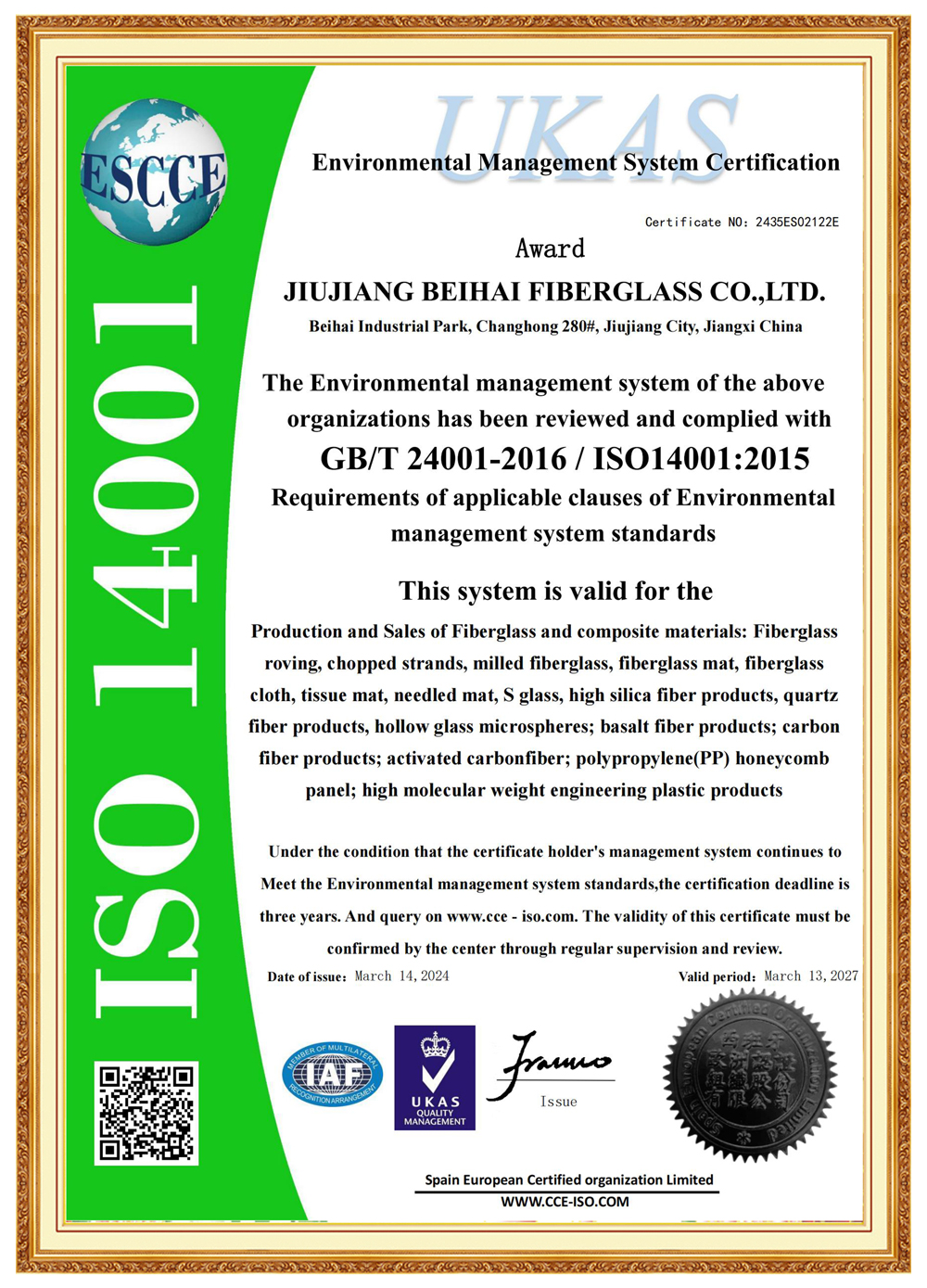
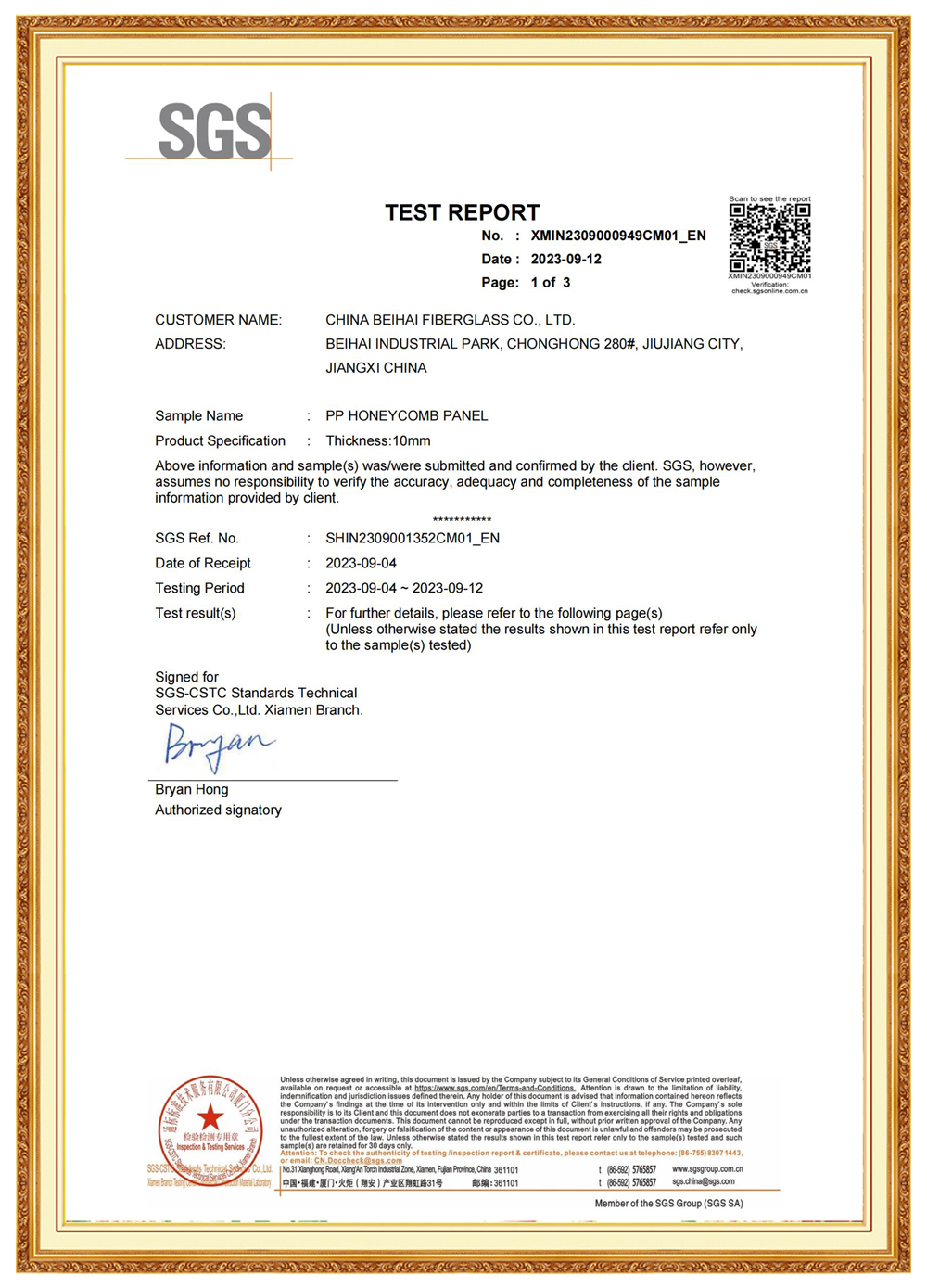
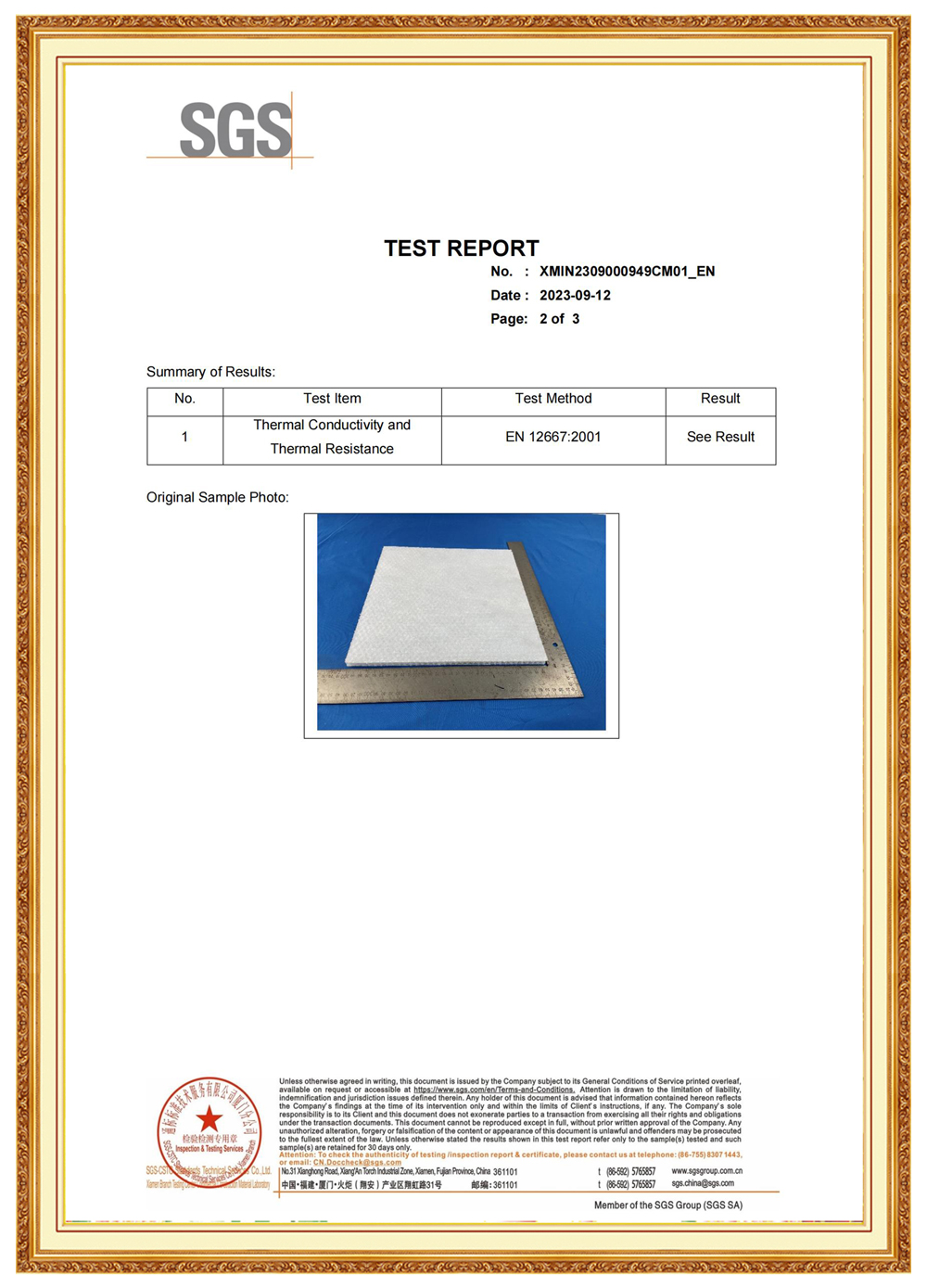
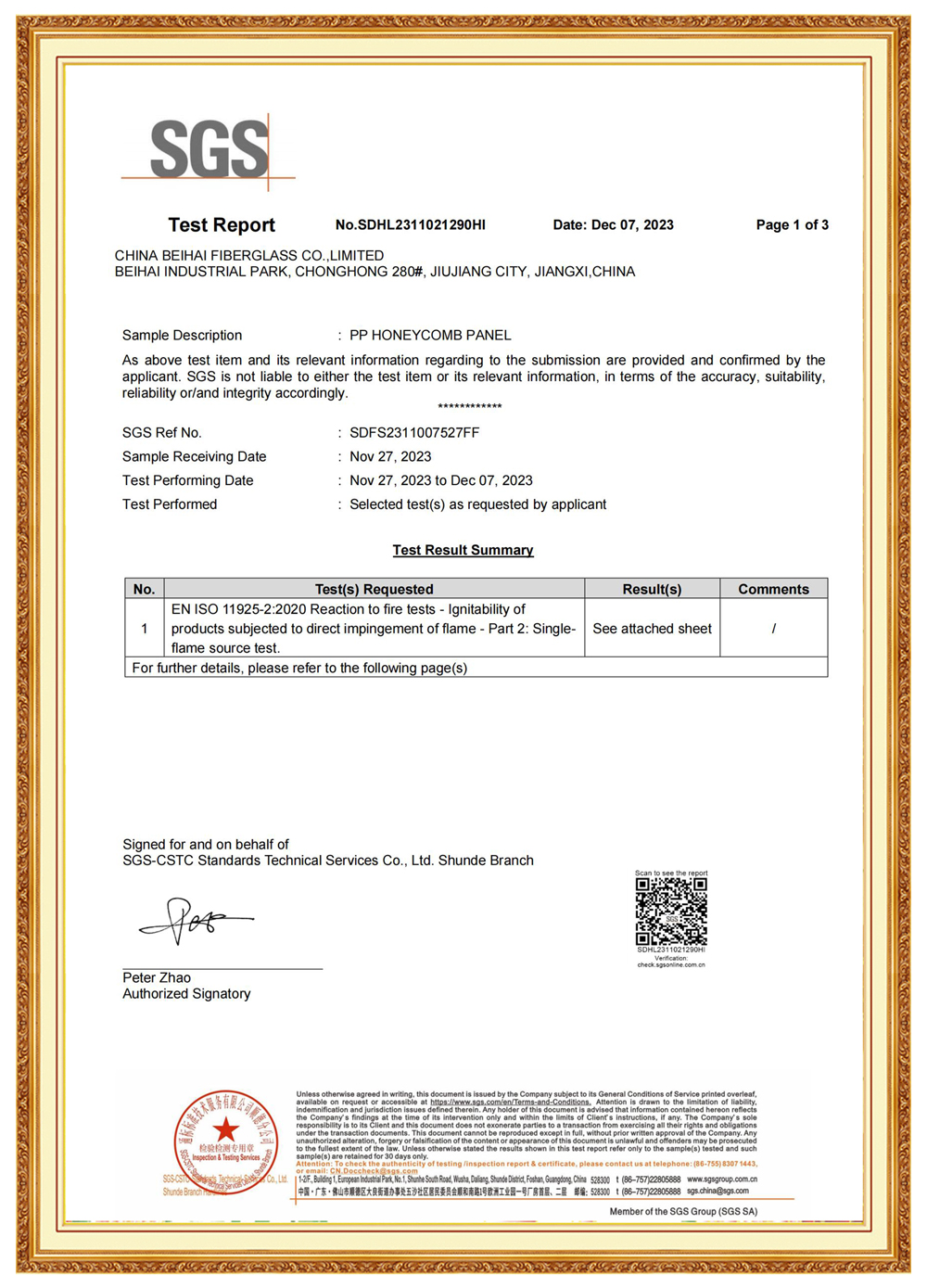
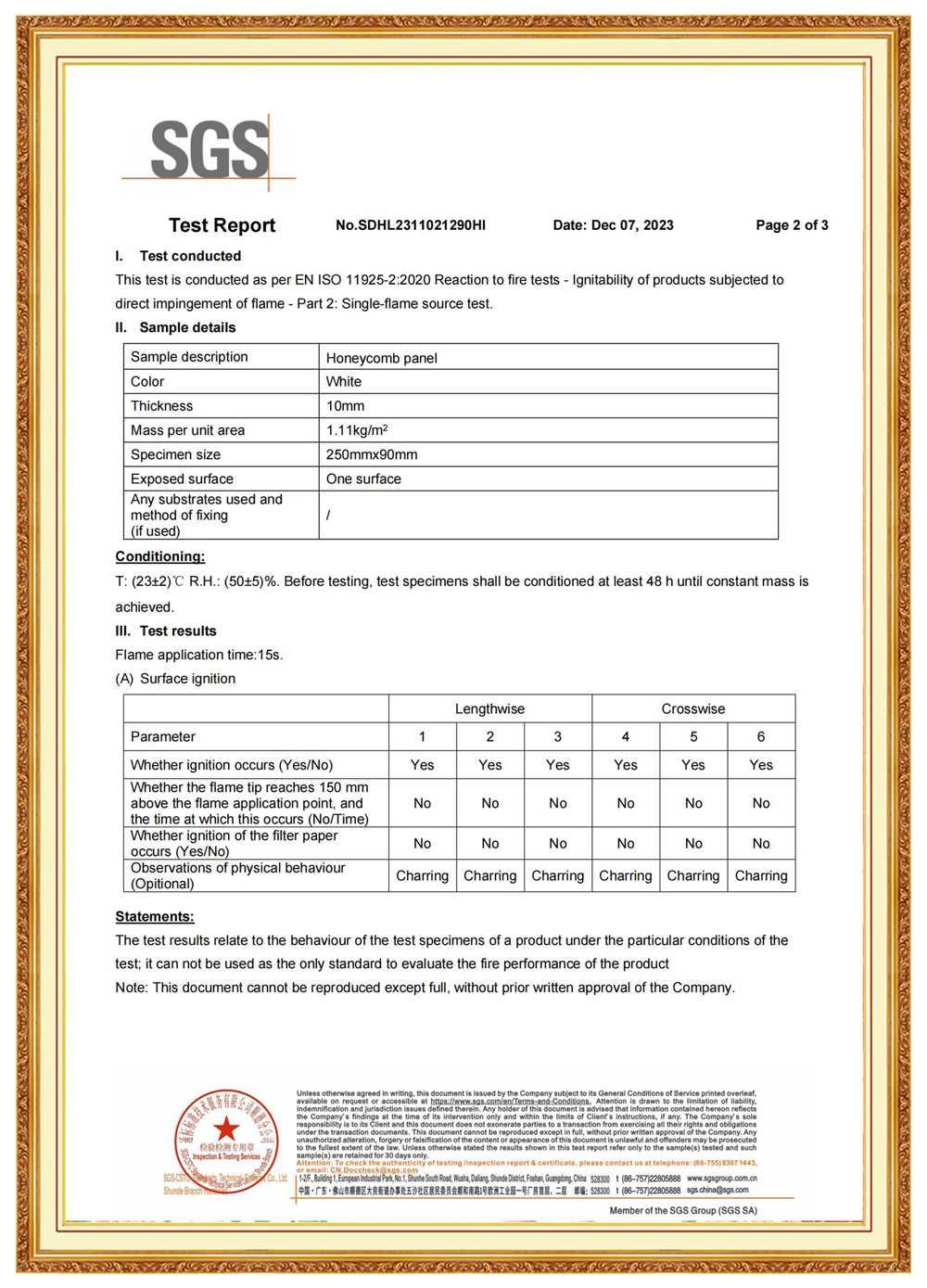
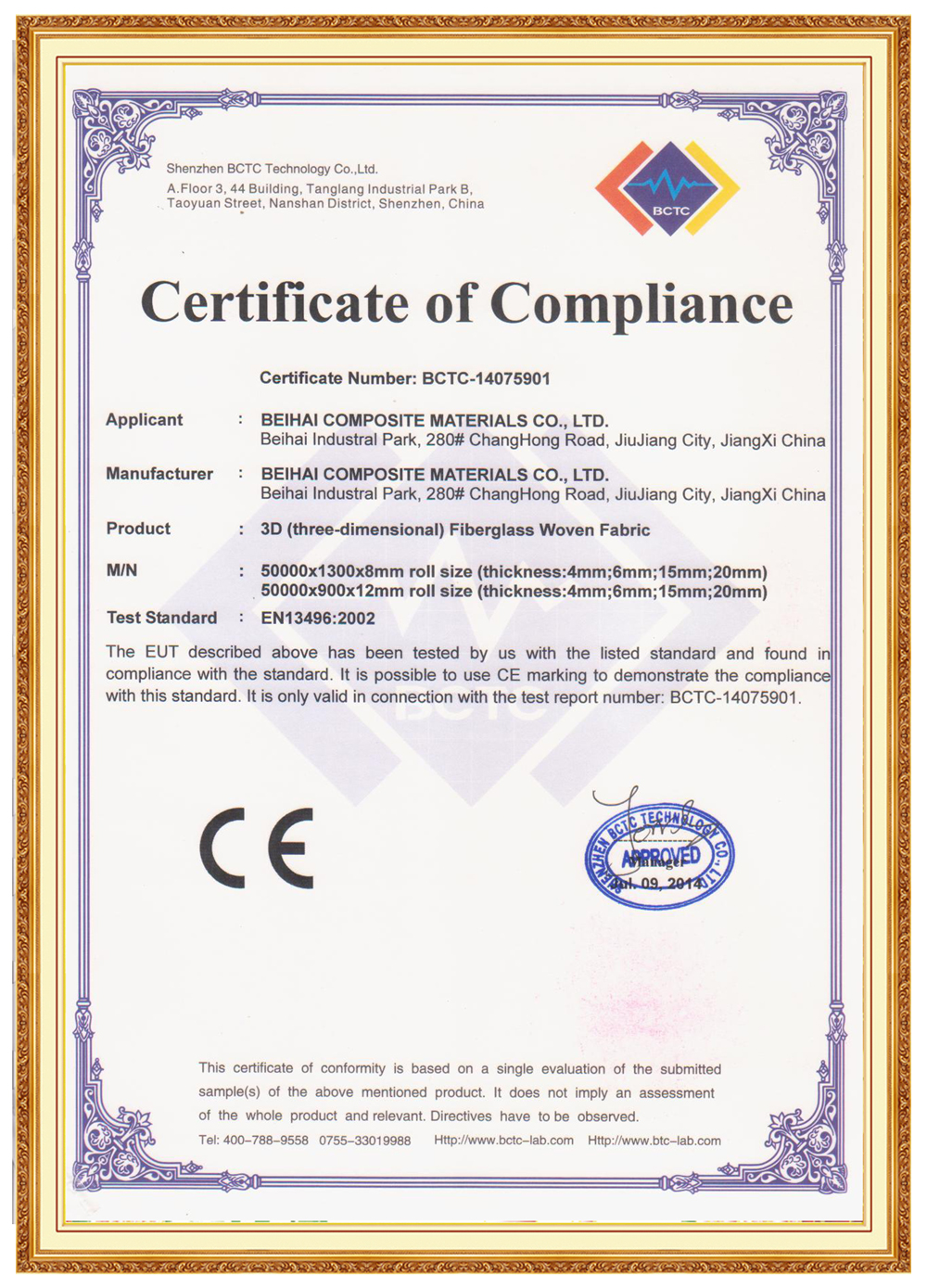
China Beihai's basalt fiber rebar products are certified to meet international quality and safety standards for fire-resistant and high-temperature thermal barrier applications.
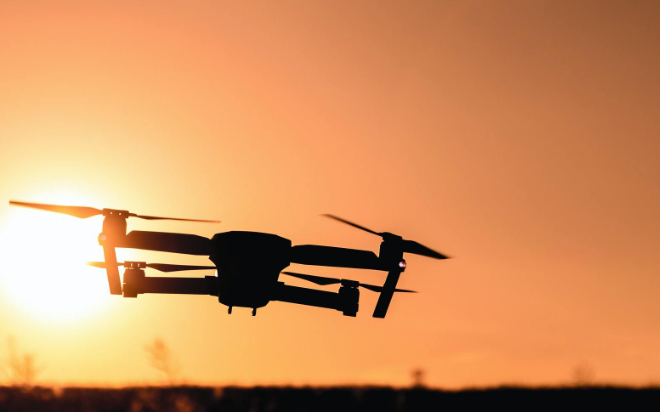
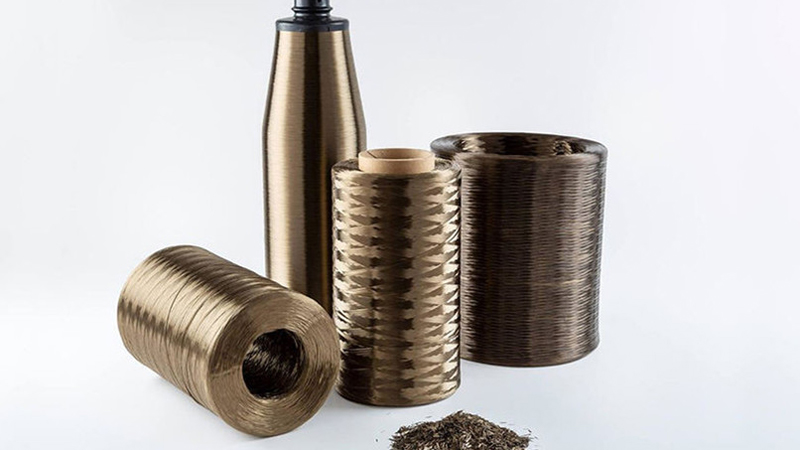
As drones slice through the sky to monitor wildfires, and intelligent robots execute repetitive tasks with precision on the factory floor, the efficient operation of this smart equipment is often underpinned by a "hardcore support" derived from volcanic rock — basalt fiber. Though unassuming in appearance, its unique properties have made it the key to unlocking the performance limits of drones and robots, quietly driving a materials revolution within the realm of intelligent equipment.
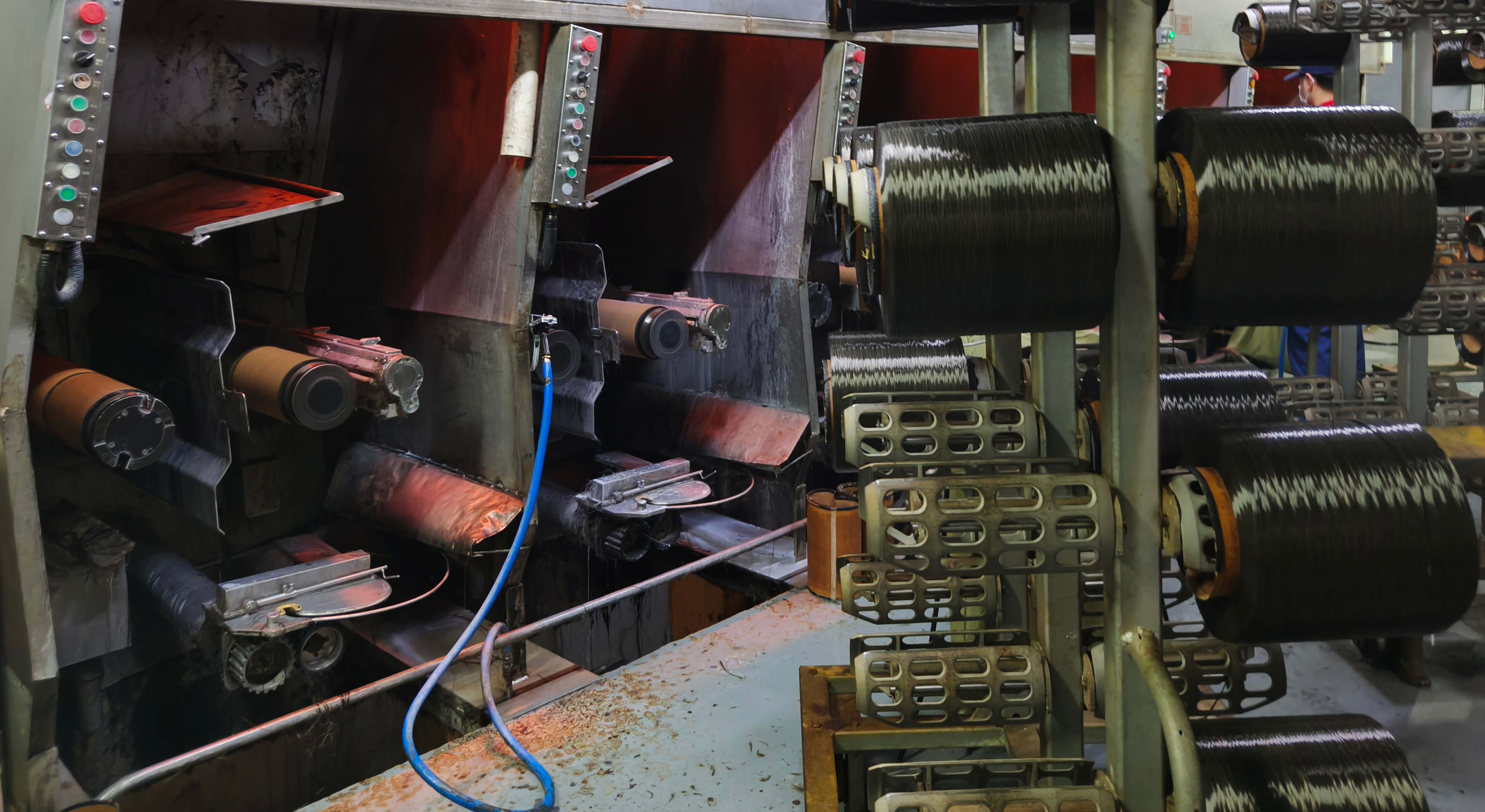
Basalt fiber is an inorganic fibrous material produced by drawing strands from natural basalt ore after it has been melted at high temperatures. It has garnered widespread attention for its exceptional physicochemical properties — particularly its performance in high-temperature environments.
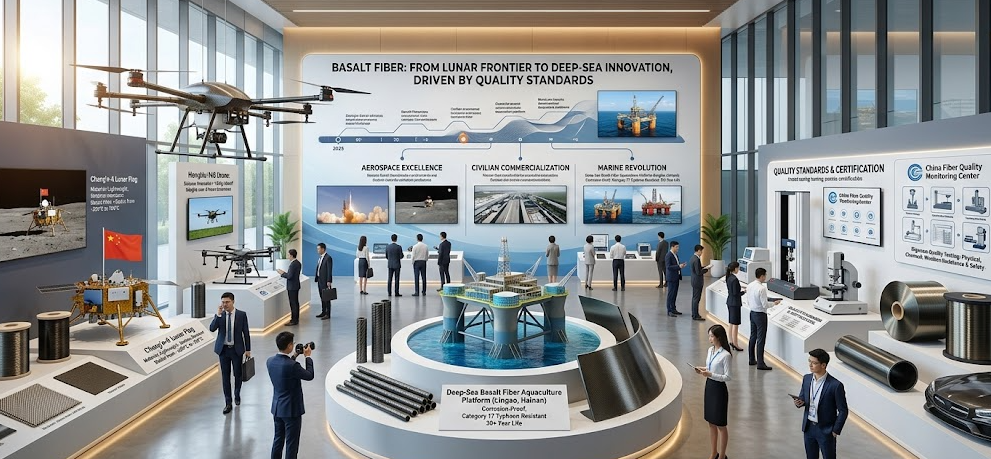
With the successful realization of major applications — such as the Chang'e-6 lunar exploration mission and the world's first deep-sea basalt fiber aquaculture platform — basalt fiber is rapidly accelerating its transformation from a laboratory research outcome into a strategic new material with tangible industrial productivity.
Explore our comprehensive range of basalt fiber rebar products engineered for fire-resistant structural reinforcement and high-temperature thermal barrier applications across all industries.