Leave Your Message
Advanced Composite Reinforcement

Rebar Installation For Aerospace Engine Casing Liners & Thermal Protection Layers

Next-generation basalt fiber rebar engineered for extreme thermal environments — delivering unmatched structural integrity across engine casings, thermal shields, and aerospace-grade composite systems.

Industry Insight

Rebar Installation in Aerospace Engine Casing Liners & Thermal Protection Layers

The aerospace industry operates at the frontier of material science, where components must endure extreme thermal gradients, corrosive combustion by-products, mechanical vibration, and electromagnetic interference — all simultaneously. Among the most demanding structural challenges is the reinforcement of engine casing liners and thermal protection layers, where conventional steel rebar is fundamentally inadequate. The emergence of basalt fiber reinforced polymer (BFRP) rebar has redefined what is possible in these mission-critical applications.

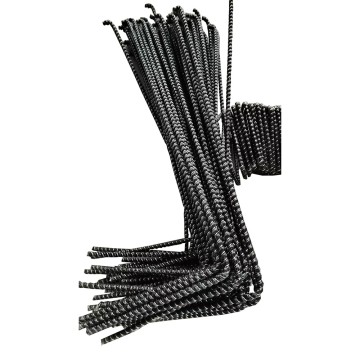
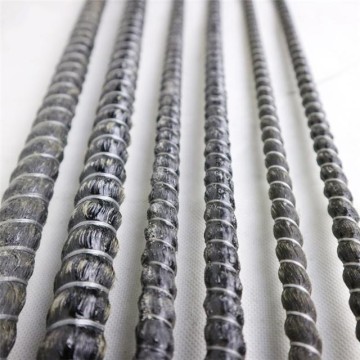
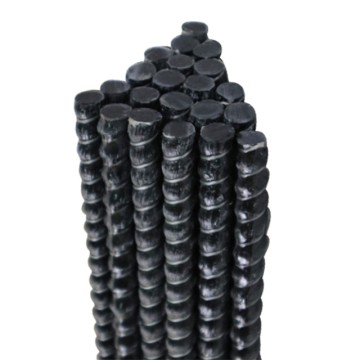
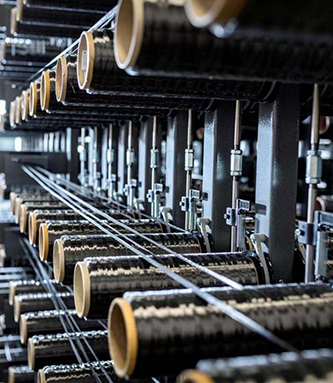
Basalt fiber rebar is produced from naturally occurring volcanic basalt rock, melted at temperatures between 1,450°C and 1,500°C and drawn into continuous filaments. When combined with high-performance resin matrices such as epoxy, the resulting composite rebar delivers a remarkable combination of high tensile strength, low density, thermal stability, chemical inertness, and zero electromagnetic conductivity — properties that align precisely with the requirements of aerospace engine casing and thermal protection system (TPS) engineering.

🔥

Why Basalt Fiber Rebar Is the Aerospace Thermal Engineering Material of the Future

With a continuous service temperature exceeding 700°C and short-term resistance beyond 900°C, basalt fiber rebar outperforms glass fiber composites and rivals carbon fiber in thermal stability — at a fraction of the cost and with superior corrosion resistance. For engine casing liners and thermal protection layers, this translates directly into longer service life, reduced maintenance intervals, and enhanced structural safety margins.

Commercial & Industrial Status: A Rapidly Maturing Market

The global aerospace composites market, valued at over USD 30 billion and growing at a CAGR exceeding 8%, is increasingly incorporating advanced fiber reinforcement technologies into engine and thermal management components. Historically dominated by carbon fiber reinforced polymers (CFRP), the sector is now witnessing accelerated adoption of basalt fiber composites, driven by cost efficiency, supply chain resilience, and regulatory pressure to reduce the use of hazardous materials in manufacturing.

Engine casing liners — the inner structural shells that contain combustion gases and manage heat transfer — represent one of the highest-value application segments for BFRP rebar installation. Traditional metallic reinforcement in these liners is susceptible to thermal fatigue, oxidation, and galvanic corrosion when exposed to combustion by-products. BFRP rebar eliminates these failure modes while simultaneously reducing component weight by up to 75% compared to steel, directly contributing to improved fuel efficiency and thrust-to-weight ratios.

Thermal protection layers, including ablative heat shields, ceramic matrix composite (CMC) backing structures, and multi-layer insulation (MLI) systems, also benefit significantly from BFRP rebar integration. The rebar serves as a structural skeleton within these layers, maintaining dimensional stability under rapid thermal cycling while preventing delamination and crack propagation — failure modes that can be catastrophic in both manned and unmanned aerospace platforms.

700°C+
Continuous Service Temperature
Sustained thermal stability
75%
Weight Reduction vs. Steel
vs. conventional rebar
Higher Tensile Strength
vs. equivalent steel bar
Zero
Electromagnetic Conductivity
Fully EM-transparent
Technical Advantages

Key Performance Characteristics for Aerospace Thermal Applications

🌡️

Extreme Thermal Resistance

Basalt fiber rebar maintains structural integrity at sustained temperatures exceeding 700°C, with short-term tolerance above 900°C — essential for engine casing liner environments where combustion gases reach extreme temperatures.

Zero Electrical Conductivity

Fully non-conductive and non-magnetic, BFRP rebar enables seamless integration with onboard avionics, sensor arrays, and electromagnetic shielding systems without interference — critical for modern fly-by-wire aircraft.

🛡️

Superior Corrosion Immunity

Unlike steel, basalt fiber rebar is completely immune to oxidation, galvanic corrosion, and chemical attack from combustion by-products including sulfur compounds, moisture, and acidic condensates in engine environments.

⚖️

Lightweight Structural Efficiency

At approximately 2.1 g/cm³ — less than one-quarter the density of steel — BFRP rebar dramatically reduces the dead weight of thermal protection layers and engine casing structures, improving payload capacity and fuel efficiency.

🔬

Dimensional Stability Under Cycling

The low coefficient of thermal expansion of basalt fiber (5-6 × 10⁻⁶/°C) closely matches ceramic and composite matrix materials, minimizing thermal stress concentrations and delamination risk during rapid thermal cycling.

🌿

Eco-Friendly & Sustainable

Derived from natural volcanic rock with no synthetic chemical additives required in fiber production, basalt rebar offers a significantly lower environmental footprint than carbon fiber, supporting aerospace sustainability targets.

Deep Application Scenarios: Where Rebar Installation Meets Aerospace Precision

The installation of basalt fiber rebar within aerospace engine casing liners and thermal protection layers is not a simple substitution exercise — it demands a sophisticated understanding of composite mechanics, thermal management principles, and aerospace manufacturing standards. Below, we examine the most significant application scenarios in depth.

1. Turbofan Engine Nacelle Liner Reinforcement

Modern turbofan engines generate combustion temperatures that can exceed 1,600°C at the combustor exit, with nacelle liner structures required to manage sustained thermal loads in the 400–700°C range during cruise conditions. BFRP rebar is installed as a three-dimensional reinforcement skeleton within phenolic or bismaleimide (BMI) resin matrix composite liners, providing tensile reinforcement in both axial and hoop directions.

The non-magnetic nature of basalt rebar is particularly valuable here, as engine nacelles increasingly incorporate embedded sensor networks for structural health monitoring (SHM). Steel rebar would create magnetic interference with these systems; BFRP rebar does not. Installation involves precision filament winding or pultrusion processes, with rebar grids bonded into multi-ply woven basalt fabric laminates before autoclave curing.

2. Thermal Protection System (TPS) Structural Backing

Spacecraft and hypersonic vehicle thermal protection systems face the most extreme thermal environments in aerospace engineering — surface temperatures during atmospheric re-entry can exceed 1,600°C for short durations. While ablative materials handle the outermost thermal barrier, the structural backing layers that support and retain TPS tiles or blankets require reinforcement that can survive both the thermal soak and the mechanical loads of re-entry deceleration.

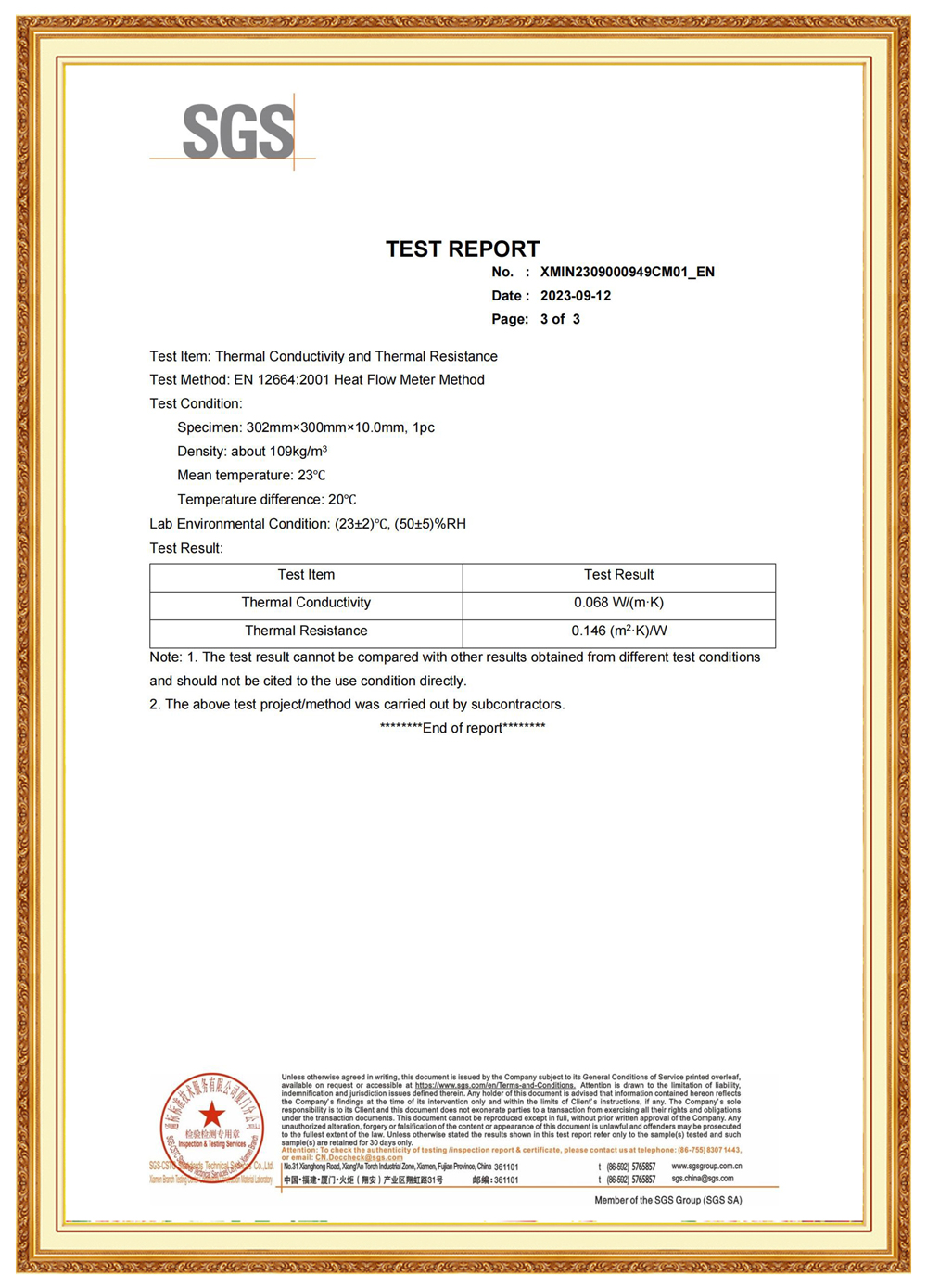
BFRP rebar grids are installed within the sub-TPS structural layer, typically embedded in a ceramic-filled epoxy or polyimide matrix. The rebar provides crack arrest capability, preventing the propagation of thermally induced micro-cracks that could compromise TPS tile retention. China Beihai's high-temperature resistant basalt rebar has demonstrated exceptional performance in this role, with thermal conductivity values of approximately 0.031–0.038 W/m·K providing additional insulation benefit within the structural layer.

3. Combustion Chamber Liner Composite Structures

Gas turbine combustion chamber liners operate in the most thermally aggressive region of the engine, where metal liners have historically required complex film cooling systems to survive. Advanced ceramic matrix composite (CMC) liners reinforced with BFRP rebar offer a pathway to higher operating temperatures with reduced cooling air requirements — directly improving thermal efficiency and reducing NOx emissions.

In this application, basalt fiber rebar is installed as a secondary reinforcement within the CMC preform structure, providing through-thickness reinforcement that prevents delamination under the combined thermal and mechanical loads of combustion. The alkali resistance of basalt fiber is critical here, as combustion environments can generate alkaline condensates at certain operating conditions.

4. Fan Blade Containment Ring Reinforcement

The fan blade containment ring is a safety-critical structure that must absorb the kinetic energy of a released fan blade without catastrophic failure — a certification requirement under FAA and EASA regulations. BFRP rebar installation within composite containment rings provides enhanced energy absorption capability through controlled progressive failure mechanisms, while the non-magnetic properties allow the ring to be located adjacent to engine control electronics without interference.

🚀

Aerospace-Grade Quality Assurance in Every Installation

All basalt fiber rebar products from China Beihai undergo rigorous quality certification processes including tensile strength testing per ASTM D7205, thermal cycling qualification per MIL-STD-810, and electromagnetic compatibility verification. Our manufacturing processes are aligned with ISO 9001 quality management standards, ensuring consistent performance in the most demanding aerospace applications.

Development Trends: The Future of Rebar in Aerospace Thermal Engineering

Several converging technological and commercial trends are accelerating the adoption of BFRP rebar in aerospace engine casing and thermal protection applications:

  • Hypersonic Vehicle Development: The global race to develop hypersonic cruise missiles, space planes, and reusable launch vehicles is creating unprecedented demand for thermal protection materials capable of surviving Mach 5+ flight conditions. BFRP rebar integrated into advanced TPS structures is emerging as a key enabling technology for these programs.
  • Sustainable Aviation Fuel (SAF) Compatibility: As the aviation industry transitions to sustainable aviation fuels, combustion chemistry changes are altering the thermal and chemical environment within engine components. Basalt fiber rebar's broad chemical resistance provides a robust solution that remains compatible across fuel types.
  • Additive Manufacturing Integration: Emerging 3D printing technologies for composite aerospace structures are beginning to incorporate continuous fiber reinforcement, including basalt fiber rebar elements. This enables complex geometries in engine casing components that were previously impossible to manufacture with conventional rebar installation methods.
  • Digital Twin & SHM Integration: The non-conductive nature of BFRP rebar enables the embedding of fiber optic sensing networks directly within reinforced structures without signal interference, supporting real-time structural health monitoring via digital twin platforms — a rapidly growing requirement in both commercial and defense aerospace programs.
  • Cost Parity with Carbon Fiber: As basalt fiber production scales globally, with manufacturers like China Beihai expanding production capacity, the cost gap between basalt and carbon fiber composites continues to narrow. Industry analysts project basalt fiber composites achieving cost parity with standard-modulus carbon fiber in aerospace applications within the next decade.

Installation Engineering: Best Practices for Aerospace Thermal Applications

Successful rebar installation in aerospace engine casing and thermal protection applications requires adherence to stringent engineering protocols. Key considerations include surface preparation of the composite matrix to ensure optimal fiber-matrix adhesion, precise rebar spacing and orientation to achieve the required reinforcement efficiency, temperature management during cure to prevent thermal degradation of the resin matrix, and non-destructive testing (NDT) using ultrasonic C-scan or X-ray computed tomography to verify installation quality.

China Beihai provides comprehensive technical support for aerospace rebar installation projects, including custom rebar geometry specification, resin system compatibility assessment, and installation procedure qualification testing. Our engineering team works directly with aerospace OEMs and Tier 1 suppliers to ensure that BFRP rebar installations meet or exceed the performance requirements of their specific application.

Application Domains

Basalt Fiber Solutions Across Industries

Aerospace

Aerospace

Spacecraft shell materials, thermal protection systems, and high-temperature-resistant engine components manufactured with precision basalt fiber composites.
Aviation

Aviation

Aircraft wings, engine nacelle liners, fan blade containment rings, and thermal protection layers reinforced with high-performance BFRP rebar.

Construction

Building Construction

Diverse applications in structural reinforcement for buildings, tunnels, and infrastructure with basalt fiber composite products.

Automotive

Automotive

Lightweight basalt fiber composites enabling the next generation of fuel-efficient, high-performance vehicle structures and thermal management components.

Bridge

Bridge & Infrastructure

High-strength basalt rebar for bridge pier protection, road construction, and long-span structural reinforcement with superior corrosion resistance.

Petrochemical

Petrochemicals

Corrosion-resistant basalt fiber solutions for chemical processing equipment, pipelines, and storage structures in aggressive environments.

Concrete

Concrete Reinforcement

Basalt-enhanced concrete offering increased strength, crack resistance, improved chemical resistance, and extended service life for infrastructure projects.

Marine

Ship & Marine

Marine-grade basalt fiber composites providing exceptional resistance to saltwater corrosion, biofouling, and hydrostatic pressure in offshore and naval applications.

Future Outlook

Industry Trends Driving Rebar Innovation in Aerospace Thermal Engineering

China Beihai Basalt Fiber Manufacturing
About Us

China Beihai — Leading Basalt Fiber Innovator

China Beihai is founded in 2015 and located in Jiujiang, Jiangxi Province. China Beihai is a high-tech enterprise focusing on the research, development, production and sales of high-performance basalt continuous fiber and its production equipment manufacturing, as well as a leading enterprise in the domestic basalt fiber industry.

We specialize in the production of a wide range of products including basalt fiber mat, basalt fiber roving, basalt fiber yarn, basalt fiber chopped strands, and basalt fiber products including Basalt Fiber Rebar, basalt fiber sleeves and tape. Our products are designed to meet the diverse needs of various industries, providing high-quality solutions for aerospace, construction, automotive, and marine applications.

View More About Us

  • What we offer

    What we offer?

    At China Beihai group, we specialize in the production of a wide range of products including basalt fiber mat (Basalt fiber chopped strand mat, Basalt fiber cloth), basalt fiber roving, basalt fiber yarn, basalt fiber chopped strands, and basalt fiber products (Basalt Fiber rebar, basalt fiber sleeves and tape). Our products are designed to meet the diverse needs of various industries, providing high-quality solutions for our customers.

  • What do we do

    What do we do?

    At China Beihai group, we are dedicated to the production of a wide array of basalt-based products, ranging from basalt fiber mat, fabric, and roving to chopped strand and specialized construction materials. Our focus is on delivering high-quality, sustainable solutions for industries such as construction, geotechnical engineering, and manufacturing. With a commitment to innovation and excellence, we strive to cater to the unique requirements of our clients by offering a comprehensive selection of basalt-derived products.

  • Why work with China Beihai

    Why work with China Beihai?

    Choosing to work with China Beihai means working with a leading manufacturer of basalt products. Our commitment to quality, innovation and sustainability sets us apart, ensuring our customers receive best-in-class solutions for their diverse needs. Reliability and customer satisfaction — we offer a wide range of high-quality basalt materials and construction products, backed by our dedication to excellence and industry expertise. When you partner with China Beihai, you can trust that you are working with a reliable and forward-thinking partner for all your basalt product needs.

Unveiling the Infinite Potential of Basalt

Basalt fiber is ideal for your engineering projects. Its high strength, corrosion resistance and lightweight properties allow it to easily solve a variety of challenges. In buildings, bridges, roads and other infrastructure projects, basalt fibers demonstrate outstanding performance, extending structural life and reducing maintenance costs. Choose basalt fiber, choose reliability and durability.

Basalt Fiber Rebar

Basalt Fiber Rebar for Reinforcement in Concrete Construction
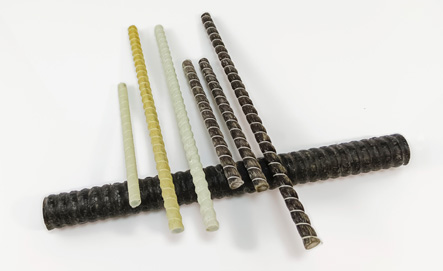
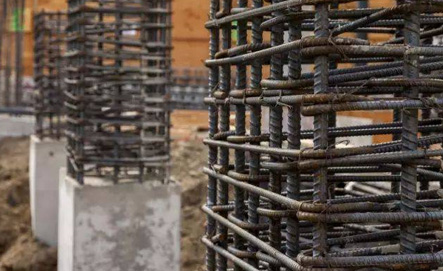
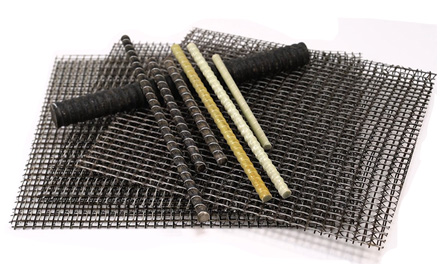
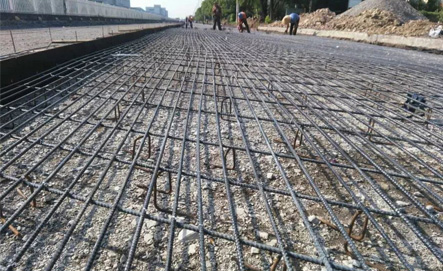
Basalt fiber rebar is a high-strength alternative to traditional steel bars and is used in a wide range of applications for reinforcing concrete structures in various fields, and its excellent performance makes it ideal for a variety of construction applications such as bridges, highways, buildings and other infrastructure projects.
FIND OUT MORE
Basalt Fiber Rebar1
Basalt Fiber Rebar2
Basalt Fiber Rebar3
Basalt Fiber Rebar4
Quality Assurance

Our Certificates

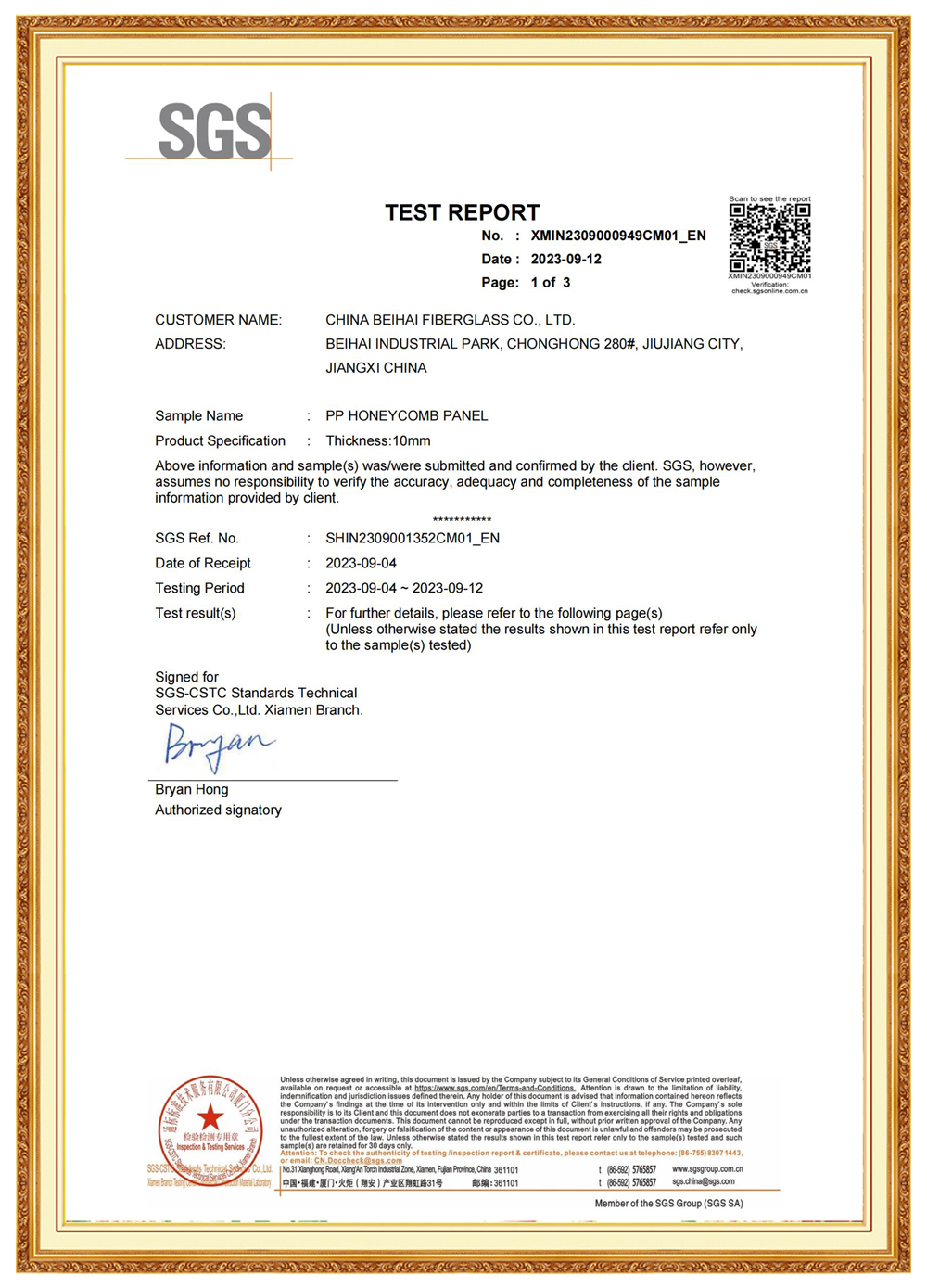
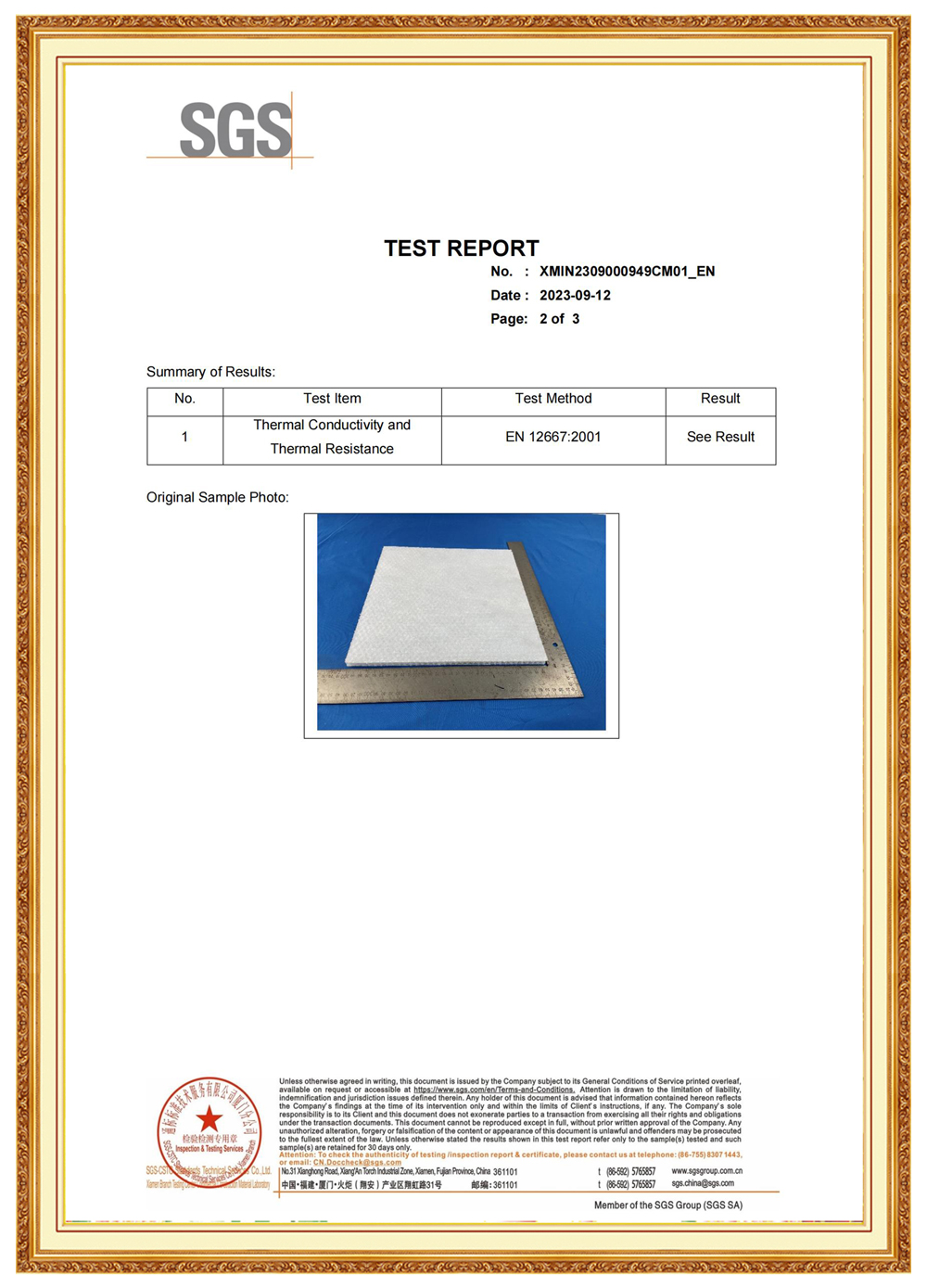
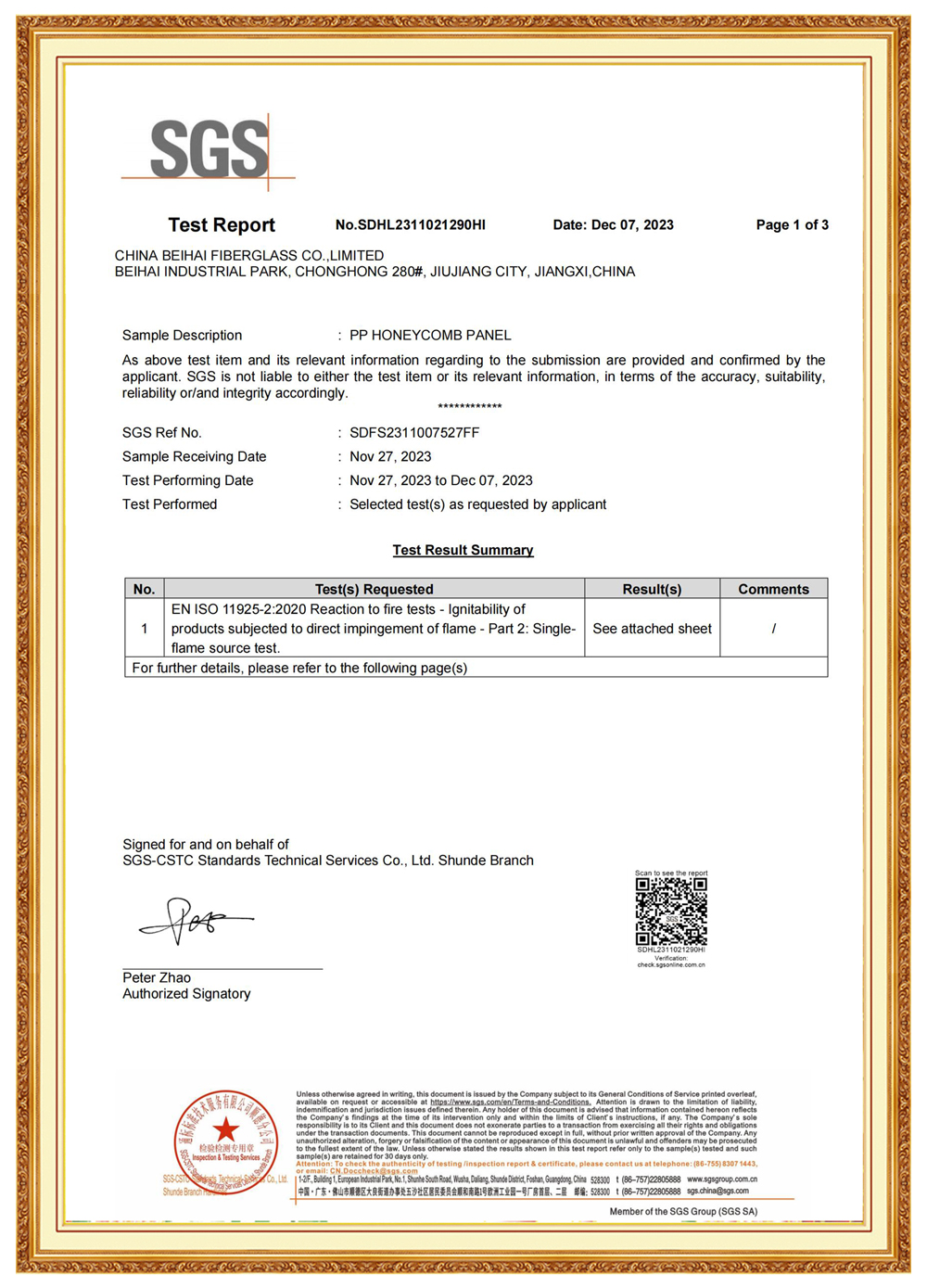
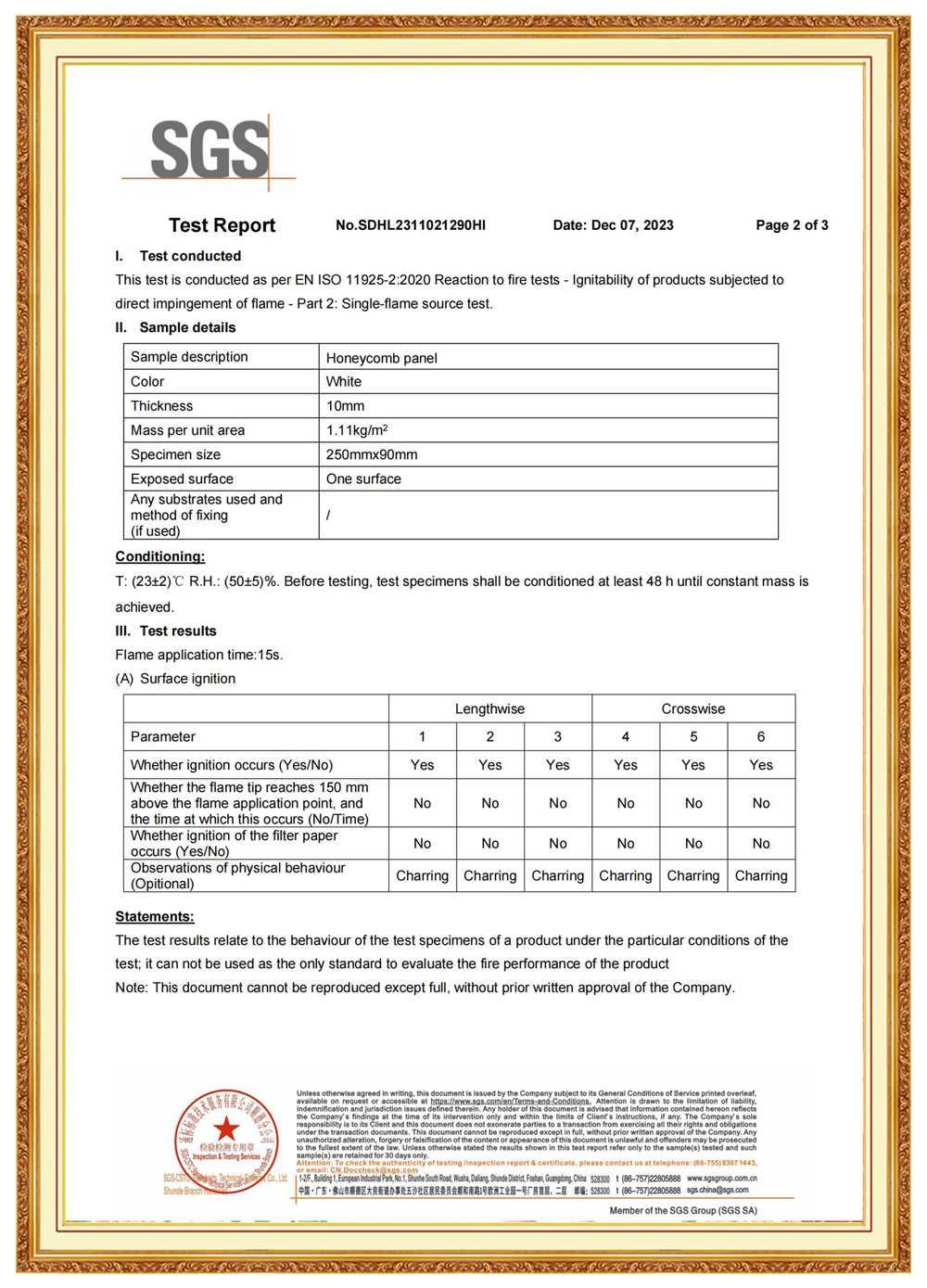
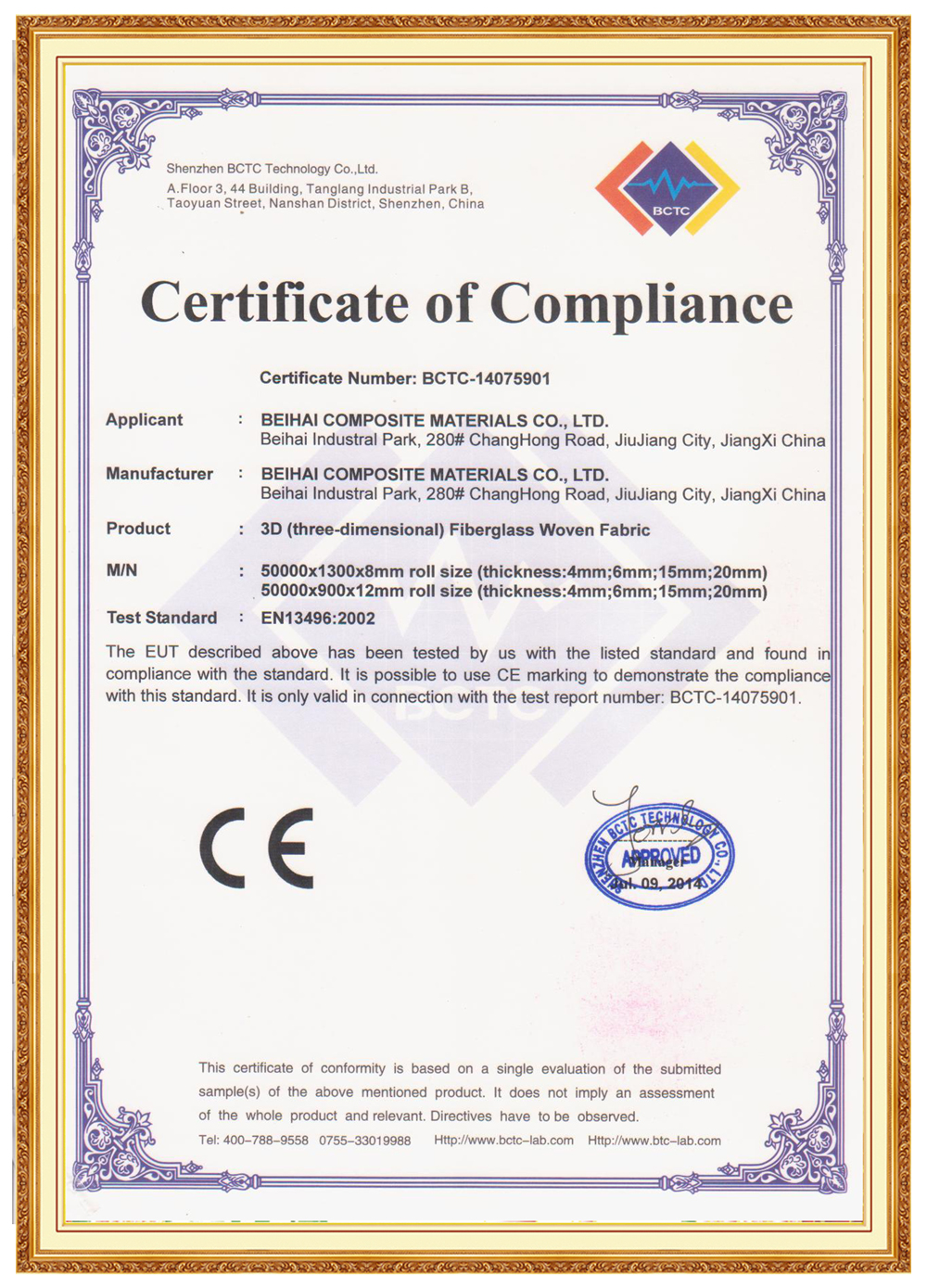
China Beihai's basalt fiber products are backed by comprehensive international quality certifications, ensuring consistent performance and reliability in the most demanding aerospace and industrial applications.

certificate8 certificate4 certificate3 certificate5 certificate6 certificate7 certificate11 certificate9 certificate10 certificate1
Latest News

Industry News & Insights

Basalt Fiber: Sparking a Materials Revolution in the Drone and Robotics Sectors

Basalt Fiber: Sparking a Materials Revolution in the Drone and Robotics Sectors

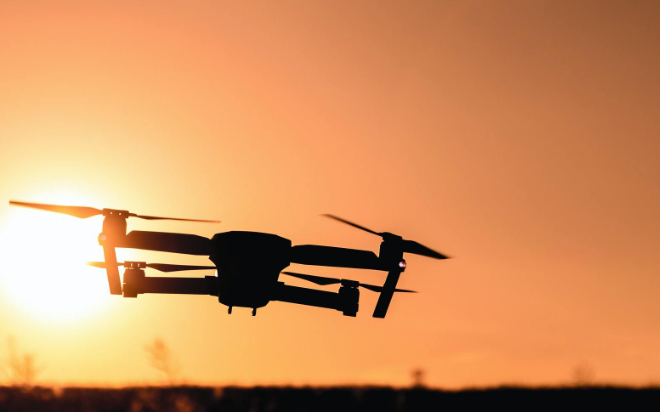
As drones slice through the sky to monitor wildfires, and intelligent robots execute repetitive tasks with precision on the factory floor, the efficient operation of this smart equipment is often underpinned by a "hardcore support" that is easily overlooked: a novel material derived from volcanic rock — basalt fiber. Though unassuming in appearance, its unique properties have made it the key to unlocking the performance limits of drones and robots, quietly driving a materials revolution within the realm of intelligent equipment.

High temperature resistance characteristics of basalt fiber

In what specific aspects are the "high-temperature resistance" characteristics of basalt fiber manifested?

Basalt fiber is an inorganic fibrous material produced by drawing strands from natural basalt ore after it has been melted at high temperatures. It has garnered widespread attention for its exceptional physicochemical properties — particularly its performance in high-temperature environments.

Basalt Fiber Industry High-End Breakthroughs

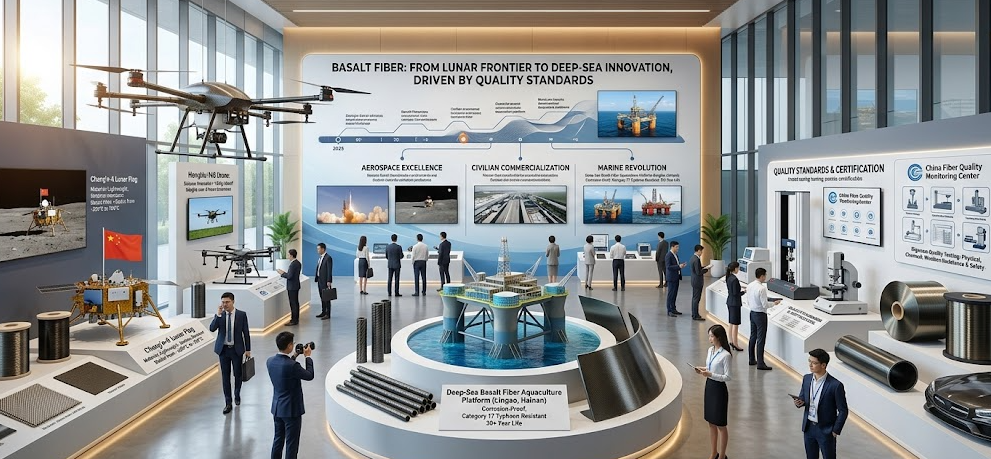
Basalt Fiber Industry Achieves High-End Breakthroughs Driven by Quality Standards

With the successful realization of major applications — such as the Chang'e-6 lunar exploration mission and the world's first deep-sea basalt fiber aquaculture platform — basalt fiber is rapidly accelerating its transformation from laboratory research into a strategic new material with tangible industrial productivity.