
Leave Your Message
High-performance basalt fiber solutions trusted by Korean construction and industrial engineers
South Korea is one of Asia's most dynamic construction and infrastructure markets, with growing demand for advanced composite reinforcement materials.
South Korea's construction industry accounts for over 15% of GDP, with the government committing to major infrastructure investments through its national development plans. As traditional steel rebar faces challenges related to corrosion in Korea's coastal and humid environments, basalt fiber rebar emerges as the next-generation reinforcement solution — offering superior durability, lighter weight, and non-corrosive properties perfectly suited to Korea's demanding construction standards.
Korea's extensive coastline and port infrastructure — including Busan Port, Incheon Harbor, and Jeju Island developments — demands corrosion-resistant reinforcement. Basalt fiber rebar excels in saltwater environments where steel corrodes rapidly, dramatically extending structural lifespan.
Seoul's ongoing subway and metro expansion projects require reinforcement materials with high tensile strength and electromagnetic neutrality. Basalt fiber rebar's non-conductive properties make it ideal for metro tunnels, MRI facilities, and power stations across the capital.
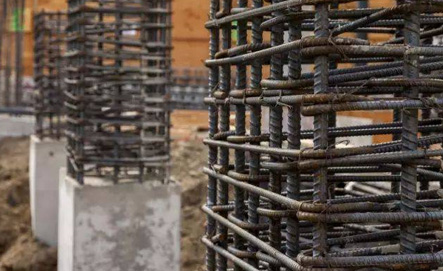
Korea's booming high-rise residential and commercial construction sector in cities like Seoul, Busan, and Incheon increasingly adopts lightweight composite materials to reduce structural load while maintaining seismic resistance standards required by Korean building codes.
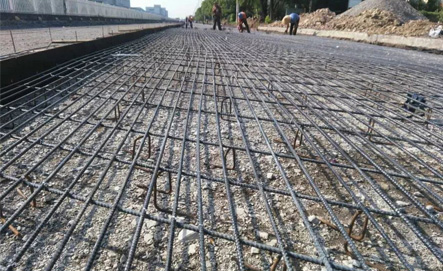
Korea's national highway network and bridge infrastructure programs utilize basalt fiber mesh and geogrid for roadbed reinforcement, improving load distribution and extending road service life in regions with challenging soil conditions and freeze-thaw cycles.
Korean nuclear power plants, semiconductor fabs (Samsung, SK Hynix), and industrial complexes require non-conductive, chemically resistant reinforcement materials. Basalt fiber rebar provides electrical insulation critical for sensitive manufacturing environments.
Korea's Green New Deal and ESG-driven construction policies push developers toward eco-friendly materials. Basalt fiber, derived from natural volcanic rock without chemical additives, aligns perfectly with Korea's carbon-neutral construction goals and K-Architecture sustainability standards.
Korea Annual Construction Output
Stronger Than Steel (by weight ratio)
Years Structural Lifespan in Corrosive Environments
Weight Reduction vs. Traditional Steel Rebar
The Korean construction materials industry is undergoing a significant transformation driven by sustainability, performance, and smart infrastructure demands.
Korea's coastal infrastructure projects are increasingly specifying basalt fiber rebar as a direct replacement for epoxy-coated steel. Government-funded bridge and harbor projects in Gyeongnam and Jeolla provinces are leading early adoption, driven by life-cycle cost analysis showing 40–60% savings over 30 years.
Korean construction firms are embedding sensors within basalt fiber rebar systems for real-time structural health monitoring — a key component of Korea's Smart City initiatives in Sejong City and Songdo International Business District, enabling predictive maintenance of critical infrastructure.
Korea's Ministry of Land, Infrastructure and Transport has introduced green building certification requirements (G-SEED) that reward the use of low-carbon, durable materials. Basalt fiber products score highly under these frameworks, accelerating specification in public sector projects.
The rapid expansion of Korea's semiconductor and display manufacturing facilities (Samsung Pyeongtaek, LG Cheongju) requires non-magnetic, non-conductive reinforcement for cleanroom floors and MRI-compatible medical buildings — a niche where basalt fiber rebar has no equal.
Korea's mountainous terrain demands extensive tunnel construction for highways and railways. Basalt fiber mesh for tunnel reinforcement is gaining traction as it offers superior crack resistance and durability in the high-humidity, chemically active underground environments typical of Korean geology.
Korean construction material distributors are increasingly positioning themselves as regional hubs for basalt fiber products, supplying Southeast Asian markets. China Beihai's strategic partnership model allows Korean distributors to stock and resell certified basalt fiber reinforcement products across the APAC region.
Basalt fiber is ideal for engineering projects across South Korea. Its high strength, corrosion resistance and lightweight properties allow it to easily solve a variety of challenges. In buildings, bridges, roads and other infrastructure projects, basalt fibers demonstrate outstanding performance, extending structural life and reducing maintenance costs. Choose basalt fiber — choose reliability and durability for Korea's next-generation infrastructure.
Competitive wholesale pricing for Korean distributors, contractors, and project developers. Contact us for volume discounts and custom specifications.
| Product | Diameter / Spec | Tensile Strength | Application | MOQ | Price (FOB) |
|---|---|---|---|---|---|
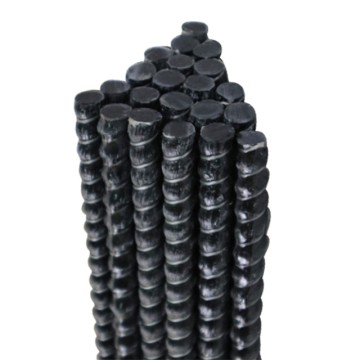
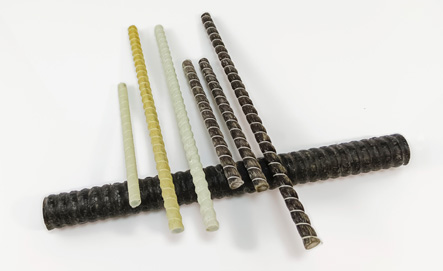
| Basalt Fiber Rebar (Standard) | Ø6mm – Ø32mm | ≥1000 MPa | Seoul High-Rise, Bridge Decks | 500 kg | Contact for Quote |
| Non-Conductive Insulated Rebar | Ø8mm – Ø20mm | ≥1100 MPa | MRI Rooms, Semiconductor Fabs | 300 kg | Contact for Quote |
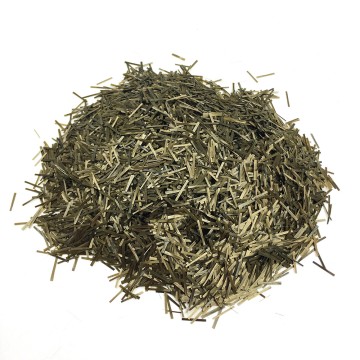
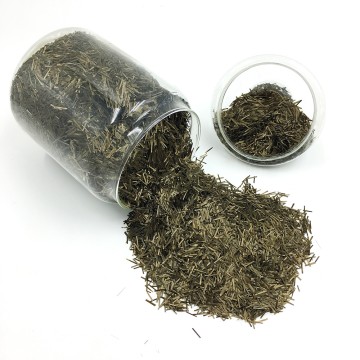
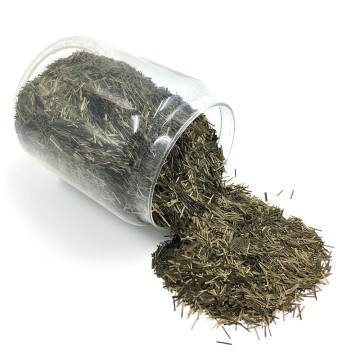
| Basalt Fiber Chopped Strands | 6mm / 12mm / 24mm | ≥2000 MPa | Concrete Mix, Busan Port Structures | 200 kg | Contact for Quote |
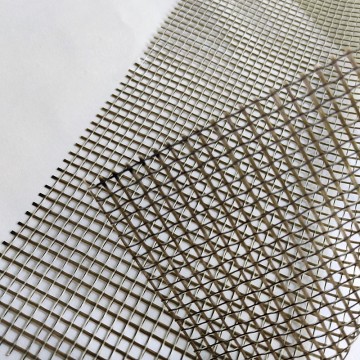
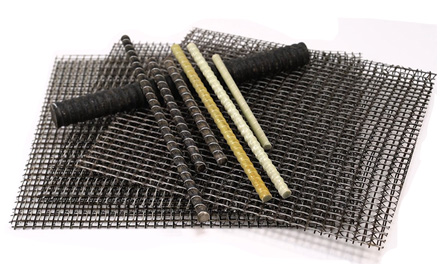
| Alkali-Resistant Fiber Mesh | 4×4mm – 10×10mm grid | ≥1500 MPa | Wall Reinforcement, Incheon Tunnels | 500 m² | Contact for Quote |
| Basalt Fiber Geogrid | 25kN/m – 200kN/m | High Tensile | Highway Roadbed, Jeju Infrastructure | 1000 m² | Contact for Quote |
| Basalt Fiber Tunnel Mesh | Custom | ≥1800 MPa | Korean Expressway Tunnels | 500 m² | Contact for Quote |
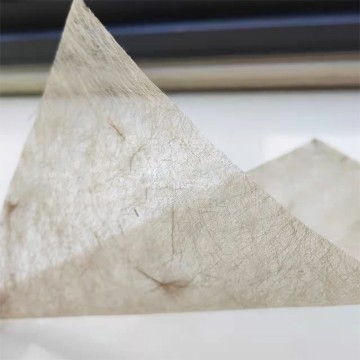
Basalt Fiber Surfacing Tissue Mat is a non woven thin sheet engineered to provide a smooth resin rich surface layer for fiber reinforced plastic...
read more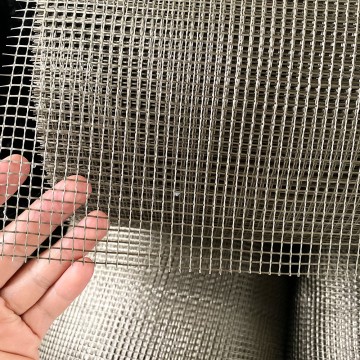
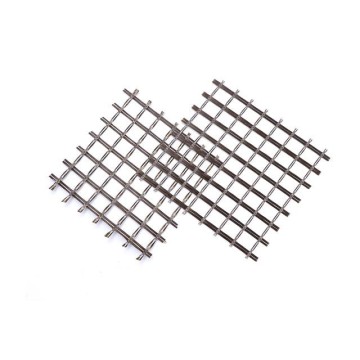
Our high performance Basalt Fiber Mesh provides a superior reinforcement solution for concrete and plaster applications where high alkali resistance...
read more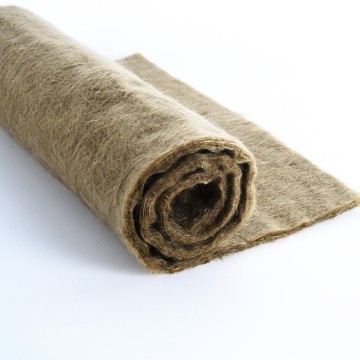
Our Basalt Fiber Needled Mat is a high density insulation material manufactured by mechanically bonding continuous basalt fibers without any chemicals...
read more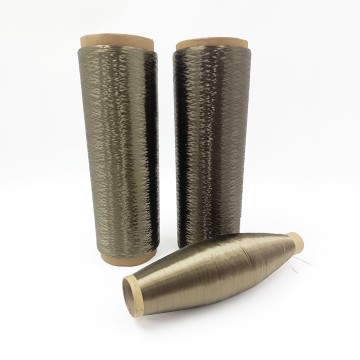
Our Basalt Fiber Twisted Yarn is engineered by twisting multiple continuous filaments to enhance mechanical strength and processing stability...
read more
Our basalt products have diverse applications in Korean house construction and high-rise development projects.

In the aerospace field, basalt fibers are ideal for manufacturing aircraft wings and engine components for Korean aerospace programs.

Basalt fibers enable spacecraft shell materials, thermal protection systems, and high-temperature-resistant engine components.

Basalt-added concrete offers increased strength, crack resistance, improved chemical resistance for Korean infrastructure projects.

Facing lightweight trends, basalt fiber composites serve Korea's automotive sector including Hyundai and Kia production facilities.

Basalt's high strength and protective properties make it ideal for protecting Korean bridge structures from corrosion and seismic activity.

The corrosion resistance of basalt fiber gives it a unique advantage in Korea's Ulsan and Yeosu petrochemical industrial complexes.

Korea's leading shipbuilders (Hyundai Heavy, Samsung Heavy) benefit from basalt fiber's superior marine corrosion resistance.
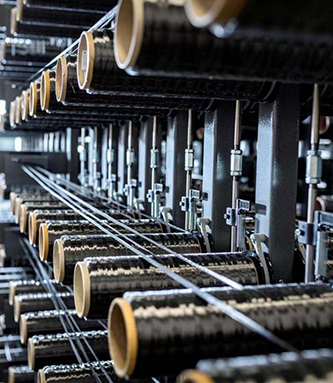
China Beihai is founded in 2015 and located in Jiujiang, Jiangxi Province. China Beihai is a high-tech enterprise focusing on the research, development, production and sales of high-performance basalt continuous fiber and its production equipment manufacturing, as well as a leading enterprise in the domestic basalt fiber industry.
We are dedicated to serving South Korea's construction and industrial sectors with world-class basalt fiber reinforcement products, backed by rigorous quality certifications and decades of engineering expertise.
View More
At China Beihai group, we specialize in the production of a wide range of products including basalt fiber mat, basalt fiber roving, basalt fiber yarn, basalt fiber chopped strands, and basalt fiber products (Basalt Fiber rebar, basalt fiber sleeves and tape). Our products are designed to meet the diverse needs of various industries, providing high-quality solutions for our customers.

At China Beihai group, we are dedicated to the production of a wide array of basalt-based products, ranging from basalt fiber mat, fabric, and roving to chopped strand and specialized construction materials. Our focus is on delivering high-quality, sustainable solutions for industries such as construction, geotechnical engineering, and manufacturing.

Choosing to work with China Beihai means working with a leading manufacturer of basalt products. Our commitment to quality, innovation and sustainability sets us apart, ensuring our customers receive best-in-class solutions for their diverse needs. When you partner with China Beihai, you can trust that you are working with a reliable and forward-thinking supplier for all your basalt product needs.
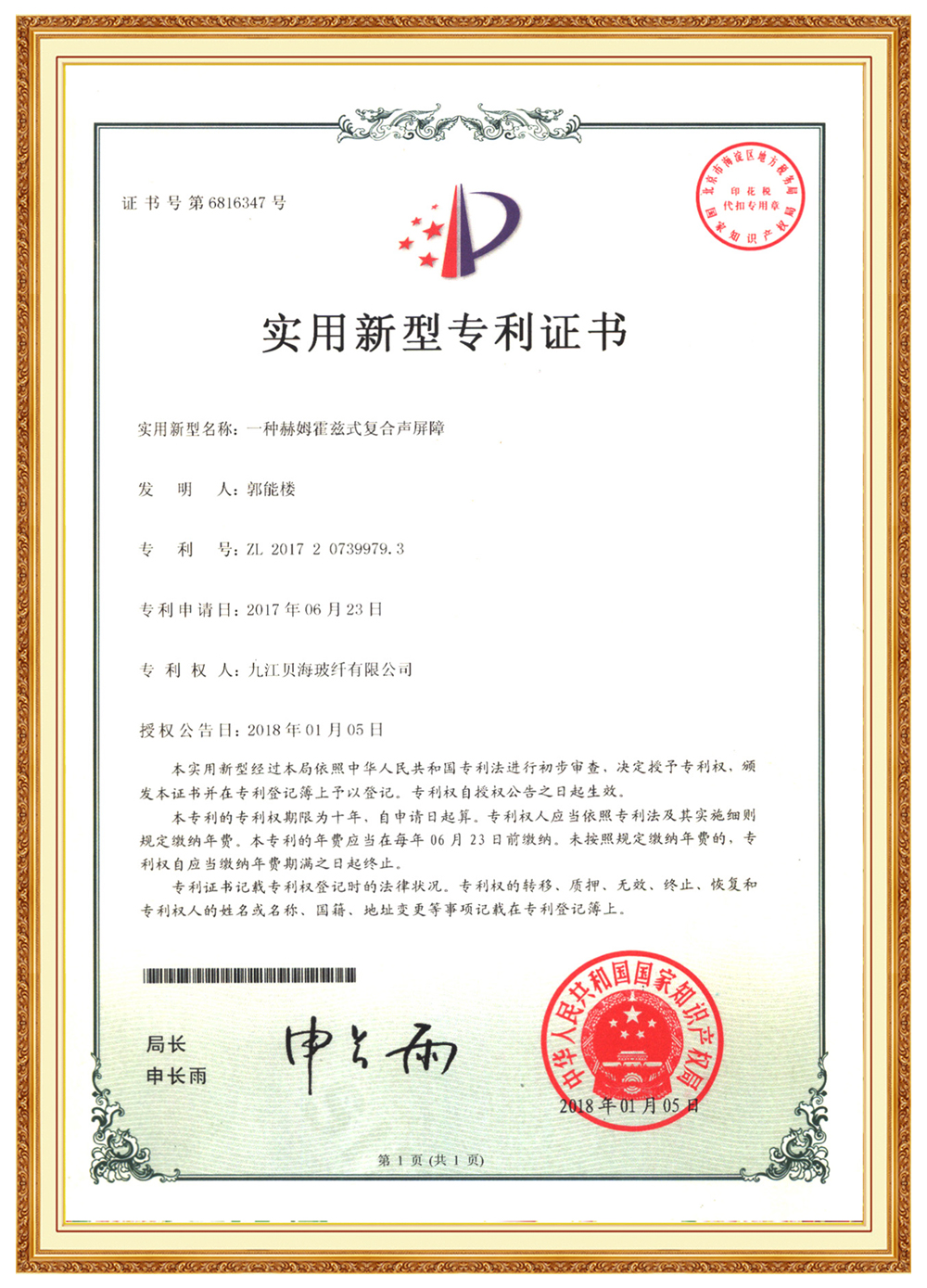
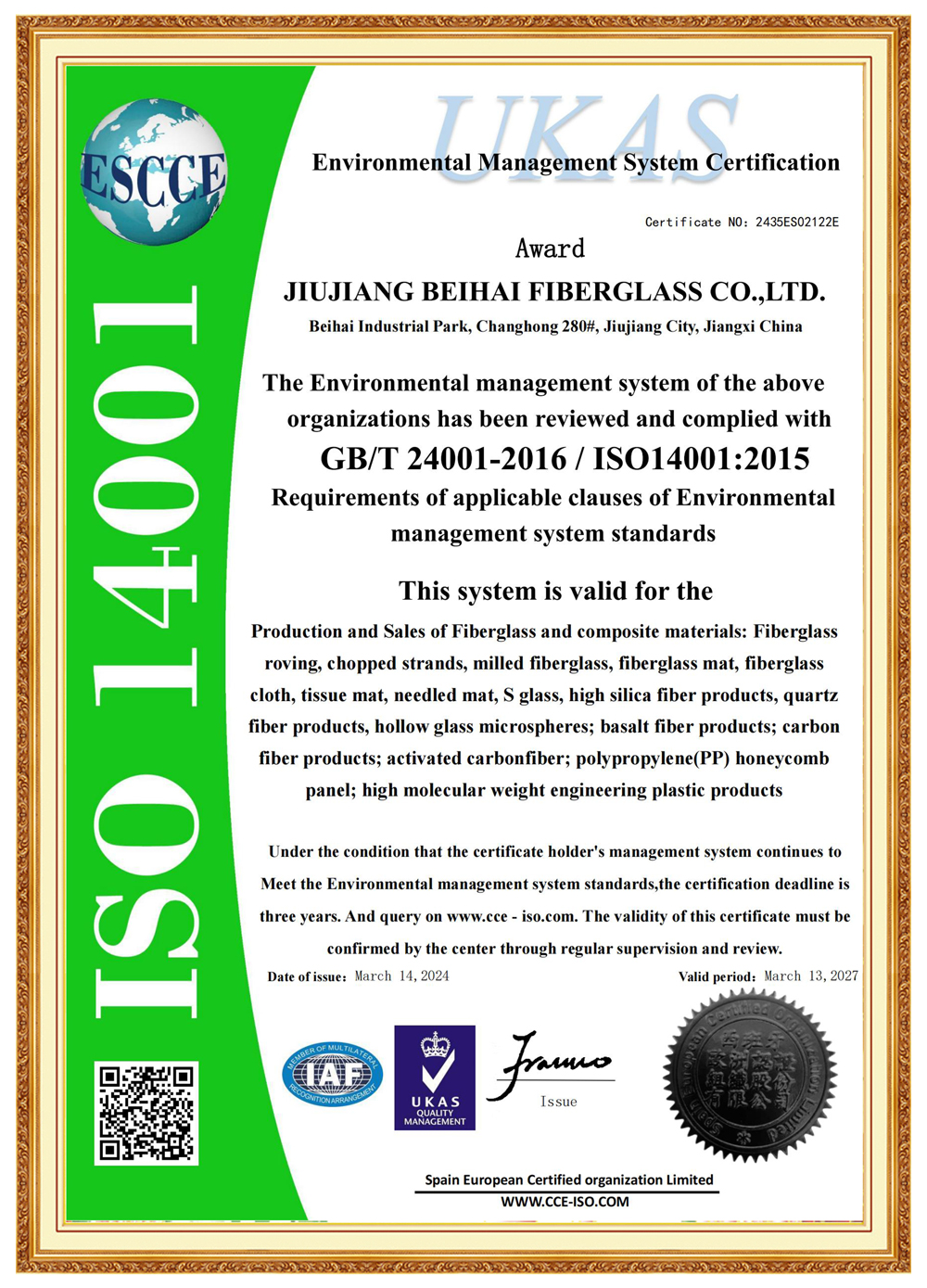
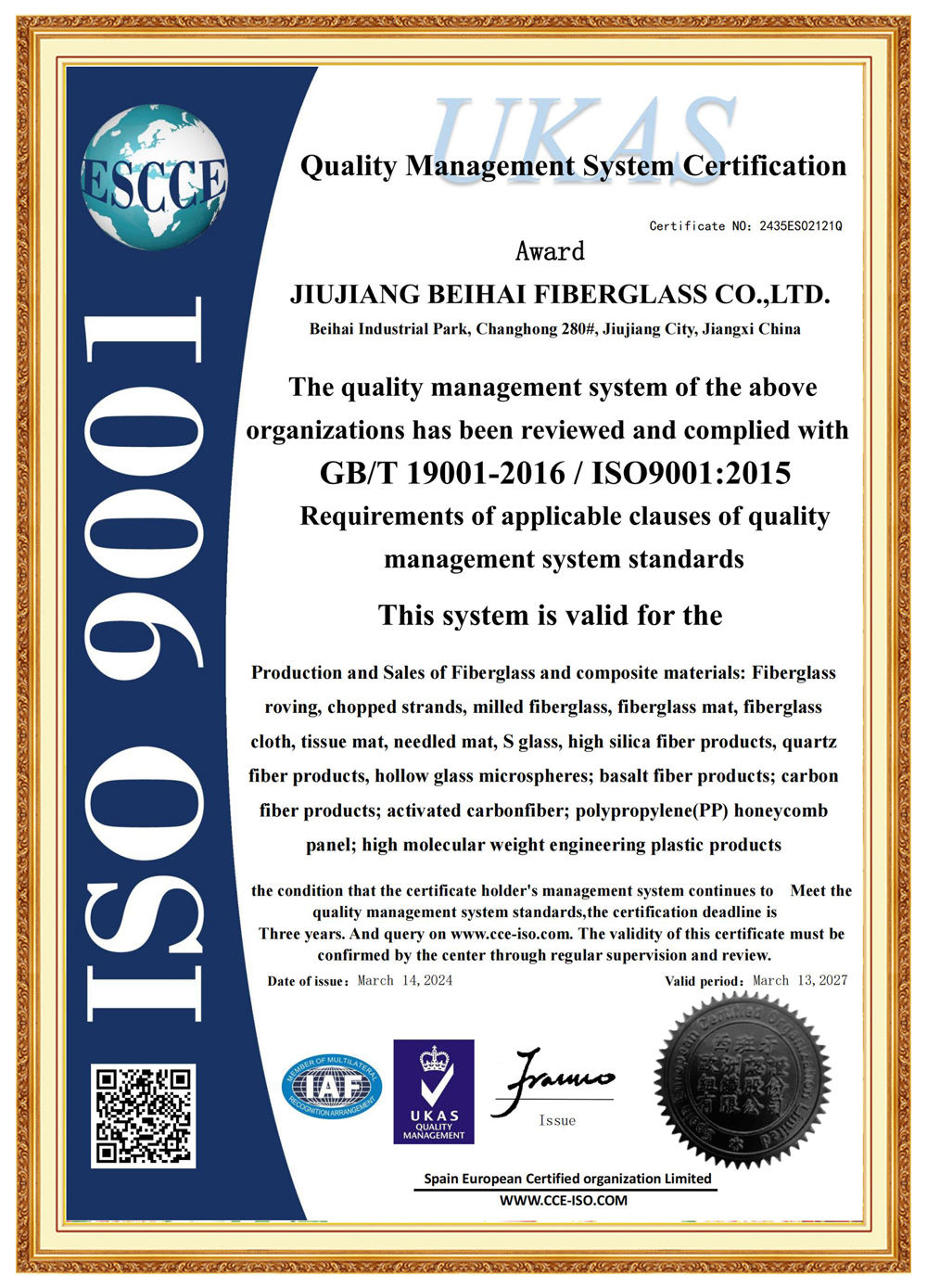
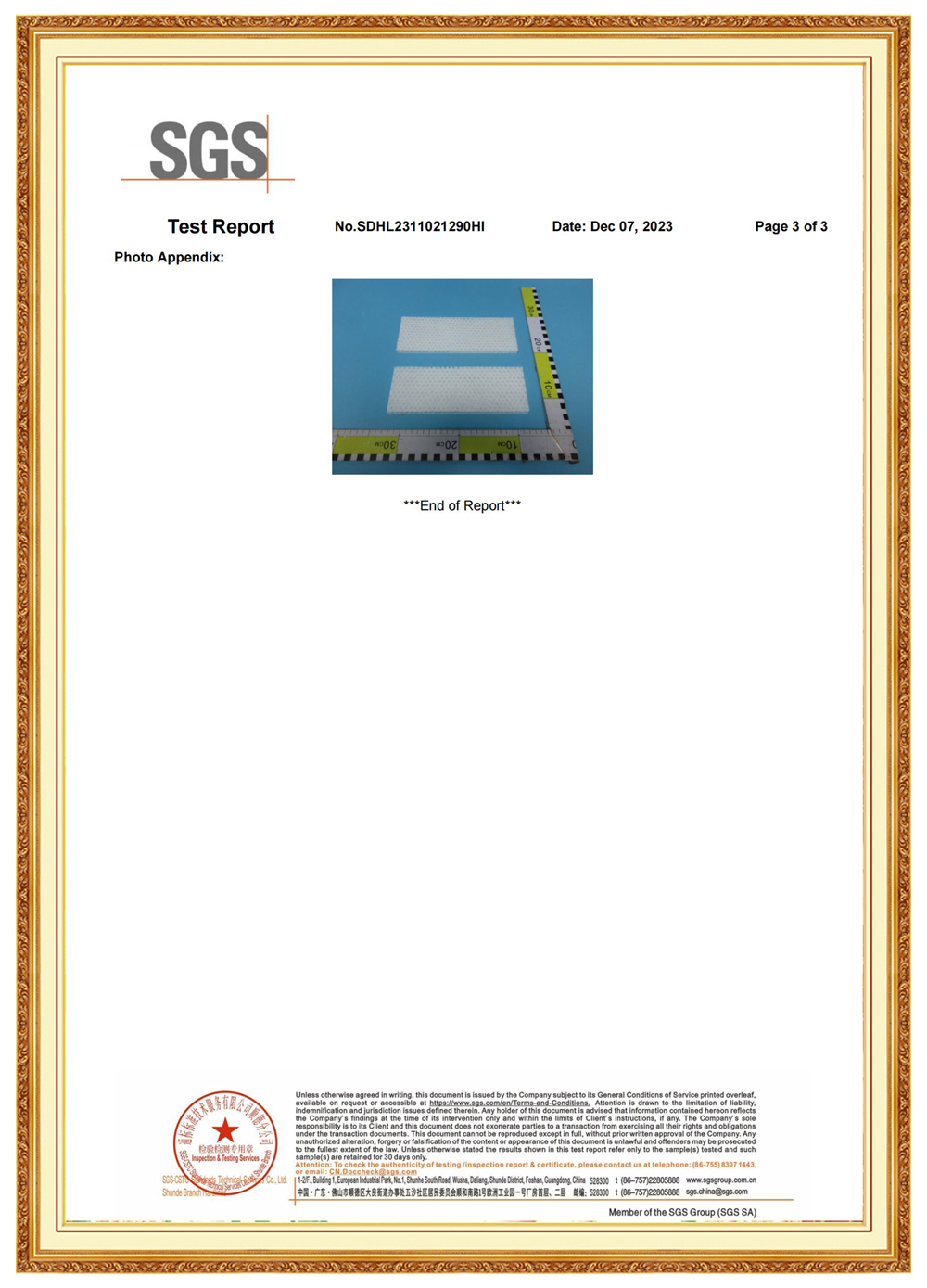
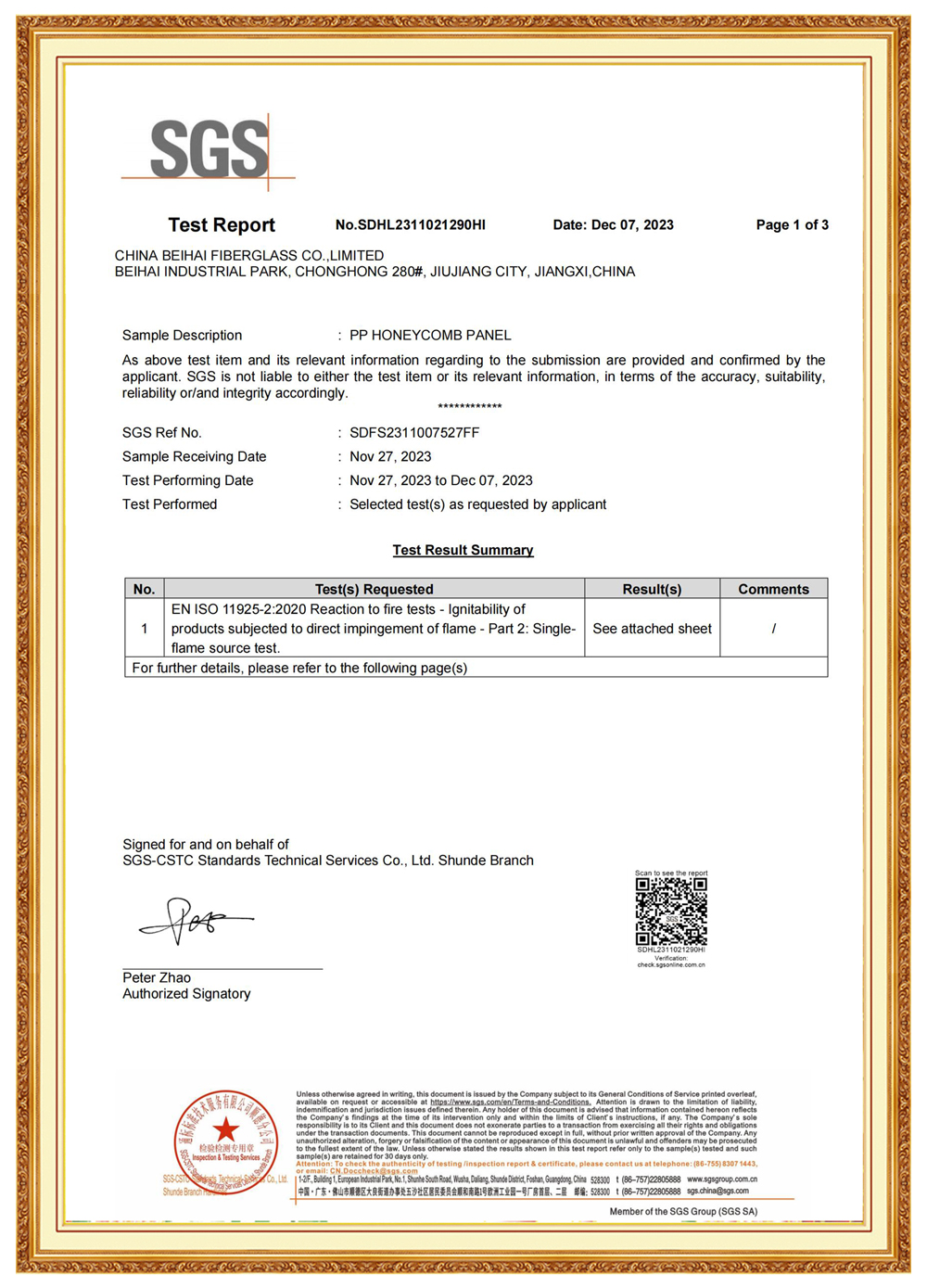
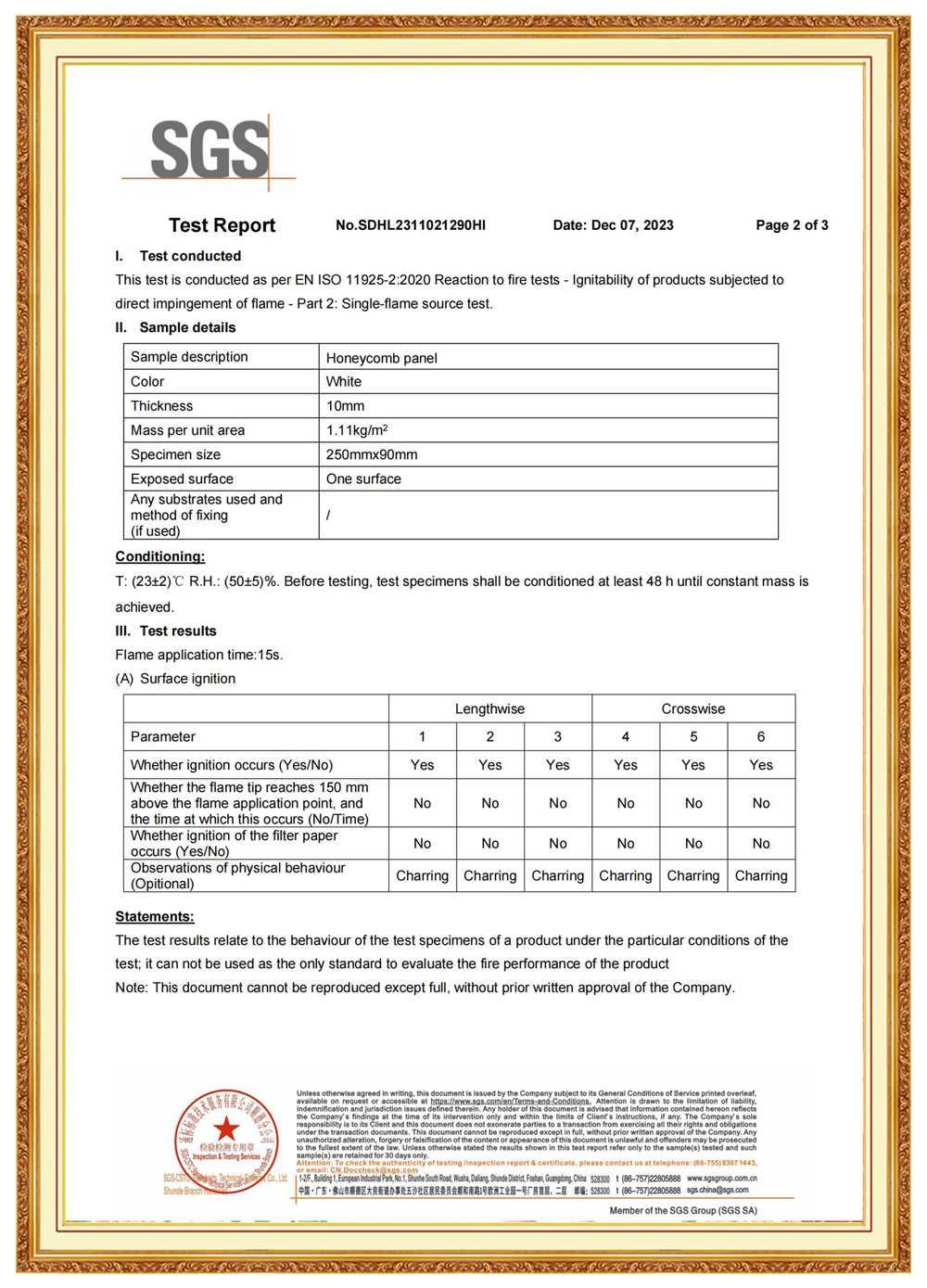
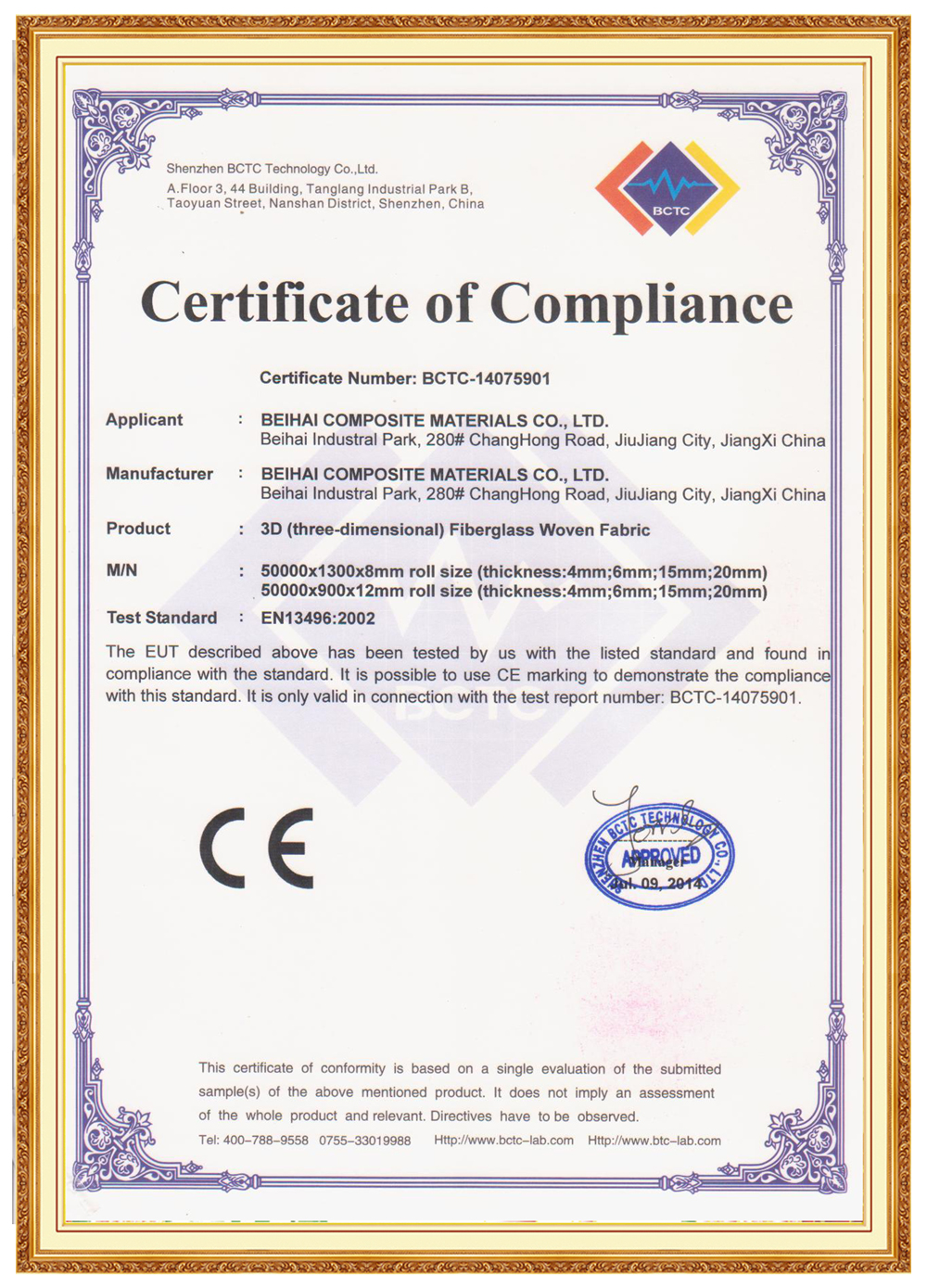
All products are certified to international quality standards, ensuring compliance with Korean KS and international ISO requirements.
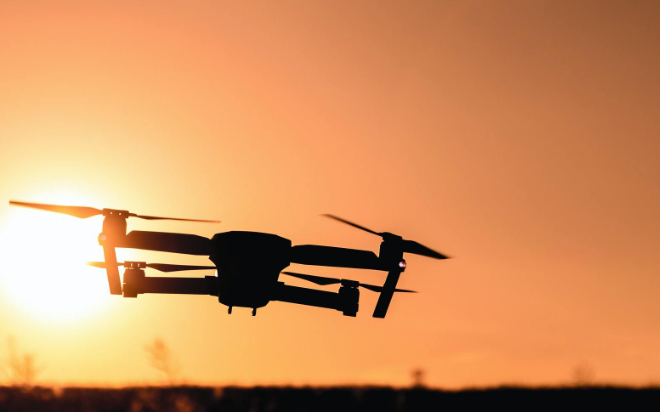
As drones slice through the sky to monitor wildfires, and intelligent robots execute repetitive tasks with precision on the factory floor, the efficient operation of this smart equipment is often underpinned by a "hardcore support" that is easily overlooked: a novel material derived from volcanic rock — basalt fiber. Though unassuming in appearance, its unique properties have made it the key to unlocking the performance limits of drones and robots, quietly driving a materials revolution within the realm of intelligent equipment.
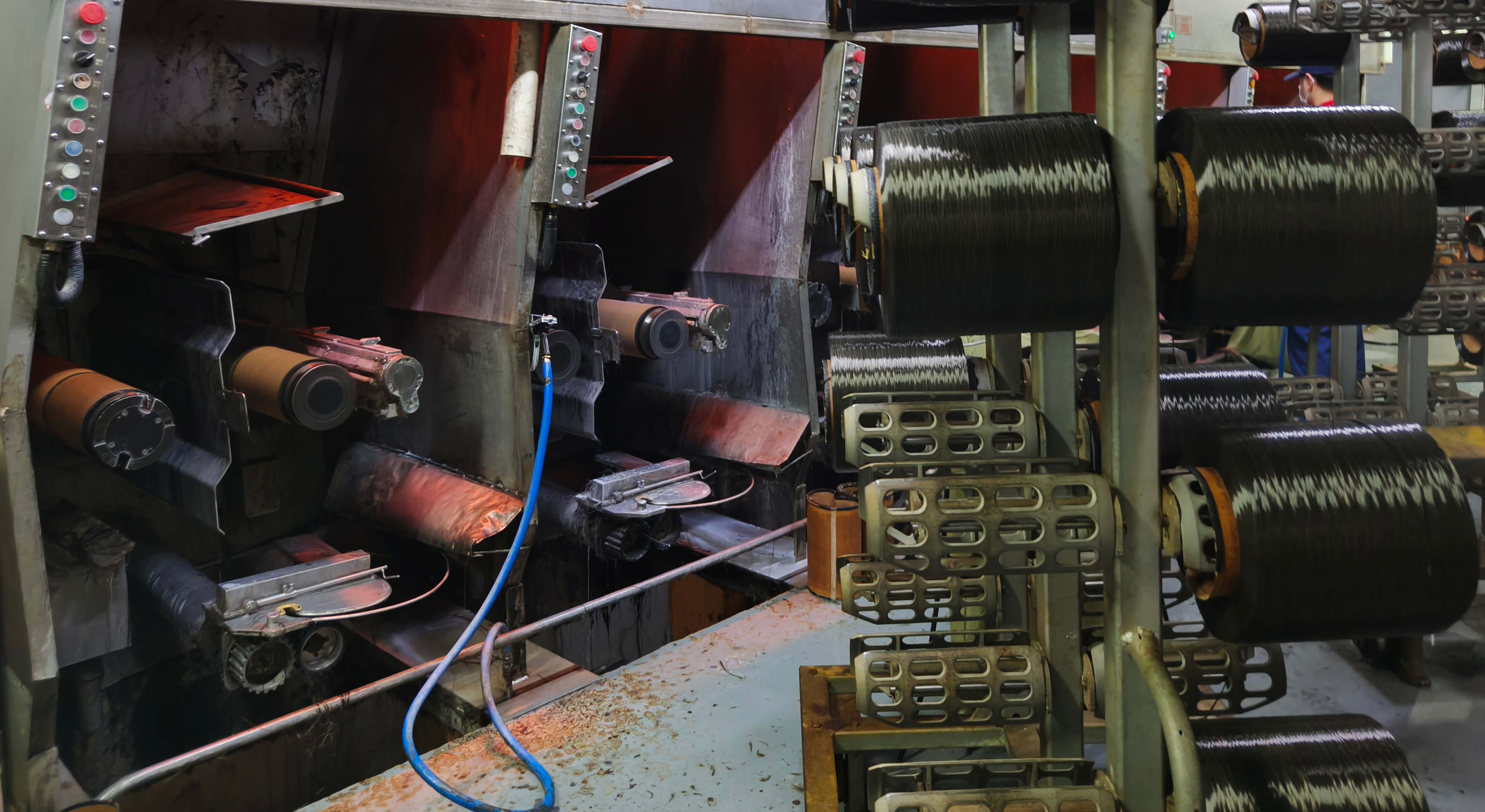
Basalt fiber is an inorganic fibrous material produced by drawing strands from natural basalt ore after it has been melted at high temperatures. It has garnered widespread attention for its exceptional physicochemical properties — particularly its performance in high-temperature environments.
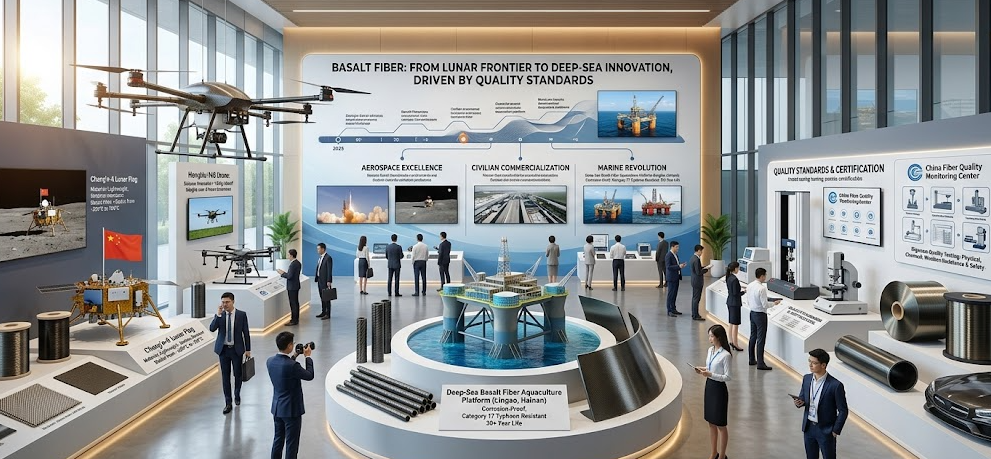
With the successful realization of major applications such as the Chang'e-6 lunar exploration mission and the world's first deep-sea basalt fiber aquaculture platform, basalt fiber is rapidly accelerating its transformation from a laboratory research outcome into a strategic new material.