

Leave Your Message
Engineered for Mexico's demanding climate, seismic zones, and coastal environments
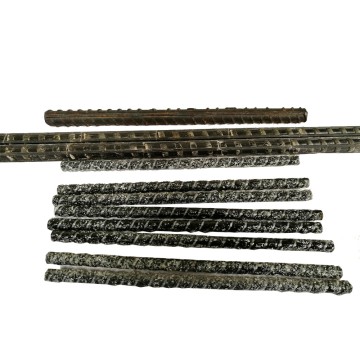
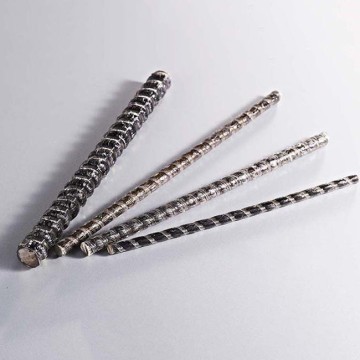

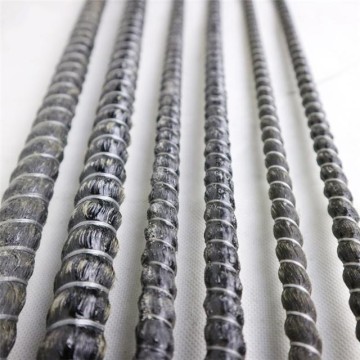
Mexico is one of Latin America's largest and fastest-growing construction markets, with annual infrastructure investment exceeding USD 30 billion. The country's ambitious national infrastructure plans — including highways, metro expansions, airports, seaports, and affordable housing programs — have created extraordinary demand for high-performance reinforcing materials. Traditional steel rebar remains dominant, but the market is rapidly shifting toward advanced composite alternatives such as Basalt Fiber Reinforced Polymer (BFRP) rebar due to their superior corrosion resistance, lightweight properties, and long-term cost advantages.
Mexico's unique geographic and climatic conditions — including its extensive coastline along both the Pacific Ocean and Gulf of Mexico, high seismic activity zones, tropical humidity in the south, and arid conditions in the north — create significant challenges for conventional steel rebar, which is prone to corrosion and degradation. This is driving engineers, developers, and government procurement agencies to actively evaluate next-generation reinforcement solutions that offer extended service life and reduced lifecycle maintenance costs.
The Mexican government's Plan Nacional de Infraestructura and various state-level urban development programs are accelerating demand for reinforcement steel across residential, commercial, and civil engineering sectors. Meanwhile, NEARSHORING — the trend of global manufacturers relocating production closer to the United States — is fueling an industrial construction boom in states such as Nuevo León, Jalisco, Coahuila, and Querétaro, all requiring substantial quantities of rebar for factory buildings, warehouses, and logistics centers.
Mexican structural engineers and contractors are increasingly specifying BFRP and basalt fiber rebar in projects where corrosion is a primary concern — particularly in marine environments, wastewater treatment facilities, bridges over saltwater, and underground structures. Basalt rebar offers 3–4× higher tensile strength than conventional steel while weighing approximately 75% less, significantly reducing transportation and handling costs on large-scale Mexican projects.
Mexico's adoption of LEED certification and the growing influence of EDGE (Excellence in Design for Greater Efficiencies) standards are pushing developers to choose materials with lower embodied carbon. Basalt fiber rebar, derived from natural volcanic rock, requires significantly less energy to produce than steel and does not involve mining of metallic ores, making it a preferred choice for green-certified construction projects across Mexico City, Guadalajara, and Monterrey.
The relocation of manufacturing from Asia to Mexico — driven by US-Mexico-Canada Agreement (USMCA) incentives — is generating massive demand for industrial rebar in the construction of factories, data centers, and logistics parks. States bordering the United States are witnessing unprecedented construction activity, with rebar consumption growing at double-digit rates annually.
Mexican construction companies are increasingly sourcing high-performance materials directly from international manufacturers via digital B2B platforms, bypassing traditional distributors. This trend is opening significant opportunities for Chinese basalt fiber rebar manufacturers like China Beihai to supply the Mexican market with competitive pricing, certified quality, and direct technical support for project specifications.
Mexico's ambitious Tren Maya railway and NAICM airport expansion projects require corrosion-resistant rebar for bridges spanning rivers and coastal inlets. Basalt fiber rebar's immunity to chloride-induced corrosion makes it ideal for these long-span infrastructure projects with 100-year design lifespans.
Industrial parks in Monterrey, Saltillo, and San Luis Potosí are rapidly expanding to accommodate Tesla, BMW, and hundreds of Tier-1 automotive suppliers. Basalt fiber rebar provides the structural reinforcement needed for heavy-load industrial floors and large-span warehouse structures.
From Cancún to Manzanillo, Mexico's coastal tourism infrastructure requires reinforcement materials that can withstand salt spray, high humidity, and tropical storms. Basalt rebar's zero corrosion properties eliminate the costly concrete spalling and structural repairs that plague conventional steel-reinforced coastal structures.
Mexico's INFONAVIT and FOVISSSTE housing programs are constructing millions of affordable homes. Lightweight basalt rebar reduces structural dead load, enabling more cost-effective foundation designs, particularly in the soft-soil zones of Mexico City and Veracruz.
PEMEX refineries and CFE power plants in Veracruz, Tabasco, and Tamaulipas operate in highly corrosive chemical environments. Basalt fiber rebar's exceptional resistance to acids, alkalis, and hydrocarbons makes it the optimal reinforcement choice for industrial containment structures and processing facilities.
Mexico sits on one of the world's most active seismic zones. The high tensile strength and ductility of basalt fiber rebar, combined with its non-magnetic and non-conductive properties, make it an excellent reinforcement material for earthquake-resistant structural systems in Mexico City, Oaxaca, and Chiapas.
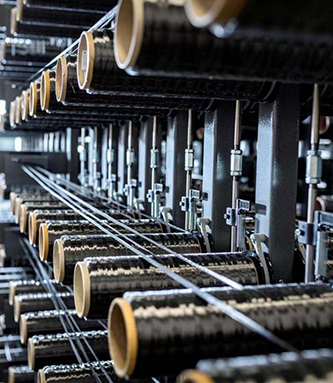
China Beihai is founded in 2015 and located in Jiujiang, Jiangxi Province. China Beihai is a high-tech enterprise focusing on the research, development, production and sales of high-performance basalt continuous fiber and its production equipment manufacturing, as well as a leading enterprise in the domestic basalt fiber industry.
With over a decade of expertise in basalt fiber technology, China Beihai has established a strong international presence, supplying premium basalt fiber rebar and related products to construction and infrastructure projects across Mexico, Latin America, North America, and beyond. Our products meet international quality standards and are backed by comprehensive technical support and after-sales service tailored to the specific requirements of the Mexican market.
View More
At China Beihai group, we specialize in the production of a wide range of products including basalt fiber mat (Basalt fiber chopped strand mat, Basalt fiber cloth), basalt fiber roving, basalt fiber yarn, basalt fiber chopped strands, and basalt fiber products (Basalt Fiber rebar, basalt fiber sleeves and tape). Our products are designed to meet the diverse needs of various industries, providing high-quality solutions for our customers.

At China Beihai group, we are dedicated to the production of a wide array of basalt-based products, ranging from basalt fiber mat, fabric, and roving to chopped strand and specialized construction materials. Our focus is on delivering high-quality, sustainable solutions for industries such as construction, geotechnical engineering, and manufacturing. With a commitment to innovation and excellence, we strive to cater to the unique requirements of our clients by offering a comprehensive selection of basalt-derived products.

Choosing to work with China Beihai means working with a leading manufacturer of basalt products. Our commitment to quality, innovation and sustainability sets us apart, ensuring our customers receive best-in-class solutions for their diverse needs. Reliability and customer satisfaction, we offer a wide range of high-quality basalt materials and construction products, backed by our dedication to excellence and industry expertise. When you partner with China Beihai, you can trust that you are working with a reliable and forward-thinking partner — a thought supplier for all your basalt product needs.
Basalt fiber is ideal for your engineering projects. Its high strength, corrosion resistance and lightweight properties allow it to easily solve a variety of challenges. In buildings, bridges, roads and other infrastructure projects, basalt fibers demonstrate outstanding performance, extending structural life and reducing maintenance costs. Choose basalt fiber, choose reliability and durability.
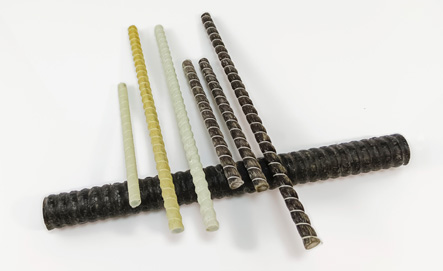
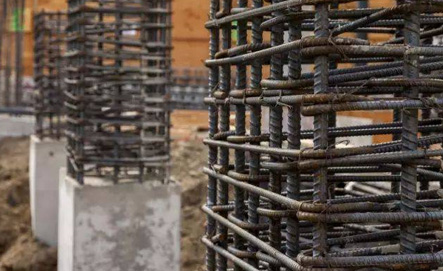
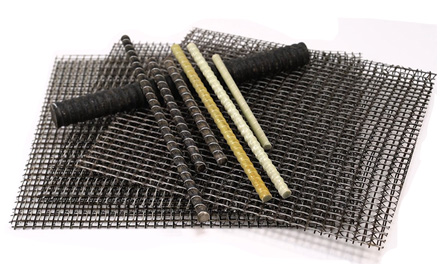
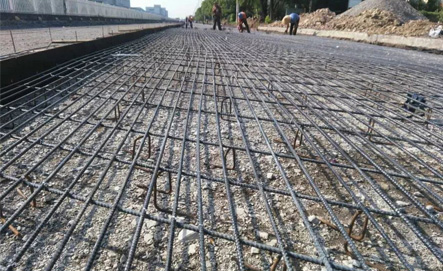
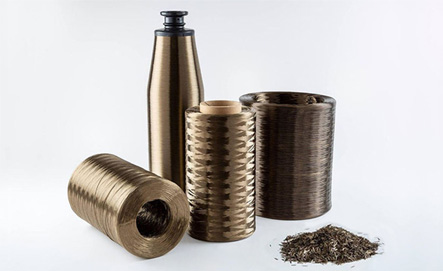
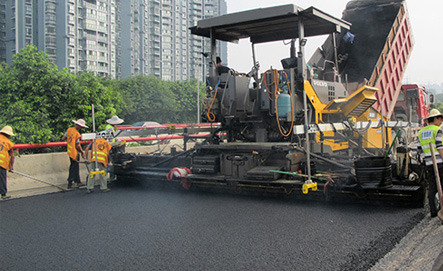
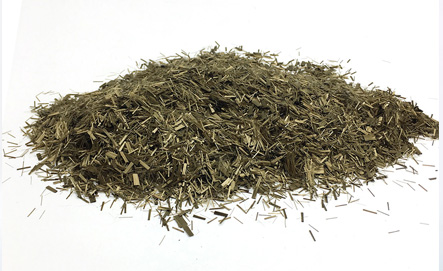
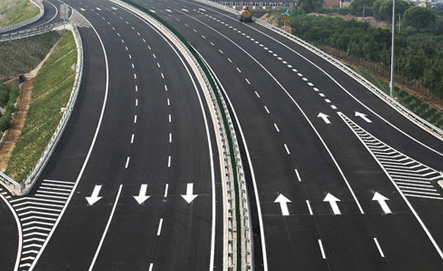

Our basalt products have diverse applications in the field of house construction, including residential towers, commercial buildings, and Mexico's social housing programs.

In the aerospace field, basalt fibers are ideal for manufacturing aircraft wings and engine components, supporting Mexico's growing aerospace manufacturing cluster in Querétaro.

Through fine process control and surface treatment technologies, basalt fibers are used in spacecraft shell materials, thermal protection systems, and high-temperature-resistant engine components.
Basalt-added concrete offers increased strength and durability, crack resistance, improved chemical resistance and improved workability — critical for Mexico's seismic zone construction.

Facing the trend of lightweight automobile materials, basalt fiber composites are widely applied in Mexico's booming automotive manufacturing sector in Puebla, Guanajuato, and Nuevo León.

Basalt's high strength, durability and protective properties make it ideal for protecting Mexico's bridge structures from vehicle collisions, fire, corrosion and the marine environment.
The corrosion resistance of basalt fiber gives it a unique advantage in Mexico's petrochemical field, particularly for PEMEX refinery infrastructure and offshore platform structures.

Basalt fiber composites provide lightweight, corrosion-proof solutions for Mexico's Pacific and Gulf Coast shipbuilding and marine infrastructure industries.
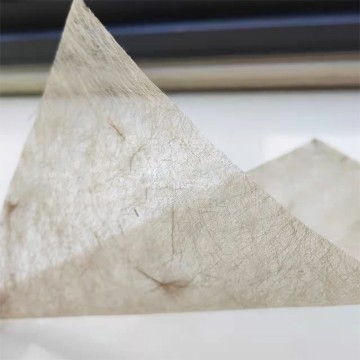
Basalt Fiber Surfacing Tissue Mat is a non-woven thin sheet engineered to provide a smooth resin-rich surface layer for fiber reinforced plastic applications.
read more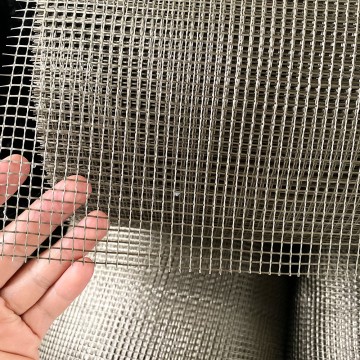
Our high performance Basalt Fiber Mesh provides a superior reinforcement solution for concrete and plaster applications where high alkali resistance is required.
read more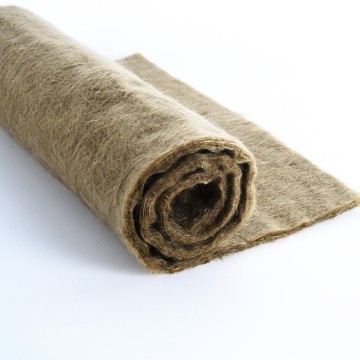
Our Basalt Fiber Needled Mat is a high density insulation material manufactured by mechanically bonding continuous basalt fibers without any chemical binders.
read more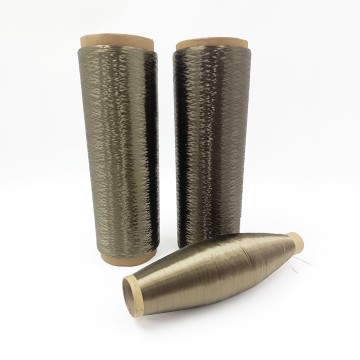
Our Basalt Fiber Twisted Yarn is engineered by twisting multiple continuous filaments to enhance mechanical strength and processing stability.
read more


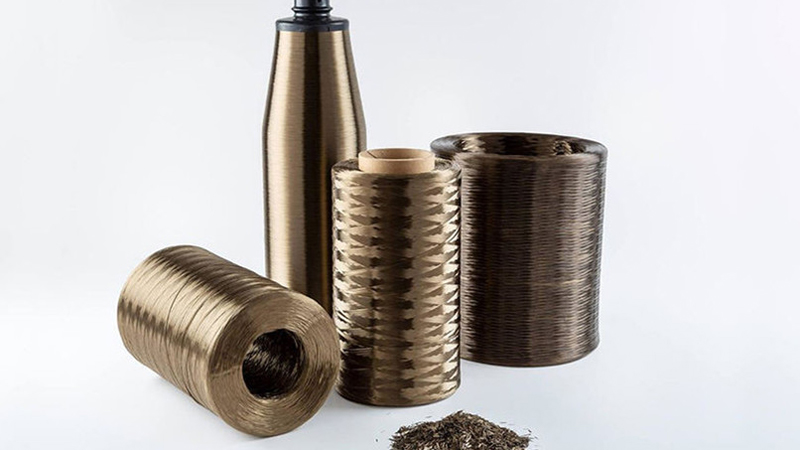
As drones slice through the sky to monitor wildfires, and intelligent robots execute repetitive tasks with precision on the factory floor, the efficient operation of this smart equipment is often underpinned by a "hardcore support" that is easily overlooked: a novel material derived from volcanic rock — basalt fiber. Though unassuming in appearance, its unique properties have made it the key to unlocking the performance limits of drones and robots, quietly driving a materials revolution within the realm of intelligent equipment.
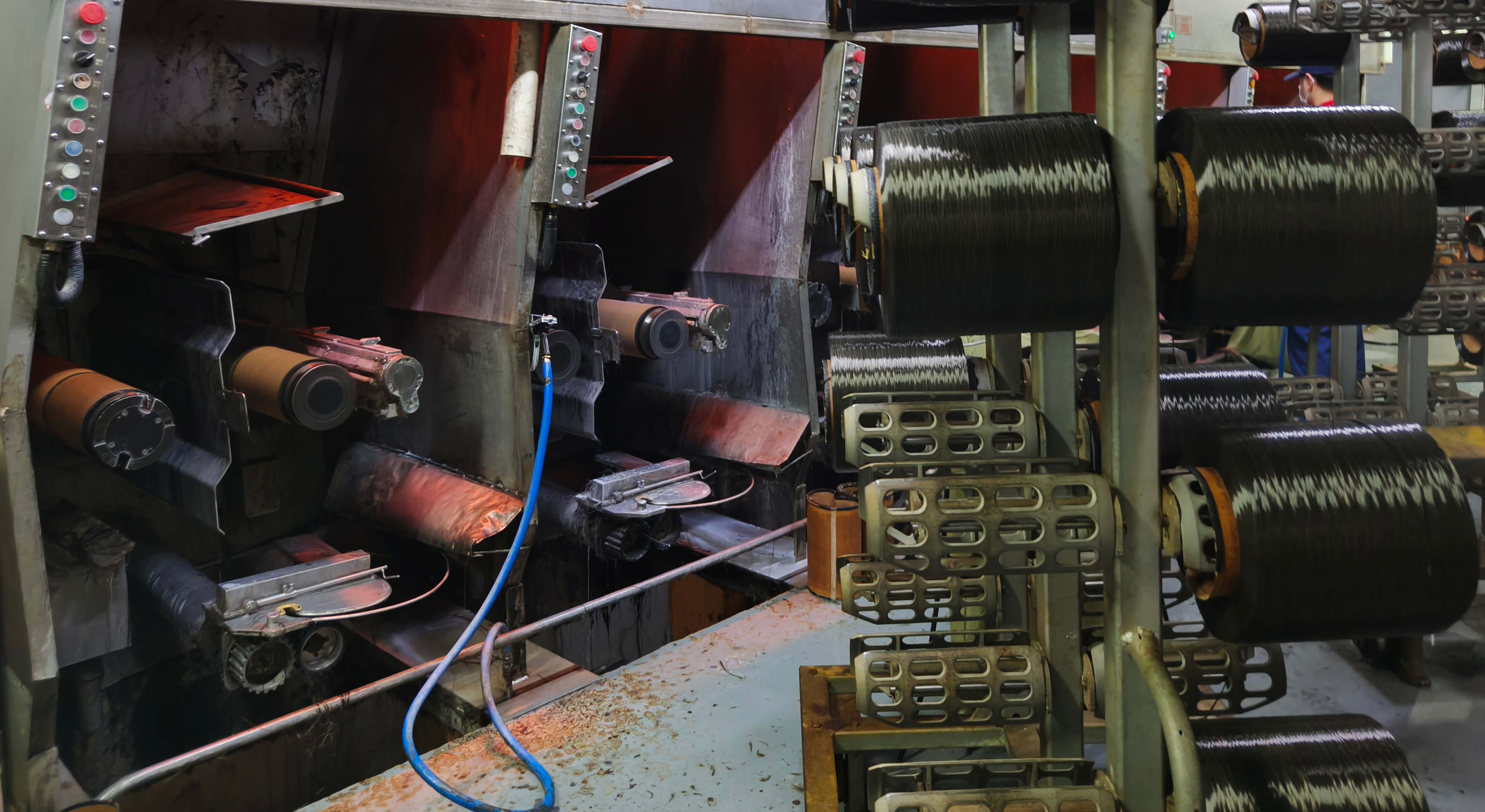
Basalt fiber is an inorganic fibrous material produced by drawing strands from natural basalt ore after it has been melted at high temperatures. It has garnered widespread attention for its exceptional physicochemical properties — particularly its performance in high-temperature environments.
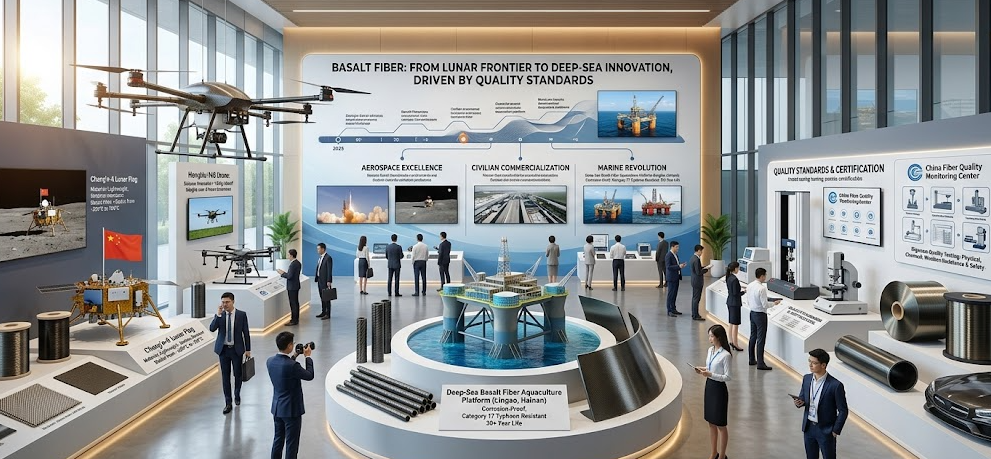
Recently, with the successful realization of major applications — such as the Chang'e-6 lunar exploration mission and the world's first deep-sea basalt fiber aquaculture platform — basalt fiber is rapidly accelerating its transformation from a laboratory research outcome into a strategic new material with tangible industrial productivity.
High Tensile Strength Basalt Fiber Rebar for Mexico Structural Reinforcement
Basalt Reinforcing Bars for Mexico Building and Bridge Reinforcement
High-Strength Corrosion-Resistant Basalt Rebar — Mexico Coastal & Marine Projects
Anti-Corrosion Basalt Fiber Rebar With Epoxy Resin Composite Bar — Mexico Industrial
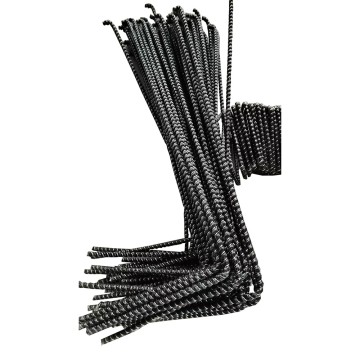 Non-Conductive & Non-Magnetic Basalt FRP Rebar — Electromagnetic Transparent Reinforcement for Mexico
 Basalt Rebar for Mexico Bridge & Road Construction Reinforcement
 Wear-Resistant Basalt Fiber Rebar — Mexico Industrial Flooring & Heavy-Load Applications
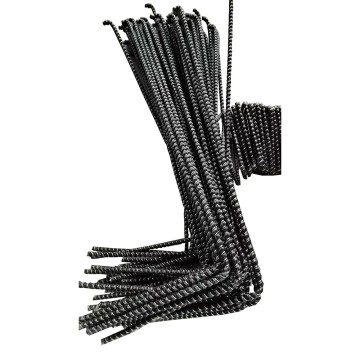 High Temperature Resistant Basalt Rebar — Mexico Petrochemical & Energy Sector Applications