
Leave Your Message
Engineered for the most demanding road and bridge construction environments — combining volcanic-origin strength with modern composite technology.
A comprehensive guide to rebar selection, sizing standards, and the rising role of next-generation basalt fiber composite rebars in modern infrastructure.
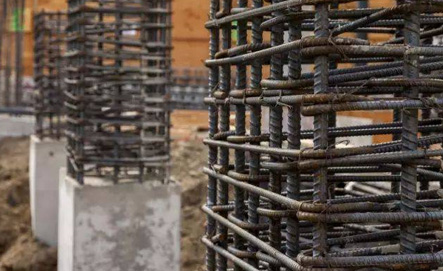
Reinforcement bars — commonly known as rebar — are the backbone of modern road and bridge construction. They provide the tensile strength that concrete inherently lacks, enabling structures to withstand dynamic loads, thermal expansion, seismic forces, and the relentless stresses of daily traffic. Choosing the right type and size of rebar is not merely a technical specification decision; it is a critical factor that determines the safety, longevity, and total lifecycle cost of infrastructure assets worth billions of dollars worldwide.
Globally, the reinforced concrete infrastructure market is undergoing a profound transformation. The traditional reliance on carbon steel rebar — while still dominant — is being challenged by a new generation of composite reinforcement materials, chief among them basalt fiber rebar (BFRP). As engineers, procurement managers, and government agencies seek solutions that extend service life, reduce maintenance costs, and meet increasingly stringent environmental standards, understanding the full spectrum of rebar types and sizes available for roads and bridges has never been more important.
The global rebar market is projected to exceed USD 280 billion by 2030, driven by accelerating infrastructure investment across Asia-Pacific, North America, and Europe — with composite rebar segments growing at over 12% CAGR.
Modern road and bridge projects utilize several distinct categories of reinforcement bar, each engineered for specific structural demands, environmental conditions, and budget parameters:
Rebar sizing follows national and international standards. In the United States, ASTM A615 and ASTM A996 govern steel rebar, with bar sizes designated by number (e.g., #3 through #18), where the number approximates the diameter in eighths of an inch. European EN 10080 standards use metric designations (6mm to 50mm diameter). For composite rebars including BFRP, ASTM D7957 and ACI 440 provide design guidance.
| Bar Designation | Nominal Diameter (mm) | Cross-Section Area (mm²) | Typical Application in Roads & Bridges | Material Type |
|---|---|---|---|---|
| #3 / 10mm | 9.5 – 10 | 71 – 79 | Bridge deck transverse reinforcement, road slab temperature steel | Steel / BFRP |
| #4 / 12mm | 12.7 – 12 | 129 | Bridge deck slabs, pavement reinforcement, retaining walls | Steel / BFRP / GFRP |
| #5 / 16mm | 15.9 – 16 | 199 – 201 | Bridge girders, highway median barriers, pier caps | Steel / BFRP |
| #6 / 20mm | 19.1 – 20 | 284 – 314 | Bridge abutments, major road slab primary reinforcement | Steel / Epoxy-Coated |
| #8 / 25mm | 25.4 – 25 | 510 – 491 | Bridge piers, pile caps, heavy-duty road foundations | Steel / Stainless |
| #10 / 32mm | 32.3 – 32 | 819 – 804 | Large bridge columns, deep foundation elements | High-Yield Steel |
| #14 / 40mm | 43.0 – 40 | 1452 – 1257 | Major bridge towers, cable-stayed bridge anchorages | High-Yield Steel |
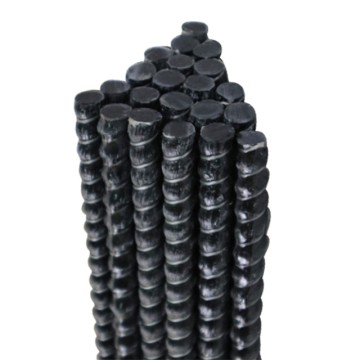
| Custom BFRP | 6 – 32mm | 28 – 804 | Corrosion-critical zones, MRI-compatible structures, coastal bridges | Basalt Fiber Composite |
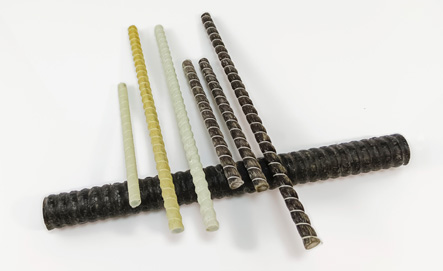
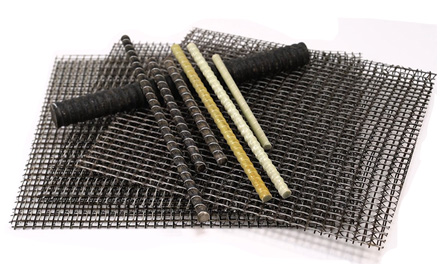
Among all reinforcement bar types, Basalt Fiber Reinforced Polymer (BFRP) rebar represents the most significant advancement in the past two decades. Manufactured by drawing continuous fibers from molten natural basalt rock at temperatures of 1,450°C to 1,500°C, BFRP rebar delivers a unique combination of properties that directly address the critical failure modes of conventional steel reinforcement in road and bridge applications.
Basalt fiber rebar achieves tensile strength of 1,000 – 1,500 MPa — up to 3× stronger than conventional mild steel — while weighing approximately 75% less. Its zero corrosion rate eliminates the primary cause of bridge deck deterioration worldwide.
The corrosion of steel rebar is the single largest cause of premature infrastructure failure globally. Bridge deck rehabilitation due to chloride-induced corrosion costs the United States alone an estimated $8.3 billion annually. BFRP rebar, being entirely non-metallic, is immune to chloride attack, carbonation-induced corrosion, and electrochemical degradation — making it the ideal reinforcement for bridge decks, coastal highway structures, tunnel approaches, and any concrete element exposed to de-icing chemicals or marine environments.
Beyond corrosion immunity, BFRP rebar offers electromagnetic neutrality — a critical advantage for bridge structures near power transmission lines, railway electrification systems, and increasingly important for roads and bridges near 5G telecommunications infrastructure. Its non-conductive nature also makes it the material of choice for specialized structures such as MRI facility foundations and power station civil works.
The global reinforcement bar industry is at an inflection point. Sustainability mandates, infrastructure aging, and advances in composite materials are reshaping procurement strategies worldwide.
The global construction reinforcement market was valued at approximately USD 180 billion in 2023, with road and bridge infrastructure representing the single largest end-use segment at over 38% of total demand. Steel rebar continues to dominate by volume, but its market share is being steadily eroded by composite alternatives in high-value, corrosion-critical applications.
In North America, the Infrastructure Investment and Jobs Act (2021) committed USD 1.2 trillion to infrastructure renewal, with bridge rehabilitation representing a USD 40 billion priority. Federal Highway Administration (FHWA) guidelines now actively encourage the specification of BFRP and GFRP rebar in new bridge deck construction to extend service life beyond 75 years without major rehabilitation.
In Asia-Pacific — the world's largest construction market — China's Belt and Road Initiative continues to drive massive investment in highway and bridge infrastructure across Southeast Asia, Central Asia, and Africa. The Chinese government's 14th Five-Year Plan specifically identifies basalt fiber as a strategic new material for infrastructure applications, with production capacity targets that will reduce costs and accelerate adoption across all project scales.
European markets are driven by EN 1992 (Eurocode 2) revisions incorporating composite rebar design provisions, and by the EU's Green Deal requirements for low-carbon construction materials. Basalt fiber's natural volcanic origin, absence of synthetic chemical processing, and full recyclability position it favorably against carbon fiber and glass fiber alternatives in European sustainability assessments.
Carbon-neutral construction targets are accelerating specification of basalt fiber rebar, which has a significantly lower embodied carbon footprint than steel. Life-cycle assessment (LCA) tools now routinely demonstrate 30–60% CO₂ reduction for BFRP-reinforced bridge decks versus conventional steel-reinforced alternatives.
Integration of fiber optic sensors within basalt rebar during manufacturing enables real-time structural health monitoring (SHM) of bridges and road pavements. This IoT-enabled "smart rebar" technology is being piloted on major bridge projects in China, South Korea, and Switzerland, providing continuous strain, temperature, and crack data to infrastructure managers.
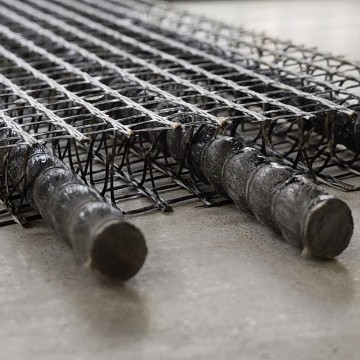
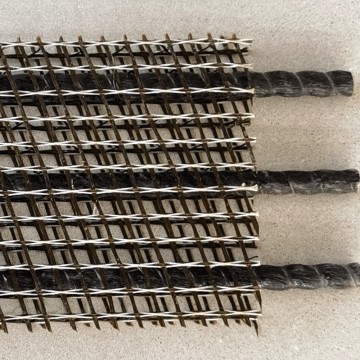
Factory-prefabricated BFRP rebar cages and mats are reducing on-site labor costs and improving quality control for bridge deck and highway pavement projects. This industrialization of composite rebar installation is a key enabler for wider adoption on cost-sensitive infrastructure projects.
Rapid progress in international standards — including updated ACI 440 guidelines, ISO 10406, and China's GB/T standards for BFRP rebar — is removing the specification barriers that previously limited composite rebar adoption on publicly funded projects. Design engineers now have robust code-compliant frameworks for BFRP-reinforced bridge and road structures.
Innovative hybrid systems combining steel rebar (for ductility and seismic performance) with BFRP rebar (for corrosion resistance in cover zones) are being adopted on major bridge projects. These hybrid designs optimize structural performance and durability at competitive lifecycle costs.
With over 60% of the world's population living within 100km of a coastline, the demand for corrosion-immune reinforcement in coastal bridge and highway infrastructure is exploding. BFRP rebar is becoming the de facto standard for new coastal bridge deck construction in progressive markets including Japan, South Korea, the UAE, and Scandinavia.
From urban expressways to deep-sea crossing bridges, the right rebar specification is critical to structural integrity, safety, and lifecycle economics.
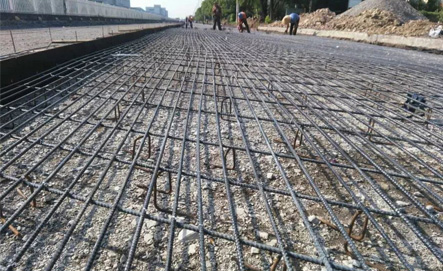
Bridge decks are the most corrosion-vulnerable element of any bridge structure, directly exposed to traffic, de-icing chemicals, and moisture infiltration. BFRP rebar in 12–16mm diameters is now the preferred specification for new bridge deck construction in corrosive environments, eliminating the primary cause of deck deterioration and rehabilitation costs.
Continuously reinforced concrete pavement (CRCP) for highways demands rebar with excellent fatigue resistance and minimal thermal expansion mismatch with concrete. Basalt fiber rebar's thermal expansion coefficient (6–8 × 10⁻⁶/°C) closely matches concrete, reducing thermal-induced cracking in long-span highway pavement sections.
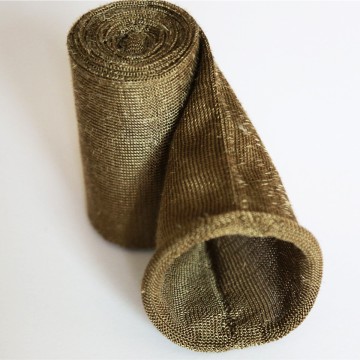
Submerged and tidal zone bridge piers face the most aggressive corrosion conditions. Basalt fiber rebar combined with basalt fiber sleeves and wraps provides comprehensive protection for pier columns, dramatically extending service life in marine and freshwater bridge environments. China Beihai's basalt fiber sleeves are specifically engineered for this application.
Road tunnel portals and cut-and-cover sections combine the corrosion exposure of buried structures with the dynamic loading of heavy traffic. BFRP rebar's immunity to soil-borne chlorides and sulfates, combined with its high tensile strength, makes it ideal for tunnel lining reinforcement and portal structures on major highway projects.
Highway retaining walls and noise barriers along urban expressways are long-term assets requiring minimal maintenance access. BFRP-reinforced precast panels and cast-in-place retaining walls eliminate the corrosion-driven spalling that plagues conventional steel-reinforced highway barriers, reducing long-term maintenance costs by up to 70%.
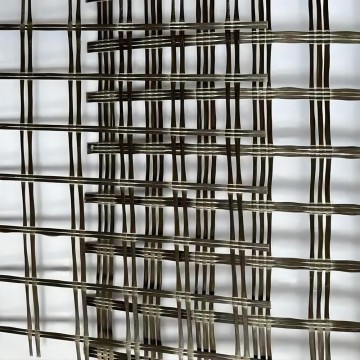
Basalt fiber geogrid mesh provides sub-base reinforcement for roads constructed over weak or variable ground conditions. By distributing load more evenly and restraining lateral movement of aggregate base layers, basalt fiber geogrids extend pavement life and reduce rutting on heavily trafficked road sections — a proven application on major highway projects across China and Europe.
Basalt fiber is ideal for your engineering projects. Its high strength, corrosion resistance and lightweight properties allow it to easily solve a variety of challenges. In buildings, bridges, roads and other infrastructure projects, basalt fibers demonstrate outstanding performance, extending structural life and reducing maintenance costs.
Our basalt products have diverse applications in the field of house construction. From structural reinforcement mesh to fiber-reinforced concrete, basalt fiber solutions extend building service life and reduce long-term maintenance costs across residential, commercial, and industrial construction projects.
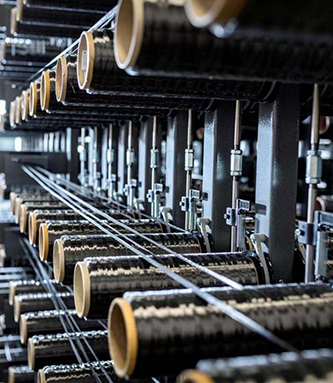
China Beihai is founded in 2015 and located in Jiujiang, Jiangxi Province. China Beihai is a high-tech enterprise focusing on the research, development, production and sales of high-performance basalt continuous fiber and its production equipment manufacturing, as well as a leading enterprise in the domestic basalt fiber industry.
With a commitment to innovation and excellence, we strive to cater to the unique requirements of our clients by offering a comprehensive selection of basalt-derived products for roads, bridges, buildings, and advanced industrial applications worldwide.
View More
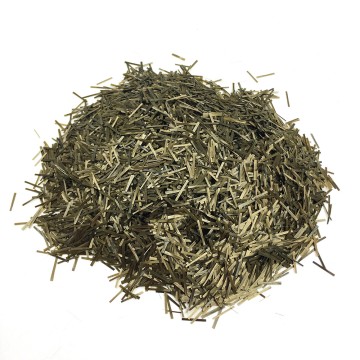
At China Beihai group, we specialize in the production of a wide range of products including basalt fiber mat (Basalt fiber chopped strand mat, Basalt fiber cloth), basalt fiber roving, basalt fiber yarn, basalt fiber chopped strands, and basalt fiber products (Basalt Fiber rebar, basalt fiber sleeves and tape). Our products are designed to meet the diverse needs of various industries, providing high-quality solutions for our customers.

At China Beihai group, we are dedicated to the production of a wide array of basalt-based products, ranging from basalt fiber mat, fabric, and roving to chopped strand and specialized construction materials. Our focus is on delivering high-quality, sustainable solutions for industries such as construction, geotechnical engineering, and manufacturing. With a commitment to innovation and excellence, we strive to cater to the unique requirements of our clients by offering a comprehensive selection of basalt-derived products.

Choosing to work with China Beihai means working with a leading manufacturer of basalt products. Our commitment to quality, innovation and sustainability sets us apart, ensuring our customers receive best-in-class solutions for their diverse needs. Reliability and customer satisfaction are at the core of everything we do — we offer a wide range of high-quality basalt materials and construction products, backed by our dedication to excellence and industry expertise. When you partner with China Beihai, you can trust that you are working with a reliable and forward-thinking supplier for all your basalt product needs.
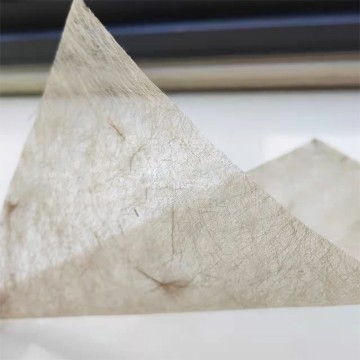
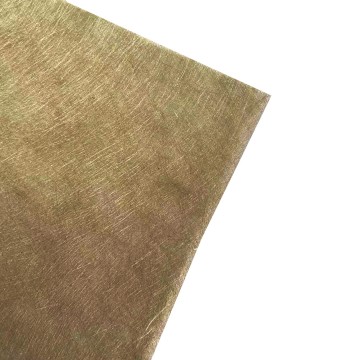
Basalt Fiber Surfacing Tissue Mat is a non-woven thin sheet engineered to provide a smooth resin-rich surface layer for fiber reinforced plastic in road and bridge composite applications.
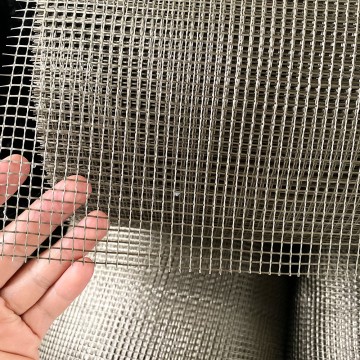
Our high performance Basalt Fiber Mesh provides a superior reinforcement solution for concrete and plaster applications where high alkali resistance and dimensional stability are required.
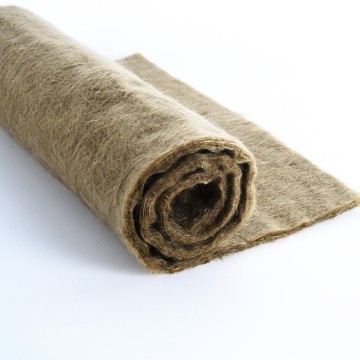
Our Basalt Fiber Needled Mat is a high density insulation material manufactured by mechanically bonding continuous basalt fibers without any chemical binders.
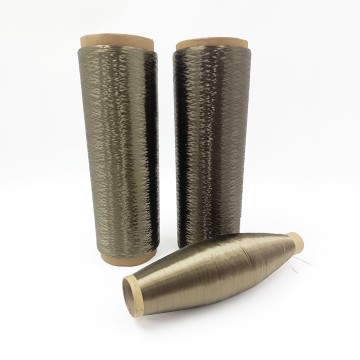
Our Basalt Fiber Twisted Yarn is engineered by twisting multiple continuous filaments to enhance mechanical strength and processing stability for demanding industrial applications.
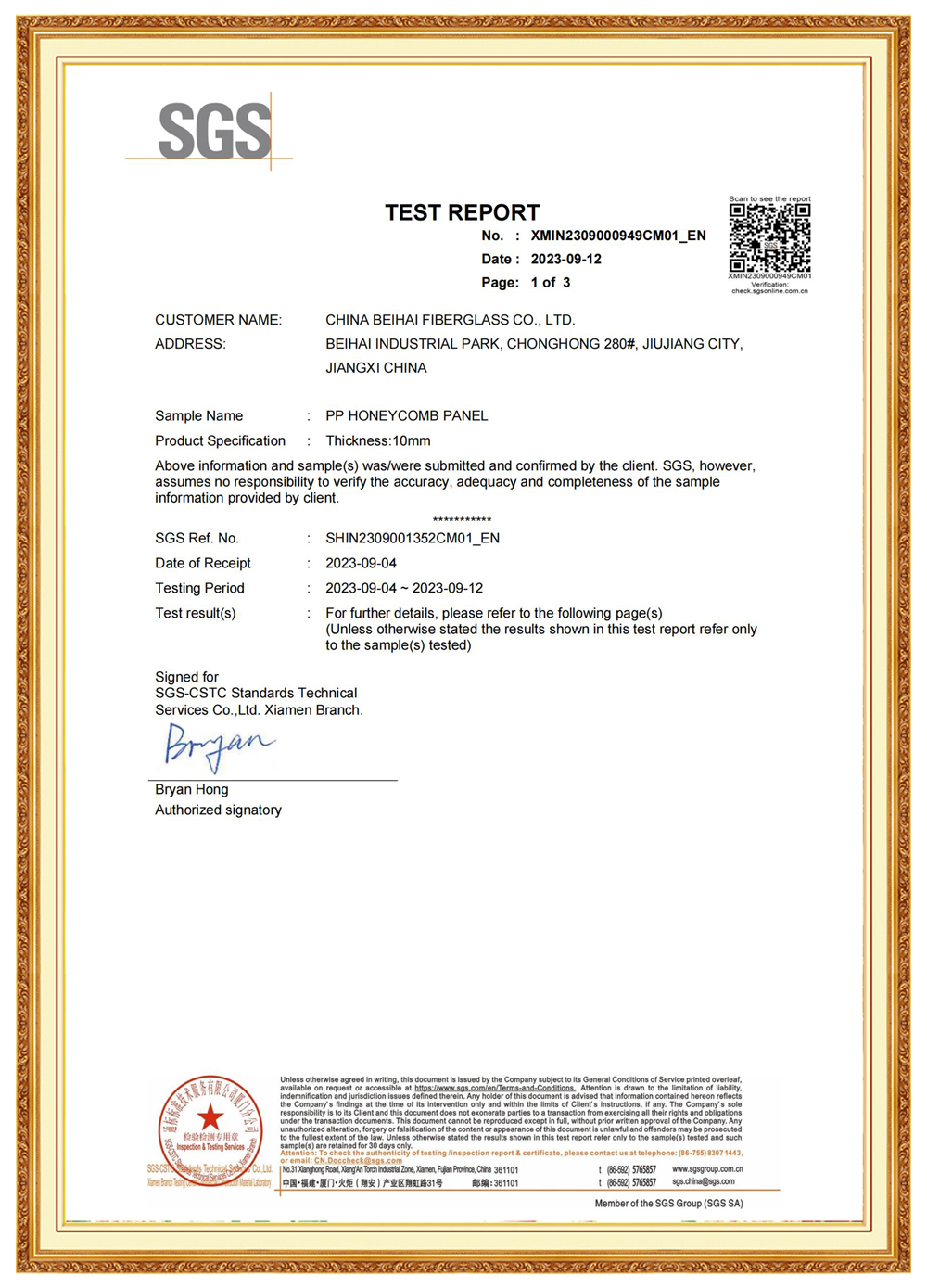
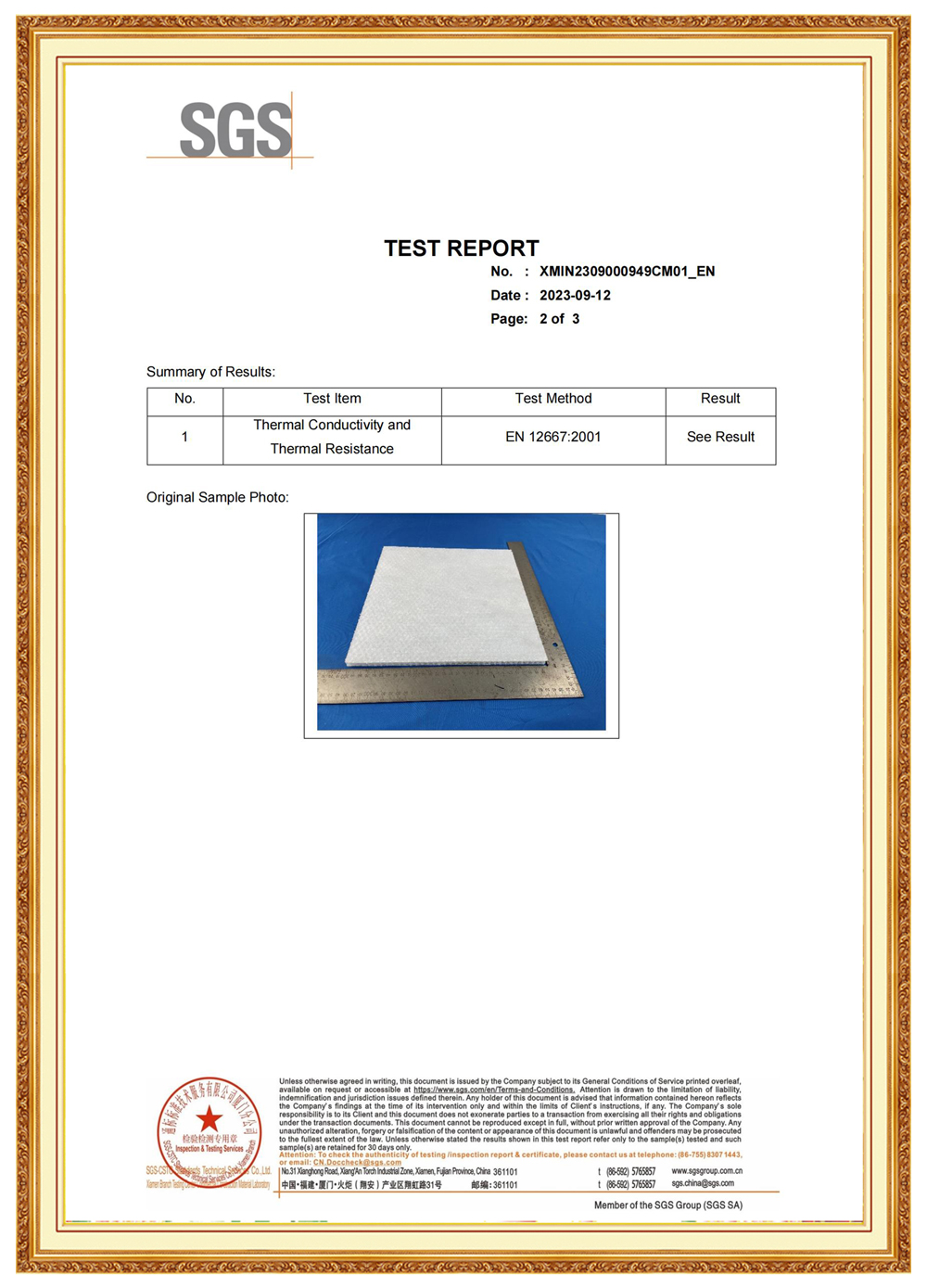
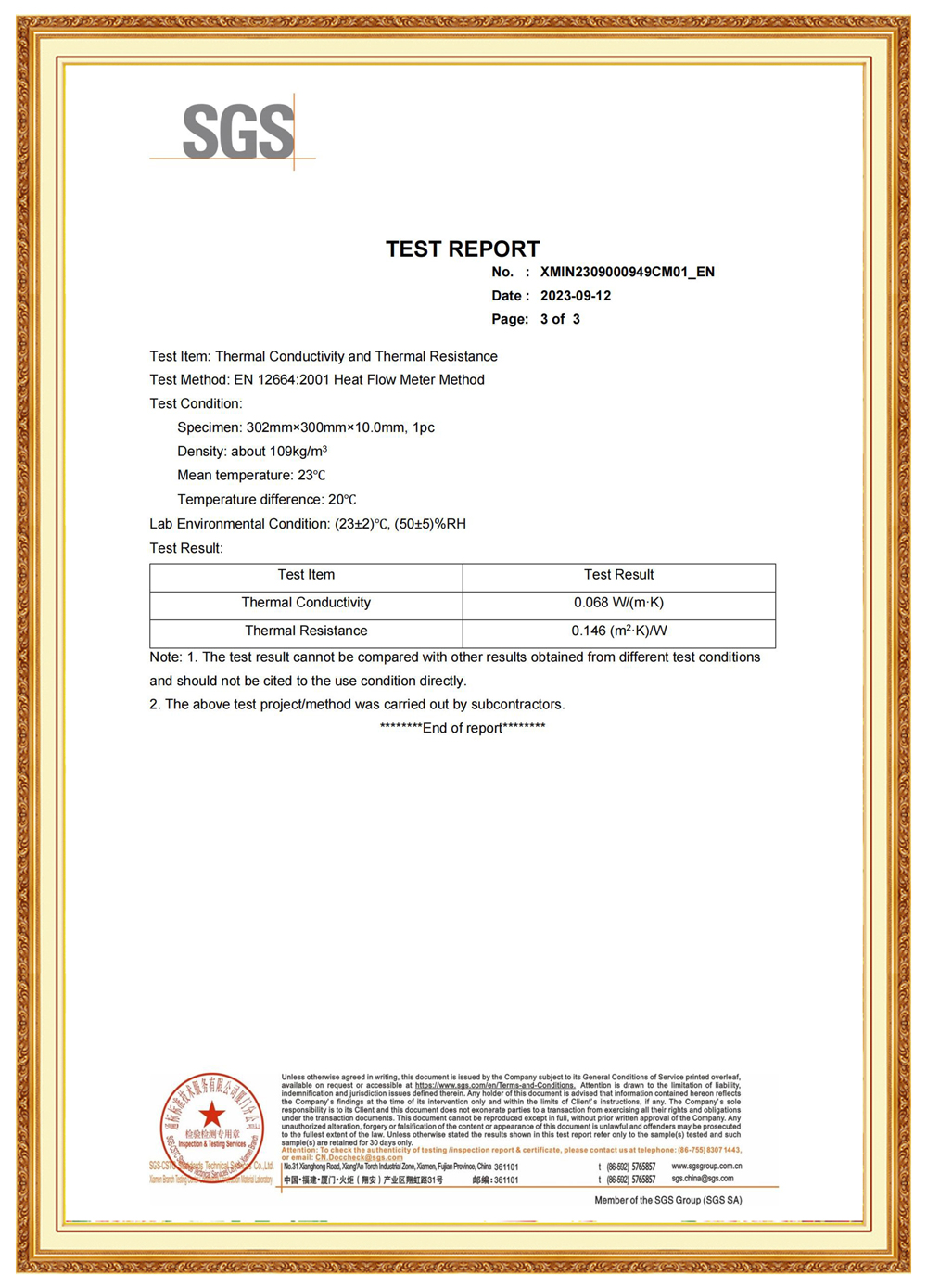
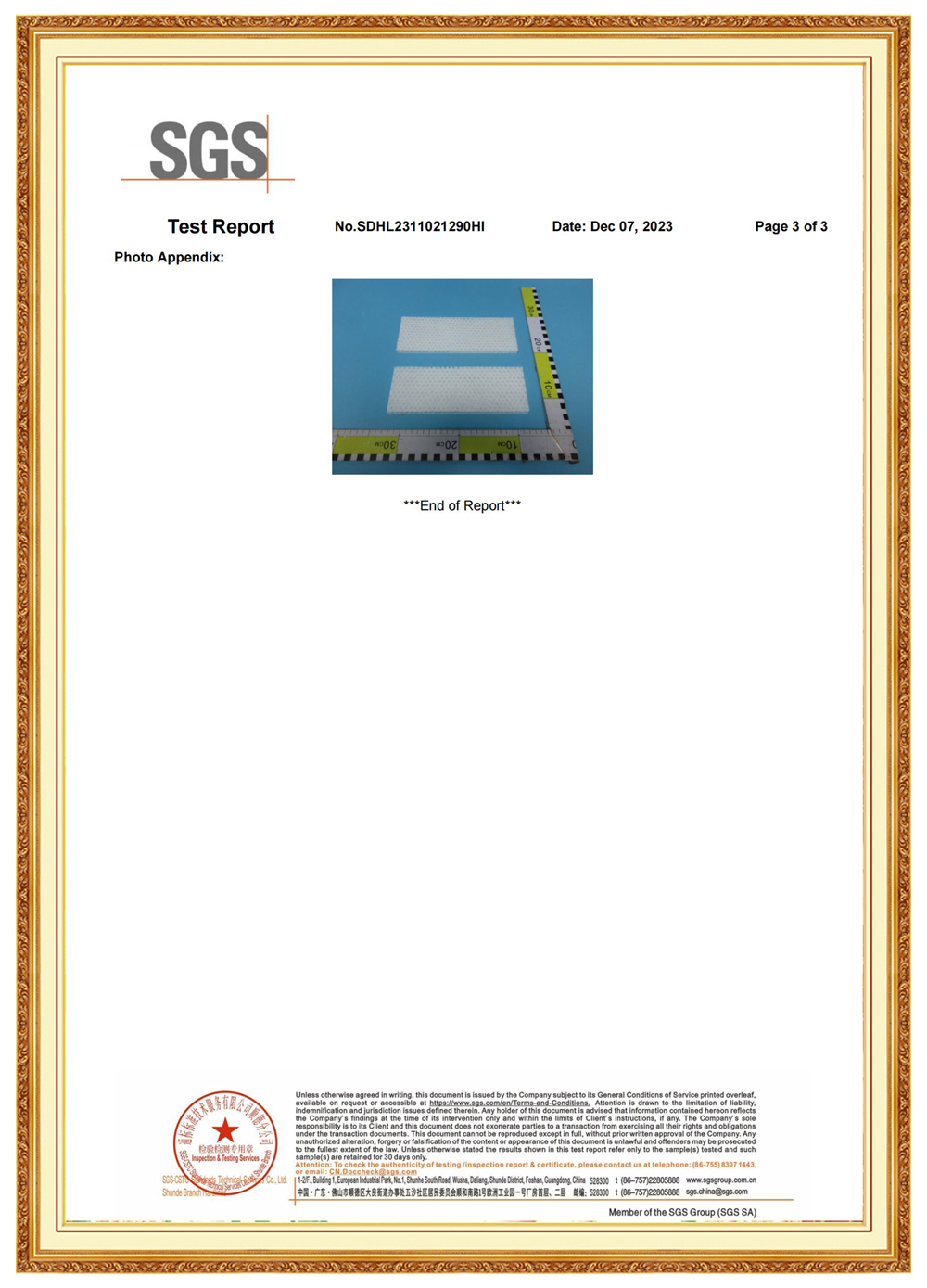
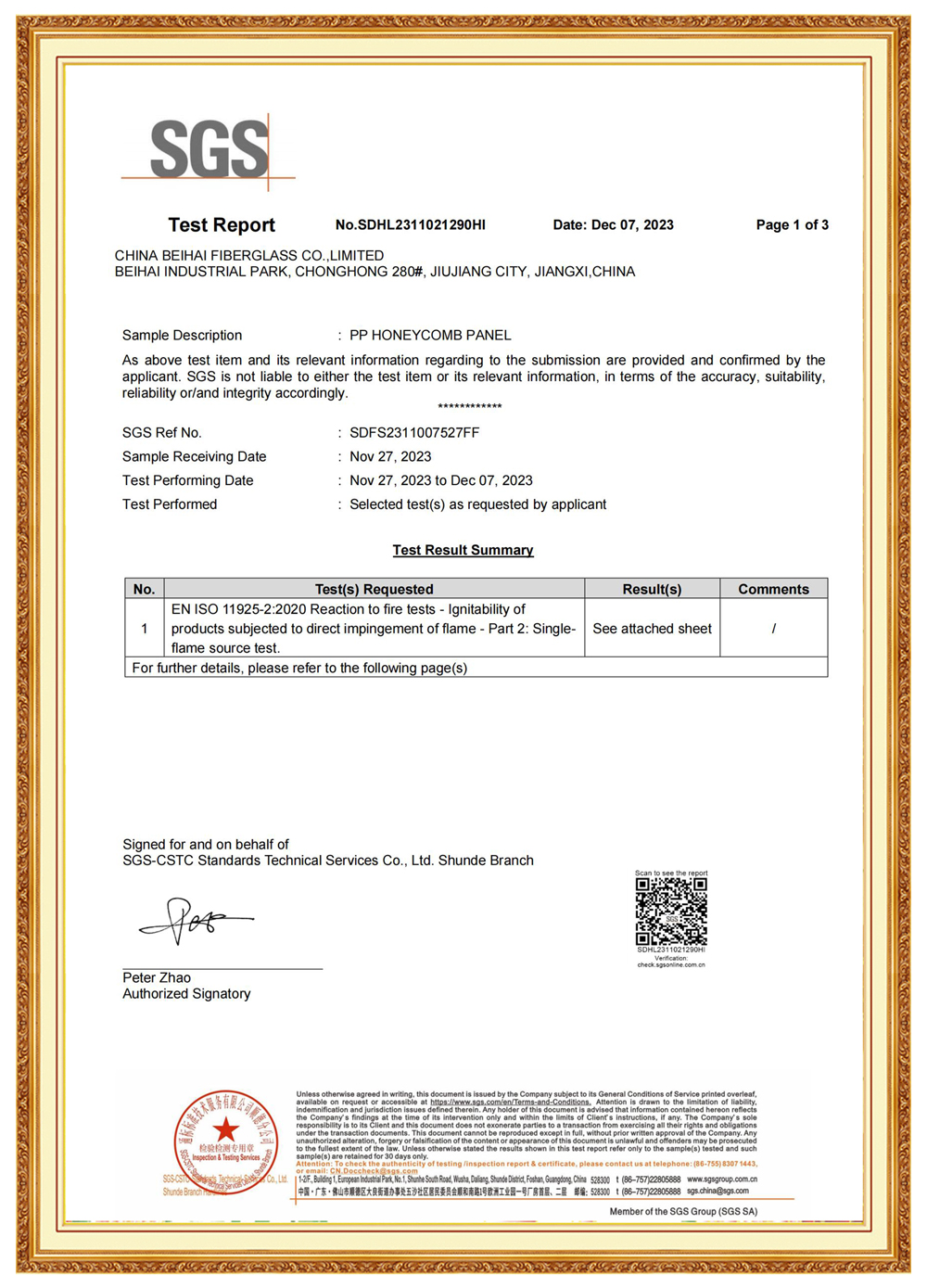
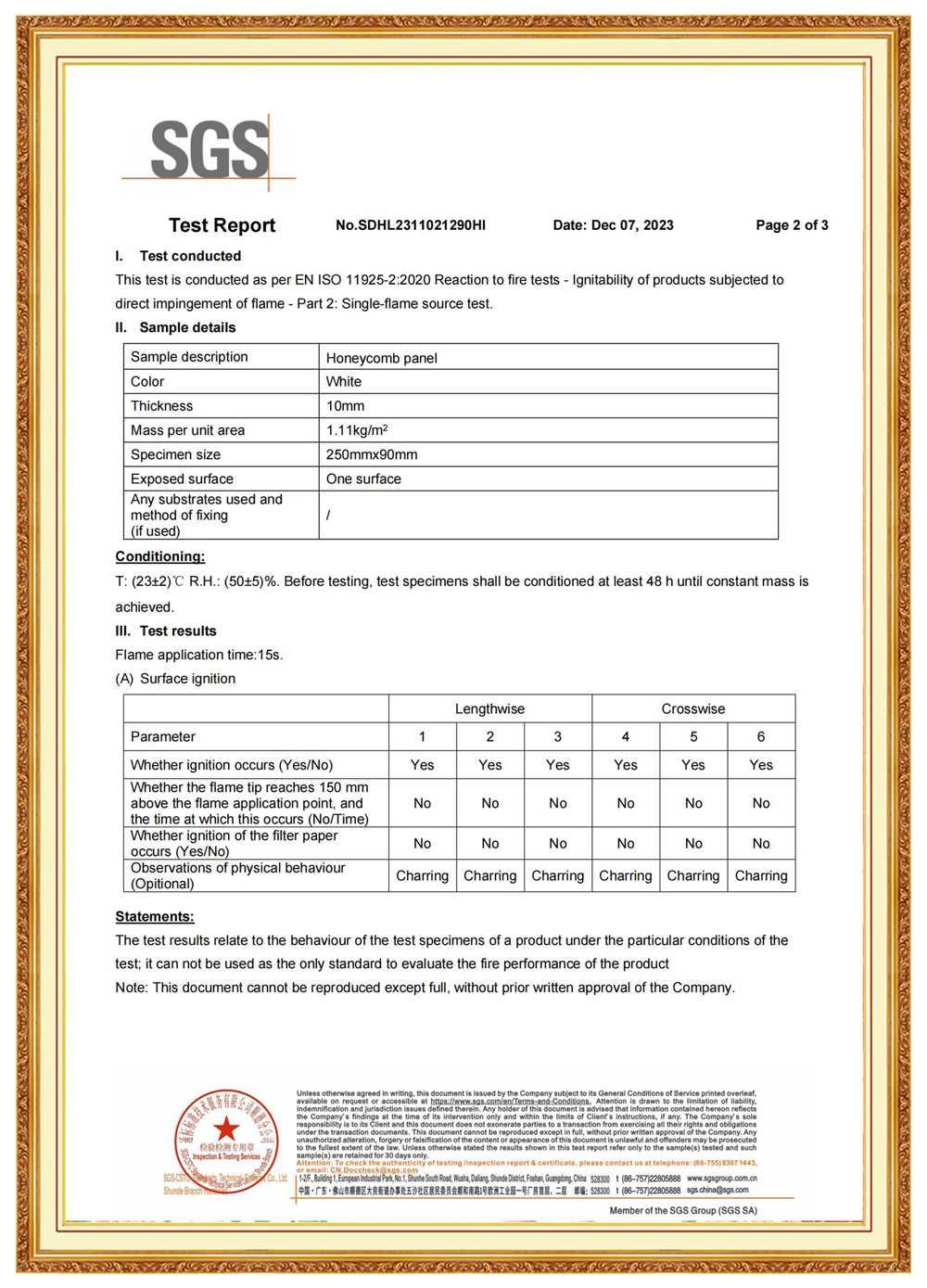
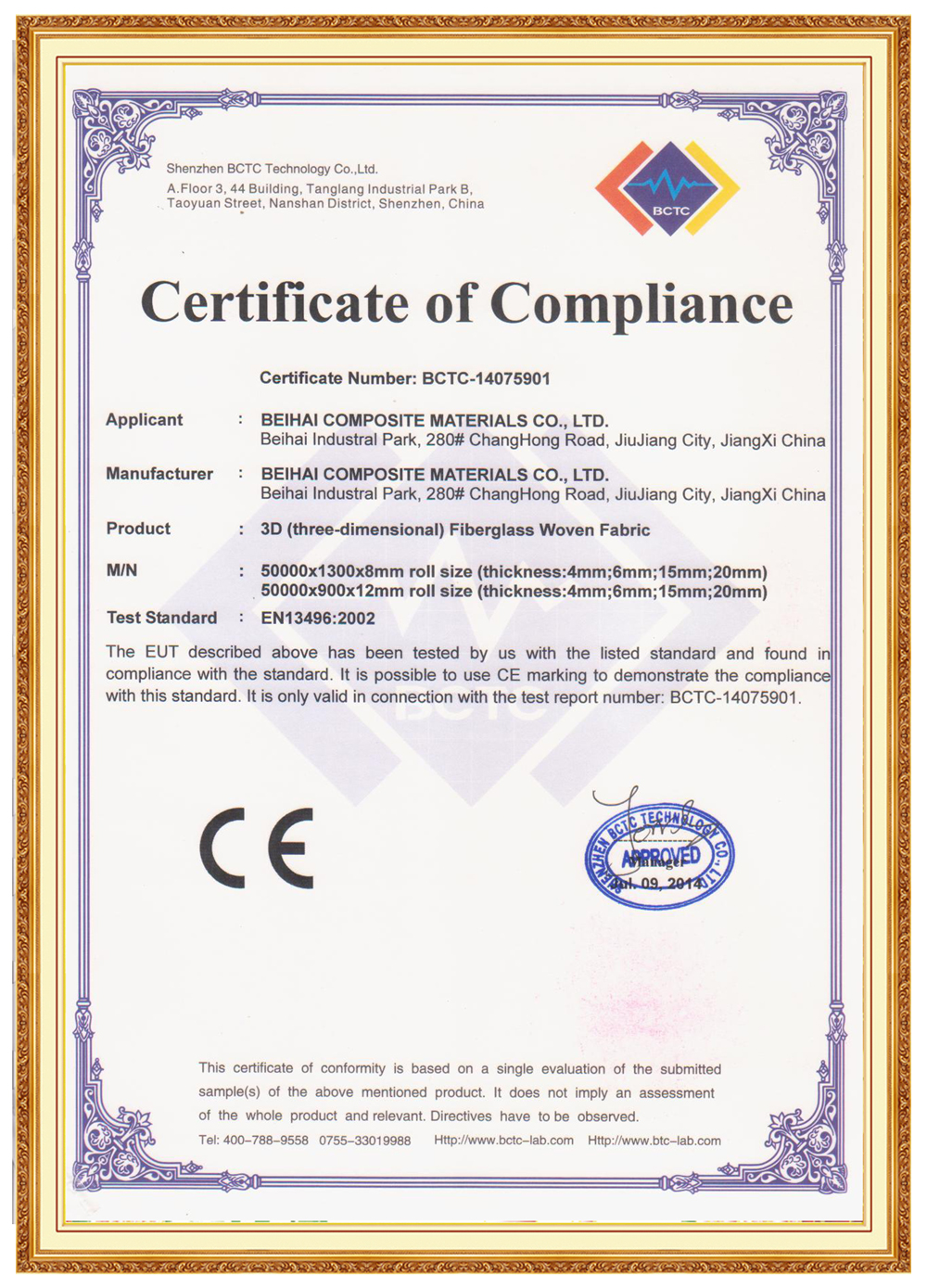
China Beihai's basalt fiber products are certified to international quality standards, ensuring compliance with global road and bridge construction specifications.




As drones slice through the sky to monitor wildfires, and intelligent robots execute repetitive tasks with precision on the factory floor, the efficient operation of this smart equipment is often underpinned by a "hardcore support" that is easily overlooked: a novel material derived from volcanic rock — basalt fiber. Though unassuming in appearance, its unique properties have made it the key to unlocking the performance limits of drones and robots, quietly driving a materials revolution within the realm of intelligent equipment.
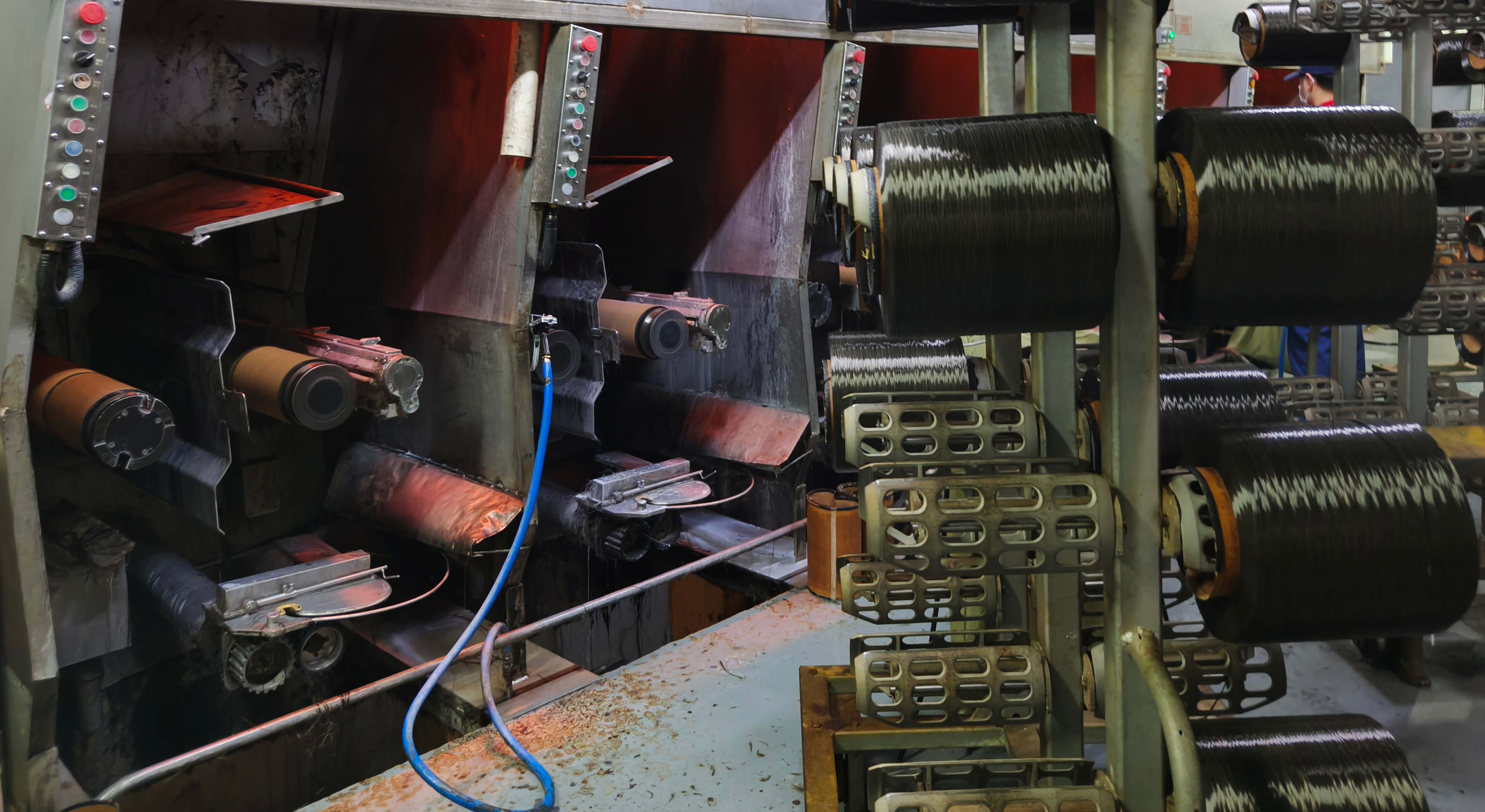
Basalt fiber is an inorganic fibrous material produced by drawing strands from natural basalt ore after it has been melted at high temperatures. It has garnered widespread attention for its exceptional physicochemical properties — particularly its performance in high-temperature environments.

Recently, with the successful realization of major applications — such as the Chang'e-6 lunar exploration mission and the world's first deep-sea basalt fiber aquaculture platform — basalt fiber is rapidly accelerating its transformation from a laboratory research outcome into a strategic new material with tangible industrial productivity.
Explore our full range of basalt fiber reinforcement solutions engineered for road construction, bridge infrastructure, and structural repair applications.