

Leave Your Message
High-performance basalt fiber solutions engineered for aerospace engine casing liners, thermal protection layers, and structural reinforcement applications.
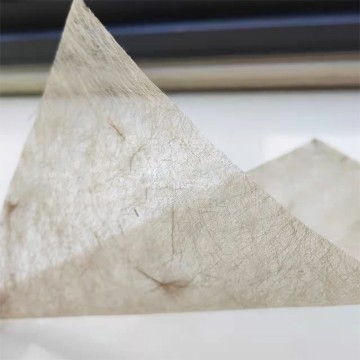
Basalt Fiber Surfacing Tissue Mat is a non-woven thin sheet engineered to provide a smooth resin-rich surface layer for fiber reinforced plastic composites used in aerospace thermal protection layers.
read more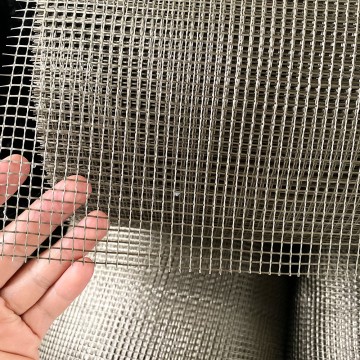
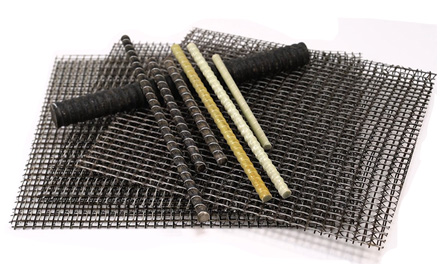
Our high-performance Basalt Fiber Mesh provides a superior reinforcement solution for aerospace thermal protection systems and engine casing liner applications requiring high alkali resistance.
read more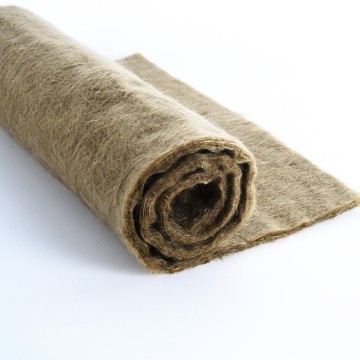
Our Basalt Fiber Needled Mat is a high-density insulation material manufactured by mechanically bonding continuous basalt fibers, ideal for aerospace engine casing thermal insulation layers.
read more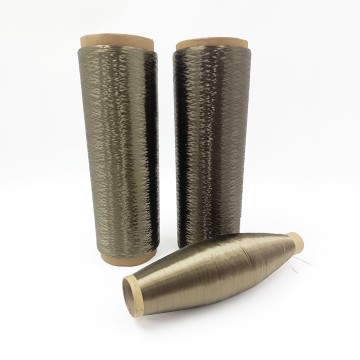
Our Basalt Fiber Twisted Yarn is engineered by twisting multiple continuous filaments to enhance mechanical strength and processing stability for aerospace engine casing liner composite structures.
read moreIn the demanding world of aerospace engineering, the materials used in engine casing liners and thermal protection layers must endure extraordinary conditions — extreme temperatures, high-velocity vibration, corrosive combustion gases, and relentless mechanical stress. Basalt fiber reinforcing rods have emerged as a transformative solution, offering aerospace engineers a lightweight, high-strength, and thermally stable alternative to conventional metallic and carbon fiber reinforcements.
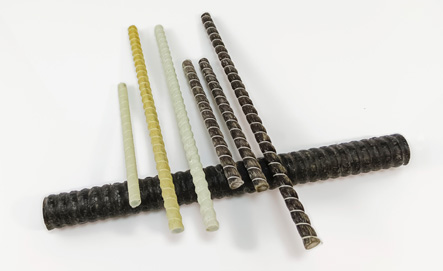
A reinforcing rod — commonly referred to as a rebar or structural rod — in the context of aerospace engine casing liners and thermal protection layers is a precision-engineered composite element. Unlike traditional steel rebar used in civil construction, aerospace-grade reinforcing rods are fabricated from advanced inorganic fibers such as continuous basalt fiber, embedded within high-temperature-resistant resin matrices or ceramic binders. These rods are integrated into multi-layer composite structures to provide tensile reinforcement, prevent delamination under thermal cycling, and maintain dimensional stability in service temperatures that can exceed 700°C.
Aerospace engine casing liners serve a critical dual function: they contain and direct combustion gases while protecting the structural engine casing from thermal degradation. The liner itself is a composite sandwich structure, and reinforcing rods are embedded within or bonded to these structures to:
Basalt fiber reinforcing rods excel in this environment because they are inherently non-magnetic, chemically inert to combustion byproducts, and possess a coefficient of thermal expansion closely matched to alumina and silicon carbide ceramic liner materials — dramatically reducing thermally induced interfacial stresses.
Thermal protection systems (TPS) on aerospace vehicles — from re-entry capsules and hypersonic glide vehicles to commercial jet engine nacelles — rely on layered composite architectures. The outer ablative or insulative layer absorbs and dissipates heat, while inner structural layers must maintain load-bearing capacity. Without adequate reinforcement, TPS panels are vulnerable to:
Basalt fiber reinforcing rods, when oriented through-the-thickness or in Z-pin configurations, dramatically improve interlaminar fracture toughness and impact resistance. Research programs at leading aerospace institutes have demonstrated up to a 60% improvement in Mode I and Mode II interlaminar fracture energy when basalt fiber Z-pins are incorporated into carbon fiber/epoxy TPS laminates.
The global market for advanced composite reinforcing elements in aerospace applications is experiencing robust growth. According to industry analyses, the aerospace composite materials market was valued at over USD 26 billion in 2023 and is projected to exceed USD 52 billion by 2032, driven by increasing demand for fuel-efficient aircraft, next-generation space launch vehicles, and hypersonic platforms.
Within this landscape, basalt fiber reinforcing rods are gaining traction as a cost-effective complement — and in some applications, a direct substitute — for carbon fiber and ceramic fiber reinforcements. Key commercial drivers include:
Hypersonic vehicles traveling at Mach 5 and above experience stagnation temperatures exceeding 1,600°C at leading edges and 800–1,000°C on control surfaces. While ultra-high-temperature ceramics (UHTCs) handle the extreme leading-edge environment, the broader TPS panels — covering the vehicle's underbelly and engine nacelles — benefit from basalt fiber reinforced composite panels. The rods provide the structural backbone that prevents panel-level buckling under combined aerodynamic and thermal loads, while the basalt fiber matrix maintains integrity up to its service temperature limit.
Modern turbofan engine nacelles incorporate acoustic liners — honeycomb sandwich structures that attenuate engine noise. These liners must simultaneously handle aerodynamic pressures, elevated temperatures from engine bleed air, and fatigue from acoustic excitation. Basalt fiber reinforcing rods integrated into the face sheets of acoustic liner panels improve their fatigue life and damage tolerance without compromising the acoustic performance of the honeycomb core, offering MRO (maintenance, repair, and overhaul) teams a longer-service-life solution.
Solid rocket motor cases require internal insulation layers to protect the structural casing from combustion gas temperatures exceeding 3,000°C. These insulation layers — typically EPDM rubber or silica-phenolic composites — are reinforced with chopped or continuous fibers to prevent erosion and charring-induced delamination. Basalt fiber reinforcing elements, due to their high thermal stability and char resistance, are being evaluated as replacements for asbestos-derived materials in legacy insulation systems, addressing both performance and environmental compliance requirements.
Ablative heat shields on re-entry capsules experience extreme thermal gradients — from near absolute zero in orbit to over 1,500°C during atmospheric entry. The structural backing layer of the heat shield must maintain its integrity throughout this thermal excursion. Basalt fiber reinforcing rods bonded into the backing structure provide the tensile and compressive reinforcement needed to prevent catastrophic panel separation during peak heating, while their low thermal conductivity helps maintain the temperature differential between the ablative outer layer and the underlying pressure vessel.
The trajectory of basalt fiber reinforcing rod technology in aerospace is shaped by several converging trends:
China Beihai, founded in 2015 and headquartered in Jiujiang, Jiangxi Province, stands at the forefront of this technological evolution. As a high-tech enterprise specializing in the research, development, production, and sales of high-performance basalt continuous fiber and its production equipment, China Beihai has established itself as a leading enterprise in the domestic basalt fiber industry — with a growing global footprint in aerospace, construction, and advanced manufacturing markets.
Six core performance properties that make basalt fiber reinforcing rods the preferred choice for aerospace engine casing liners and thermal protection layers.
Continuous service from -260°C to +700°C with no degradation in tensile strength or dimensional stability, ideal for engine casing liner thermal cycling environments.
Tensile strength up to 4,840 MPa — exceeding standard E-glass and approaching carbon fiber — providing exceptional structural reinforcement per unit weight in TPS applications.
Fully resistant to combustion gas byproducts including sulfuric acid, hydrochloric acid, and alkaline environments, ensuring long-term integrity in engine hot-section liners.
Non-conductive and radar-transparent, enabling integration of embedded sensors and antenna systems within engine casing structures without signal interference.
Produced from natural volcanic basalt rock with no chemical precursors, no hazardous byproducts, and full recyclability — meeting aerospace industry sustainability mandates.
50–70% lower production cost than carbon fiber equivalents, enabling aerospace programs to achieve weight and performance targets within tighter budget envelopes.
A decade of innovation in high-performance basalt continuous fiber, serving aerospace, construction, and advanced manufacturing globally.
The convergence of advanced manufacturing, AI-driven qualification, and expanding space economy is reshaping the basalt fiber reinforcing rod market.
Machine learning platforms are accelerating the qualification of basalt fiber composites for aerospace certification, reducing time-to-market from years to months and enabling rapid iteration of reinforcing rod designs for specific engine casing liner geometries.
AFP and 3D weaving technologies are enabling precise incorporation of basalt fiber reinforcing rods into complex curved aerospace structures, improving manufacturing repeatability and reducing labor costs for thermal protection layer production.
The rapid growth of commercial space launch and reusable launch vehicles is creating unprecedented demand for affordable, high-performance TPS materials. Basalt fiber reinforcing rods are positioned to capture a significant share of this emerging market segment.
Next-generation polyimide and phthalonitrile resin systems capable of continuous service at 400°C+ are being paired with basalt fiber reinforcing rods to extend the thermal envelope of basalt-reinforced composites into engine hot sections.
Combining basalt fiber rods with carbon fiber laminates creates hybrid structures that leverage cost and thermal advantages of basalt with the stiffness-to-weight ratio of carbon fiber, optimizing performance per dollar across TPS structures.
As aerospace OEMs commit to net-zero carbon targets, basalt fiber reinforcing rods — produced from natural volcanic rock with no chemical precursors — are gaining preference over synthetic fiber alternatives in new aircraft and spacecraft programs.
From aerospace engine casing liners to civil infrastructure, basalt fiber reinforcing rods deliver exceptional performance across diverse industries.

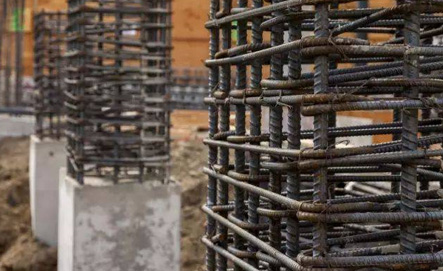
Our basalt products have diverse applications in the field of house construction, providing high-performance reinforcement solutions.

In the aerospace field, basalt fibers are ideal for manufacturing aircraft wings and engine components requiring lightweight high-strength reinforcement.

Through fine process control and surface treatment technologies, basalt fibers are used in spacecraft shell materials, thermal protection systems, and high-temperature engine components.

Basalt-added concrete offers increased strength and durability, increased crack resistance, improved chemical resistance and improved workability in engineering projects.

Facing the trend of lightweight automobile materials, basalt fiber composites deliver wide application in the automobile field through repeated testing and R&D.

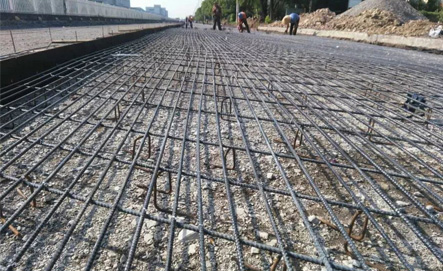
Basalt's high strength, durability and protective properties make it ideal for protecting bridge abutment structures from vehicle collisions, fire, corrosion and natural environment.
The corrosion resistance of basalt fiber gives it a unique advantage in the petrochemical field, providing long-lasting reinforcement in harsh chemical environments.

Basalt fiber as a high-performance composite material offers lightweight, high strength, corrosion resistance, acid and alkali resistance for marine engineering applications.
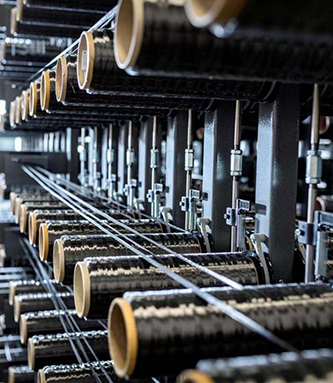
China Beihai is founded in 2015 and located in Jiujiang, Jiangxi Province. China Beihai is a high-tech enterprise focusing on the research, development, production and sales of high-performance basalt continuous fiber and its production equipment manufacturing, as well as a leading enterprise in the domestic basalt fiber industry.
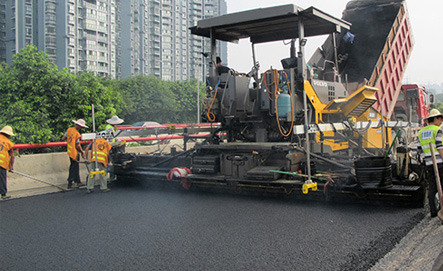
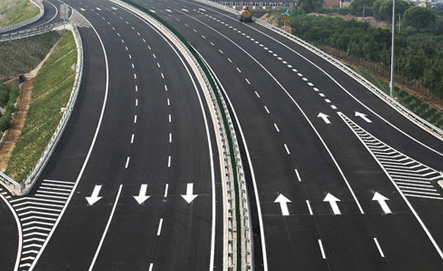
Unveiling the Infinite Potential of Basalt — Basalt fiber is ideal for your engineering projects. Its high strength, corrosion resistance and lightweight properties allow it to easily solve a variety of challenges. In buildings, bridges, roads and other infrastructure projects, basalt fibers demonstrate outstanding performance, extending structural life and reducing maintenance costs.
View More About Us
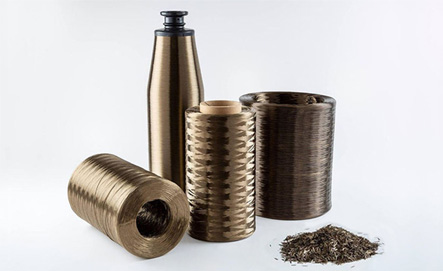
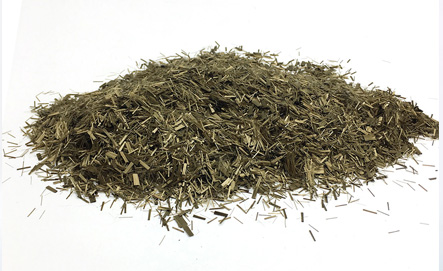
At China Beihai group, we specialize in the production of a wide range of products including basalt fiber mat (Basalt fiber chopped strand mat, Basalt fiber cloth), basalt fiber roving, basalt fiber yarn, basalt fiber chopped strands, and basalt fiber products (Basalt Fiber rebar, basalt fiber sleeves and tape). Our products are designed to meet the diverse needs of various industries, providing high-quality solutions for our customers.

At China Beihai group, we are dedicated to the production of a wide array of basalt-based products, ranging from basalt fiber mat, fabric, and roving to chopped strand and specialized construction materials. Our focus is on delivering high-quality, sustainable solutions for industries such as construction, geotechnical engineering, and manufacturing. With a commitment to innovation and excellence, we strive to cater to the unique requirements of our clients by offering a comprehensive selection of basalt-derived products.

Choosing to work with China Beihai means working with a leading manufacturer of basalt products. Our commitment to quality, innovation and sustainability sets us apart, ensuring our customers receive best-in-class solutions for their diverse needs. Reliability and customer satisfaction, we offer a wide range of high-quality basalt materials and construction products, backed by our dedication to excellence and industry expertise. When you partner with China Beihai, you can trust that you are working with a reliable and forward-thinking partner — a thought supplier for all your basalt product needs.
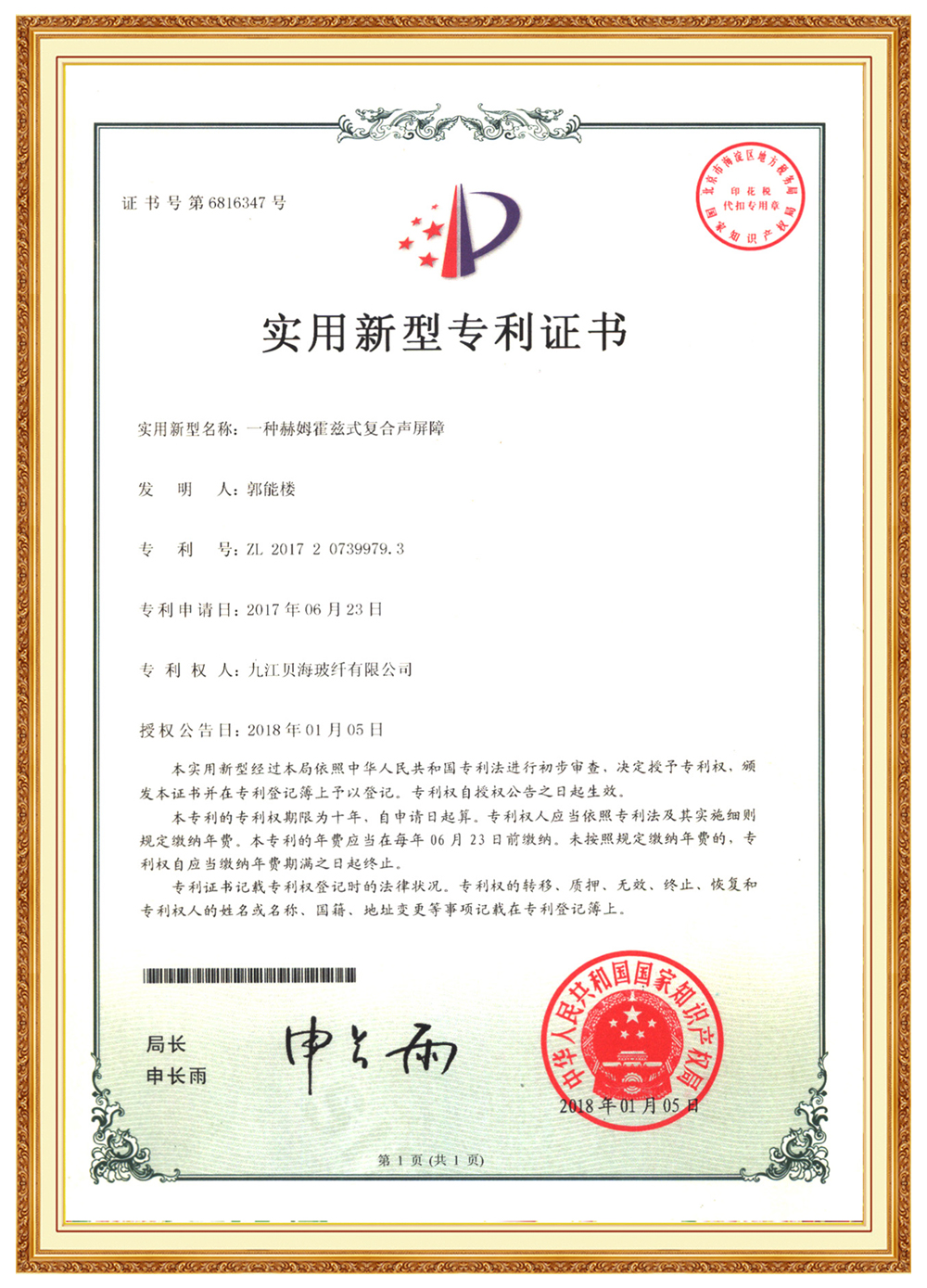
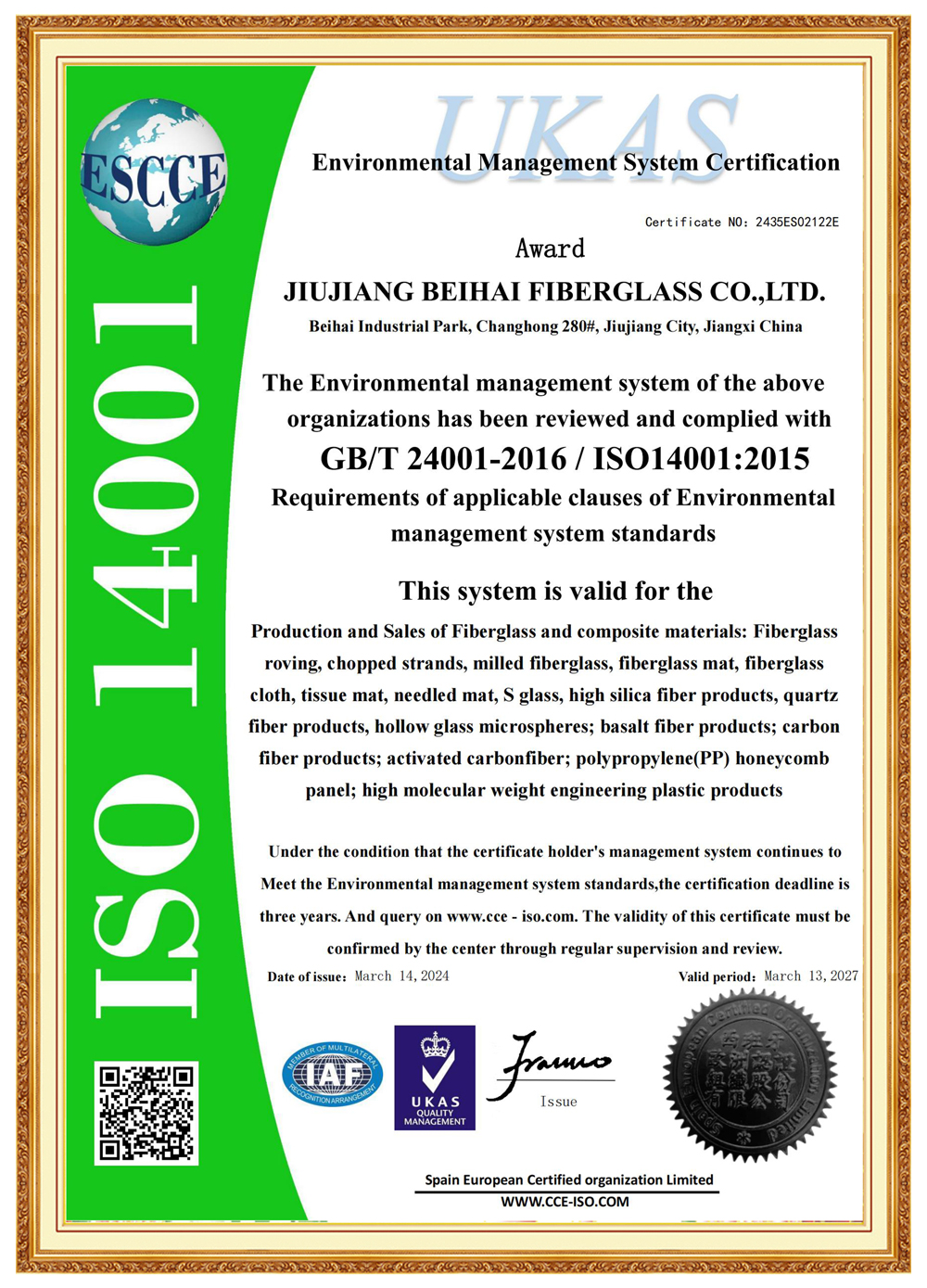
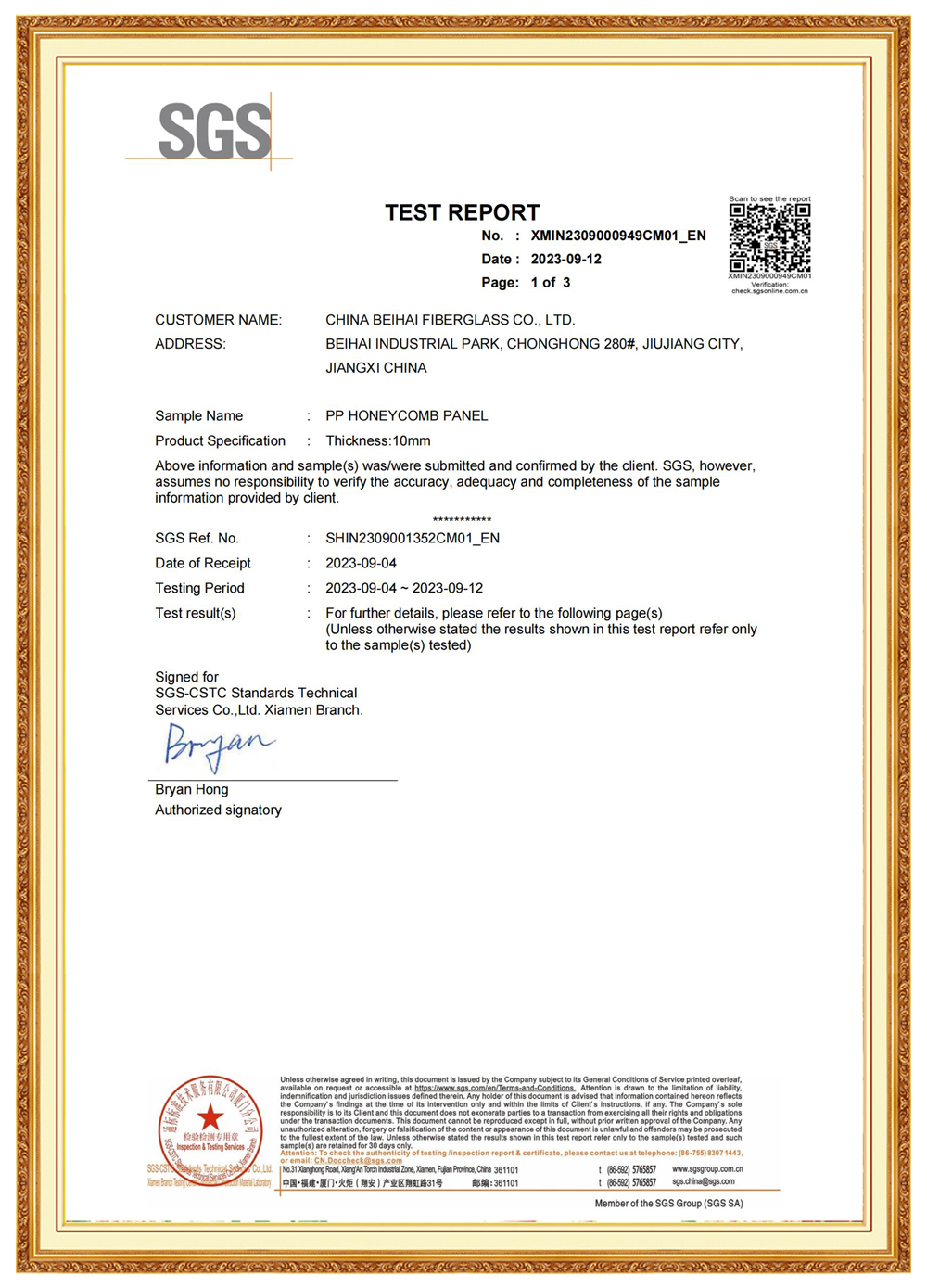
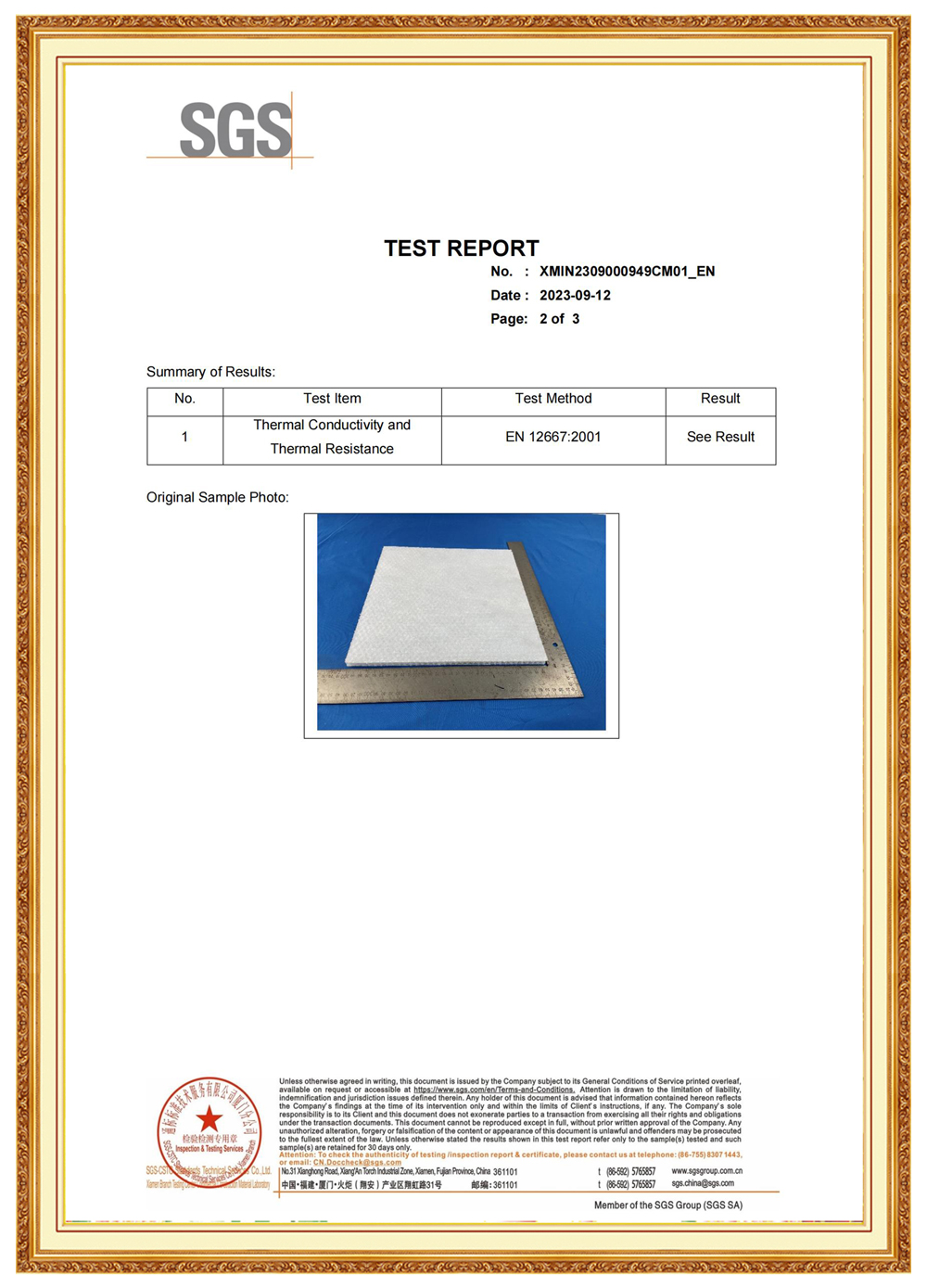
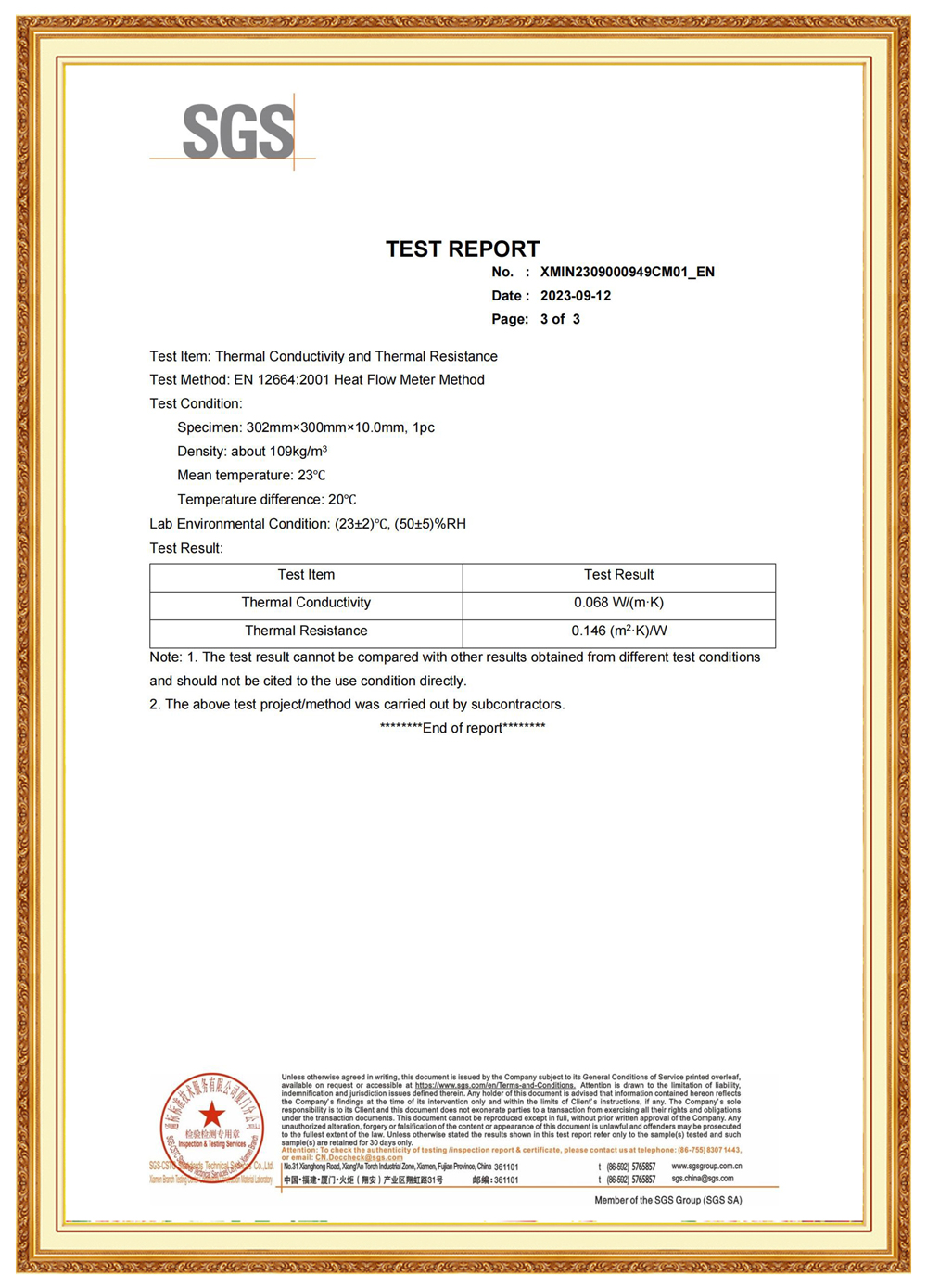
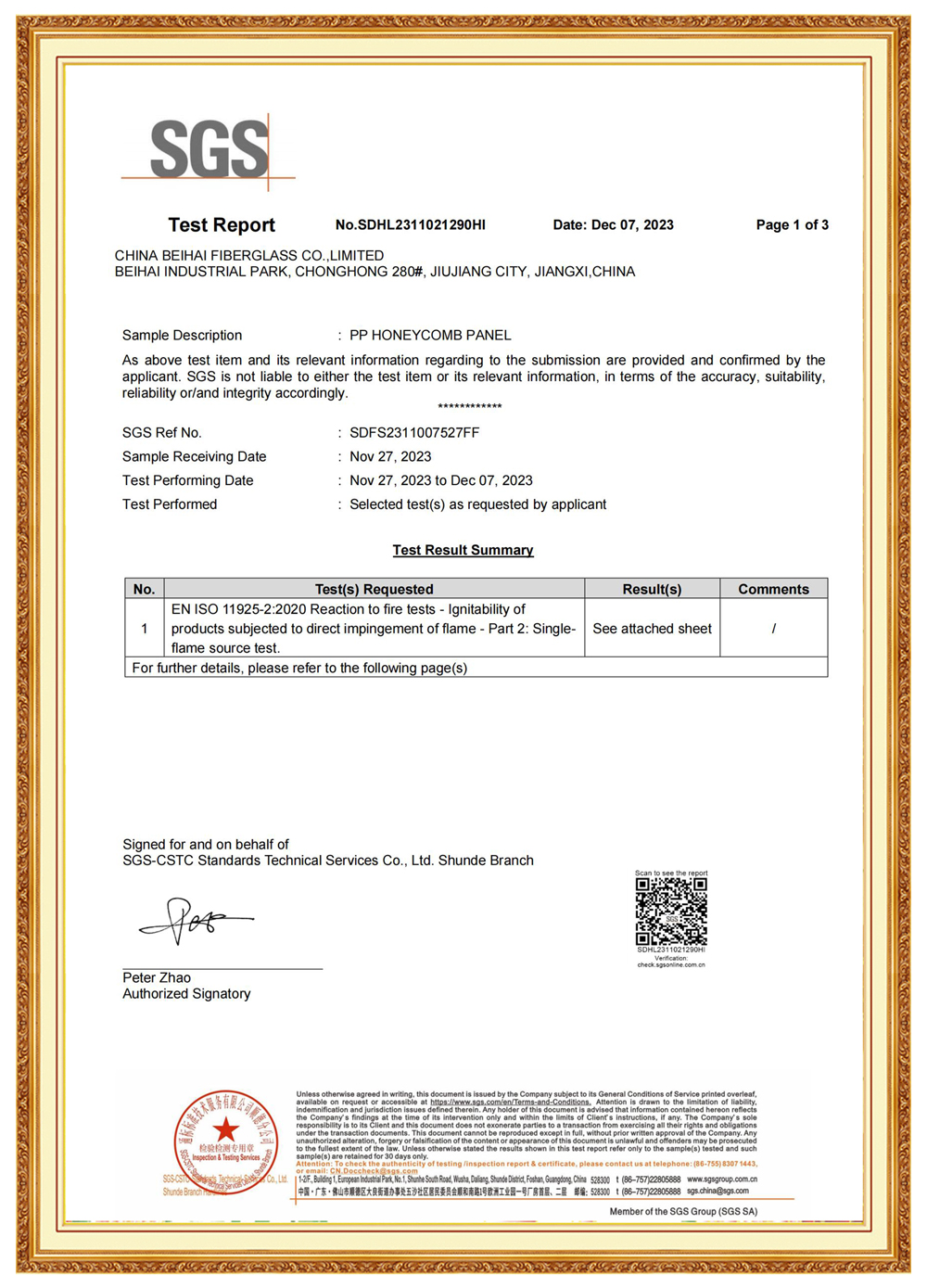
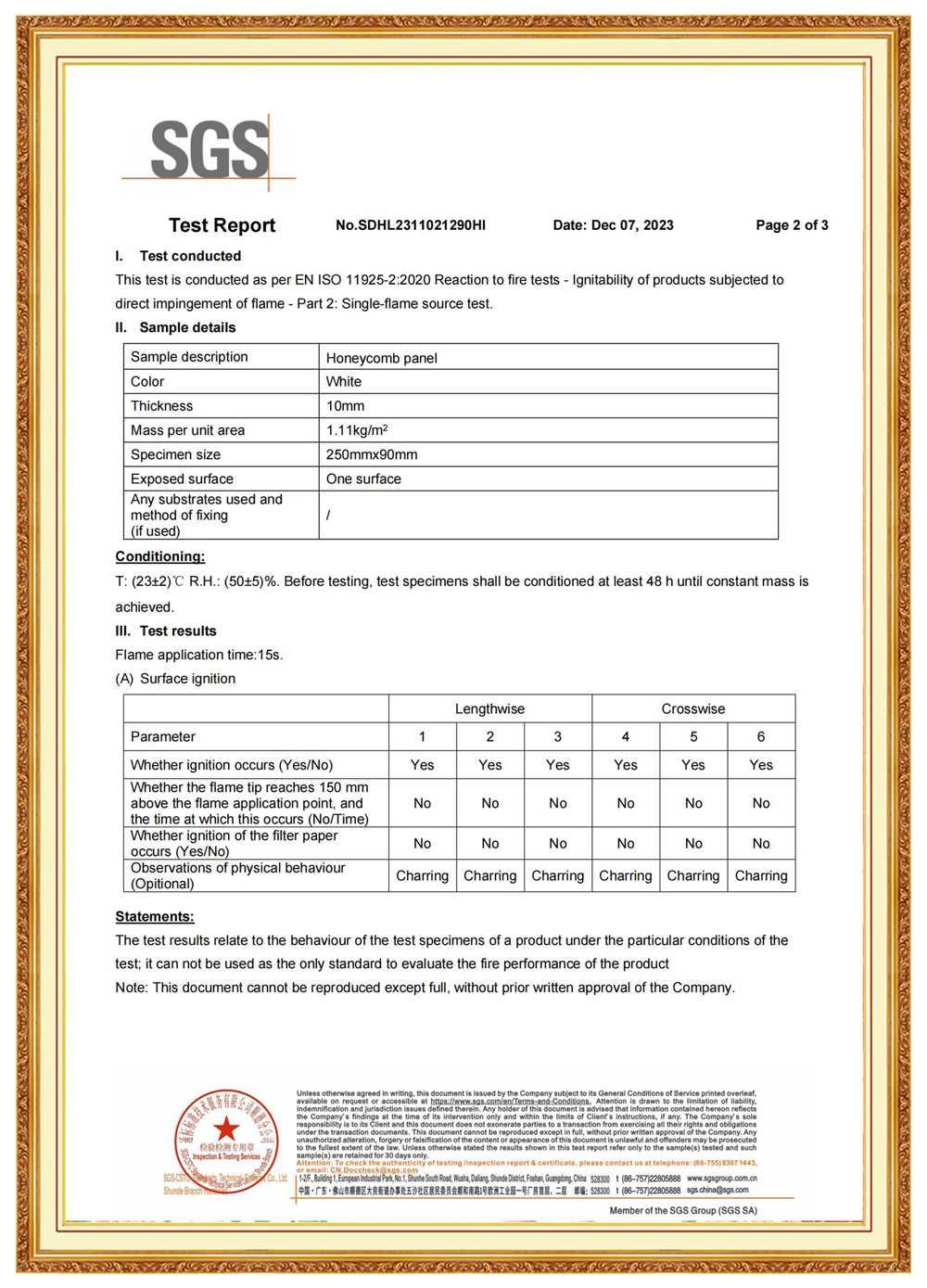
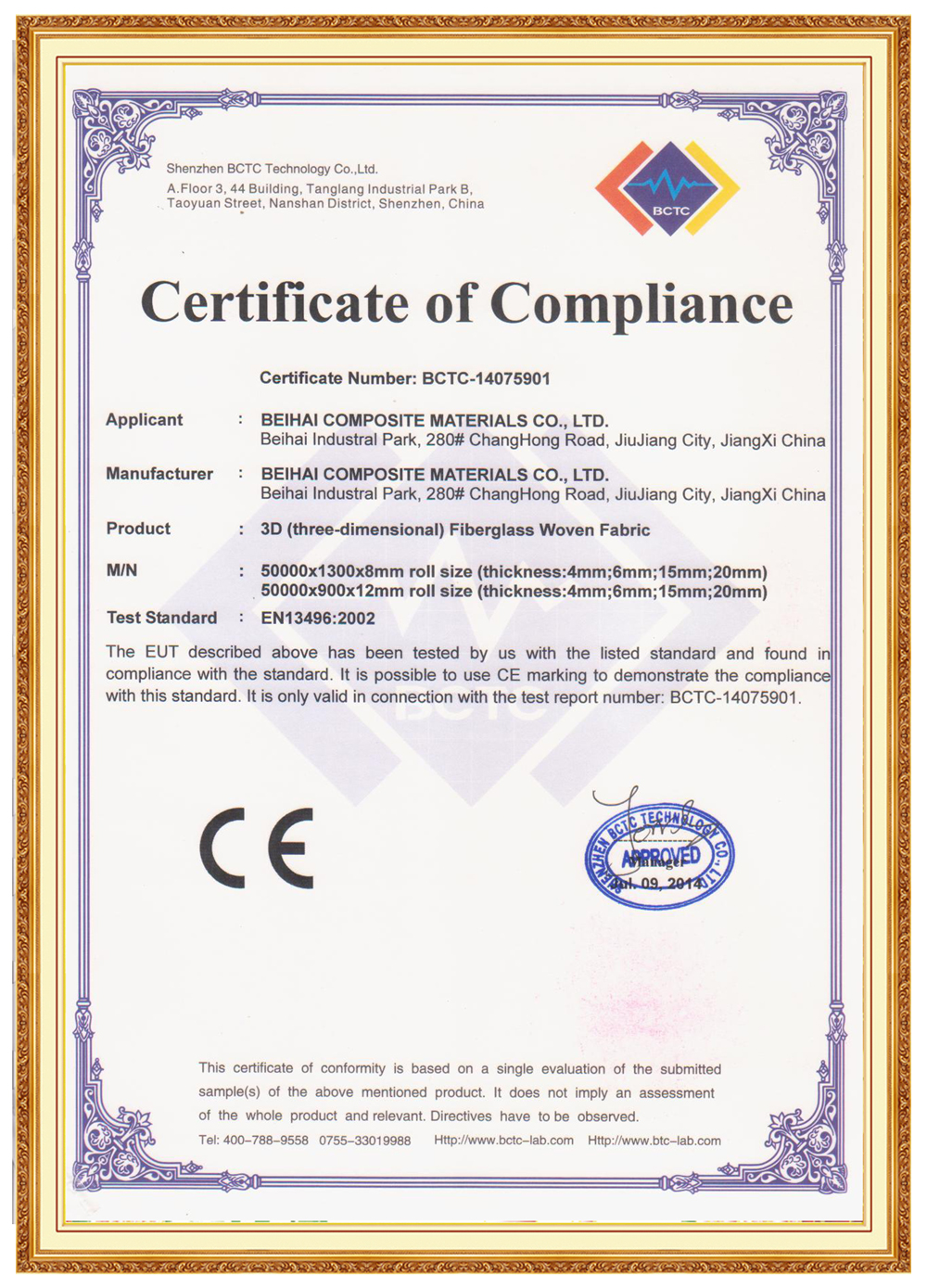
China Beihai's basalt fiber reinforcing rods and products are backed by internationally recognized quality certifications, ensuring compliance with aerospace and industrial standards.


As drones slice through the sky to monitor wildfires, and intelligent robots execute repetitive tasks with precision on the factory floor, the efficient operation of this smart equipment is often underpinned by a novel material derived from volcanic rock — basalt fiber. Though unassuming in appearance, its unique properties have made it the key to unlocking the performance limits of drones and robots, quietly driving a materials revolution within the realm of intelligent equipment.
View More News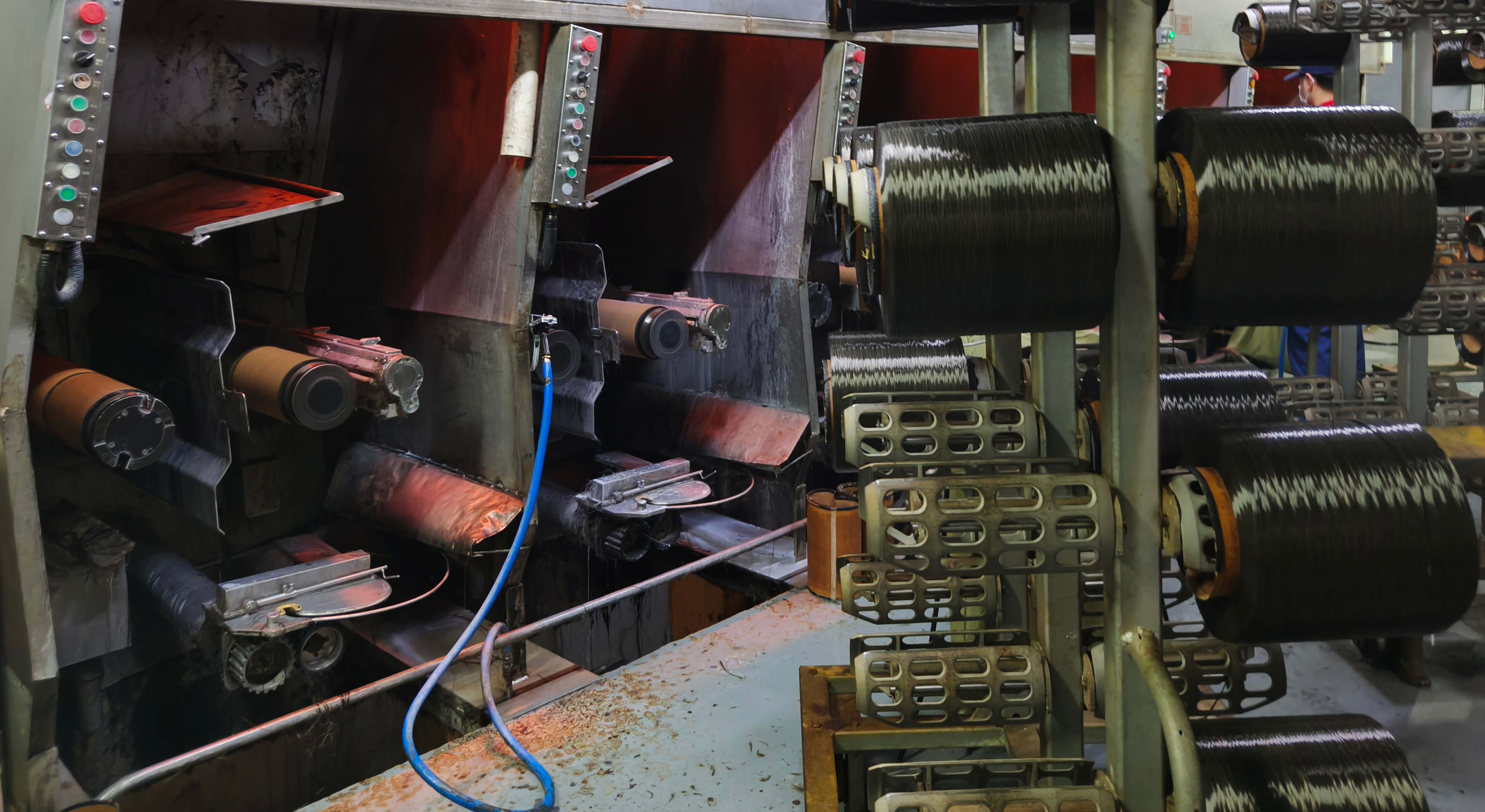
Basalt fiber is an inorganic fibrous material produced by drawing strands from natural basalt ore after it has been melted at high temperatures. It has garnered widespread attention for its exceptional physicochemical properties — particularly its performance in high-temperature environments.
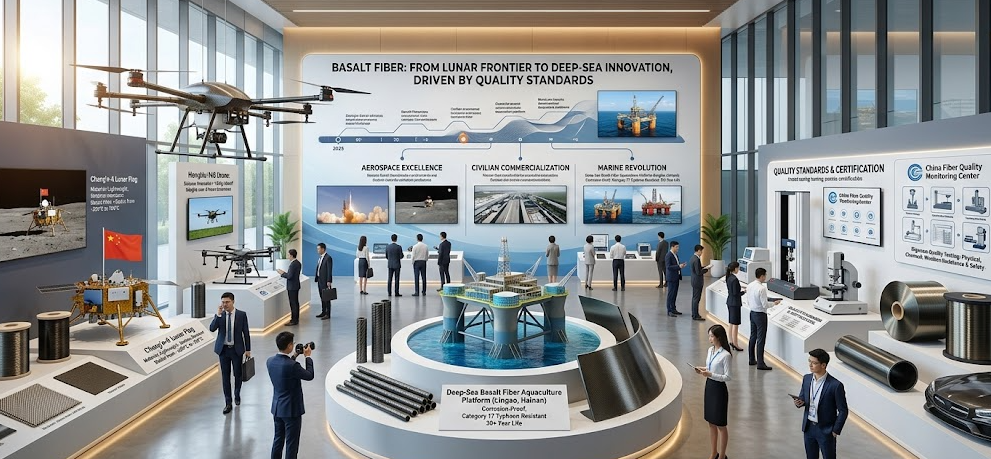
Recently, with the successful realization of major applications — such as the Chang'e-6 lunar exploration mission and the world's first deep-sea basalt fiber aquaculture platform — basalt fiber is rapidly accelerating its transformation from a laboratory research outcome into a strategic new material with tangible industrial productivity.
Explore our full range of basalt fiber products engineered for aerospace engine casing liners, thermal protection layers, and high-performance industrial applications.
Basalt Fiber Surfacing Tissue Mat engineered for smooth resin-rich surface layers in aerospace thermal protection composite systems.
read moreHigh-performance Basalt Fiber Mesh providing superior reinforcement for aerospace engine casing liner applications with high alkali resistance.
read moreHigh-density insulation material manufactured by mechanically bonding continuous basalt fibers for aerospace engine casing thermal protection layers.
read moreBasalt Fiber Twisted Yarn engineered for enhanced mechanical strength and processing stability in aerospace engine casing liner composite structures.
read moreHigh-strength basalt fiber rebar providing structural reinforcement for aerospace engine casing liners and thermal protection layer composite systems.
read morePrecision-engineered basalt fiber reinforcing rods for integration into aerospace thermal protection layer systems and engine casing liner composite panels.
read moreContinuous basalt fiber roving designed for filament winding and pultrusion processes in aerospace engine casing liner and thermal protection layer manufacturing.
read moreHigh-performance basalt fiber roving for aerospace thermal protection layer composite manufacturing, offering exceptional thermal stability and mechanical strength.
read more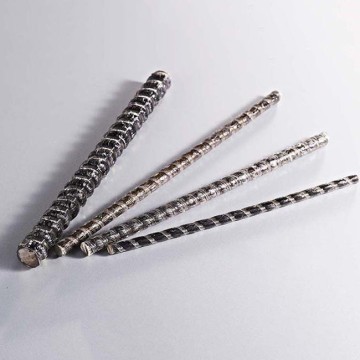 Basalt Reinforcing Bars for Building & Bridge Reinforcement — View Product