

Leave Your Message
Precision-engineered reinforcing rebar solutions meeting the demands of Germany's rigorous construction and infrastructure standards.
 High Strength Basalt Rebar for Underground Construction — München Tunnel Projects
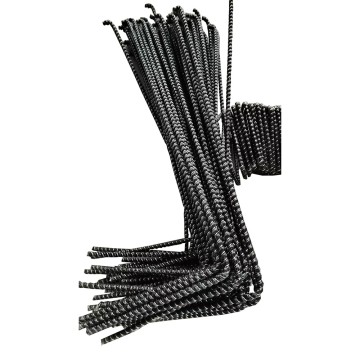 Non-Conductive & Non-Magnetic Basalt FRP Rebar — Electromagnetic Transparent Reinforcement for German MRI & Rail Facilities
 High-Strength Corrosion-Resistant Basalt Rebar — Ideal for Rhine Riverside & Coastal Infrastructure
 Basalt Rebar for Bridge & Road Construction — German Autobahn & Brücken Reinforcement
Germany is Europe's largest construction market and one of the world's most demanding environments for reinforcement materials. Understanding the local industry landscape is essential for every supplier.
Germany's construction industry generates over €350 billion annually. With major urban regeneration projects in Berlin, Hamburg, Frankfurt, and München, demand for high-performance reinforcing rebar — including advanced basalt fiber variants — continues to surge. The German government's "Wohnraumoffensive" housing initiative alone requires millions of tonnes of reinforcement materials each year.
Germany's Federal Transport Infrastructure Plan (Bundesverkehrswegeplan) allocates over €270 billion to road, rail, and waterway projects through 2030. Thousands of bridges, tunnels, and highway structures require corrosion-resistant rebar solutions that outperform traditional steel — making basalt FRP rebar an increasingly preferred alternative under DIN EN ISO standards.
Germany leads Europe in sustainable construction. The country's strict EnEV and GEG energy efficiency regulations, combined with growing DGNB (Deutsche Gesellschaft für Nachhaltiges Bauen) certification demand, push developers toward eco-friendly materials. Basalt fiber rebar, derived from natural volcanic rock with no chemical additives, perfectly aligns with Germany's Kreislaufwirtschaft (circular economy) goals.
Germany's Energiewende (energy transition) has spurred massive investment in wind farms, solar parks, and hydrogen infrastructure. Non-magnetic, non-conductive basalt rebar is ideal for foundations of wind turbines and electromagnetic-sensitive energy facilities — a growing niche in the German industrial construction market.
Major German cities are expanding their U-Bahn and S-Bahn networks. Projects such as the Stuttgart 21 railway overhaul and Berlin's metro extensions demand rebar that withstands chemical exposure, groundwater corrosion, and electromagnetic interference — requirements that basalt fiber rebar fulfills with superior long-term performance.
Germany's position as Europe's manufacturing powerhouse means constant demand for industrial floor slabs, warehouse foundations, and chemical plant structures. Basalt rebar's outstanding resistance to chlorides, acids, and alkalis makes it the material of choice for facilities operated by automotive giants, chemical corporations, and logistics companies throughout the Rhine-Ruhr industrial belt.
Basalt fiber is ideal for your engineering projects. Its high strength, corrosion resistance and lightweight properties allow it to easily solve a variety of challenges in buildings, bridges, roads and other infrastructure projects, extending structural life and reducing maintenance costs.
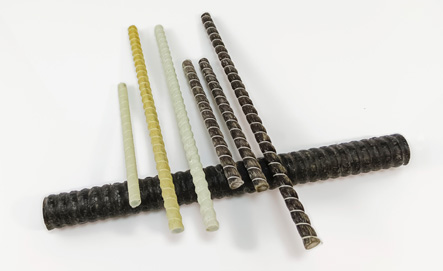
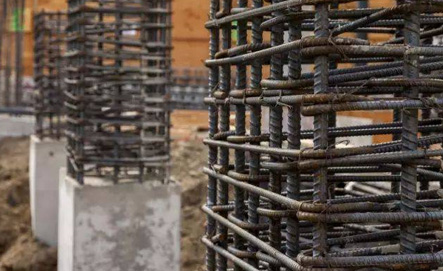
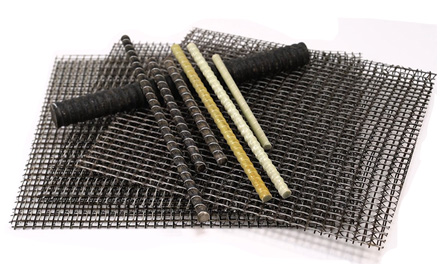
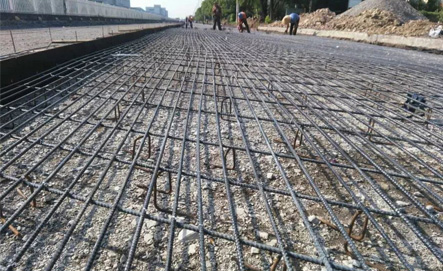
The German reinforcement materials market is undergoing a structural transformation driven by sustainability mandates, digitalization, and infrastructure renewal programs.
German engineers and architects are increasingly specifying Fiber Reinforced Polymer (FRP) rebar — particularly basalt FRP — as a long-term replacement for traditional steel in corrosive environments. Life-cycle cost analyses consistently show basalt rebar delivering 40–60% lower total ownership costs over 50-year infrastructure lifespans due to eliminated corrosion maintenance.
Germany's adoption of Building Information Modeling (BIM) across public projects since 2020 has increased demand for materials with certified, digitally-documented performance data. China Beihai provides full technical datasheets and BIM-compatible material specifications, facilitating seamless integration into German project workflows.
With Germany targeting carbon neutrality by 2045, the construction sector faces mounting pressure to reduce embodied carbon. Basalt fiber rebar production generates significantly less CO₂ than steel manufacturing — an advantage increasingly recognized by German sustainability certifiers and green building consultants under DGNB and LEED frameworks.
Germany's prefabricated construction sector (Fertigteilbau) is growing at 8% annually. Lightweight basalt rebar enables thinner, lighter precast concrete elements — reducing crane loads, transportation costs, and assembly time. Major German precast manufacturers in Baden-Württemberg and Bavaria are actively testing basalt rebar in their production lines.
Germany's North Sea and Baltic Sea coastlines are seeing major offshore wind and port expansion projects. The aggressive marine environment — with constant chloride exposure — makes traditional steel rebar economically unviable. Basalt FRP rebar's complete immunity to chloride-induced corrosion is driving rapid adoption in Hamburg, Bremen, Rostock, and Kiel harbor expansion projects.
Germany's Industrie 4.0 initiative extends to civil infrastructure, with growing use of embedded sensors for structural health monitoring. Basalt rebar's non-magnetic, non-conductive properties make it the ideal host material for embedded fiber optic sensors — enabling real-time monitoring of bridges, tunnels, and dams without electromagnetic interference.
From Bavaria's alpine infrastructure to Hamburg's port facilities, basalt fiber rebar is finding application across Germany's most demanding construction environments.
 Residential & Commercial Buildings
Germany's housing shortage drives construction of 400,000+ new units annually. Basalt rebar reinforces foundations, basement walls, and balconies — areas most vulnerable to moisture-induced steel corrosion in Germany's temperate climate.
 Autobahn Bridges & Overpasses
Over 4,000 German road bridges are classified as structurally deficient. Basalt rebar offers a maintenance-free solution for bridge deck rehabilitation and new construction, immune to the de-icing salts used extensively on German roads.
 Airport & Aviation Infrastructure
Frankfurt Airport (FRA), Munich Airport (MUC), and Berlin Brandenburg Airport (BER) require non-magnetic rebar in radar-sensitive zones and instrument landing system areas. Basalt FRP rebar is the certified solution for these electromagnetic-sensitive environments.
 Industrial Floors & Warehouses
Germany's logistics boom (driven by Amazon, DHL, DB Schenker) requires massive warehouse floor slabs resistant to chemical spills and forklift loads. Basalt rebar-reinforced concrete floors deliver superior crack resistance and chemical durability.
 Automotive Plant Foundations
BMW (München), Mercedes-Benz (Stuttgart), Volkswagen (Wolfsburg), and Audi (Ingolstadt) — all require vibration-resistant, chemically-inert foundations for precision manufacturing equipment. Basalt rebar provides the ideal reinforcement for these demanding industrial environments.
 Chemical & Petrochemical Facilities
Germany hosts BASF, Bayer, Evonik, and Covestro — among the world's largest chemical companies. Their production facilities require rebar that withstands aggressive chemical environments. Basalt rebar's exceptional chemical resistance makes it the preferred choice for containment structures, bund walls, and process building foundations.
 Wind & Solar Energy Foundations
Germany has over 30,000 wind turbines. Each turbine foundation requires rebar that withstands 25+ years of cyclic loading and groundwater exposure. Basalt rebar's fatigue resistance and corrosion immunity make it ideal for Germany's Energiewende infrastructure.
 Hamburg & Bremen Port Structures
Germany's North Sea ports handle over 250 million tonnes of cargo annually. Quay walls, jetties, and marine structures exposed to seawater require corrosion-proof reinforcement. Basalt FRP rebar eliminates the chloride corrosion that destroys traditional steel rebar in marine environments.
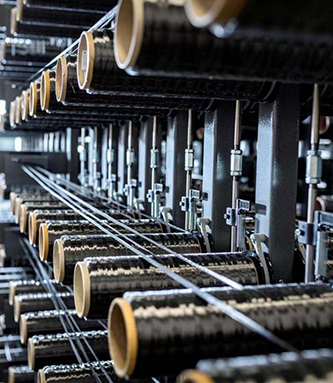
China Beihai is founded in 2015 and located in Jiujiang, Jiangxi Province. China Beihai is a high-tech enterprise focusing on the research, development, production and sales of high-performance basalt continuous fiber and its production equipment manufacturing, as well as a leading enterprise in the domestic basalt fiber industry.
As a dedicated supplier serving the Germany market, we understand the rigorous technical requirements, certification standards, and sustainability expectations of German procurement teams. Our basalt fiber rebar products are engineered to meet and exceed European performance benchmarks, providing German contractors, engineers, and developers with a reliable, cost-effective, and environmentally responsible reinforcement solution.

At China Beihai group, we specialize in the production of a wide range of products including basalt fiber mat (Basalt fiber chopped strand mat, Basalt fiber cloth), basalt fiber roving, basalt fiber yarn, basalt fiber chopped strands, and basalt fiber products (Basalt Fiber rebar, basalt fiber sleeves and tape). Our products are designed to meet the diverse needs of various industries, providing high-quality solutions for our customers.

At China Beihai group, we are dedicated to the production of a wide array of basalt-based products, ranging from basalt fiber mat, fabric, and roving to chopped strand and specialized construction materials. Our focus is on delivering high-quality, sustainable solutions for industries such as construction, geotechnical engineering, and manufacturing. With a commitment to innovation and excellence, we strive to cater to the unique requirements of our clients by offering a comprehensive selection of basalt-derived products.

Choosing to work with China Beihai means working with a leading manufacturer of basalt products. Our commitment to quality, innovation and sustainability sets us apart, ensuring our customers receive best-in-class solutions for their diverse needs. Reliability and customer satisfaction, we offer a wide range of high-quality basalt materials and construction products, backed by our dedication to excellence and industry expertise. When you partner with China Beihai, you can trust that you are working with a reliable and forward-thinking partner — a thought supplier for all your basalt product needs.
Our best-selling basalt fiber products, trusted by engineers and contractors across Germany's construction and industrial sectors.
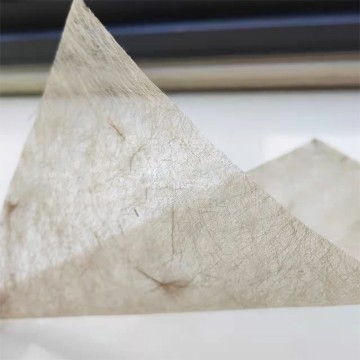
Basalt Fiber Surfacing Tissue Mat is a non-woven thin sheet engineered to provide a smooth resin-rich surface layer for fiber reinforced plastic...
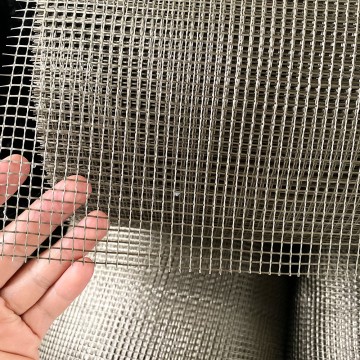
Our high performance Basalt Fiber Mesh provides a superior reinforcement solution for concrete and plaster applications where high alkali resistance...
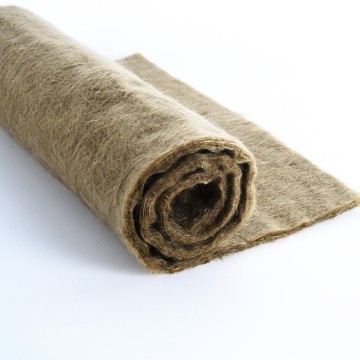
Our Basalt Fiber Needled Mat is a high density insulation material manufactured by mechanically bonding continuous basalt fibers without any chemical...
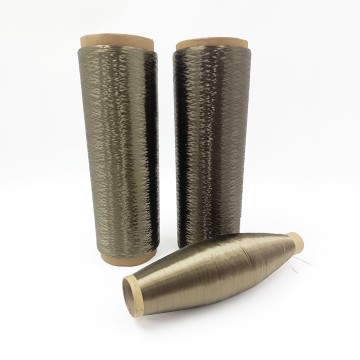
Our Basalt Fiber Twisted Yarn is engineered by twisting multiple continuous filaments to enhance mechanical strength and processing stability for...
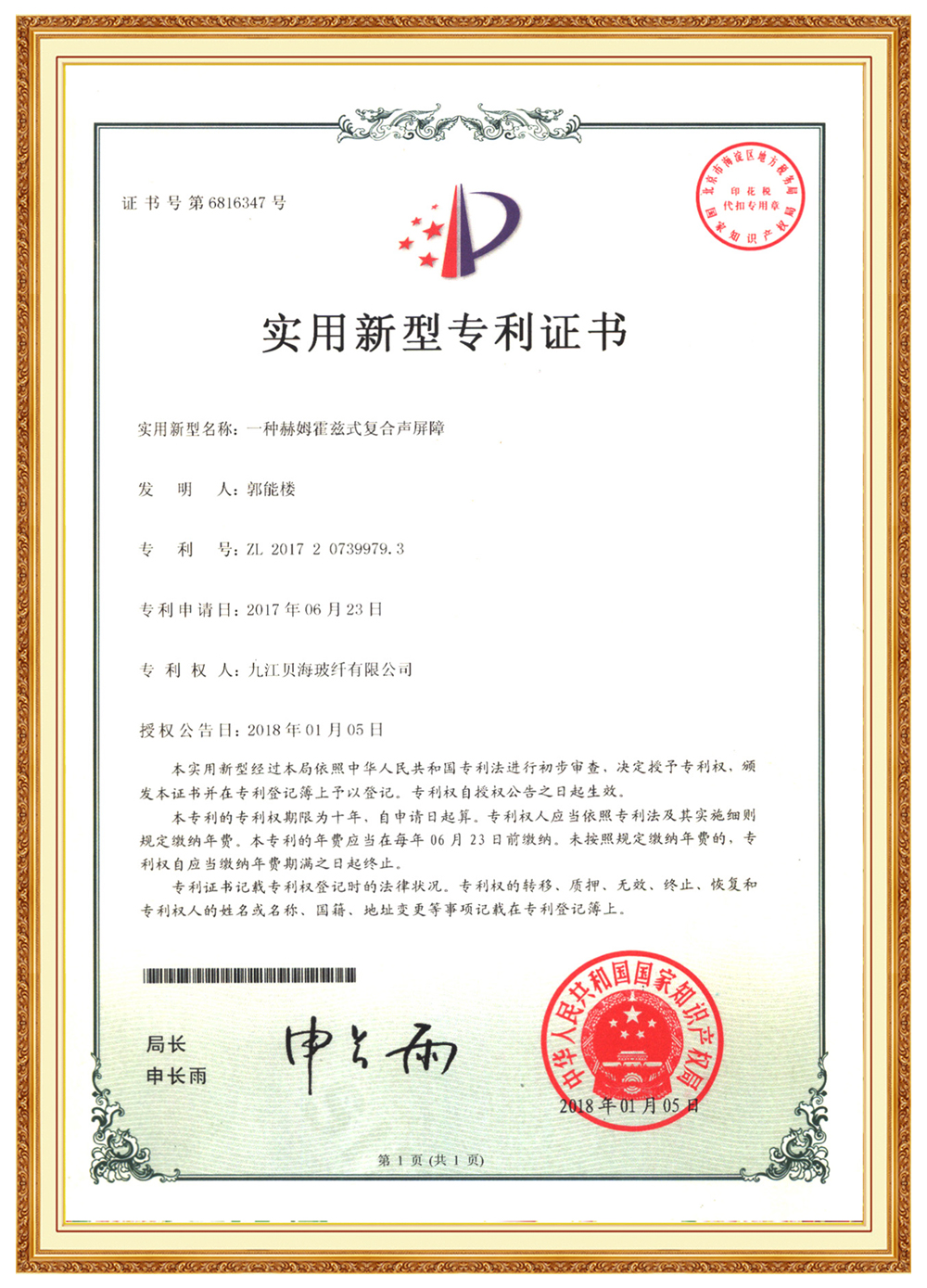
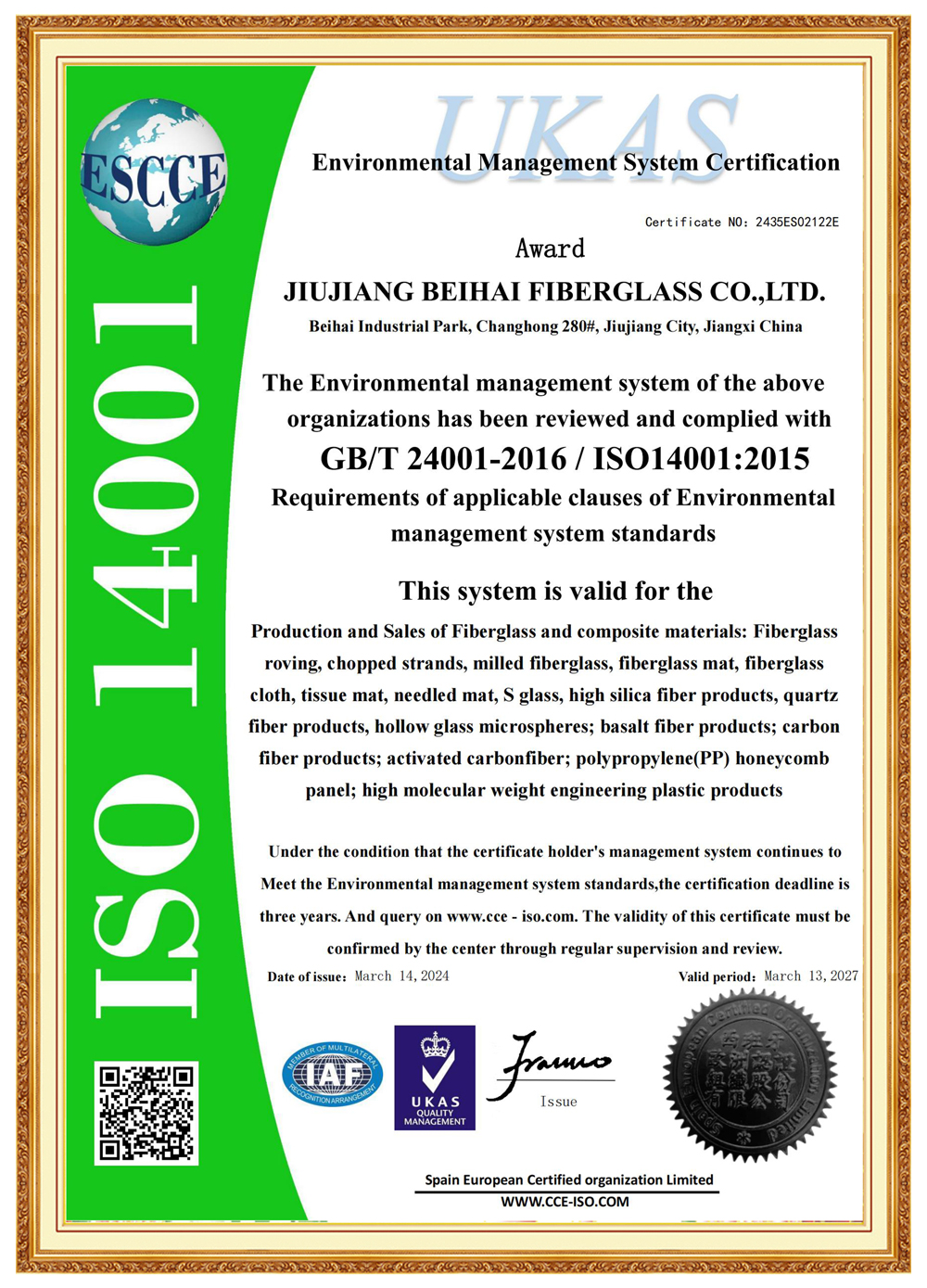
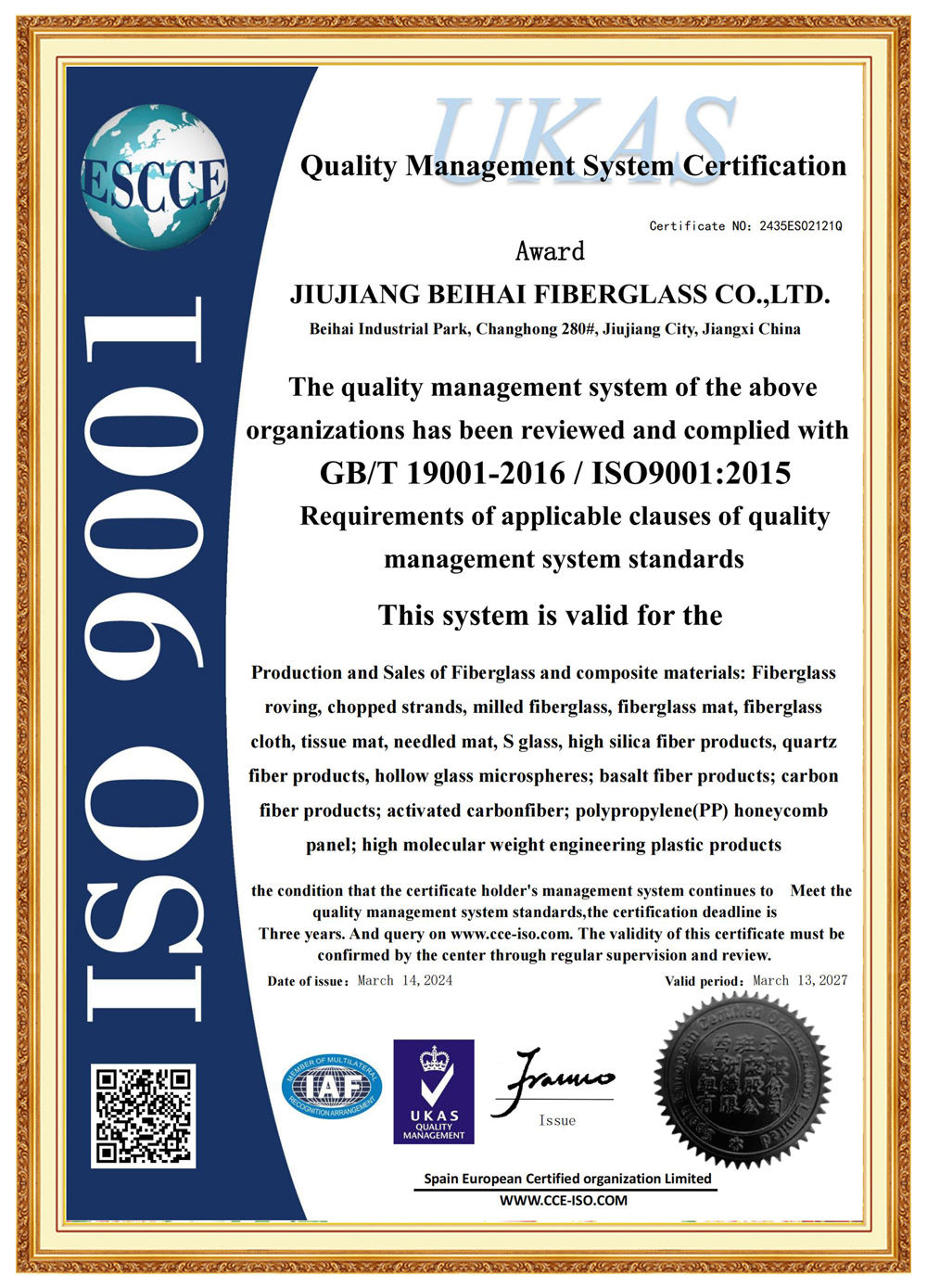
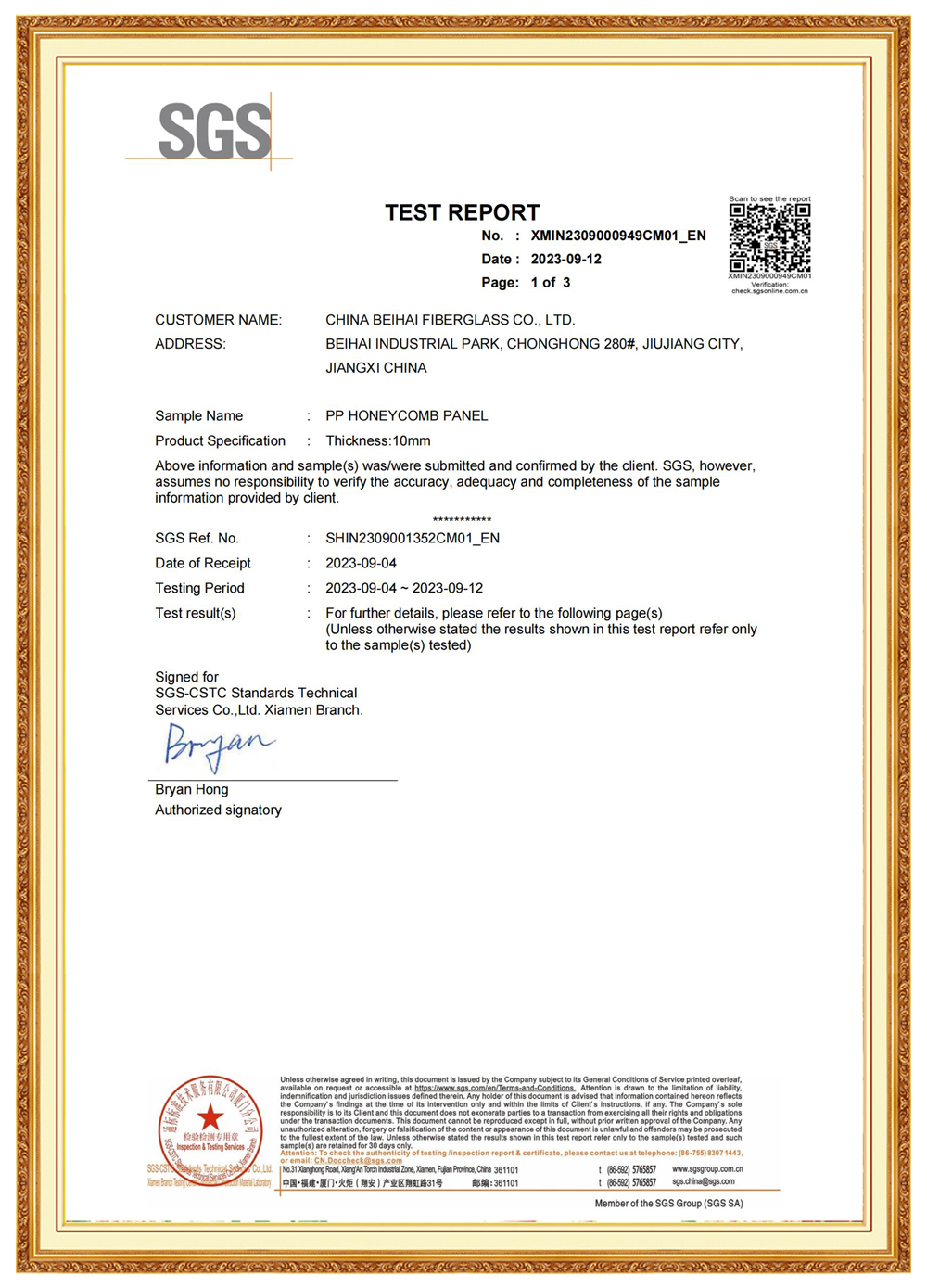
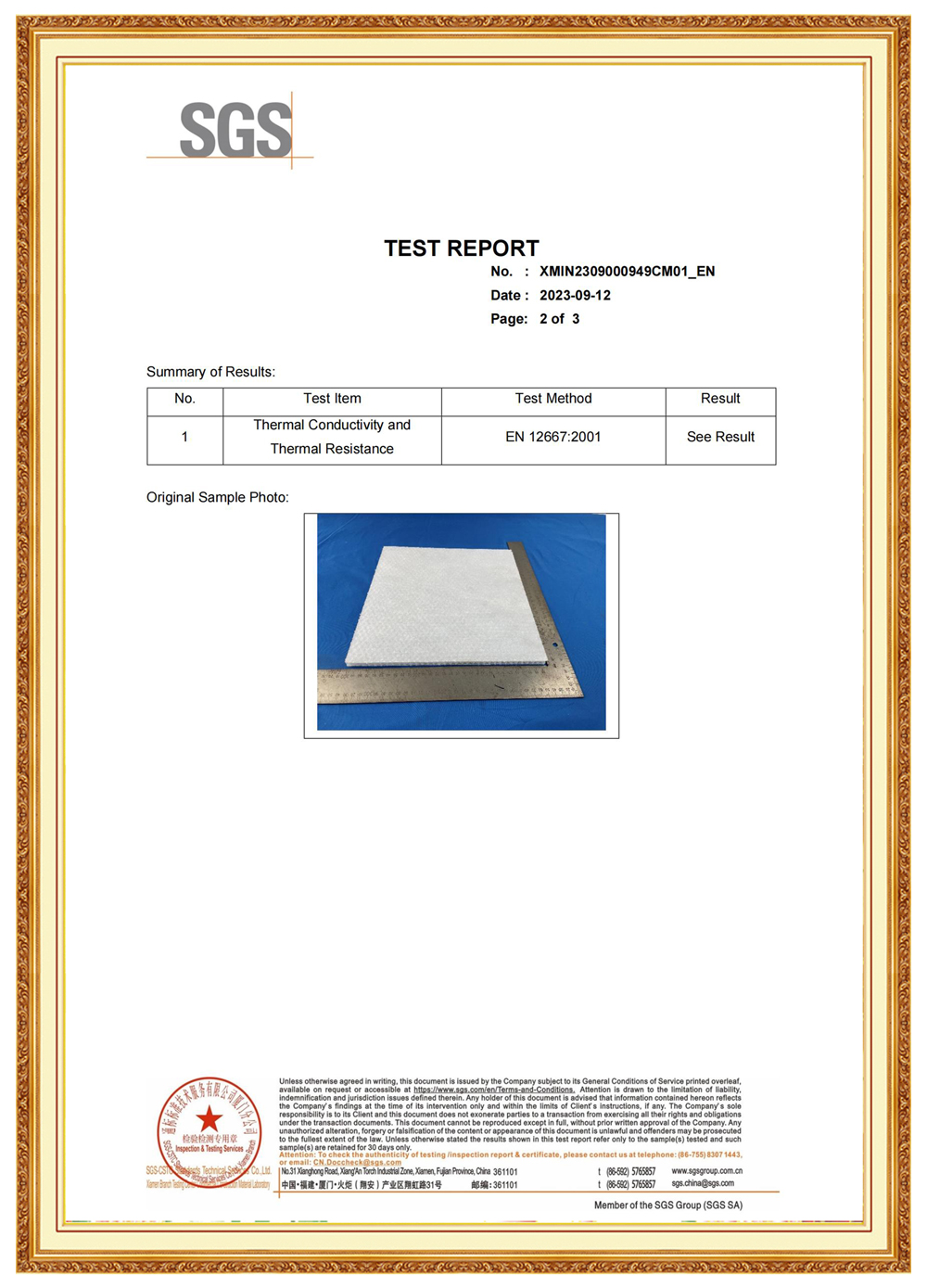
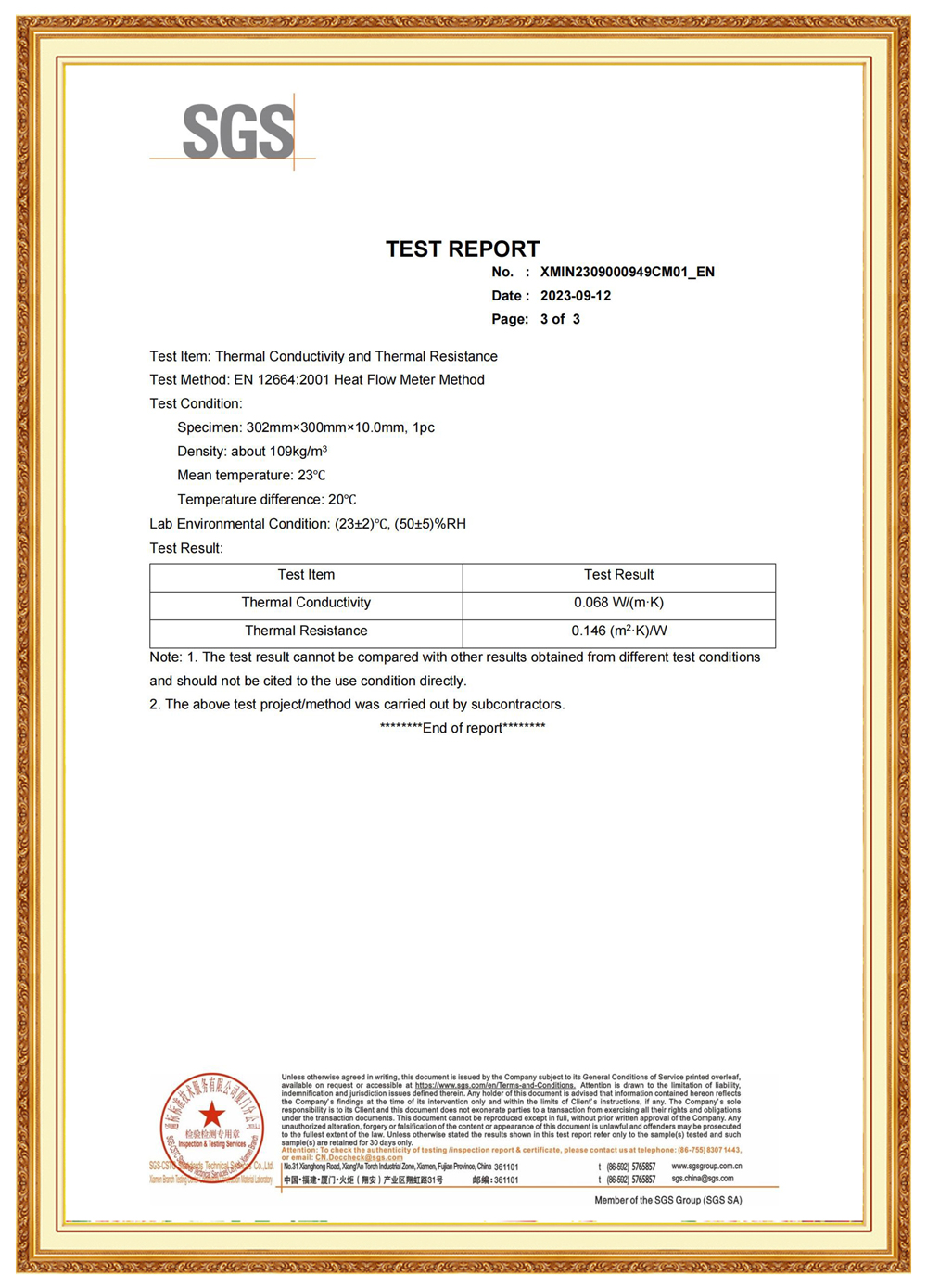
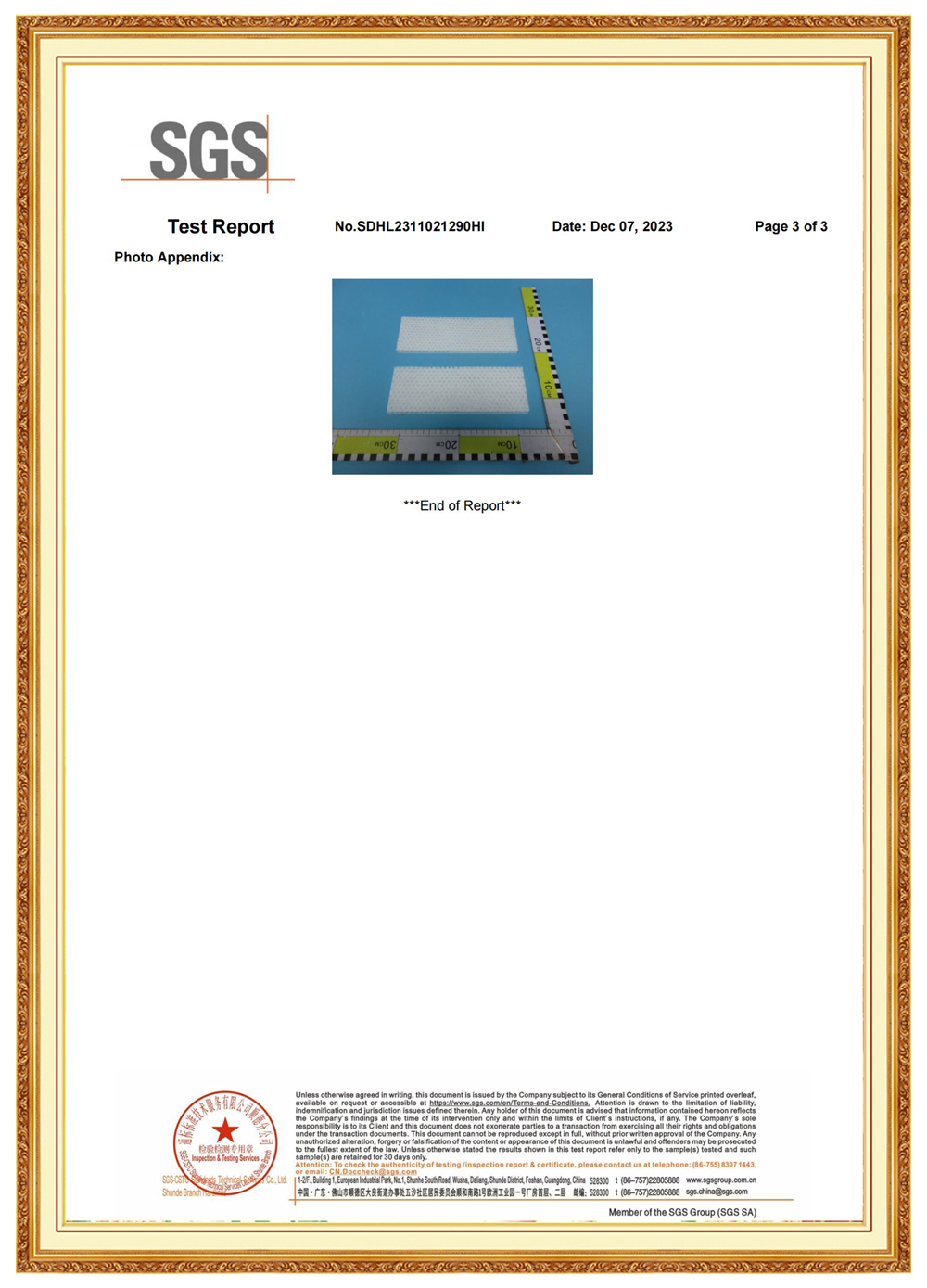
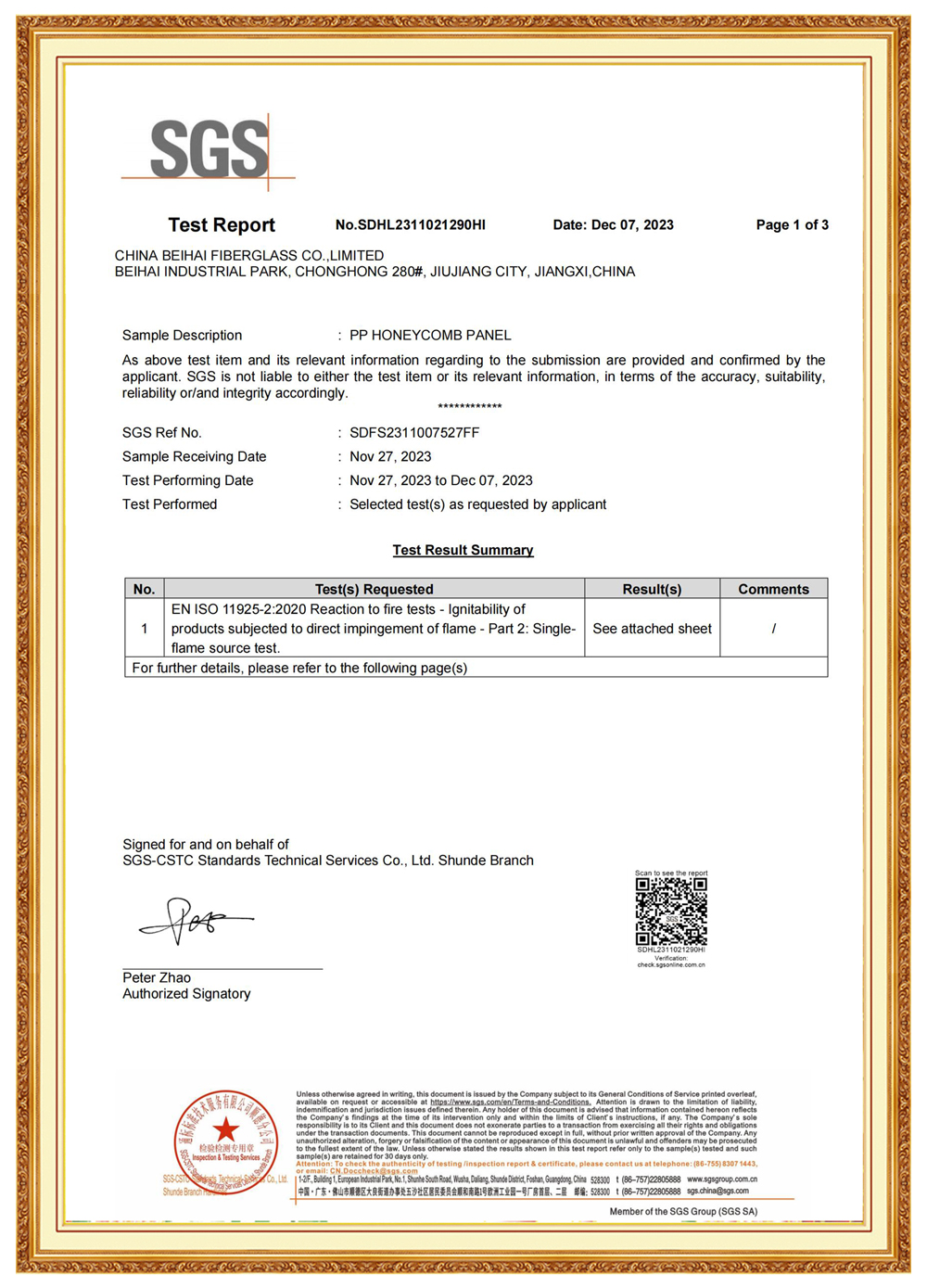
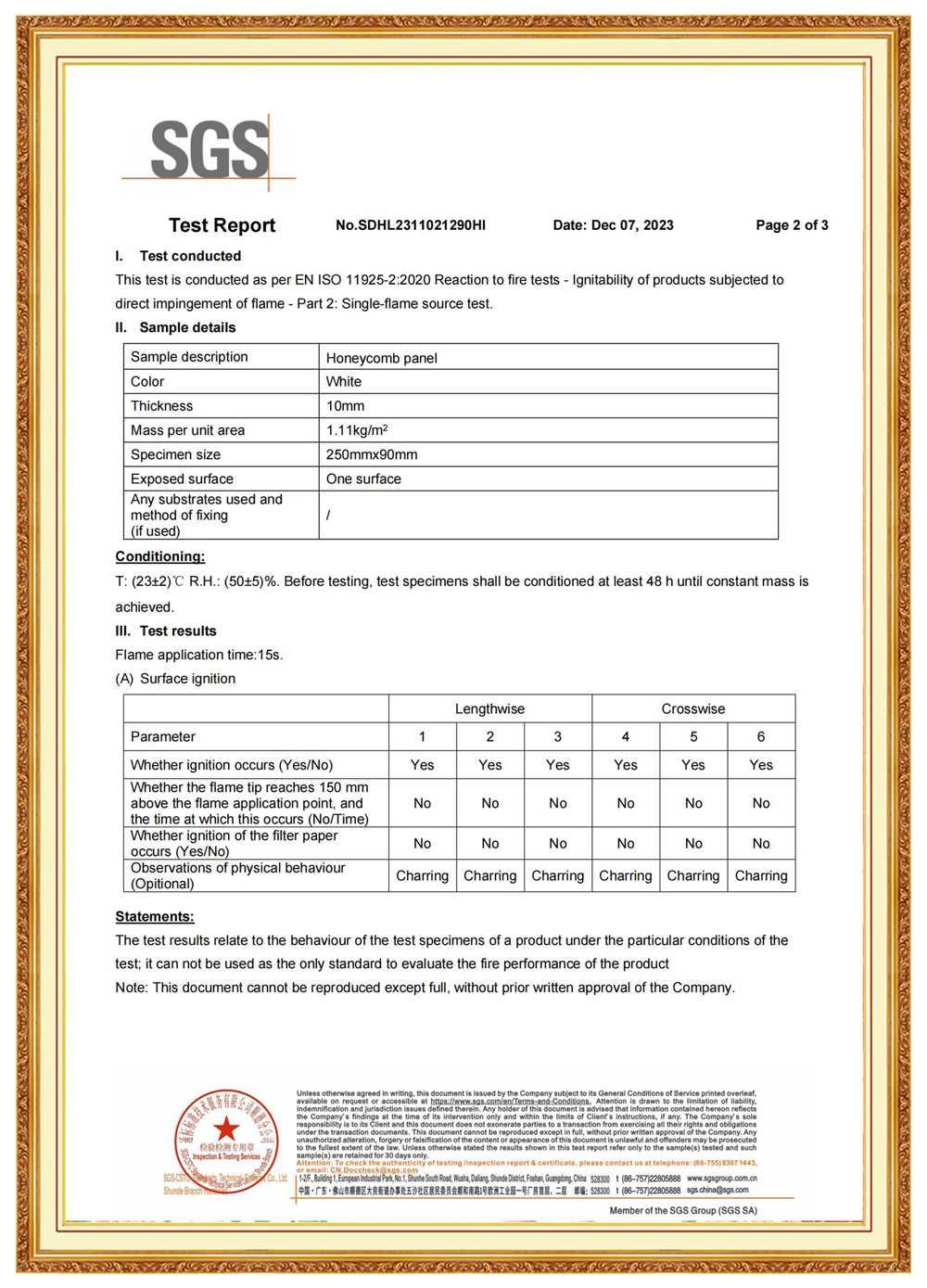
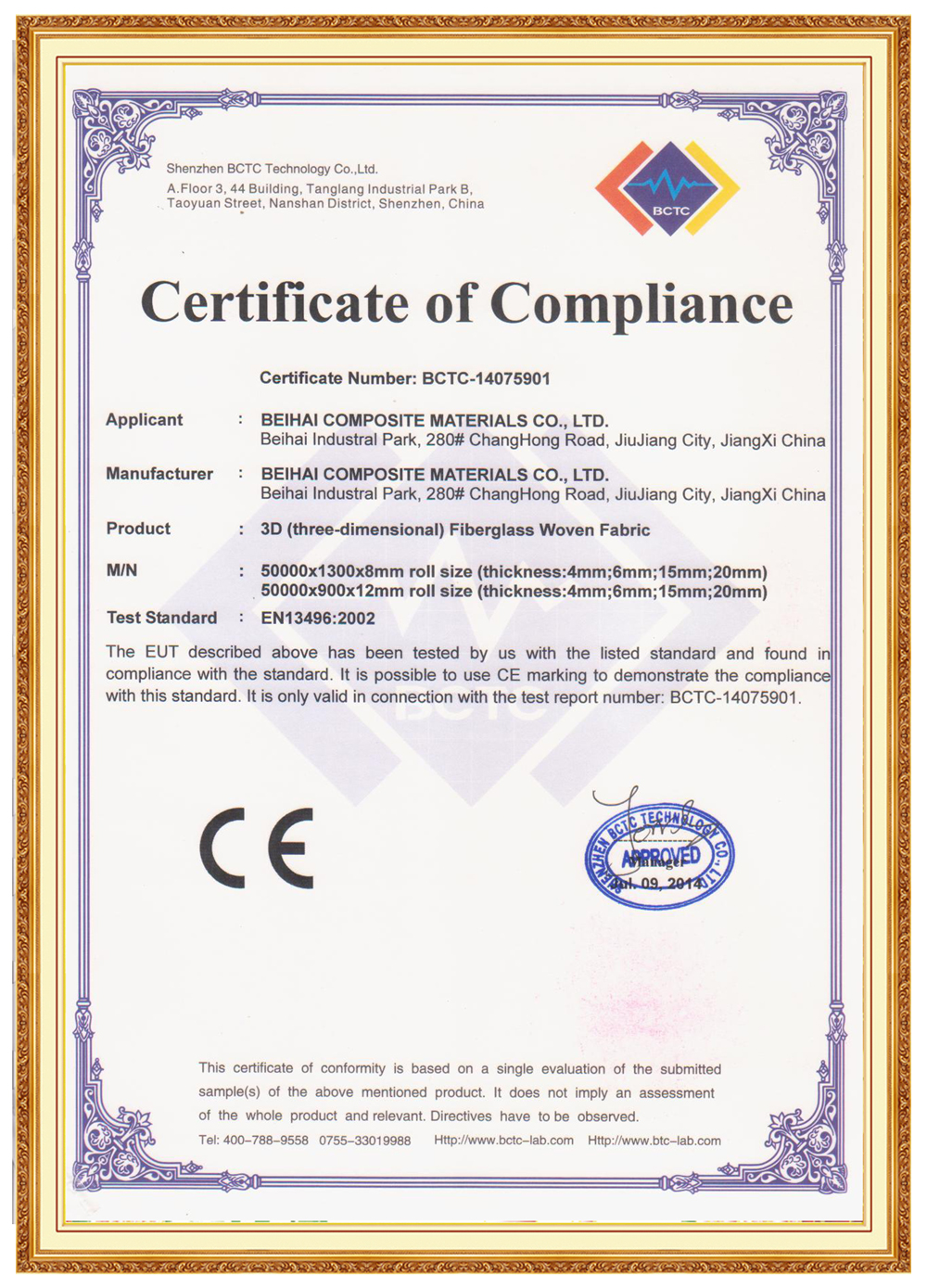
China Beihai holds multiple international certifications, ensuring our basalt rebar products meet the quality and compliance requirements of the German and European markets.
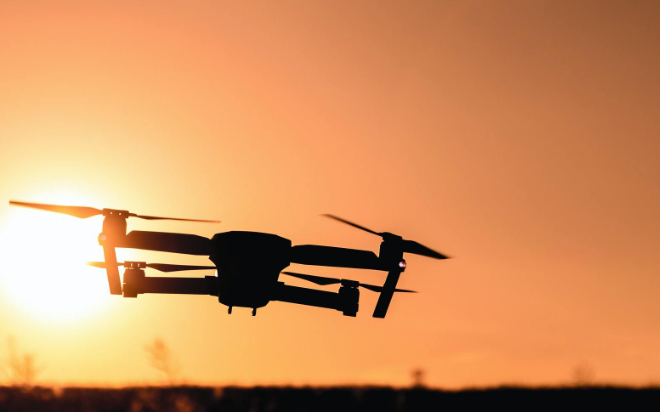
As drones slice through the sky to monitor wildfires, and intelligent robots execute repetitive tasks with precision on the factory floor, the efficient operation of this smart equipment is often underpinned by a "hardcore support" that is easily overlooked: a novel material derived from volcanic rock — basalt fiber. Though unassuming in appearance, its unique properties have made it the key to unlocking the performance limits of drones and robots, quietly driving a materials revolution within the realm of intelligent equipment...
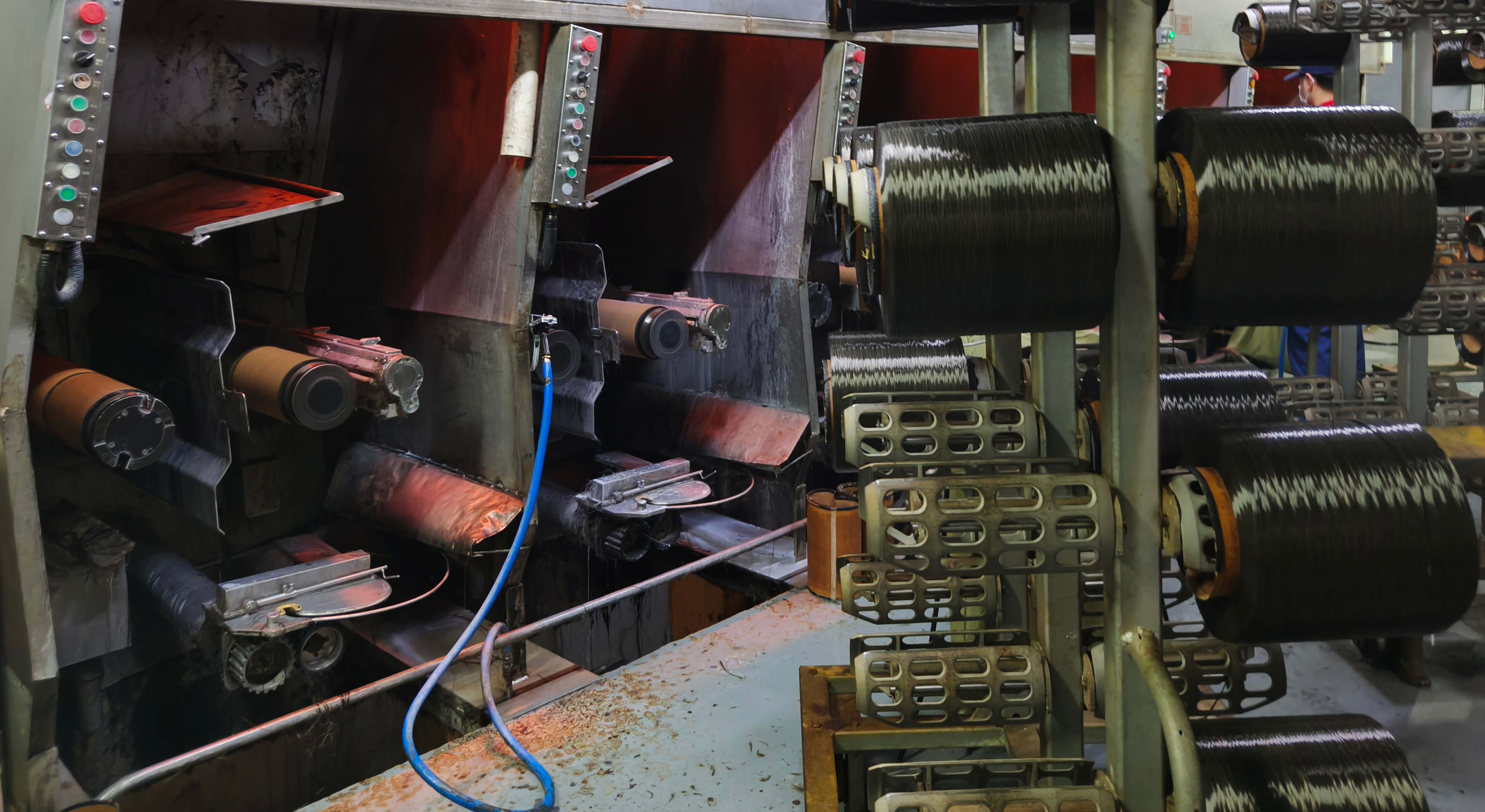
Basalt fiber is an inorganic fibrous material produced by drawing strands from natural basalt ore after it has been melted at high temperatures. It has garnered widespread attention for its exceptional physicochemical properties — particularly its performance in high-temperature environments...
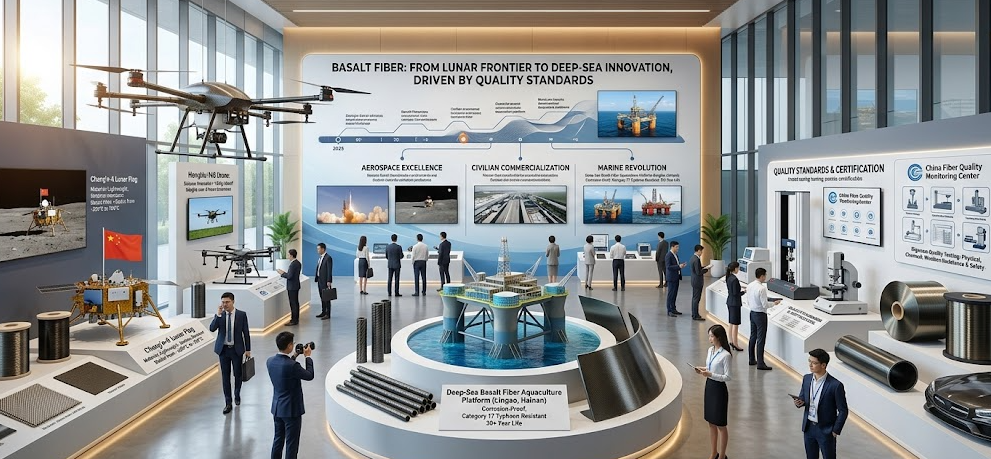
Recently, with the successful realization of major applications — such as the Chang'e-6 lunar exploration mission and the world's first deep-sea basalt fiber aquaculture platform — basalt fiber is rapidly accelerating its transformation from a laboratory research outcome into a strategic new material with tangible industrial productivity...
Explore our full range of basalt fiber rebar solutions — each engineered for specific application requirements in the German construction and industrial markets.
High Strength Basalt Rebar for Underground Construction — München U-Bahn & Tunnel Projects
Non-Conductive & Non-Magnetic Basalt FRP Rebar — Electromagnetic Transparent Reinforcement for German Rail & Medical Facilities
High-Strength Corrosion-Resistant Basalt Rebar — Rhine Riverside & North Sea Coastal Infrastructure
Basalt Rebar for Bridge & Road Construction — German Autobahn Brücken Reinforcement Solutions
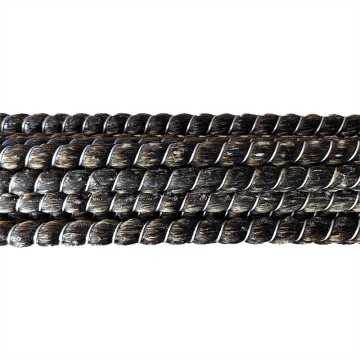 Basalt Rebar with 4–30mm Diameter — Full Size Range for German DIN-Compatible Projects
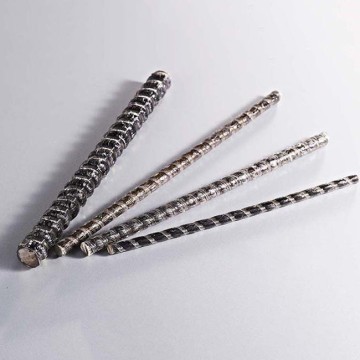 Basalt Reinforcing Bars for Building & Bridge Reinforcement — Frankfurt & Hamburg Skyline Projects
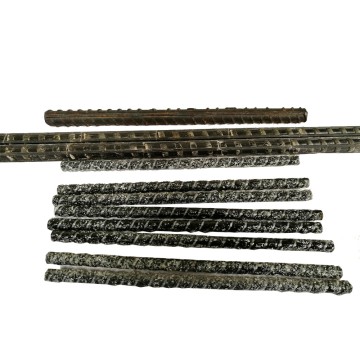 High Tensile Strength Basalt Fiber Rebar for Structural Reinforcement — German Industrial & Commercial Structures
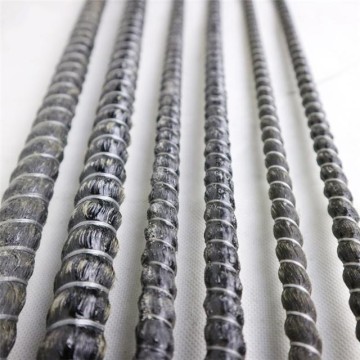 Anti-Corrosion Basalt Fiber Rebar With Epoxy Resin Composite Bar — BASF & Bayer Chemical Plant Applications