
Leave Your Message
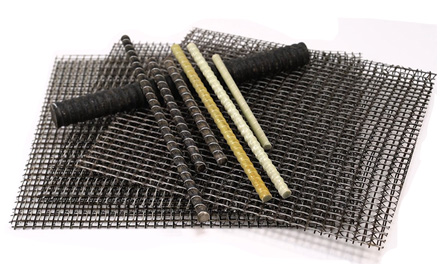
Explore our top-rated basalt fiber rebar and mesh solutions engineered specifically for road and bridge construction applications.
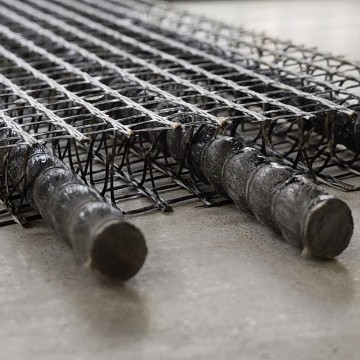
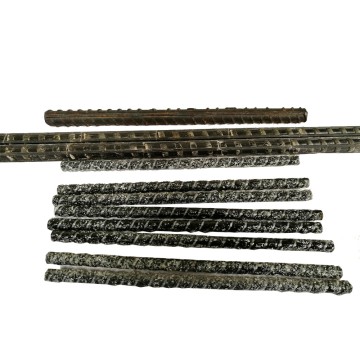

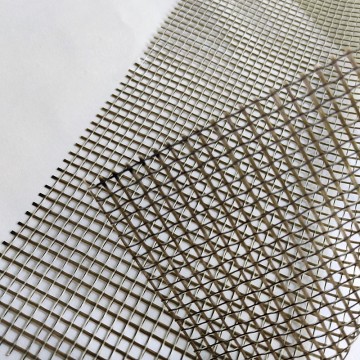
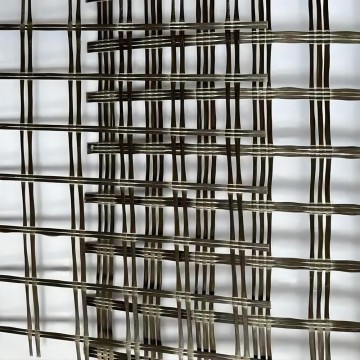
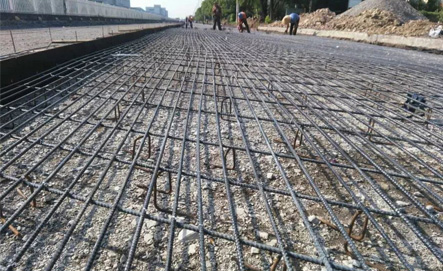
Steel rebar mesh — and its advanced next-generation counterpart, basalt fiber rebar mesh — forms the structural backbone of modern road surfaces and bridge decks. These welded or woven grids of reinforcing bars are embedded within concrete slabs to distribute tensile and compressive loads, prevent cracking, and extend the operational lifespan of infrastructure under heavy traffic and environmental stress.
Traditional steel rebar mesh has served the construction industry for over a century. However, the rise of high-performance composite alternatives, particularly Basalt Fiber Reinforced Polymer (BFRP) rebar mesh, is rapidly transforming how engineers approach road and bridge reinforcement. BFRP rebar mesh offers superior corrosion resistance, electromagnetic transparency, and a significantly higher strength-to-weight ratio compared to conventional steel.
As global infrastructure investment accelerates — with the global construction market projected to exceed $15 trillion by 2030 — the demand for smarter, longer-lasting reinforcement solutions has never been greater.
Basalt fiber rebar mesh delivers tensile strength up to 1,200 MPa — nearly 3× that of conventional steel — while weighing approximately 75% less. It does not corrode, conduct electricity, or interfere with electromagnetic signals, making it ideal for smart road systems, sensor-embedded bridges, and coastal or de-icing-salt environments where steel rapidly degrades.
Key figures driving the global adoption of advanced rebar mesh in road and bridge infrastructure.
Basalt fiber rebar mesh delivers a unique combination of mechanical, chemical, and electromagnetic properties that make it the superior choice for modern infrastructure.
Unlike steel, basalt fiber rebar mesh is completely immune to chloride-induced corrosion — the leading cause of bridge deck and road slab deterioration in coastal and cold-climate regions where de-icing salts are used extensively.
With tensile strength ranging from 800–1,200 MPa, basalt rebar mesh withstands the dynamic loading demands of heavy freight traffic, seismic activity, and thermal expansion cycles in bridge decks and highway slabs.
At roughly 1/4 the weight of steel, basalt rebar mesh dramatically reduces transportation costs, labor intensity, and crane load requirements on bridge construction sites — accelerating project timelines significantly.
Non-conductive and non-magnetic properties make basalt rebar mesh ideal for smart road infrastructure embedded with traffic sensors, toll systems, and EV wireless charging lanes without signal interference.
Maintains structural integrity from -260°C to +700°C, making it suitable for bridge decks in arctic climates, desert highways, and industrial zones exposed to extreme thermal cycling.
Derived from natural volcanic basalt rock with no chemical additives in production, basalt fiber rebar mesh has a significantly lower carbon footprint and supports green infrastructure certification programs worldwide.
From urban expressways to suspension bridge decks, basalt fiber rebar mesh is redefining structural reinforcement across the full spectrum of transportation infrastructure.
Basalt rebar mesh is embedded in concrete pavement layers of high-speed expressways to resist fatigue cracking under repeated axle loads. Its resistance to thermal expansion reduces joint spacing requirements, lowering long-term maintenance costs by up to 40% compared to steel-reinforced pavements.
Bridge decks are among the most corrosion-vulnerable structural elements due to constant exposure to moisture, de-icing salts, and traffic-induced flexure. Basalt BFRP rebar mesh provides a maintenance-free solution with design service lives exceeding 100 years, dramatically reducing lifecycle costs for bridge owners and municipalities.
In tunnel construction, basalt fiber mesh provides crack control and structural reinforcement for concrete linings in chemically aggressive underground environments. Its non-magnetic property is critical for tunnels housing rail systems where stray currents could otherwise accelerate steel corrosion.
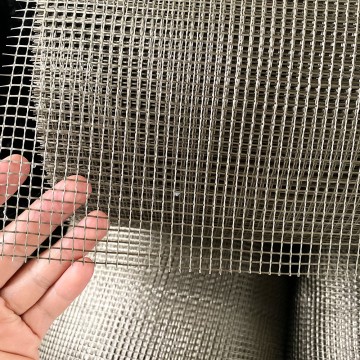
Road and bridge approach embankments require robust geotechnical reinforcement. Basalt fiber geogrid mesh and rebar are increasingly used in mechanically stabilized earth walls and cut slopes, offering superior pullout resistance and long-term durability in soil environments where steel would corrode within decades.
The rapid emergence of electric vehicle (EV) wireless charging lanes and vehicle-to-infrastructure (V2I) communication systems demands non-conductive reinforcement. Basalt rebar mesh enables electromagnetic-transparent road surfaces, allowing wireless power transfer coils and embedded sensor arrays to function without interference from metallic reinforcement.
Bridges over seawater or in tidal zones face the most aggressive corrosion environments in civil engineering. Basalt fiber rebar mesh eliminates the risk of chloride-induced spalling entirely, making it the material of choice for new coastal bridge construction and the rehabilitation of existing deteriorated structures.
The global rebar mesh market for roads and bridges is undergoing a fundamental transformation driven by sustainability mandates, smart infrastructure growth, and material innovation.
Governments across North America, Europe, and Asia are implementing lifecycle cost analysis requirements for public infrastructure procurement. Basalt fiber rebar mesh, with its 100+ year service life and near-zero maintenance cost, is increasingly specified in green building standards and sustainable infrastructure codes, displacing conventional steel in new bridge and road projects.
The integration of IoT sensors, embedded strain gauges, and wireless communication modules into road and bridge structures is accelerating globally. Non-conductive basalt rebar mesh is becoming a prerequisite for these smart infrastructure systems. Major highway authorities in the EU and China are already piloting sensor-embedded bridge decks reinforced with BFRP mesh.
With an estimated $2.6 trillion infrastructure investment gap in the United States alone, and similar deficits across Europe and emerging markets, the rehabilitation of aging bridges and roads represents a massive growth opportunity. Basalt fiber rebar mesh is ideal for overlay and jacketing rehabilitation applications where adding weight is undesirable and corrosion resistance is paramount.
As basalt fiber production scales globally — driven by manufacturers like China Beihai — the cost differential between BFRP rebar mesh and steel is narrowing rapidly. When lifecycle costs are factored in, basalt rebar mesh already delivers superior total cost of ownership for bridge and road applications with design lives exceeding 50 years.
BFRP rebar is now covered by ACI 440 (USA), CSA S807 (Canada), and GB/T standards (China). As design codes increasingly recognize basalt fiber composites as primary structural reinforcement for roads and bridges, engineering adoption is accelerating across global markets, with several countries actively updating their bridge design specifications to include BFRP options.
Climate change is increasing the frequency of extreme weather events, flooding, and temperature swings that stress infrastructure. Basalt fiber rebar mesh's combination of high strength, flexibility, and corrosion immunity makes it particularly well-suited for climate-resilient bridge and road design in vulnerable regions, from hurricane-prone coastlines to earthquake zones.
A technical comparison of key performance parameters for road and bridge reinforcement applications.
| Property | Basalt BFRP Rebar Mesh | Conventional Steel Rebar Mesh |
|---|---|---|
| Tensile Strength | 800–1,200 MPa | 400–600 MPa |
| Density (Weight) | ~1.9 g/cm³ (75% lighter) | ~7.85 g/cm³ |
| Corrosion Resistance | ✔ Fully Immune | ✘ Susceptible to Rust |
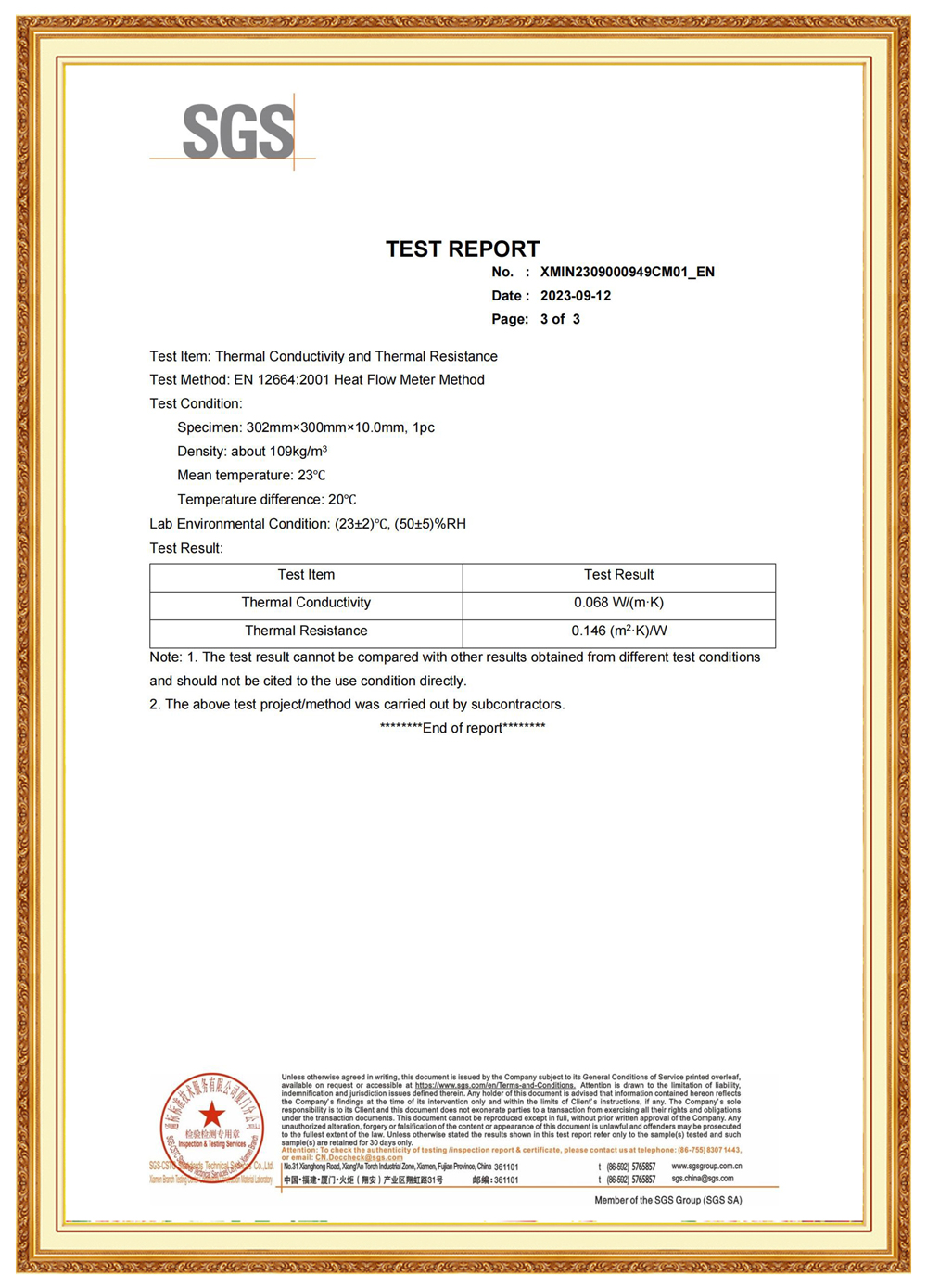
| Thermal Conductivity | Low (0.031–0.038 W/m·K) | High (50 W/m·K) |
| Electromagnetic Transparency | ✔ Non-Conductive | ✘ Conductive / Interferes |
| Design Service Life | 100+ years | 30–50 years (with maintenance) |
| Temperature Range | -260°C to +700°C | Loses strength above 400°C |
| Maintenance Cost (50yr) | Very Low | High (corrosion repair) |
| Environmental Impact | ✔ Low Carbon, Natural Origin | High CO₂ in production |
| Smart Infrastructure Compatibility | ✔ Ideal for IoT & EV Charging | ✘ Signal Interference |
Basalt fiber is ideal for your road and bridge engineering projects. Its high strength, corrosion resistance and lightweight properties allow it to easily solve a variety of infrastructure challenges. In bridges, roads and other transportation projects, basalt fibers demonstrate outstanding performance, extending structural life and reducing maintenance costs.
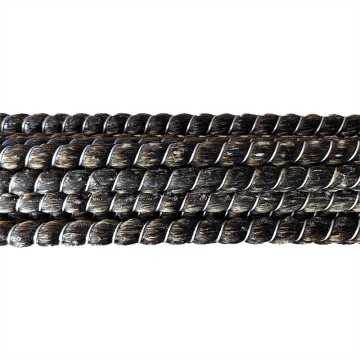
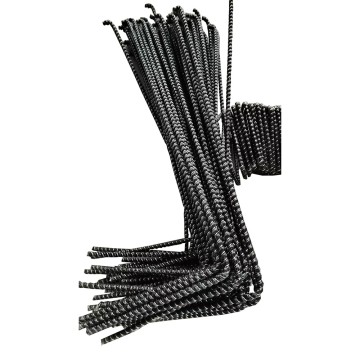
Basalt Fiber Rebar is a high-strength alternative to traditional steel bars and is used in a wide range of applications for reinforcing concrete structures in various fields. Its excellent performance makes it ideal for a variety of construction applications such as bridges, highways, buildings and other infrastructure projects. The material is derived from natural basalt rock, processed at high temperature, and shaped into continuous fibers — requiring no chemical additives and generating minimal environmental impact.
FIND OUT MORE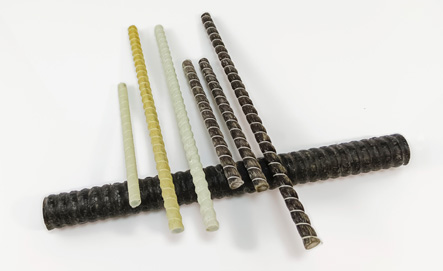
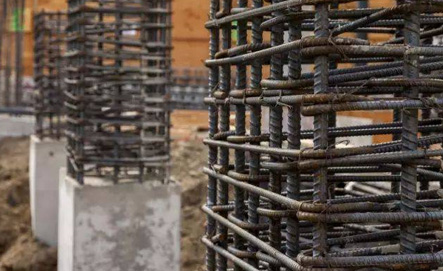
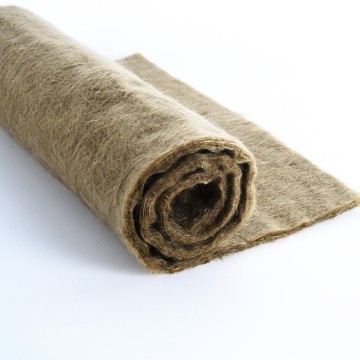
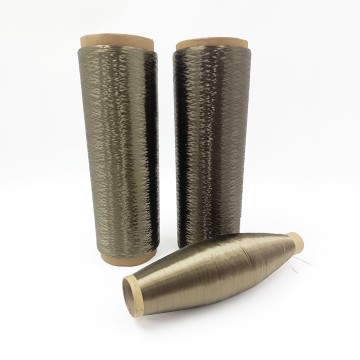
From roads and bridges to aerospace and automotive, basalt fiber products deliver outstanding performance across diverse industrial sectors.
 Building Construction
 Aviation
 Aerospace
 Concrete
 Automotive
 Bridge Pier Protection
 Petrochemicals
 Ship & Marine
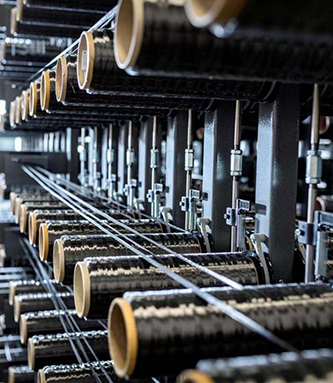
China Beihai is founded in 2015 and located in Jiujiang, Jiangxi Province. China Beihai is a high-tech enterprise focusing on the research, development, production and sales of high-performance basalt continuous fiber and its production equipment manufacturing, as well as a leading enterprise in the domestic basalt fiber industry.

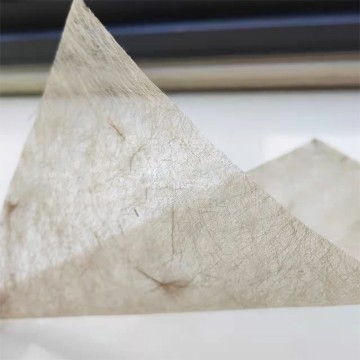
We specialize in basalt fiber mat, roving, yarn, chopped strands, basalt fiber rebar, sleeves and tape — high-quality solutions for construction, roads, bridges, geotechnical engineering and manufacturing industries worldwide.

We are dedicated to producing a wide array of basalt-based products, delivering high-quality, sustainable reinforcement solutions for infrastructure projects including roads, bridges, tunnels and buildings with a commitment to innovation and excellence.

Choosing China Beihai means working with a leading manufacturer committed to quality, innovation and sustainability. We offer best-in-class basalt materials backed by industry expertise and a forward-thinking approach to all your road and bridge reinforcement needs.
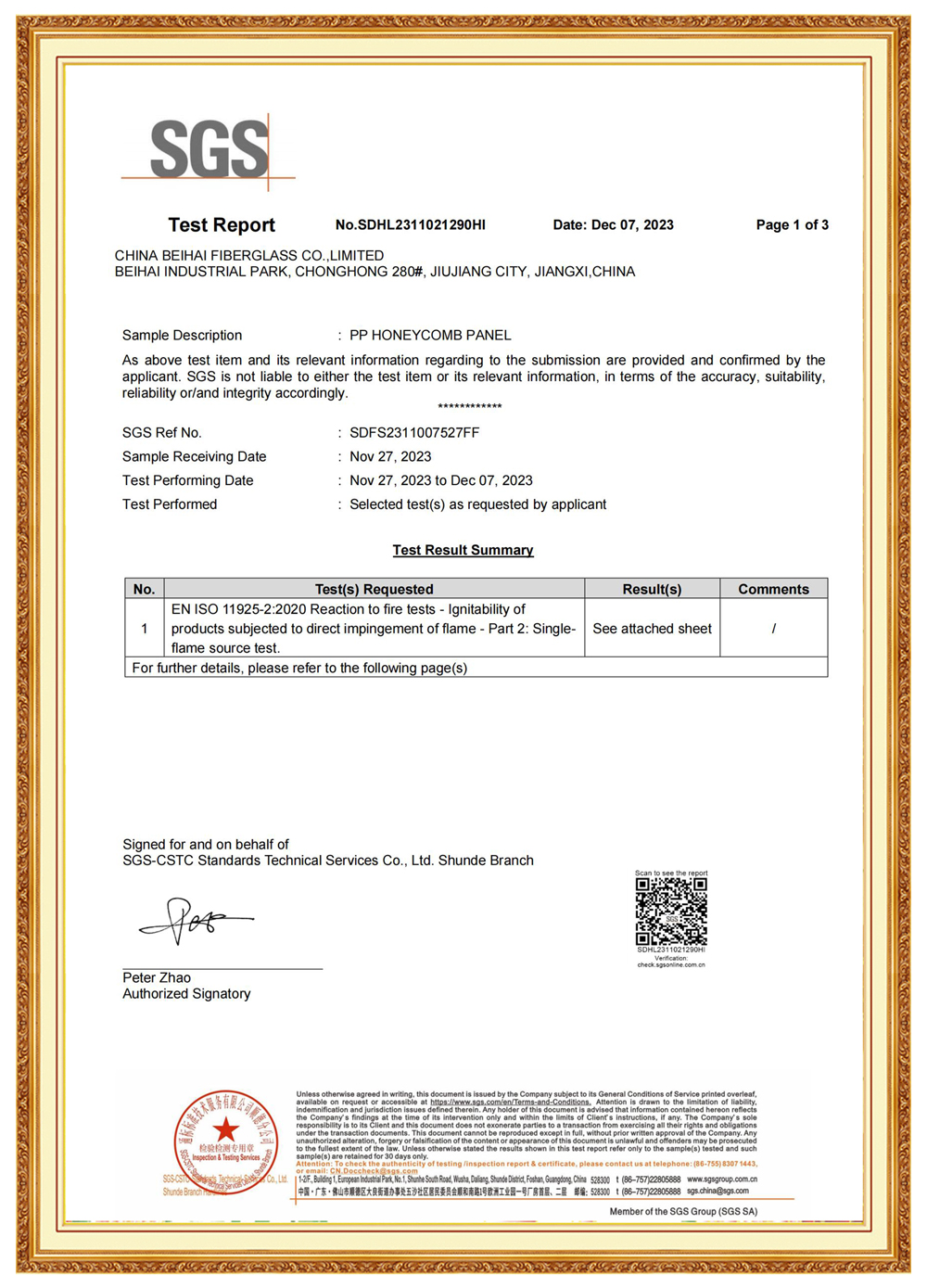
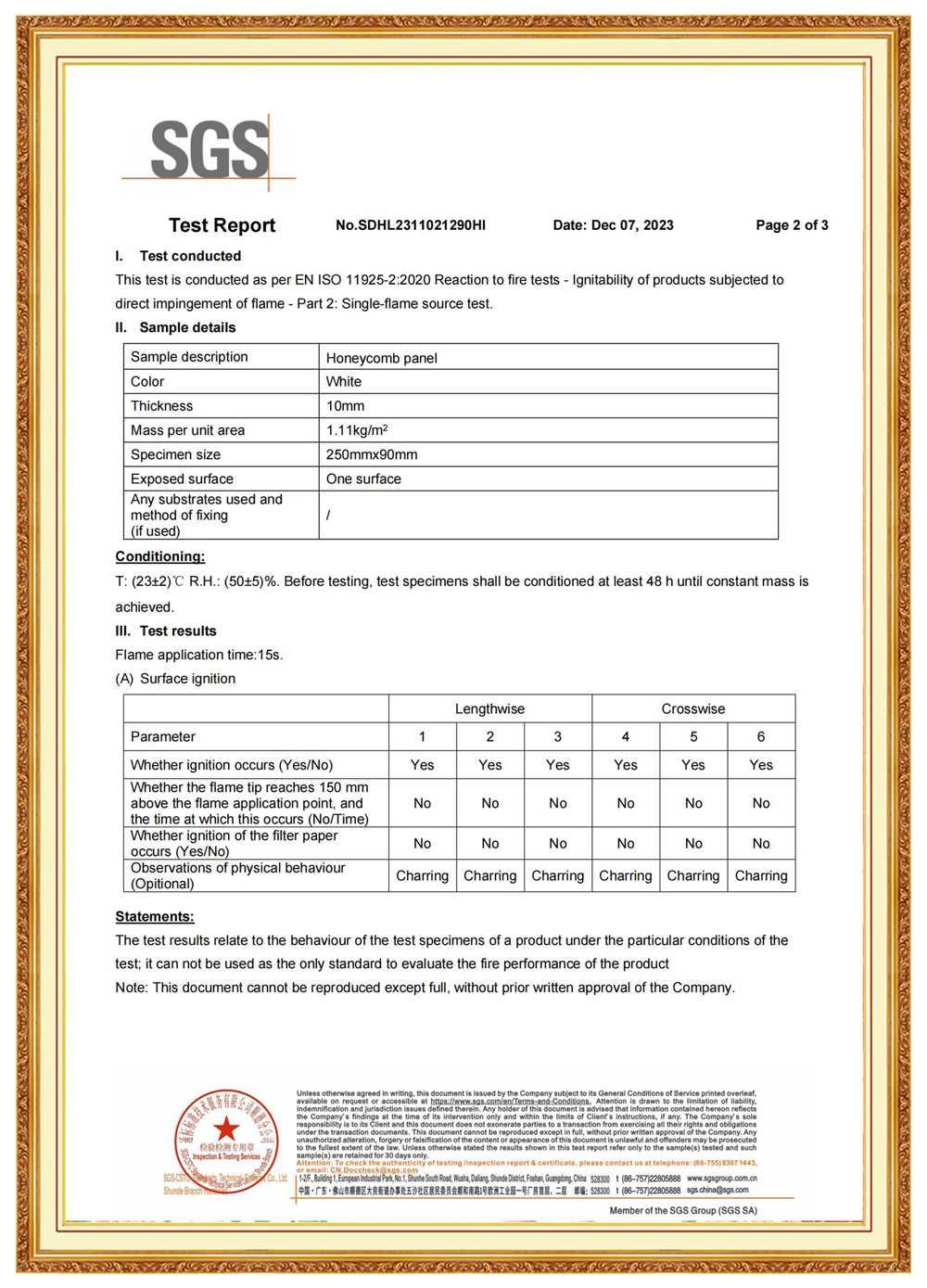
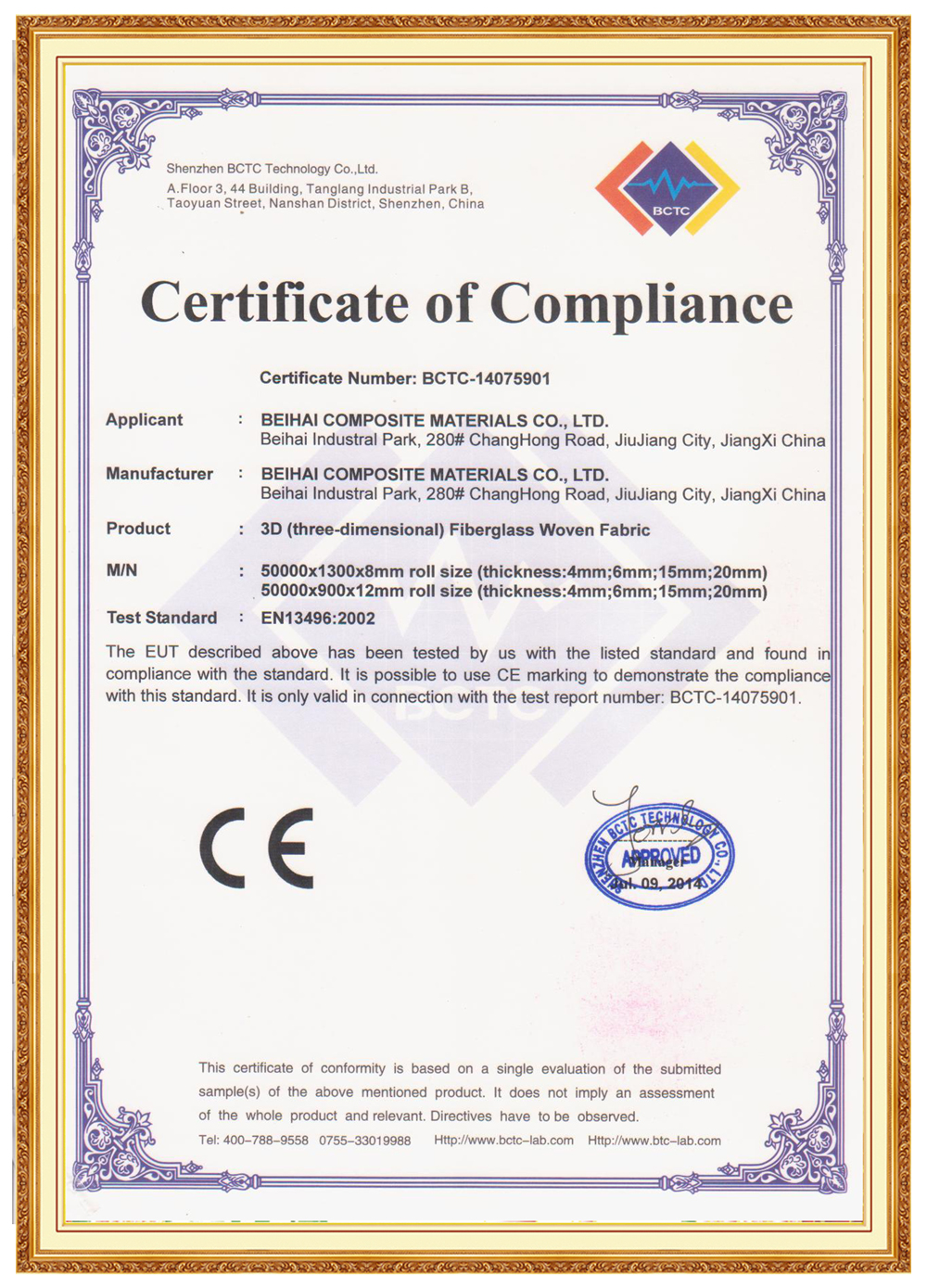
China Beihai's basalt fiber products are certified to international quality and safety standards, ensuring reliability for road and bridge engineering applications globally.
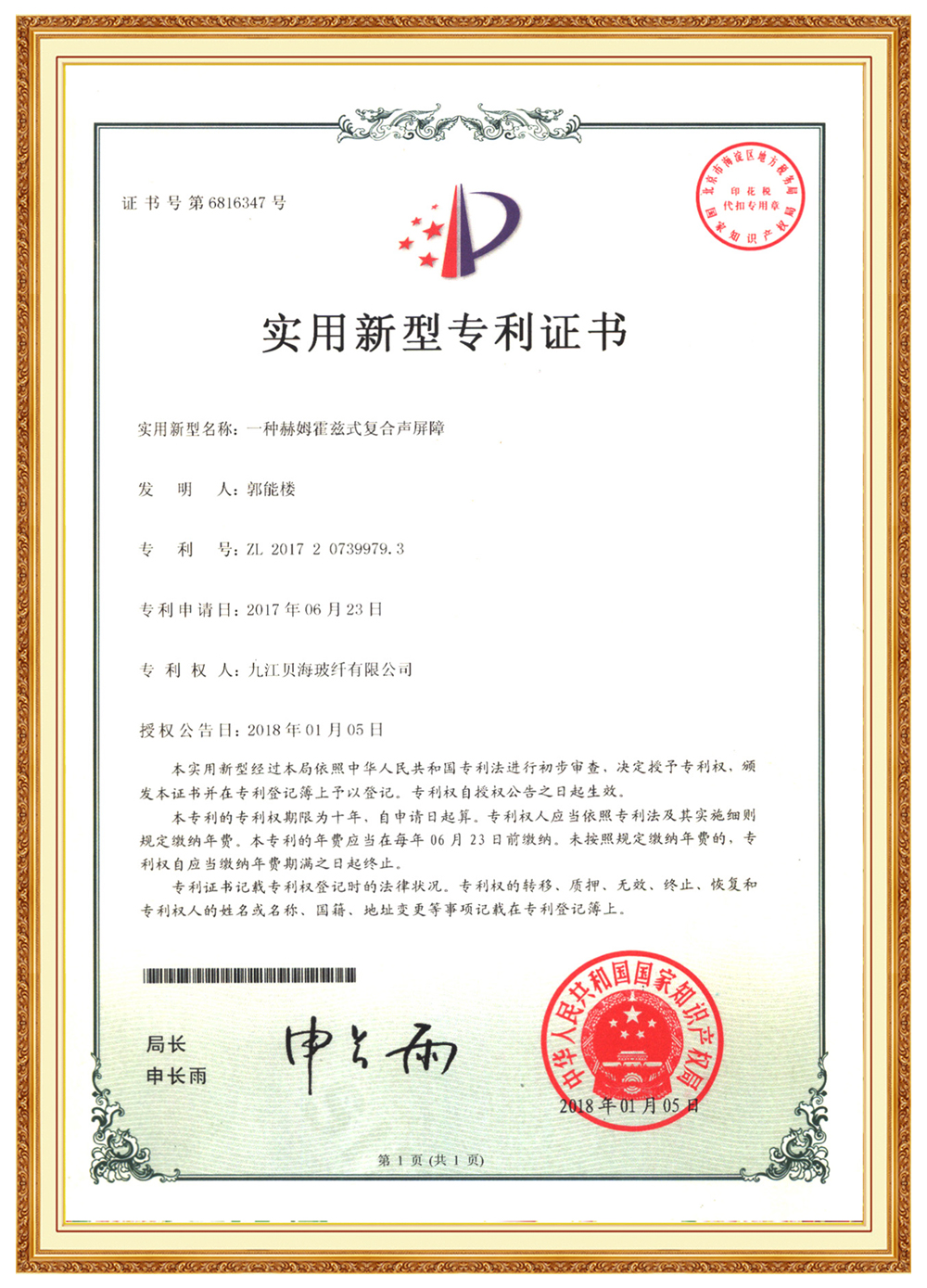



As drones slice through the sky to monitor wildfires, and intelligent robots execute repetitive tasks with precision on the factory floor, the efficient operation of this smart equipment is often underpinned by a "hardcore support" that is easily overlooked: a novel material derived from volcanic rock — basalt fiber. Though unassuming in appearance, its unique properties have made it the key to unlocking the performance limits of drones and robots, quietly driving a materials revolution within the realm of intelligent equipment.
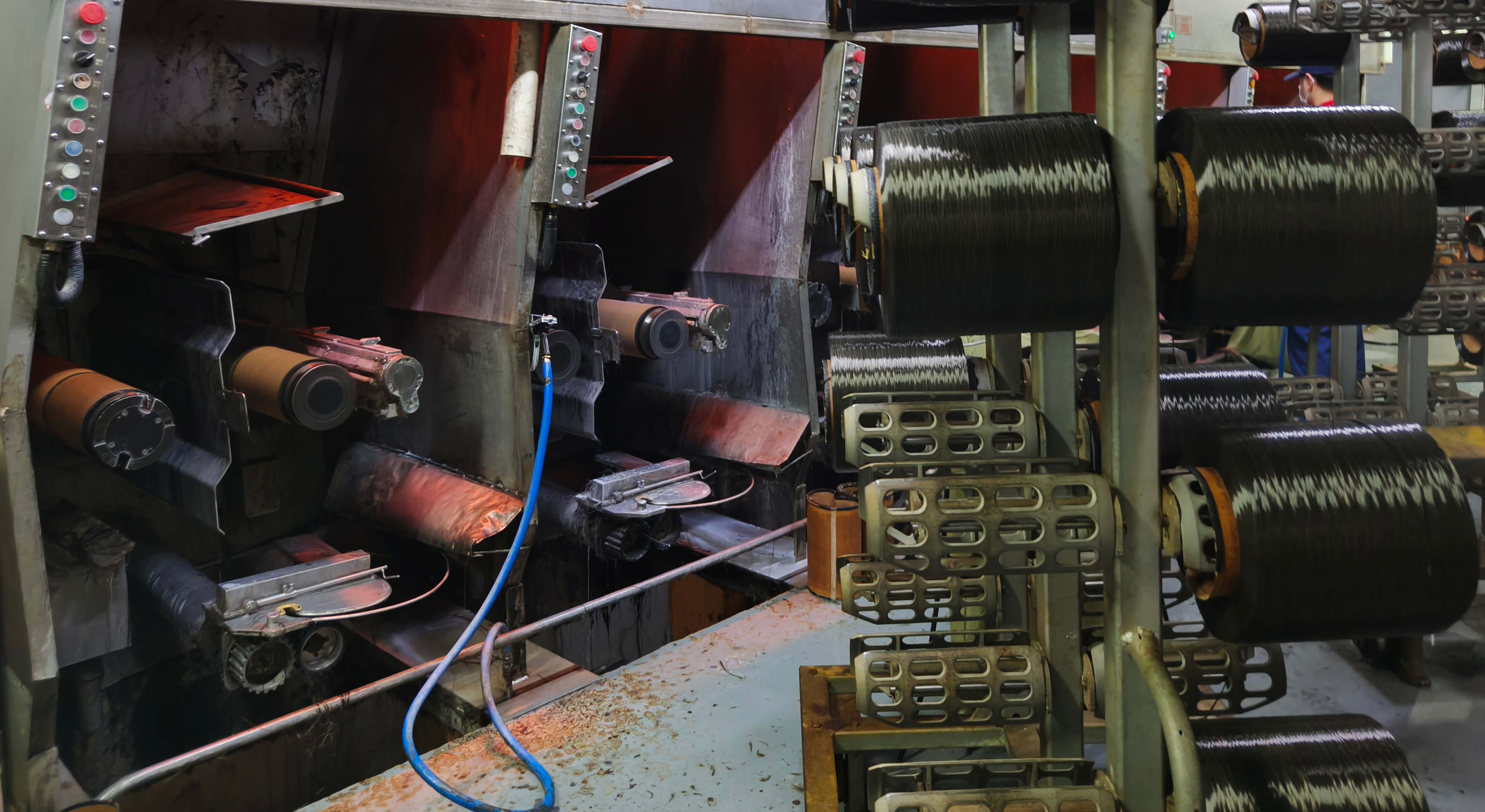
Basalt fiber is an inorganic fibrous material produced by drawing strands from natural basalt ore after it has been melted at high temperatures, demonstrating unique value in numerous applications that demand resilience against extreme temperatures.
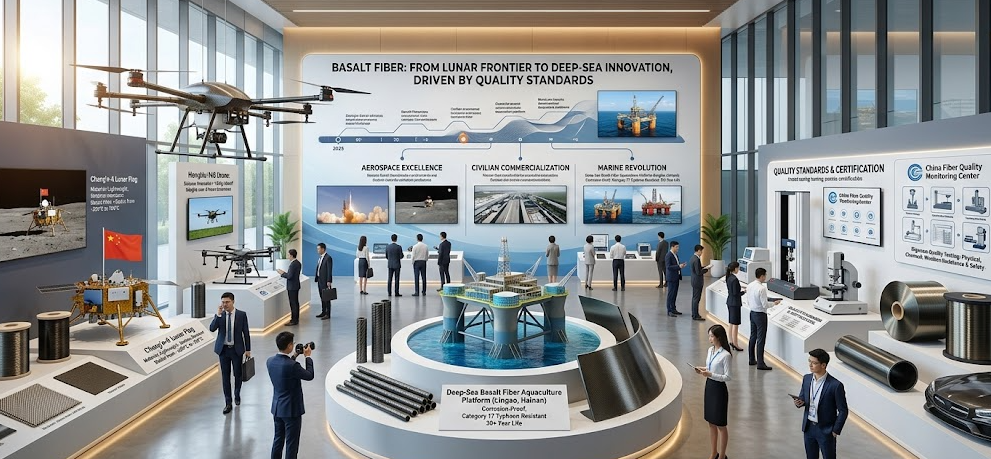
With the successful realization of major applications including the Chang'e-6 lunar exploration mission and the world's first deep-sea basalt fiber aquaculture platform, basalt fiber is rapidly accelerating its transformation into a strategic new material with tangible industrial productivity.
Explore our comprehensive selection of basalt fiber reinforcement products designed for every road and bridge construction requirement.