
Leave Your Message
Featured Products
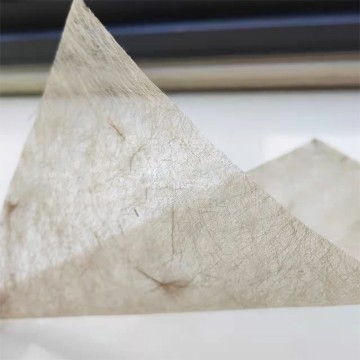
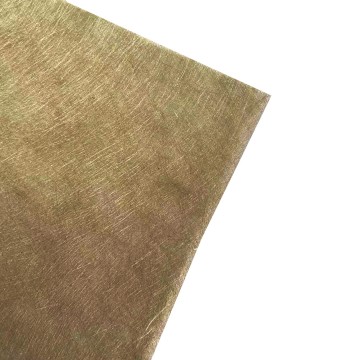
Non-woven thin sheet engineered for smooth resin-rich surface layers in fiber-reinforced plastic composites. Ideal for Portugal's coastal infrastructure.
Read More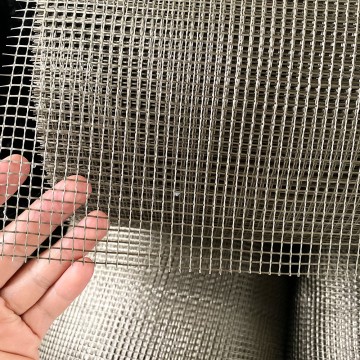
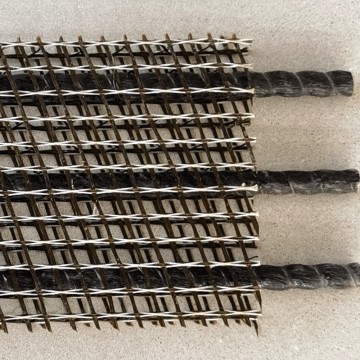
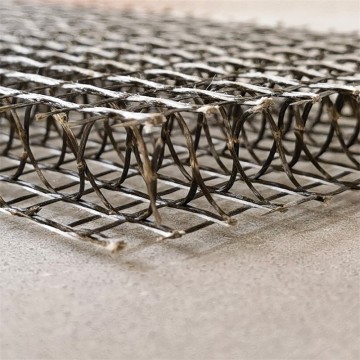
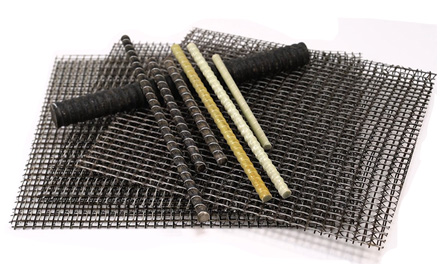
High-performance mesh for concrete and plaster reinforcement with superior alkali resistance, perfect for Portugal's urban wall strengthening projects.
Read More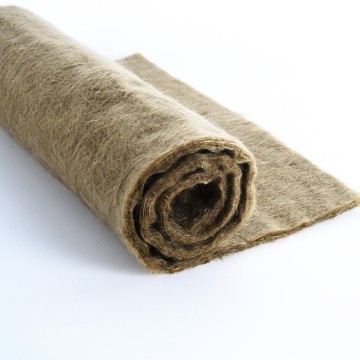
High-density insulation manufactured by mechanically bonding continuous basalt fibers. No chemicals, pure performance for industrial thermal management.
Read More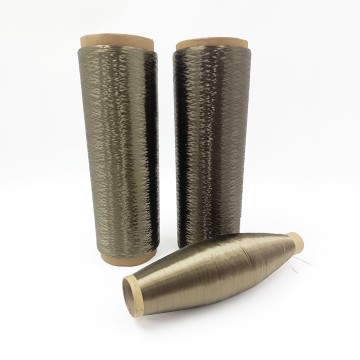
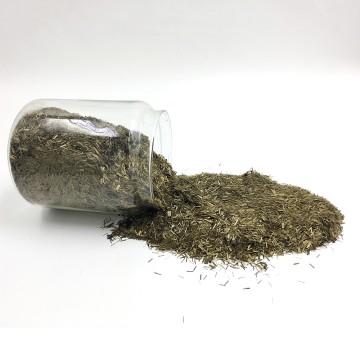
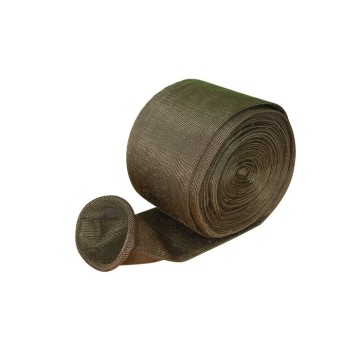
Engineered by twisting multiple continuous filaments for enhanced mechanical strength and processing stability for high-temperature industrial applications.
Read MoreMarket Insight
Portugal's construction and civil engineering sector has experienced sustained growth over the past decade, driven by EU-backed infrastructure investment programs, urban regeneration initiatives, and a thriving tourism industry requiring constant expansion of hospitality and transport infrastructure. As a result, the demand for high-quality rebar and structural steel reinforcement materials has become one of the most critical procurement priorities for Portuguese contractors, developers, and public authorities alike.
🏗️ Key Fact: Portugal invested over €3.5 billion in infrastructure and construction in 2023 alone, with structural reinforcement materials — including rebar, fiber composite bars, and advanced mesh systems — representing a fast-growing segment of that expenditure.
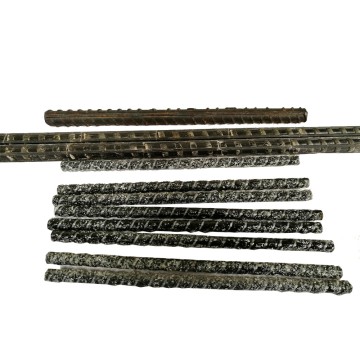
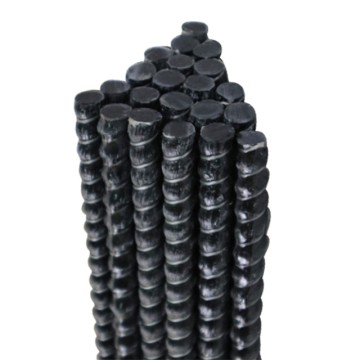
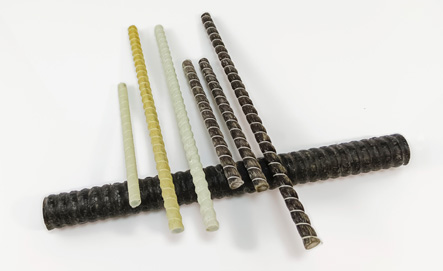
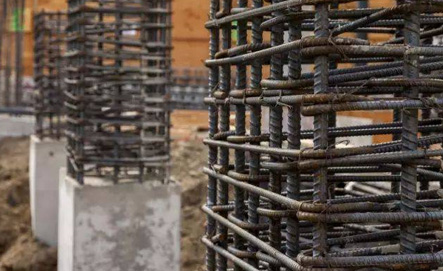
The Portuguese construction sector, governed by standards aligned with Eurocode and EN 10080 for steel reinforcement, is undergoing a significant transformation. Traditional black steel rebar — long the industry standard — is increasingly being evaluated alongside innovative composite alternatives such as basalt fiber rebar (BFRP) and glass fiber rebar (GFRP) for specific applications where corrosion resistance, non-conductivity, or reduced weight is critical.
Major urban centers such as Lisboa (Lisbon) and Porto are seeing massive redevelopment projects, including metro extensions, riverside regeneration, heritage building retrofits, and new mixed-use developments. The northern regions, particularly around Braga and Viana do Castelo, are also experiencing infrastructure investment. Meanwhile, the Algarve's coastal tourism economy demands continuous new hotel, resort, and road construction — environments where marine corrosion of conventional steel rebar is a well-documented long-term problem.
Portuguese procurement managers and construction companies increasingly seek wholesale rebar suppliers who can offer competitive pricing, consistent quality certification to European norms, and reliable logistics to Iberian Peninsula ports such as Leixões (Porto), Lisboa, and Sines. For large-scale projects — motorways, bridges, residential towers, and industrial buildings — bulk procurement of rebar directly from manufacturers offering FOB or CIF pricing structures is the preferred commercial model.
China-based manufacturers like China Beihai, specializing in next-generation basalt fiber composite rebar systems, are establishing a significant presence in the Portuguese and broader Iberian market by offering products that meet or exceed European performance standards at highly competitive wholesale prices.
The Portuguese construction environment presents specific challenges that make basalt fiber rebar (BFRP) an increasingly attractive alternative or complement to traditional steel reinforcement. Portugal's Atlantic coastline stretches over 1,800 km, exposing coastal structures to constant salt spray, humidity, and chloride ingress — the primary cause of steel rebar corrosion and structural degradation in bridges, sea walls, harbors, and seafront promenades.
Basalt fiber rebar offers complete immunity to chloride-induced corrosion, does not rust, and does not require expensive cathodic protection systems. For Portugal's numerous coastal infrastructure projects, this represents a compelling lifecycle cost advantage over conventional steel, even if the initial unit cost per meter may be slightly higher.
⚡ Technical Edge: Basalt fiber rebar has a tensile strength of up to 1,200 MPa — approximately 3× that of conventional steel rebar — while weighing only one-quarter as much. In Portugal's seismic zones (the country lies on the Eurasian-African plate boundary), lighter structural members can significantly improve building performance during seismic events.
Portugal is one of Europe's most seismically active countries, particularly in the south and in the Azores archipelago. The 1755 Lisbon earthquake remains one of the deadliest in recorded history. Modern construction codes under Eurocode 8 (EN 1998) require careful consideration of seismic performance, and materials with high strength-to-weight ratios — such as basalt fiber composite rebar — are increasingly of interest for seismic-resistant design. Lighter reinforced concrete structures with equivalent or superior tensile performance can offer improved ductility and reduced inertial forces during ground motion events.
Beyond the headline construction projects, basalt fiber and composite rebar products find application across multiple industrial and commercial sectors active in Portugal today. The automotive manufacturing sector, centered around the Setúbal Peninsula (Volkswagen Autoeuropa) and growing supplier parks, uses advanced composites in component manufacturing. Portugal's chemical and petrochemical industries, particularly in the Sines refinery complex — one of the largest in southern Europe — require corrosion-resistant structural materials for plant construction, tanks, and piping support structures. Basalt fiber products, including chopped strands, roving, and composite rebar, meet these demanding chemical resistance requirements.
Portugal's growing renewable energy sector — the country generated over 61% of its electricity from renewables in 2023 — is building wind turbine foundations, solar farm mounting structures, and hydroelectric infrastructure that all require high-performance structural reinforcement. Basalt fiber rebar and mesh systems are well-suited to the corrosive inland environments of Portugal's northern highlands where many wind installations are located.
Portugal has been expanding its public healthcare infrastructure, including new hospital buildings and medical imaging facilities. For MRI room construction — where conventional steel rebar creates problematic magnetic interference — non-conductive basalt fiber rebar is the technically correct and increasingly specified solution. China Beihai's non-conductive BFRP rebar has been used in such applications internationally and represents a direct commercial opportunity in Portugal's growing healthcare construction market.
By the Numbers
About Us
China Beihai
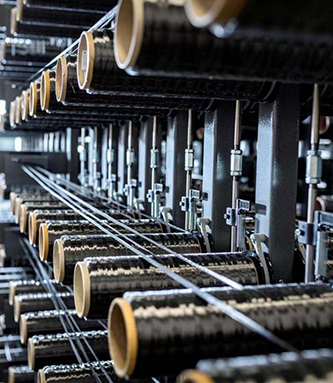
China Beihai is founded in 2015 and located in Jiujiang, Jiangxi Province. China Beihai is a high-tech enterprise focusing on the research, development, production and sales of high-performance basalt continuous fiber and its production equipment manufacturing, as well as a leading enterprise in the domestic basalt fiber industry.
We serve markets across Europe, including Portugal and the broader Iberian Peninsula, providing certified, high-performance composite rebar and fiber materials for construction, civil engineering, industrial, and specialty applications.
View More About Us
At China Beihai group, we specialize in the production of a wide range of products including basalt fiber mat (Basalt fiber chopped strand mat, Basalt fiber cloth), basalt fiber roving, basalt fiber yarn, basalt fiber chopped strands, and basalt fiber products (Basalt Fiber rebar, basalt fiber sleeves and tape). Our products are designed to meet the diverse needs of various industries, providing high-quality solutions for our customers.

At China Beihai group, we are dedicated to the production of a wide array of basalt-based products, ranging from basalt fiber mat, fabric, and roving to chopped strand and specialized construction materials. Our focus is on delivering high-quality, sustainable solutions for industries such as construction, geotechnical engineering, and manufacturing. With a commitment to innovation and excellence, we strive to cater to the unique requirements of our clients by offering a comprehensive selection of basalt-derived products.

Choosing to work with China Beihai means working with a leading manufacturer of basalt products. Our commitment to quality, innovation and sustainability sets us apart, ensuring our customers receive best-in-class solutions for their diverse needs. Reliability and customer satisfaction are our core values — we offer a wide range of high-quality basalt materials and construction products, backed by our dedication to excellence and industry expertise. When you partner with China Beihai, you can trust that you are working with a reliable and forward-thinking partner for all your basalt product needs.
Core Product
Basalt fiber is ideal for your engineering projects. Its high strength, corrosion resistance and lightweight properties allow it to easily solve a variety of challenges. In buildings, bridges, roads and other infrastructure projects, basalt fibers demonstrate outstanding performance, extending structural life and reducing maintenance costs. Choose basalt fiber — choose reliability and durability.
Local Applications
Portugal's 1,800km Atlantic coastline demands corrosion-proof reinforcement for seawalls, harbors, marinas, and seafront promenades. Basalt rebar eliminates rust-related structural degradation entirely.
Lisbon and Porto's UNESCO-listed historic districts require non-destructive, non-magnetic reinforcement for sensitive structural repair — basalt fiber systems offer the ideal solution.
Portugal's national health infrastructure expansion includes new imaging centers. Non-conductive basalt rebar is the only technically correct choice for MRI room slab reinforcement.
Portugal's offshore and onshore wind installations, particularly in the northern highlands and Atlantic coast, benefit from corrosion-resistant basalt fiber reinforcement in turbine foundations.
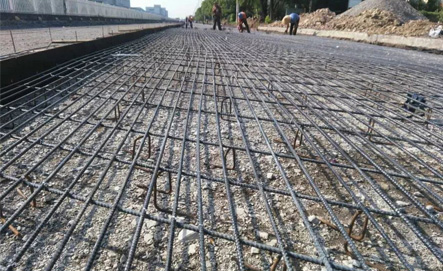
Portugal's IP and IC national road network expansions, bridge deck rehabilitation, and tunnel lining projects represent high-volume procurement opportunities for composite rebar systems.
The Sines industrial complex and Setúbal chemical park require chemically resistant structural materials. Basalt fiber products offer outstanding acid and alkali resistance for plant construction.
Industry Trends
Portugal's construction materials sector is evolving rapidly, shaped by European Green Deal mandates, circular economy directives, and the drive toward lower-carbon infrastructure. These macro trends are directly influencing procurement decisions for structural reinforcement materials.
EU taxonomy-aligned green building certifications (BREEAM, LEED, DGNB) are increasingly required for Portuguese public procurement projects. Basalt fiber, derived from natural volcanic rock with no chemical additives, aligns perfectly with green material specifications and circular economy principles.
Portugal is rapidly adopting Building Information Modeling (BIM) requirements for public contracts above €500,000. Digital material libraries increasingly include composite rebar specifications, enabling engineers to model and specify BFRP systems with full lifecycle cost analysis from the design stage.
Portuguese universities (Universidade do Porto, IST Lisboa) are actively researching composite reinforcement behavior in concrete, publishing studies that are building the technical evidence base for wider BFRP adoption in national construction standards and Eurocode national annexes.
Applications








Our basalt products have diverse applications in house construction. In the aerospace field, basalt fibers are ideal for manufacturing aircraft wings and engine components. Basalt-added concrete offers increased strength and durability, increased crack resistance, improved chemical resistance, and improved workability. Facing the trend of lightweight automobile materials, China Beihai has realized the wide application of basalt fiber products in the automobile field. Basalt's high strength, durability and protective properties make it ideal for protecting bridge abutment structures from vehicle collisions, fire, corrosion and the natural environment. The corrosion resistance of basalt fiber gives it a unique advantage in the petrochemical field.
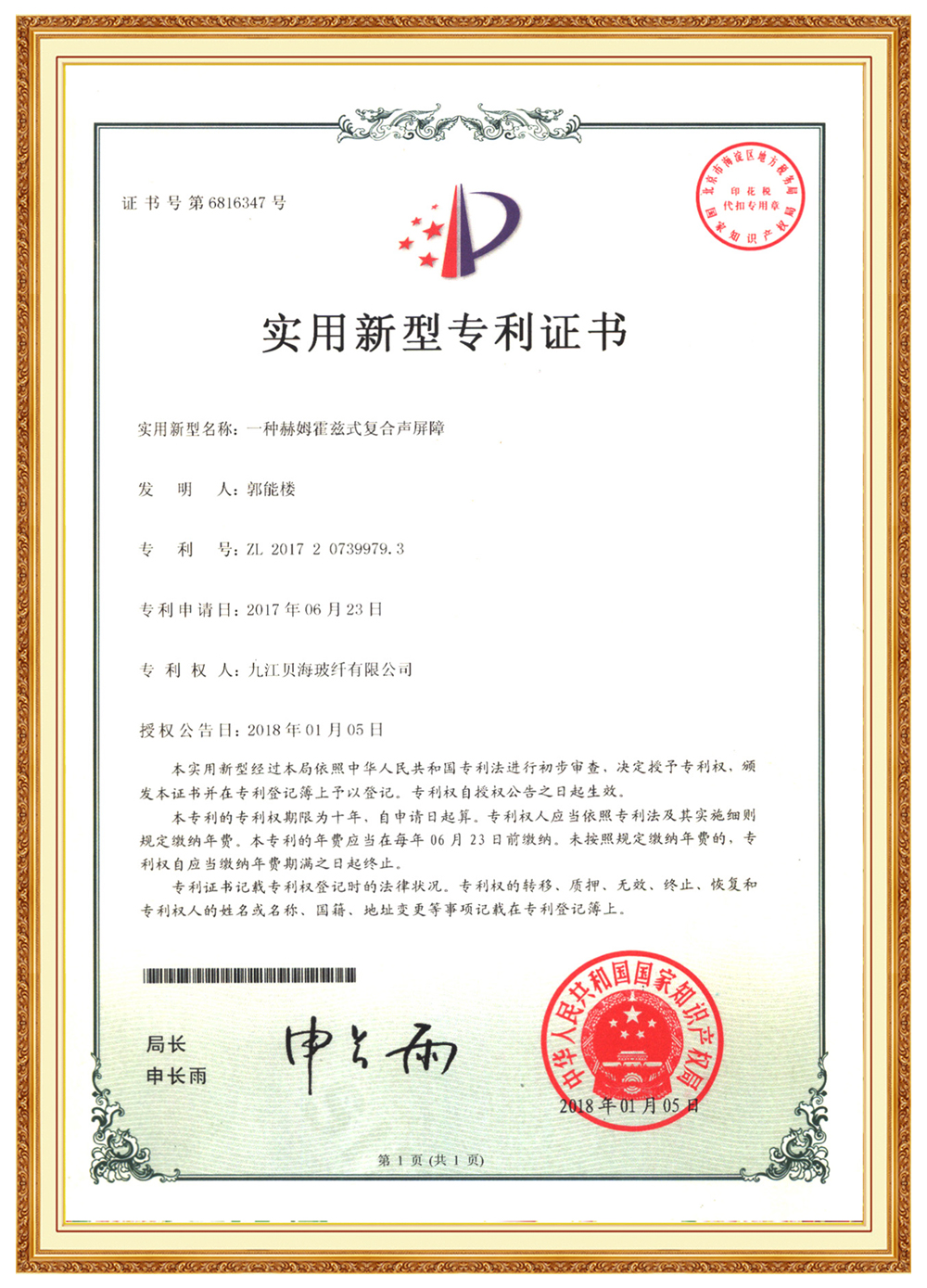
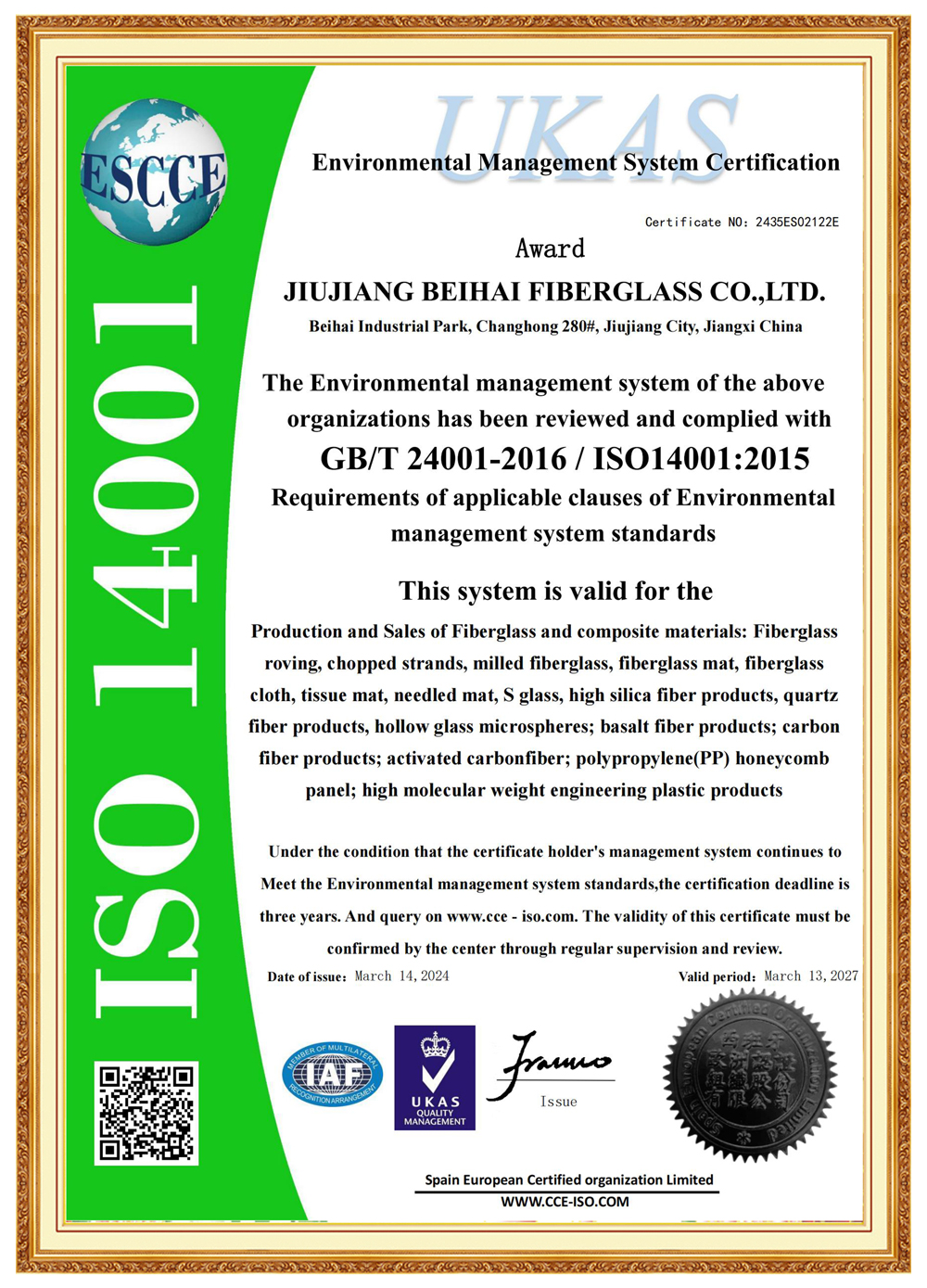
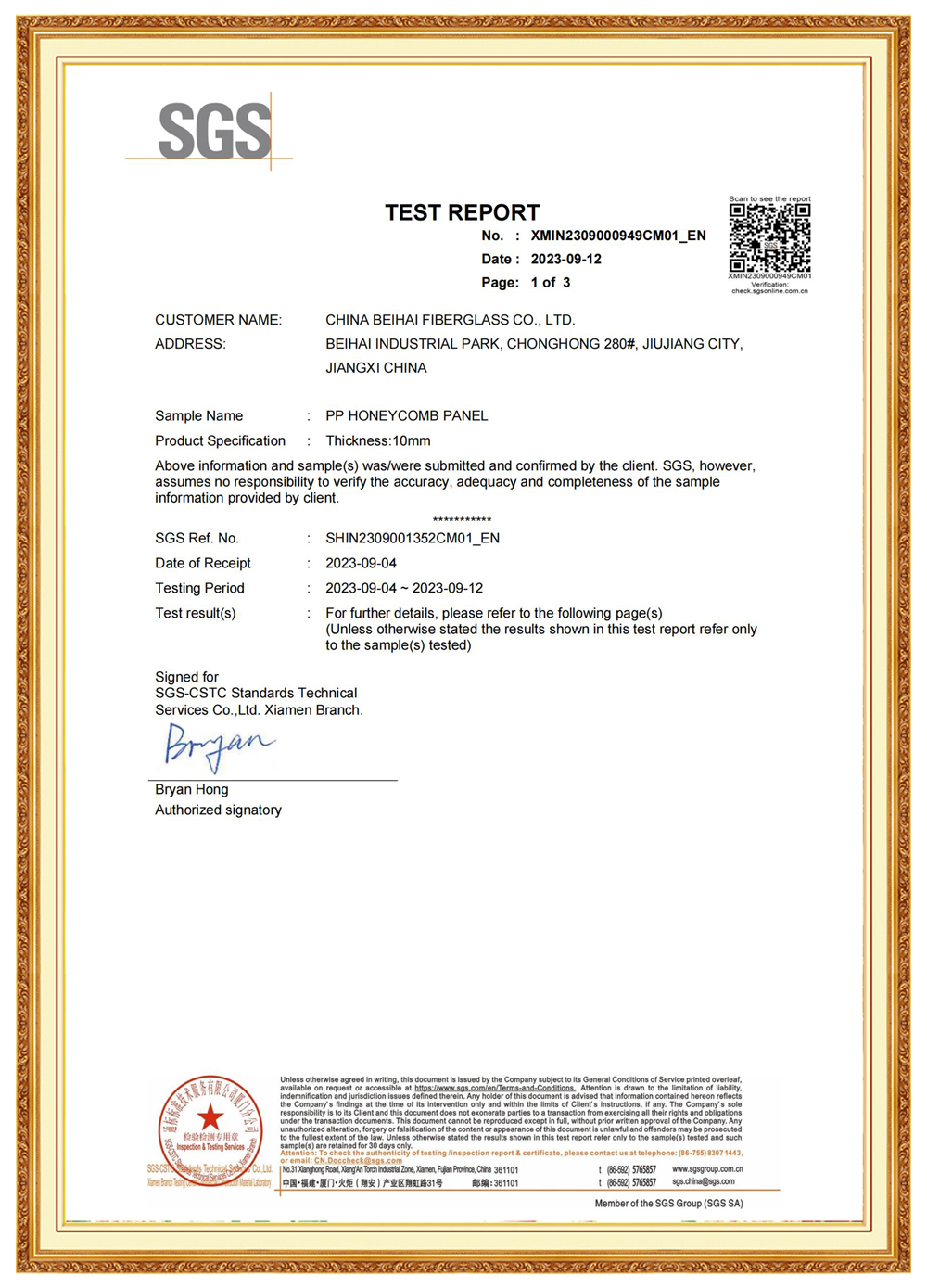
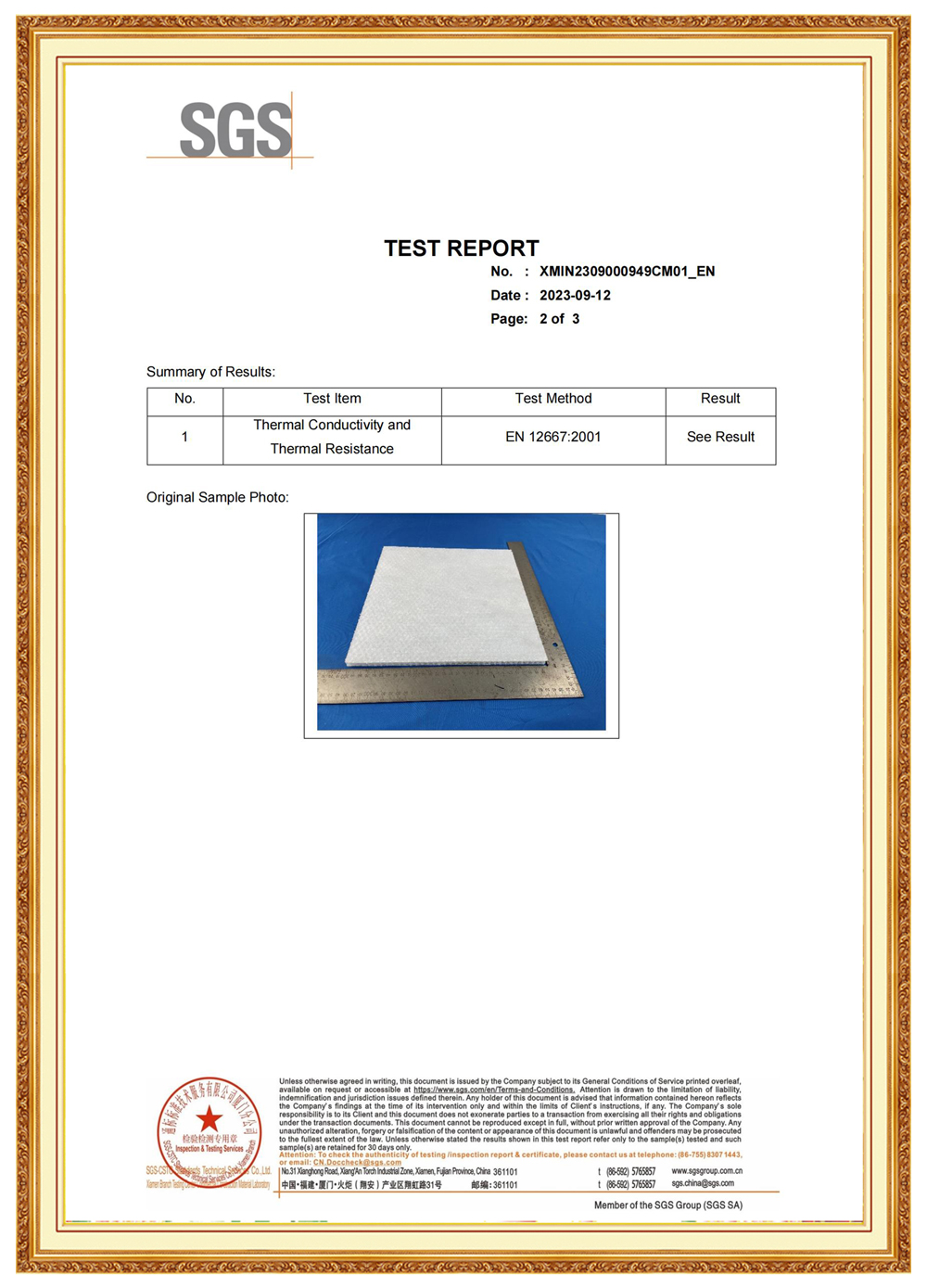
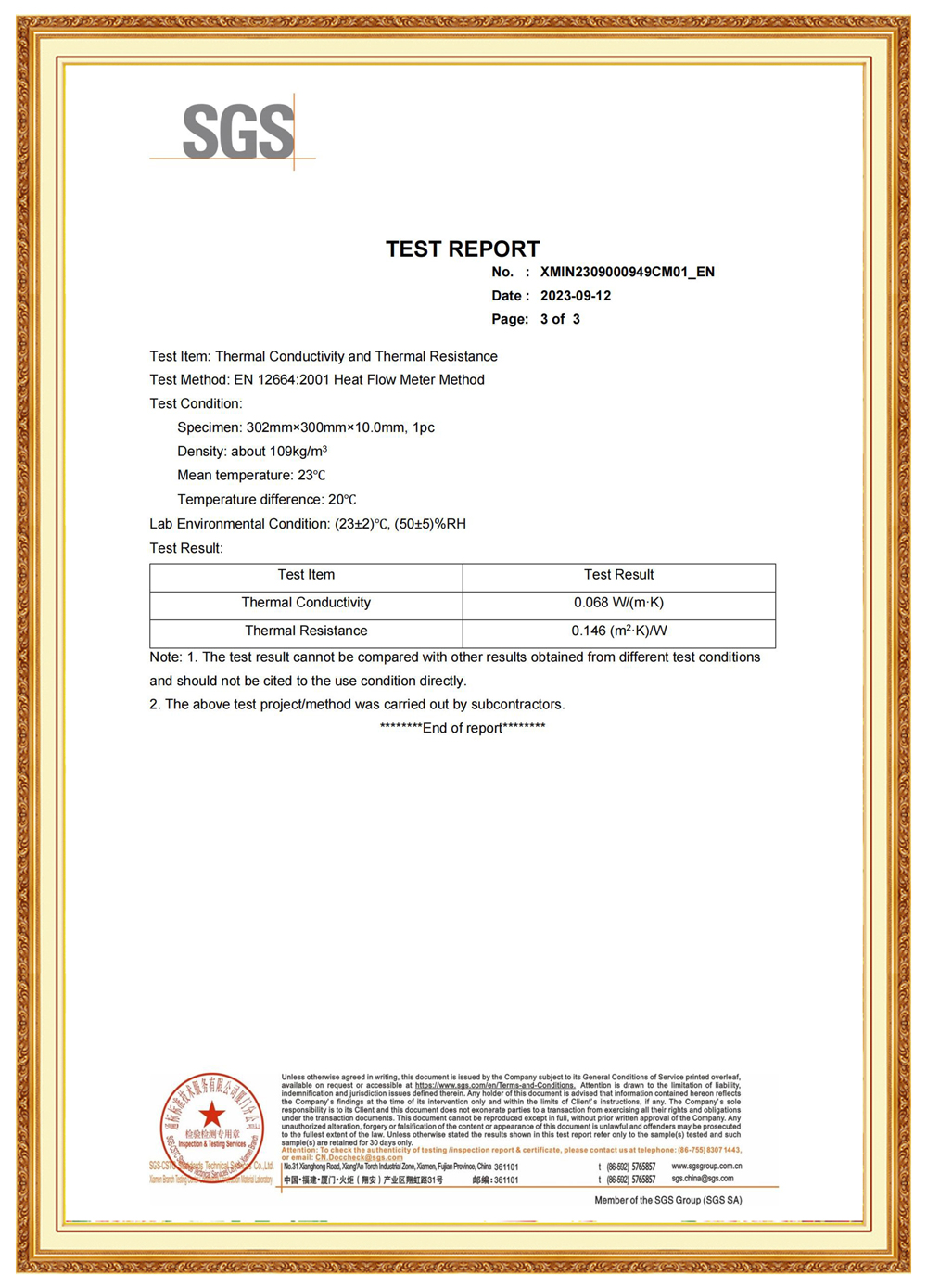
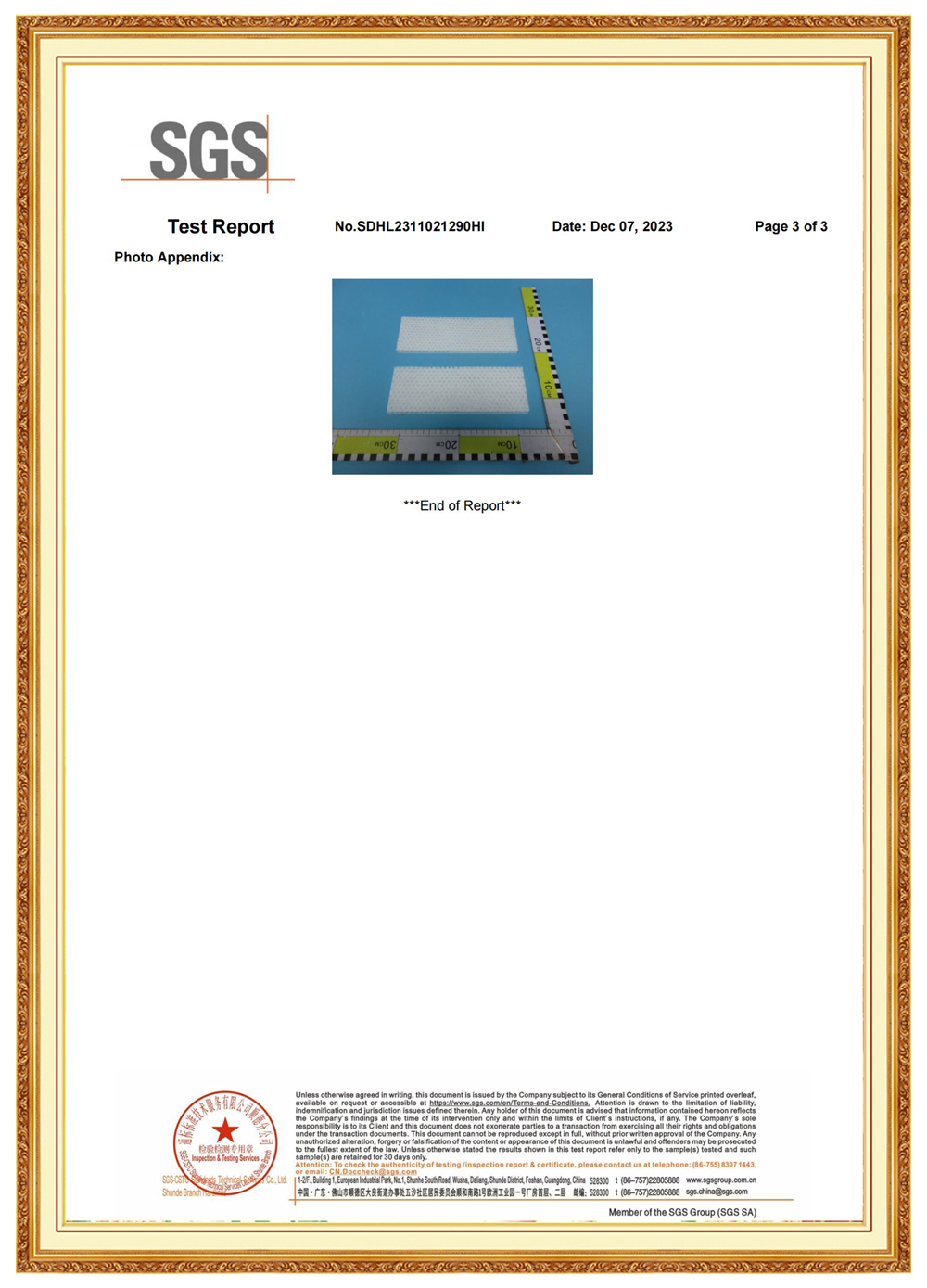
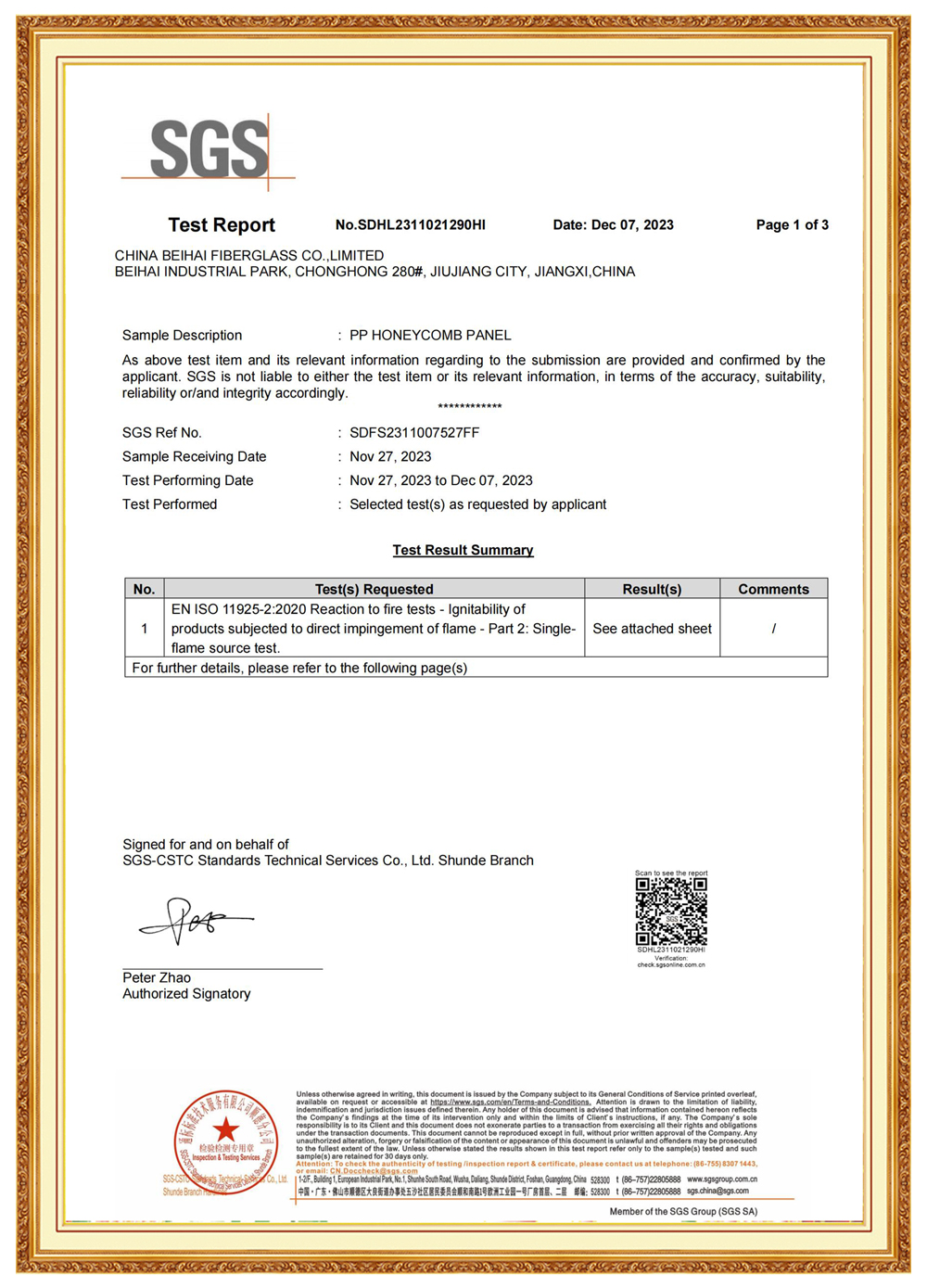
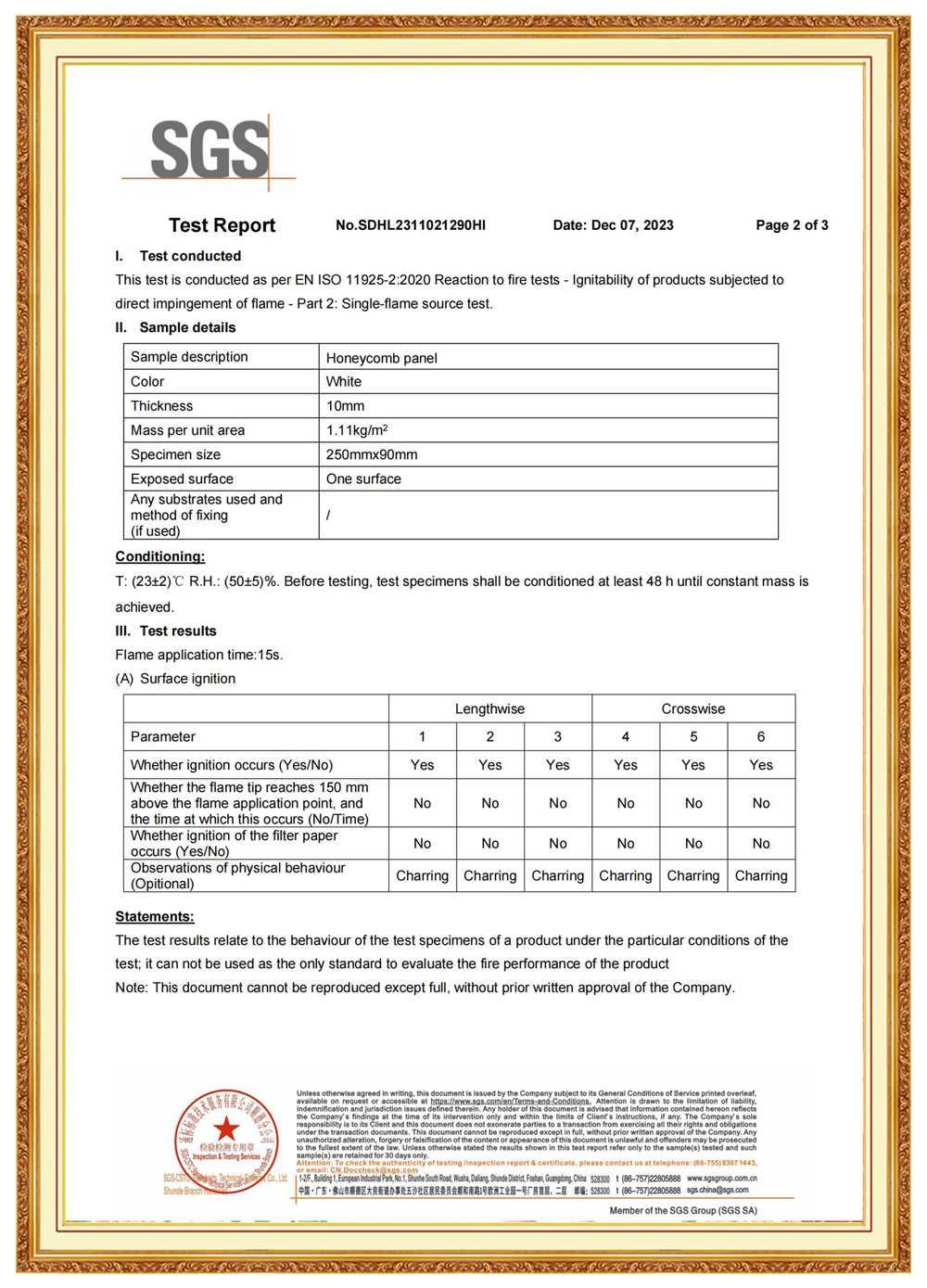
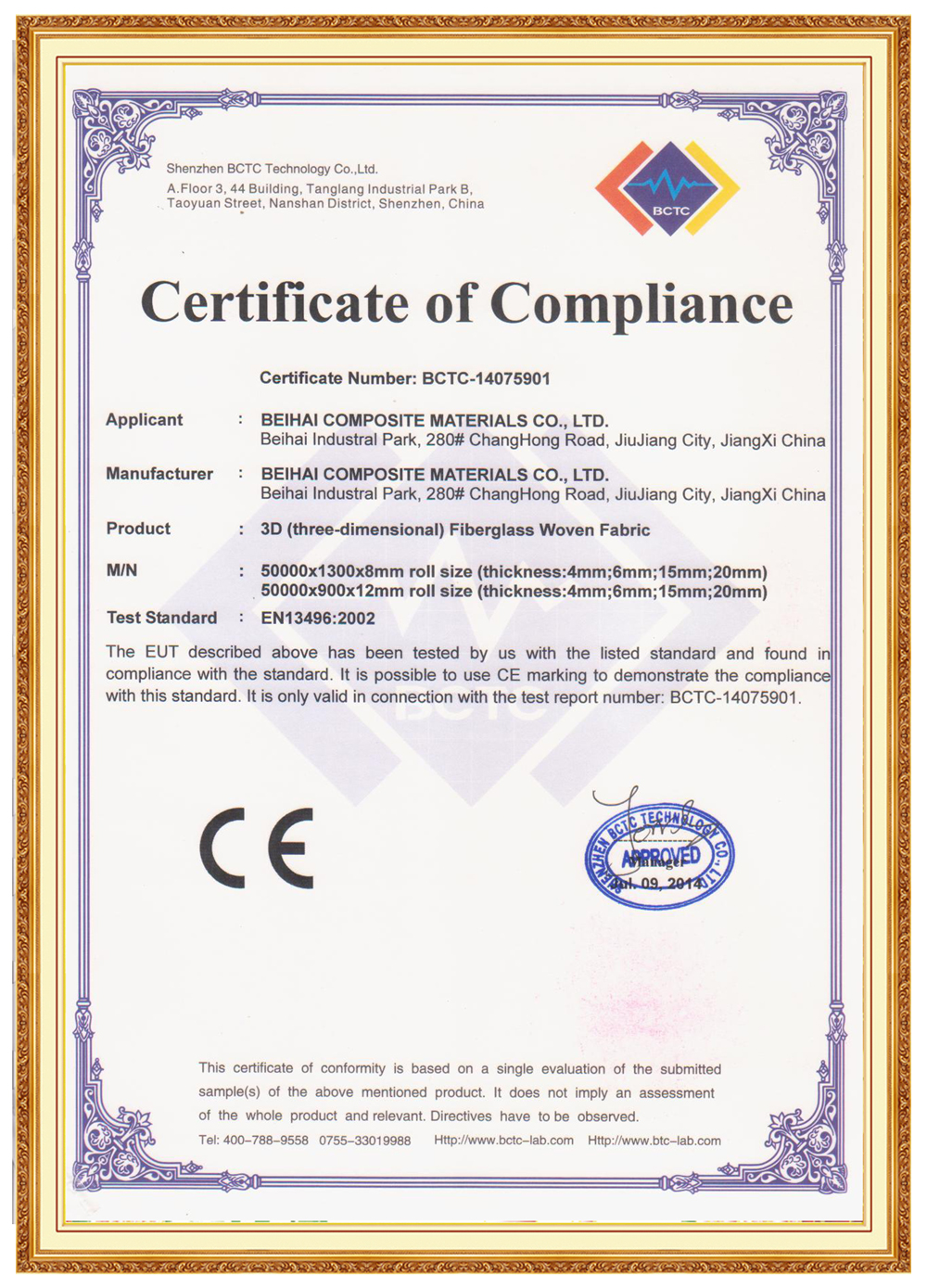
Quality Assurance

Latest News

As drones slice through the sky to monitor wildfires, and intelligent robots execute repetitive tasks with precision on the factory floor, the efficient operation of this smart equipment is often underpinned by a novel material derived from volcanic rock — basalt fiber. Produced by melting natural basalt rock at temperatures ranging from 1,450°C to 1,500°C and drawing it into fibers, this novel inorganic material boasts lightweight strength, weather resistance, corrosion resistance, and eco-friendliness.
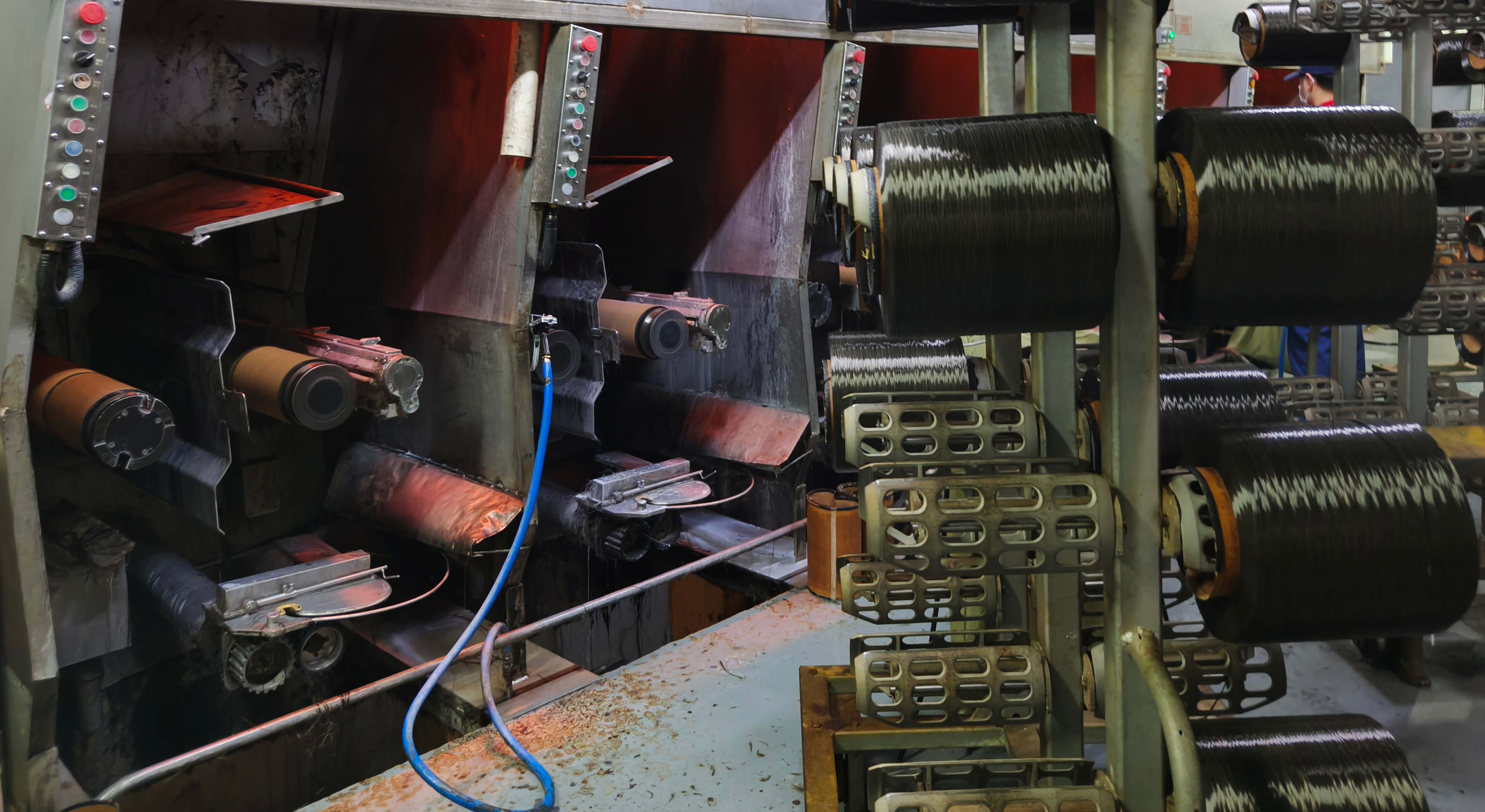
Basalt fiber is an inorganic fibrous material produced by drawing strands from natural basalt ore after it has been melted at high temperatures, demonstrating unique value in numerous applications that demand resilience against extreme temperatures.
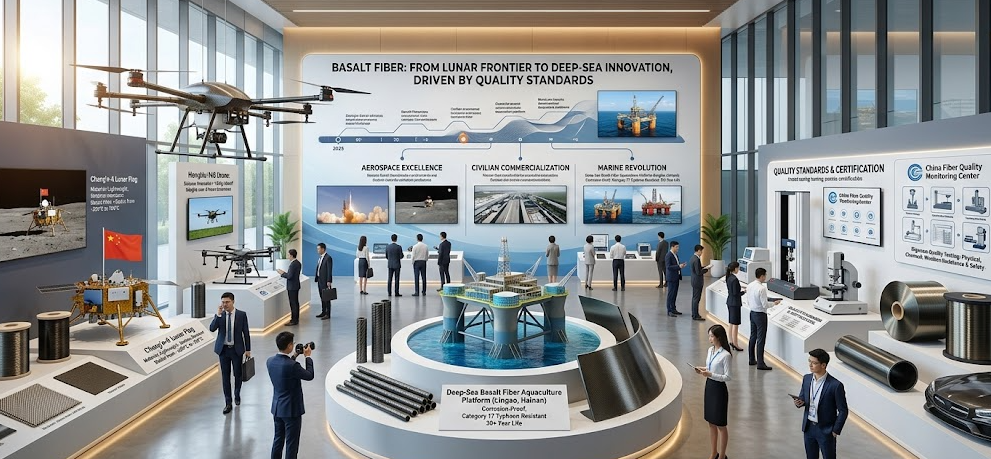
With major applications including the Chang'e-6 lunar exploration mission and the world's first deep-sea basalt fiber aquaculture platform, basalt fiber is rapidly accelerating its transformation from laboratory research into a strategic new material.
Full Product Range