Leave Your Message
0%

When it comes to airport runways, designing them right is kind of a big deal for smooth air travel. Just thinking about it, there are so many factors to weigh — safety, efficiency, making sure everything runs smoothly. A well-thought-out runway can really boost how many planes an airport can handle and cut down on delays. But honestly, nailing that perfect balance? Not always easy, and it can get pretty tricky.

Getting a handle on what materials are used to build runways is super important too. Not all surfaces are created equal, especially when weather throws a wrench in the works. Folks buying or planning a runway need to understand the ups and downs of asphalt versus concrete — each choice impacts how long the runway lasts and what kind of maintenance it’ll need over time.

It’s also a smart move to team up with experienced pros — engineers, aviation experts, folks who really know their stuff. They can help navigate all the complicated decision-making. Plus, paying attention to how air traffic patterns are changing can lead to smarter, more future-proof designs. Skimping on planning could end up costing a pretty penny down the line. All in all, spending a bit more time understanding how Airport Runways work really pays off in the end when it comes to smooth operations and success.

Top Airport Runway Design Considerations for Global Buyers?

Key Factors Influencing Airport Runway Length Requirements

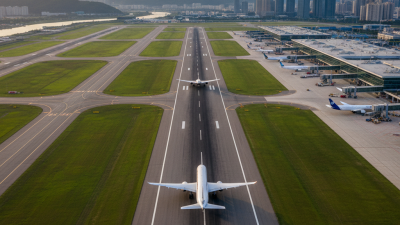
When designing airport runways, understanding the key factors that influence runway length is crucial. According to a report by the International Civil Aviation Organization (ICAO), runway length directly impacts the safety and efficiency of airport operations. Key elements include aircraft type, altitude, and climate.

Different aircraft require varied runway lengths for takeoff and landing. For example, larger aircraft need longer distances for safe operation. High altitude airports often demand longer runways due to thinner air. This affects lift and could lead to increased safety risks. Climate factors, such as temperature and wind patterns, also play a significant role. High temperatures can reduce lift, requiring additional runway length.

Tip: When planning a runway, analyze the mix of aircraft types that will utilize the facility. This assessment should factor in peak traffic hours and seasonal variations.

Another factor influencing runway length is regulatory compliance. Local aviation authorities may impose standards based on safety analyses. Collaboration with these authorities is essential to ensure that designs meet all regulatory requirements. In some instances, existing land constraints challenge the desired runway lengths.

Tip: Engage with local authorities early in the planning phase. This cooperation can help overcome potential design obstacles down the line.

Considering these factors can lead to a more functional and safer airport design. Evaluating these elements holistically is vital for effective planning and execution.

Impact of Air Traffic Patterns on Runway Design

Top Airport Runway Design Considerations for Global Buyers?

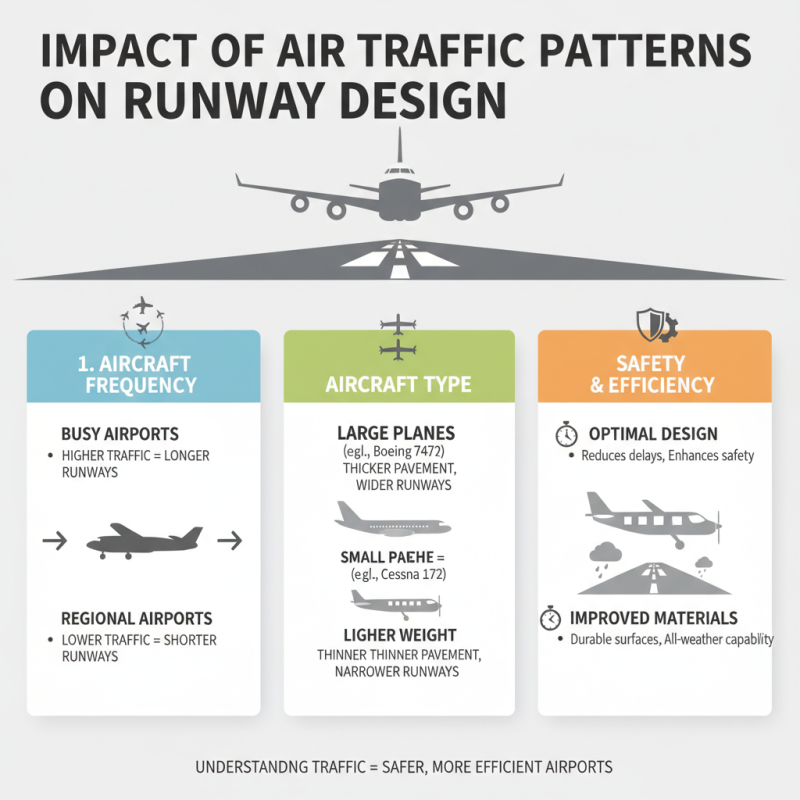
When designing airport runways, air traffic patterns play a crucial role. Understanding these patterns helps ensure safety and efficiency. The frequency and type of aircraft using the runway can affect its length, width, and surface materials. For instance, busy airports may require longer runways to accommodate larger planes, while regional airports can operate effectively with shorter ones.

Tips: Analyze existing traffic data before finalizing designs. This analysis helps predict peak hours and peak types of aircraft. Furthermore, consider weather conditions that may impact traffic patterns. Variations in wind and rain influence how runways should be oriented and constructed.

Attention to air traffic variability is vital. Traffic patterns are dynamic and can change due to various factors. Runway design must be adaptable to accommodate these changes. Consider the irregularities; what works today may not work tomorrow. Engage with aviation experts regularly to reassess designs based on new traffic data.

Understanding Surface Materials and Their Durability in Runway Construction

Top Airport Runway Design Considerations for Global Buyers?

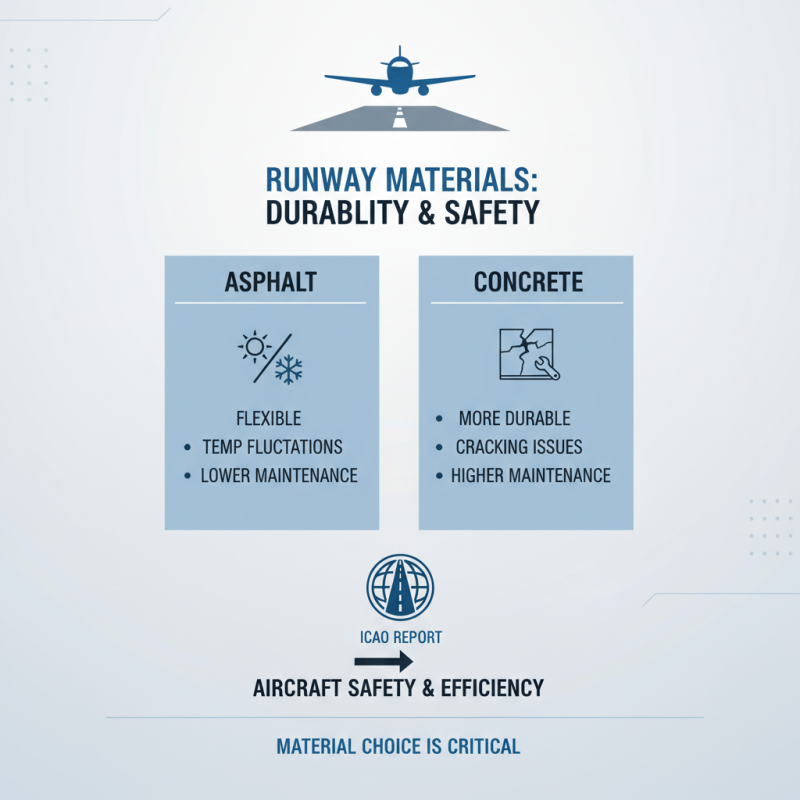
When crafting airport runways, the choice of surface materials is paramount. Different materials provide varying levels of durability, safety, and maintenance needs. For instance, asphalt is known for its flexibility, making it ideal for climates with temperature fluctuations. Concrete, while often more Durable, can present challenges in maintenance, especially in regions prone to cracking. According to a report by the International Civil Aviation Organization (ICAO), runway surface quality directly impacts aircraft safety and operational efficiency. This makes understanding material properties critical.

Additionally, the lifespan of runway materials can differ significantly. A recent study indicates that asphalt runways typically last about 15-20 years, while concrete can extend up to 30 years with proper care. However, this durability can be compromised by environmental factors. Heavy rainfall, freeze-thaw cycles, and even heavy aircraft traffic can accelerate wear. Thus, buyers need to meticulously evaluate local conditions before selecting a runway surface.

Innovation in materials is also an area of reflection. Some new products claim longer lifespans and better resistance to wear, yet they lack extensive testing. It raises questions about their long-term reliability. Buyers must balance promising advancements with proven solutions. Understanding these nuances in runway surface materials is critical for making informed choices in airport Construction.

Safety Margins: Analyzing Load Capacity and Weight Limits

When designing airport runways, safety margins play a crucial role. Load capacity and weight limits are essential factors. The FAA reports that the minimum dimension for a standard runway is 3,600 feet in length to accommodate larger aircraft. However, understanding the specific load each runway can bear is vital. Runways must support the combined weight of airplanes during landing, takeoff, and taxiing.

In practice, many airports underestimate the effects of runway surface conditions on load capacity. For example, wet or snowy surfaces can dramatically reduce the friction available, thus increasing ongoing wear and potential for accidents. Regular maintenance and surface assessment are critical.

**Tip:** Incorporate advanced tracking systems to monitor runway conditions in real-time.

Every airport has different requirements based on aircraft types and traffic volumes. The ICAO emphasizes that runways should be designed with a safety margin of at least 15% above the maximum takeoff weight of the aircraft to avoid structural failures. Adding to the complexity, differing regulations across regions may impact runway design decisions and increase costs.

**Tip:** Collaborate with aviation experts to understand your unique needs.

Balancing weight limits with operational demands is an ongoing challenge. Airports must engage in continuous assessment to align structural capabilities with current aviation trends. Weight limits may shift as aircraft designs evolve, highlighting the need for adaptive planning in runway design.

Regulatory Compliance: ICAO Standards for Global Airport Runways

When designing airport runways, regulatory compliance is paramount. Adhering to International Civil Aviation Organization (ICAO) standards ensures safety and operational efficiency. These standards mandate specific runway dimensions, surface materials, and weight-bearing capacities. Compliance can mitigate risks related to accidents and enhance the overall functionality of the airport.

Runway design also considers meteorological factors. Wind patterns and weather conditions impact aircraft performance. ICAO guidelines suggest adapting runway orientation to predominant wind directions. This adaptation can reduce crosswind issues during takeoffs and landings. However, designing with environmental factors in mind can be challenging. Architects often need to balance aesthetics and functionality, making trade-offs that could affect usability.

Moreover, while ICAO standards provide a framework, local conditions and community needs must be addressed. Involving stakeholders early can yield valuable insights. Airports may face pushback from local communities regarding noise or environmental impact. Ensuring runway designs respect community concerns is essential, but it can complicate the design process. This tension between regulatory compliance and local expectations is an ongoing challenge in airport development.

Weather Considerations: Designing Runways for Diverse Climates

Designing runways for diverse climates involves a thorough understanding of various weather conditions. For instance, airports in tropical regions must account for heavy rainfall and strong winds. The materials used for runway surfaces need to withstand moisture. High-friction surfaces can prevent hydroplaning during wet conditions, ensuring safety for aircraft during takeoff and landing.

In contrast, airports located in snowy regions face different challenges. Snow and ice can drastically reduce runway visibility and traction. Designing effective drainage systems is crucial to prevent ice formation. De-icing procedures must be in place, along with snow removal plans. Each climate presents unique considerations that influence design choices and operational efficiency.

Runway design is not a one-size-fits-all solution. There are case studies that show failures due to inadequate climate planning. Reflections on past runway designs reveal the importance of adapting to specific weather patterns. Continuous monitoring and adaptation are essential for maintaining safety in different climates.

Top Airport Runway Weather Considerations

Technological Advancements in Runway Lighting and Navigation Systems

In recent years, advancements in runway lighting and navigation systems have transformed airport operations. Modern runway lights come equipped with LED technology. This offers energy efficiency and longer-lasting performance. According to industry reports, airports can save up to 75% in energy costs by switching to LED lights. Moreover, these systems enhance visibility during adverse weather conditions, ensuring safety and efficiency.

Global air traffic continues to grow, with projections indicating an increase to over 10 billion passengers by 2040. This surge demands innovative navigation solutions. New systems, like precision approach paths, allow aircraft to land with greater accuracy. This reduces the risk of accidents and minimizes delays. Yet, installation can be costly, often requiring significant capital investments.

Innovation does not come without challenges. Many airports face issues with outdated equipment, which may hinder the integration of new technologies. Ensuring compatibility between old and new systems is crucial for smooth transitions. As technology evolves, airports must stay updated to avoid operational inefficiencies. Investing in modern navigation systems is necessary for future safety and efficiency.

Top Airport Runway Design Considerations for Global Buyers

Consideration Description Technological Advancement Impact
Runway Length Determining the required length based on aircraft type and climate Advanced modeling software for accurate simulations Improves safety and efficiency during takeoff and landing
Surface Materials Choosing materials that withstand weather and wear Use of composite materials with enhanced durability Reduces maintenance costs and extends lifespan
Draining Systems Efficient drainage to avoid water accumulation Innovative drainage technology and design Minimizing delays due to adverse weather conditions
Runway Lighting Effective lighting for night operations and low visibility LED lighting systems with adaptive brightness Enhances visibility and reduces energy consumption
Navigation Systems Systems that guide pilots during approach and landing Integration of satellite-based navigation and automation Increases landing precision and reduces human error
Safety Zones Designated areas around runways for emergencies Advanced simulation tools for safety assessments Improves risk management and safety responses

FAQS

: What is the minimum runway length for larger aircraft?

: The standard runway length is 3,600 feet according to aviation guidelines.

How do surface conditions affect runway load capacity?

Wet or snowy surfaces reduce friction, increasing wear and accident potential.

Why is regular maintenance important for runways?

It ensures that runways support the weight of aircraft safely during all operations.

What safety margin should runways maintain?

A safety margin of at least 15% above the maximum takeoff weight is recommended.

How do evolving aircraft designs influence runway requirements?

Weight limits may change, necessitating adaptive planning in runway design to meet new needs.

What benefits do modern runway lights provide?

LED lights are energy-efficient and improve visibility, especially in poor weather conditions.

What challenge do airports face when upgrading technology?

Outdated equipment can hinder the integration of new lighting and navigation systems.

What role does technology play in handling growing air traffic?

Innovative navigation solutions, like precision approach paths, enhance landing accuracy and safety.

Is the investment in new systems always straightforward?

Installation can be costly and may require significant capital, complicating decisions.

How can airports ensure operational efficiency after technology upgrades?

Compatibility between old and new systems must be ensured to facilitate smooth transitions.

Conclusion

When designing Airport Runways, several key considerations must be taken into account to meet the demands of global air travel. The length requirements of runways are influenced by various factors, including the types of aircraft anticipated to use the airport and prevailing air traffic patterns. Additionally, understanding the durability of surface materials is crucial for maintaining operational safety and performance.

Regulatory compliance, particularly with ICAO standards, plays a vital role in ensuring that Airport Runways can accommodate the necessary load capacity and weight limits. Safety margins are essential, as they determine the structural integrity of the runway. Furthermore, designers must factor in climatic conditions to optimize runway performance in diverse weather scenarios. Lastly, technological advancements in runway lighting and navigation systems enhance safety and efficiency, making modern airport runways more sophisticated and reliable for global travelers.

Blog Tags:

Isabella

Isabella

Isabella is a dedicated marketing professional at Jiujiang Beihai Fiberglass Co., Ltd. (Project Four), specializing in promoting the company's diverse range of high-quality fiberglass products. With a deep understanding of the industry and a passion for innovation, she plays a vital role in driving......
Previous What are the Benefits of Using Basalt Fiber Fabric in Industries?