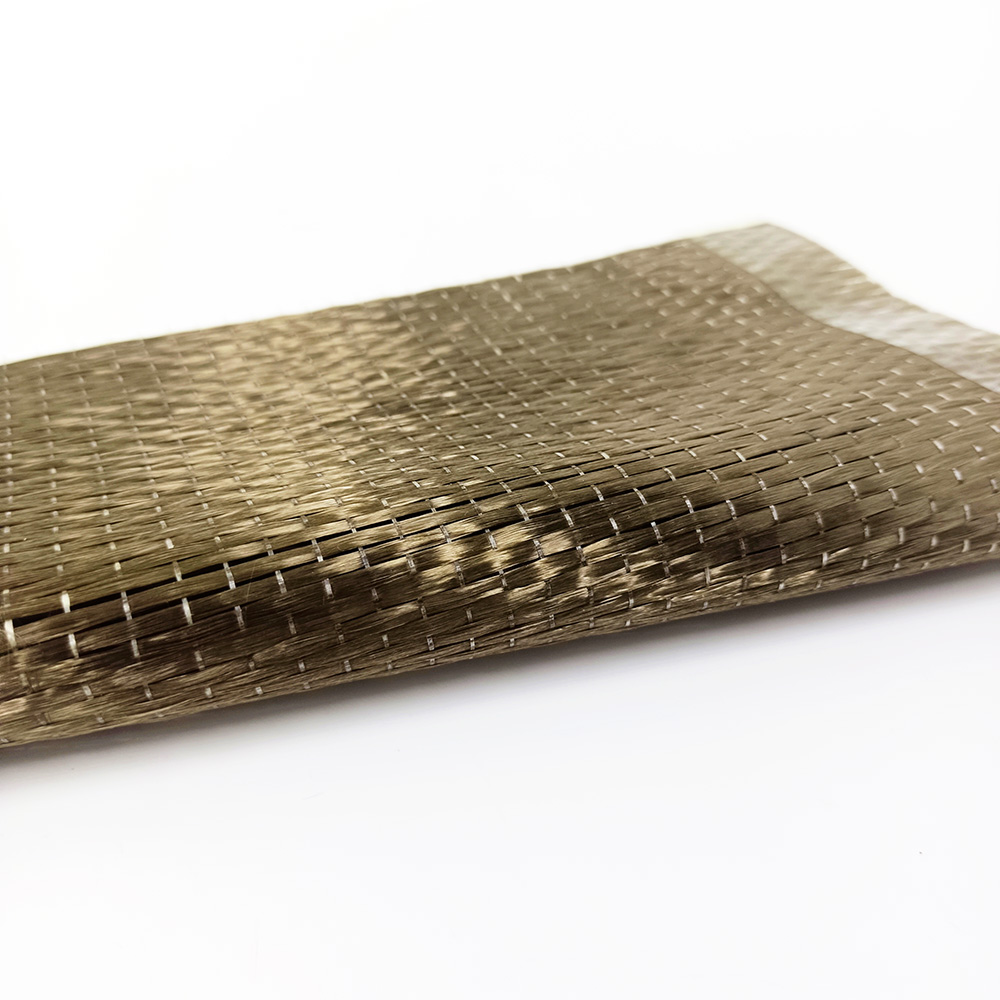
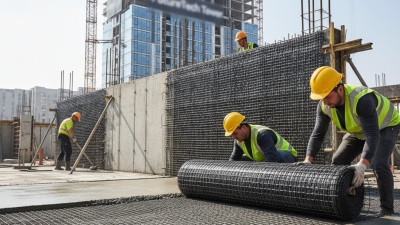
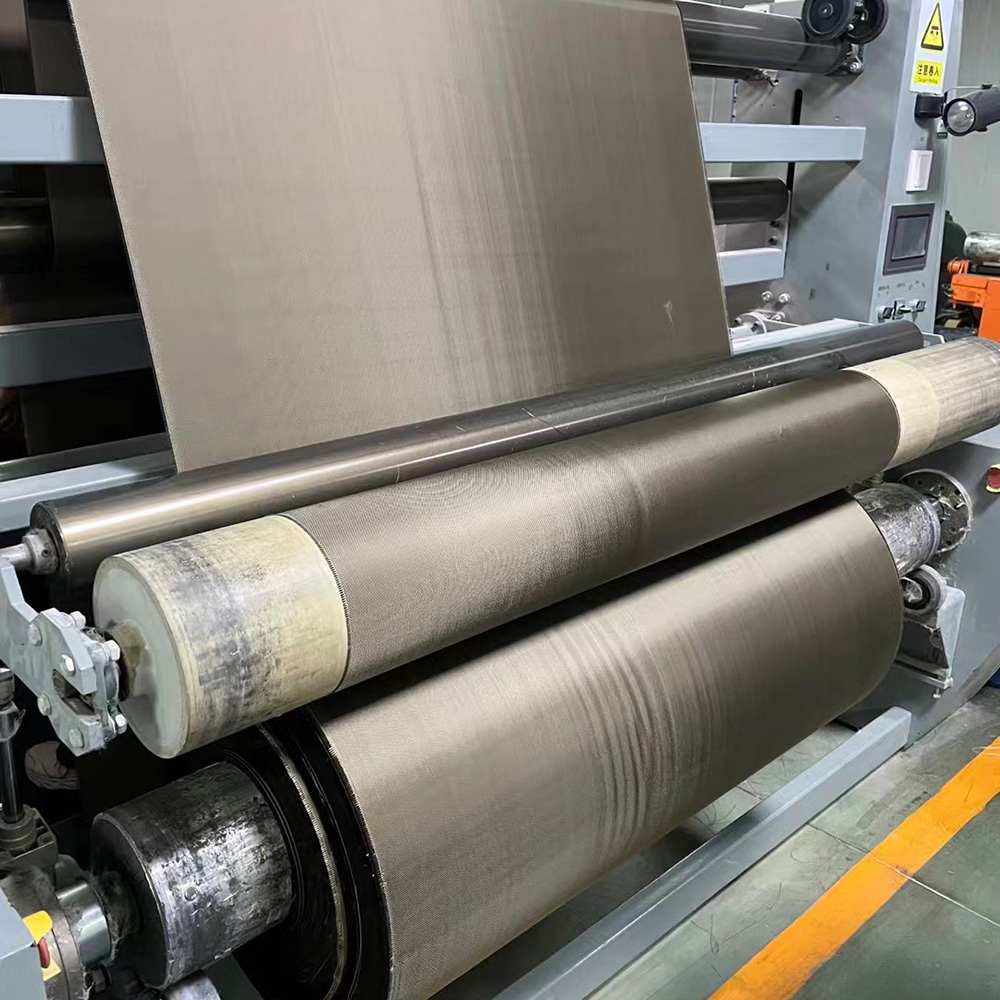
Industries are always on the lookout for new, innovative materials to boost their products and streamline their processes. One material that's been catching quite a bit of attention lately is Basalt Fiber Fabric. Honestly, it feels like we're entering a new era in construction and manufacturing thanks to its unique properties. It’s super Lightweight but incredibly strong, and it can resist various elements—all pretty impressive perks that make it appealing across many sectors. Companies like GFRP Technology are really pushing forward by incorporating Basalt Fiber Fabric into building reinforcements, and it’s exciting to see where it’s headed.
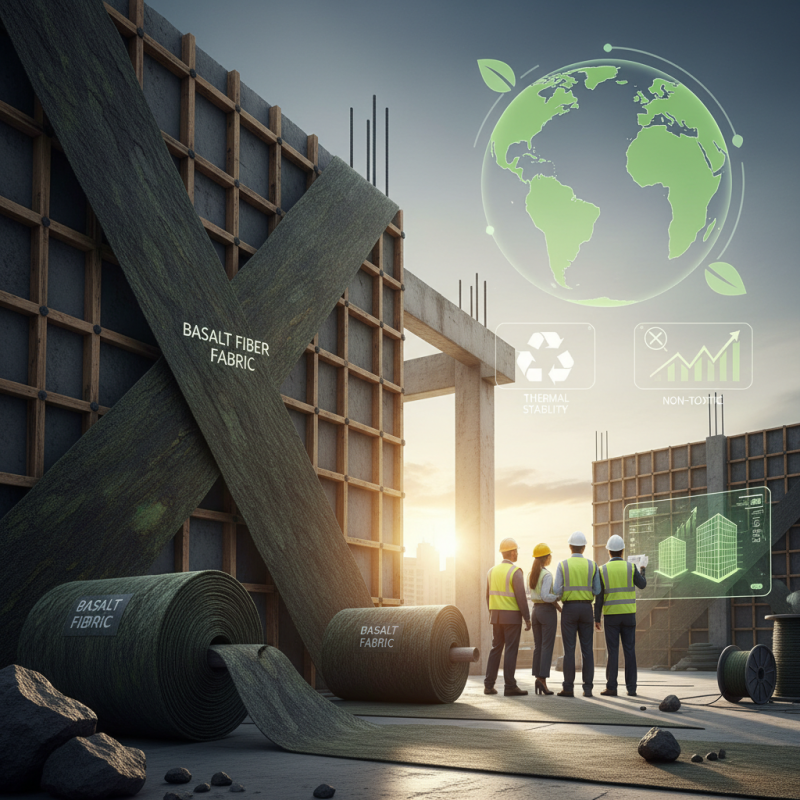
But, you know, the benefits of Basalt Fiber Fabric aren’t just about its physical traits. It’s environmentally friendly, offers good thermal stability, and is non-toxic—making it a safer choice, especially for environments where safety matters a lot. As more industries focus on sustainability, this material kind of ticks all the boxes for greener solutions. That being said, since it’s still relatively new on the scene, there’s a lot we don’t quite know yet, especially about how it performs over the long haul.
Many industries are already starting to adopt Basalt Fiber Fabric, but it’s not a decision to take lightly. There are still some hurdles to jump—things like cost and the processes involved in working with it. Getting a good grasp on these factors is pretty important if companies want to make smart, informed choices. As more research is done and its applications grow, I think we’ll see this material playing an even bigger role in modern building and manufacturing. It’s an exciting time, for sure.
Benefits of Basalt Fiber Fabric in Industrial Applications
Basalt Fiber Fabricis gaining traction in various industrial applications due to its outstanding properties. This material, made from volcanic rock, exhibits a high tensile strength of up to 300 MPa. It also boasts excellent thermal resistance, withstand temperatures of more than 800°C. Such characteristics make Basalt Fiber Fabric ideal for use in construction, automotive, and Aerospace industries.
Industries are increasingly adopting Basalt Fiber Fabric to enhance durability and performance. According to a report by Mordor Intelligence, the global basalt fiber market is projected to grow from $200 million in 2021 to around $500 million by 2026. This growth is driven by the need for lightweight and strong materials. Additionally, Basalt Fiber Fabric has a lower environmental impact compared to conventional fiberglass. It does not require any chemical additives, making it a sustainable choice for modern manufacturing.
While Basalt Fiber Fabric offers significant advantages, challenges remain. Its production can be costly and less scalable than existing alternatives. Industries may need to invest in better processing technologies to fully leverage its potential. Understanding these limitations is essential for companies considering this innovative material. Balancing cost and performance will be crucial for widespread adoption in diverse applications.
Durability and Strength of Basalt Fiber Fabric Compared to Other Materials
Basalt fiber fabric presents notable advantages in terms of durability and strength, especially compared to traditional materials like fiberglass and carbon fiber. According to a report from the Composites Research Institute, basalt fibers can withstand temperatures up to 1600°C without significant degradation. This makes them suitable for environments that demand high heat resistance.
Moreover, basalt fiber fabric exhibits superior tensile strength, performing about 50% better than fiberglass. This strength translates to less material needed for the same load-bearing applications. For instance, in construction, a lightweight fabric like “Golden Basalt Fiber Fabric For Fireproof Surfacing Tissue” can enhance structural integrity while providing fireproof qualities.
While basalt fibers are impressive, there are challenges. Production costs can be high, and the technology isn’t as widespread, which affects availability. Additionally, industrial adoption is still in its early stages, leading to misconceptions about performance. Engineers are advised to evaluate these factors thoroughly.
Lightweight Properties of Basalt Fiber and Its Impact on Industrial Design
Basalt fiber fabric is gaining attention in various industries due to its lightweight properties. With a density significantly lower than traditional materials, basalt fiber offers ease in handling and application. The lightweight nature can reduce the overall weight of structures, leading to enhanced energy efficiency. According to a 2023 report by the Composites Industry Association, components made from basalt fiber can reduce weight by up to 20% compared to steel.
In industrial design, using Basalt Fiber Biaxial Fabric allows for innovative approaches to product development. The reduced weight does not compromise strength; in fact, basalt fibers boast high tensile strength and durability. This is particularly beneficial in construction and automotive industries, where material performance is critical. For instance, structures reinforced with basalt fibers can withstand extreme conditions while being lighter. However, the high initial cost of basalt fiber compared to conventional options could pose a challenge for wider adoption.
Moreover, while the environmental benefits of basalt fibers are substantial — they are made from natural volcanic rock and are recyclable — the production process still requires energy. A careful analysis reveals that companies must weigh the environmental impact and cost against the advantages of using basalt fiber in industrial applications. This ongoing need for reflection ensures that industries continually evolve in their material choices.
Eco-Friendliness: The Sustainable Advantages of Basalt Fiber Fabric
Basalt Fiber Fabric Cloth stands out for its eco-friendliness. Made from natural volcanic rock, it requires less energy to produce compared to synthetic fibers. This results in a lower carbon footprint, which is crucial for our planet. Basalt fibers are fully recyclable. Once their lifespan ends, they can be repurposed without harming the environment.
Using basalt fiber also means less reliance on petrochemicals. Many traditional fibers come from non-renewable resources that can harm ecosystems. In contrast, basalt fiber fabric cloth promotes sustainability. Its resistance to heat and chemicals makes it durable. Industries can benefit from reduced waste and longer product life cycles.
Tips: Consider sourcing basalt fiber fabric for construction and automotive applications. It's not only a smart choice but aligns with eco-friendly goals. While the initial costs may seem higher, the long-term savings in durability and performance can outweigh these concerns. Reflect on how shifting to basalt fibers can impact your environmental footprint positively. Transitioning materials can be daunting, but the benefits speak volumes for our collective future.
Benefits of Using Basalt Fiber Fabric in Industries
Cost-Effectiveness of Basalt Fiber Fabric in Long-Term Industrial Use
Basalt fiber fabric presents a promising cost-effective option for various industries. Its unique properties, such as high tensile strength and thermal resistance, make it ideal for demanding environments. Unlike traditional materials, basalt fiber can withstand extreme temperatures without degrading. This durability makes it a wise choice for long-term use.
Initial investments in basalt fiber may be higher than some alternatives. However, when considering the lifespan and reduced maintenance costs, it becomes a smart financial decision. Companies can decrease data loss, breakdowns, and repairs. This shift can lead to substantial savings in operational budgets over time.
Many industries are starting to recognize these advantages. For example, aerospace and automotive manufacturers are exploring basalt fiber applications. However, the transition requires careful consideration. Some may find it challenging to scale usage. Adjustments in production lines may be necessary. Despite these hurdles, the potential long-term benefits of basalt fiber fabric cannot be overlooked.
Thermal and Chemical Resistance of Basalt Fiber in Industrial Settings
Basalt fiber fabric has gained significant attention in various industries, primarily due to its impressive thermal and chemical resistance. This fabric can withstand high temperatures, making it ideal for applications in environments where heat is a constant threat. For instance, industrial processes such as metal casting and glass manufacturing benefit greatly from the heat insulating properties of basalt fiber. With a melting point around 1,000 degrees Celsius, it serves as a robust barrier against thermal degradation.
In terms of chemical resistance, basalt fiber exhibits remarkable durability against a wide range of corrosive substances. Unlike glass or synthetic fibers, it does not degrade when exposed to acids or alkalis. This quality is particularly crucial in industries like petrochemicals, where equipment often encounters harsh chemicals. Moreover, basalt fiber's resistance to moisture helps prevent rust and decay, especially in construction settings where longevity is essential.
While the advantages are clear, there are some areas worth reflecting upon. The scalability of basalt fiber production can be challenging. Existing facilities may struggle to meet rising demands without significant investment. Additionally, while the fabric shows resilience, its mechanical properties can vary based on manufacturing techniques. Balancing quality and cost remains a point of contention for manufacturers looking to adopt basalt fiber solutions.
Benefits of Using Basalt Fiber Fabric in Industries
| Benefits | Description |
| Thermal Resistance | Basalt fiber can withstand high temperatures up to 1000°C, making it ideal for applications in high-heat environments. |
| Chemical Resistance | Resistant to a wide range of chemicals, including acids and alkalis, which extends its longevity and usability in various industries. |
| Lightweight | Basalt fiber is significantly lighter than steel and other traditional materials, reducing transportation costs and labor efforts. |
| Environmental Sustainability | Made from natural materials, basalt fiber is eco-friendly and recyclable, contributing to sustainable industrial practices. |
| High Tensile Strength | Exhibits excellent tensile strength, making it suitable for structures that require robust support and durability. |
| Non-flammability | Basalt fiber is non-flammable, providing safety advantages in construction and manufacturing environments. |
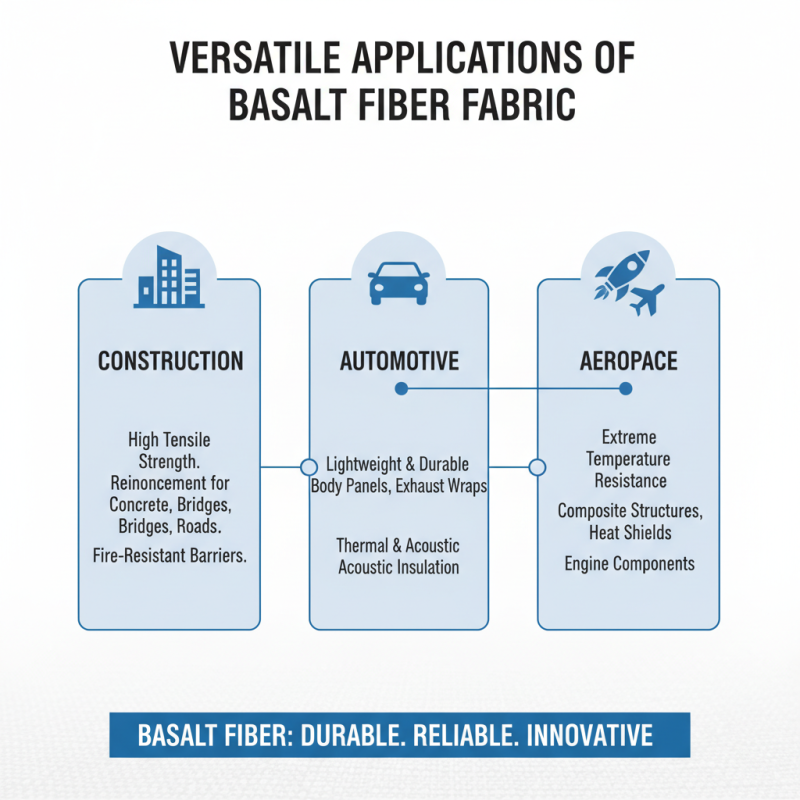
Versatile Applications of Basalt Fiber Fabric Across Various Industries
Basalt fiber fabric is gaining traction in various industries, thanks to its unique properties. Industries such as construction, automotive, and aerospace are embracing its benefits. Basalt fibers are known for their high tensile strength and resistance to extreme temperatures. This makes them an excellent choice for durable and reliable applications.
In construction, basalt fiber fabric is used in concrete reinforcement. It enhances the structural integrity of buildings and bridges. The lightweight nature of basalt fibers allows for easier handling and application. In the automotive industry, these fabrics contribute to lighter vehicles, improving fuel efficiency. They also resist corrosion, which extends the lifespan of automotive parts.
The aerospace sector benefits from basalt fiber’s high-performance characteristics. It offers thermal resistance while remaining lightweight, critical for aircraft components. However, the use of basalt fiber is still not widespread. Some manufacturers remain hesitant due to limited awareness and higher initial costs compared to traditional materials. This indicates a need for more education in the industry about the advantages of basalt fiber.
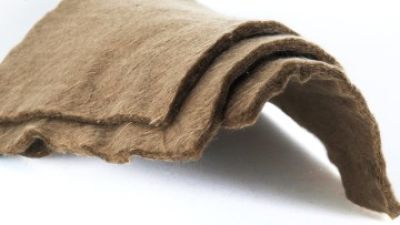
Innovative Heat Insulation Solutions: Exploring the Benefits of Basalt Fiber Needle Mats
Basalt fiber needle mats represent a groundbreaking development in heat insulation technology, offering a multitude of benefits that are increasingly recognized across various industries. The unique composition of these mats, made from finely drawn basalt fibers, provides exceptional thermal resistance while maintaining lightweight and flexible characteristics. Through processes such as needle punching and impregnation, the mats are engineered to create numerous microscopic air pockets. This structural complexity significantly enhances their insulation properties, allowing them to effectively reduce heat transfer.
Beyond thermal insulation, basalt fiber needle mats excel in other areas such as sound absorption and flame retardancy. Their natural composition means they do not require any adhesives, making them a safer and more environmentally friendly option for insulation. The high-temperature resistance of basalt fibers also makes these mats suitable for applications in extreme environments, where traditional insulating materials may fail. As industries seek sustainable and efficient solutions for energy conservation and safety, basalt fiber needle mats are quickly emerging as a go-to choice for modern insulation needs.
FAQS
: It is made from volcanic rock, offering unique properties for industrial use.
Its tensile strength can reach up to 300 MPa, making it very strong.
It withstands temperatures exceeding 800°C, enhancing its durability in extreme environments.
Industries seek to enhance durability and performance while reducing environmental impact.
The global basalt fiber market may grow from $200 million in 2021 to roughly $500 million by 2026.
Its production can be costly and less scalable than traditional materials.
They can reduce weight by up to 20% compared to steel.
While it is made from natural rock and recyclable, energy is still needed in the production process.
They must balance cost and performance while evaluating the material's environmental impact.
No, it maintains high tensile strength while offering lightweight properties.
Conclusion
Basalt Fiber Fabric offers numerous advantages in various industrial applications. Known for its remarkable durability and strength, it surpasses many conventional materials, making it an ideal choice for demanding environments. Its lightweight properties further enhance its appeal, allowing for more efficient industrial design and reduced transportation costs. Additionally, Basalt Fiber Fabric is eco-friendly, providing sustainable solutions that align with contemporary environmental standards.
The cost-effectiveness of Basalt Fiber Fabric shines in long-term usage, as its longevity translates to reduced maintenance and replacement expenses. Furthermore, its excellent thermal and chemical resistance means it can withstand harsh industrial settings, ensuring reliability and safety. With versatile applications across different sectors, Basalt Fiber Fabric is emerging as a go-to material that meets the diverse needs of modern industries.