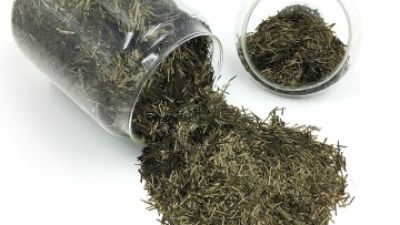
You know how quickly the Construction world keeps changing, right? Well, one thing that's really gaining momentum lately isBasalt Chopped. Folks in the industry agree that it’s pretty impressive — Durable, good-looking, and versatile. Dr. Emily Johnson, a top expert in material science at Global Stone Solutions, even says, "The future of building materials is all about innovative stuff like Basalt Chopped." Sounds promising, doesn’t it?
As we edge closer to 2026, everyone involved is turning their attention toward finding the best quality Basalt Chopped out there. The process of sourcing it can get pretty intense, and honestly, it’s crucial. Companies really need to scrutinize their suppliers carefully. Things like quality control and environmental impact aren’t just buzzwords — they’re key. But here’s the thing: not all products on the market meet those high standards, so sifting through options can feel overwhelming.
Looking back at how things have been, it’s clear there’ve been some gaps—like inconsistent quality and a lack of transparency—that made navigating the market tricky. Moving forward, companies need to learn from those past lessons. Building real trust takes time, but it’s totally necessary if they want long-term relationships. The companies that truly focus on quality and integrity in their Basalt Chopped offerings are the ones that are gonna lead the way in this evolving market.

Best Basalt Types for Global Buyers in 2026
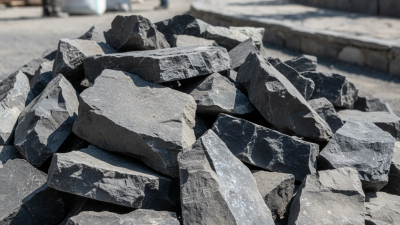
In 2026, global buyers are increasingly focusing on the best basalt types. The versatility of basalt makes it a desirable choice in various industries. Features like durability and heat resistance position basalt as a prime candidate for construction and manufacturing.
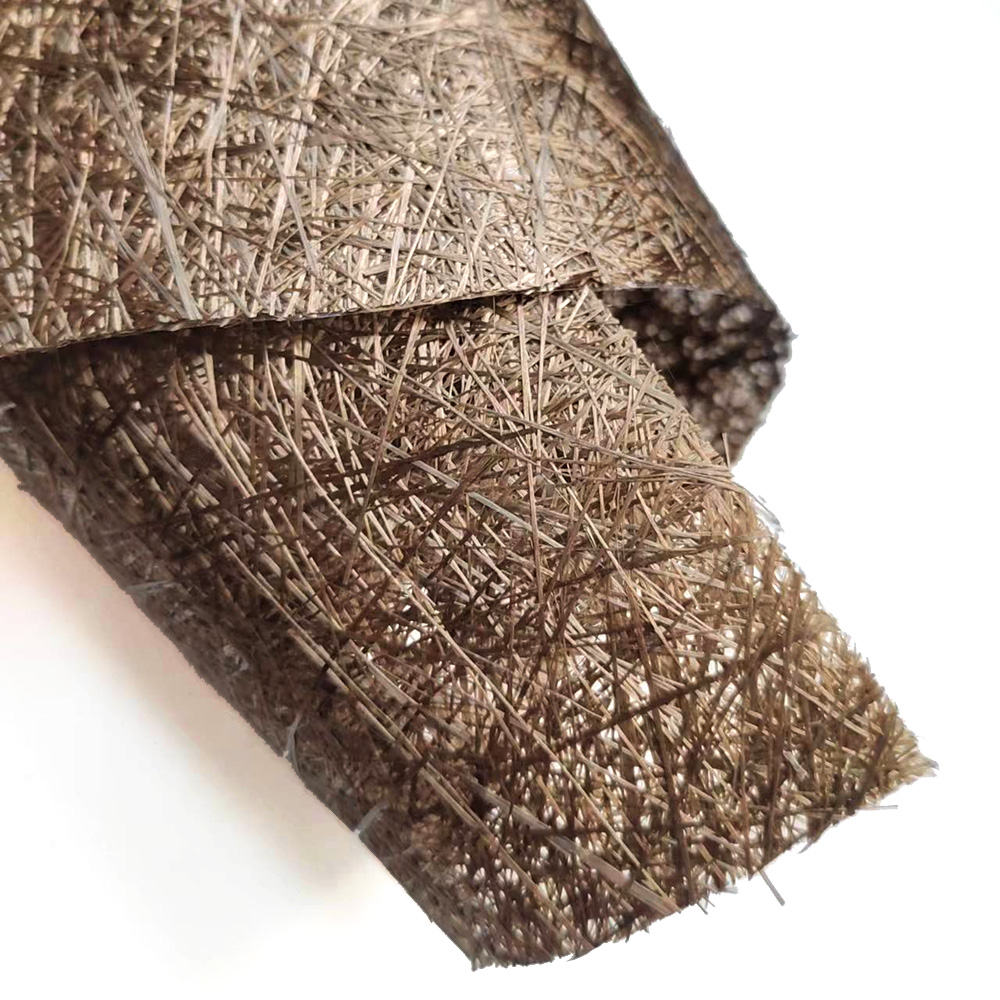
One of the most sought-after forms is Basalt Chopped Strands. These strands are lightweight yet strong, ideal for composite materials. Their ease of application enhances efficiency in production. Yet, not all basalt types guarantee the same quality. Some may not meet industry standards.
Buyers must consider several factors when selecting basalt. Factors include source durability, processing techniques, and environmental impact. Making informed decisions is key. Understanding these aspects can lead to better outcomes. Ensure suppliers provide transparency about their materials. The right choice can significantly affect product performance.
Key Factors Influencing Basalt Chopped Demand Worldwide
The demand for Basalt Chopped Yarn is on the rise globally. Several key factors are driving this trend. Environmental awareness plays a significant role. Many industries are shifting towards sustainable materials, and basalt meets this requirement. Being volcanic in origin, it offers natural durability without harmful additives.
Market expansion in construction and automotive sectors is another influence. Basalt Chopped Yarn provides high-performance insulation and lightweight strength. Its unique properties appeal to engineers looking for alternatives to traditional materials. This shift in preferences can reshape supply chains, creating new opportunities for producers.
Economic developments also impact demand. Regions with growing industries seek cost-effective, resilient materials. Adapting to market changes can be challenging. Not all manufacturers can keep up. Some struggle to innovate while maintaining quality. The evolution of the basalt industry requires constant adaptation and reflection.
Top Regions for Basalt Chopped Production and Export
When considering the production and export of basalt chopped, several regions stand out for their contributions. Key players include areas with rich geological formations. These regions often have a combination of advanced technology and skilled labor. Additionally, local governments may provide incentives for basalt production. This support fosters a flourishing industry.
Tips: Networking is essential when exploring basalt sourcing. Attend trade shows to meet potential suppliers. Understand local regulations, as they can vary significantly.
Within the industry, some challenges persist. Quality control remains an issue in many regions. Companies often struggle to maintain consistency due to variations in raw material sourcing. Adapting to market demands also complicates production. Therefore, fostering partnerships with reliable producers is crucial for success.
Tips: Conduct thorough research before entering contracts. Evaluating reviews and case studies can provide insights. Transparency in communication can prevent misunderstandings.
Best Basalt Chopped for Global Buyers in 2026? - Top Regions for Basalt Chopped Production and Export
| Region | Estimated Production (Metric Tons) | Export Volume (Metric Tons) | Main Importing Countries |
| Asia-Pacific | 1,500,000 | 800,000 | USA, Germany, Japan |
| North America | 750,000 | 400,000 | Canada, Mexico, China |
| Europe | 1,200,000 | 600,000 | France, Italy, UK |
| Middle East | 300,000 | 150,000 | UAE, Saudi Arabia, Turkey |
| Africa | 200,000 | 100,000 | South Africa, Nigeria, Kenya |
Comparison of Quality Standards for Basalt Products
When evaluating basalt products for global buyers, the quality standards must be closely examined. Different suppliers often have varying specifications. To ensure that the Basalt Fiber Chopped meets your needs, you should focus on the grading details. Important factors include fiber length, tensile strength, and the consistency of the fibers.
Tip: Always request samples before making a bulk order. This enables you to assess the quality directly. Understanding the certifications that suppliers possess can also shed light on their adherence to international standards. A reliable supplier will usually highlight their quality control processes.
Another crucial aspect is the source of the basalt. Different regions may yield different qualities of basalt, affecting performance in various applications. Buyers should investigate whether the basalt fiber chopped has any impurities that can weaken its structure.
Tip: Compare multiple suppliers to gain insight into acceptable quality levels. It’s beneficial to understand the production process, as this can influence the final product's reliability. Keep in mind that even minor variations in quality can impact your project. Quality assurance and testing are essential steps in the procurement process to avoid future issues.
Market Trends and Forecasts for Basalt Chopped Sales
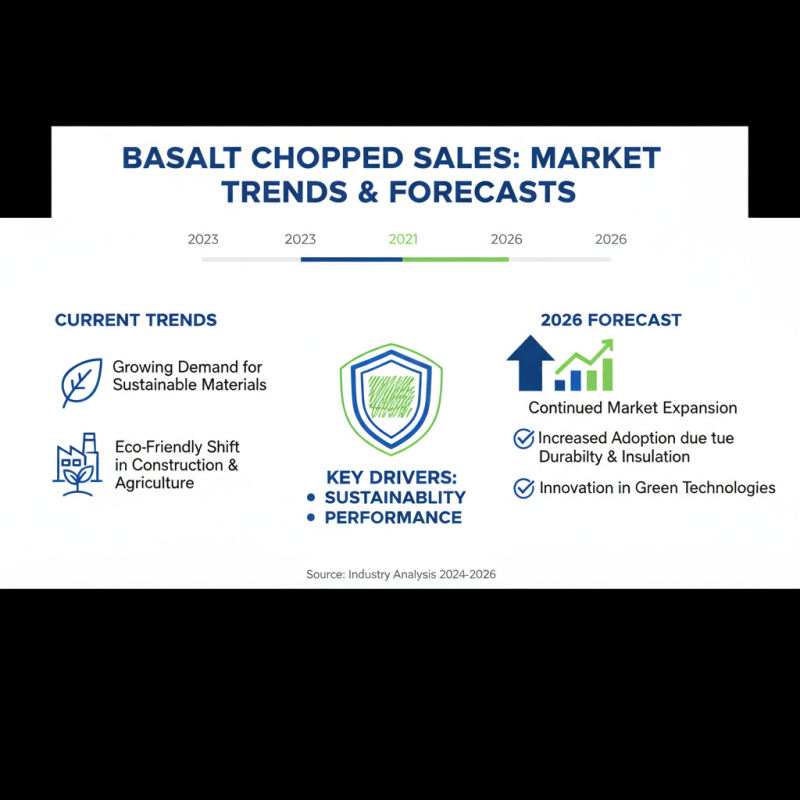
As we look towards 2026, the basalt chopped market is evolving. Growing awareness of sustainable materials drives demand. Many industries, from construction to agriculture, seek eco-friendly options. The unique properties of basalt chopped, such as its durability and insulating abilities, make it appealing.
Market forecasts indicate increasing sales, but challenges arise. Not all suppliers maintain consistent quality. Buyers must scrutinize their sources. Understanding regional variations is vital. Different areas have unique basalt characteristics, affecting performance.
Emerging technologies in processing will shape trends. Automation may enhance efficiency but can also introduce variability. Adopting new techniques might require investments. Companies must balance innovation with cost-effective solutions. This balance will define success in the global marketplace.
Sourcing Strategies for Global Buyers Seeking Basalt
In 2026, global buyers must adopt effective sourcing strategies for basalt. The rising demand is evident, with the Global Basalt Fiber Market projected to grow at a CAGR of 11.5%, reaching $156 million. This data highlights the need for a strategic approach.
When sourcing basalt, consider quality and sustainability. Ensuring reliability in suppliers is critical. Buyers must evaluate certifications and production processes. Understanding the material's origin can significantly influence the product's performance. For instance, Basalt Fiber Chopped Yarn Roving For Pultrusion is increasingly favored for its strength and lightweight properties.
However, challenges may arise in supply chain management. Market fluctuations and resource availability can impact costs and timelines. Buyers should remain adaptable, ready to reassess suppliers based on changing circumstances. Networking within industry forums and attending expos can provide valuable insights. Utilizing these approaches can enhance sourcing strategies for effective procurement in the basalt fiber market.
Sustainability Considerations in Basalt Extraction and Use
Sustainability in basalt extraction is increasingly important. Recent reports show that the demand for basalt fibers grows by 22% annually. This material is favored for its strength and durability. However, the extraction process can have environmental impacts.
Mining basalt often leads to habitat destruction. It can disrupt local ecosystems and biodiversity. The energy required for extraction is considerable. Emissions from transportation further contribute to greenhouse gases. It is vital for the industry to seek eco-friendly practices.
Innovations in processing can reduce these impacts. Many companies are exploring waterless extraction methods. Alternatives, such as recycling basalt, are gaining attention. Conservation efforts can help mitigate some negative effects. The balance between demand and sustainability poses ongoing challenges. Striking this balance will require collaboration across various sectors.
Enhancing Concrete Strength and Durability: The Benefits of High-Tensile Basalt Fiber Chopped Strands in Reinforcement
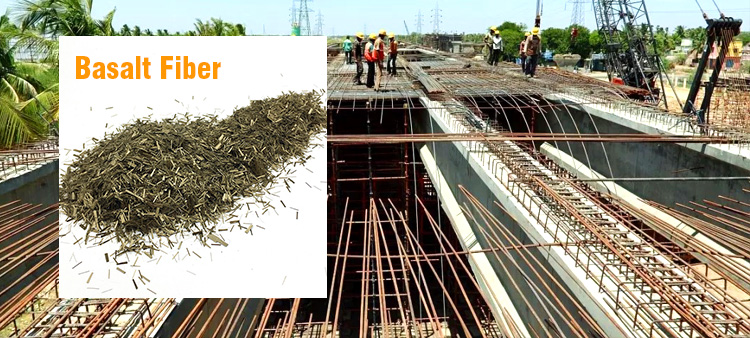
High-tensile basalt fiber chopped strands are emerging as a superior option for enhancing the strength and durability of concrete. Engineered from 100% natural volcanic rock, these strands offer a sustainable and high-performance alternative to traditional reinforcement materials such as E-glass. The unique properties of basalt fibers make them particularly effective in improving performance under various conditions. Their exceptional alkali resistance and thermal stability allow them to maintain structural integrity, even in harsh chemical environments and extreme temperatures ranging from -260°C to 700°C.
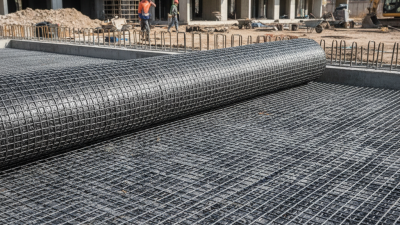
The incorporation of basalt fiber into concrete and mortar not only improves tensile strength but also significantly enhances the overall durability of the material. As these chopped strands resist deterioration caused by aggressive chemicals and environmental factors, they contribute to longer-lasting structures. This makes them an ideal choice for applications in both residential and industrial settings, where the longevity of materials is crucial. Utilizing high-tensile basalt fiber chopped strands ensures that reinforced concrete structures can withstand the test of time and the demands of diverse applications, providing a reliable solution for modern construction challenges.
Conclusion
The article "Best Basalt Chopped for Global Buyers in 2026?" delves into the evolving landscape of basalt products, particularly focusing on the important types of basalt chopped that will be in demand by global buyers in 2026. It highlights key factors influencing the rising demand for basalt chopped, including construction trends and sustainability practices, as well as the top regions recognized for basalt production and exportation.
Furthermore, the article provides a comparative analysis of quality standards for basalt products, along with market trends and sales forecasts that are critical for purchasers. Effective sourcing strategies for global buyers seeking basalt chopped are discussed, ensuring informed decision-making. Lastly, the article emphasizes sustainability considerations in basalt extraction and utilization, aligning the industry's future with eco-friendly practices while meeting market needs.