You know, 3D Basalt Mesh is really starting to catch on across a bunch of industries, thanks to its one-of-a-kind qualities. Experts like Dr. Emily Hart, who's pretty much a go-to authority on composite materials, often talk about how strong it is. She once said, '3D Basalt Mesh completely changes the game when it comes to reinforcing structures.' It’s pretty cool stuff!
With more folks looking for eco-friendly building options, this mesh is definitely standing out. It’s Lightweight but super tough—perfect for construction or even car parts. As more companies jump on the bandwagon, a few suppliers are really leading the way.
But, honestly, picking the right supplier matters a lot. The quality can vary, and that could make or break your project. So, you gotta consider things like how durable the product is and whether the supplier’s reliable. To help you out, I’ve put together a quick rundown of the top three suppliers. They’re all vetted for their expertise, quality, and customer reviews. Each one has its own little edge that makes them stand out in the industry.
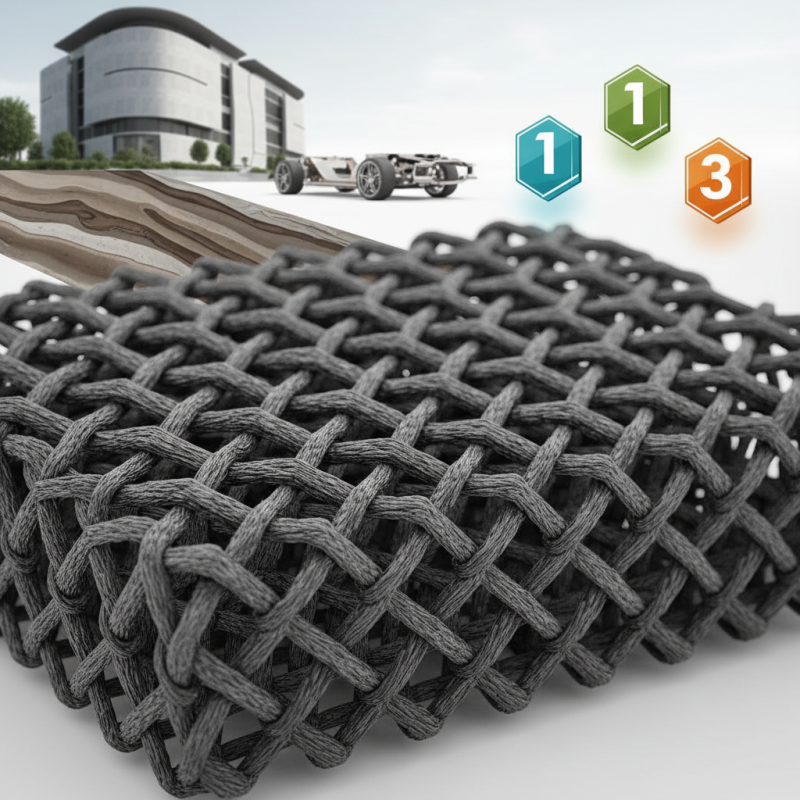
The 3d Basalt Mesh market is evolving rapidly. With increased demand for lightweight yet strong materials, the market is seeing a surge in suppliers. Many companies are investing in advanced technologies to improve their offerings. This competition often leads to better pricing and innovation. Exploring various suppliers can help businesses find the perfect fit for their needs.
Key characteristics of 3D basalt mesh include its durability and resistance to extreme temperatures. This makes it suitable for diverse applications, from construction to aerospace. Suppliers focus on quality control, ensuring that products meet industry standards. However, some companies struggle to maintain consistency, which can affect project outcomes. It is vital for buyers to assess supplier reliability.
Sustainability is becoming a focal point in the 3D basalt mesh industry. As environmental concerns rise, many suppliers aim to reduce their carbon footprint. This shift often clashes with traditional production methods. Companies must find a balance between efficiency and eco-friendliness. Researching suppliers’ practices can guide businesses toward responsible choices.
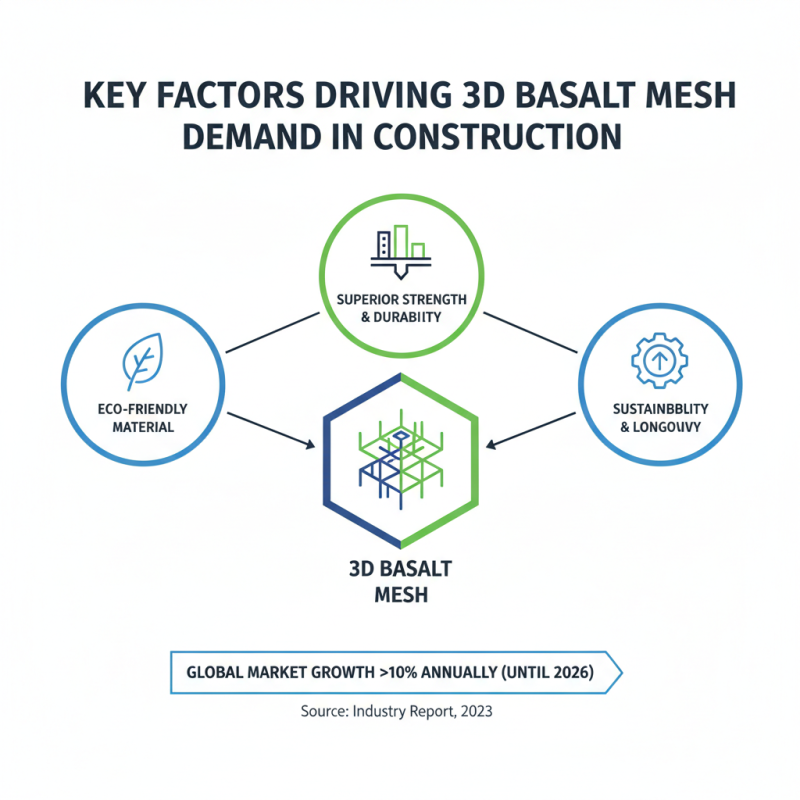
The construction industry is witnessing a surge in the demand for 3D basalt mesh, driven by its unique properties and sustainability. According to a recent industry report, the global basalt fiber market is projected to grow by over 10% annually until 2026. This growth is fueled by the increased focus on eco-friendly materials in construction, which 3D basalt mesh provides.
One reason for this surge in popularity is its excellent strength-to-weight ratio. Basalt mesh can effectively reinforce structures while remaining lightweight. This property reduces transportation costs and support requirements on-site. Additionally, 3D basalt mesh is resistant to extreme temperatures and chemical exposure, making it suitable for various environments.
**Tips:** When considering 3D basalt mesh, evaluate the specific requirements of your project. Not all applications may benefit from 3D mesh. An experienced construction team should oversee the selection process to maximize the benefits of this material.
Another aspect is cost-effectiveness. While initial investments might be higher, the durability of basalt mesh reduces maintenance costs over time. This includes savings on repairs and replacements, especially in harsh conditions. Market analysts emphasize that understanding material lifespans and usage environments will enhance decision-making in construction projects. It’s essential to reflect on how these factors align with your project's goals.
Choosing a 3D basalt mesh supplier requires careful consideration. Quality and performance are paramount. Look for suppliers with proven experience in the industry. A reliable provider should have extensive knowledge of Basalt Fiber Mesh and its applications.
Inspect the materials and manufacturing processes. Transparency in sourcing and production speaks to a supplier’s credibility. Ensure they adhere to industry standards. A reputable supplier should also provide test reports or certifications. Tips: Request samples to evaluate the quality firsthand.
Evaluate customer feedback. Positive reviews indicate reliability. However, be cautious of overly perfect ratings; real feedback often reveals areas for improvement. Additionally, consider their customer service responsiveness. Prompt communication is a sign of a dedicated partner.
Lastly, flexibility in order size and customization options matters. A supplier should be willing to adapt to your specific needs without compromising quality. Finding the right 3D basalt mesh provider is crucial for your project's success.
When comparing 3D basalt mesh to traditional mesh products, several material properties stand out. Basalt fiber exhibits excellent tensile strength, significantly outperforming many conventional materials. A report by the Global Basalt Market states that basalt fibers can withstand up to 3000 psi, which makes them ideal for structural applications.
Another critical aspect is weight. 3D basalt mesh is notably lighter than many traditional options yet maintains superior durability. This lightness can enhance ease of installation. Many contractors prefer lighter materials to reduce labor costs and improve project timelines. However, a lack of extensive industry awareness may hinder adoption in some sectors.
Thermal resistance is another defining factor. Basalt’s thermal stability allows it to withstand higher temperatures without degrading. Traditionally woven meshes often lose strength when exposed to heat, creating potential failure points. Despite these benefits, the initial cost of 3D basalt mesh may deter some users, highlighting a gap between performance and affordability in the market.
The use of 3D Basalt Mesh is transforming various industries. In construction, these innovative materials are known for their strength and resistance to environmental stressors. Recent studies suggest that structures reinforced with Basalt Mesh can outperform those made with traditional materials by up to 30% in durability. This enhancement is vital in creating longer-lasting infrastructure.
In the field of aerospace, the lightweight nature of Basalt Mesh offers unique advantages. It significantly reduces the overall weight of components, which is crucial for fuel efficiency. This characteristic has led some reports to highlight a potential 15% reduction in fuel consumption for certain aircraft, emphasizing the material's impact. However, while promising, the reliability of Basalt Mesh in extreme conditions still requires extensive testing.
Moreover, the automotive industry is exploring the use of Basalt Mesh in electric vehicles. Its thermal resistance helps improve battery safety. Yet, there are challenges in integrating this material into existing designs. Engineers must navigate compatibility issues, which may limit immediate adoption. As industries continue to adopt 3D Basalt Mesh, ongoing research will be necessary to address such concerns effectively.
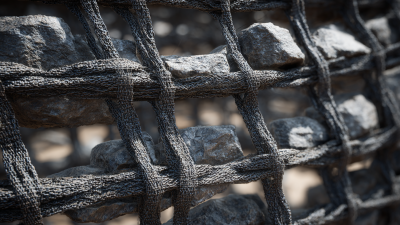
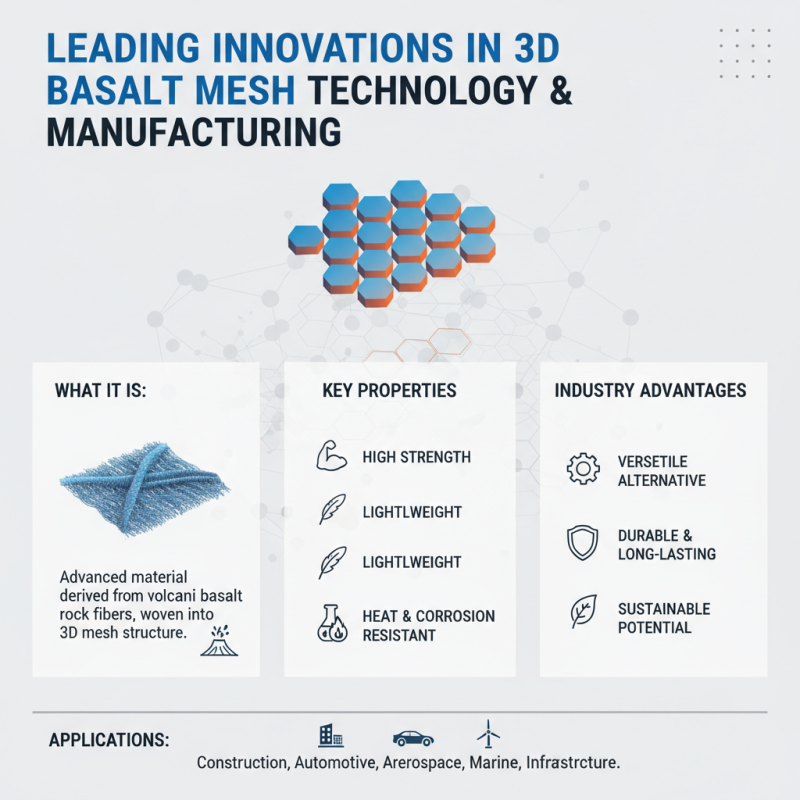
Recent advancements in 3D basalt mesh technology showcase its growing significance in various industries. This innovation stems from the unique properties of basalt fibers. They offer high strength, lightweight characteristics, and excellent resistance to heat and corrosion. These properties make basalt mesh a compelling alternative to traditional materials.
Manufacturing techniques have evolved to enhance performance. Techniques like 3D weaving create intricate mesh structures that ensure tensile strength. Additionally, these processes facilitate better integration with other materials. However, the scalability of these technologies remains a challenge. Not every manufacturer can produce consistent quality at large volumes. This inconsistency can lead to variability in product performance.
There is a strong emphasis on sustainability in the production of basalt mesh. The raw material is abundant and requires less energy to produce than other composites. Nonetheless, the industry must address the recycling aspect. Without proper frameworks, disposing of end-of-life basalt products poses environmental concerns. Exploring innovative solutions is vital in positioning 3D basalt mesh as a leader in sustainable materials.
The 3D basalt mesh industry is experiencing notable growth. A recent market report indicates a projected CAGR of 8% over the next five years. This trend reflects rising demand in construction, automotive, and aerospace sectors. Companies are increasingly adopting Basalt Fibre Mesh for its lightweight and durable properties. These attributes are driving innovation and promoting its use in various applications.
The supply chain for 3D basalt mesh faces challenges. Resource availability and production costs fluctuate significantly, impacting pricing. Furthermore, there is concern over the consistency in quality among suppliers. Data suggest that only 35% of companies currently meet stringent quality control standards. This inconsistency can lead to project delays and increased costs for manufacturers and end-users alike.
Market players are exploring sustainable practices to enhance reliability. Increasing pressure from regulatory bodies may drive this shift. It's crucial for businesses to stay informed about industry standards and technological advancements. Overall, the future of the basalt fibre mesh sector appears promising, but stakeholders must navigate the complexities of supply chain management and quality assurance effectively.
| Supplier Category | Annual Production Capacity (Metric Tons) | Market Share (%) | Geographical Presence | Key Product Features |
|---|---|---|---|---|
| Supplier A | 5000 | 25 | North America, Europe | High tensile strength, lightweight |
| Supplier B | 7000 | 30 | Asia, Europe | Corrosion resistance, eco-friendly |
| Supplier C | 3000 | 20 | North America, Asia | Thermal stability, ease of installation |
| Supplier D | 4000 | 15 | Europe, South America | High durability, customized solutions |
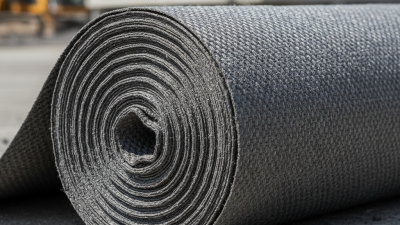
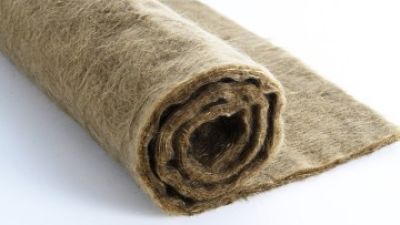
The increasing demand for energy-efficient solutions in construction and manufacturing has led to the exploration of advanced materials that enhance insulation properties. One such innovative solution is the use of basalt fiber needled mats, which offer excellent thermal and acoustic insulation. Made from 100% basalt glass fibers, these mats are designed to withstand extreme temperatures, with a resistance of up to 982°C (1800°F) and a continuous operating temperature of 760°C (1400°F). This remarkable heat resistance makes them ideal for applications in industries where thermal stability is crucial.
The unique needle-punching process used to create these basalt fiber mats results in numerous tiny holes, contributing to their exceptional thermal insulation capabilities. The structure of the mat allows for efficient heat retention, making spaces more energy-efficient and comfortable. Furthermore, basalt fibers are not only thermally effective, but also provide excellent sound absorption, contributing to improved acoustic management in various environments. This dual-functionality of thermal and acoustic insulation makes basalt fiber needled mats a smart choice for modern construction and renovation projects aimed at enhancing overall energy efficiency.
: It is used in construction, aerospace, and automotive industries for strength and durability.
Structures reinforced with it can last 30% longer than those made with traditional materials.
Its lightweight helps reduce aircraft weight, potentially lowering fuel consumption by 15%.
Yes, integrating it poses compatibility issues with existing designs that engineers need to address.
The market is projected to grow at an 8% CAGR over the next five years.
Fluctuating production costs and inconsistent quality from suppliers can cause delays and increased costs.
Only about 35% of companies currently meet stringent quality control standards.
Companies are pressured to adopt sustainable practices to improve reliability and meet regulatory standards.
They must navigate supply chain complexities and ensure consistent quality in materials.
Its reliability in harsh environments is still unproven, necessitating extensive testing before widespread use.
The article titled "2026 Top 3D Basalt Mesh Suppliers You Should Consider?" provides a comprehensive overview of the rising market landscape for 3D Basalt Mesh in the construction industry. It highlights key factors driving the demand for this innovative material, such as its superior strength and durability compared to traditional mesh products. The evaluation criteria for selecting a reliable 3D Basalt Mesh supplier are discussed, emphasizing the importance of quality, technological advancements, and customer support.
Furthermore, the article explores various industry applications where 3D Basalt Mesh is making a significant impact, along with the leading innovations in technology and manufacturing processes. As market trends indicate a growing interest in sustainable materials, the future outlook for the 3D Basalt Mesh supply chain appears promising, positioning it as a vital component in modern construction practices.