Choosing the right architectural facades can really make or break a building’s overall vibe and even its value. I mean, Sarah Johnson, a pretty well-known architect, once said, “The facade isn’t just a skin; it’s the building’s expression.” That kinda stuck with me because it shows just how much facades do—they’re not just about looks but also about functionality. When you put some real thought into designing them, they don’t just boost curb appeal; they leave a lasting impression on anyone passing by.
These days, with everything super competitive out there, architectural facades have become like a showcase for innovation. They show a commitment to quality, and more and more, they’re also about being eco-friendly. I’ve noticed lots of architects experimenting with different materials and designs that don’t just look cool but also meet environmental standards. Recycled materials are pretty trendy now, which is awesome. But, here’s the thing—balancing style and structural soundness is tricky. You really don’t want to sacrifice one for the other.
Every project is a learn-as-you-go kind of thing. Sometimes, architects get too caught up in making something look unique, and they forget about how practical it is. That can lead to a lot of back-and-forth and expensive fixes down the line. Honestly, a good facade needs to be both eye-catching and functional. As the industry keeps changing, people are having more conversations about how to innovate and rethink strategies. So, as we look into this topic, it’s worth thinking about how new trends can influence your choices and next project.
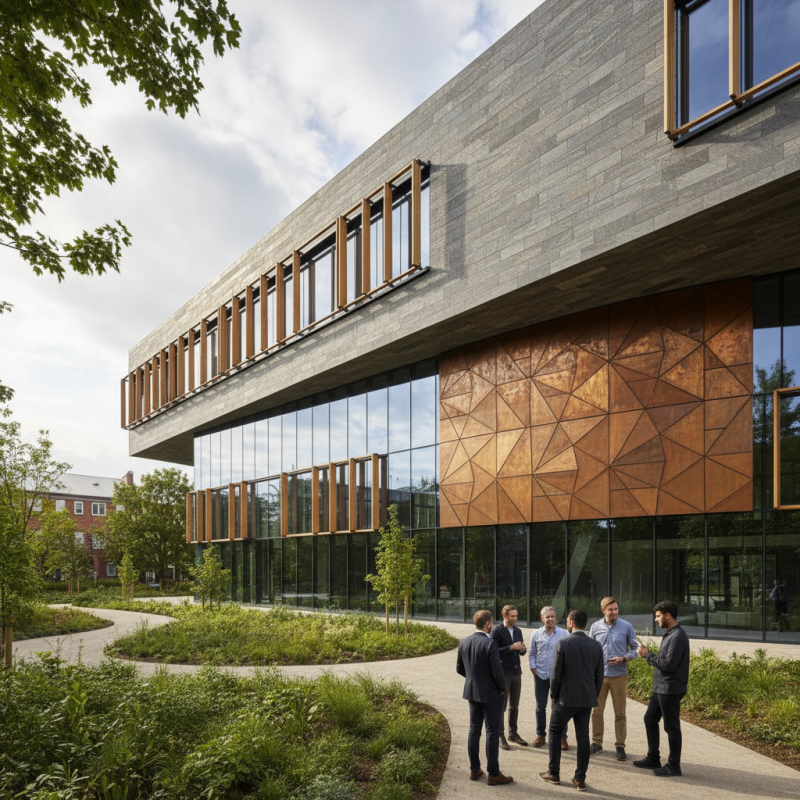
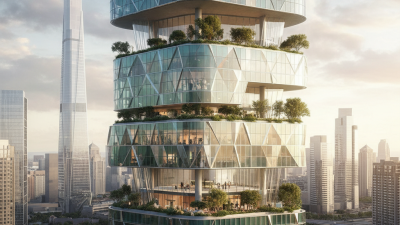
Architectural facades play a crucial role in defining the character of a building. They significantly influence how a structure is perceived in its environment. A well-designed facade can enhance aesthetic appeal and express the architectural style. However, the choice of materials and design elements is vital. The facade should not only be visually appealing but also functional and sustainable.
Selecting the right facade material is essential. Options vary from natural stone to modern composites. Each material offers unique benefits and challenges. For example, glass can provide transparency and openness but may lack insulation. An over-reliance on one material can lead to problems over time, such as maintenance issues or energy inefficiency. It’s important to balance aesthetics with practicality.
Consider the local climate as well. The facade should respond to weather conditions, offering both protection and comfort. Integrating passive design strategies can enhance energy efficiency. Reflective surfaces may reduce heat, while textured materials can improve durability. Ultimately, a thoughtful approach to facade design elevates the building’s value while addressing practical concerns. Careful reflection on these elements can lead to better outcomes and long-lasting satisfaction.
Choosing the right architectural facade can significantly enhance the value of a property. Several factors influence this value, making it crucial to consider each aspect carefully. The materials used play a vital role. For instance, natural stone can elevate the aesthetic appeal, while cheaper alternatives may detract from it. The durability of the materials is equally important. A facade that withstands weather conditions offers long-term value.
Design complexity is another critical factor. Unique designs can attract attention, but they must be practical. Highly intricate facades may require more maintenance than simpler options. The local architectural style matters as well. A facade that complements the surrounding buildings can increase desirability. In contrast, an out-of-place design might reduce value.
Sustainability is increasingly becoming a priority. Eco-friendly materials and energy-efficient designs can appeal to modern buyers. However, affordability and availability of such materials need consideration. Balancing value and cost is essential. It's a challenge to find that middle ground without compromising quality. Each project presents unique hurdles, making it crucial to remain flexible and open to feedback during the design process.
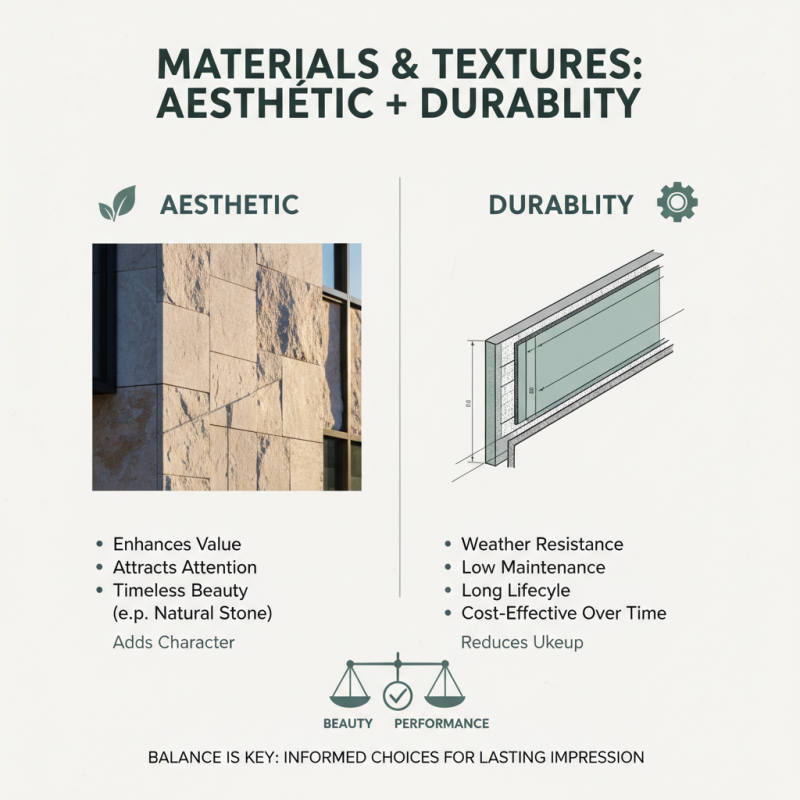
When selecting materials and textures for architectural facades, it’s crucial to balance aesthetics with durability. A stunning facade can enhance a building's value and attract attention. However, beauty is not everything. Factors like weather resistance, maintenance needs, and lifecycle costs must also be considered. Natural stone, for example, exhibits timeless beauty, but it may require significant upkeep. While it adds character, the costs can pile up over time.
Another option is metal cladding, which can offer modern appeal. It's sleek and can withstand harsh weather conditions. Yet, it can become less attractive if not cared for properly. Rust or dents can detract from its overall aesthetic. When choosing textures, think beyond appearance. Rough textures may appeal to many, but they can hide dirt and grime. Smooth surfaces, though easy to clean, might show damage more readily.
Understanding Architectural Applications is vital. A well-chosen facade can impact energy efficiency and comfort levels inside. Researching local materials can also provide insights into choices that resonate with historical context. Strive for a facade that reflects both your vision and practicality, but be aware that the perfect choice often takes time and reflection. Balance is key.
The choice of architectural facades can significantly impact energy efficiency and, in turn, building performance. Well-designed facades regulate indoor temperature, reducing reliance on heating and cooling systems. This not only conserves energy but also lowers operational costs. For instance, materials with high thermal resistance can minimize heat loss in winter and keep spaces cool in summer. Architects should consider natural ventilation strategies as well. Effective air flow can significantly cut down energy consumption.
However, the challenge lies in balancing aesthetics and functionality. Some designs may look appealing but can fall short of energy performance standards. Evaluating local climate conditions is essential for achieving optimal results. For example, using reflective materials in sunny regions helps mitigate solar heat gain. Additionally, incorporating green facades can enhance thermal performance while providing beautiful visual elements.
Practitioners must stay updated on emerging technologies and sustainable practices. Photovoltaic panels and smart glass offer innovative solutions but may require a higher initial investment. Regularly reviewing and adjusting facade designs is crucial to ensure they meet evolving energy efficiency goals. Not all concepts will work in practice, and misjudgments in material selection can lead to overlooked complications. Continuous learning and adaptation are vital in the quest for effective facade solutions.
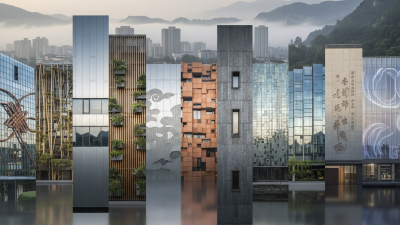
When designing architectural facades, cultural and contextual factors are essential. These elements shape how a building interacts with its environment. A facade should resonate with local heritage and community values. For instance, utilizing traditional colors or patterns can evoke a sense of belonging. Local materials often improve aesthetics and sustainability. They create a dialogue between the old and the new.
Different contexts demand different approaches. Urban areas may require more innovative designs that stand out. In contrast, rural settings often benefit from designs that blend with nature. Architects should pay attention to the surroundings. They need to consider local climate, social dynamics, and historical context. Ignoring these can lead to structures that feel out of place or disconnected.
Reflecting cultural identity in facade design enhances both value and appeal. This approach involves continuous learning and adaptation. Projects can benefit from community input to understand these nuances better. However, not all designs resonate positively with everyone. It's essential to embrace feedback and be willing to modify designs. Balancing innovation with tradition can be a challenging yet rewarding experience.
| Criteria | Description | Cultural Significance | Contextual Relevance | Aesthetic Appeal |
|---|---|---|---|---|
| Material Selection | Choosing locally sourced materials | Connects to local traditions | Blends with surrounding architecture | Creates a warm, inviting atmosphere |
| Color Palette | Using colors that reflect the environment | Symbolic representation of culture | Enhances visual coherence | Adds vibrancy and liveliness |
| Design Elements | Incorporating traditional motifs | Honors historical significance | Resonates with the neighborhood character | Increases uniqueness and interest |
| Sustainability | Utilizing energy-efficient systems | Supports eco-conscious cultural values | Meets local environmental standards | Promotes long-term value appreciation |
| Community Engagement | Involving local stakeholders in the design | Fosters a sense of belonging | Reflects community needs and aspirations | Enhances overall user experience |
Innovative technologies play a crucial role in modern facade design and Construction. Smart materials are increasingly used to improve energy efficiency and aesthetics. For instance, photovoltaic glass can generate energy while still allowing natural light into buildings. This dual function enhances the overall value of a structure.
When choosing architectural facades, consider the building's location and climate. So-called "breathable" materials can help regulate temperature and moisture, extending the life of the facade. Furthermore, incorporating biophilic design elements can create connections to nature, promoting wellbeing for occupants.
Evaluate the return on investment (ROI) of different facade types. Not every new technology will yield immediate benefits. Some designs may look appealing, but they could be costly to maintain over time. Understanding the long-term implications of facade choices is essential in enhancing property value.
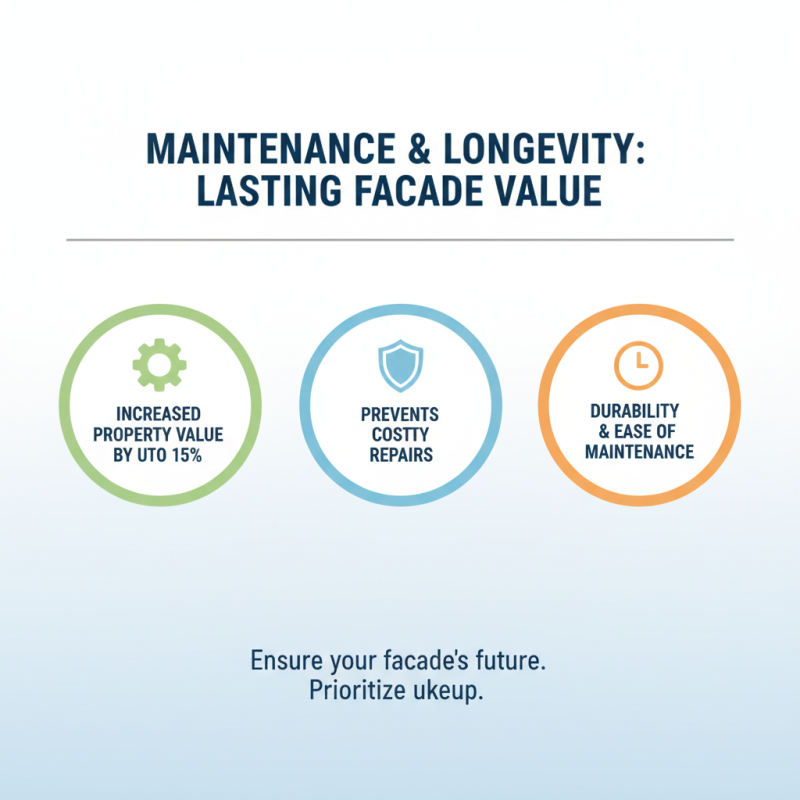
When selecting architectural facades, maintenance and longevity play key roles in enhancing property value. Reports show that buildings with well-maintained facades can increase value by up to 15%. Regular upkeep can prevent costly repairs, making it essential for property owners to prioritize durability and ease of maintenance.
Materials such as fiber-Reinforced Concrete or high-performance glass can offer long-term benefits. These options are not only aesthetically pleasing but also resistant to weathering. However, it's crucial to assess the local climate, as different regions may require different materials for optimal performance. Engaging with a structural engineer early in the design process can identify potential challenges.
Inadequate maintenance can diminish a facade's appeal. Cracks, stains, and peeling paint can deter tenants or buyers. A proactive approach minimizes these issues. Emergency repairs often cost significantly more than routine maintenance. Taking time to evaluate maintenance plans ensures that the facade remains a valuable asset over time.
: Cultural factors shape how a building connects with its environment and community.
Local materials enhance aesthetics and sustainability, creating a dialogue between old and new architecture.
Architects need to think about the surroundings, climate, and local history to create fitting designs.
Innovative technology, like smart materials, improves energy efficiency and enhances aesthetic appeal.
Photovoltaic glass can generate energy while allowing natural light, boosting the structure's value.
Community input provides insights into local nuances, fostering a sense of belonging and identity.
No, not every design will appeal to all. Feedback is crucial for making necessary adjustments.
Biophilic design incorporates natural elements, connecting occupants to nature and promoting wellbeing.
Assess the long-term costs and ROI of facade technologies, not just immediate benefits.
Ignoring context can result in structures that feel disconnected or out of place in their surroundings.
Architectural facades play a crucial role in enhancing the overall design and value of buildings. They not only contribute to the aesthetic appeal but also influence energy efficiency and building performance. When choosing facades, various factors must be considered, including materials, textures, and innovative technologies that can improve durability and maintenance. Additionally, it's essential to address cultural and contextual elements to ensure the facade resonates with its surroundings and enhances local character.
Balancing these considerations can lead to architectural facades that are not only visually striking but also sustainable and long-lasting. Prioritizing energy efficiency in facade design can further optimize building performance, making it essential for modern architectural practices. Ultimately, well-designed facades can significantly enhance property value while ensuring functional longevity and maintaining aesthetic integrity over time.