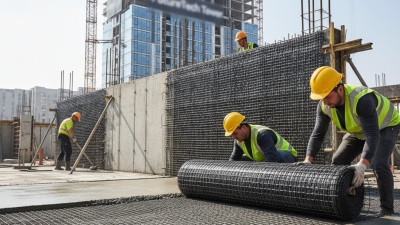
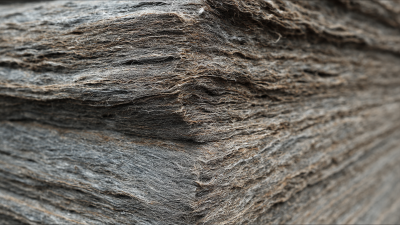
When you're looking into the best materials for your construction project, Basalt Fiber Fabric really stands out because of its unique qualities. I read a recent report from the Global Composites Market that says demand for basalt fiber is expected to increase by around 22% each year until 2026. That’s pretty impressive and shows how more people are starting to recognize just how strong and Durable basalt fiber really is.
Dr. David Thompson, who’s pretty much an expert when it comes to composite materials, points out some of its biggest perks: “Its ability to withstand high temperatures and resist Chemical damage makes it a must-have, especially in tough environments.” No wonder architects and engineers are increasingly turning toBasalt Fiber Mat Basalt Fiber Fabric For Building Reinforcement. Its lightweight feel combined with strong tensile strength makes it a great option for a bunch of different applications.
That said, it’s not just about loving the idea of basalt fiber. Picking the right type of basalt fiber for your specific project details really matters. Knowing exactly what your project needs can totally impact how long it lasts and how well it performs. Sure, using Basalt Fiber Fabric could totally change the game in construction and design, but it's important to think it through carefully and maybe even chat with some experts to get it just right.
Introduction to Basalt Fiber Fabric
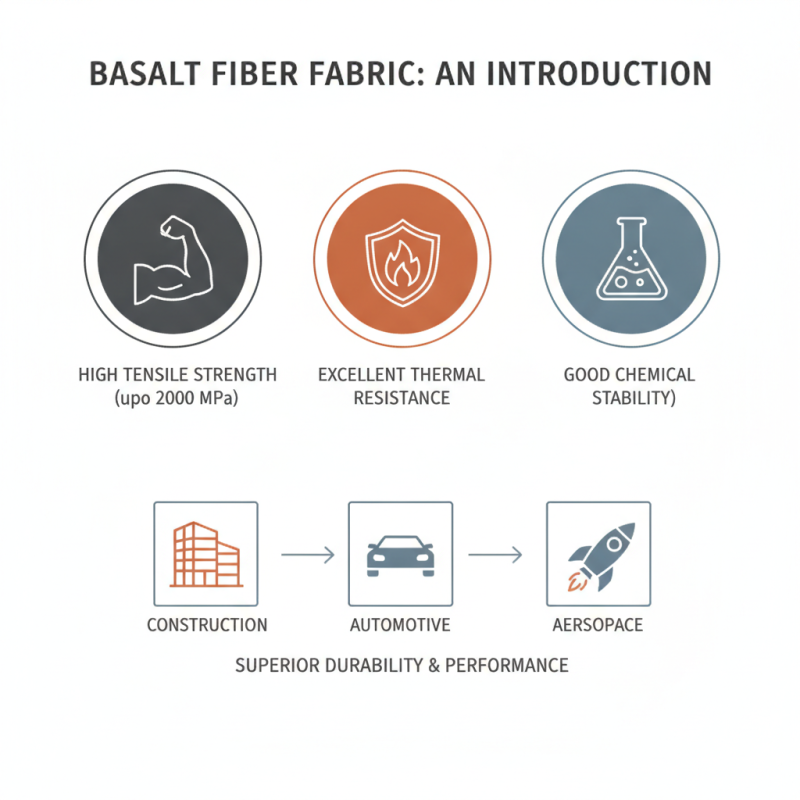
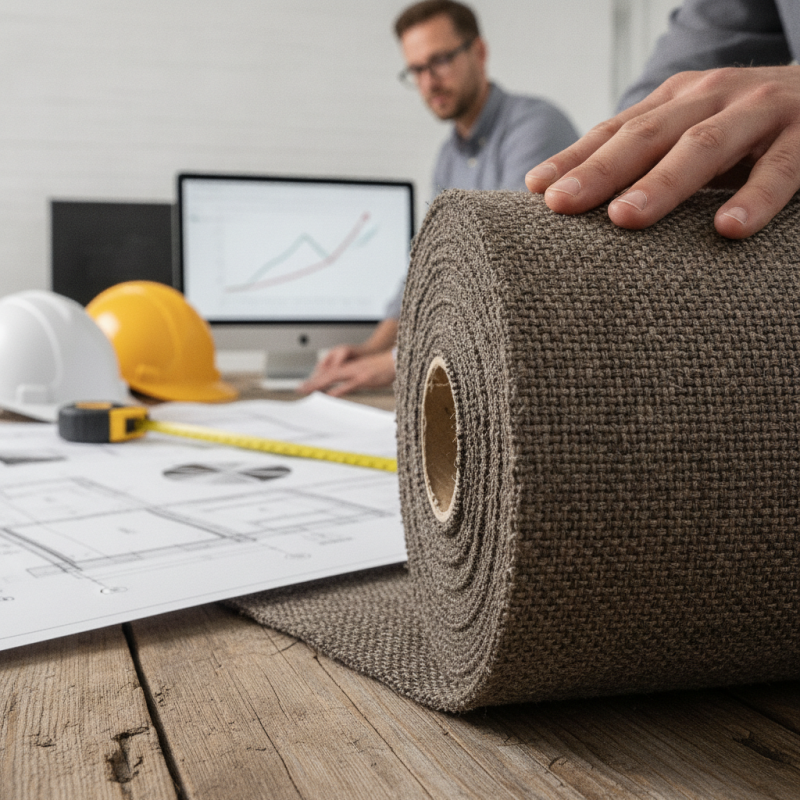
Basalt fiber fabric has gained attention in various industries due to its unique properties. This material offers high tensile strength, excellent thermal resistance, and good chemical stability. According to industry reports, basalt fiber boasts a tensile strength of up to 2000 MPa, surpassing many conventional fibers like glass and carbon. Its durability makes it ideal for construction, automotive, and aerospace applications.
When selecting basalt fiber fabric for your projects, consider the specific requirements needed. Different grades and weaves are available, impacting their performance. For example, a plain weave is suitable for most applications, while a twill weave may be better for areas requiring flexibility. The fabric's weight also influences its usability. Lighter fabrics are easier to handle but may not provide the same level of strength.
Tips: Always verify the source of your basalt fiber to ensure quality. Not all manufacturers provide detailed specifications. Additionally, small variations in fiber diameter can affect the overall strength.
Balancing cost with quality is essential. Lower-priced basalt fiber might lead to performance issues. Take time to research and understand your project needs. Ultimately, while basalt fiber fabric presents an excellent option, thorough assessment and planning remain crucial for successful outcomes.
Characteristics and Benefits of Basalt Fiber
Basalt Fiber Fabric is gaining attention for its unique properties. This material is made from volcanic rock, giving it a strong and durable foundation. It stands out for its excellent heat resistance and low thermal conductivity. Projects that involve high temperatures or require insulation can greatly benefit from basalt fiber fabric.
One key characteristic is its strength. Basalt fiber exhibits a tensile strength similar to steel but is much lighter. This means engineers can design lighter structures without sacrificing durability. This fabric is also resistant to corrosion and chemicals. This makes it ideal for use in harsh environments.
However, not every project may benefit from using basalt fiber fabric. While its advantages are clear, it may come with a higher initial cost compared to traditional materials. Yet, this investment can pay off in the long run. Evaluating the specific needs of your project is crucial. Consider factors like durability, weight, and environmental impact before deciding. Understanding these characteristics will help you choose the right materials for your requirements.
Best Basalt Fiber Fabric for Your Project Needs? - Characteristics and Benefits of Basalt Fiber
| Characteristic | Benefit |
| High Temperature Resistance | Can withstand extreme heat, suitable for applications in high-temperature environments. |
| Lightweight | Provides ease of handling and installation, reduces overall weight of the final product. |
| Corrosion Resistance | Does not rust or degrade in harsh environmental conditions, leading to longer lifespan. |
| Excellent Mechanical Properties | High tensile strength and durability, making it ideal for structural applications. |
| Non-Toxic | Safe to handle and does not release harmful substances, promoting a healthier workspace. |
| Cost-Effective | Offers a good balance between performance and cost, suitable for various budgets. |
Types of Basalt Fiber Fabrics Available in the Market
When exploring types of basalt fiber fabrics available, it’s essential to recognize their unique properties. Basalt fibers are known for their exceptional strength and thermal resistance. A study from the International Journal of Engineering Research indicates that basalt fabrics can withstand temperatures up to 1,000°C. This makes them suitable for a range of industrial applications, such as construction and automotive sectors.
Basalt fiber fabrics come in various forms, including woven, stitched, and non-woven. Woven fabrics offer excellent flexibility and tensile strength. In contrast, non-woven fabrics provide superior insulation and are often used in fireproofing and soundproofing applications. According to market analysis from Research and Markets, the global basalt fiber market is expected to grow by 14% annually, reflecting increasing demand in various industries.
Despite their advantages, basalt fiber fabrics have limitations. For instance, their higher cost compared to traditional fibers can be a barrier for some projects. Additionally, sourcing raw basalt can pose challenges in terms of location and transportation. Understanding these factors is crucial when selecting the right fabric for specific project needs. Balancing costs with desired performance outcomes is often a complex task for engineers and project managers alike.
Factors to Consider When Choosing Basalt Fiber Fabric
When selecting basalt fiber fabric, specific factors play a crucial role. Assess the fabric's tensile strength; it determines how much load the material can bear. Stronger fabrics enhance durability, making them suitable for demanding projects. Look for a weave style that fits your application. A tighter weave may provide better resistance to wear and tear, while a looser weave can offer flexibility.
Consider thermal resistance as well. Basalt fibers can withstand high temperatures, making them ideal for heat-resistant applications. This feature is essential in industries like automotive and aerospace. The weight of the fabric matters too; heavier fabrics may offer more robustness but can be less flexible. Light fabrics usually allow for easier handling but might sacrifice some strength.
Consulting professionals can help clarify specific project needs. Their insights ensure you choose a fabric that meets safety and performance standards. Also, evaluate user reviews and case studies to understand how different fabrics performed in real-world applications. While making a decision, remember that the best choice isn't always the most expensive. Balancing cost, performance, and specific project requirements is key.
Applications of Basalt Fiber Fabric in Various Industries
Basalt fiber fabric is gaining momentum across various industries due to its remarkable properties. It is lightweight yet strong, making it suitable for construction and automotive applications. A report by MarketsandMarkets indicated that the basalt fiber market is projected to reach USD 250 million by 2024. This growth reflects the increasing demand for durable and efficient materials.
In aerospace, basalt fiber fabric plays a critical role. Its thermal resistance is vital for components exposed to harsh environments. Studies show that basalt fibers endure temperatures exceeding 700°C without losing integrity. The Golden Basalt Fiber Fabric For Fireproof Surfacing Tissue exemplifies innovation in this sector. It provides crucial fire-resistant properties, ideal for safety measures in high-risk areas.
In the automotive realm, the demand for lightweight materials continues to rise. Basalt fiber reduces vehicle weight, enhancing fuel efficiency. Research from the Automotive Composite Conference reveals that using basalt components can lower weight by up to 30%. This reduction not only improves performance but also addresses environmental concerns. Despite its benefits, challenges in mass production and cost remain. Balancing affordability with performance is essential for broader adoption.
Applications of Basalt Fiber Fabric in Various Industries
Comparative Analysis: Basalt Fiber vs. Other Fibers
When it comes to selecting materials for your projects, basalt fiber is often compared to other fibers like carbon and glass. Basalt fiber has unique properties such as superior heat resistance and durability. This makes it a strong contender in high-performance applications. On the other hand, carbon fiber may offer higher tensile strength, while glass fiber is more affordable and easier to process.
Many professionals are leaning towards basalt fiber due to its environmental benefits. Unlike some synthetic fibers, basalt is sourced from natural volcanic rock. It's not only sustainable but also resistant to UV damage and chemicals. Choosing basalt fiber means investing in a long-lasting product that helps reduce environmental impact.
Tips: Always test samples of Basalt Fiber Biaxial Fabric before finalizing your purchase. This will help you understand how it interacts with your project's specific conditions. Pay attention to its weight and flexibility, as these factors can significantly influence the performance of your final product. Additionally, consider your project's intended use—basalt fiber excels in extreme conditions but might not be necessary for lower-demand applications.
Maintenance and Care for Basalt Fiber Fabrics
Basalt Fiber Fabric Cloth requires special care to maintain its strength and durability. Regular cleaning is essential. Use mild detergent and warm water for washing. Harsh chemicals can harm the fibers, so always check the label. Allow the fabric to air dry rather than using a dryer, which can deform its shape.
Storing basalt fiber fabrics properly can extend their lifespan. Avoid exposing them to direct sunlight for extended periods. Ultraviolet rays can weaken the material. Instead, opt for a cool, dry place. Proper folding can prevent creases that may weaken the fabric's integrity over time. Be conscious of moisture as well; excessive dampness can develop mold.
Remember that while basalt fiber offers excellent performance, it isn’t indestructible. Regular inspections for signs of wear can help catch damage early. A proactive approach is always better than waiting for problems to arise. Adopting a mindful maintenance routine will ensure you get the most out of your basalt fiber fabric cloth. Being aware of its needs is crucial for any project.
Innovative Solutions in Construction: The Benefits of Factory Price Wholesale Concrete Basalt Fiber
Innovative Solutions in Construction: The Benefits of Factory Price Wholesale Concrete Basalt Fiber
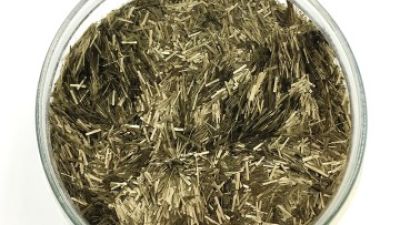
In recent years, the construction industry has witnessed a significant shift towards innovative materials that enhance durability and performance. One such material is basalt fiber, particularly in the form of chopped yarn. Basalt fiber is derived from volcanic rock and offers superior properties, including crack resistance and excellent chemical stability. According to industry reports, the use of basalt fiber in concrete can increase tensile strength by up to 40%, making it an attractive option for builders seeking robust and long-lasting structures.
The advantages of using basalt fiber chopped yarn are numerous. For one, the fibers are treated with a silane wetting agent, which ensures better adhesion to concrete. This characteristic not only enhances the mechanical properties of the material but also improves the overall longevity of concrete structures. Additionally, basalt fibers boast exceptional resistance to alkalis, making them ideal for environments where concrete is exposed to harsh chemical agents. Researchers estimate that incorporating basalt fiber can extend the lifespan of concrete products by up to 50%, significantly reducing maintenance costs over time.
Moreover, with the growing emphasis on sustainable construction practices, basalt fiber presents an eco-friendly solution as it is made from natural materials and does not release harmful emissions during production. As the demand for sustainable building materials continues to rise, basalt fiber's unique properties position it as a leading choice among construction professionals looking to innovate while adhering to environmentally responsible practices.
FAQS
: It is made from volcanic rock, providing a strong and durable foundation.
Basalt fiber has tensile strength similar to steel, but is much lighter, allowing for efficient structural designs.
It withstands high temperatures, making it ideal for applications in industries like automotive and aerospace.
Heavier fabrics offer robustness, while lighter ones allow easier handling but may sacrifice some strength.
Evaluate factors like tensile strength, weave style, and thermal resistance to meet your project's specific needs.
It may come with a higher initial cost, but it can be a valuable long-term investment if used properly.
Construction, automotive, and aerospace industries are increasingly using this innovative material.
Yes, balancing cost and performance is crucial for broader adoption, despite initial higher expenses.
It reduces vehicle weight, enhancing fuel efficiency and improving overall performance.
Consulting professionals or exploring case studies can provide valuable insights into real-world performance.
Conclusion
Basalt Fiber Fabric is emerging as a superior material in various industries due to its unique characteristics and benefits. This fabric, derived from volcanic basalt rock, offers excellent thermal resistance, high tensile strength, and lightweight properties. Available in various types, basalt fiber fabrics cater to different project needs, making them versatile for applications in construction, automotive, and aerospace sectors.
When selecting the right basalt fiber fabric, factors such as fabric type, intended use, and environmental conditions should be considered. A comparative analysis reveals that basalt fiber outperforms many traditional fibers, offering enhanced durability and resistance to environmental degradation. Proper maintenance and care can further extend the lifespan of basalt fiber fabrics, ensuring that they continue to meet the demands of various applications effectively.