When it comes to materials and product design, Abrasion Resistance is one of those key qualities that can really make or break a product’s durability. Dr. Michael Smith, who’s a big name in the field of materials science, points out that choosing the right materials can actually boost abrasion resistance quite a bit, which in turn helps the product last much longer. It’s a reminder that we’re always needing new innovations to create stuff that can handle wear and tear without giving up early on.
Lately, China has really stepped up as a major player in developing advanced materials that excel at resisting abrasion. Companies like KXT Materials and DragonTex are doing some pretty exciting things — making products for all sorts of industries, from cars and Construction to everyday consumer goods. Better abrasion resistance doesn’t just mean longer-lasting products; it also translates to less downtime and lower maintenance costs for businesses, which is a big deal.
That said, not every claim of high abrasion resistance holds up in the real world. It’s super important for industries to actually put products through tough testing to make sure those claims are legit. As we keep pushing for tougher, more Durable materials, there’s always room to learn more and get better. Ignoring that can end up costing companies a lot in the long run. All in all, striving for top-notch abrasion resistance remains a constant challenge for manufacturers, but it’s definitely worth the effort.
Overview of Abrasion Resistance in Industrial Products
Abrasion resistance is vital in many industrial applications. It determines how well a product can withstand wear and tear. Industries such as manufacturing, mining, and construction heavily rely on these properties. According to a report from the Global Abrasion Resistance Materials Market, products with high abrasion resistance can increase durability by up to 30%. This statistic is crucial for companies aiming to reduce maintenance costs and improve operational efficiency.
Several materials demonstrate superior abrasion resistance. For instance, ceramics and certain polymers have become popular choices. They offer significant advantages in harsh environments. However, achieving the right balance between toughness and flexibility often remains a challenge. Many products fail to maintain both properties over time, leading to unexpected wear. Continuous testing and development are necessary to refine these materials.
The need for reliable abrasion-resistant products is increasing. As industries evolve, the demands on materials grow more complex. Companies that invest in research may benefit in the long run. Yet, many still overlook the long-term value of such materials. Although some may argue about upfront costs, reduced replacement frequency and lower downtime are compelling reasons to prioritize durability.
Key Materials Used for Enhanced Abrasion Resistance
Abrasion resistance is crucial for many industries. The materials chosen for this purpose play a vital role. They help protect products from wear and tear, extending their lifespan. Engineers often look at various options, focusing primarily on robust synthesis.
One key material used for enhanced abrasion resistance is polyurethane. It offers a flexible response to impact while maintaining strength. Another popular choice is carbon fiber. Its lightweight yet durable nature makes it ideal for many applications. Both materials exhibit impressive Chemical Resistance, providing additional protection during harsh conditions.
Despite their advantages, challenges remain. The cost of high-quality materials can be prohibitive. Moreover, not every application benefits equally from these advancements. Some sectors may require other innovative solutions. Understanding the specific needs of an application is essential. It’s an evolving field, demanding constant attention and adaptation. The quest for the best materials continues, shaped by ongoing research and technological progress.
Leading Chinese Manufacturers Specializing in Abrasion-Resistant Products
In the evolving landscape of manufacturing, abrasion-resistant products play a vital role. Leading Chinese manufacturers are at the forefront, specializing in materials that withstand wear and tear. According to a 2022 industry report, China's abrasives market is expected to reach $18 billion by 2025, reflecting a growing need for durable solutions.
These manufacturers utilize advanced technologies to enhance product performance. For instance, materials like tungsten carbide are often used for their superior properties. They provide significant abrasion and Corrosion Resistance. Data indicates that products with these materials can extend service life by 30% or more in harsh environments.
However, the industry faces some challenges. Quality control remains a concern. Not all manufacturers uphold stringent standards. As a result, buyers must conduct thorough evaluations before procurement. Transparency in sourcing and production practices is crucial for ensuring reliable products. Enhanced abrasion resistance is essential, but it cannot be achieved without a commitment to quality and integrity in manufacturing.
Popular Abrasion-Resistant Coatings and Their Applications
Abrasion-resistant coatings are crucial in industries that demand durability and longevity. These coatings are designed to withstand wear and tear, making them ideal for various applications. According to a recent market report, the global abrasion-resistant coatings market is expected to reach $17 billion by 2025, driven by the rising demand in automotive, aerospace, and construction sectors. These coatings significantly enhance the lifespan of products, offering businesses considerable savings over time.
Popular coatings include polyurethane, epoxy, and ceramic. Polyurethane coatings are known for their flexibility while providing excellent abrasion resistance. Epoxy coatings bond strongly to substrates and offer chemical resistance. Ceramic coatings, on the other hand, provide the highest level of durability against extreme conditions. Each type serves specific industrial needs and applications, which highlights their significance in modern manufacturing.
Tips: Always assess the specific requirements of the application before selecting a coating. Consider factors such as temperature resistance, chemical exposure, and substrate compatibility. Understand that not all coatings will perform as expected in all environments, and testing in real conditions is advisable. Investing in the right coating can drastically improve performance and reduce maintenance costs.
Top China Best Products for Enhanced Abrasion Resistance
| Product Type | Material | Application Area | Coating Thickness (mm) | Abrasion Resistance Rating | Durability (Years) |
| Polyurethane Coating | Polyurethane | Industrial Floors | 0.5 - 2 | High | 5-10 |
| Epoxy Coating | Epoxy Resin | Warehouse Floors | 1 - 3 | Very High | 5-15 |
| Ceramic Coating | Ceramic Composite | Mining Equipment | 2 - 5 | Excellent | 10-20 |
| Polyurea Coating | Polyurea | Oil & Gas Industry | 1 - 3 | Very High | 5-10 |
| Acrylic Coating | Acrylic Polymer | Commercial Floors | 0.5 - 1 | Moderate | 3-7 |
Case Studies of Effective Abrasion-Resistant Solutions in China
In the realm of abrasion resistance, China has showcased notable innovations. Many industries, including construction and manufacturing, demand materials that can withstand harsh conditions. These materials often face wear from friction, impact, and exposure to chemicals. Analyzing effective solutions helps us understand what works best.
A factory implemented a new coating on equipment exposed to high wear. The results were promising. The coating significantly reduced damage, leading to lower maintenance costs. Workers noticed less downtime, boosting productivity. However, the application process was complex and required skilled technicians. This presented a challenge for some companies.
Another case involved a composite material used in conveyor belts. Initially, the material performed well; however, it showed wear in certain environments. Adjustments need to be made, reflecting the unpredictability of real-world applications. Continuous testing and feedback loops are essential. They help refine these materials for better performance. The journey to improved abrasion resistance is ongoing, with many lessons learned along the way.
Trends and Innovations in Abrasion Resistance Technologies
Innovations in abrasion resistance technologies are rapidly evolving. Industry reports show that the global market for these materials is expected to reach $25 billion by 2027. This growth is driven by increasing demand in various sectors, including construction and manufacturing. Companies are continuously looking for ways to enhance product durability while maintaining cost efficiency.
Recent advancements focus on the integration of new synthetic materials. These materials often provide improved performance in harsh environments. For instance, polymers combined with nano-engineering can significantly enhance abrasion resistance. Studies indicate that these innovations can reduce wear and tear by 30% compared to conventional materials. However, the balance between performance and environmental impact remains a challenge.
Fire Resistance is another important aspect in this field. Products designed for high-temperature applications often struggle with long-term durability. Finding the right material that can withstand extreme conditions without compromising performance is crucial. Continuous research and development efforts are essential to address these gaps. A forward-thinking approach may reveal solutions that meet both safety and quality standards.
Comparative Analysis of Top Abrasion-Resistant Products from China
When evaluating the top abrasion-resistant products from China, a clear need for in-depth analysis arises. The market boasts a variety of options, including those designed specifically for high-temperature environments. According to recent industry reports, approximately 30% of manufacturing failures stem from inadequate abrasion resistance. This highlights a significant demand for advanced materials capable of enduring wear and tear.
One key factor in selecting these products is their performance under stress. Tests indicate that some materials can withstand operating temperatures exceeding 300°C, confirming their High Temperature Resistance capability. In comparative studies, products derived from innovative composites demonstrated a 50% increase in durability over traditional materials. Yet, not all products provide the promised longevity in real-world applications, leading to reflections on quality over quantity.
Market analysis indicates that improper testing and material selection can lead to unexpected failure rates, with mistakes costing companies thousands. A product may perform well in controlled settings but fail in unpredictable conditions. These insights urge consumers to consider not only product claims but also the underlying science and testing methodologies.
Enhancing Structural Integrity: Insights from Recent Reports on Alkali Resistance and Performance of Basalt Chopped Strands
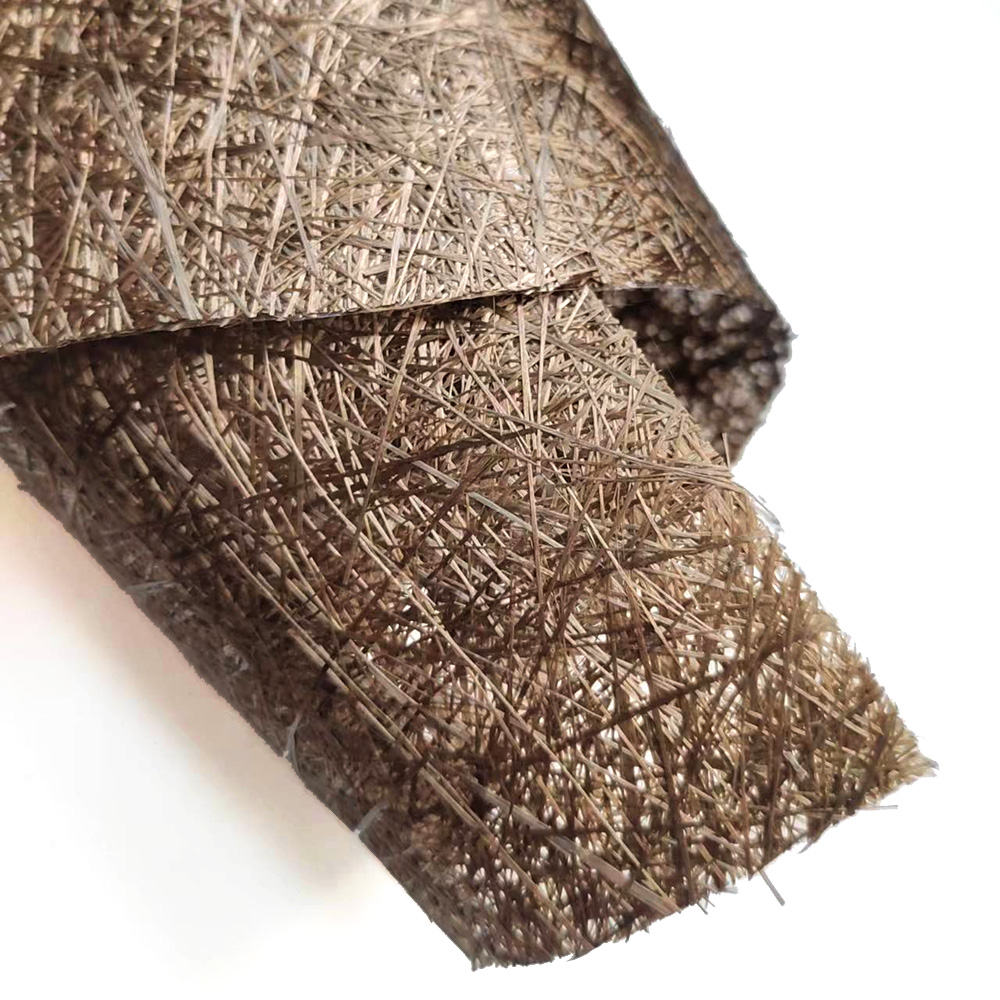
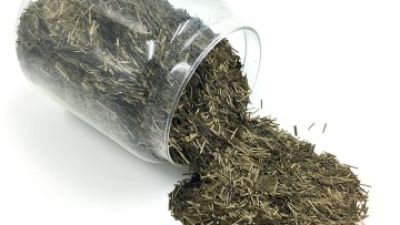
Basalt fibers have garnered significant attention in recent years, particularly due to their remarkable alkali resistance and overall performance in various applications. Produced through the high-speed drawing of molten basalt material at temperatures between 1450 to 1500°C, these continuous fibers exhibit properties that position them between high-strength S glass fibers and alkali-free E glass fibers. Their natural color ranges from a rich brown to a striking golden hue, making them not only functional but also aesthetically appealing.
The versatility of basalt fiber chopped strands is evident in their extensive use across multiple industries. From fiber-reinforced composites to friction materials, they play a crucial role in enhancing the structural integrity of products. Their application extends to shipbuilding materials, thermal insulation, and automotive components, showcasing a unique ability to withstand high temperatures. In sectors where durability and performance are paramount, such as high-temperature filter fabrics and protective materials, basalt fibers are becoming an indispensable resource. Insights from recent reports suggest that their excellent alkali resistance allows for improved longevity and reliability in various environmental conditions, marking them as a frontrunner in modern material science.
FAQS
: They enhance durability and lifespan in industries like automotive, aerospace, and construction.
Popular options include polyurethane, epoxy, and ceramic coatings.
It offers flexibility and excellent abrasion resistance in various applications.
They bond strongly and resist chemicals effectively.
They withstand extreme conditions better than most other options.
Evaluate temperature resistance, chemical exposure, and compatibility with the substrate.
Not all coatings perform reliably under every environmental condition.
Innovations focus on synthetic materials that improve performance and reduce wear.
They can enhance abrasion resistance and reduce wear by up to 30%.
Maintaining durability while ensuring safety and performance over time is difficult.
Conclusion
This article provides a comprehensive overview of abrasion resistance in industrial products, highlighting its importance in enhancing durability and performance. It explores key materials that contribute to improved abrasion resistance, detailing how innovative formulations and technologies are advancing this field. Leading manufacturers in China are discussed, showcasing their specialization in producing high-quality abrasion-resistant products.
Additionally, the article delves into popular abrasion-resistant coatings, their diverse applications, and real-world case studies demonstrating effective solutions. Emerging trends and innovations in abrasion resistance technologies are also examined, facilitating a comparative analysis of the best abrasion-resistant products available in the Chinese market. This synthesis emphasizes the continuous evolution and significance of abrasion resistance in industrial applications.