






News

Outfitting Marine Structures with "Bulletproof Vests" Using Volcanic Rock? Multi-Scale Basalt Fibers Break the Corrosion Stalemate for Steel Fibers
Cross-sea bridges, deep-water terminals, offshore wind farms... While these "colossal giants" built in the ocean are magnificent to behold, they endure the daily "brutal torture" of wave erosion, salt and alkali corrosion, and alternating wet-dry cycles. In such an environment, ensuring that hardened concrete structures remain intact—free from shattering, cracking, or premature failure—has long been a vexing challenge for the global engineering community.
For a long time, steel fibers have frequently been incorporated into concrete to enhance toughness and prevent cracking. However, steel fibers often prove ill-suited to the harsh conditions of salt spray and seawater; once chloride ions infiltrate the crevices within the concrete, the steel fibers rust and expand in volume, paradoxically causing the concrete to crack from the inside out and accelerating structural collapse.
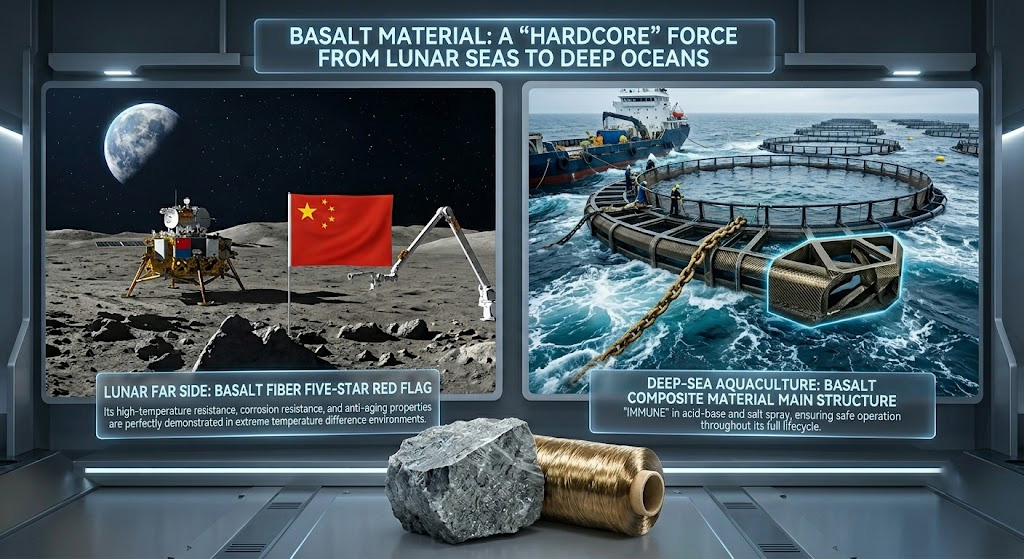
Recently, a new material study focused on high durability for marine engineering has offered a highly promising solution: basalt fibers—produced by drawing strands from natural volcanic rock—can be utilized to clad marine concrete in a layer of "armor" that is virtually immune to rust. This is achieved through a multi-scale gradation model featuring a combination of "large fibers for structural bonding" and "small fibers for pore sealing."
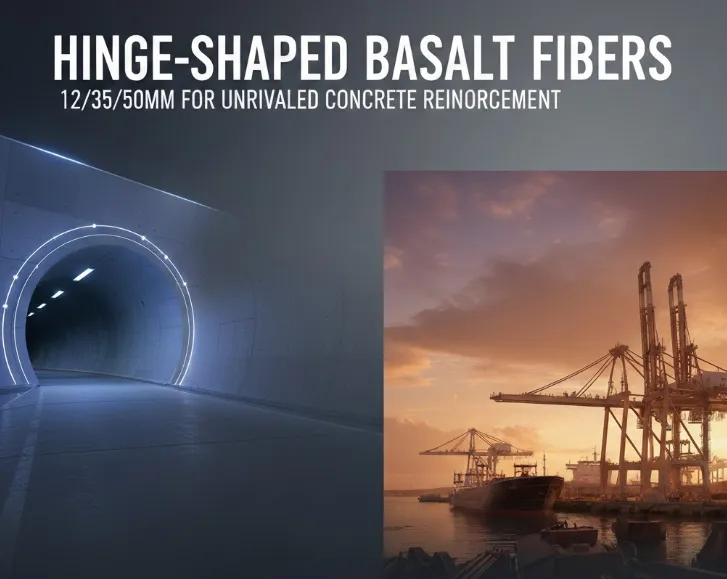
New type of concrete reinforcing material: 12/35/50-millimeter hinge-shaped basalt fibers achieve industrial application
In the field of concrete reinforcement materials, a groundbreaking technology is triggering a major industry transformation. A leading materials innovation company recently announced that its signature product - a hinge-like basalt fiber with a diameter of 0.7 millimeters and a length of 12/35/50 millimeters - has achieved industrial production. It will mainly be applied to high-performance concrete structures, effectively solving the long-standing durability problem.
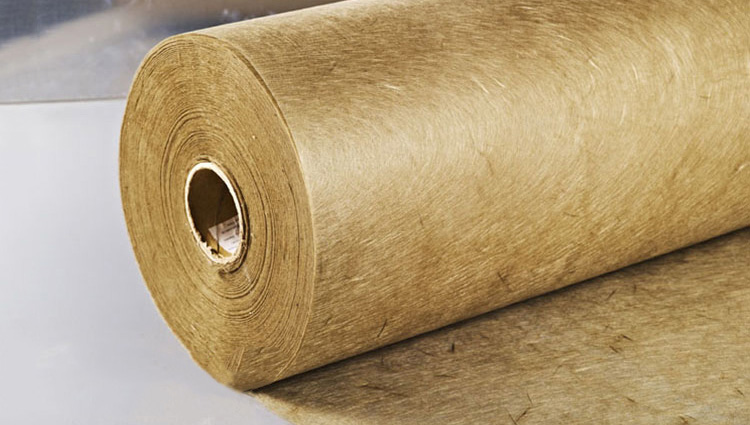
Applications and Development of Basalt Untwisted Yarn and Basalt Nonwoven Fabric
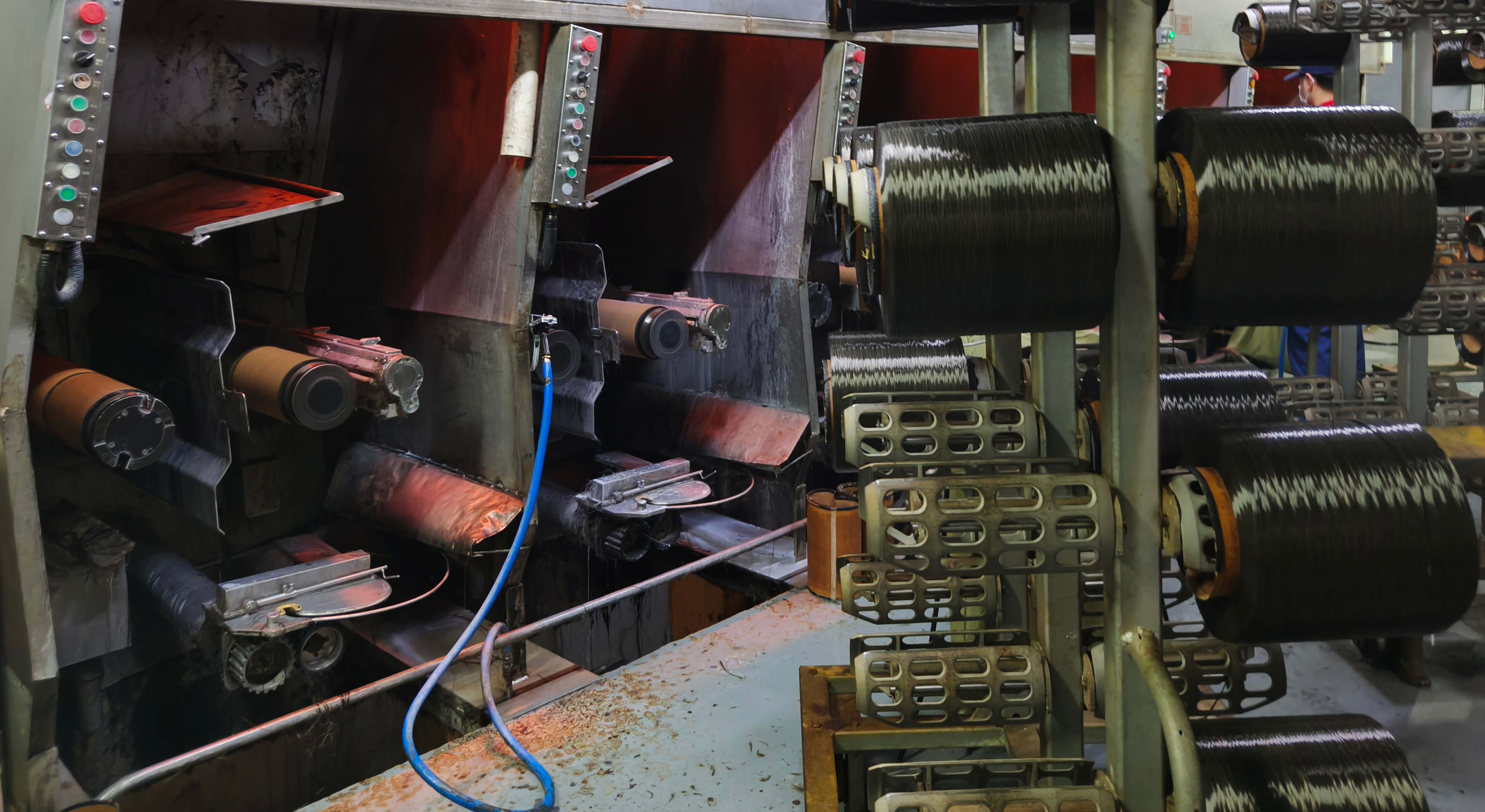
Basalt fiber, a "green high-performance fiber" derived from natural basalt ore, boasts inherent advantages such as high temperature resistance, chemical corrosion resistance, excellent mechanical properties, and environmental biodegradability, leading to the development of various high-value products in the textile industry. Among these, untwisted yarn and nonwoven fabric are two of the most widely used and core-value representatives. Relying on different textile processes and structural characteristics, they respectively achieve differentiated empowerment in areas such as high-end composite material reinforcement, industrial protection, and environmental filtration.
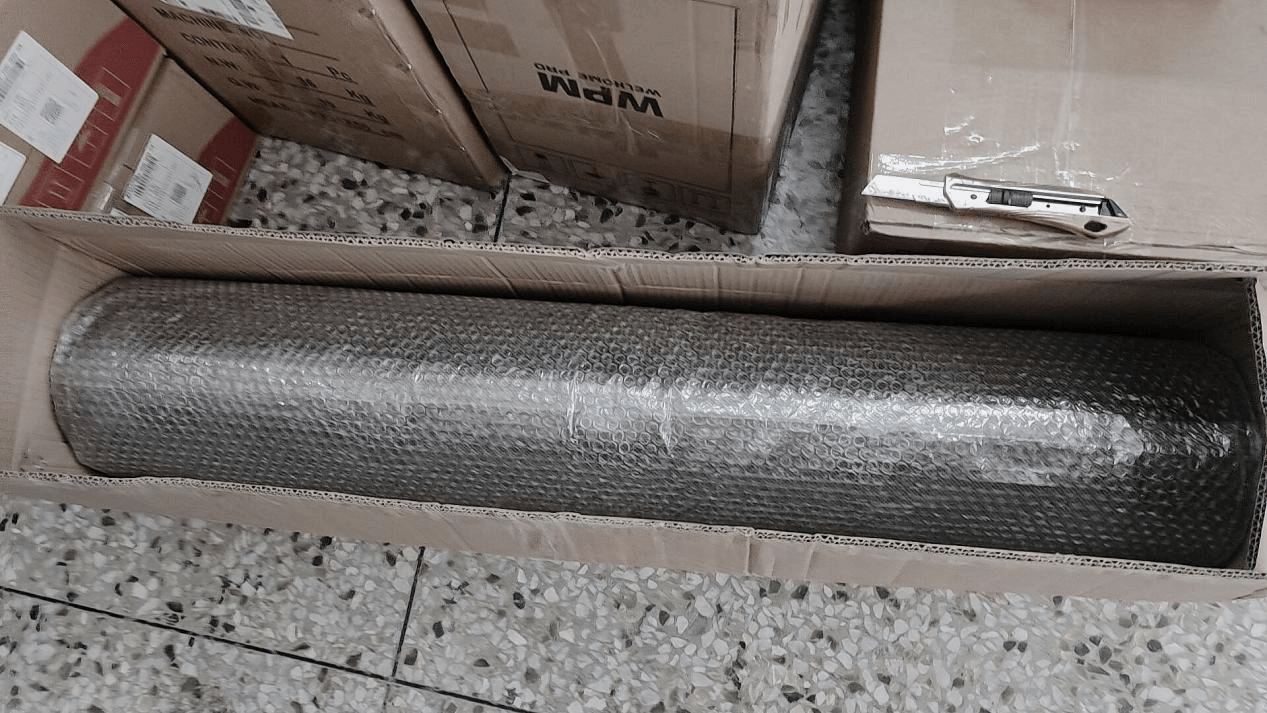
Basalt fiber cloth special for epoxy resin laminates
High-quality basalt fiber cloth specially designed for producing high-performance epoxy resin laminates board. It uses continuous basalt fibers through special weaving and surface treatment processes to achieve the best wettability and adhesion with the epoxy resin system, the final composite materials with outstanding mechanical properties, heat resistance and corrosion resistance.
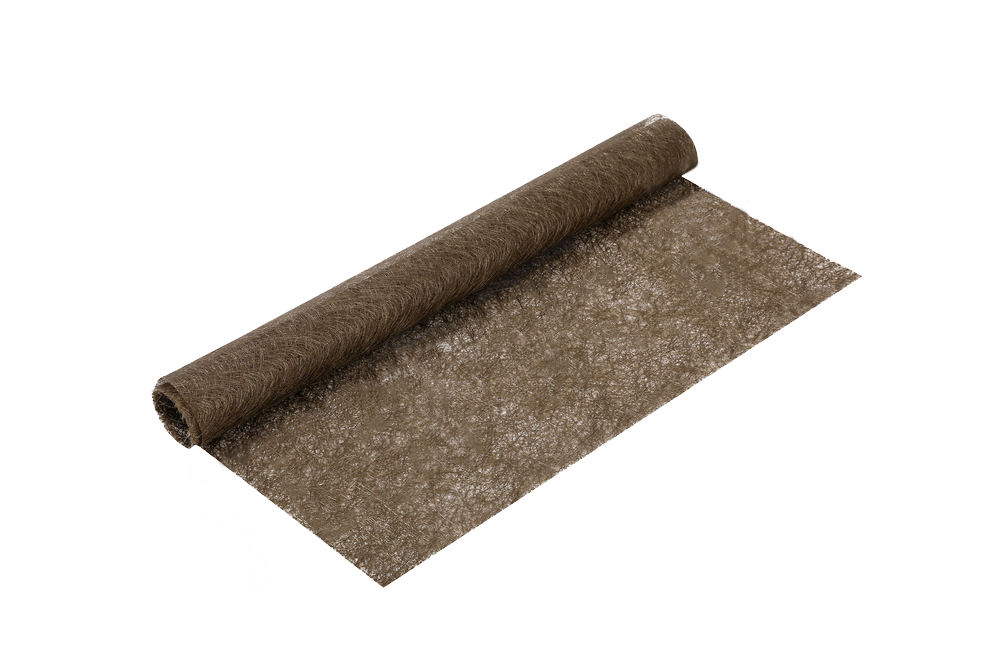
Basalt Fiber Nonwoven Fabric: A Multi-Scenario "Functional Barrier" and "Environmentally Friendly Solution"
Basalt fiber nonwoven fabric is a sheet material made by randomly or orientedly laying chopped basalt fibers or continuous filaments into a web and then reinforcing it through nonwoven processes such as needle punching, hydroentangling, and meltblowing (which requires the addition of a small amount of hot-melt fibers). Its core value lies in its "structural controllability" and "functional versatility." By adjusting the fiber length, web laying method, and reinforcement process, its physical and chemical properties can be customized to suit different scenarios.

CHINA BEIHAI FIBERGLASS to Showcase at Eurasian Composites Show in Istanbul, Turkey
The exhibition location at the Eurasian Composites Show in Istanbul, Turkey, has changed from Hall 6, Booth B540 to Hall 5, Booth B540.

CHINA BEIHAI FIBERGLASS to Showcase at International Composites Industry Exhibition in Istanbul, Turkey
CHINA BEIHAI FIBERGLASS is excited to announce its participation in the 7th International Composites Industry Exhibition (Eurasian Composites Show) at the Istanbul Expo Center, Turkey, from November 26-28, 2025. We warmly invite all attendees to visit our booth and explore the vast potential of our advanced phenolic fiberglass composite materials.
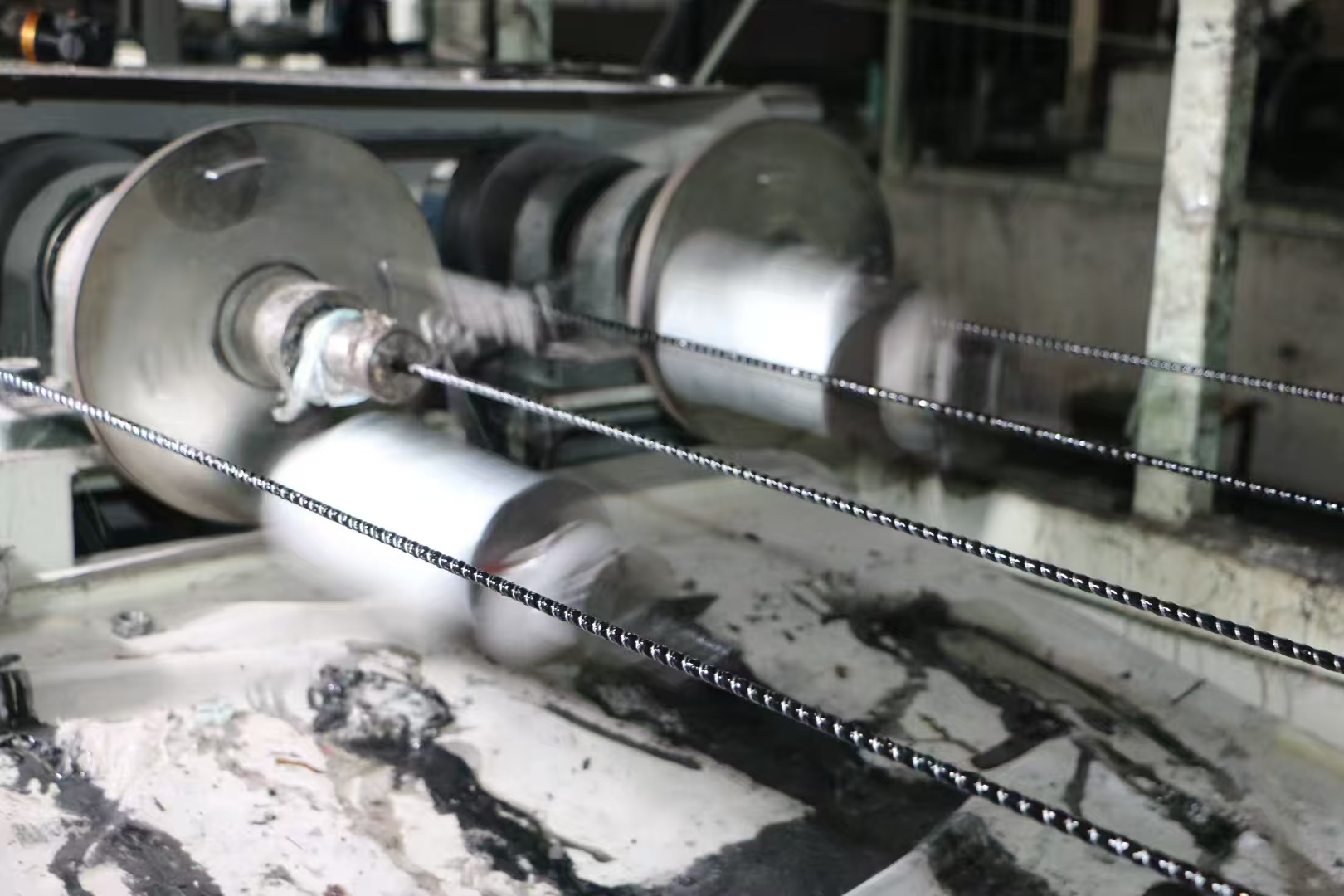
Basalt Rebar: A Game-Changer Leading the New Revolution in Construction Materials
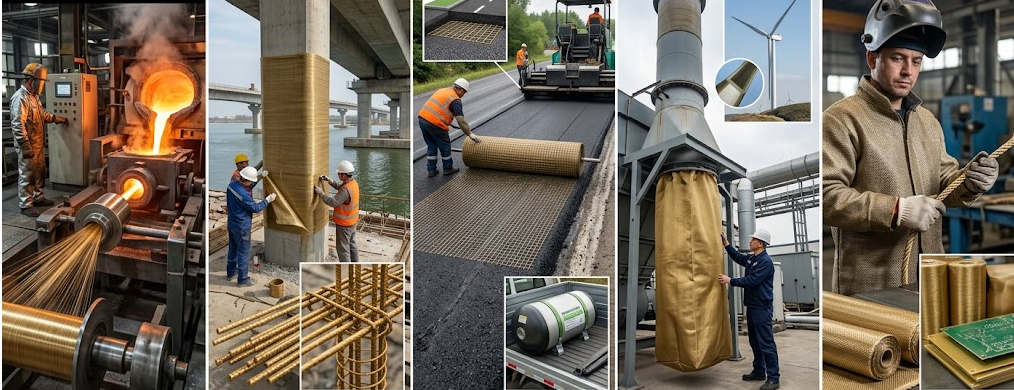
Basalt fiber, with natural basalt as its raw material, is formed into a continuous, fine inorganic filament bundle after high-temperature melting, drawing, and heat treatment. Basalt fiber has high-temperature resistance, anti-oxidation, radiation resistance, thermal and acoustic insulation, and excellent filtration performance. Because its production process is clean and pollution-free, it is known as the "21st-century green industrial material." It is then further processed into a composite bar with the form of rebar
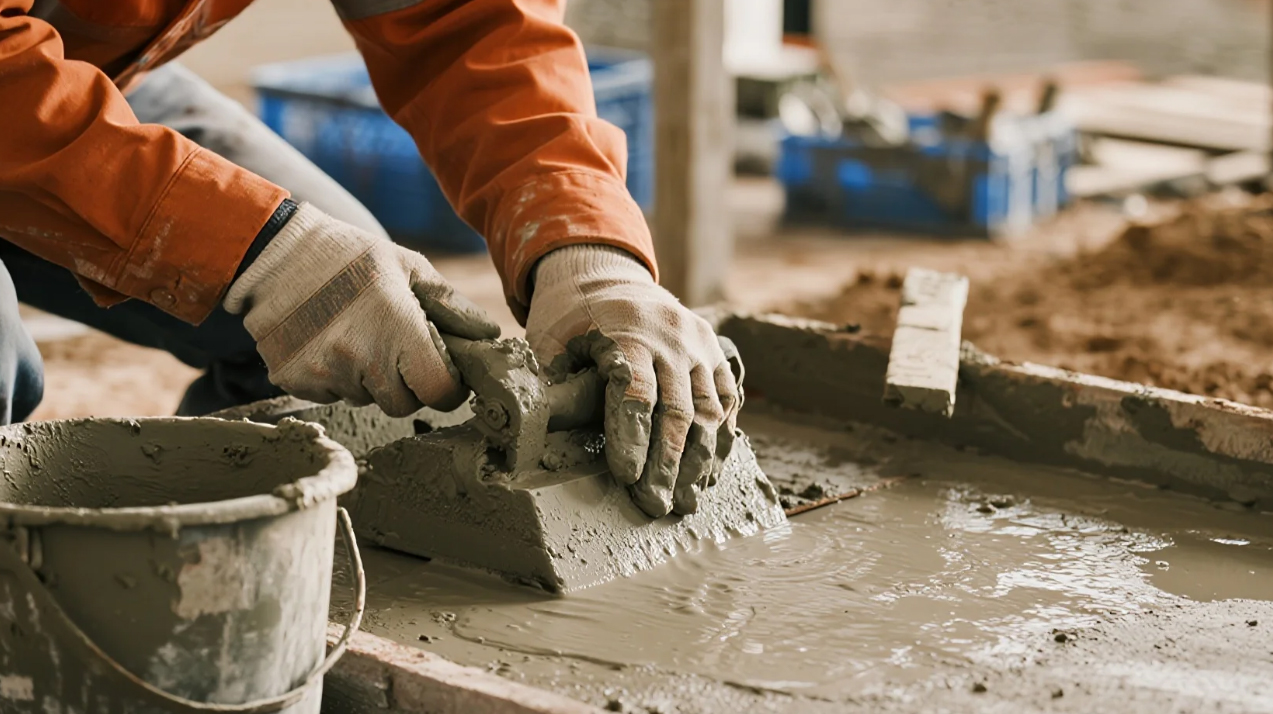
Construction Technology Analysis of Basalt Fiber-Reinforced Plaster Morta
Uneven fiber distribution during the mixing process can lead to localized strengthening of the mortar, affecting its crack resistance. To improve fiber dispersion, efficient mixing equipment should be used, and the mixing time and speed should be adjusted appropriately to ensure uniform fiber distribution throughout the mortar. Proper mixing time helps ensure the fibers are fully integrated with the cement-based material; both excessively long or short mixing times will impact fiber dispersion and the overall performance of the mortar. It's generally recommended to control the mixing time to 3-5 minutes, avoiding over-mixing, which can cause fiber breakage and negatively affect the reinforcing effect.
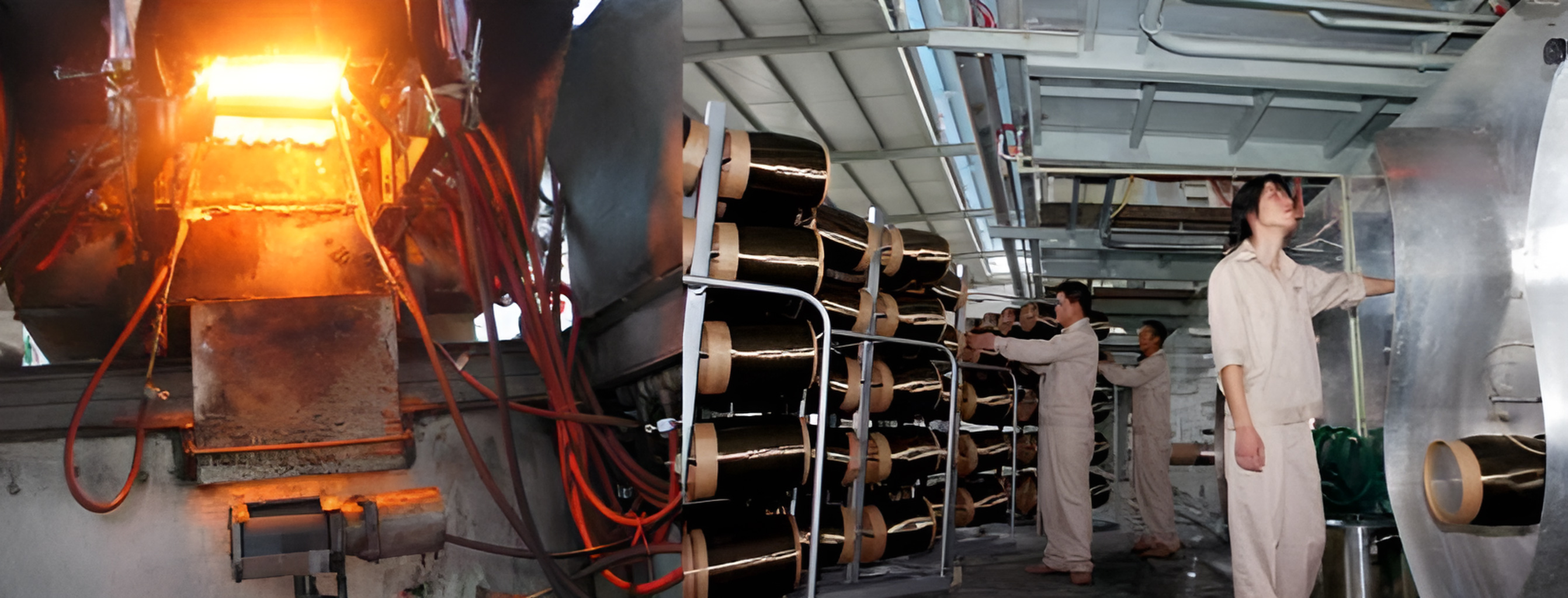
A New Era of Innovation: Basalt Fiber Mat Leading Application Advancements
As global demand for high-performance, eco-friendly materials continues to surge, basalt fiber, a novel inorganic fiber material derived from volcanic rock, is demonstrating vast application potential due to its exceptional properties. Today, Beihai Composites officially announces its commitment to driving the innovative application of basalt fiber felt across multiple key sectors, providing customers with safer, more efficient, and sustainable solutions.