


News

Basalt Fiber Ushers in a New Era of High-Frequency Communication
As 5G base stations become denser, mobile phone antennas more numerous, and fiber optic cable networks more extensive, the material requirements for communication equipment are shifting from merely "adequate" to "extreme": low dielectric loss, high electromagnetic shielding, lightweight construction, and aging resistance.
Thanks to properties such as a low dielectric constant, natural insulation, and strong weather resistance, basalt fiber is finding its place in core components like base station antennas, optical cable strength members, and radomes. Rather than displacing existing materials, it offers a superior balance of performance and cost-effectiveness for high-frequency, high-speed applications.

Withstands 1300°C Without Burning Through! A Firefighting Suit Woven from Volcanic Rock—Lower Cost, Stronger Protection
Recently, after years of overcoming technical hurdles, Wuhan Textile University successfully drew hard basalt into fibers finer than a human hair and wove them into "Basalt Dragon-Scale Suits" capable of withstanding temperatures of 1300°C. This breakthrough, which has attracted the attention of leading textile enterprises, not only addresses the protective shortcomings of traditional firefighting suits but also achieves superior performance at a lower cost. Representatives from the Wuhan Fire and Rescue Bureau recently visited the university to commission a batch of these suits. The innovation has drawn interest not only from local Hubei businesses but also from numerous leading textile companies across the country.
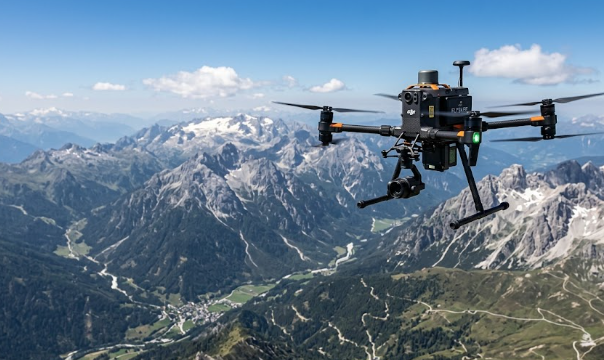
Feasibility of Applying Basalt Fiber to Small UAV Structures
BFRP is suitable for medium-to-low-load structures in small UAVs and offers application value in terms of weight reduction, corrosion resistance, and damping/vibration reduction; however, it should be avoided in areas requiring high stiffness. If stiffness is not a critical factor but cost is, BFRP offers significantly better cost-effectiveness than CFRP.
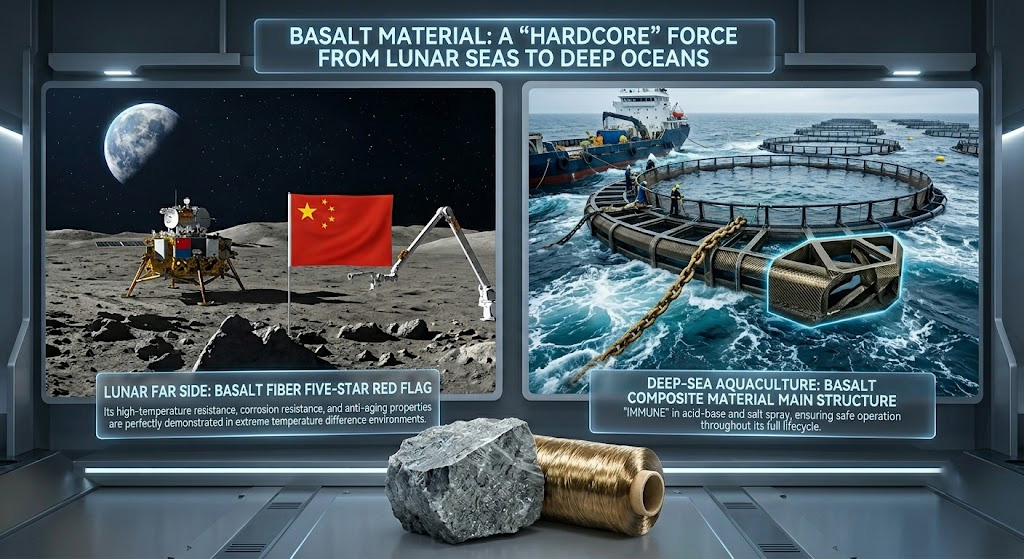
From Lunar Surfaces to Deep Seas: Three-Dimensional Breakdown of Basalt Material Strength
From the basalt fiber national flags unfurled on the far side of the moon to the main structures of deep-sea aquaculture platforms, and onto the crack-resistant subbases of highways, basalt materials have stood out in both extreme environments and everyday engineering projects due to their exceptional high-temperature resistance, corrosion resistance, and anti-aging performance.
Formed by the cooling and solidification of magma deep within the Earth, this natural volcanic rock exhibits 'hardcore' characteristics post-processing that far surpass conventional materials. Consequently, it has become a preferred alternative material in high-end manufacturing, infrastructure engineering, and aerospace sectors. Today, we will break down the performance intensity of basalt materials across three core dimensions to understand exactly what makes it so robust.

Basalt Fiber: Sparking a Materials Revolution in the Drone and Robotics Sectors
As drones slice through the sky to monitor wildfires, and intelligent robots execute repetitive tasks with precision on the factory floor, the efficient operation of this smart equipment is often underpinned by a "hardcore support" that is easily overlooked: a novel material derived from volcanic rock—basalt fiber. Though unassuming in appearance, its unique properties have made it the key to unlocking the performance limits of drones and robots, quietly driving a materials revolution within the realm of intelligent equipment.
Produced by melting natural basalt rock at temperatures ranging from 1,450°C to 1,500°C and drawing it into fibers, this novel inorganic material boasts a multitude of advantages—including lightweight strength, weather resistance, corrosion resistance, and eco-friendliness—that are currently fueling a materials revolution in the drone and robotics industries. Today, let’s uncover its hidden capabilities!
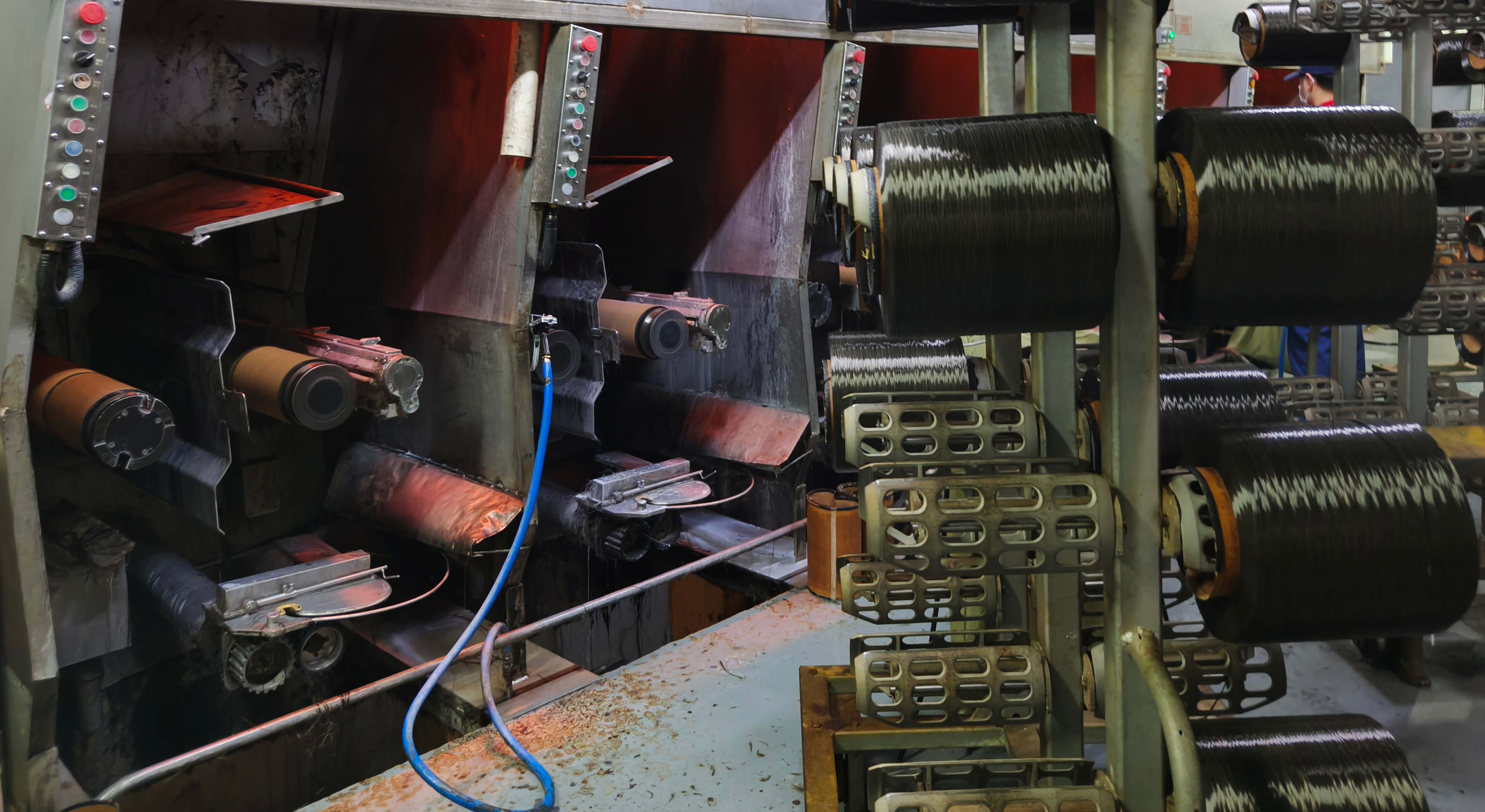
In what specific aspects are the "high-temperature resistance" characteristics of basalt fiber manifested?
Basalt fiber is an inorganic fibrous material produced by drawing strands from natural basalt ore after it has been melted at high temperatures. It has garnered widespread attention for its exceptional physicochemical properties—particularly its performance in high-temperature environments. Notably, high-temperature-resistant basalt fiber—a key sub-category of this material—demonstrates unique value in numerous applications that demand resilience against extreme temperatures.

Basalt Fiber Industry Achieves High-End Breakthroughs Driven by Quality Standards
Recently, with the successful realization of major applications—such as the Chang'e-6 lunar exploration mission and the world's first deep-sea basalt fiber aquaculture platform—basalt fiber is rapidly accelerating its transformation from a laboratory research outcome into a strategic new material with tangible industrial productivity. Possessing the combined advantages of being eco-friendly, low-carbon, lightweight, high-strength, weather-resistant, and corrosion-proof, basalt fiber is now—bolstered by a comprehensive system of quality monitoring and standards—achieving breakthroughs in aerospace-grade applications and widespread commercialization in civilian sectors, thereby continuously enhancing the industry's overall competitiveness.
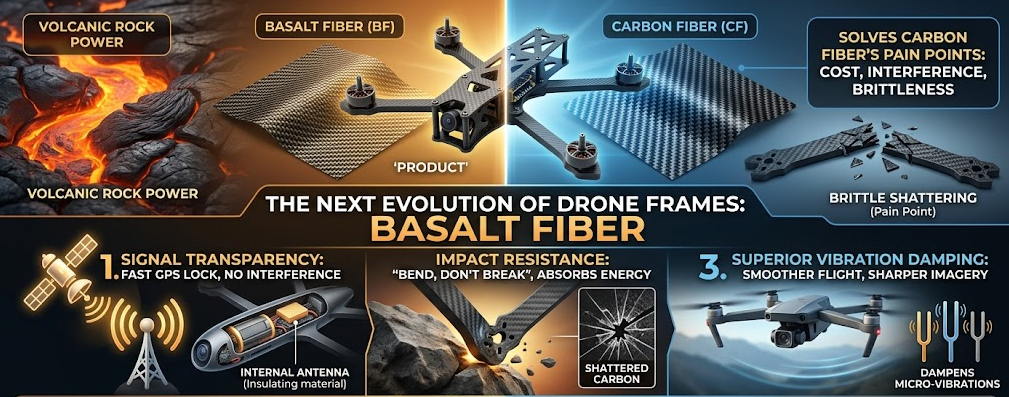
High-Performance 200gsm Twill Basalt Fiber: The Future of Drone Frame Composites
In the drone community, carbon fiber has long been regarded as the "black gold" standard. However, if you are tired of exorbitant costs, severe GPS signal interference, or frame arms that shatter into dust upon impact, then the "power of volcanic rock"—Basalt Fiber—is quietly changing the rules of the game.
In particular, 200gsm twill basalt fiber fabric is not merely a direct substitute for carbon fiber; it represents a pivotal step in the evolution of frames for small to medium-sized drones.
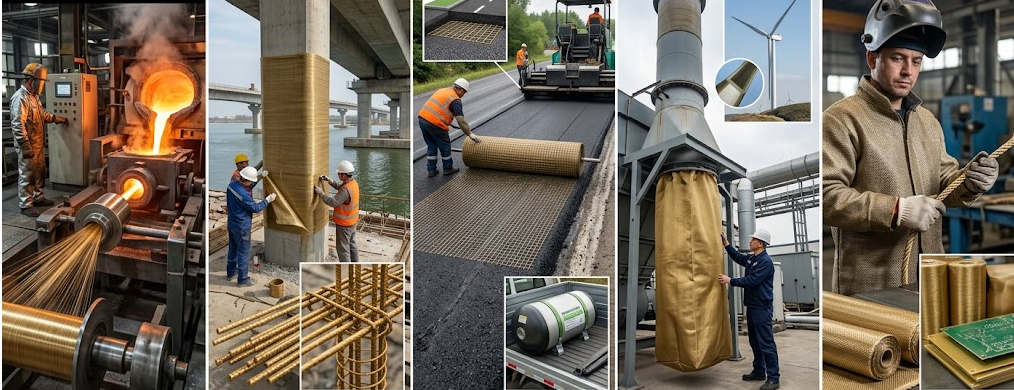
From Bridge Reinforcement to Automotive Lightweighting
Basalt fiber is a continuous filament produced from natural basalt ore; the ore is subjected to high-temperature melting and then rapidly drawn through a platinum-rhodium alloy bushing. Its color typically presents as a golden-brown hue. Basalt ore itself is a common rock formed following volcanic eruptions, and it is both abundant in reserves and widely distributed throughout the Earth's crust. Transforming this common stone into a high-performance fiber exemplifies the ingenuity of modern materials science.
In terms of chemical composition, basalt fiber consists primarily of oxides—such as silicon dioxide, aluminum oxide, calcium oxide, and magnesium oxide—and is classified as a silicate fiber. Its production process is characterized by its eco-friendliness. The basalt ore is heated to a molten state within high-temperature furnaces; throughout this entire process, no chemical reagents are added, nor are any harmful waste gases generated, while the resulting slag can be recycled and reused. Compared to certain synthetic fibers that require complex chemical processes for their preparation, the manufacturing process for basalt fiber is relatively straightforward and consumes less energy.
The performance characteristics of basalt fiber fall between those of high-strength glass fiber and carbon fiber; it integrates a multitude of superior properties, thereby finding practical application across a wide array of fields.
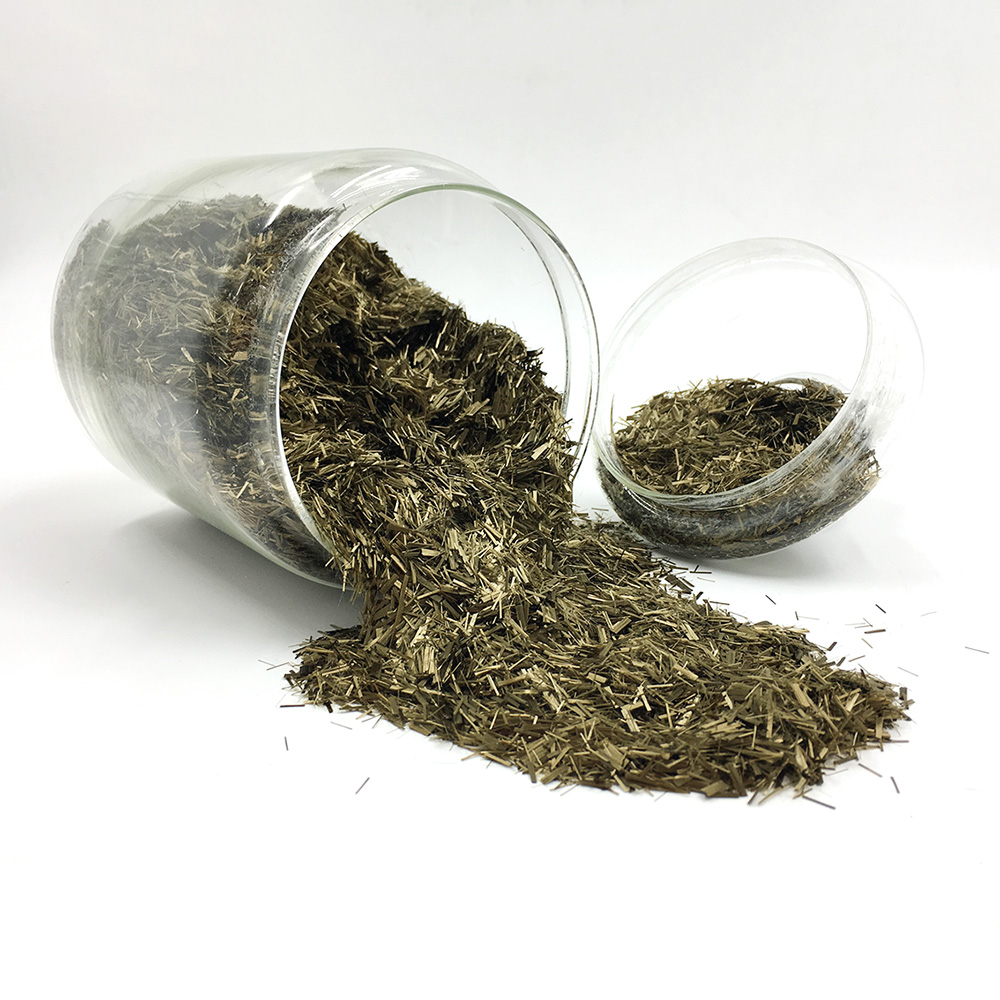
Bid Farewell to "Fiber Clumping"! The Beauty of Uniformity in 9mm High-Dispersion Basalt Fiber
Basalt fiber is an inorganic fiber produced from natural basalt ore; it is created by melting the ore at high temperatures and drawing it out through a specialized manufacturing process. Specifically, 9mm basalt fiber refers to a chopped product with a nominal fiber length of approximately 9 millimeters, while the term "high-dispersion" describes the fiber's inherent ability to disperse uniformly and stably within subsequent application systems. This material combines the intrinsic superior properties of basalt fiber with excellent processing compatibility, demonstrating significant potential for application across numerous industrial sectors.
To fully appreciate the value of 9mm high-dispersion basalt fiber, one must examine it from multiple perspectives: its raw materials, manufacturing process, core characteristics, and the specific challenges it addresses.