




News

High-Temperature Resistant, Corrosion-Resistant Natural Inorganic Fiber—Basalt Fiber.
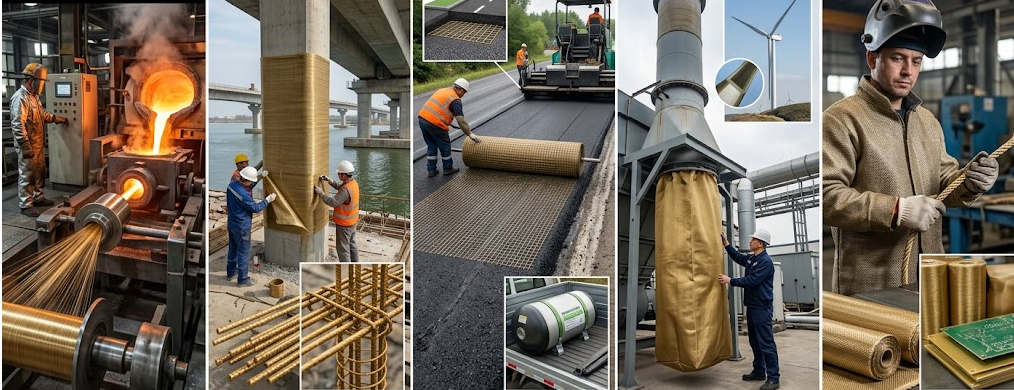
Basalt fiber is an inorganic fiber material made primarily from natural basalt rock. It is processed through high-temperature melting and drawing processes, resulting in stable chemical and physical properties. This fiber has applications in various fields, characterized by its abundant raw material source and relatively simple production process.

Basalt Tech: European Port Projects Adopt High-Performance Geotextiles for Sustainable Reinforcement
In a strategic move toward sustainable infrastructure, high-performance basalt fiber needled mats have been specified for major port facility upgrades across Europe. Designed to meet the rigorous demands of coastal and marine engineering, these innovative 750 g/m² and 950 g/m² basalt geotextiles are redefining durability and environmental resilience in heavy-duty geotechnical applications.
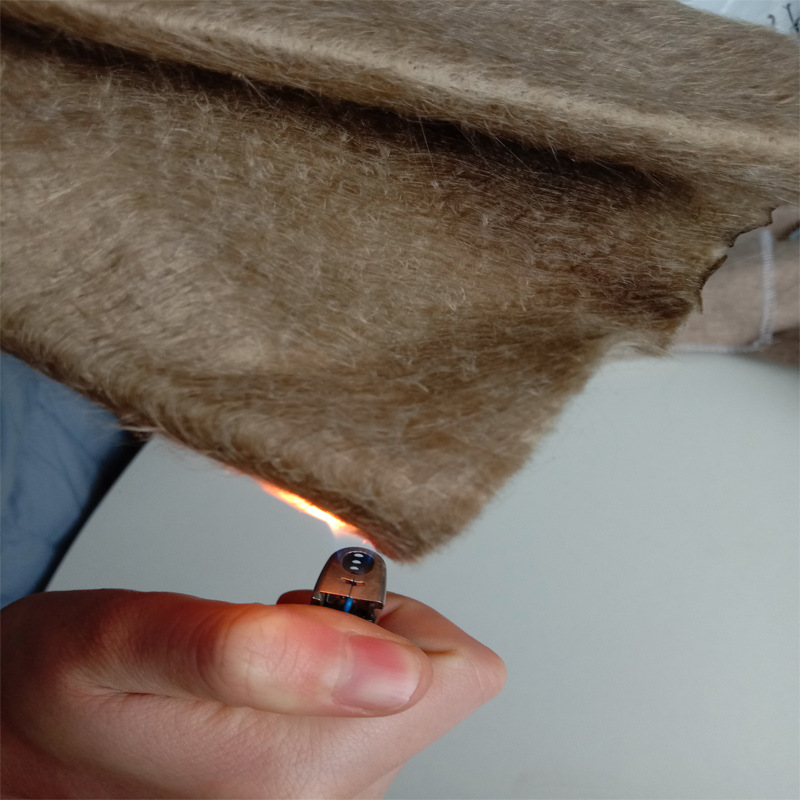
Basalt fiber is reshaping the fireproofing market landscape
Basalt is widely distributed and inexpensive in my country. Its fiber production cost is low, and it has significant comprehensive advantages compared to chemical fibers, carbon fibers, and glass fibers. It has great market potential and is a new type of high-tech, high-value-added product for the new era.

How is basalt fiber used in the automotive industry?
Basalt fiber is not only high in strength, thermally stable, resistant to damage to mating surfaces, and exhibits low wear and a stable coefficient of friction, but it is also reasonably priced. Applying basalt fiber to friction reinforcement materials not only increases the lifespan and operating temperature of automotive friction materials, but also addresses various unfavorable factors in current friction materials, helping to solve the thermal fade phenomenon in traditional automotive brakes, thereby reducing traffic accidents.

Low-Carbon Mobility: Basalt Fiber Transforming Automotive Interior Materials
Basalt fiber, as a natural green inorganic fiber, is made from natural basalt through melt drawing. It possesses unique advantages such as low carbon footprint, environmental friendliness, lightweight, strong weather resistance, and excellent mechanical properties. After composite modification and process innovation, it has achieved large-scale application in the field of automotive cabin materials, reshaping the cabin material system from multiple dimensions of environmental protection, performance, and cost, injecting core momentum into low-carbon travel.

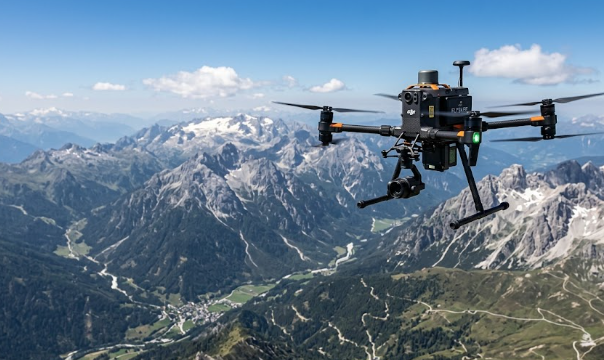
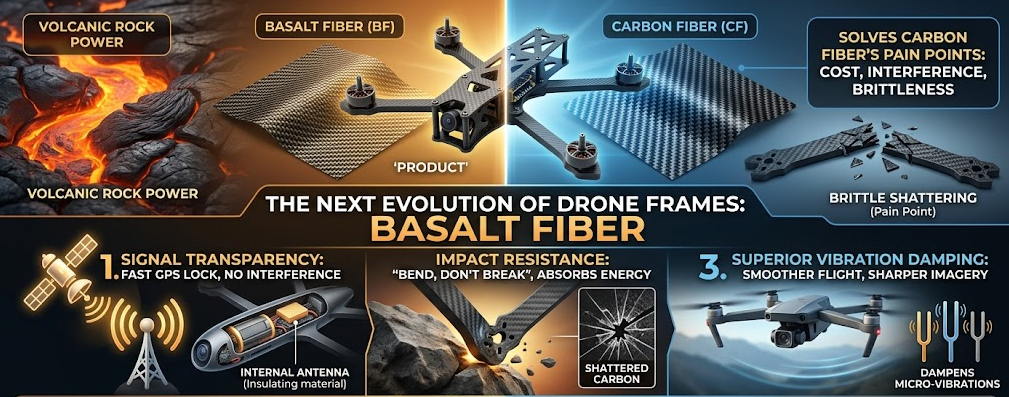
Research on UAV Applications of Basalt Twill Fabric
Natural and non-toxic material basalt fiber is produced by melting and drawing volcanic rocks. To create basalt fibers, basalt ore is heated to about 1500°C before being drawn into continuous threads through platinum-rhodium alloy spinnerets.
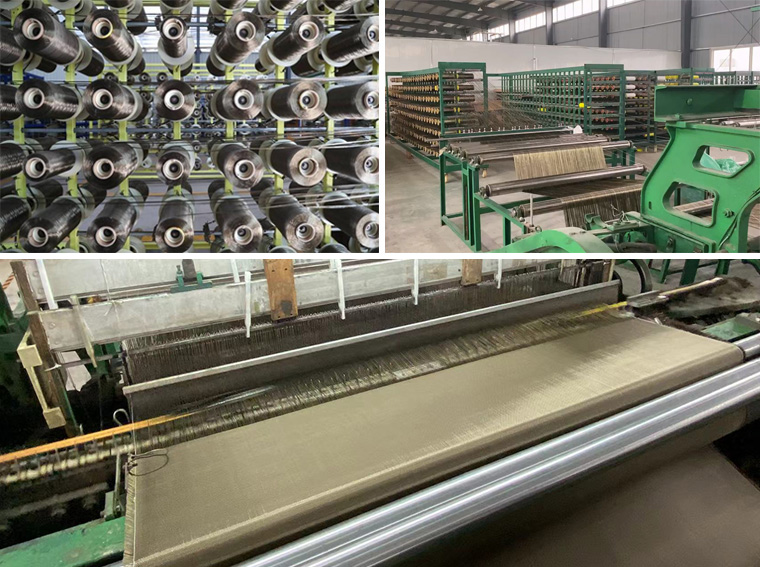
Basalt Fiber Untwisted Cloth: A "Reinforcing Skeleton" and "Functional Carrier" for Composite Materials
Basalt fiber untwisted Cloth is a thin fabric woven from continuous basalt fiber filaments (untwisted or weakly twisted) using simple weave structures such as plain and twill. Its core value lies in maximizing the retention of the mechanical properties and functionality of basalt fibers through a structural design of "low twist + high continuity," making it an ideal reinforcing substrate in the field of composite materials.
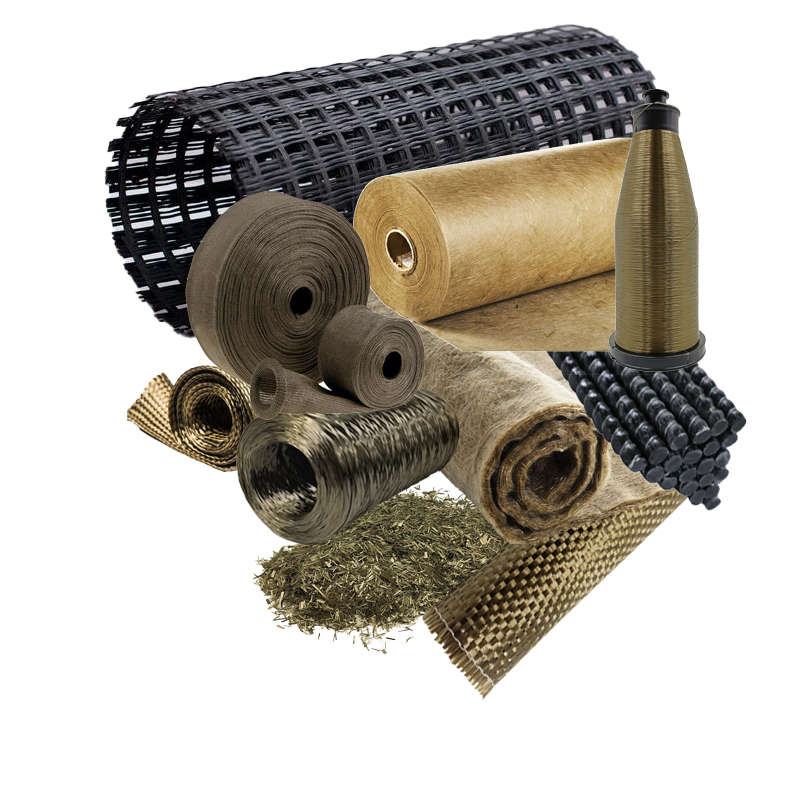
Basalt Fiber: High-Performance Green New Material, Its Products, and Applications
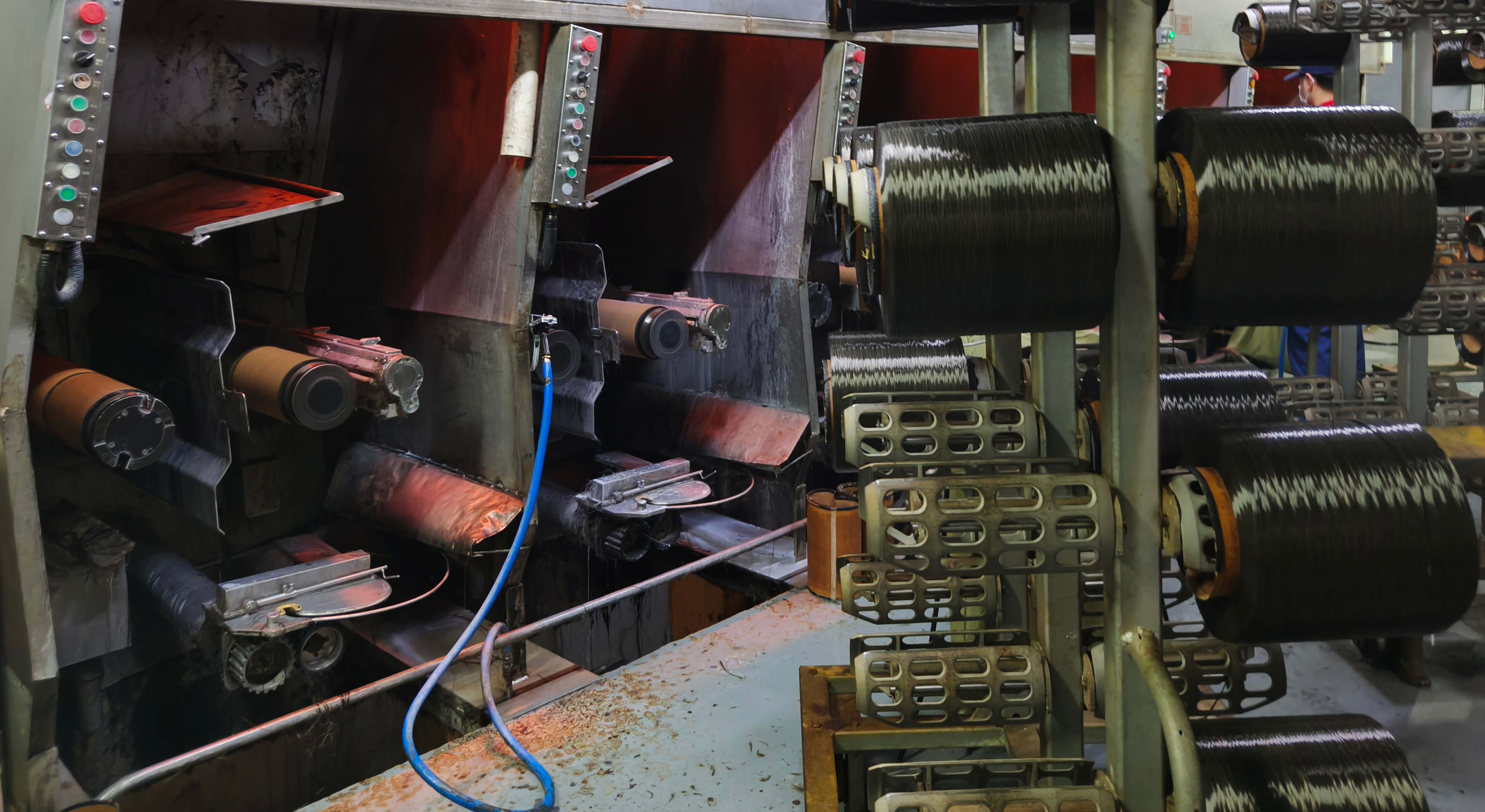
Basalt fiber material has powerful uses. So, how is basalt fiber produced? It is a continuous fiber made by high-speed drawing of basalt rock material after being melted at 1450°C to 1500°C through a platinum-rhodium alloy spinneret. Basalt fiber is brown or gold in color. Basalt fiber is a new type of inorganic, environmentally friendly, green, high-performance fiber material. It is a new material for the 21st century that is green, environmentally friendly, and non-polluting, and it is one of China's four major high-performance fibers. Basalt fiber exhibits excellent properties in terms of strength, resistance to high and low temperatures, corrosion resistance, thermal insulation, sound insulation, flame retardancy, as well as chemical and electrical insulation.
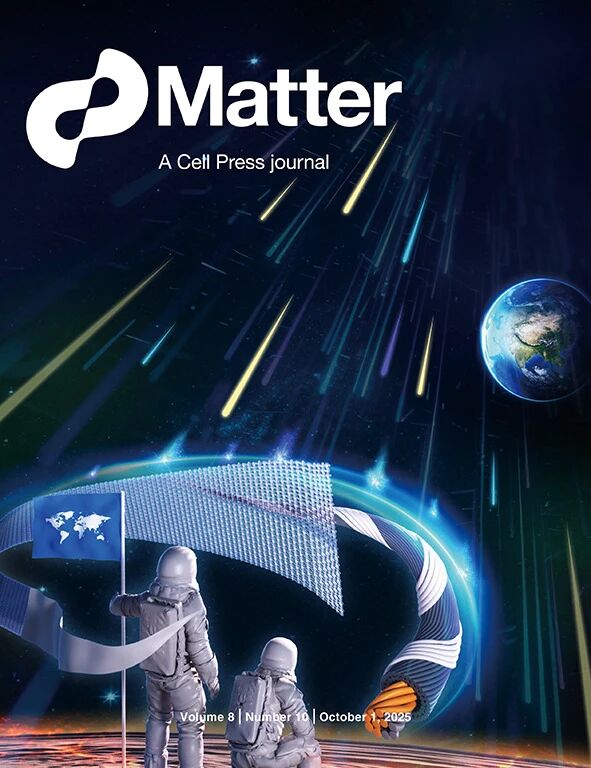
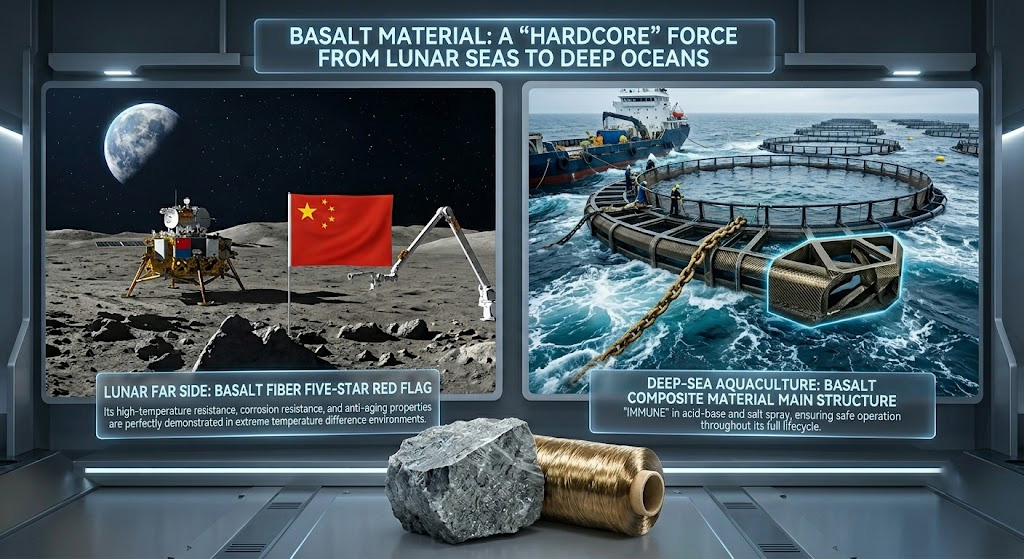
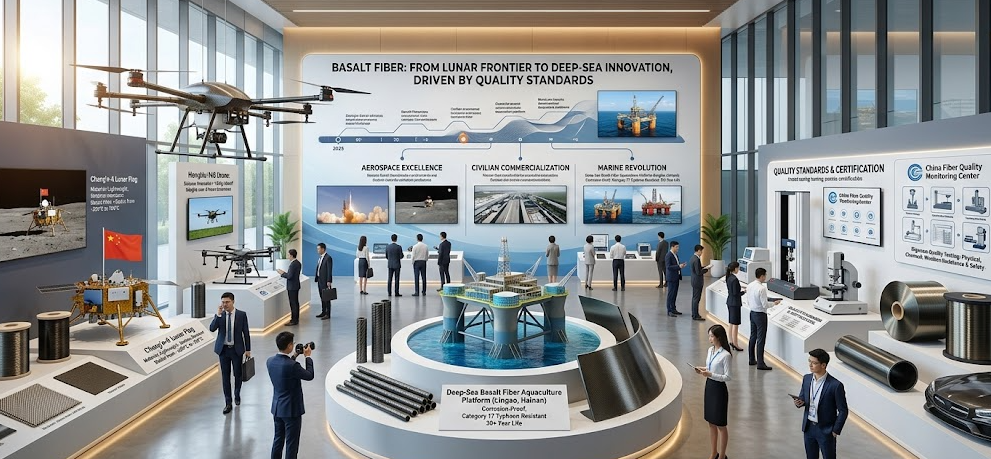
Application of Layered Basalt Ultra-Fine Yarns and Their Fabrics in Lunar Exploration
The research paper titled “Hierarchical basalt metayarn for ergonomic protective space textiles” was published in the journal Matter by the team of Professor Xia Zhigang and Academician Xu Weilin from the National Key Laboratory of New Textile Materials and Advanced Processing at Wuhan Textile University, in collaboration with Professor Tao Guangming.

Basalt Fiber for Automotive Applications
Basalt fiber is not only characterized by high strength, good thermal stability, resistance to damage to counterparts, low wear, and a stable friction coefficient, but also by suitable pricing. The application of basalt fiber in friction-enhancing materials is beneficial for both increasing the lifespan of automotive friction materials and improving their operating temperature. It can also resolve various existing drawbacks of current friction materials, which helps to address the thermal fading phenomenon in traditional automotive brakes, thereby reducing the incidence of traffic accidents.