








News
Overview of Basalt Fiber-Reinforced Plaster Mortar
Basalt fiber is primarily composed of silicon oxide, aluminum oxide, and iron oxide, with high levels of silicon oxide and aluminum oxide, giving it significant advantages in heat resistance and chemical corrosion resistance. Compared to glass fiber, basalt fiber does not contain harmful metal oxides, resulting in better chemical stability and excellent durability in corrosive environments like strong alkalis and strong acids.
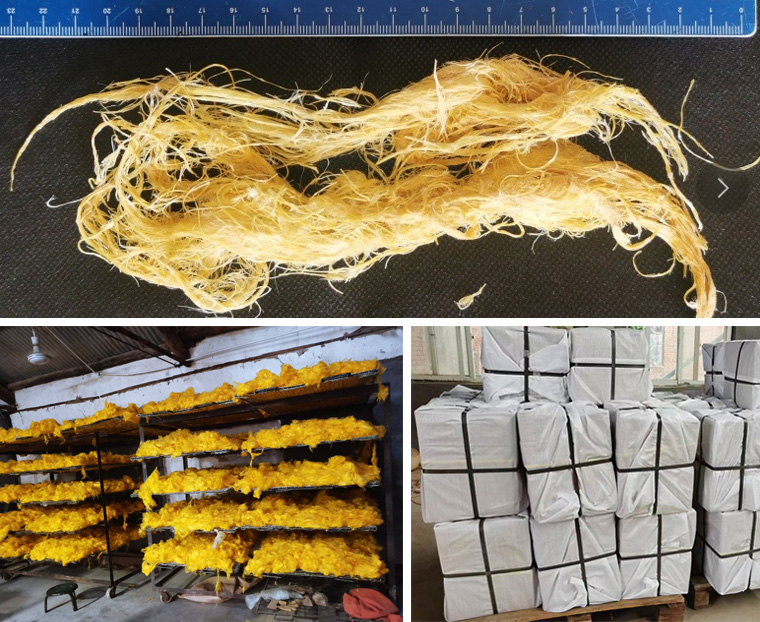
Most Successful Modified Material: Glass Fiber Reinforced Modified Phenolic Resin (FX-501)
With the rapid development in the field of engineered glass fiber reinforced plastics, phenolic resin-based materials have been widely applied across various industries. This is due to their unique quality, high mechanical strength, and excellent performance. One of the most significant representative materials is phenolic glass fiber resin material.
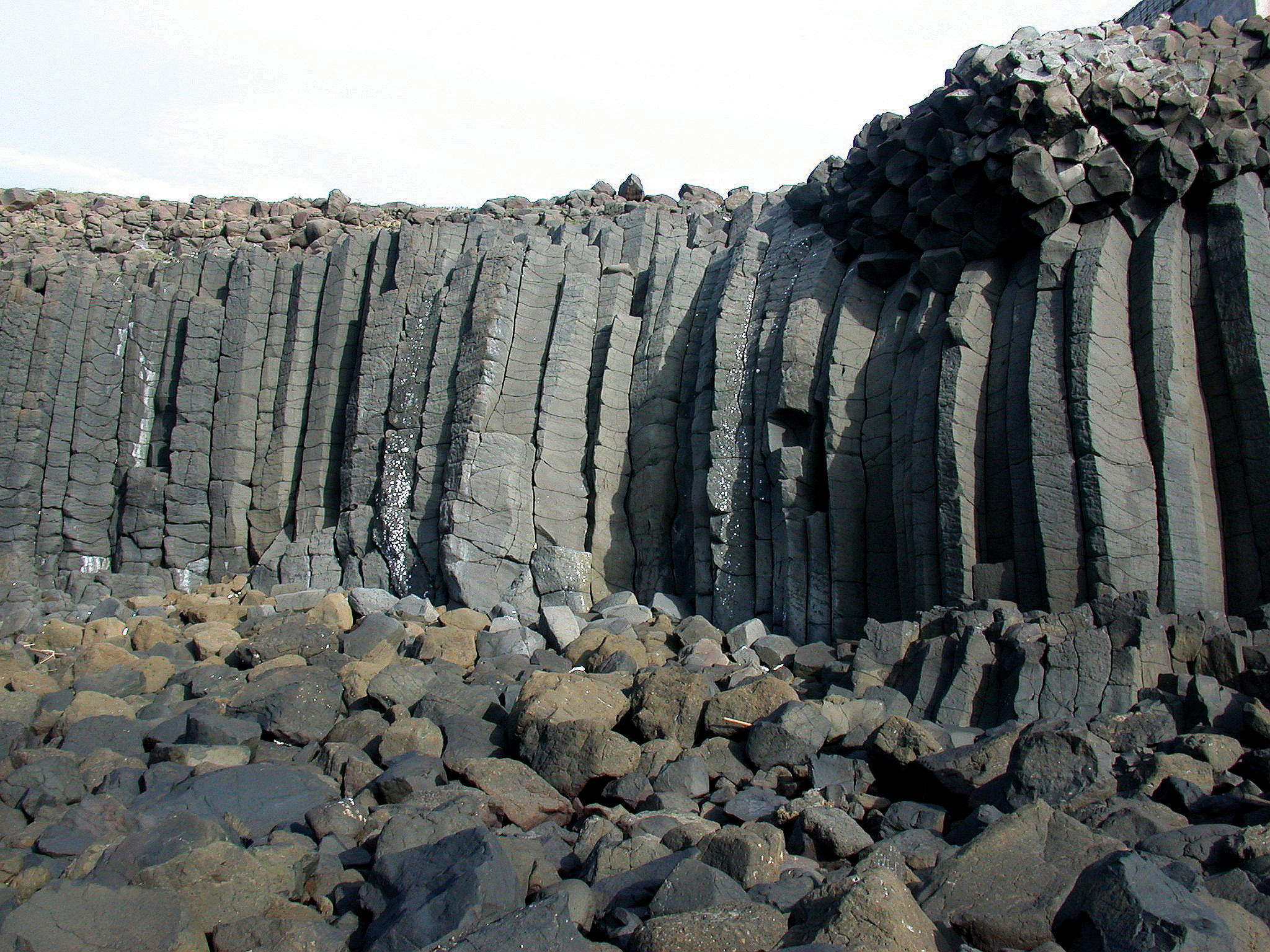
Impact of unstable basalt raw material composition on actual production and improvement measures
Similar to carbon fiber and glass fiber, the production of continuous basalt fiber requires raw material standardization. There are significant differences in the quality and application effects of basalt fiber products from different regions. Even within the same region, variations exist in basalt from different parts of the same mine.
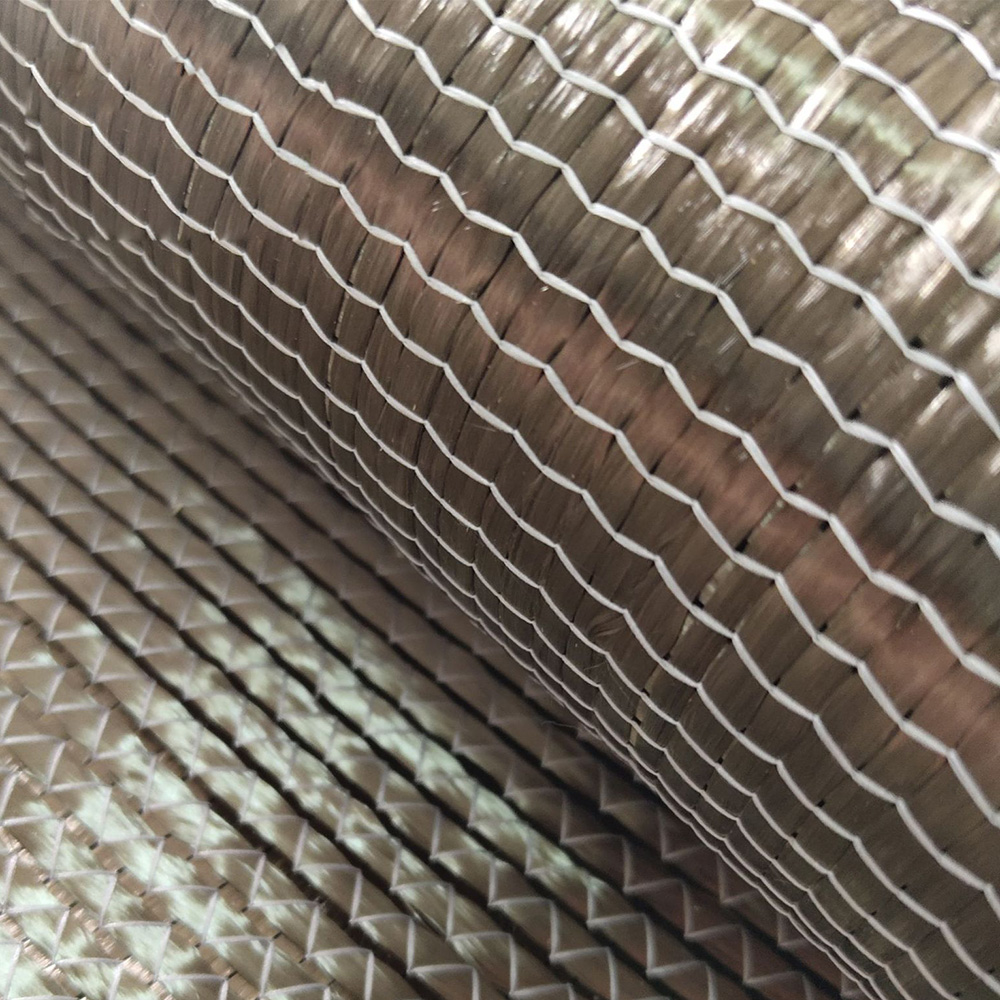
Application of Basalt Fiber Plain Weave Fabric in Floor Crack Repair
As buildings age, structural cracks have become a common and widespread issue. These cracks vary in type and form. Minor cracks not only affect a building's aesthetics and can lead to leaks, but more severe cracks can reduce the load-bearing capacity, stiffness, stability, integrity, and durability of the structure, potentially even leading to major quality incidents like total collapse. For minor cracks with low load-bearing requirements or small widths, basalt fiber plain weave fabric (BFRP) offers an economic and practical solution for reinforcement due to its superior cost-effectiveness.
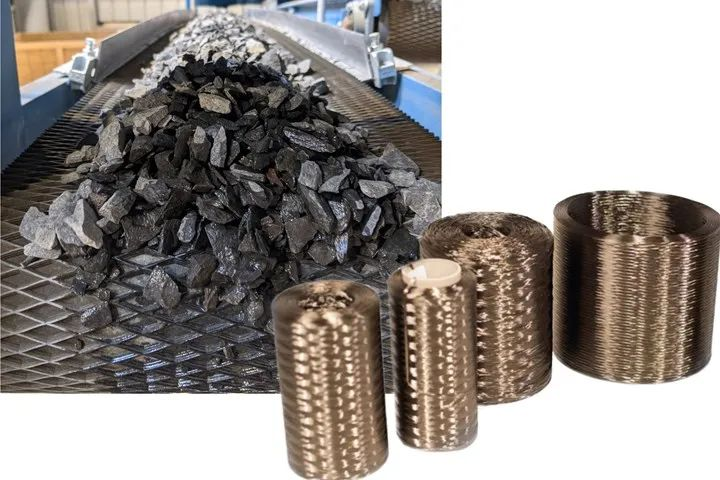
From Raw Material to Application: Basalt Fiber
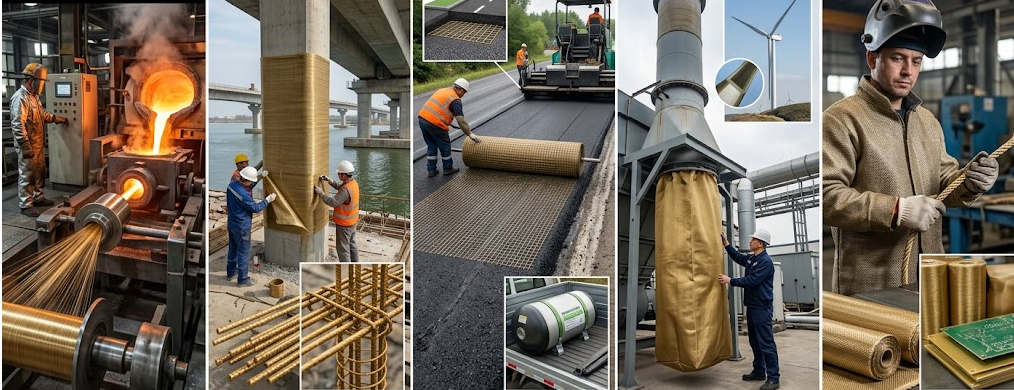
Basalt fiber boasts superior chemical, physical, mechanical, and high-temperature resistance properties. Continuous basalt fiber can be processed into roving, yarn, geotextiles, woven fabrics, chopped strands, needle felts, sleeving, and more, which are then applied in various fields.

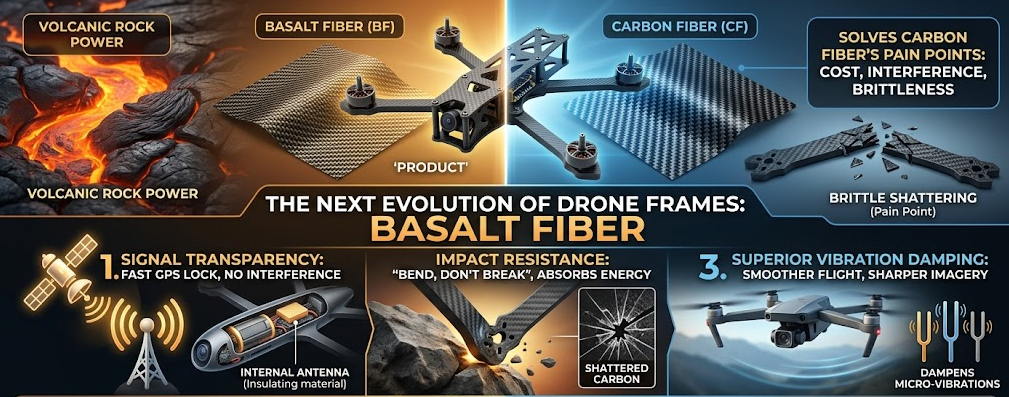
Basalt Fiber: A Game-Changer for the Low-Altitude Economy
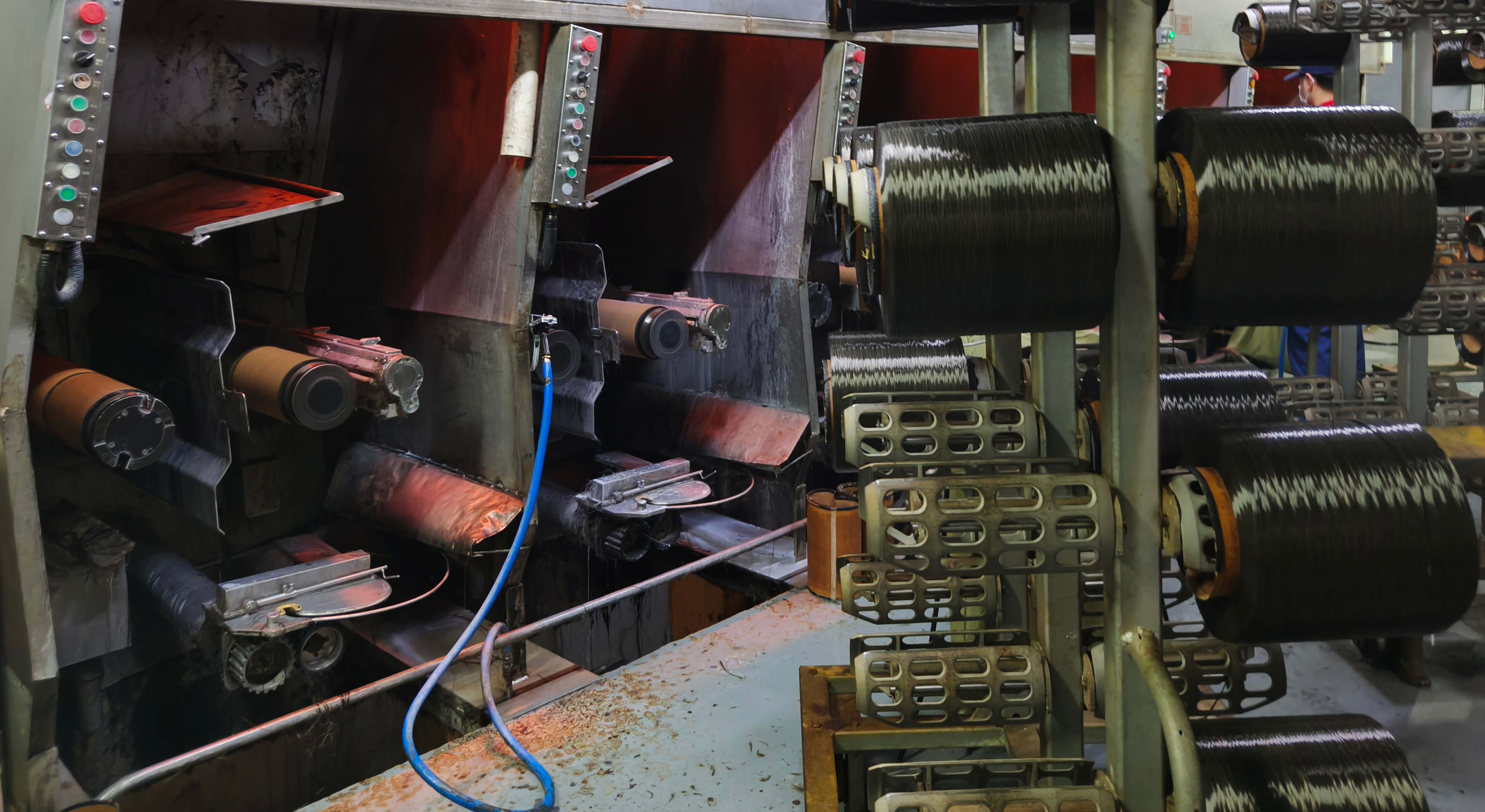
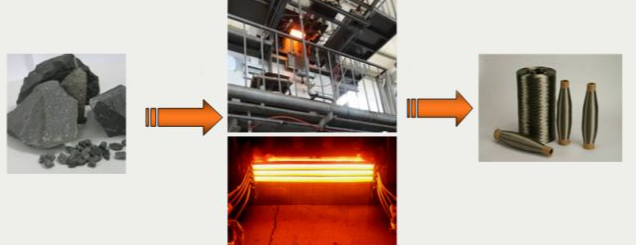
Basalt fiber boasts a simple manufacturing process and a single raw material. Crushed natural basalt ore is melted and homogenized in a high-temperature kiln (1400-1550℃), then cooled, drawn from a platinum-rhodium alloy spinneret, and finally wound into fiber. It exhibits excellent mechanical properties, temperature resistance, and chemical stability. Following ultra-high molecular weight polyethylene fiber, carbon fiber, and aramid fiber, basalt fiber is another high-performance fiber that China is prioritizing for development. Due to its pure natural, additive-free, and low-cost raw material, and its production process that generates no waste gas, basalt fiber has earned the reputation of "turning stone into gold." In recent years, it has been widely applied in various fields, including transportation, construction, environmental protection, chemical engineering, military, and aerospace.
Analysis of Basalt Fiber's Application Prospects
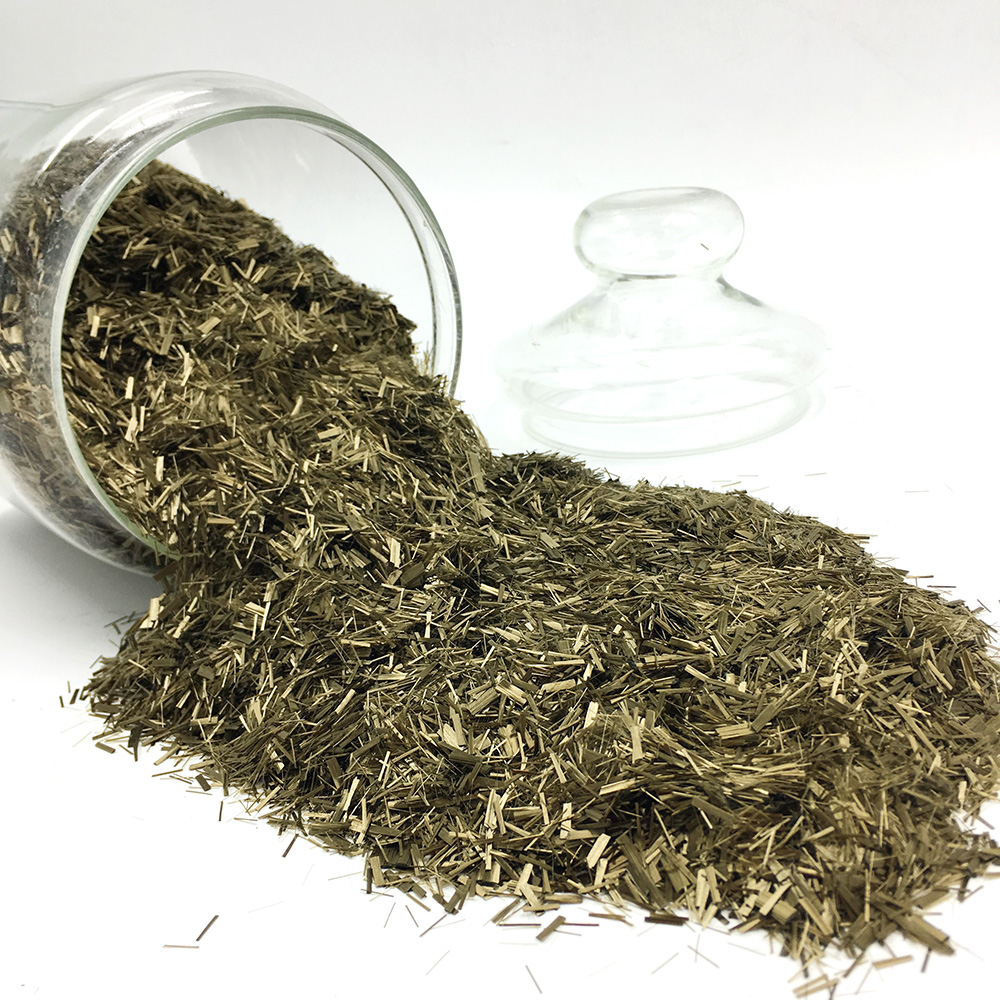
Basalt fiber is an inorganic silicate fiber that boasts natural compatibility with silicate materials like cement and concrete. This inherent compatibility gives it a significant technical advantage in areas such as asphalt overlays, cement reinforcement, and concrete reinforcement.
Two mainstream continuous basalt fiber preparation technologies
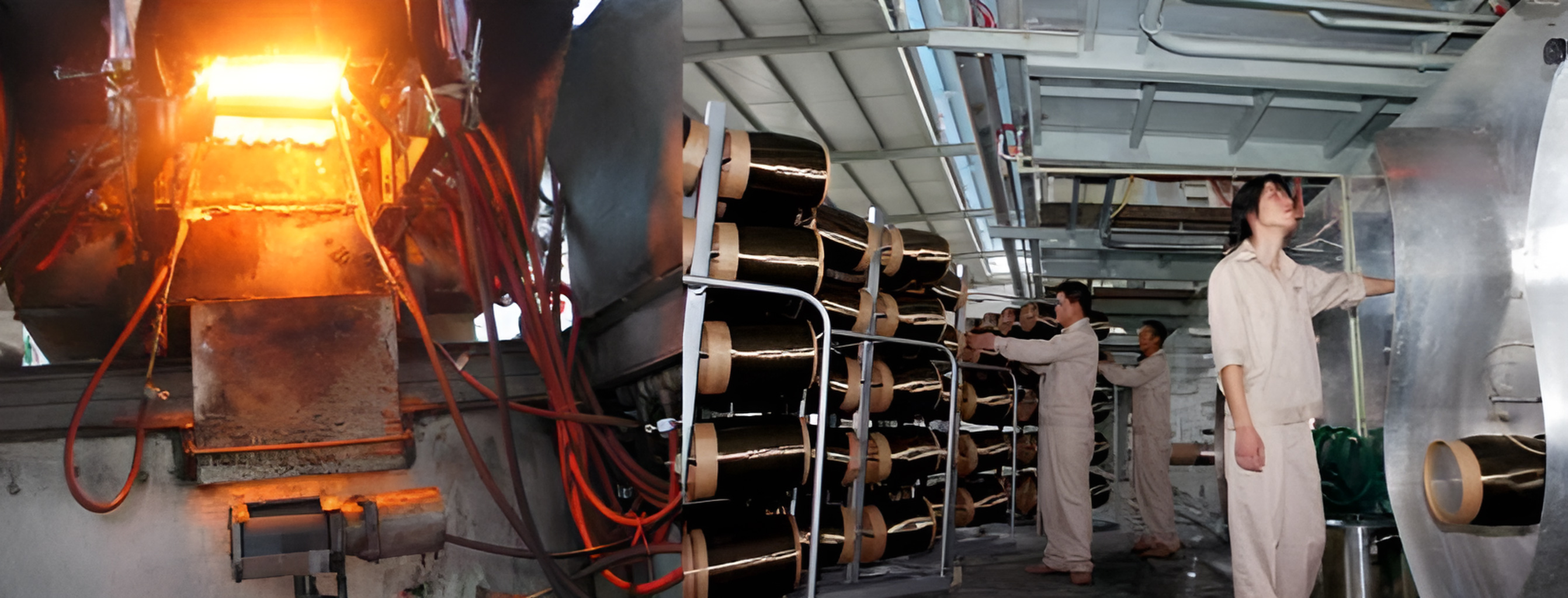
Currently, there are two main continuous basalt fiber manufacturing technologies developed independently in China: flame method and all-electric melting method.
A New Era of Innovation: Basalt Fiber Mat Leading Application Advancements
As global demand for high-performance, eco-friendly materials continues to surge, basalt fiber, a novel inorganic fiber material derived from volcanic rock, is demonstrating vast application potential due to its exceptional properties. Today, Beihai Composites officially announces its commitment to driving the innovative application of basalt fiber felt across multiple key sectors, providing customers with safer, more efficient, and sustainable solutions.
Breakthroughs and Growth Mark New Era for Basalt Fiber Industry
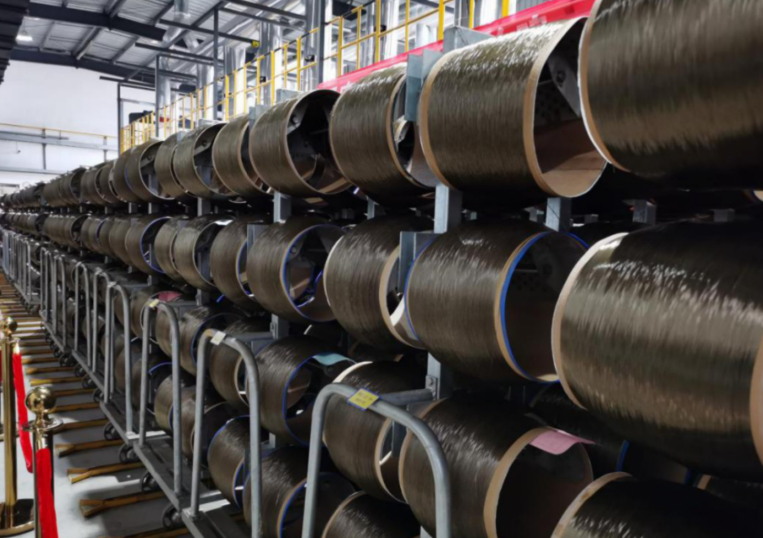
In a significant stride for the materials sector, the basalt fiber industry is witnessing a wave of advancements and expansion. Recently, on April 14th, Xinjiang Tuoxin Basalt Industry Co., Ltd. successfully produced its first batch of basalt fibers after a technological upgrade. This revival, following a hiatus since 2016, was achieved through a “lease + technological transformation” model led by the Alar Economic and Technological Development Zone, with the introduction of CEEC (Xinjiang) New Materials Co., Ltd. The upgrade, which involved doubling the number of holes in the drawing equipment to 400 and adopting a dual - design, has significantly enhanced the annual production capacity to 1,200 tons.