





Comparative analysis of continuous basalt fiber and glass fiber
1 Continuous Basalt Fiber in the performance of advantages
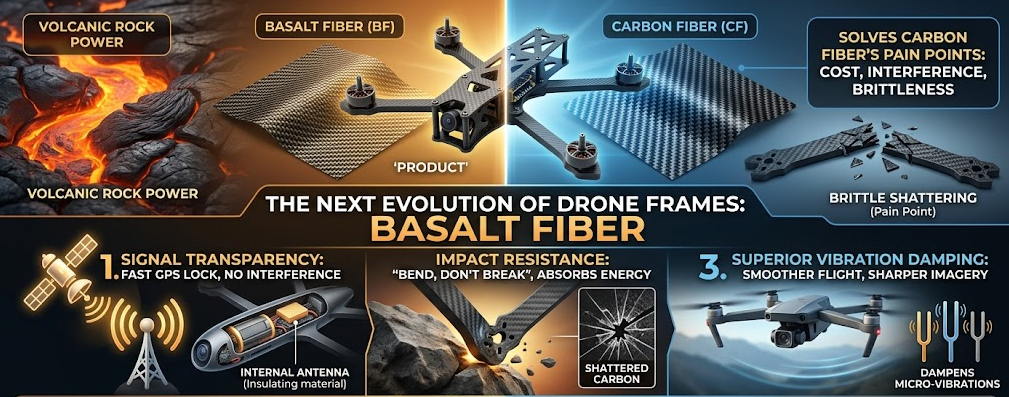
1) Strength and temperature resistance: continuous basalt fiberimpregnated yarn tensile strength can reach more than 2800 MPa, while the Glass Fiber is usually around 2000 MPa, so in the application of high-strength materials need to be basalt fibers show a certain advantage in the application of scenarios In addition, basalt fibers are more superior temperature resistance can be more than 550 ℃ to maintain a stable high-temperature environment, while the glass fiber at a temperature of more than 500 ℃ will significantly reduce the performance of the fiber. In addition,basalt fibers are more resistant to temperatures above 550°C, whereas glass fibers are significantly weaker at temperatures above 500°C.
2) Mass and Density: The density of glass fibers is about 2.50 ~ 2.76 g / cm3 while the density of basalt fibers is slightly higher at about 2.60 ~ 2.80 g / cm3 Although basalt fibers are slightly denser, their higher strength and durability make them more attractive for applications that are not mass-sensitive, such as structural reinforcement in buildings, but the advantage is not obvious.
2 Comparison of cost and production process
1) Raw material costs: The main raw materials for glass fibers are quartz sand, feldspar and limestone, which are inexpensive and available in sufficient quantities, whereas basalt, the raw material for basalt fibers, is a natural volcanic rock that is abundant, but due to its dispersed distribution has relatively high mining and transport costs, and the homogenization of the raw material, which as a natural stone has a varying compositional content, also increases the costs.
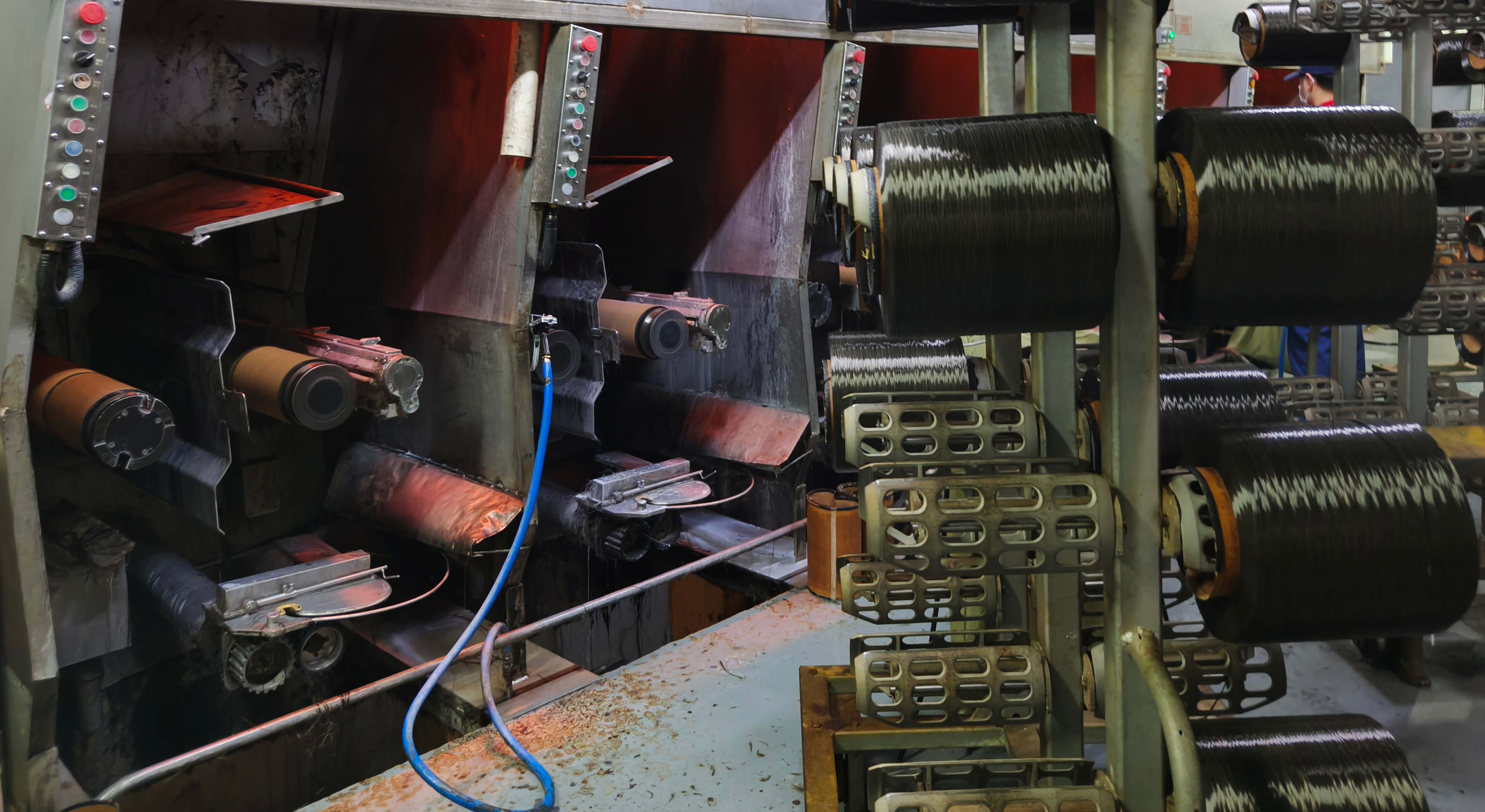
2) Complexity of the production process: The production process of basalt fibers is more complex than that of glass fibers, which is already well established and cheaper to produce on a large scale. In contrast, basalt fibers are produced at higher melting temperatures and require more complex equipment and processes than glass fibers, which are widely produced in large kilns with a small kiln and a monobloc crucible. This leads to lower productivity and lower stability of the product, higher personnel costs and higher energy consumption, and thus higher production costs.
3 Market acceptance and application fields
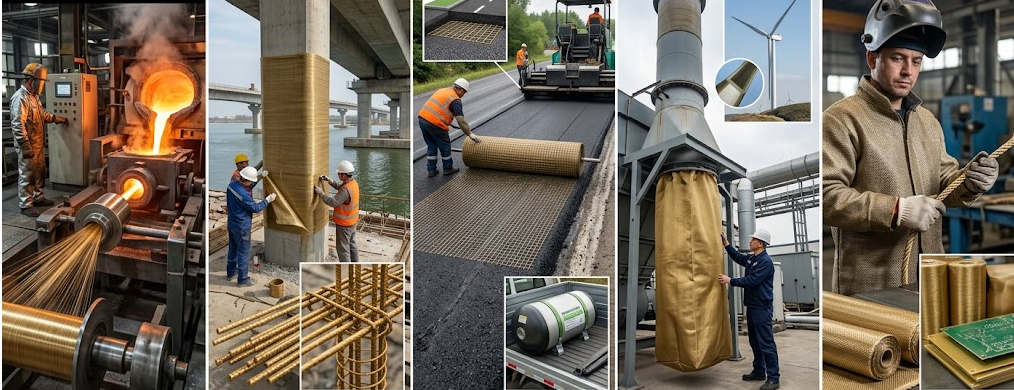
Continuous glass fiber and continuous basalt fiber as reinforcing materials have strong substitutability. After more than 20 years' development, continuous glass fiber has been widely used in various fields of composites at both the high-end (national defense and military industry) and low-end (construction materials, consumer goods, etc.). Although continuous basalt fiber is also used in the fields of defense and military industry, construction materials, petrochemical industry, equipment manufacturing, etc., but due to the higher production cost, some key technologies have not yet been overcome, the product type is relatively single and the product classification system is not perfect, etc., its output and market share are far lower than that of glass fiber.