






Study on the adhesion performance of basalt fiber reinforced cementitious materials with BFRP tendons
Core influencing factors of bonding performance
- Fiber volume doping and length
The volume doping of Basalt short-cut yarn has a significant effect on bonding strength, and the test shows that the volume doping of 0.2% has the best effect on bonding strength enhancement, and excessive doping may instead lead to a decline in performance due to fiber agglomeration.
Fiber length (e.g. 6mm and 18mm) has less effect on bond strength, but shorter fibers are more easily dispersed to reduce interfacial defects.
- Strength class of recycled concrete
Increasing the strength grade of recycled concrete (e.g., from C30 to C40) enhances the bond strength between the BFrp Reinforcement and the substrate, but the increase is limited, and the interface is susceptible to brittle peeling when the strength grade is too high.
- Interface treatment and coupling agent
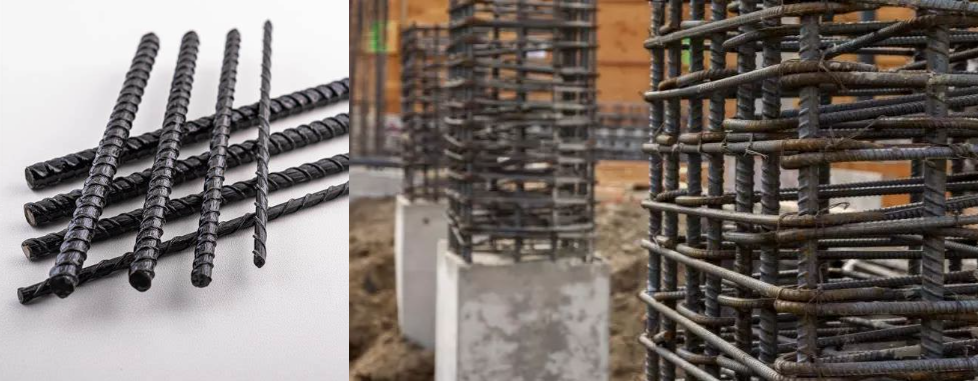
Sandblasting the surface of BFRP reinforcement can increase the roughness and improve the mechanical biting force; adding silane coupling agent can optimize the chemical bonding between fiber and resin matrix and reduce the interfacial slip.
Tests and mechanisms of adhesive properties
- Center pull-out test
The bond-slip curve was studied through the pullout test, and it was found that the bond damage mode was mainly tendon pullout or concrete splitting. The addition of basalt fibers can delay the brittle damage of concrete and enhance the ductility.
The typical bond strength range is 6-12 MPa, and the specific value is affected by the fiber dosage, reinforcement diameter (e.g., 16 mm) and interface treatment process.
- Bond stress distribution model
The bond stress is distributed nonlinearly along the length of the reinforcement, and the peak stress is concentrated at the loading end. The theoretical model needs to consider the crack extension resistance and interface friction effect of fiber-reinforced concrete.
Application advantages and engineering cases
- Corrosion resistance and durability
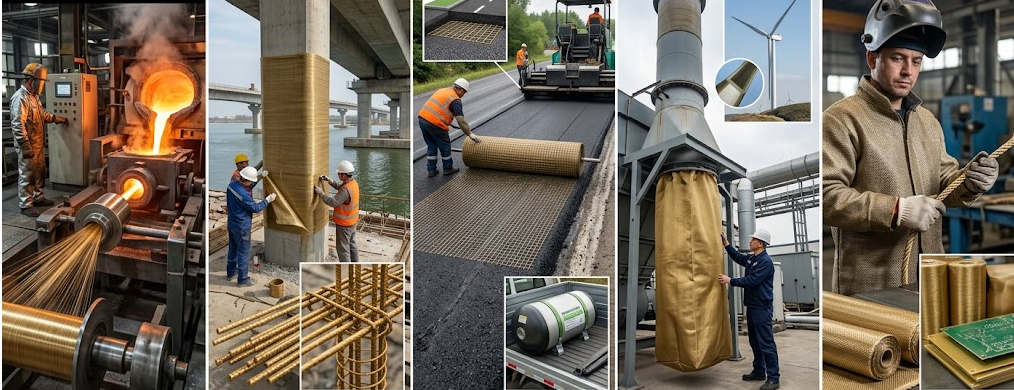
BFRP reinforcement retains more than 90% of its bond strength in chloride ion erosion environments (e.g., marine engineering), which is significantly better than steel and fiberglass reinforcing bars.
Case in point: Qingdao Cross-Sea Bridge adopts BFRP reinforcement to replace steel reinforcement, and its life expectancy has been extended to more than 100 years.
- Lightweight and Seismic Performance
The density of BFRP reinforcement is only 1/4 of that of steel, which can be used to reinforce concrete beams to reduce structural weight by 20%-30%, and at the same time enhance the seismic energy consumption capacity by wrapping the reinforcement.
Existing Challenges and Optimization Direction
- Interfacial bond strengthening
Existing problem: The interface between fibers and cement matrix is prone to peeling due to stress concentration, and nano-modified interfacial agents (e.g., nano-SiO₂ doped) need to be developed to enhance chemical bonding.
- Long-term performance and standardization
Lack of long-term creep data under high temperature and high humidity (e.g., more than 10 years), accelerated aging tests are needed to verify; design specifications are not yet uniform across countries, and although China has released the GB/T 38143-2019 standard, the detail design guidelines still need to be improved.
- Multi-scale collaborative design
In the future, we can explore the hybrid technology of BFRP reinforcement and steel fiber/carbon fiber to build gradient composites and balance the strength and ductility.
Future Research Directions
- Intelligent monitoring and digital modeling
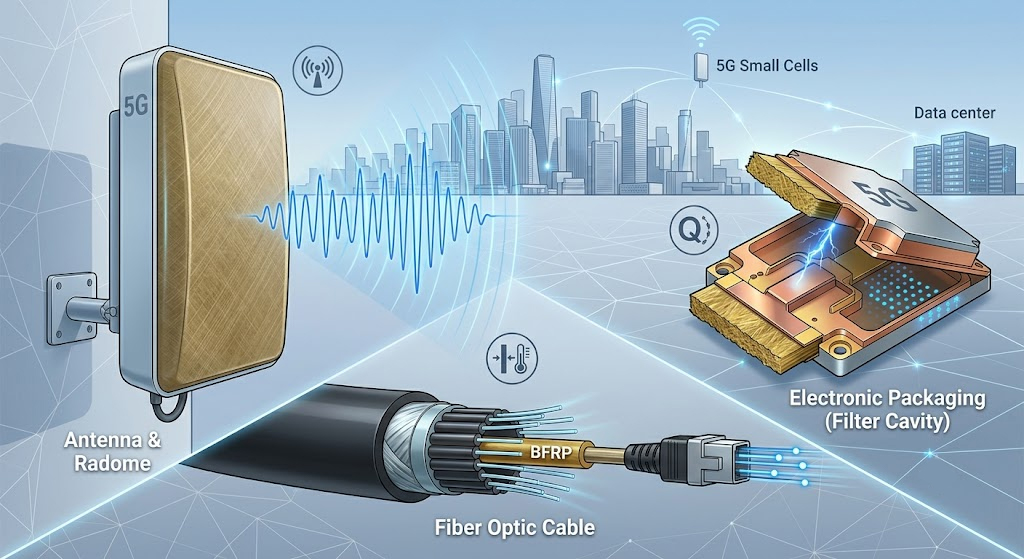
Embedded fiber optic sensors in BFRP tendons, real-time monitoring of bond interface strain and crack development, combined with finite element simulation to optimize the design.
- Low-carbon preparation process
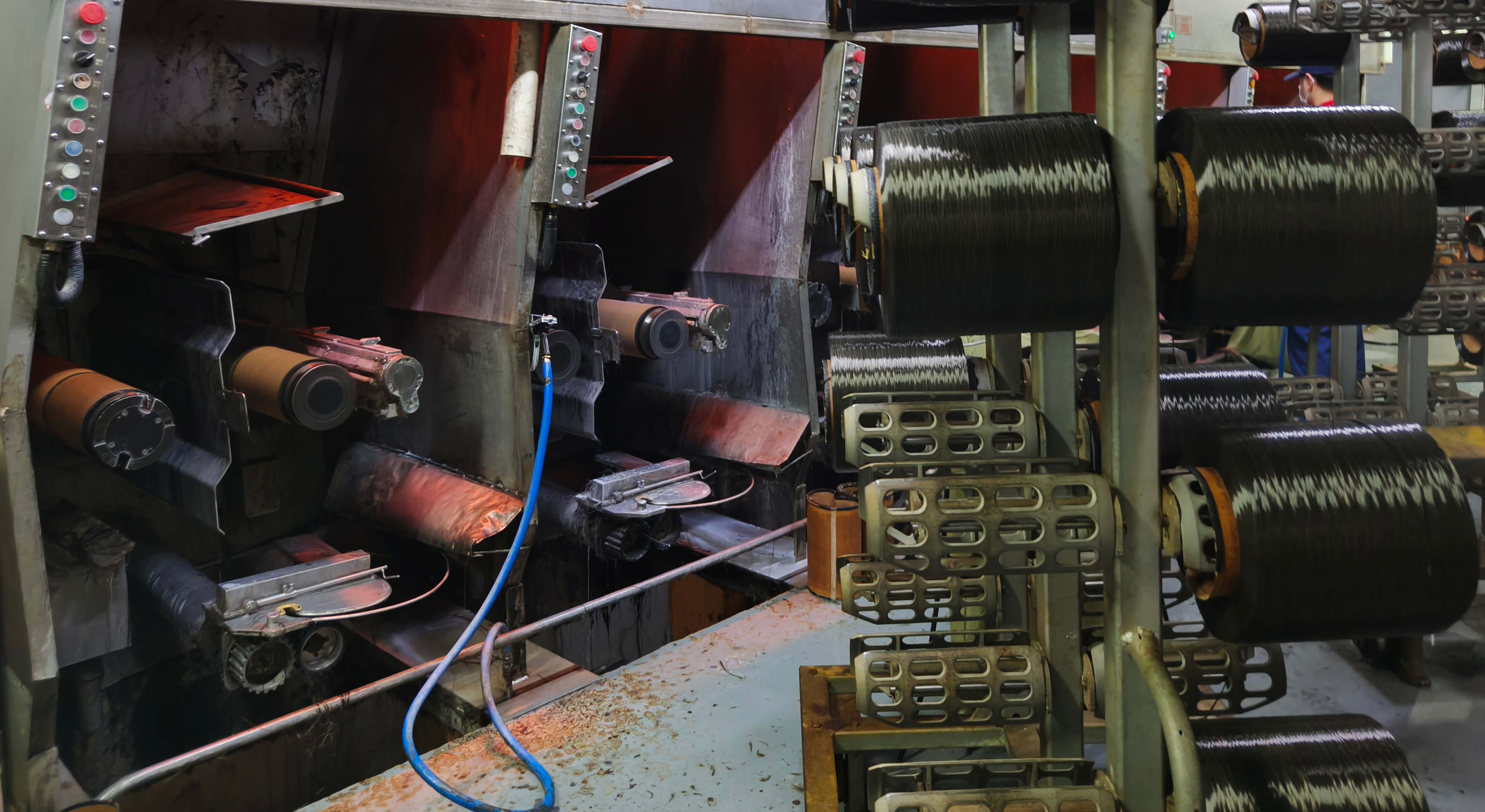
Reduce the basalt fiber melting and drawing temperature (currently 1400-1500 ℃), the development of low-temperature curing resin to reduce energy consumption.
- Efficient utilization of recycled materials
Combine the recycled aggregate and basalt fiber with construction waste to promote the “all-renewable” green building materials system and reduce resource consumption.
Summary
The research on the bonding performance of basalt fiber-reinforced cementitious materials and BFRP tendons has achieved stage-by-stage results, but its large-scale application still needs to break through the bottlenecks of interfacial optimization, long-term durability verification and standardized design. In the future, through multidisciplinary cross-innovation (e.g., smart materials, low-carbon processes), it is expected to realize technological breakthroughs in the fields of marine engineering and earthquake resistant reinforcement, and help the development of sustainable buildings.