







Top 10 Advantages of Basalt Fiber
Basalt Fiber: Top 10 Advantages
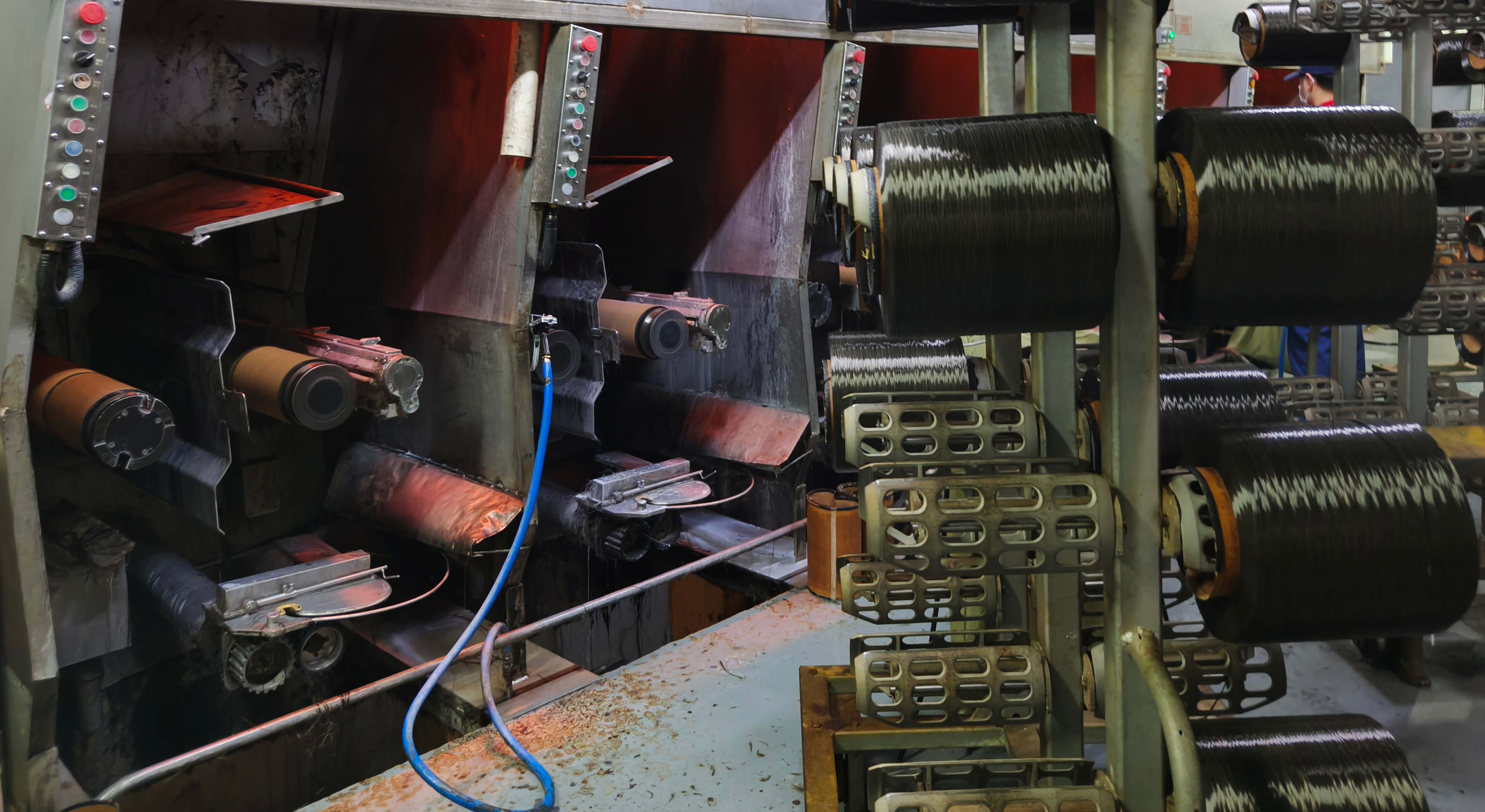
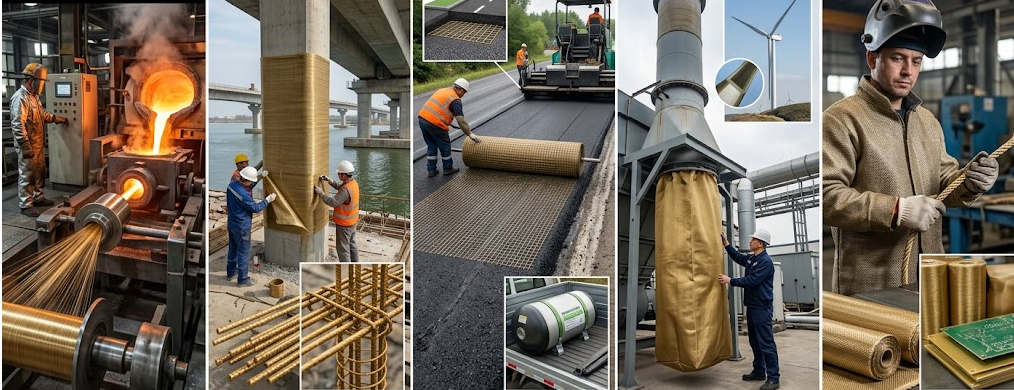
Basalt fiberis a continuous filament fiber made from natural Basalt Rock. The rock is melted at 1450°C-1500°C and then drawn through a platinum-rhodium alloy bushing at high speed. Pure basalt fiber is typically brown. It's a new type of inorganic, eco-friendly, high-performance fiber composed of oxides like silicon dioxide, aluminum oxide, calcium oxide, magnesium oxide, iron oxide, and titanium dioxide. Basalt continuous fiber not only has high strength but also boasts excellent properties such as electrical insulation, corrosion resistance, and high-temperature resistance. Furthermore, its production process generates minimal waste and environmental pollution, and the discarded product can degrade naturally without harm, making it a truly green and eco-friendly material. China has listed basalt fiber as one of the four key fibers for development (along with carbon fiber, aramid, and ultra-high molecular weight polyethylene) and has achieved industrial production. Continuous basalt fiber is now widely used in fiber-reinforced composites, friction materials, shipbuilding, the automotive industry, and high-temperature and protective applications.
-
Abundant Raw Materials
Basalt fiber is made from basalt rock, which is found in significant quantities on both Earth and the moon. This keeps the raw material costs relatively low.
-
Eco-Friendly Material
Basalt rock is a natural material. Its production process doesn't release boron or other alkali metal oxides, so the dust and smoke don't contain harmful substances and don't pollute the atmosphere. The product also has a long lifespan, making it a low-cost, high-performance, and clean new green material.
-
High-Temperature and Water Resistance
Continuous basalt fiber can operate in a wide temperature range of -269°C to 700°C (with a softening point of 960°C). This is superior to glass fiber (-60°C to 450°C) and carbon fiber (max 500°C). Notably, basalt fiber retains 80% of its original strength after working at 600°C and doesn't shrink at 860°C. It also maintains high strength after being exposed to 70°C hot water.
-
Excellent Chemical Stability and Corrosion Resistance
Basalt fiber contains components like K₂O, MgO, and TiO₂, which significantly improve its resistance to chemical corrosion and water. It's more chemically stable than glass fiber, especially in alkaline and acidic environments. Basalt fiber shows even better resistance to alkali corrosion in saturated Ca(OH)₂ solutions and cement.
-
High Elastic Modulus and Tensile Strength
Basalt fiber's elastic modulus (9100-11000 kg/mm) is higher than that of E-glass fiber, asbestos, aramid, polypropylene, and silicon fibers. Its tensile strength (3800-4800 MPa) is greater than that of large-tow carbon fiber, aramid, PBI fiber, steel fiber, boron fiber, and alumina fiber, and is comparable to S-glass fiber. With a density of 2.65-3.00 g/cm³ and a Mohs hardness of 5-9, it offers excellent wear resistance and tensile reinforcement. Its mechanical strength far exceeds natural and synthetic fibers, making it an ideal reinforcing material.
-
Outstanding Sound Insulation Performance
Continuous basalt fiber has excellent sound and noise absorption properties. Its sound absorption coefficient increases significantly with frequency. For example, a sound-absorbing material made of 1-3 μm diameter basalt fibers (with a density of 15 kg/m³ and thickness of 30 mm) has sound absorption coefficients of 0.05-0.15 at 100-300 Hz, 0.22-0.75 at 400-900 Hz, and 0.85-0.93 at 1200-7000 Hz.
-
Prominent Dielectric Properties
Continuous basalt fiber's volume resistivity is an order of magnitude higher than E-glass fiber, giving it excellent dielectric properties. Although basalt rock contains nearly 0.2% conductive oxides, special surface treatments with sizing agents can reduce the dielectric loss tangent by 50% compared to glass fiber, and its volume resistivity is also higher.
-
Natural Silicate Compatibility
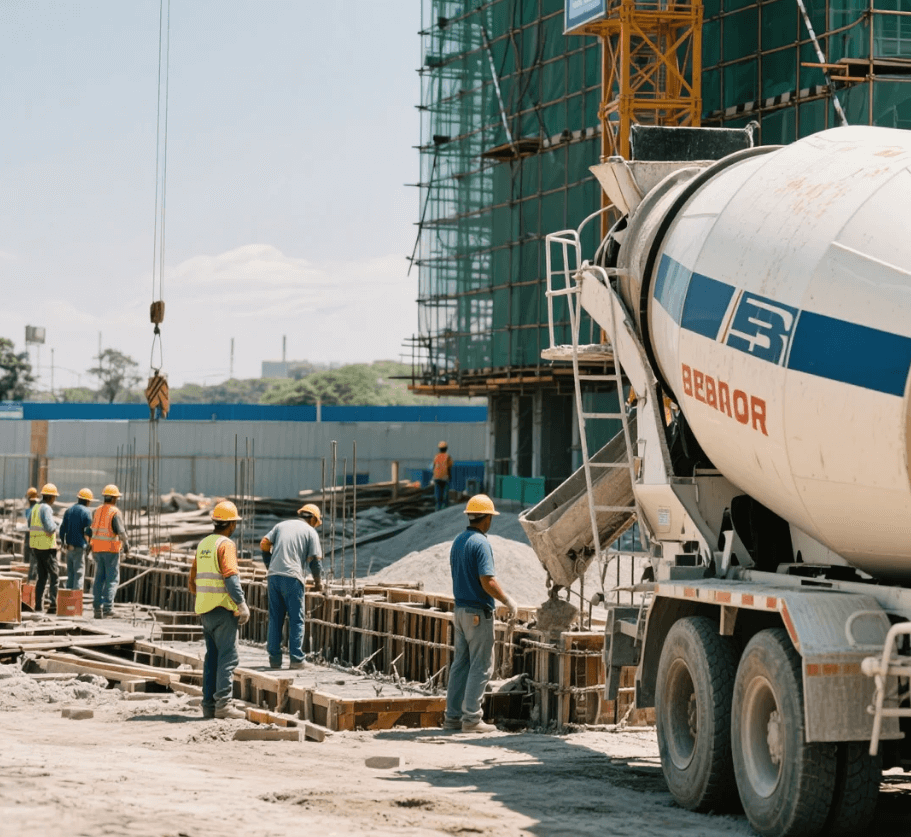
It disperses well and bonds strongly with cement and concrete. Its thermal expansion and contraction coefficients are consistent, and it has good weather resistance.
-
Low Moisture Absorption
Basalt fiber has a moisture absorption rate below 0.1%, which is lower than aramid fiber, rock wool, and asbestos.
-
Low Thermal Conductivity
Basalt fiber's thermal conductivity is 0.031-0.038 W/m·K, which is lower than aramid fiber, aluminum silicate fiber, E-glass fiber, rock wool, silicon fiber, carbon fiber, and stainless steel.